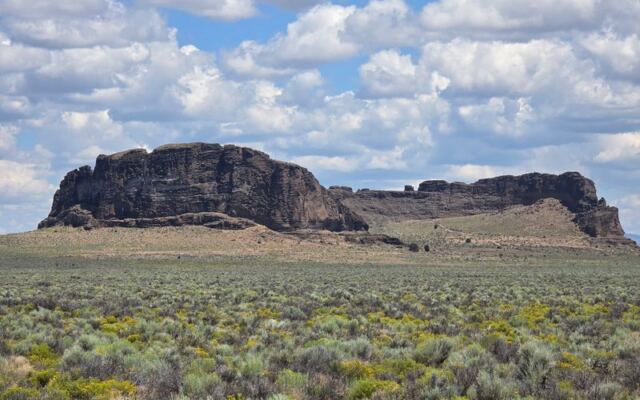
You know that feeling when a long, flat stretch of road suddenly shows you something you never expected? Out in the high desert of Oregon, a giant ring of stone pops up from the empty plains like it was dropped there for a film.
Most folks zoom past on the highway without a second glance. If you are the curious type who likes a quiet spot with a big payoff, this one is for you.
A Stone Fortress Rising From the Flats
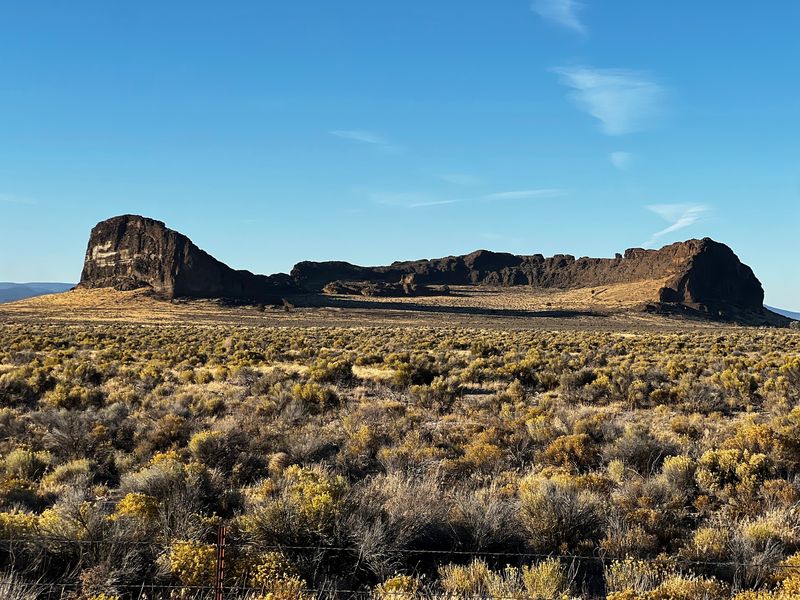
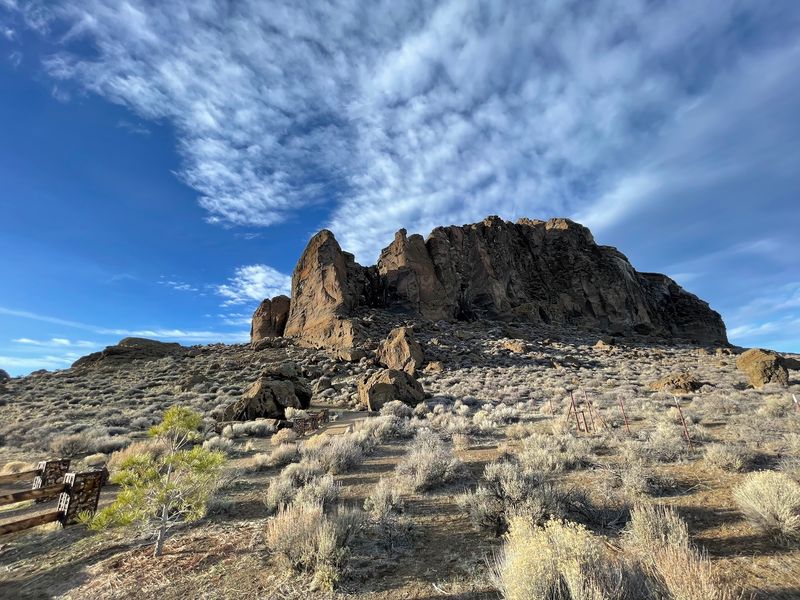
Picture a flat sagebrush plain stretching to the horizon, and then a massive wall of stone standing in the middle of it. That is Fort Rock State Natural Area, found at the end of Fort Rock Road in the small town of Fort Rock, Oregon.
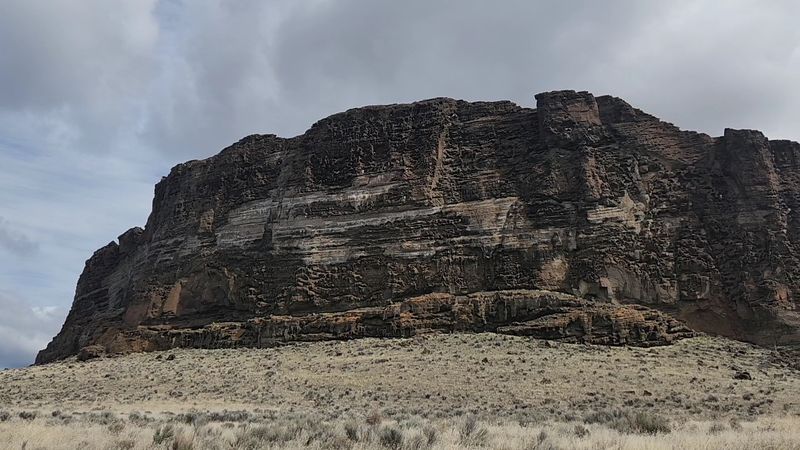
The formation is a huge, nearly circular ring with jagged walls and one opening, so it really does look like a fort. Visitors say it looks like a desert mirage as you drive closer.
It is a state park and a National Natural Landmark, tucked away in Oregon’s high desert. Because it sits several miles from the main highway, it rarely feels crowded.
Locals tend to know it, but many travelers speed right by without ever knowing what they missed.
How a Volcano Built This Place
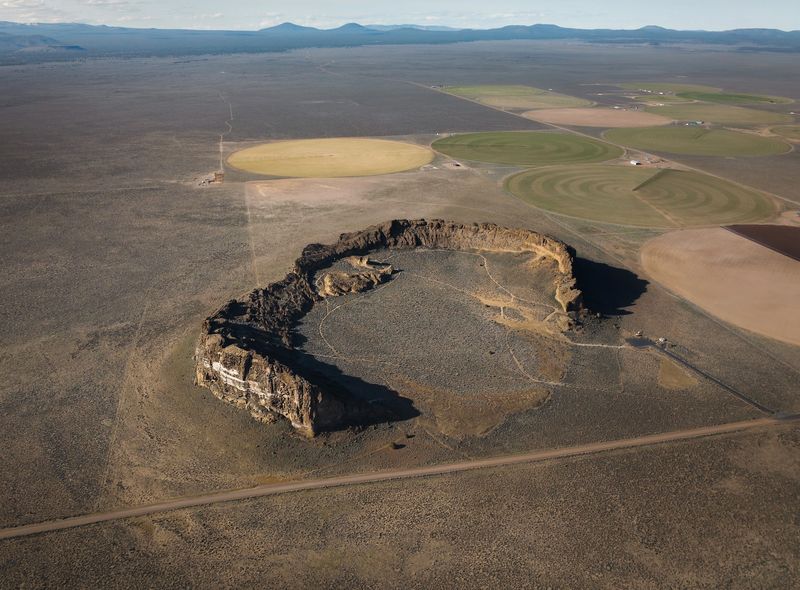
Here is the science, kept simple. Fort Rock is a tuff ring, a shape left behind when volcanic activity pushed up through water and cooled fast.
Visitors mention that the rock looks like it has been through some seriously high temperatures long ago. Up close, the walls show layers and rough textures that make great photo subjects.
Part of the ring has worn away, which opens the inside to explore. Reading a bit about how it formed before you go makes the walk feel richer.
Interpretive signs on site help fill in the story, so you do not need to be a geologist to follow along.
The Island That Used to Float
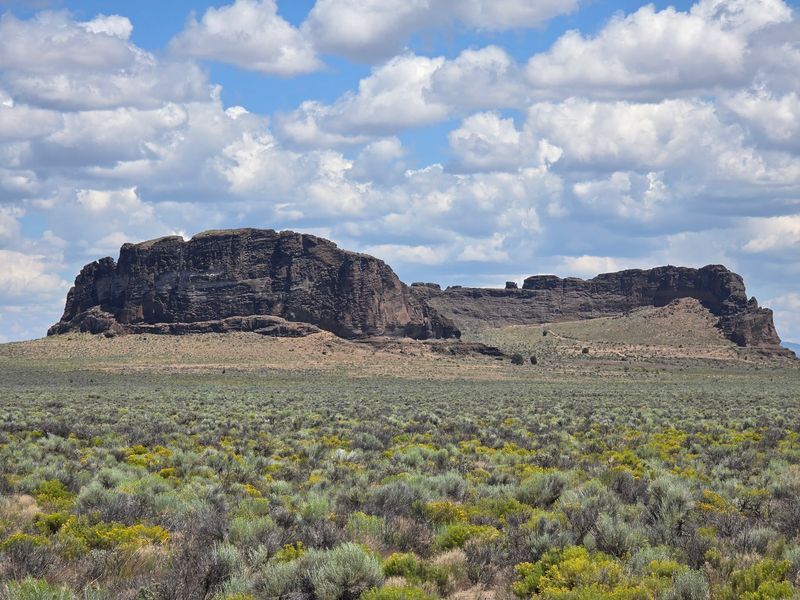
Believe it or not, you are standing where water once lapped the rocks. Long ago, a large shallow lake covered this area, and Fort Rock was an island in it.
Today the lakebed is dry and wide open. Some visitors even spot sea shells on the side walls, a small clue to the watery past.
Fans of the book Holes say the dry lakebed gives the same feeling, like you have stepped right into the story. Take a moment at the base to look out across the flats and imagine canoes drifting past the stone shore.
It adds a fun layer to the whole visit.
Sandals Older Than the Pyramids’ Neighbors
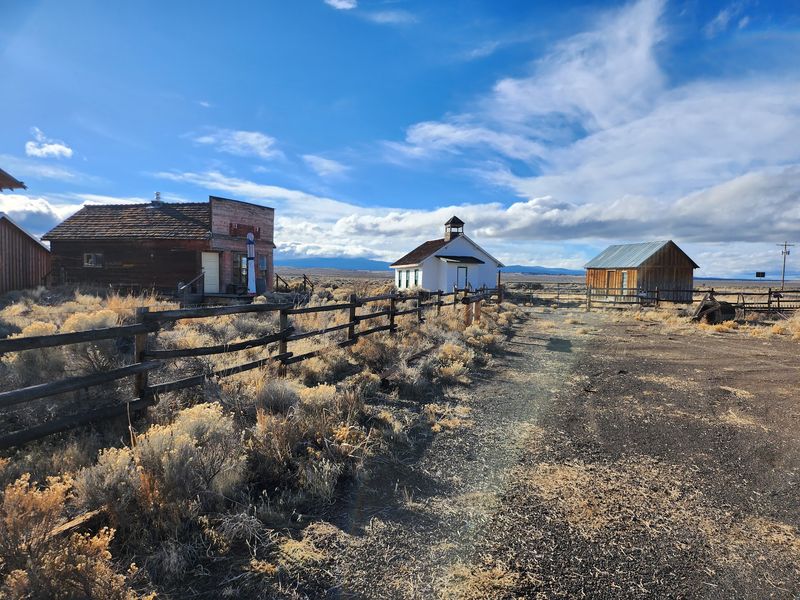
Quirky fact time: some of the oldest shoes ever found came from a cave near here. Visitors say the woven grass sandals date back roughly 9,350 to 10,500 years.
Think about that the next time your hiking boots feel heavy. Early people once traveled this area, and the finds make Fort Rock a history stop as much as a scenic one.
One visitor noted that the tiny museum in town holds artifacts from the surrounding area, and it is a separate stop from the park itself. Pair the two and the rock suddenly feels like part of a much longer story.
Walking the Inside Rim
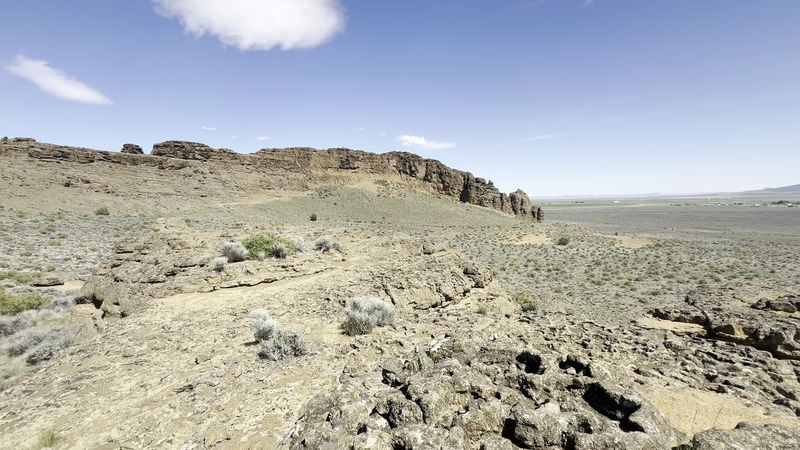
Lace up and follow the path inside the ring. Hiking is the top topic among visitors, and the trails here suit all sorts of walkers.
Some people describe a short, easy stroll into the center. Others take the loop around the inside rim, which some visitors estimate is a much longer trek, so plan your energy.
The trail can be uneven, rocky, and a little steep in places. Walking around the rim may be tougher if you have health concerns, so go at your own pace.
Wind can make it cool up high, so pack a layer even on a sunny day.
The Climb to the Southwest High Point
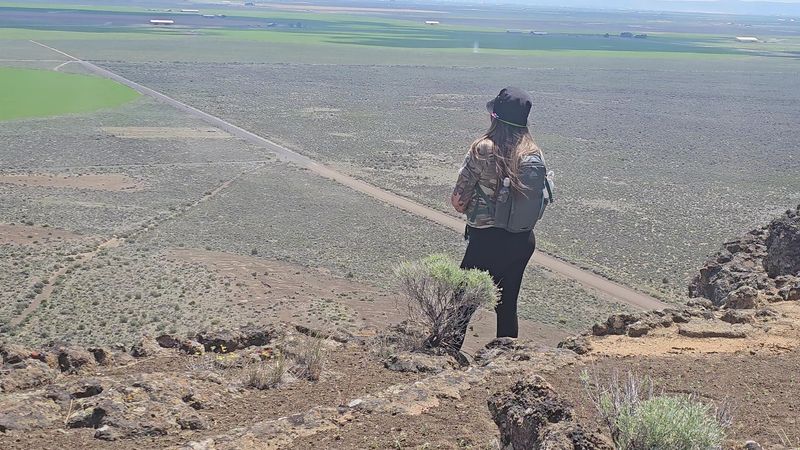
If you only pick one path, ask visitors and many point southwest. The trail climbs to the highest part of the park, and it is steep at times but manageable.
The reward is a sweeping view over the whole ring and far across the valley. Folks say you can see for hundreds of miles from the center of the old volcano.
Birds nest in the rocky walls above, so keep your eyes up as you go. Mountains line the distance, and the desert spreads out like a quiet map.
Bring a camera, because the angles from up here are the ones you will want to show everyone.
Stargazing After the Sun Drops
Daytime gets all the attention, but the night shift is special. One visitor hiked at midday, returned on a new moon, and captured the Milky Way above the rock.
Wide open desert means very little to block the sky. The dark stone ring makes a dramatic frame for any long exposure photo.
Photographers and painters alike say the landscape begs to be recorded. Few other people tend to be around, which adds to the calm.
Check the park rules and conditions before planning a late visit, and dress warmly, since high desert air cools quickly once the light fades.
Picnic Tables and Parking Lot Perks
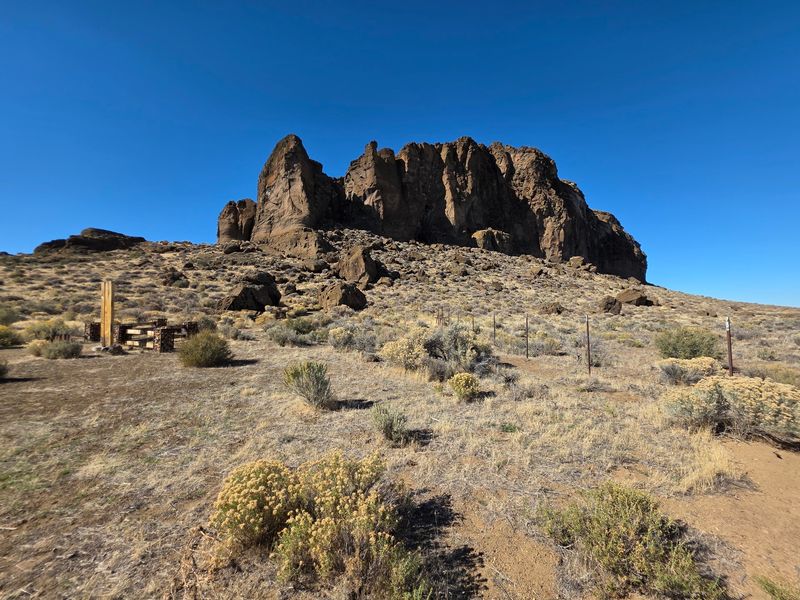
Pack a lunch, because this stop is built for lingering. Visitors mention picnic tables, including covered, shaded ones, which are welcome on a hot day.
Parking is ample, and the walk to the rock starts right from the lot. There are restrooms and a park host on site, and the host is described as friendly and full of geology and history.
Restroom conditions have varied over the years, according to visitors, so bring a few supplies just in case. Fill your water bottle before heading out, since the summer sun can be blazing and shade is limited on the trails.
The Old Cemetery Next Door
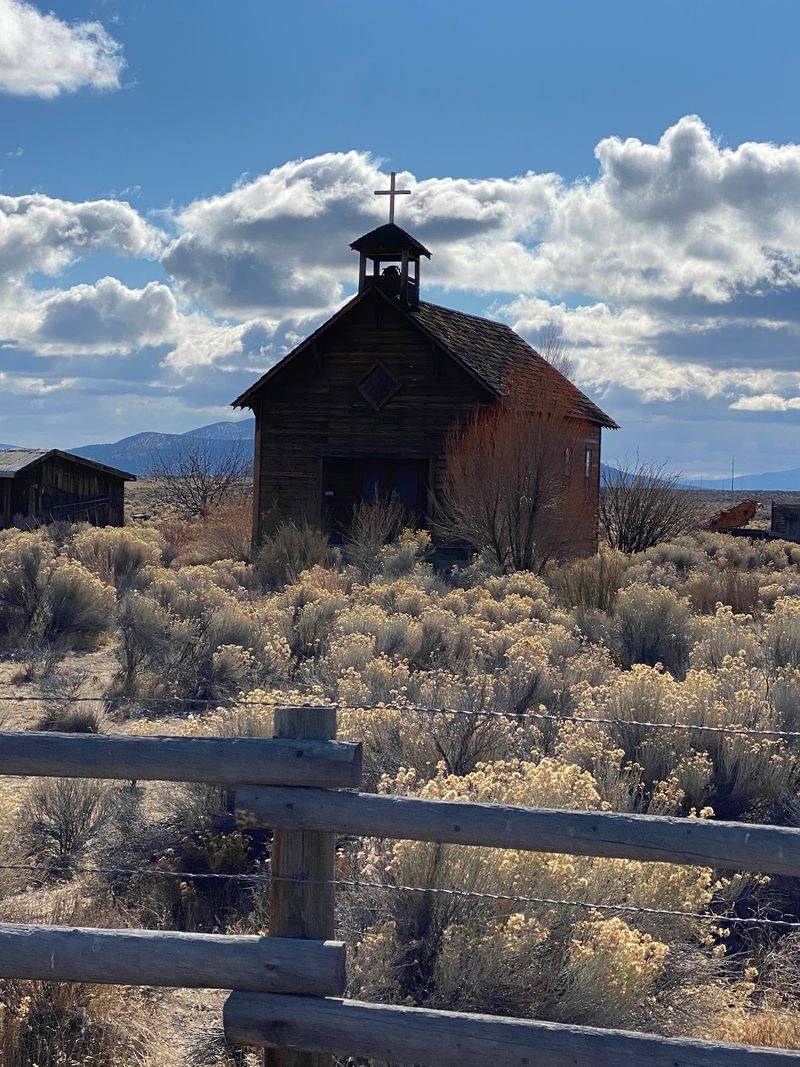
Right beside the rock sits a small piece of local history. The old cemetery is a quiet stop that visitors say is worth a few minutes.
The headstones are very old, and the decorative touches are described as touching. It gives a human feel to a place known mostly for stone.
Walk slowly and be respectful as you look around. Combined with the sandals story and the tiny town museum, the cemetery rounds out the picture of people living in this big, quiet landscape.
It is an easy add-on after your hike, and it takes very little time.
Getting There and Planning Your Visit
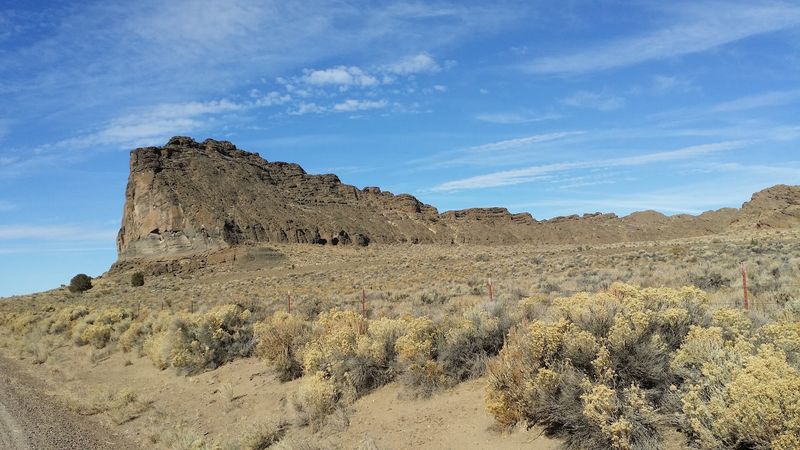
Ready to go? The address is Fort Rock Rd, Fort Rock, OR 97735, and the park is only about 6 miles from the main highway.
Visitors say it is roughly an hour from Bend and about 36 miles from La Pine on country roads.
Entry is described as free. For current hours and details, call 800-551-6949 or check the Oregon State Parks website.
Summer can be very hot, so bring plenty of water. Winter is described as cold but beautiful.
Spring and fall offer milder days and thinner crowds, which suits anyone chasing a quiet outing.
A Soft Verdict for the Quiet Fortress
So, is it worth the detour? Visitors overwhelmingly say yes, and many call it a hidden Oregon gem.
You get volcanic geology, ancient history, big views, and kid-friendly exploring in one low-key stop. Families, photographers, and casual hikers all find something to enjoy.
It will not take your whole day unless you want it to. Walk a short loop or tackle the rim, then head home with a story most tourists never hear.
For an Oregonian who loves places without crowds, Fort Rock earns a spot on the list.
Share this story