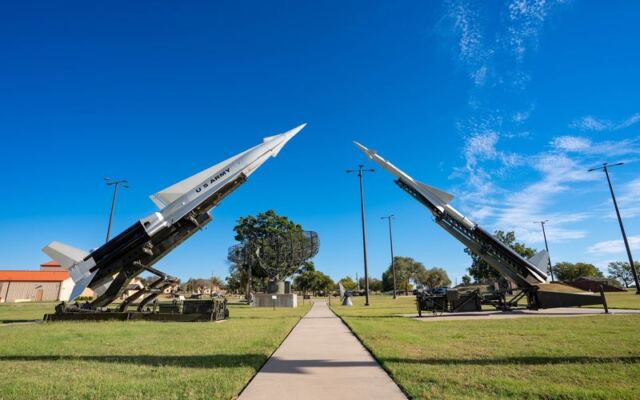
I expected a quick stop and maybe a few old cannons behind a fence. Instead, I found myself wandering for hours among giant steel machines that once shook the ground, right here in Oklahoma.
It costs nothing to get in, yet it tells one of the biggest stories in American history. If you love surprises that hide in plain sight, keep reading.
A Free Museum Inside Fort Sill
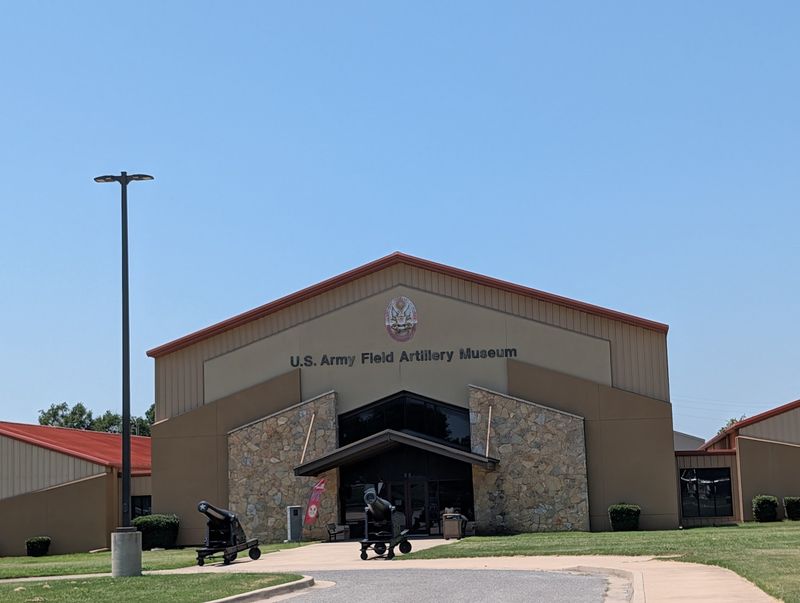
Tucked onto Corral Road at Fort Sill near Lawton, the US Army Artillery Museum sits on an active Army post in southwest Oklahoma. It is an official Army museum, and its whole focus is the story of field artillery from its earliest days to the present.
Admission is free, which surprises plenty of first-time visitors. Many guests leave a small donation on the way out, and some even encourage others to do the same as a way of saying thanks.
The setup is simple to picture. There is a main building filled with galleries and artifacts, plus a big outdoor area where huge guns and vehicles sit in the open air.
You can walk right up to them, circle them, and take in their size up close.
Because the museum is on a military base, getting in takes a bit of planning, which we will cover later. Once you are inside the gates, though, the experience is relaxed and self-paced.
Nobody rushes you along, and you can linger at whatever catches your eye.
For travelers crossing Oklahoma, it is one of those stops that sounds small on paper but turns into the highlight of the day.
Centuries of Artillery History Under One Roof
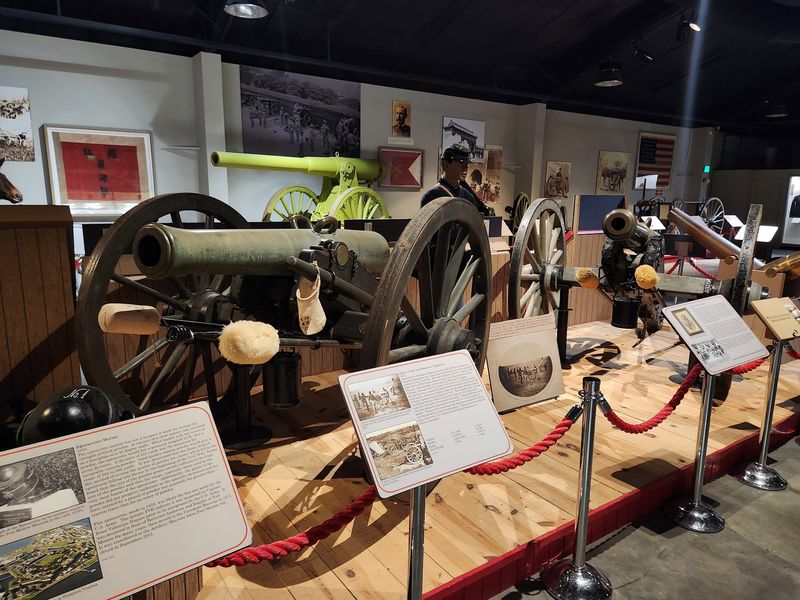
Long before the United States was even a country, cannons were already changing how nations defended themselves. The museum starts its story right there, in an era older than America itself.
From that early starting point, the exhibits move forward through time. Visitors follow the growth of artillery across the centuries, watching heavy bronze and iron pieces slowly turn into the advanced machines used by today’s Army.
Guests often describe the collection as thousands of artifacts strong. That is a lot of history for one stop, and it explains why so many people say they learned things they never knew before.
Even folks who arrive with little background walk out feeling like they took a fascinating class.
The museum also does not stop at American equipment. Visitors mention that the displays include foreign military advancements too, which adds helpful context.
Seeing how different countries solved the same problems makes the American pieces more meaningful.
There is a quiet weight to it all. Several guests describe the visit as humbling, a reminder of the soldiers and families connected to every piece on display.
It is history you can feel, not just read about on a sign.
Three Galleries, Three Eras
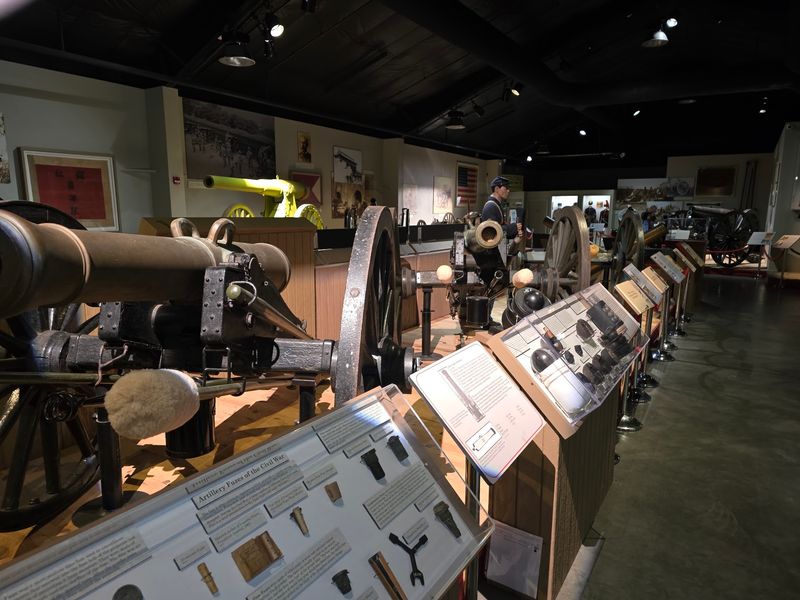
Think of the inside of the museum as a time machine with three stops. The building is divided into three large wings, and each one covers a different chapter of artillery history.
The first section covers the era before the world wars. Next comes the World War I and World War II gallery, followed by a wing devoted to modern artillery.
Walking through them in order feels like flipping the pages of a giant picture book.
Visitors praise how well thought out the displays are. Each era has its own exhibits, and guests say there is so much to see and read that photos barely capture it.
One family noted they enjoyed every era equally, which is high praise for a history museum.
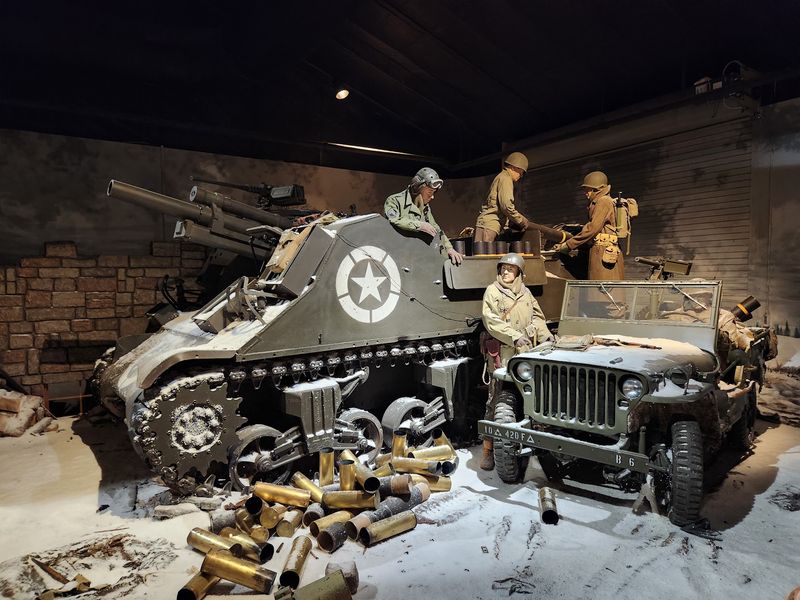
The galleries are packed with more than just big guns. You will find uniforms, photographs, and all sorts of objects that show how soldiers lived and worked during each period.
Wartime events exhibits help connect the equipment to the real moments when it was used.
The layout makes it easy to take a break between sections, too. If one era grabs you more than another, you can slow down there and breeze through the rest.
The Outdoor Steel Parade
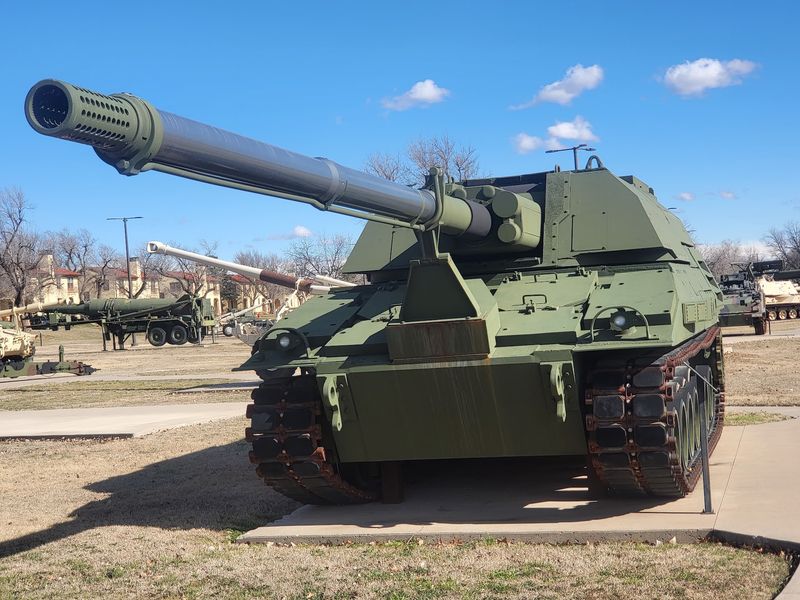
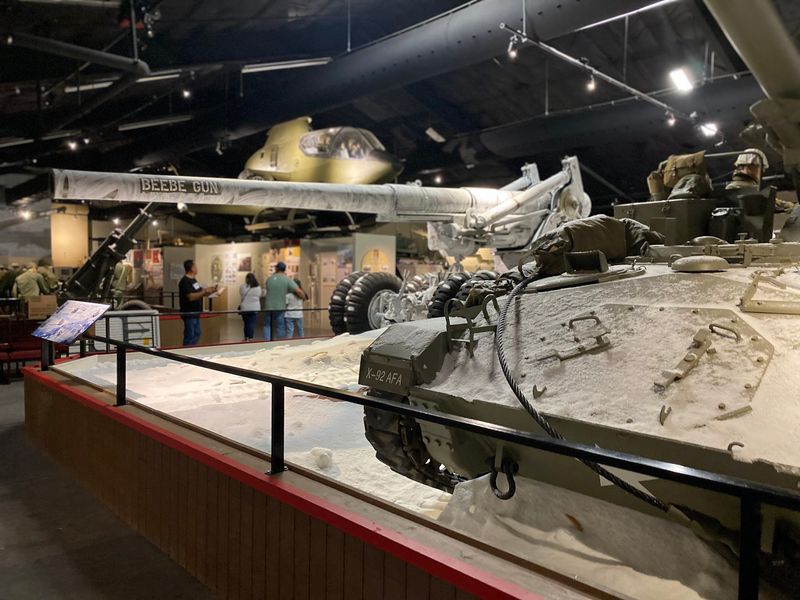
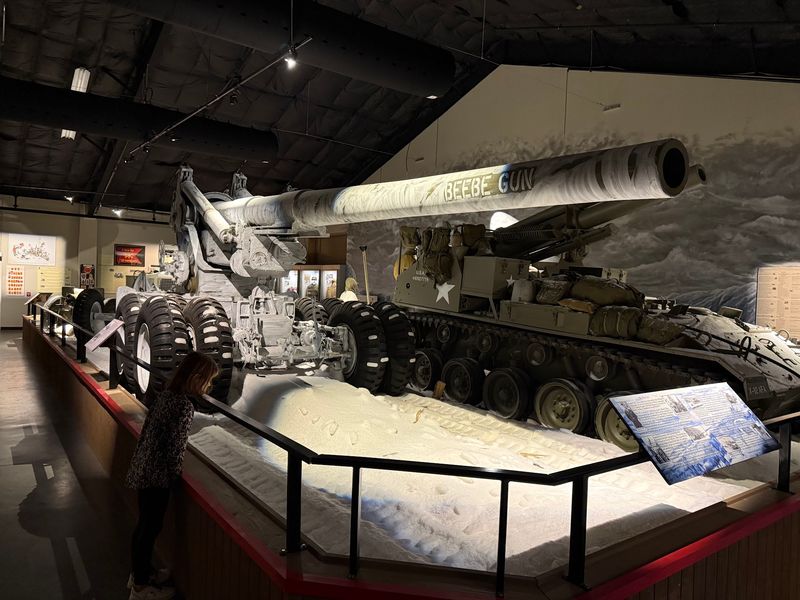
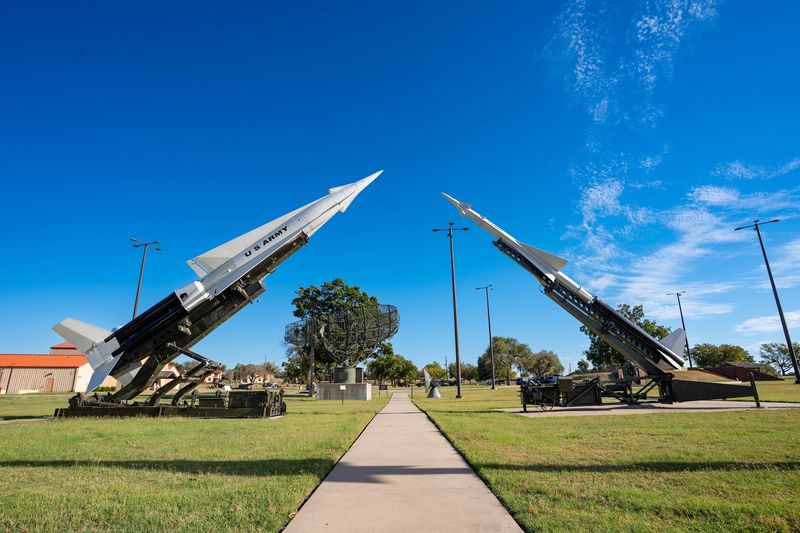
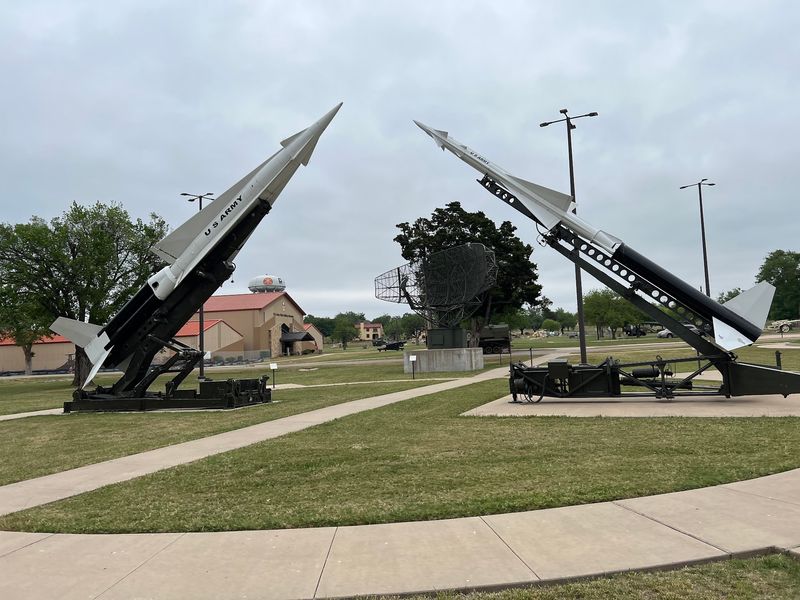
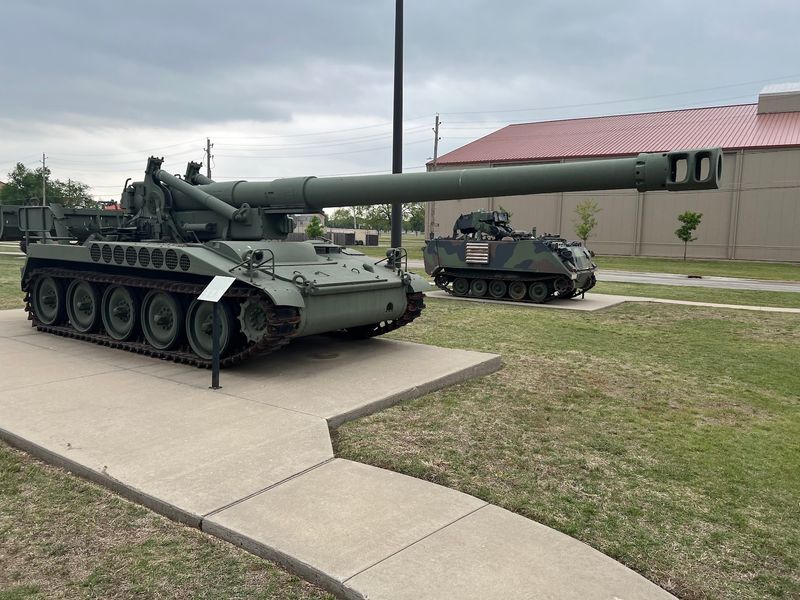
Step outside and the scale changes instantly. Rows of full-size artillery pieces and vehicles stretch across the grounds, waiting for you to stroll among them.
Outdoor exhibits are one of the things visitors bring up most. Guests describe many pieces to look at, and they often mention how good a condition they are in.
One visitor who arrived when the building was closed still left happy after exploring the outdoor displays alone.
Walking beside these machines gives you a feel no photo can match. You notice the thickness of the steel, the length of the barrels, and how tiny you look next to the tracks of a self-propelled gun.
Some visitors call them simply the biggest guns out there.
The outdoor area pairs nicely with the indoor galleries. After reading about how a piece was used, you can head outside and see similar equipment standing in the Oklahoma sunshine.
It turns history into something you can walk around.
Bring your camera and give yourself time. People who rush past the outdoor static displays tend to regret it, since several guests say there are interesting items out there worth a second look.
Atomic Annie and Other Headliners
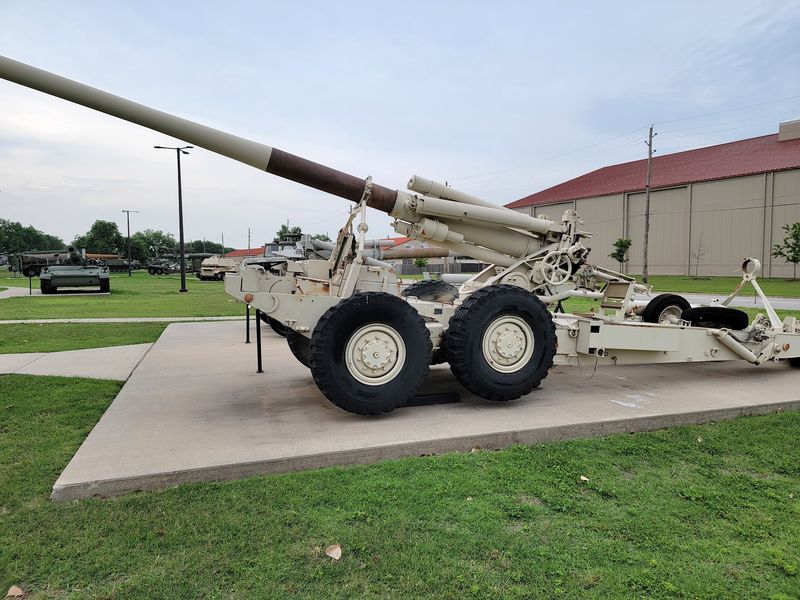
Every great collection has a few celebrities, and this one has a famous name: Atomic Annie. The enormous cannon is among the standout pieces visitors list when they recall their trip.
Annie is far from alone in the spotlight. Guests also point out a prototype M777 howitzer and a Paladin, the modern self-propelled artillery vehicle that tends to draw a crowd.
Seeing a prototype in person is a rare treat for anyone who follows military equipment.
Fun fact for the road: a prototype is an early test version built before the final model goes into service. Standing beside one means you are looking at a piece of design history, not just a finished product.
These headliners give the outdoor tour some exciting goals. Kids especially love hunting for the biggest vehicle on the grounds, and parents often enjoy reading about how each machine changed the way the Army operated.
If you only have a short window, make these pieces your priority. They show just how far artillery traveled from early cannons to the powerful modern systems stationed around the world today.
A Cannon Linked to Yorktown
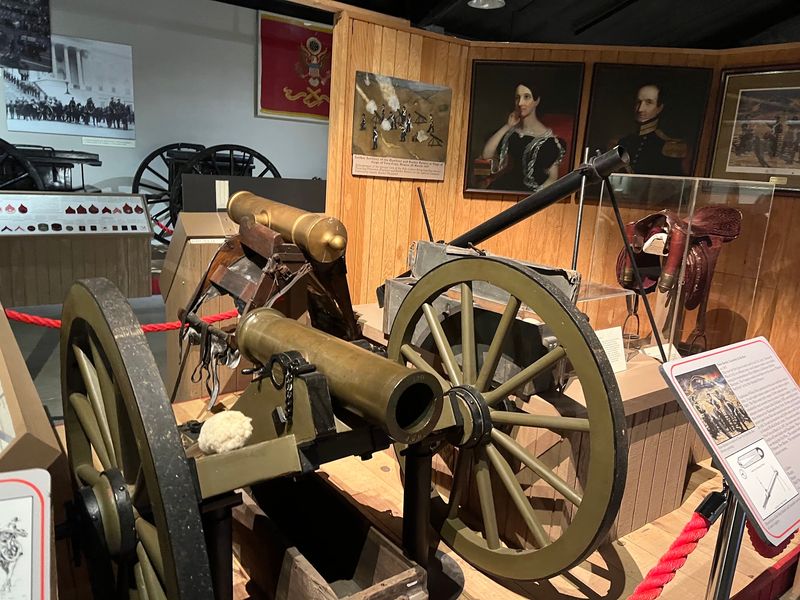
Some objects carry stories so big they seem impossible to fit into one room. Visitors describe a cannon connected to the surrender at Yorktown, one of the most famous moments of the American Revolution.
Nearby, guests admire beautifully crafted barrels from the 18th century. Those older pieces show real artistry, with shapes and details that feel almost like sculpture.
Back then, cannon makers took pride in how their work looked, not just how it performed.
For history fans, these early pieces are the heart of the collection. They connect the modern Army stationed at Fort Sill to the very beginnings of the nation.
Standing in front of them, it is easy to picture colonial soldiers hauling these heavy barrels across muddy fields.
Kids get a thrill here too. One family shared that their children loved spotting early muzzle loader rifles along with the big artillery pieces.
Seeing how soldiers loaded gear from the front of the barrel makes for a fun conversation on the ride home.
Take your time in this part of the museum. The craftsmanship rewards a slow, careful look at every curve and detail.
Friendly Faces Behind the Exhibits
Ask visitors what they remember most, and a surprising answer keeps coming up: the people. Helpful staff are the single most mentioned topic among guests.
Visitors describe the team as very friendly and welcoming. Whether you have a question about a specific cannon or just need directions to the next gallery, the staff seem happy to help.
That warmth makes a big museum feel approachable, even for people new to military history.
A good host can change a whole trip. When someone takes a moment to share a story or explain a confusing exhibit, the displays suddenly make more sense.
Several guests leave feeling like they gained real insight, not just a few photos.
The museum also has a personal side for military families. One visitor shared that the trip helped her understand more about her husband’s job in the Army.
Moments like that turn a casual outing into something meaningful.
Since entry is free, many guests show their thanks by dropping a donation before leaving. It is an easy way to support the people who keep this place running so smoothly for everyone who walks through the doors.
Who Will Love the Visit
War buffs, curious kids, and road trippers who just need to stretch their legs all seem to find something here. The audience is wider than you might guess.
History lovers are an obvious match. Guests who call themselves military museum fans say the place exceeded their expectations and earned a spot among the best museums they have visited.
Others who knew little going in describe it as a cool find.
Families do well here too. Parents mention that their sons and daughters loved the large, heavy equipment, and one family said the visit was the right length for their daughter without feeling boring.
Kids get to see giant machines up close, which beats reading about them in a textbook.
Military families have their own reasons to come. Learning about a loved one’s role in artillery can make the visit personal and moving.
Even casual travelers crossing Oklahoma find it worthwhile. One guest summed up the surprise well, saying they had no idea before, but they sure do now.
If you enjoy hands-on history with a big wow factor, this stop belongs on your list.
Beating the Oklahoma Heat
Oklahoma summers do not play around. When temperatures climb toward 100 degrees, those outdoor steel giants can feel like they are sitting on a griddle.
Visitors have smart advice for this. One family arrived on a 100-degree day and chose to focus on the indoor galleries, praising the air conditioning as perfect.
Another guest suggested visiting on a cool day or bringing water if you plan to see everything outside.
A simple game plan helps. Explore the outdoor displays early, then head indoors as the day warms up.
Several guests found the morning a great time for the visit, and one described it as an interesting way to spend an hour or two before lunch.
Pack the basics before you go. Water, sunscreen, and a hat make the outdoor stroll much more pleasant, especially for kids who want to see every single tank.
Cooler months open up even more options. Spring and fall days let you wander the outdoor grounds at a relaxed pace without hunting for shade.
Whatever the season, a little planning keeps the focus on the history instead of the thermometer.
Getting Onto the Base
Here is the one detail that trips people up: the museum sits inside Fort Sill, an active Army post. That means you need access to the base before you can visit.
If you are not military and do not have a Department of Defense ID, stop at the Fort Sill Visitor Center first to get a pass. Visitors repeat this tip again and again because it makes or breaks the trip.
Once you have your pass, guests say the museum is easy to find and has plenty of parking.
Timing matters too. One family showed up on a graduation day without a pass, waited in a long line, and eventually gave up.
They said they would plan better next time, which is good advice for anyone.
To avoid that frustration, build extra time into your schedule for the visitor center. Calling ahead at 580-442-1819 or checking the museum website can help you confirm details before you drive out.
While you are on post, there are several other museums to explore as well. Visitors also suggest stopping at Geronimo’s grave, a meaningful historic site that adds even more depth to the day.
Hours, Cost, and Time to Budget
Good news first: there is no ticket price. Admission is free, and the whole experience is self-paced, so you set the rhythm.
The schedule is the part to watch closely. The museum opens Tuesday through Friday from 9 am to 5 pm.
It is closed on Saturday, Sunday, and Monday, so weekend road trippers will need to adjust their plans.
How long should you stay? Most visitors spend about an hour to an hour and a half inside, depending on how much they read.
History fans who want to study every exhibit, plus the outdoor pieces, could easily stretch that longer.
Quick checklist before you go:
Arrive with your base pass sorted or extra time to get one. Bring water if you plan to explore outside.
Leave room in your budget for a donation, since many guests like to support the museum that way.
Contact info is easy to keep handy. The phone number is 580-442-1819, and the official site is sill-www.army.mil/famuseum.
A quick call can confirm hours before you make the drive, which is always smart when visiting a site on an active base.
Why the Detour Pays Off
Few free stops in Oklahoma deliver this much. Between the three indoor galleries and the sprawling outdoor displays, the museum packs centuries of history into a single, easygoing visit.
What makes it memorable is the mix. You get the craftsmanship of 18th century barrels, the drama of Atomic Annie, and the modern muscle of the Paladin, all in one place.
Add friendly staff and a relaxed pace, and the day feels effortless.
Sure, there is a bit of homework. You need a base pass, the hours fall on weekdays only, and summer heat calls for water and an early start.
Those small steps are worth it, according to the many visitors who say they would happily return.
For Oklahomans, it is also a point of pride. Fort Sill has shaped the story of American artillery, and the museum shares that legacy with anyone willing to make the trip to Lawton.
So plan a weekday, grab your pass, and give yourself a couple of hours. Chances are you will walk away like so many others, surprised that something this impressive was free all along.
Share this story