Some of the spookiest places in Oklahoma have no ticket booth, no costumed actors, and no gift shop. They are quiet towns that once buzzed with miners, railroad workers, and oil crews, then slowly emptied out.
October is the perfect month to visit, when cool air and golden light make every crumbling wall feel like it has a story to tell. Pack a snack, fill the tank, and get ready to meet the places Oklahoma almost forgot.
1. Texola
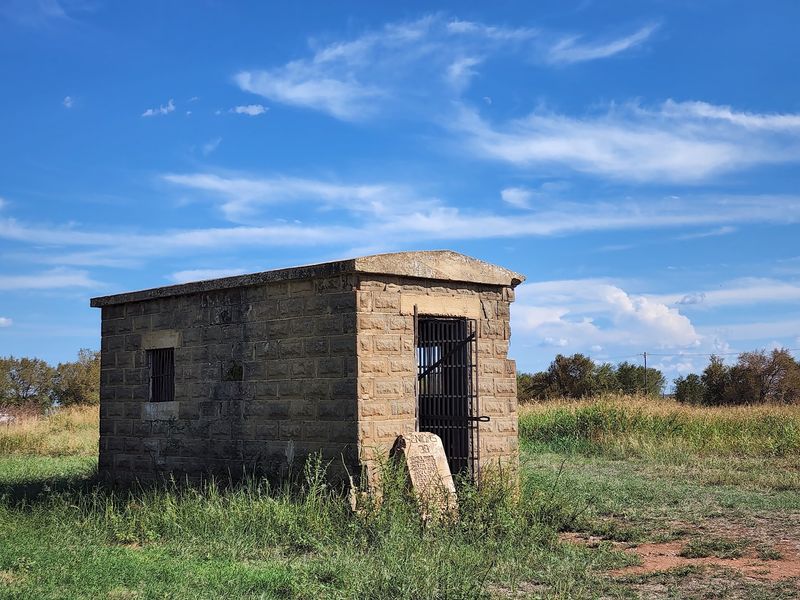
Right where Oklahoma hands the road over to Texas, a tiny town sits on historic Route 66 like a forgotten postcard. Texola is about as far west as you can go in the state, and it feels like time stopped here a long while back.
The star attraction is a little old jail that local history ties to the rowdy frontier days. It is small enough to make you wonder how anyone fit inside, and it makes a great photo stop for Route 66 fans.
Around it, empty buildings and quiet streets hum with cicadas on warm afternoons. Come in October and the softer light turns the faded walls a lovely shade of gold, which makes the whole place feel even more like a movie set.
2. Picher
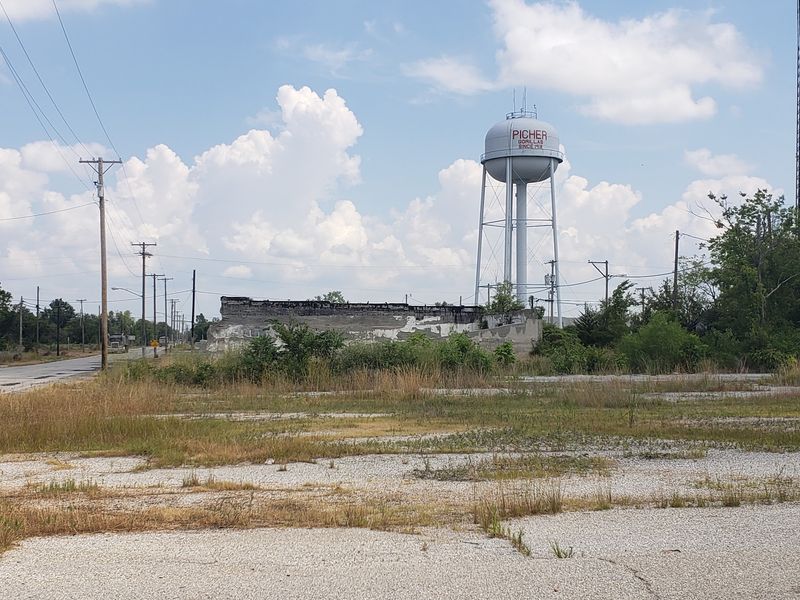
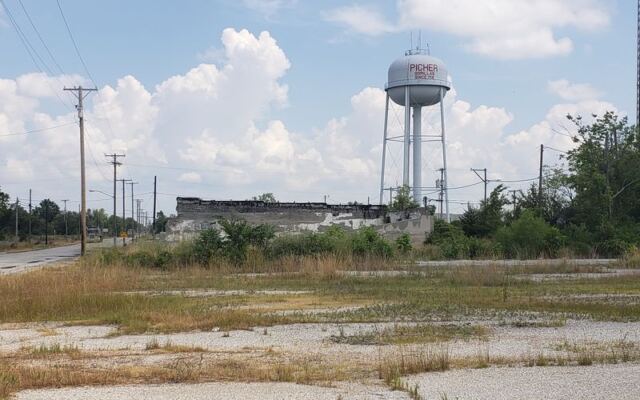
Few places in America carry a story as heavy as Picher. Once a busy mining hub in Ottawa County, it was emptied out when lead and zinc mining left the land contaminated and families had to move away.
What remains is a whole town you can roam and take in at your own pace. Huge gray piles of mining waste, called chat, still rise over the landscape like strange hills.
The mood here is eerie, but it is also deeply human. These streets hold the memories of people who called Picher home, so visit with respect, stay on public roads, and let the silence do the talking.
3. Cardin
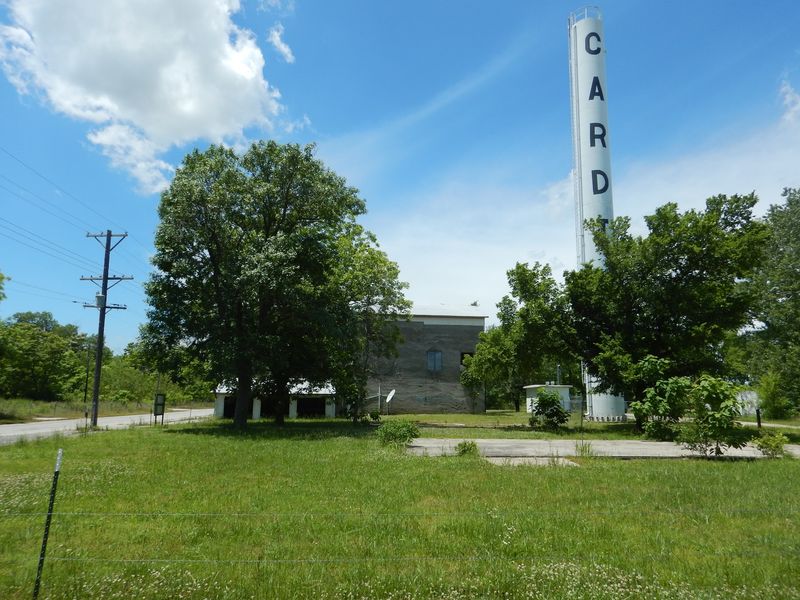
Blink and you might miss Cardin entirely. Just next door to Picher, this small community shared the same mining district and the same fate, ending in evacuation and abandonment.
Today, the best way to understand Cardin is to stop at the nearby roadside memorial honoring the towns of Picher and Cardin. It is a simple spot, but it gives the area a sense of place and remembrance.
Pair it with your Picher visit for a fuller picture of northeast Oklahoma mining history. Standing there on a breezy fall day, you get a quiet reminder that whole towns can fade, yet still be remembered.
4. Ingalls
Wild West fans, here is your stop. In 1893, the small boomtown of Ingalls became the setting of a famous shootout between lawmen and the Doolin-Dalton gang, one of the best-known showdowns in Oklahoma Territory history.
Back then, Ingalls was a bustling 1890s settlement with high hopes. Then the railroad passed it by, and people slowly drifted toward towns with better connections.
Now the Payne County site feels peaceful and wide open, with prairie wind instead of hoofbeats. It is a short and easy drive for anyone near Stillwater, and the story alone makes it worth the detour.
5. Meers
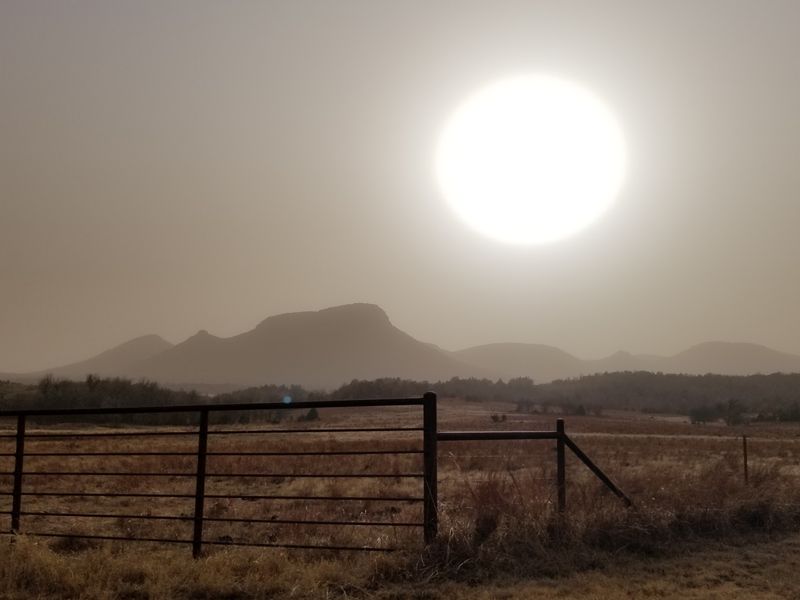
Gold fever once swept through the Wichita Mountains, and Meers was where the excitement landed. In the early 1900s, prospectors rushed in hoping to strike it rich in the rocky hills of southwest Oklahoma.
The gold never paid off the way folks dreamed. When the boom went bust, the town shrank to a near-deserted settlement.
Today the real treasure is the scenery. Granite peaks and rolling hills frame the drive, and October paints the area in rusty reds and browns, so plan to linger and enjoy the mountain views.
6. Shamrock
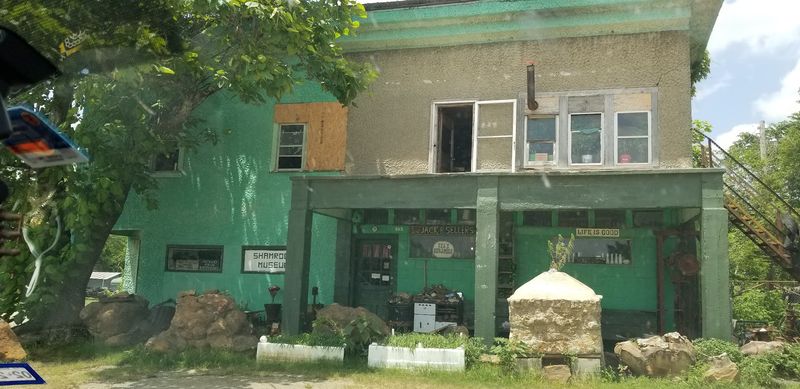
Lucky name, tough luck. Shamrock sprang up in the 1910s as an oil boomtown in Creek County, riding the wave of the famous Cushing-Drumright oil field.
For a while, the town was crowded with workers and dreamers chasing black gold. When the field declined, people packed up and left, and Shamrock lost most of its population.
What remains today is a quiet echo of those busy years. It is a fun stop for anyone curious about how oil shaped Oklahoma, and the Irish-flavored name makes it a memorable pin on any fall road trip map.
7. Skedee
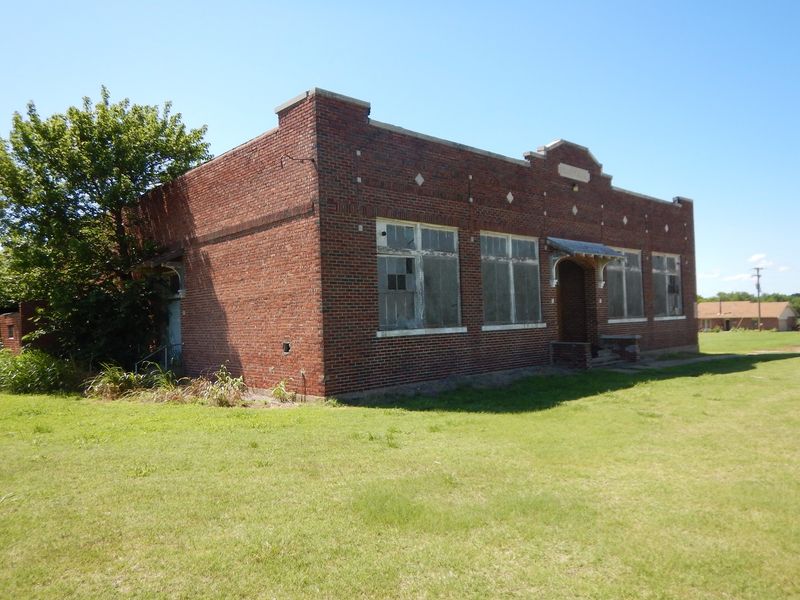
Crumbling brick storefronts are the calling card of Skedee, and photographers love them. This Pawnee County town grew up as a railroad community, back when trains meant jobs and growth.
As rail traffic faded, so did the town. Now it sits nearly abandoned, with old walls and remnant structures standing along the streets.
The textures here are amazing on a cool fall afternoon, with weathered bricks glowing in low sunlight. Bring a camera, take your time, and admire the buildings from a safe distance since they are fragile.
8. Sacred Heart
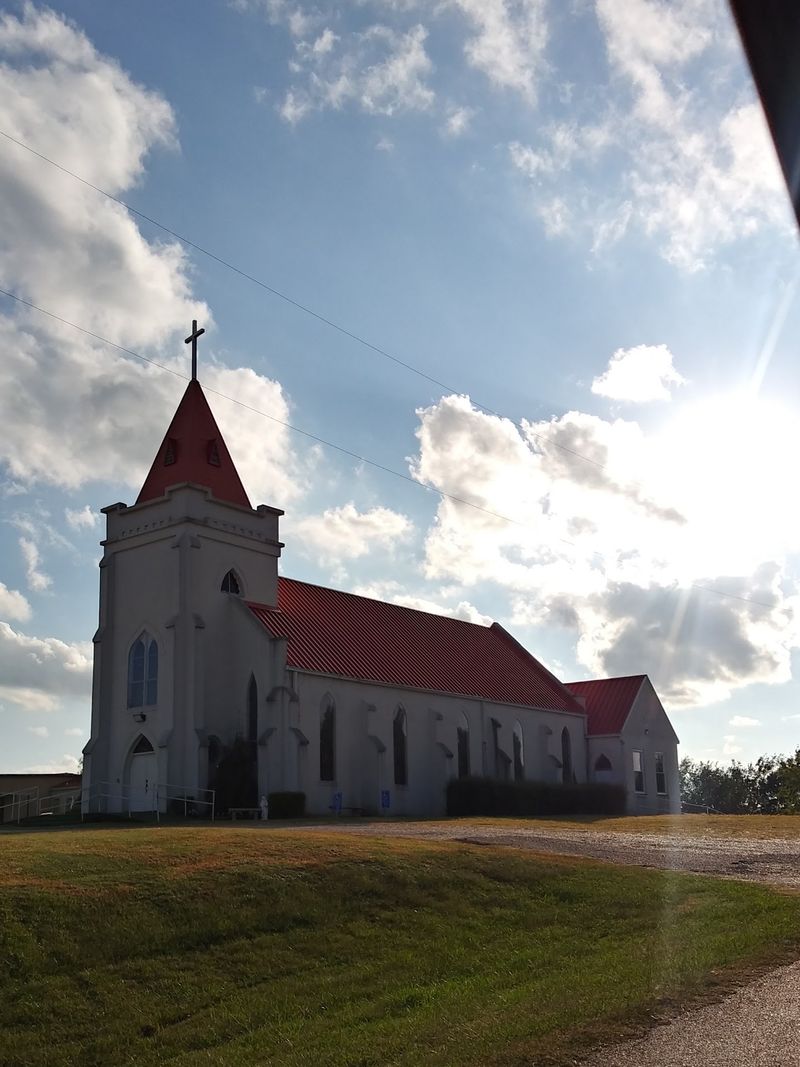
Peaceful and a little mysterious, Sacred Heart offers a different kind of ghost town experience. In the late 1800s, it grew as a mission settlement in Pottawatomie County.
In 1901, a fire swept through and devastated the community. Afterward, much of the settlement was left behind, and the town never returned to its former size.
Visiting today feels calm and reflective rather than spooky. The quiet grounds and autumn trees make it a gentle way to wrap up your ghost town tour, leaving you thinking about all the stories hidden across the Oklahoma countryside.
Share this story