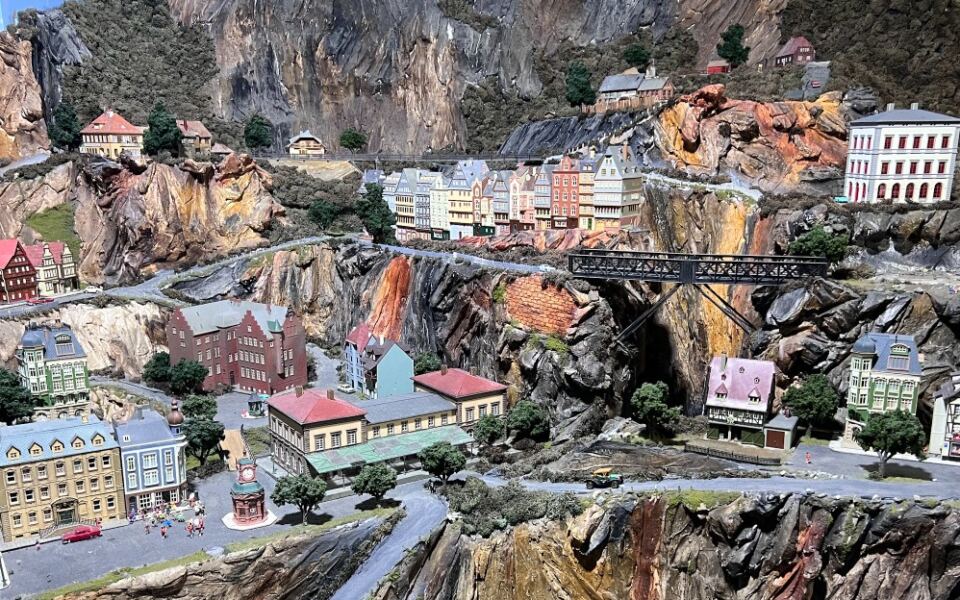
An ordinary outing in New Jersey can turn into a much bigger adventure when a single building holds miles of miniature railroad. Beyond the entrance, tiny towns, towering model mountains, and winding tracks give curious minds plenty to work through, even without a serious interest in trains.
The surprise is not just the size of the project, but how many separate stories fit inside it, with clues to find, buttons to try, and practical details worth knowing before making the trip.
A Railway World Along Route 202
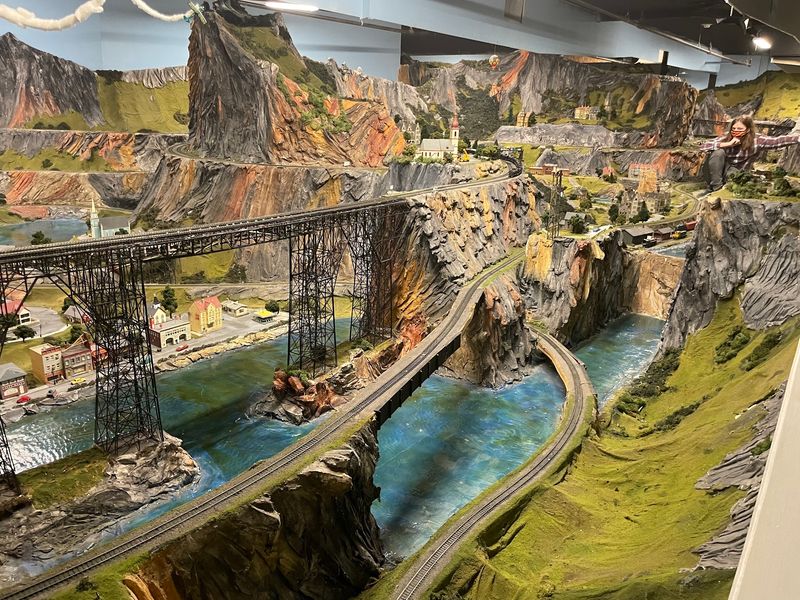
Eight miles of miniature track make a strong case for going beyond the usual quick roadside stop. NORTHLANDZ Train Museum & Miniature Wonderland stands at 495 US-202, Flemington, New Jersey 08822, United States.
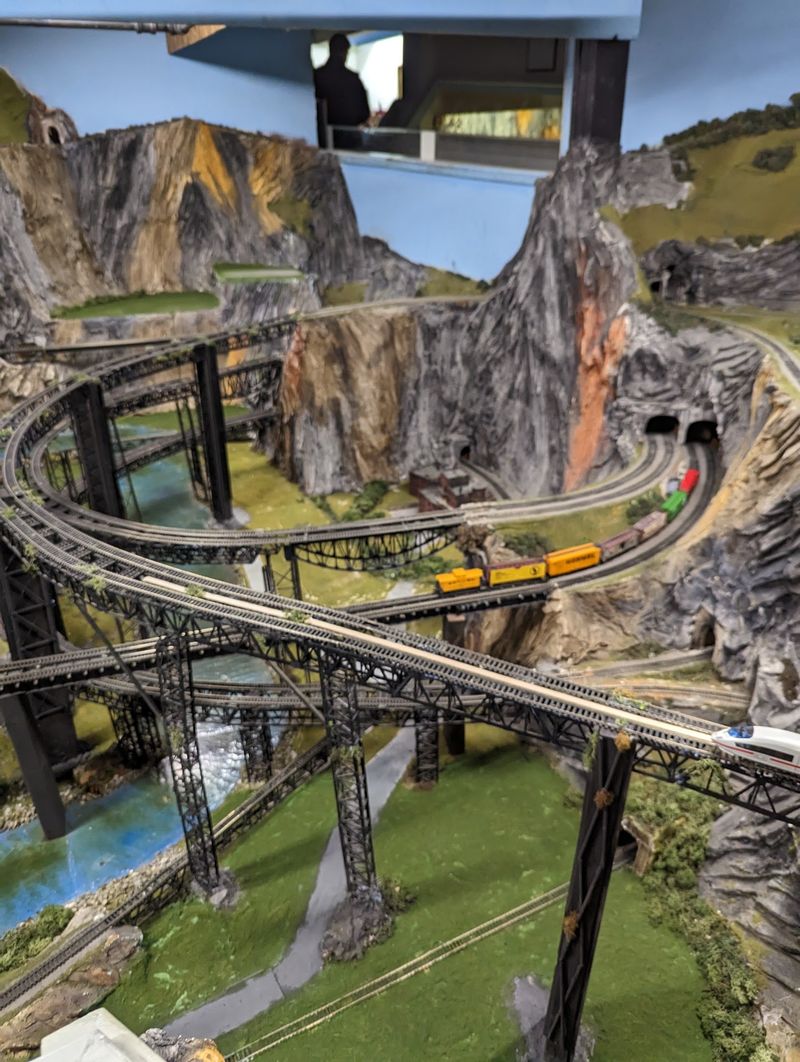
The rail museum occupies a 16-acre property, but its main attraction is the enormous miniature railroad inside. More than 40 bridges help connect a layout filled with mountains, valleys, tunnels, and small communities.
That combination gives the destination a broader appeal than its train museum label might suggest. Model builders have construction details to study, while families can follow trains and search for tiny features throughout the scenes.
Plan for an outing built around exploration rather than a brief stop at a single display. The indoor route covers considerable ground, and the railway is only part of what fills the building.
Here, small subjects come with a substantial time commitment.
One Builder’s Expansive Project
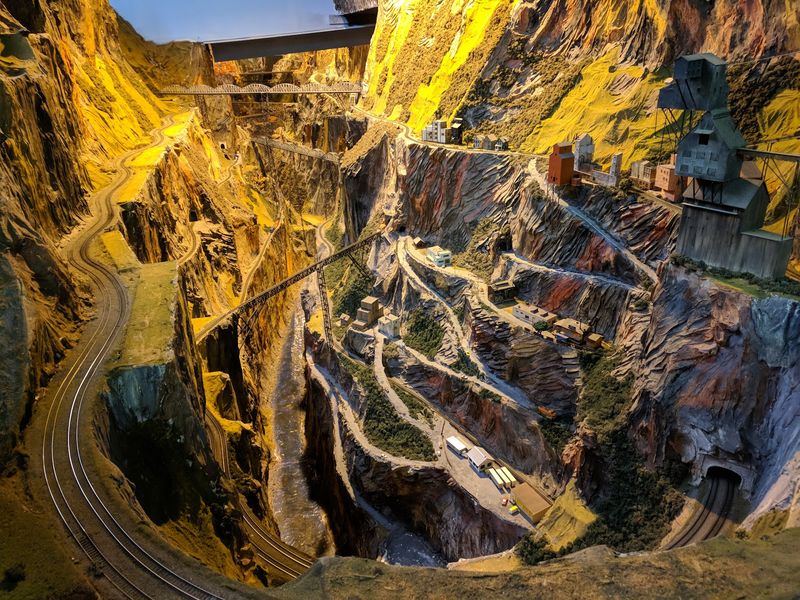
Behind the sprawling railroad is the work of founder Bruce Williams Zaccagnino. His project helps explain why the museum feels so focused on individual ideas rather than a standard collection of separate exhibits.
Handcrafted scenery and extensive miniature construction form much of its character. The interest lies not only in the trains, but also in the effort required to build the land, structures, and routes around them.
A video about the founder and the creation of the attraction provides additional context along the indoor route. It offers a useful pause for anyone wondering how such an ambitious model railroad came together.
The original work remains central to the experience under later ownership. That continuity matters because the attraction’s appeal rests heavily on the choices of its creator, including the unusual scale and arrangement of the scenery.
Understanding the project adds another reason to take time with its many parts.
Mountains With Room Above
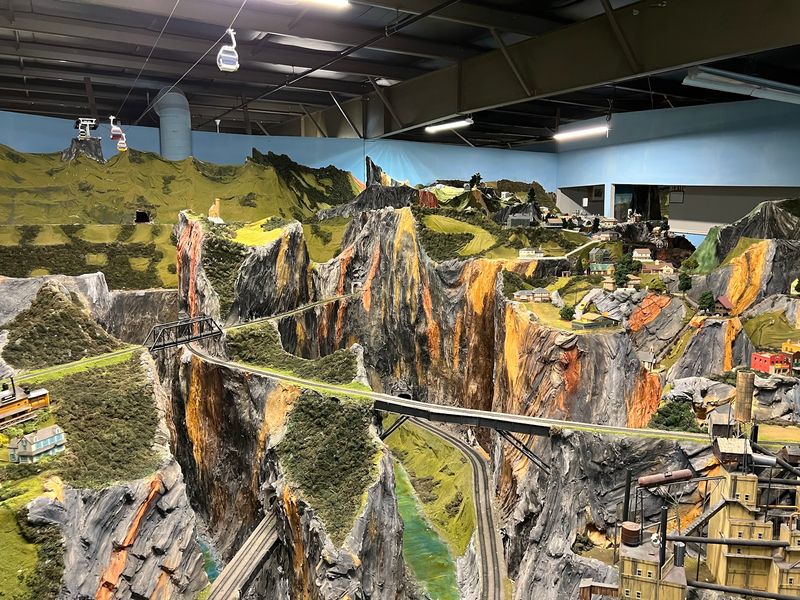
Height changes the whole arrangement of this model railroad. Instead of keeping most of its scenery on one broad level, the layout sends tracks across cliffs, through valleys, and among structures arranged at different elevations.
Mountains do more than fill empty space between towns. They shape the routes, create room for tunnels, and give the bridges a clear purpose within the larger design.
The building’s multiple stories support that emphasis on vertical construction. As the route continues, the relationship between the railway and its surrounding terrain becomes an important part of the experience.
For people interested in model making, this is a useful aspect to study closely. Changes in elevation introduce questions about support, track placement, and how separate scenes connect.
No technical background is necessary to appreciate the result, though. The layout simply gives the trains plenty of complicated ground to cover before their journeys come around again.
Miles of Track and Dozens of Bridges
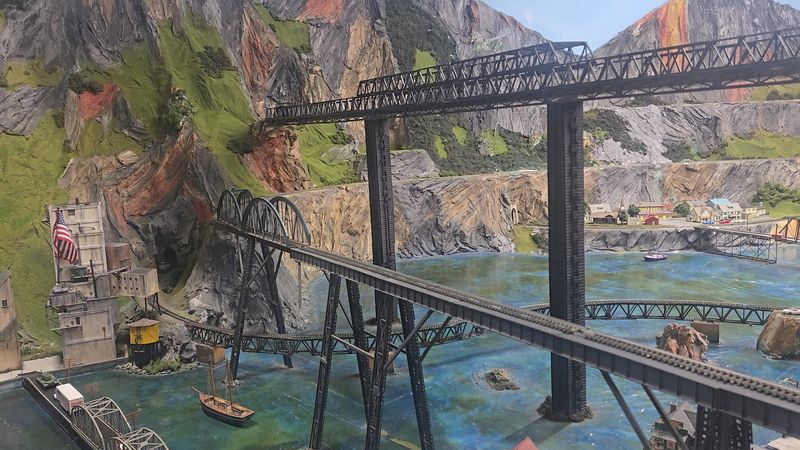
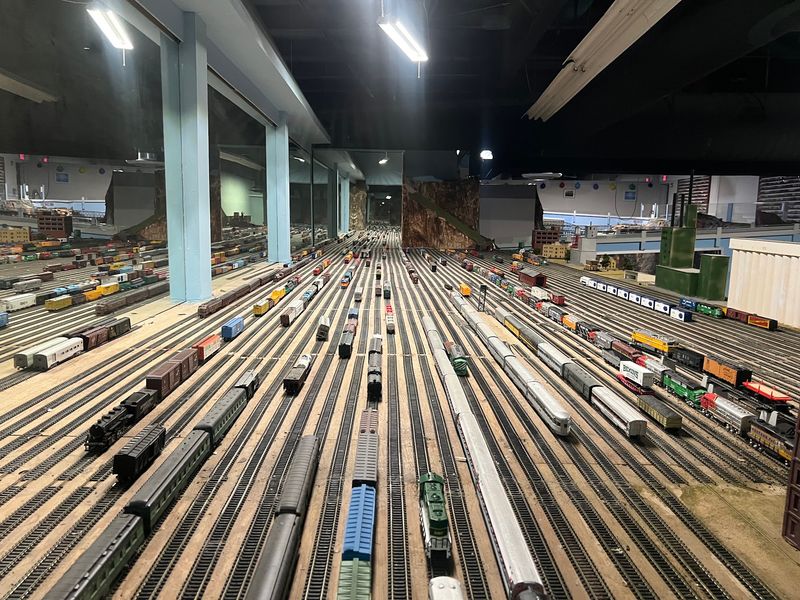
More than eight miles of track give the railway its remarkable reach. Over 40 bridges help carry those routes across the constructed landscape, making the infrastructure an attraction in its own right.
Follow a single section rather than trying to understand the entire network at once. A bridge, tunnel entrance, or change in elevation provides a manageable starting point for tracing how the railroad fits together.
Adults with an interest in structural design have plenty to consider here. Younger children can take a simpler approach by following a train’s progress through one part of the scene.
Keep expectations flexible about how many trains will be operating during a particular trip. The extensive track system is a lasting feature, but accounts differ on the amount of train activity.
The strongest approach is to treat the construction and surrounding miniatures as equal parts of the attraction, not merely background for moving trains.
Tiny Towns Beyond the Tracks
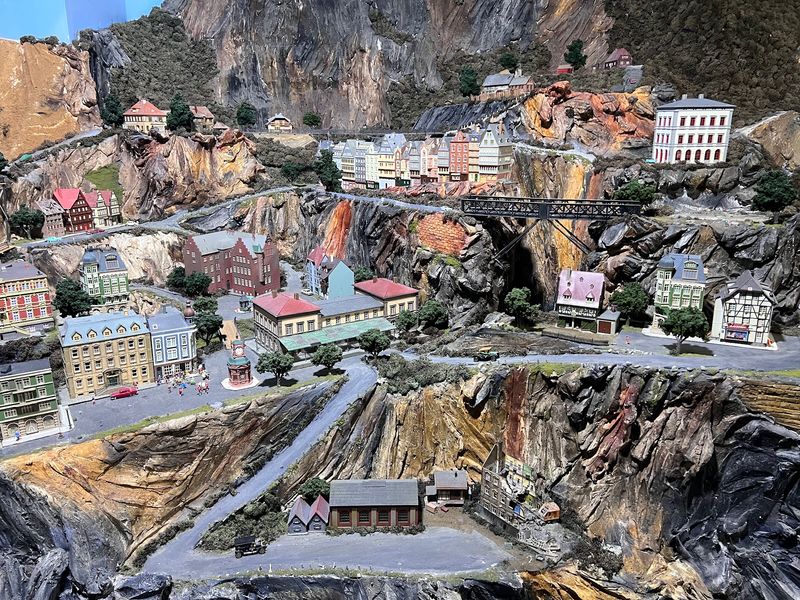
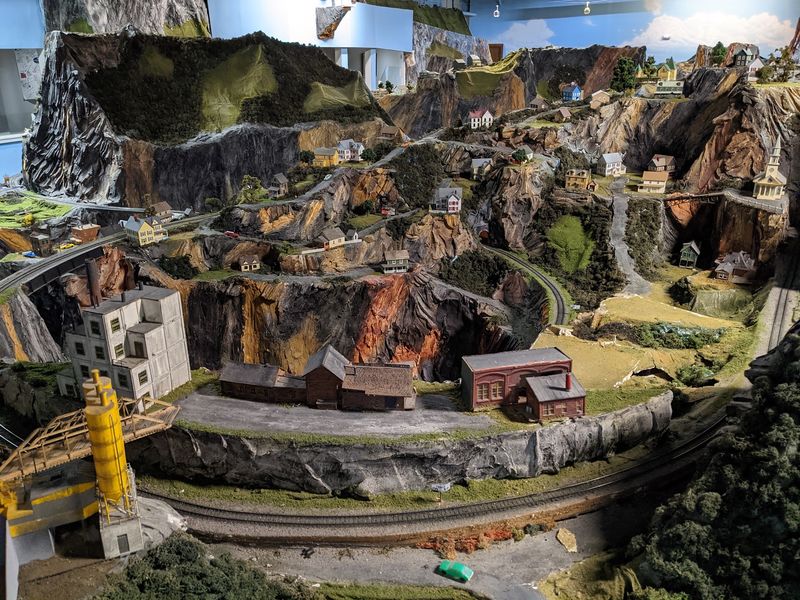
A train does not need to pass through every scene for that scene to hold interest. Towns, a large city, miniature airplanes, and carefully arranged structures give the railroad a wider setting.
Those smaller elements reward a slower pace. Rather than counting trains, spend part of the route considering how the buildings and terrain work together within each section of the model world.
The variety also helps mixed-interest groups. Someone who cares little about railway equipment may still enjoy the model architecture or the planning involved in fitting a community into difficult terrain.
Attention to detail is one of the attraction’s clearest strengths, but taking everything in at once is an ambitious assignment. Choose a few scenes for closer study and let the others establish the larger setting.
There is no need to turn a family outing into an inventory, especially when another small detail waits farther along the route.
Railroad Facts Along the Route
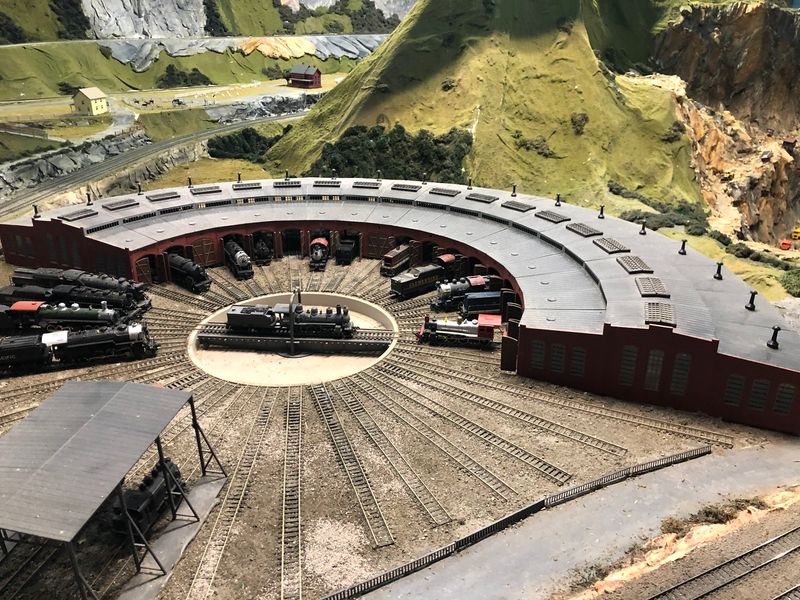
Small information placards give the railway an educational layer beyond its construction. They introduce facts about trains and railroad systems around the world, adding context to the miniature scenes.
Reading a few signs can change the pace of the outing. A stretch spent following tracks can become a brief conversation about the real railways that inspired an interest in models.
School-age children may find this especially useful when an adult helps connect a fact to the surrounding display. There is no need to read every placard or turn the route into a formal lesson.
Adults can take the same relaxed approach, stopping where a topic catches their interest. The signs provide another reason the museum works for more than dedicated hobbyists.
Between the model building and the railway information, the visit offers both creative work to consider and facts to bring home, without requiring any knowledge before arriving at the entrance.
A Scavenger Hunt With a Purpose
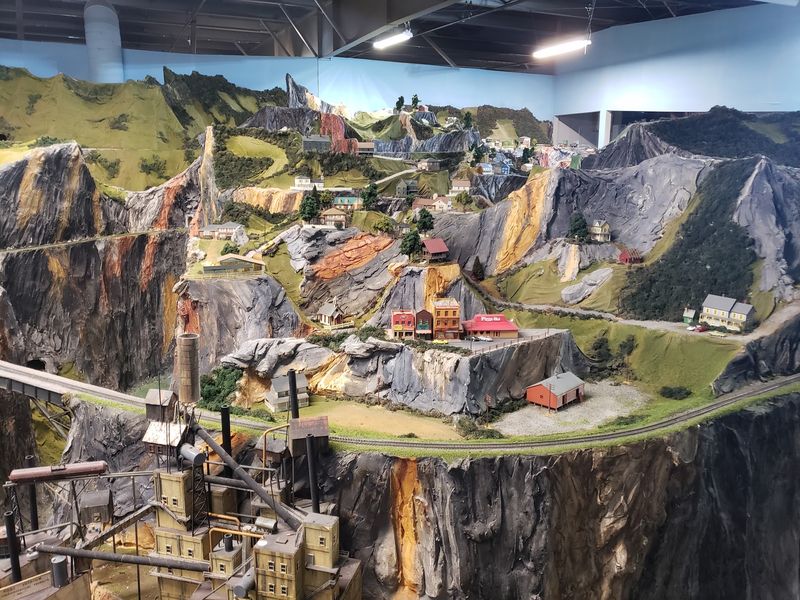
A list of clues gives all those miniature details a new job. The museum’s scavenger hunt encourages participants to find particular features throughout the displays instead of simply continuing along the route.
For families, it adds a shared task without requiring everyone to know anything about trains. Adults can help with the clues while children contribute their own discoveries and keep the search moving.
Couples and model enthusiasts can enjoy the activity too. Its real value is the attention it draws to parts of the layout that might otherwise receive only a brief stop.
Ask about the current hunt when purchasing admission, including its rules and any reward offered for completing it. Souvenir mugs have been associated with the activity, but a prize should not be assumed without confirmation.
The most dependable benefit is simpler: a reason to spend more time with the work already included in the museum experience itself.
Buttons That Invite Participation
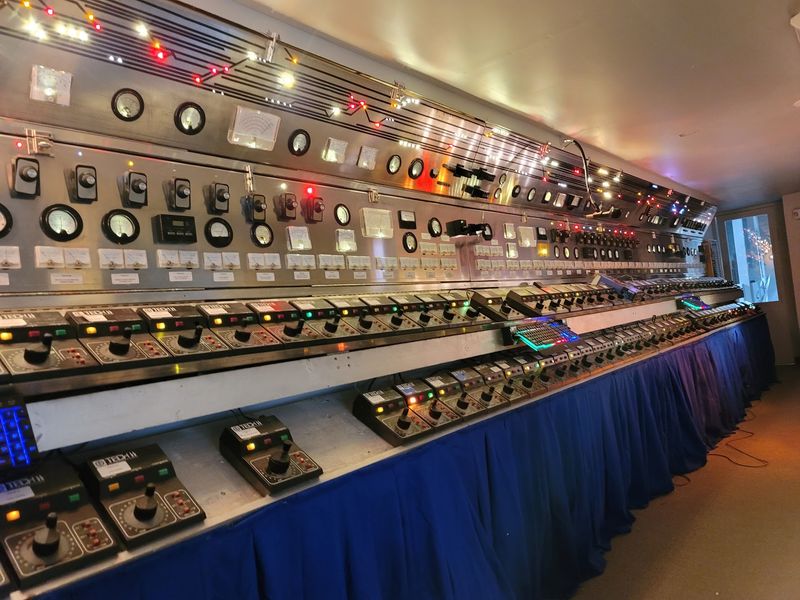
Not every part of the route asks people to remain passive. Interactive buttons add opportunities to participate, with controls associated with movement and other effects within the exhibits.
That change of activity can help children who need more than a long stretch of model displays. A button provides a clear action, while the surrounding scene gives it a connection to the larger railroad.
Families should use the controls provided and follow any instructions beside them. The miniatures themselves remain detailed exhibit pieces, so participation does not mean handling structures or reaching into the layout.
Allow some flexibility if a particular feature does not respond as expected. Accounts of exhibit operation vary, and no supplied schedule establishes which effects will be available on a given day.
Treat the interactive elements as additions to the main collection rather than the sole reason for booking. The railway still offers plenty of construction to explore.
Family Appeal With Toddler Limits
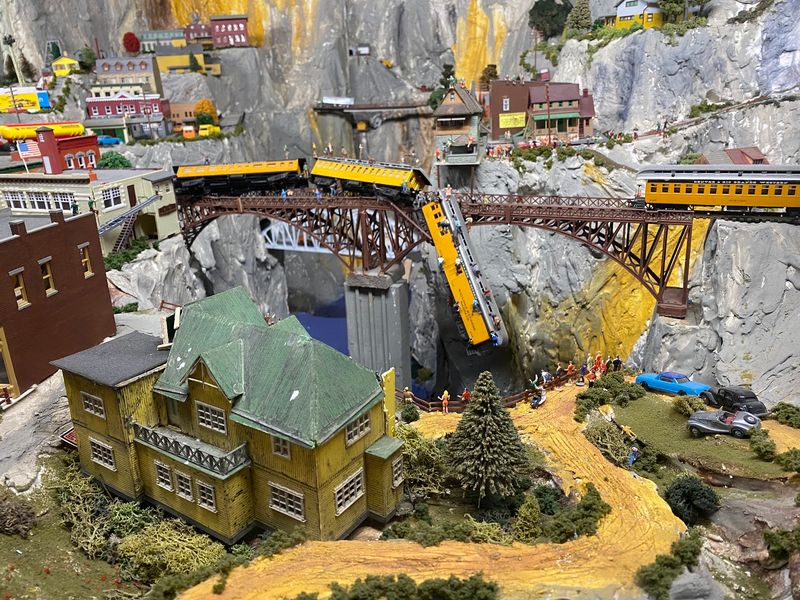
Grandparents, children, and adult hobbyists can find different reasons to enjoy the same route. The railway supports shared family time without asking everyone to have the same level of interest in trains.
School-age children have several ways to participate, including the scavenger hunt, interactive controls, and conversations about how the models were built. A children’s play area provides another option within the building.
Toddlers need a more careful plan. Some displays are difficult for very young children to access at their height, and raised steps are limited, so adults may need to provide extra help.
Check the current admission rules for small children before committing to a family ticket purchase. Also ask about the play area’s condition rather than relying on it as the main attraction.
The museum makes the most sense when a child’s interest and attention span suit a lengthy route through detailed models, with appropriate adult support throughout.
A Mile Indoors, With Access Questions
Comfort deserves a place in the plan before the first train enters the discussion. The indoor route is described as roughly a mile long, with the exhibition extending through a multistory building.
Wheelchair and stroller entry is available, and the property has ample parking. Those useful starting points do not answer every question about movement through the full museum, however.
Anyone with specific mobility needs should ask about the complete route, changes between levels, and access to each area before buying tickets. A suitable entrance alone does not establish that every part of an attraction meets an individual’s needs.
Allow breaks where seating is available, but do not count on frequent benches along the exhibition route. A typical outing can take about two hours, depending on pace and activities.
Comfortable footwear and a realistic schedule help keep the focus on the models rather than the distance still left to cover inside.
Hours, Tickets, and Arrival Plans
The supplied operating schedule lists opening hours of 10 a.m. to 6 p.m. every day. Confirm that schedule through northlandz.com before leaving, especially when arranging a trip around a particular date.
Current admission rates are not established by an official ticket list in the supplied material. Past individual purchases include $40 adult tickets, but that amount should not be treated as today’s guaranteed charge.
Check the final ticket total for every person in the group, including young children. Ask separately about the outdoor train, scavenger hunt arrangements, and any activity that matters to the day’s plan.
Arrival by car is supported by the museum’s Route 202 address and ample parking. Allow enough time for roughly two hours indoors rather than reaching the entrance shortly before closing.
A little preparation resolves the biggest practical questions and leaves the actual outing focused on the railroad, not on unexpected decisions at the ticket counter.
A Rewarding Stop for Curious Minds
Curiosity is a better entry requirement here than specialist knowledge. The museum offers enough railway detail for committed enthusiasts, but its construction, miniature communities, and activities give other people a way into the experience.
Expectations still matter. The extensive layout can impress while parts of the building or exhibits need attention, and the ticket cost deserves consideration before bringing a large group.
Families with toddlers should weigh viewing height and the length of the route carefully. Adults interested in model building, older children ready for a scavenger hunt, and groups willing to explore at their own pace have clearer reasons to choose it.
The strongest verdict is a practical one: come for the handmade railroad world, allow time for its many parts, and confirm the details that affect your group. An unassuming stop becomes much more substantial when the attraction is not one miniature scene, but an entire building devoted to them.
Share this story