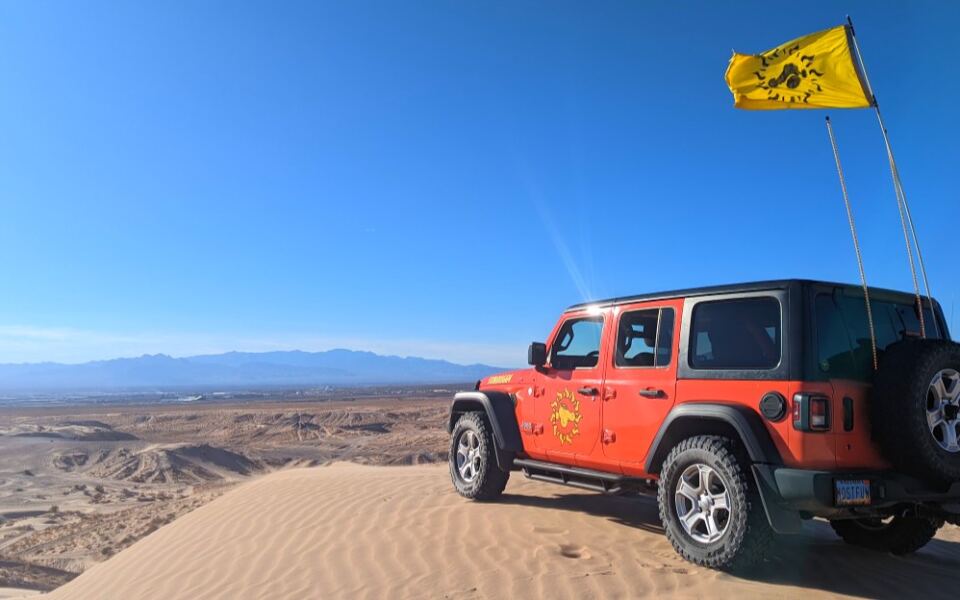
Michigan has 450 acres of massive sand dunes where you can get behind the wheel of a dune buggy and drive across the hills yourself. At Silver Lake State Park near Mears, this unusual off-road adventure takes place between Lake Michigan and Silver Lake.
SunBuggy Silver Lake offers rentals that let visitors experience the dunes without bringing their own off-road vehicle. The riding area is the only designated motorized sand dune riding area east of the Mississippi River, making it a rare experience.
But before heading out, there are a few things worth knowing. Driver age requirements, vehicle choices, safety rules, and even recent rainfall can affect your experience.
Here is what makes this Michigan adventure different and how to plan your visit.
Where the Sandy Adventure Begins
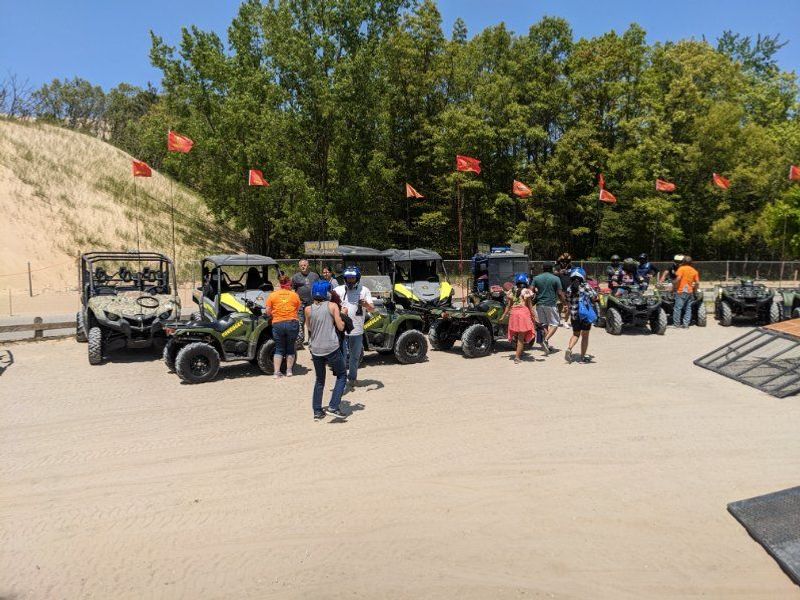
My big sand day kicked off at SunBuggy Silver Lake, which sits at 7794 W Taylor Rd, Mears, MI 49436, in western Michigan. The shop is open daily from 9 AM to 6 PM during riding season, so morning folks and afternoon folks both get a shot.
Check-in moved quickly once I got there. Friendly staff handed out waivers, helmets, and goggles, and the team clearly knew their routine by heart.
One thing surprised me. There is no on-site parking at the rental spot itself.
Staff point you to a nearby lot and then give you a ride back, so build a little extra time into your plans.
Booking ahead is smart, especially in summer. Weekends get packed, and showing up an hour early is a good habit.
Cell service can be spotty around here, so I downloaded offline maps before I left home. Little steps like that saved me from stress later.
Paperwork done, I was ready for the part that really matters, finding out exactly who gets to drive.
Who Gets the Keys and Why It Matters
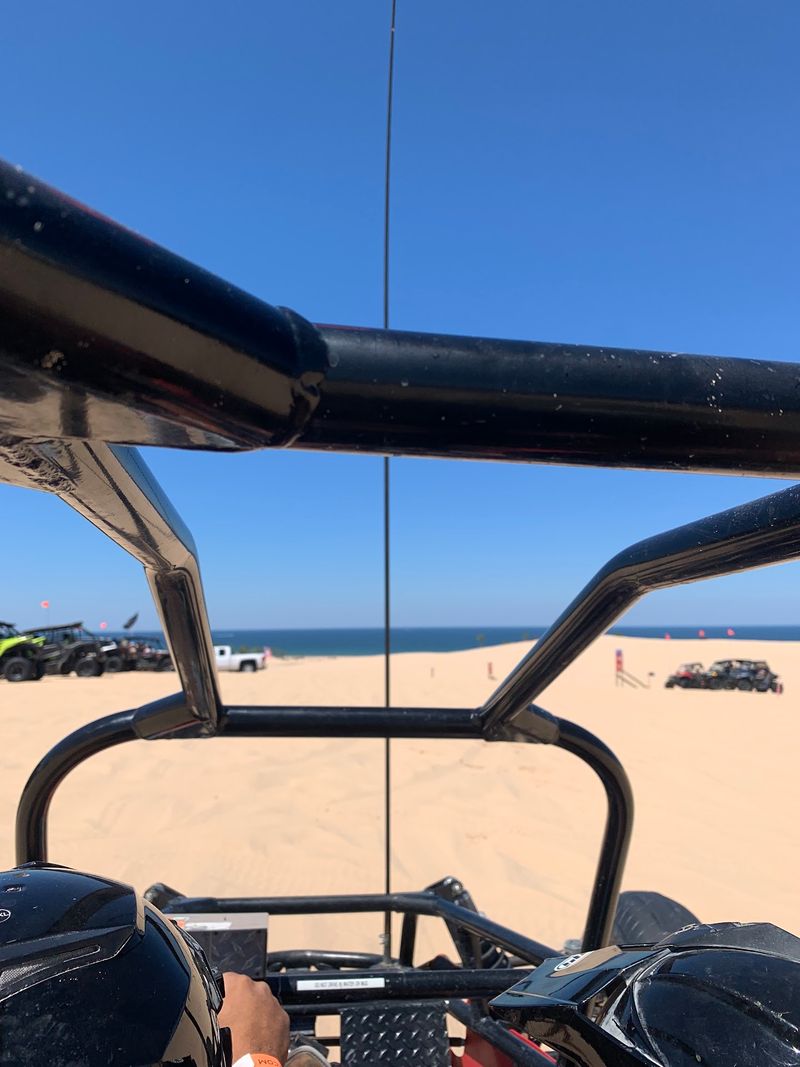
Sixteen was the magic number when I checked the rules. Drivers that age with a valid driver’s license can steer the two-seat vehicles here.
A learner’s permit will not cut it, though. The crew wants real licensed drivers handling these machines, and I respect that choice.
Want the bigger four-seat models? You need to be 21 or older to drive those.
My group of four fit comfortably, and even tall riders around six foot three had plenty of space.
Riders under 18 need a parent or guardian to sign the waivers before heading out. It is a quick step, so have that grown-up nearby at check-in.
Before anyone touches the sand, there is a safety video plus an instructional session of roughly 20 to 30 minutes. Staff explain how the automatic controls work and how dunes behave under your tires.
I felt nervous at first, but those lessons calmed me right down. Next up, I got to pick my ride, and the choices were tougher than I expected.
Picking Your Sand Machine
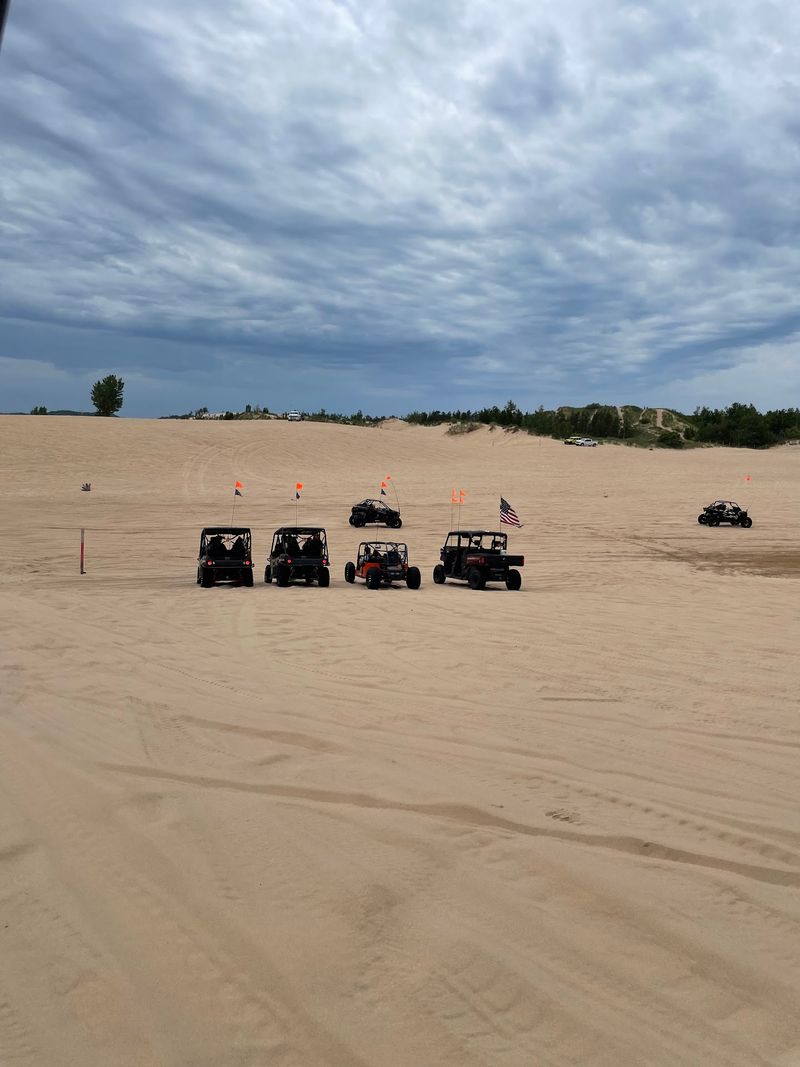
Choosing a vehicle felt like ordering at an ice cream shop with too many flavors. The lineup includes Michigan-built dune buggies, ATVs, and side-by-side UTVs in two-seat and four-seat sizes.
Dune buggies are the safest pick for newcomers. They cannot climb the biggest hill, but they still deliver plenty of thrills on rolling slopes.
UTVs offer roll cages and more muscle. The four-seater I tried handled beginner and medium hills with no trouble at all.
Most rides use automatic transmissions, which makes them easy to learn. You just press the gas, steer, and grin.
Prices vary by machine and time slot. One hour on an ATV once ran around 83 dollars before taxes and fees, so check current rates when booking.
Machines sometimes have hiccups, as any engine might. When that happens, the crew usually swaps in a replacement quickly and often adds back lost time.
With wheels chosen, a shuttle carried me toward the main stage, and it was huge.
Roaming the Only Dunes of Their Kind Out East
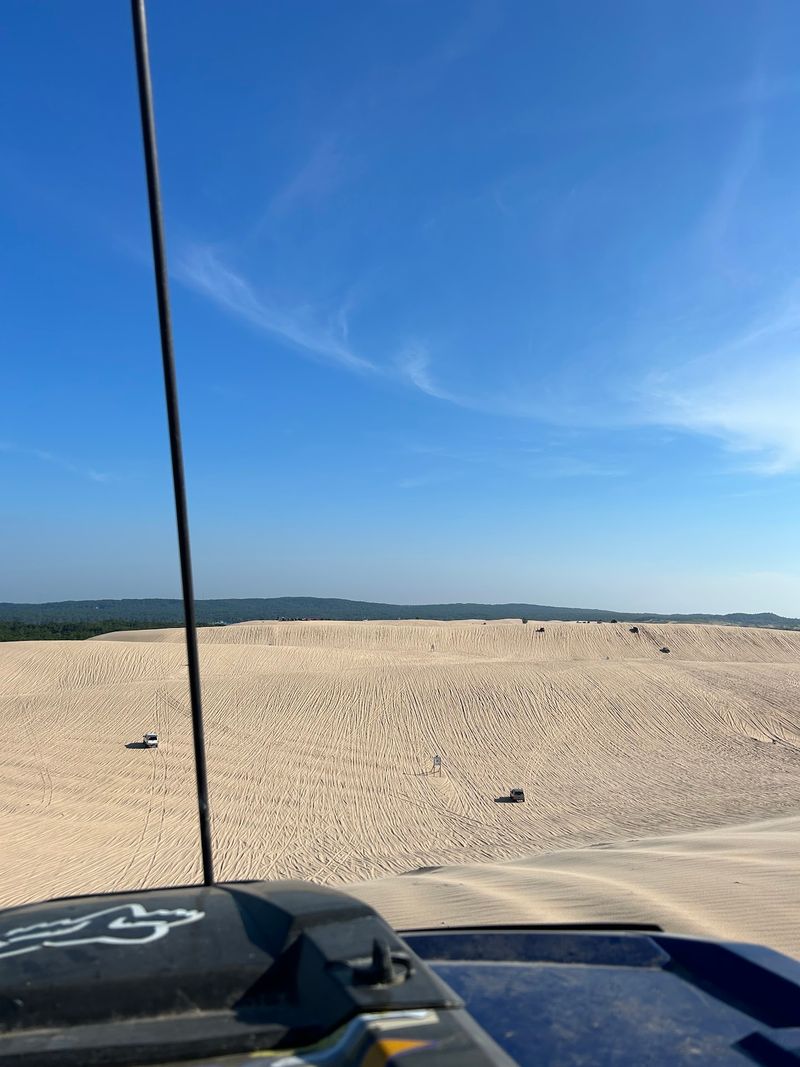
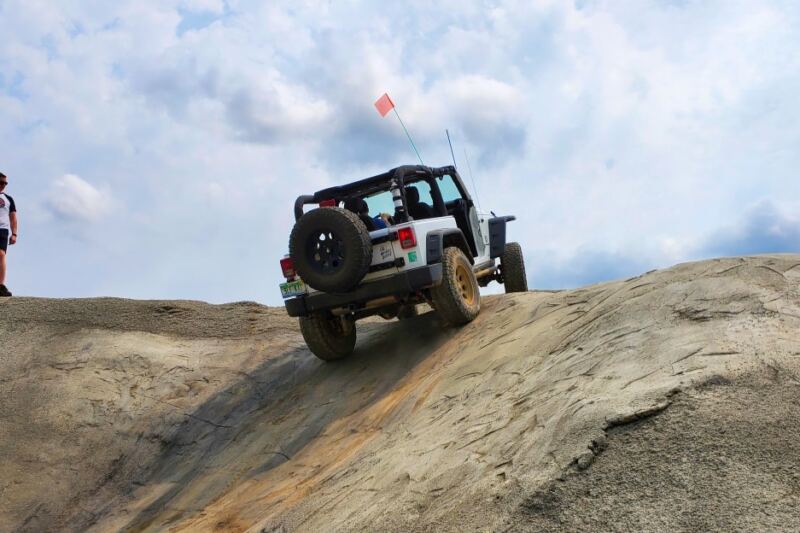
Picture 450 acres of open sand with almost no fences. That is the off-road vehicle area of Silver Lake State Park, where SunBuggy riders spend their time.
No other dunes east of the Mississippi River let private vehicles roam like this. I kept repeating that fact to myself as I rolled across the first ridge.
Most of the area works as a scramble zone. You pick your own route over crests and across flats, choosing adventure at every turn.
Some high-dune spots have one-way directions and marked edges. Follow them closely, because they keep riders safe and protect the land.
Getting your bearings takes a little time, so study a dune map before your ride. I wasted ten minutes driving in a happy circle.
Silver Lake sparkles on one side while Lake Michigan stretches wide on the other. Every hilltop gave me a new view worth a pause.
Of course, the sand itself has a backstory, and it is way older than any engine.
Sand With a Very Long Memory
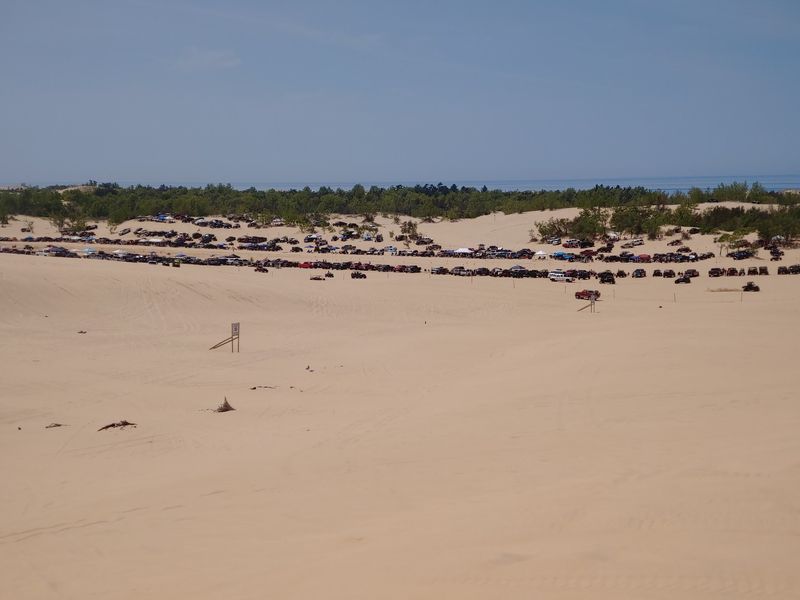
Glaciers did the heavy lifting here thousands of years ago. They left behind quartz sand, and winds off Lake Michigan have been sculpting it ever since.
The dunes keep moving even now. Old trees poke out of the slopes with only their tops showing, swallowed little by little over many seasons.
Underfoot, the sand feels soft. It also stays cooler than you might guess on sunny days, which my bare toes appreciated during a break.
Look closely and you will spot marram grass. Its deep roots grip the sand and help slow down the shifting hills.
I liked knowing the ground under my wheels had such a long story. It made each climb feel a bit like riding across a giant science lesson.
Staying on open sand and inside marked boundaries helps protect these plants. Respecting the landscape keeps the fun going for future riders too.
Nature also controls something else that matters a lot, and that is the timing of your trip.
Rain Might Be Your Secret Weapon
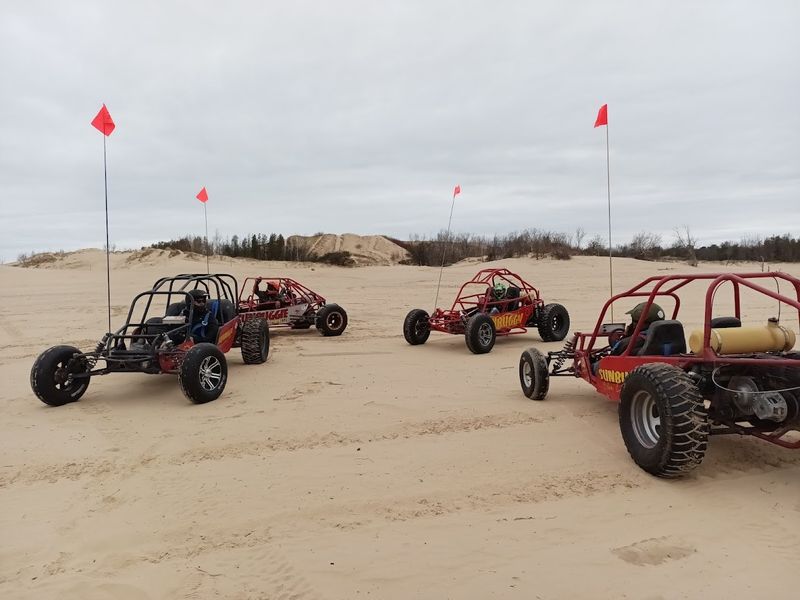
Gray skies made me grumble the night before my ride. By morning, the staff told me damp sand was actually the best riding condition, and they were right.
Wet sand packs down firm. That gives tires better grip, makes climbs smoother, and keeps you from sinking as often.
Visibility improves too. Fewer sand clouds float around, so you can actually see the hill ahead of you.
The riding season runs from April 1 through October 31. April tends to feel calmer and cooler, which helps first-timers gain confidence.
July brings warm weather and big crowds. Weekdays are far quieter than weekends, and the stretch after Labor Day is a sweet spot.
Fall adds bright leaves around the edges of the dunes. Late September into early October usually brings the best color.
Whatever month you choose, check hours before leaving home. Then pack for the one rule nobody can skip, which I will explain next.
The Gear Rule Nobody Skips
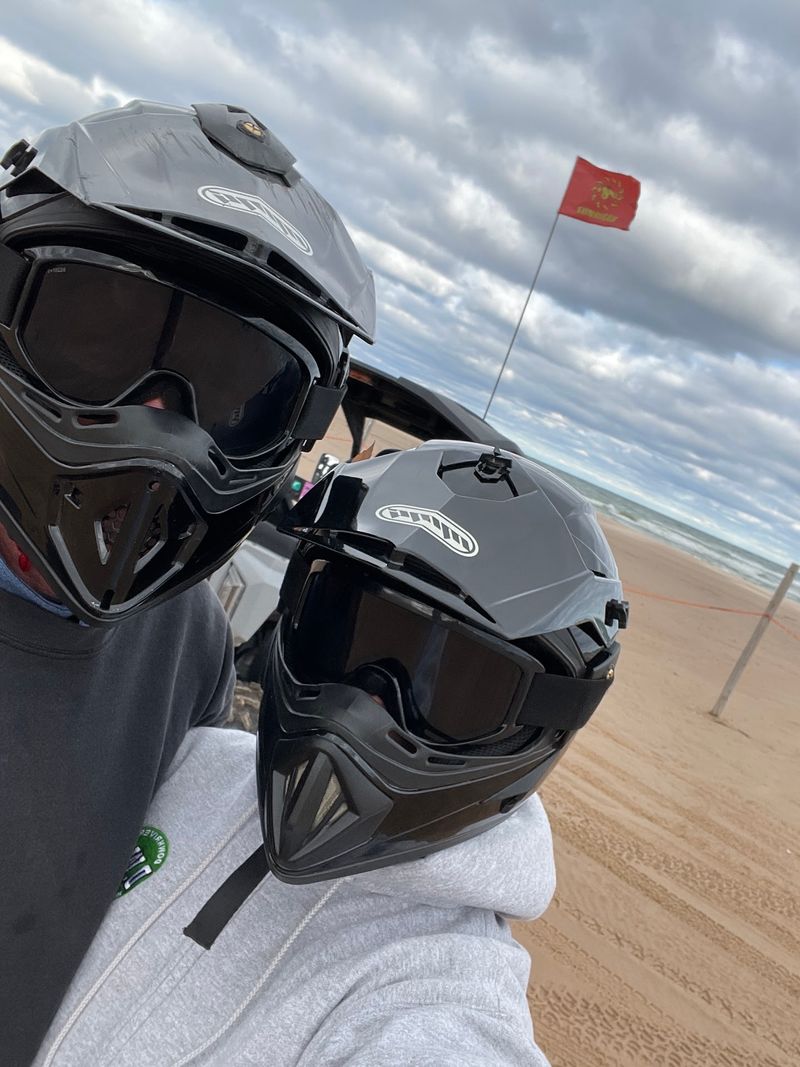
Eye protection is the one must-have on these dunes. Sunglasses, goggles, or even regular glasses all count, as long as something shields your eyes.
Sand flies everywhere out there, and I mean everywhere. SunBuggy offers goggles, including some that fit over glasses.
Helmets come with rentals, and staff keep plenty of sizes ready. Used gear gets cleaned before the next rider, which I liked seeing.
Every vehicle carries a tall orange flag. It helps other drivers spot you over the crest of a hill.
Park rules also limit noise to 94 decibels. That keeps the area from turning into one giant roar.
Staff even wear helmets when moving vehicles just a few feet. Watching them follow their own rules made me trust their advice more.
Getting stuck happens to lots of riders, so do not panic. The recovery team will come help you out.
Bring clothes you do not mind filling with grit. Trust me, sand finds pockets you forgot existed.
A Quarter, a Model A, and a Big Idea
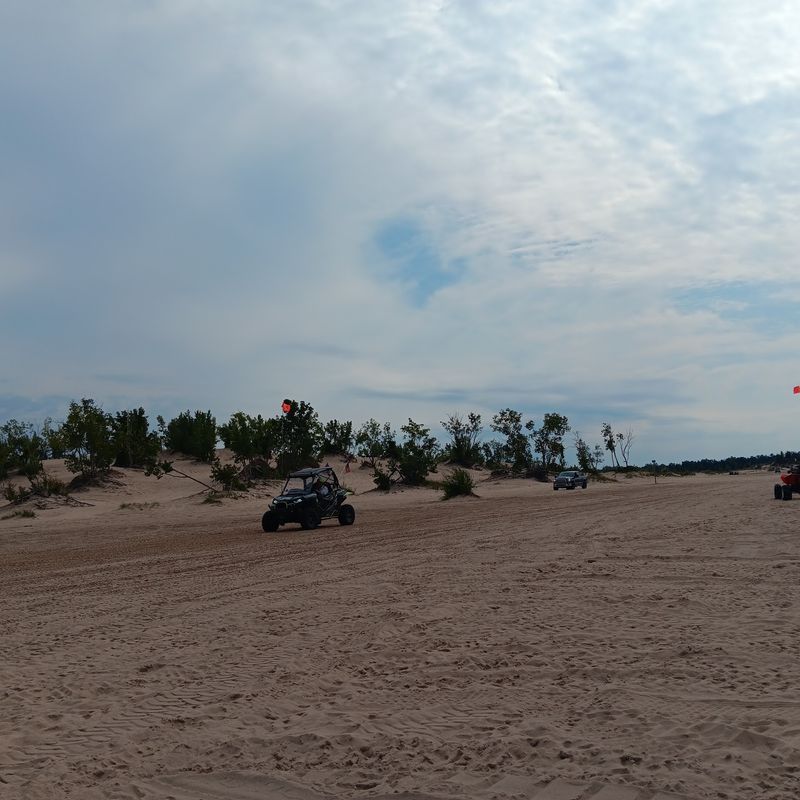
Back in 1930, a resort owner named Malcolm Mac Wood had a clever plan. He fitted a Ford Model A with big balloon tires and started taking guests across the dunes.
Those trips are known as the nation’s first guided sand dune rides. Guests paid just 25 cents to watch sunsets from the hilltops.
Over time, the rides grew bigger. Convertibles and then custom multi-passenger dune schooners rolled across the sand.
In 1970, a large part of the dunes opened to private off-road vehicles. That move helped turn Silver Lake into a hot spot for sand sports.
Sitting in my modern UTV, I thought about those early riders. They felt the same wind and probably made the same happy noises I did.
History rarely feels this hands-on. You are not just reading about it, you are driving right through it.
Those early rides carried families, and today the welcome list has grown even wider, with some furry guests included.
Room for Toddlers, Grandmas, and Dogs
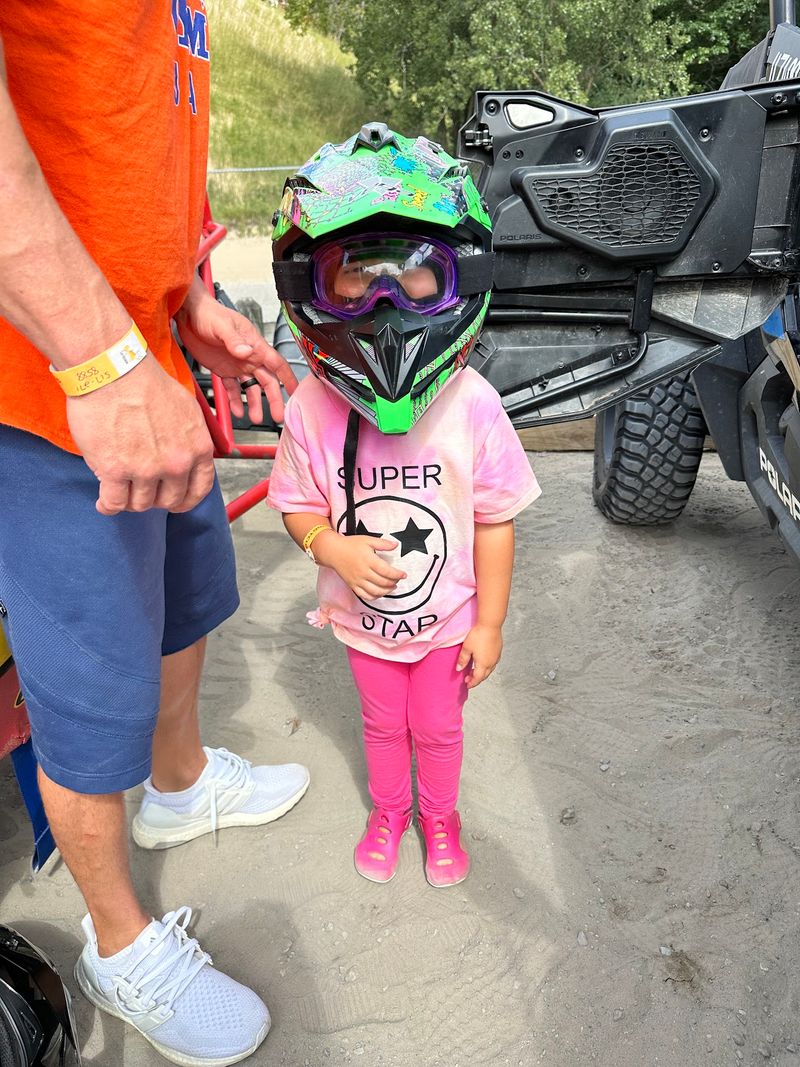
Kids as young as two can ride along here. They just need a forward-facing car seat that you bring and install in the back of an eligible vehicle, such as a four-seat UTV.
Older riders are welcome too. I heard about a 92-year-old mom who took a Mother’s Day dune ride and loved every bump.
Dogs can join as well, as long as they stay leashed under park rules. A big dog may need its own seat, so plan your vehicle size around your pup.
Watching families together out there made me smile. Little ones squealed on the climbs, and grandparents laughed on the drops.
Staff are patient with first-timers of every age. They joke with kids and take extra time when someone feels unsure.
Group size matters when booking, so count heads and paws first. Picking the right seat count avoids surprises at check-in.
After so much excitement, I wanted calmer views, and the area nearby delivered nicely.
Calm Moments After the Engine Cools
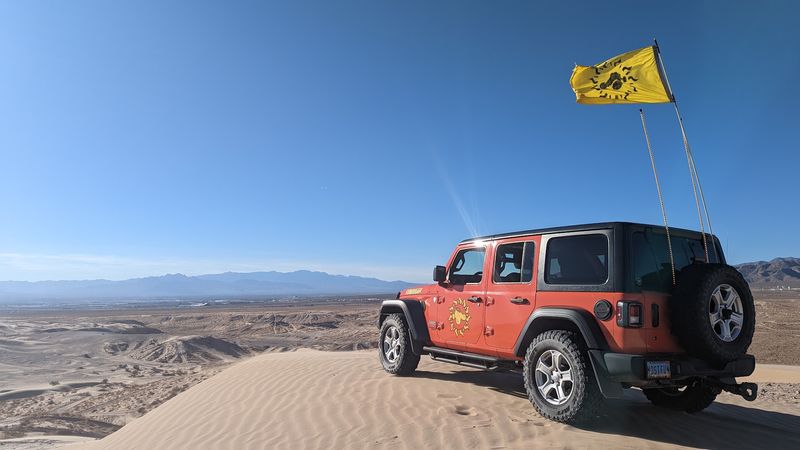
My heart rate finally slowed once I parked the UTV. That is when I discovered how much else the Silver Lake area offers.
Little Sable Point Lighthouse stands over 100 feet tall nearby. Climbing its spiral stairs rewards you with wide Lake Michigan views.
Pedestrian sections of the dunes let you explore on foot. You can even walk out to the Lake Michigan shoreline for a cool break.
Silver Lake itself is great for swimming, fishing, and boating. It felt good to rinse off a little sand after my ride.
During the off-season, roughly November through March, some folks ride horses or fat-tire bikes on the dunes. Adventure here does not take winter off.
Staff also shared tips for exploring more of Michigan as I headed north. Ask them, because their local advice is solid.
Driving away, I still had sand in my shoes and a grin on my face. Some souvenirs you never pay for, and this one was worth every grain.
Share this story