Classic rock is more than old songs on the radio. It is a story told through loud guitars, big voices, and stage moments people still talk about today.
This list brings together twenty-one artists who shaped the sound, from early rock and roll pioneers to hard rock and heavy metal legends. Some wrote songs everyone can sing, some changed how a guitar could sound, and some turned a concert into a show nobody could look away from.
Whether you grew up with these records or just found them last week, there is always something new to learn. Grab your favorite playlist and see how many names you already know.
Elvis Presley
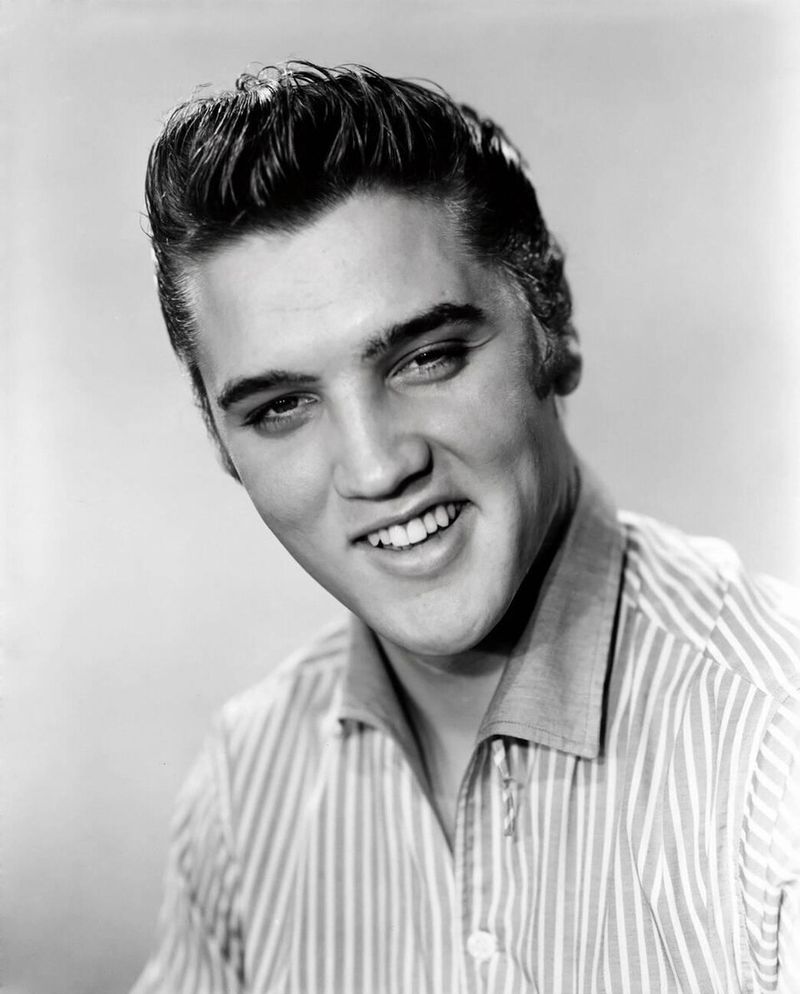
Long before streaming and music videos, one young singer from Memphis made teenagers rush to their radios. Elvis Presley is known as the King of Rock and Roll, and his sound helped push rock music into the American mainstream during the 1950s.
His recordings of Hound Dog, Heartbreak Hotel, and Jailhouse Rock became defining hits of that decade. Each song showed off a voice that was easy to recognize from the very first line.
Presley was more than a singer. His energetic movements on stage got plenty of attention, and his movie-star looks helped him reach fans well beyond the record store.
That mix of music, motion, and screen appeal made him one of the most recognizable entertainers in history. If you want a starting point for classic rock, his 1950s singles are a good place to begin.
They show how exciting this new style sounded when it was brand new to the world.
Chuck Berry
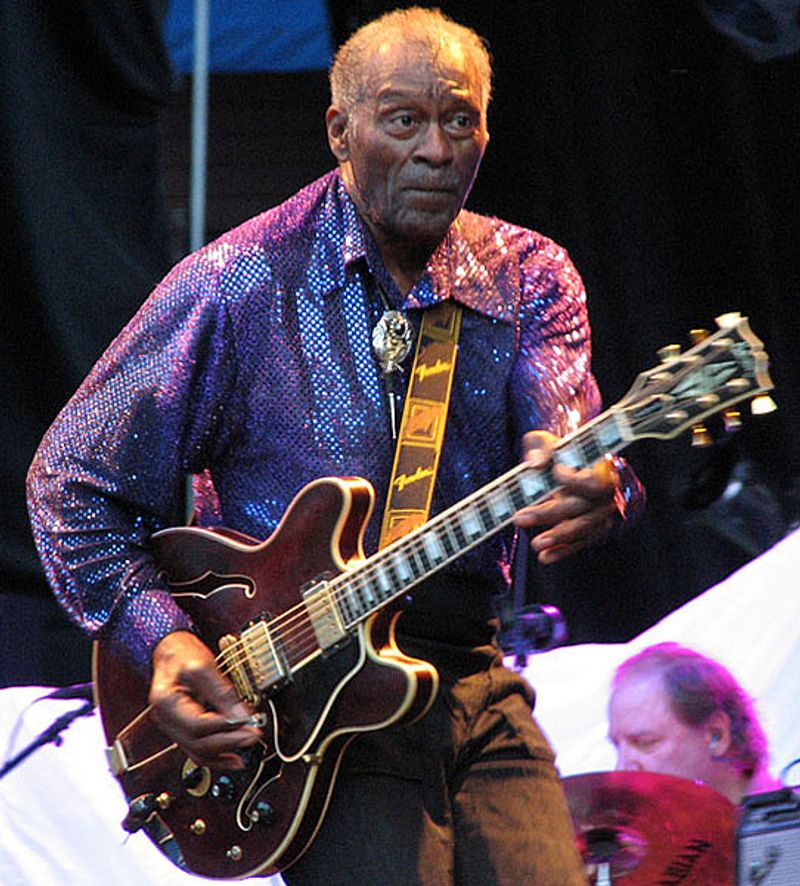
Try to picture a guitar player hopping across a stage on one leg while still hitting every note. That was the famous duckwalk of Chuck Berry, and it became a lasting symbol of rock performance.
Berry helped set the guitar-driven sound and storytelling style of early rock and roll. Songs like Johnny B.
Goode, Roll Over Beethoven, and Maybellene told quick, lively stories about teenage life, cars, and music.
His guitar introductions were short, sharp, and easy to remember. Many players learned them first because they packed so much attitude into just a few seconds.
His influence reached across the ocean, too. Members of the Beatles and the Rolling Stones have been linked to his style, and countless bands since have borrowed his licks.
If a rock song starts with a bright, bouncing guitar riff, there is a good chance Berry helped invent that move.
Jimi Hendrix
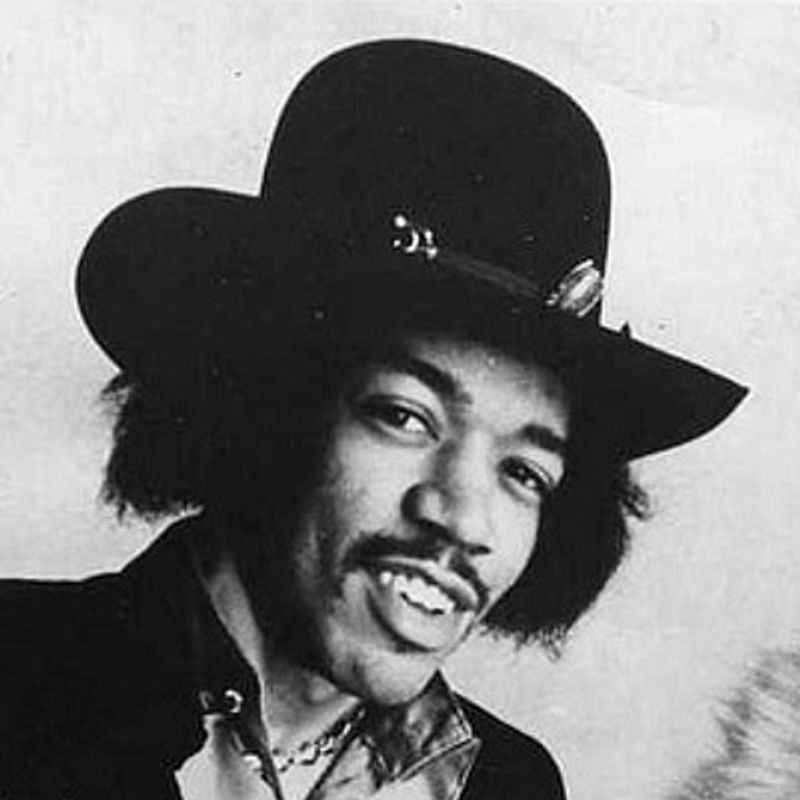
Some people play the guitar. Jimi Hendrix made it do things nobody had heard before.
By mixing feedback, distortion, and amazing improvisation, he showed how many sounds an electric guitar could create.
Purple Haze and Voodoo Child (Slight Return) are still essential listening for anyone curious about rock history. They sound bold even now, decades after they first reached listeners.
His 1969 Woodstock performance became one of the most memorable moments the genre has ever had. Hendrix played in front of a huge crowd and turned a familiar song into something wild and fresh.
For young guitarists today, he remains a kind of north star. His playing proves that skill and imagination can work together, and that rules in music are often just suggestions waiting to be bent.
Janis Joplin
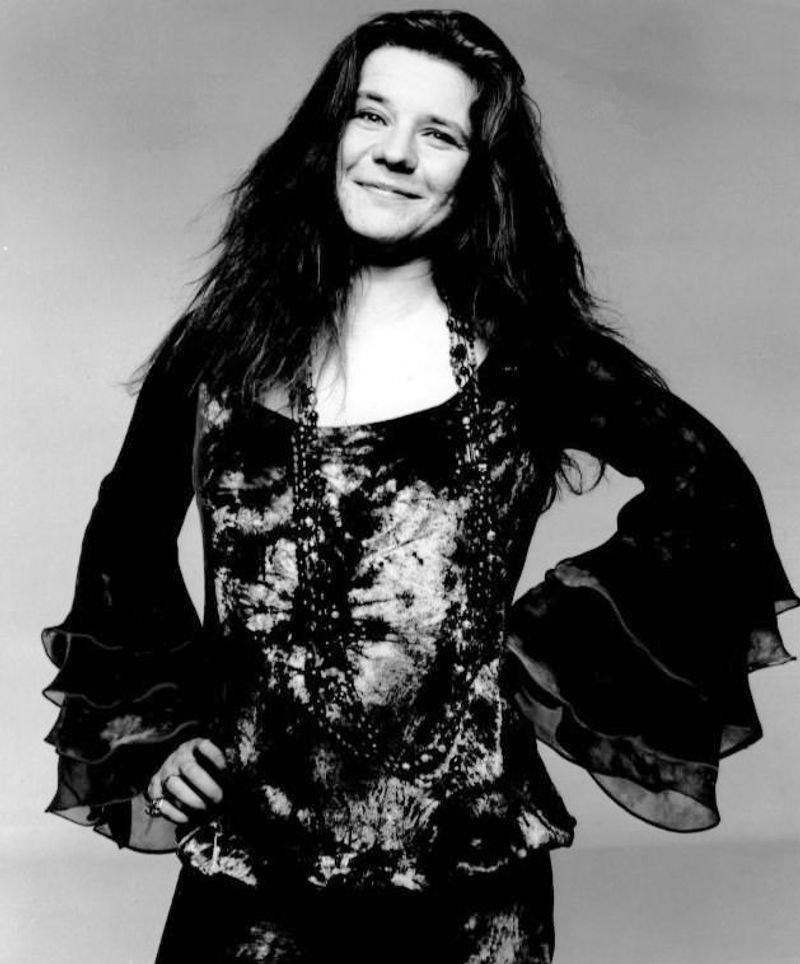
A voice like gravel wrapped in honey might be the best way to describe Janis Joplin. She brought blues-soaked intensity to psychedelic rock in the late 1960s, and audiences felt every word she sang.
Piece of My Heart and Cry Baby became unforgettable thanks to her raspy, emotional delivery. She never seemed to hold anything back, and that honesty is a big reason her records still connect with listeners.
Her career was brief, ending in 1970, but its impact was huge. She opened doors for women in rock at a time when the stage was crowded with male performers.
Today, she is still counted among the most influential female vocalists in rock history. If you want to hear what raw feeling sounds like on a record, put on one of her live performances and listen closely to how she builds each song.
Jim Morrison
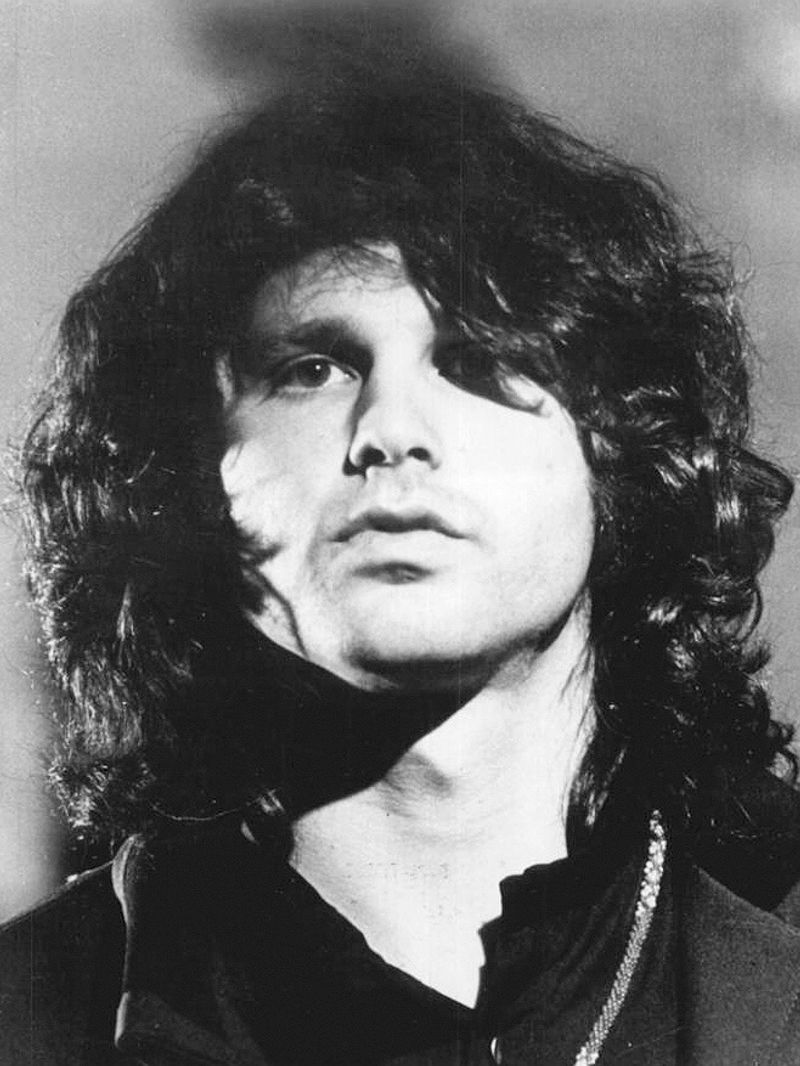
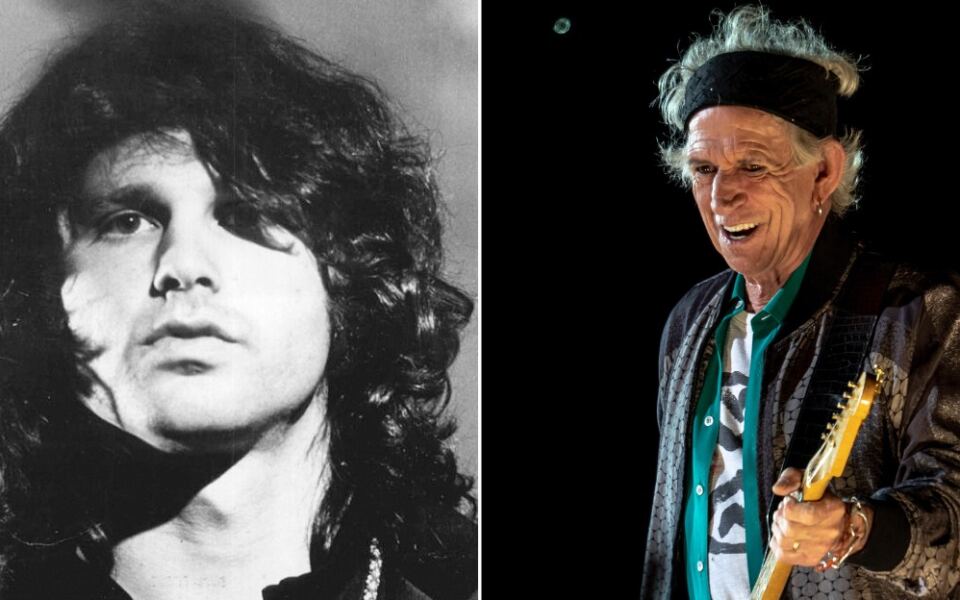
Poetry and rock do not always go together, but Jim Morrison made them a pair. As the singer of the Doors, he wrote lyrics full of striking images and delivered them in a deep, haunting voice.
Light My Fire, People Are Strange, and Riders on the Storm still stand out on classic rock stations. Each one has a different mood, which shows how wide the band’s range could be.
Morrison loved literature and philosophy, and those interests shaped his words. On stage he was unpredictable, which made every Doors concert feel like an event nobody could plan.
He became a lasting symbol of the countercultural rock movement of the 1960s. For anyone who enjoys song lyrics as much as the music, the Doors catalog offers plenty to think about and talk about afterward.
Freddie Mercury
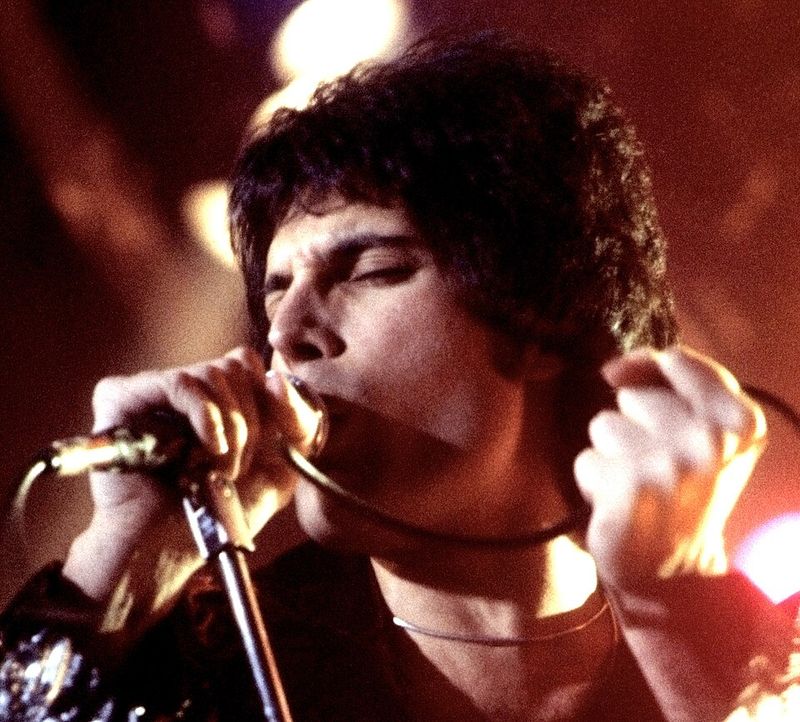
Eighty thousand people clapping in time is quite a scene, and at Live Aid in 1985 Freddie Mercury seemed to have every one of them in his hands. That set with Queen is still celebrated as one of the best live appearances in rock history.
Mercury turned Queen concerts into theatrical experiences. His remarkable vocal range and commanding presence gave songs like Bohemian Rhapsody, Somebody to Love, and We Are the Champions an extra spark.
He could move from a quiet piano line to a stadium-sized chorus without losing the crowd. That control is a big reason the band’s songs are still sung at sporting events and family gatherings.
New listeners often start with Bohemian Rhapsody, but the live recordings are just as rewarding. They show a performer who clearly loved every second of being on stage.
Mick Jagger
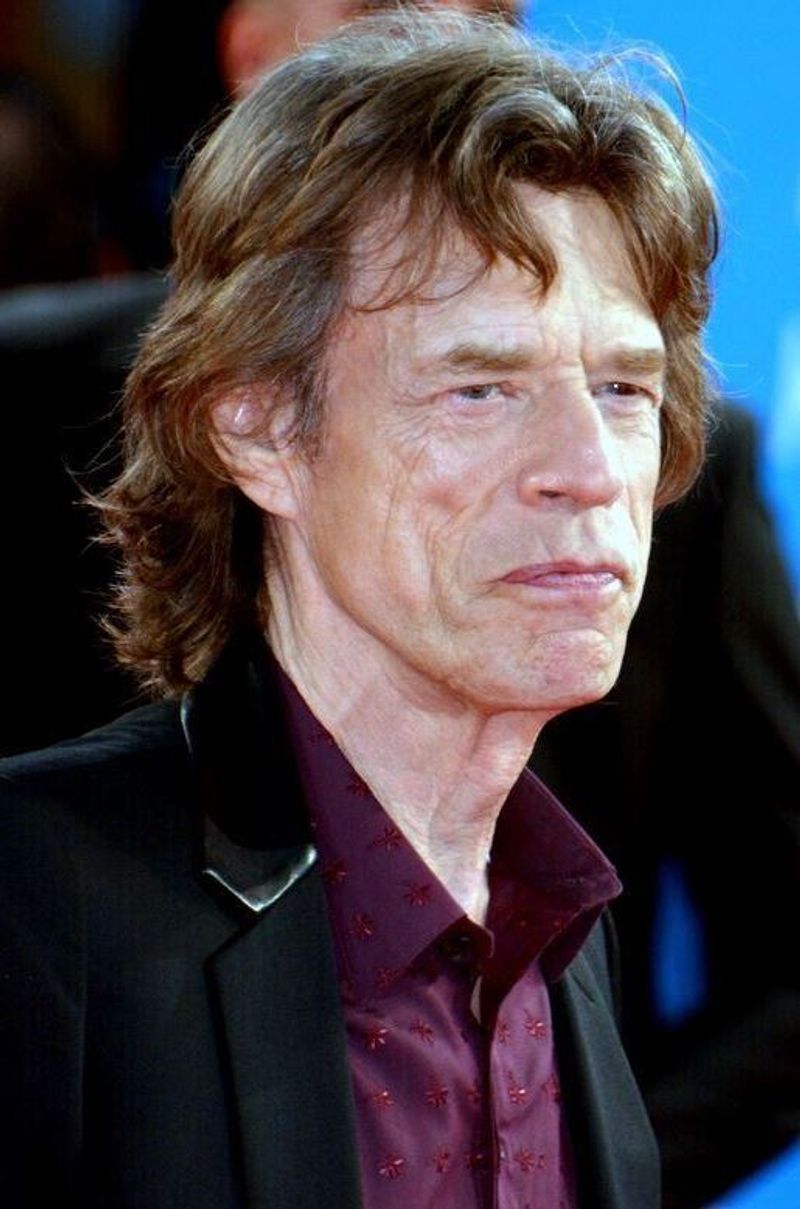
Few frontmen move quite like Mick Jagger. His energetic dancing, distinctive voice, and magnetic personality helped turn the Rolling Stones into one of rock’s most successful bands.
Working alongside Keith Richards, he helped create songs that have lasted for generations. (I Can’t Get No) Satisfaction and Paint It Black are two of the best known, and they sound very different from each other.
One has a famous fuzzy guitar riff and a restless attitude. The other has a darker, driving feel that shows how willing the band was to try new ideas.
Jagger’s stage presence became a model for later rock singers. Many of them borrowed his strut, his stage runs, and his habit of talking directly to the crowd.
If you are looking for a lesson in how to command a big venue, watching old Stones concert footage is a fun place to start.
David Bowie
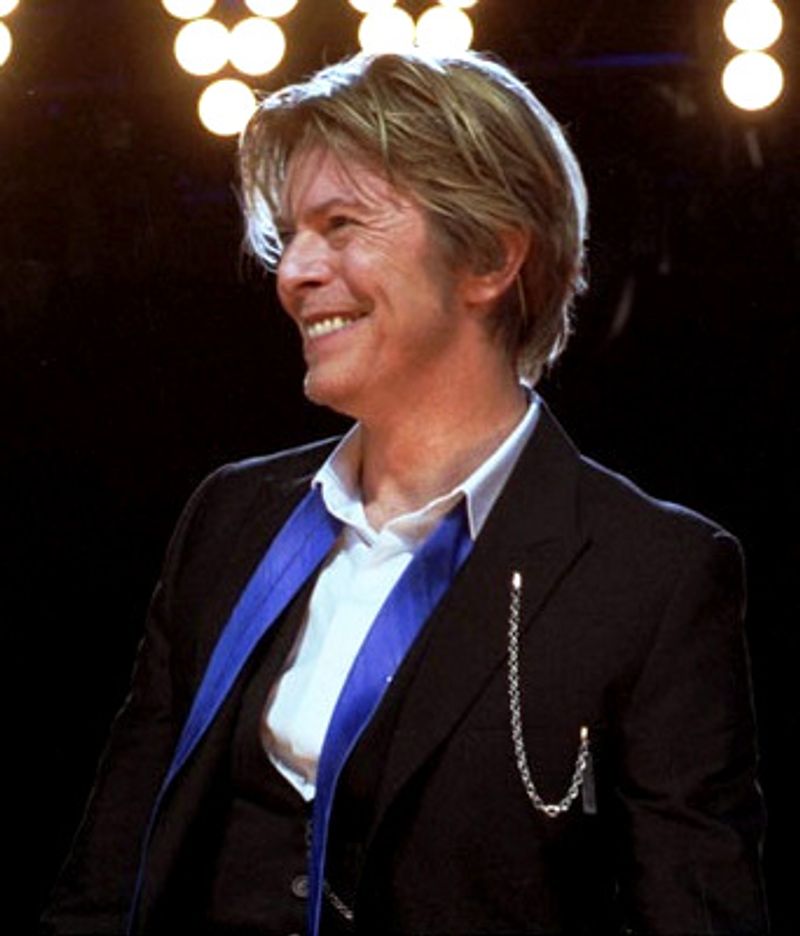
Ziggy Stardust had orange hair, glittering outfits, and a story about visiting from another world. He was just one of many looks David Bowie tried during a career built on constant change.
Bowie kept reinventing his sound, appearance, and artistic identity. He mixed music, fashion, and theatrical storytelling in ways that made each new album feel like a fresh chapter.
Space Oddity, Heroes, and Changes show how wide his creativity stretched. The first looks to the stars, the second celebrates courage, and the third even describes his own habit of shifting direction.
His influence on modern music is easy to spot, from bold stage costumes to artists who refuse to stay in one style. For readers who like surprises, Bowie is a great artist to explore one album at a time, because no two eras sound quite alike.
Robert Plant
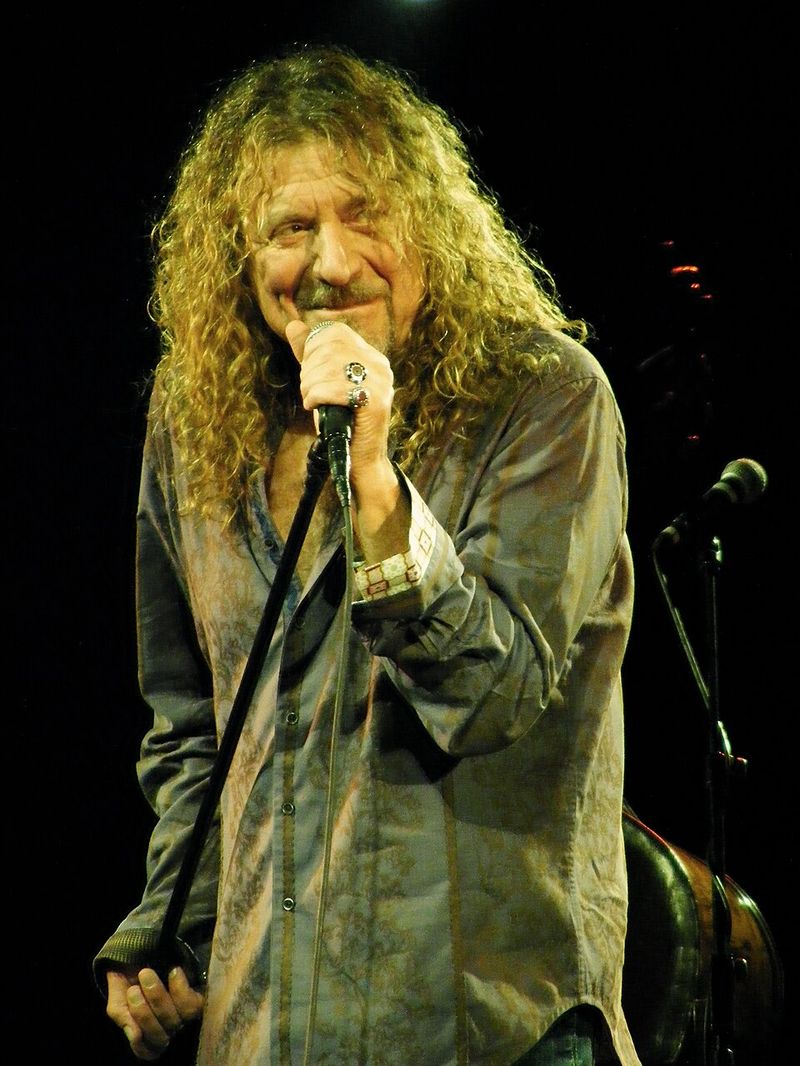
Soaring is the word that fits Robert Plant best. His high, powerful vocals became a key part of the unmistakable sound of Led Zeppelin.
On Whole Lotta Love, Black Dog, and Stairway to Heaven, he helped define hard rock in the 1970s. Black Dog even plays with the band, as his voice answers the guitar riffs in short bursts.
Stairway to Heaven shows another side, starting softly and building slowly toward a huge finish. That kind of patience is rare in rock songs, and it is one reason the track is remembered so well.
Plant did not stop when Zeppelin ended. He built a varied solo career that explored blues, folk, and roots music.
That willingness to keep exploring makes him an easy artist to follow, whether you like loud guitars or quieter, acoustic sounds.
Eric Clapton
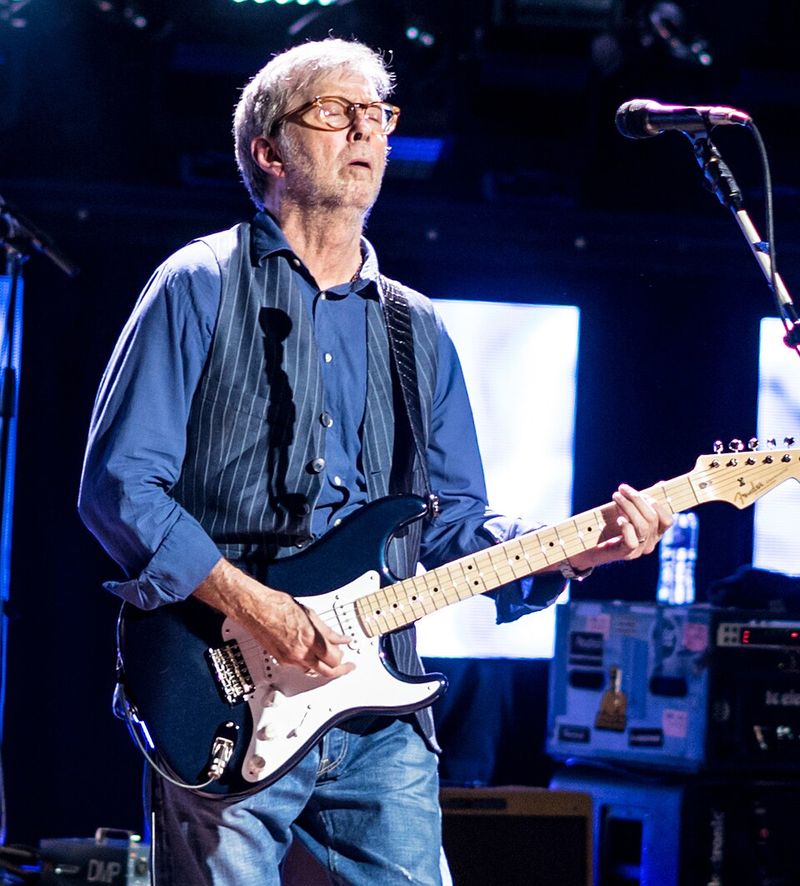
Few guitarists have a nickname as fitting as Slowhand. Eric Clapton earned his reputation for expressive, thoughtful playing that never needed to rush.
His career includes the Yardbirds, John Mayall’s Bluesbreakers, Cream, and Derek and the Dominos. Each group let him show a different side of his talent.
Along the way he became known for blending blues techniques with rock. Layla has a famous opening riff and a long, piano-driven ending, while White Room shows his Cream-era power.
Tears in Heaven is a gentler song, performed in a much quieter style. Hearing the three back to back reveals how far his music traveled over the years.
If you are new to guitar music, Clapton is a good teacher by example. His solos tell a story, with clear beginnings, middles, and endings that are easy to follow.
Paul McCartney
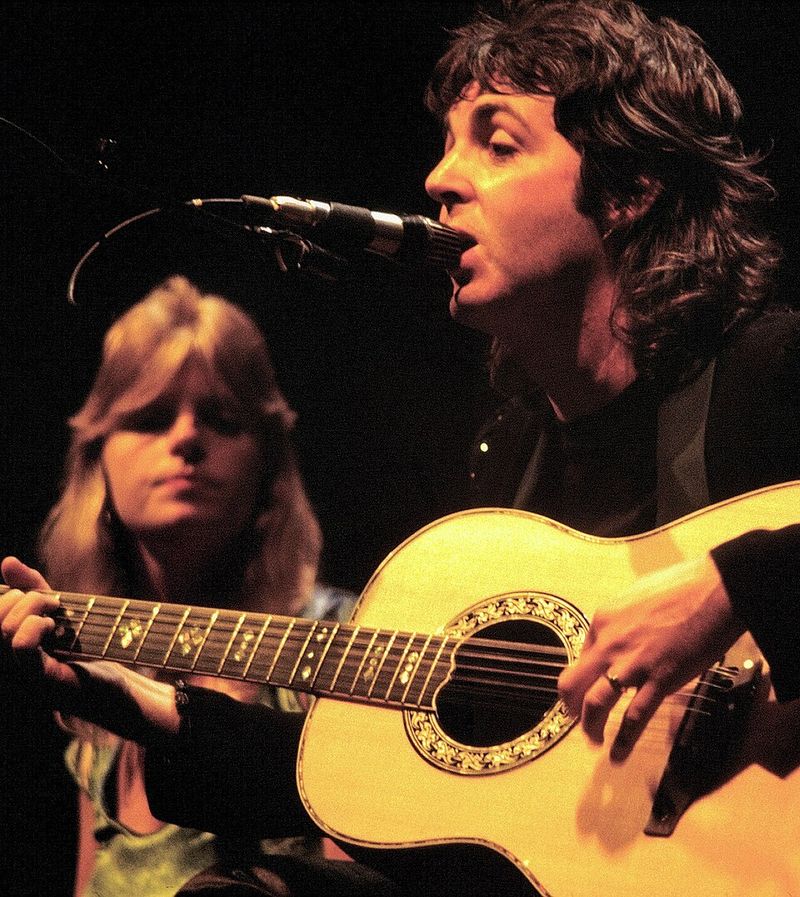
Pop music sounded different after the Beatles, and Paul McCartney was a big reason why. His inventive songwriting, melodic bass playing, and memorable vocals helped reshape what a hit song could be.
His partnership with John Lennon produced an extraordinary collection of recordings. The two often wrote with each other in mind, which pushed both of them to keep improving.
McCartney’s bass lines deserve special attention. Instead of simply following the chords, he often played tunes of his own underneath the main melody.
When the Beatles separated, he kept going. He made music through Wings and then a long solo career, adding more songs to a catalog that already felt huge.
That steady output has built an enduring legacy. Fans of every age still sing his songs, and many musicians say his work taught them how melody really works.
Keith Richards
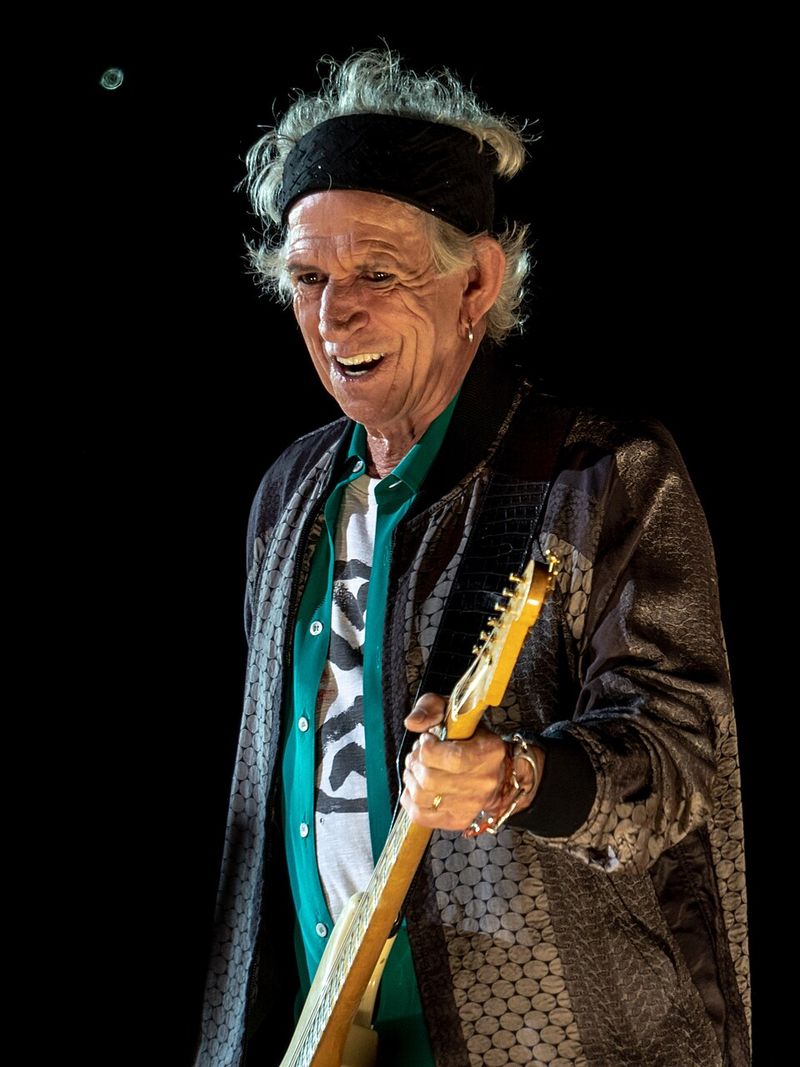
Ask guitar players about the perfect riff, and many will bring up Keith Richards. His gritty tone and distinctive rhythmic approach helped define the sound of the Rolling Stones.
Jumpin’ Jack Flash, Start Me Up, and Brown Sugar all run on his playing. Each opens with a riff that listeners can recognize in just a couple of seconds.
Richards often plays in a way that leaves space, letting the groove breathe rather than crowding it. Many players try to copy that feel, and it turns out to be harder than it looks.
Off the guitar, he shares a famous songwriting partnership with Mick Jagger. Their collaboration is one of the most successful in rock music, and it has kept the band touring and recording for decades.
Spin a few Stones singles in a row and the riffs will do most of the talking.
Stevie Nicks
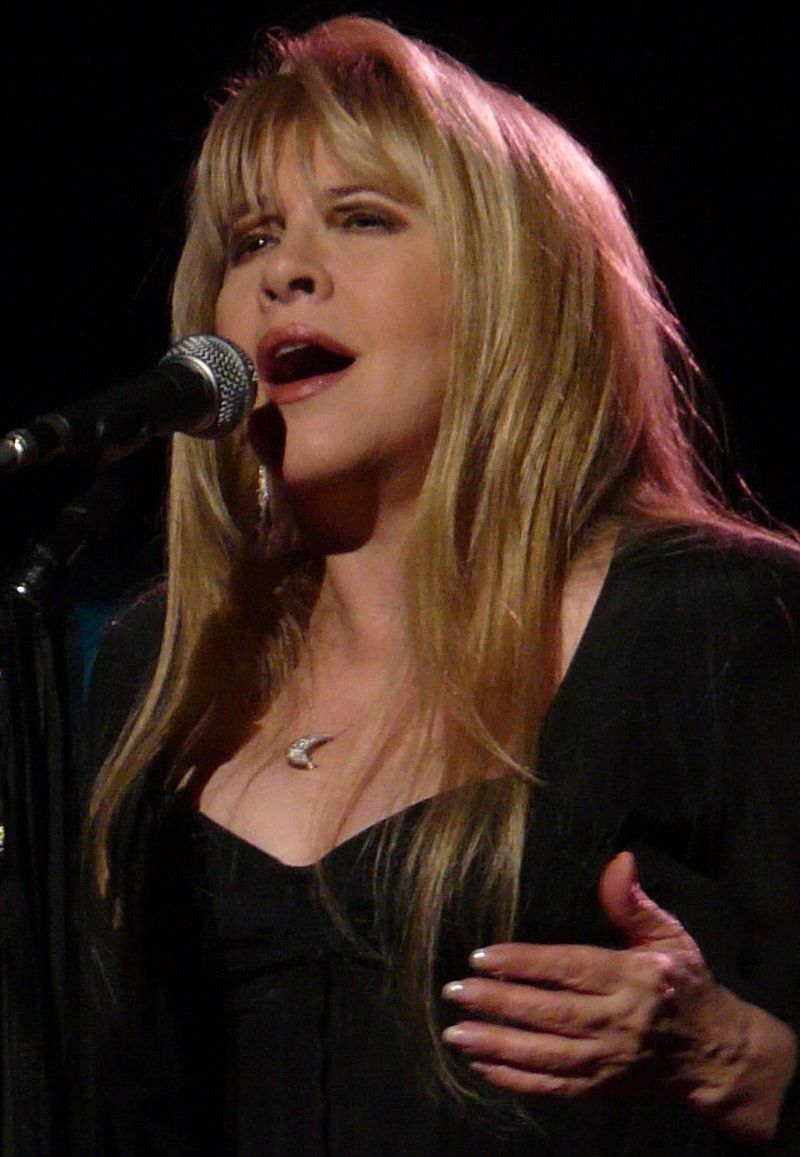
A flowing shawl, a twirl, and a voice that is hard to mistake for anyone else. Stevie Nicks brought a distinctive vocal style and poetic songwriting to Fleetwood Mac.
Her contributions to the band’s landmark album Rumours helped establish her as a major rock figure. Dreams and Rhiannon remain two of the songs most often linked to her.
Dreams has a calm, steady pulse that lets her voice float over the top. Rhiannon builds with mystery and drama, inspired by a character name she liked.
Nicks also launched a successful solo path, and Edge of Seventeen is one of its best-known hits. Its driving guitar line and strong vocal keep it popular with new listeners.
Her songs continue to attract fans across generations, proving that thoughtful lyrics and a unique voice never go out of style.
Roger Daltrey
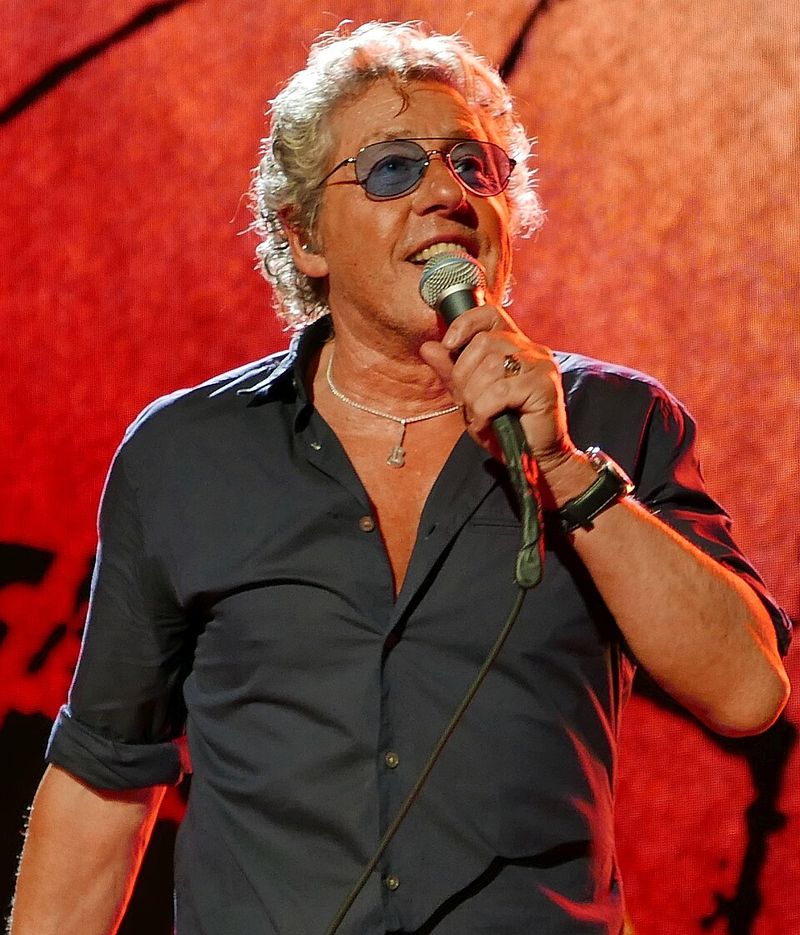
Swinging a microphone like a lasso became a trademark for Roger Daltrey. It fit perfectly with the high-energy shows of the Who.
His powerful vocals helped make the band one of the defining British rock groups. On My Generation, he even stutters his words on purpose, giving the song a bold, restless attitude.
Won’t Get Fooled Again features one of rock’s most famous screams, placed right before a big return of the main riff. Baba O’Riley, meanwhile, opens with a pulsing keyboard pattern and grows into a huge anthem.
Daltrey’s commanding presence added to the band’s reputation for explosive live concerts. Crowds came expecting loud, exciting nights, and he delivered.
For anyone curious about the Who, a live album is a great way to start. It captures the same energy that made fans so loyal.
Bruce Springsteen
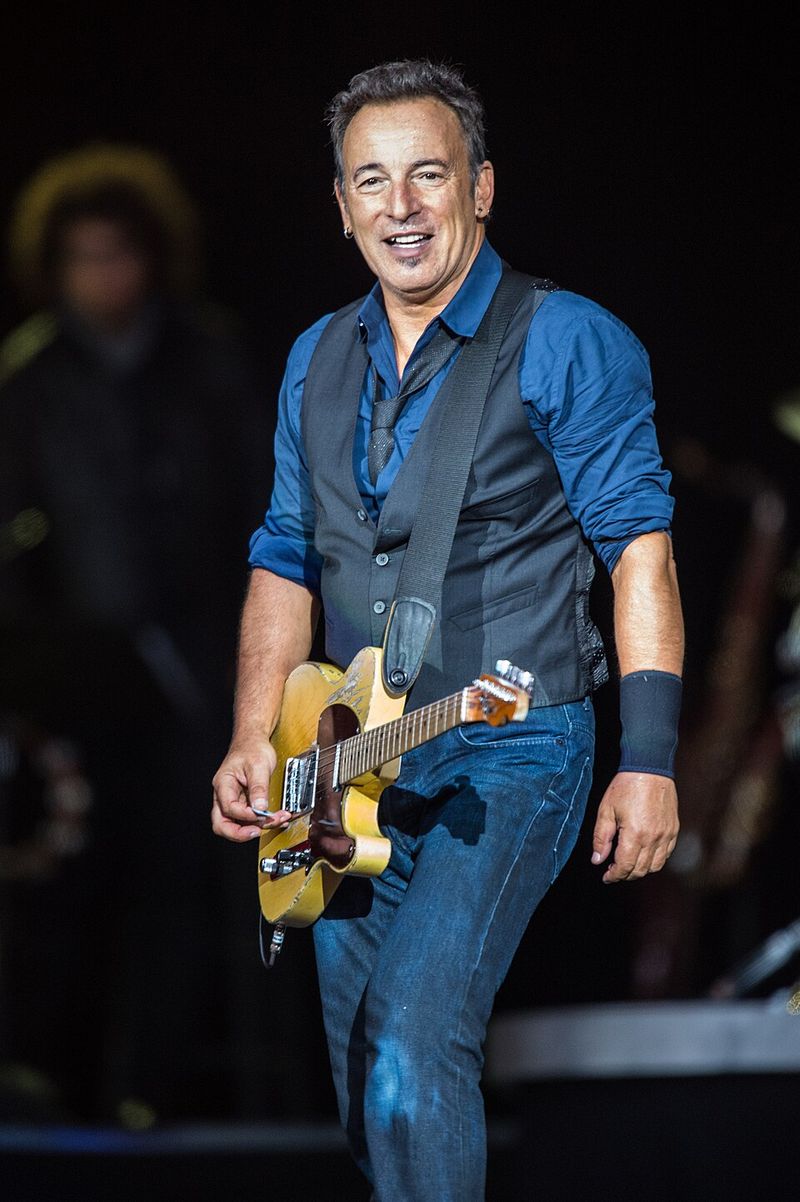
Born to Run starts with a promise of escape, and Bruce Springsteen has been telling that kind of story for decades. Nicknamed the Boss, he built his reputation on emotionally rich songwriting.
His lyrics often follow working-class characters with big dreams and tough choices. Thunder Road feels like a short movie, while Dancing in the Dark captures the frustration of wanting something more.
On stage, he leads the E Street Band through long, energetic shows. Fans often mention that concerts can run for hours, filled with sing-along choruses and big saxophone moments.
That mix of heart and hustle helped him become one of rock’s best-loved storytellers. If you enjoy songs that sound like short stories, his early albums are a rewarding place to start, since each track gives you characters worth remembering.
Brian May
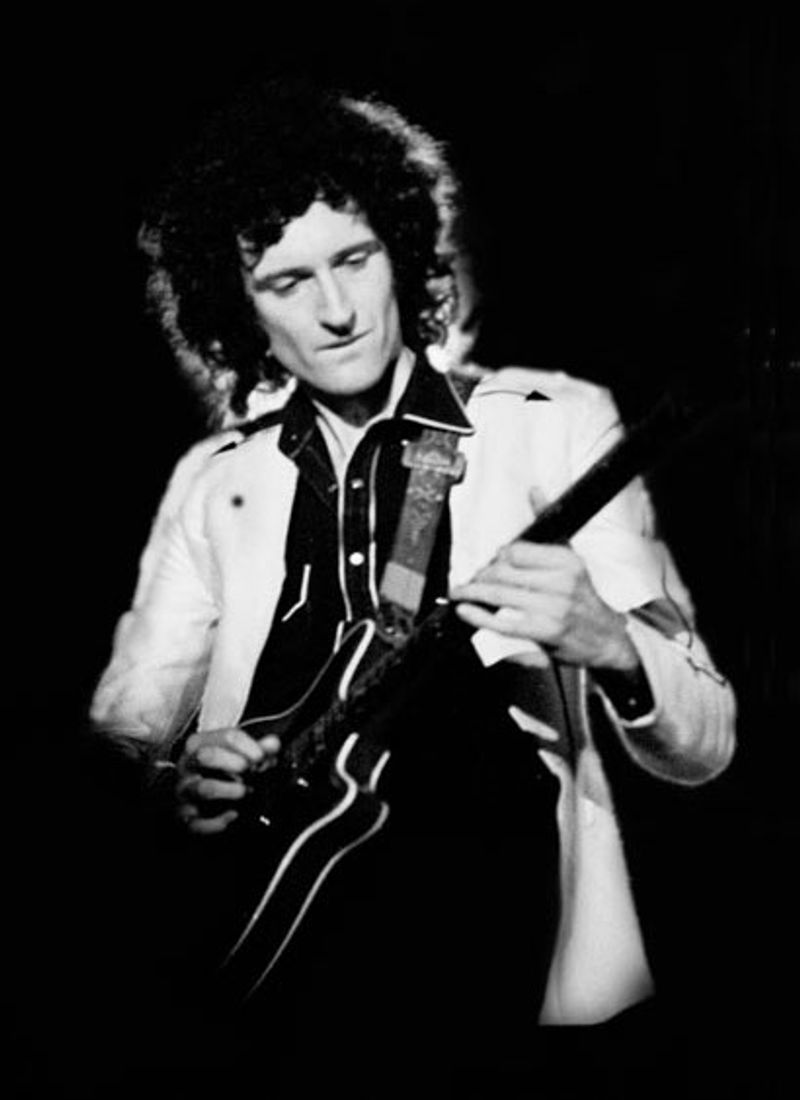
Most guitarists buy their instrument from a store. Brian May helped build his own, the Red Special, and it gave Queen a sound nobody else could copy.
He often played it with a coin instead of a regular pick. Combined with layered harmonies, the guitar created a rich, orchestral feel on Queen recordings.
Bohemian Rhapsody includes a memorable guitar solo that fits the song like a missing puzzle piece. We Will Rock You has a simple stomp-stomp-clap beat, with a bold solo near the end.
Brighton Rock shows off his talent for echo-based effects.
May’s blend of technical skill and melodic imagination made him one of rock’s most respected guitarists. Listen closely and you will notice his solos are easy to hum, which is a rare gift for a player so skilled.
Pete Townshend

Picture an arm whirling in a full circle before slamming down on the strings. That windmill move became the signature of Pete Townshend, and it is part of rock history.
As the principal songwriter and guitarist of the Who, he shaped the band’s sound with powerful chords and innovative compositions. His playing is loud and direct, yet it often carries surprising musical ideas.
Townshend also stretched what an album could be. He played a central role in creating the rock operas Tommy and Quadrophenia, which tell longer stories across many songs.
Tommy follows a character who becomes a pinball champion, while Quadrophenia looks at the life of a young man searching for his place. Both show how far rock could go beyond three-minute singles.
If you like albums that tell a full story, these two are a great place to begin.
Ozzy Osbourne
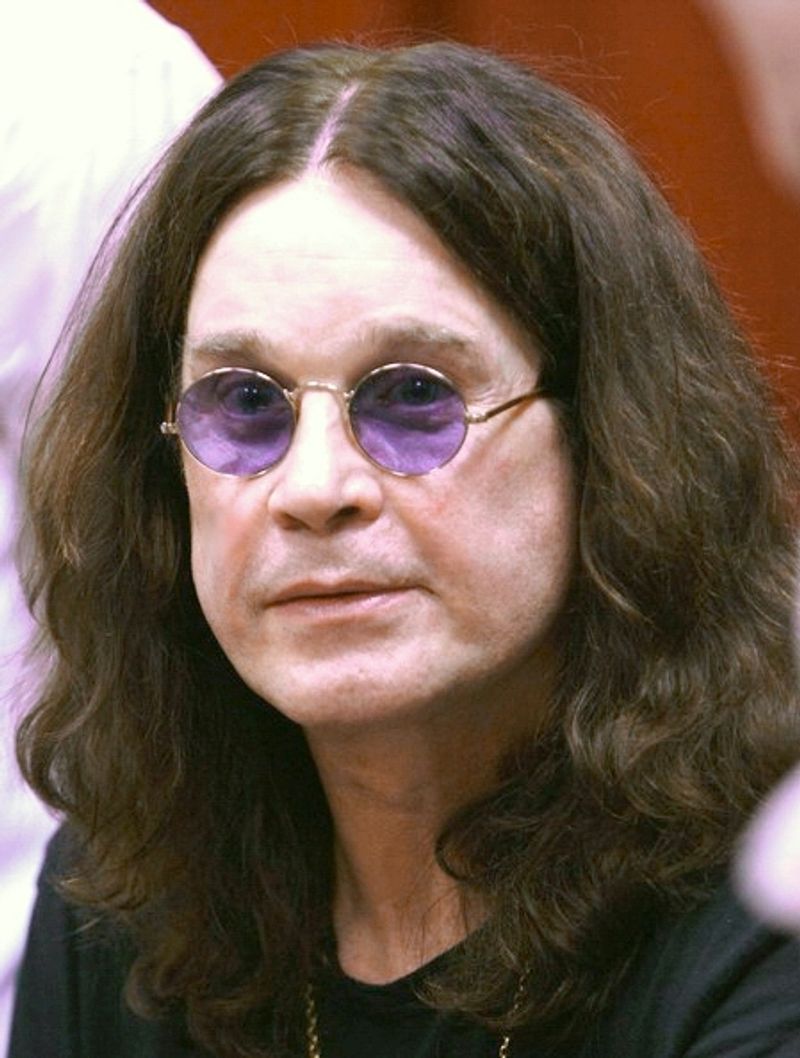
Heavy metal needed a first voice, and Ozzy Osbourne was it. As the original vocalist of Black Sabbath, he helped establish the genre with a sound that was dark, heavy, and new.
His distinctive singing brought Paranoid, War Pigs, and Iron Man to life. Paranoid is short and fast, while Iron Man crawls along with a slow, heavy riff that is now famous.
After leaving Black Sabbath, he started a solo career that produced more classics. Crazy Train opens with a quick guitar pattern that many fans can play from memory, and Mr. Crowley adds dramatic keyboards.
Ozzy’s influence remains central to heavy metal history. Plenty of bands cite Sabbath as an early inspiration, and the rumbling style he helped launch still echoes in loud music around the world.
Joan Jett
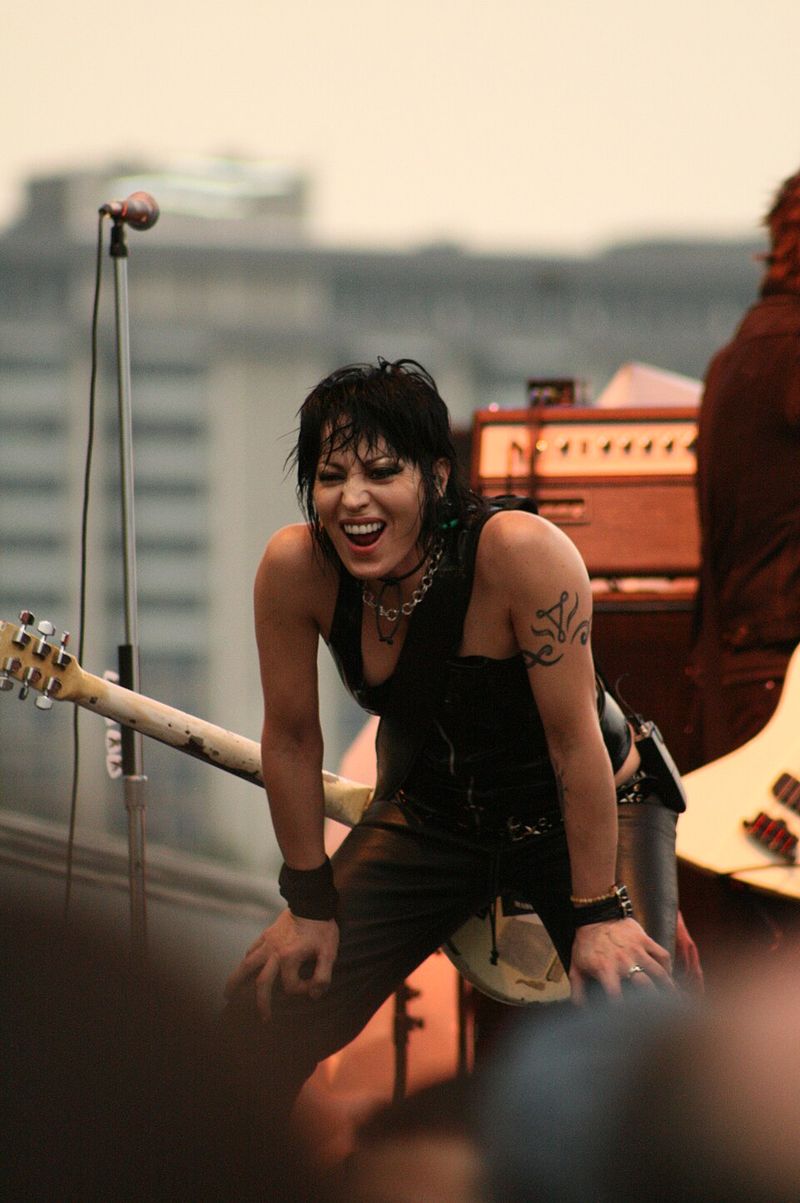
Joan Jett started in a band at a young age and never looked back. She became one of rock’s most recognizable female performers, first with the Runaways and then with Joan Jett and the Blackhearts.
I Love Rock ‘n Roll is her best-known hit, built on a simple beat and a chorus made for shouting along. Bad Reputation has a defiant attitude that matches its title.
Crimson and Clover, a cover of an earlier song, showed she could make someone else’s tune her own. That skill for picking strong material is part of her appeal.
Her straightforward, rebellious style helped inspire later generations of women in rock. The songs are short, direct, and full of energy.
If you need something to power a road trip or a workout, her catalog is a solid pick.
Neil Young
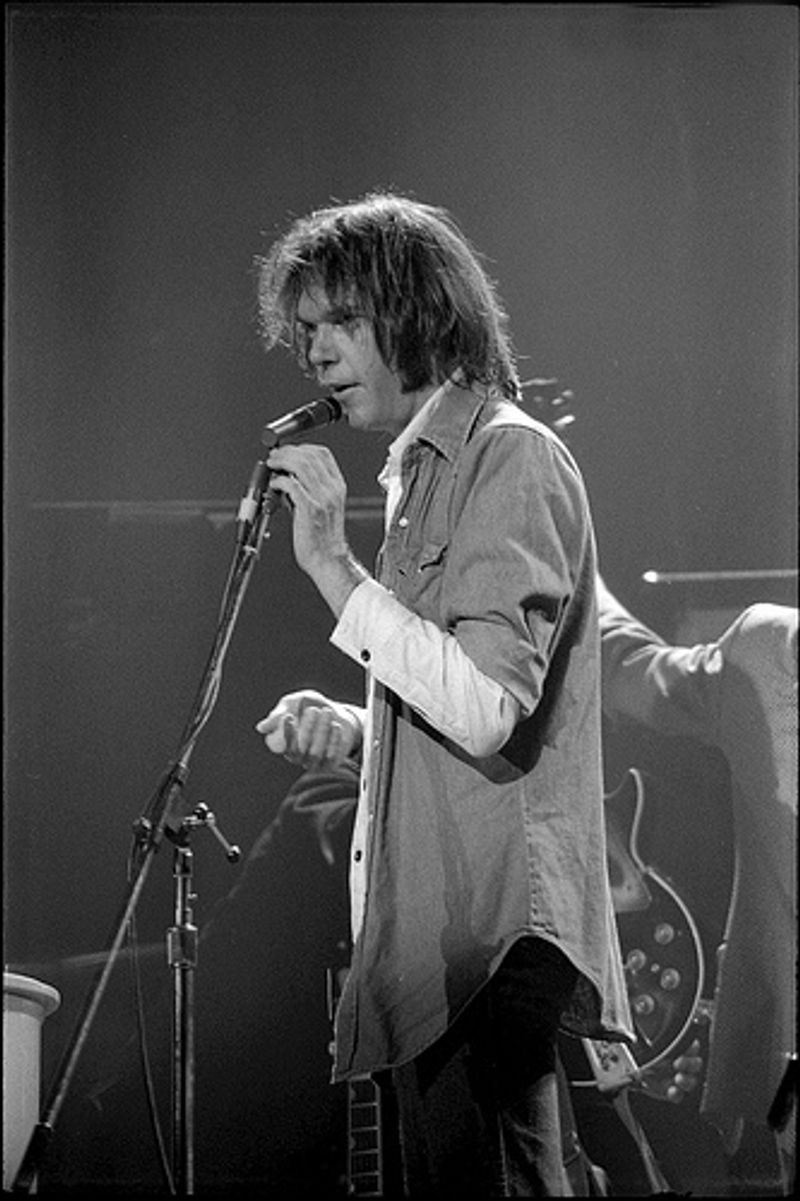
Neil Young can sound gentle on one record and thunderous on the next. His distinctive voice and deeply personal songwriting made him an influential figure in folk rock and electric guitar music.
He built his reputation through work with Buffalo Springfield, Crosby, Stills, Nash and Young, and Crazy Horse. Each group showed another side of his talent, from soft harmonies to loud, raw guitar jams.
Heart of Gold and Old Man are quiet, acoustic favorites with memorable harmonica parts. Rockin’ in the Free World goes the opposite way, with crunchy guitars and a big, shout-along chorus.
That range keeps listeners curious. Some fans prefer his folk side, others the loud Crazy Horse sound, and plenty enjoy both.
Try one of each style back to back and see which one hooks you first.
Angus Young
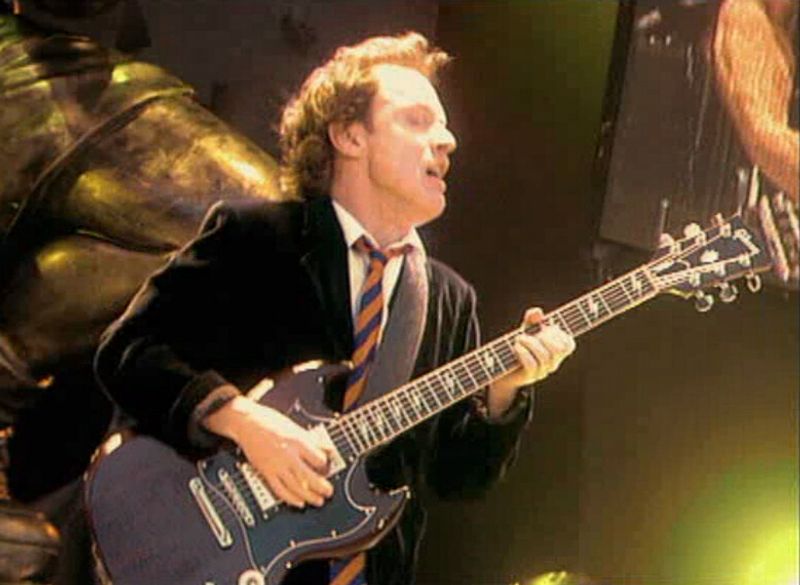
A grown man in a school uniform sprinting across the stage sounds odd until you see Angus Young do it. His schoolboy-inspired outfit became one of the most famous looks in rock.
His high-energy guitar playing is a defining feature of AC/DC’s hard-rock sound. Explosive solos and short, punchy riffs keep the band’s songs direct and easy to love.
Highway to Hell, Back in Black, and Thunderstruck are classics that show his range. Back in Black has a swaggering riff, while Thunderstruck begins with a fast, repeating guitar pattern that builds excitement quickly.
Young’s signature riffs continue to influence guitarists and energize rock audiences worldwide. They are also a great starting point for beginners, since many of the core parts are simple but powerful.
Turn the volume up and let the riffs do the work.
Share this story