Some of the most remarkable wildlife on Earth lives inside places protected by UNESCO. These sites shelter rare animals, ancient forests, living reefs and huge wetlands.
Visiting them can teach you how nature works and why it needs care. Here are fifteen destinations that offer unforgettable encounters with the natural world.
1. Galápagos Islands, Ecuador
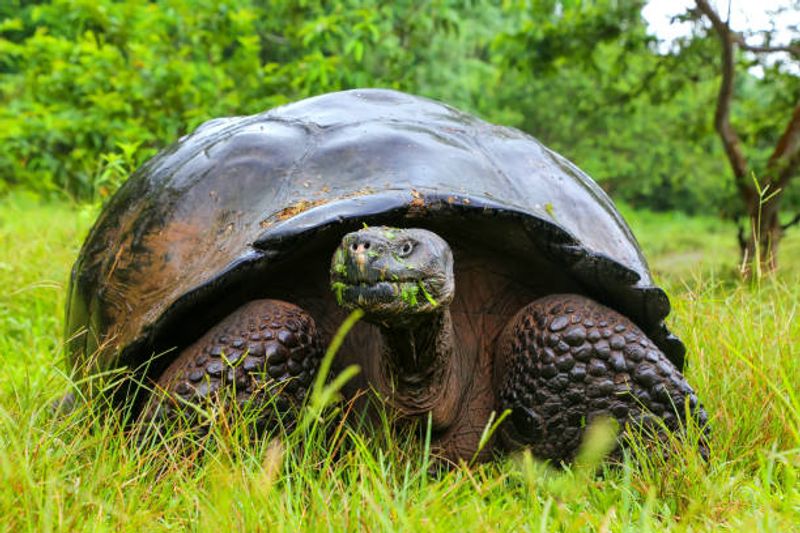
Few places let you walk within arm’s length of wild animals that show no fear of people. The Galápagos Islands, about 600 miles off Ecuador’s coast, are famous for exactly that.
Giant tortoises plod through highland grass, and marine iguanas rest on black lava rock.
Charles Darwin visited in 1835, and the differences he saw among island species helped shape his ideas about evolution. Today, sea lions nap on docks and blue-footed boobies perform odd, high-stepping dances.
Visitors must follow strict rules to protect the wildlife. Most trips use licensed guides and small boats, and you need to stay on marked trails.
Pack a reef-safe sunscreen, a hat and a snorkel mask. Swimming alongside sea turtles and playful sea lions is a highlight many travelers remember for years.
Plan ahead, because park fees and tour spots are limited.
2. Serengeti National Park, Tanzania
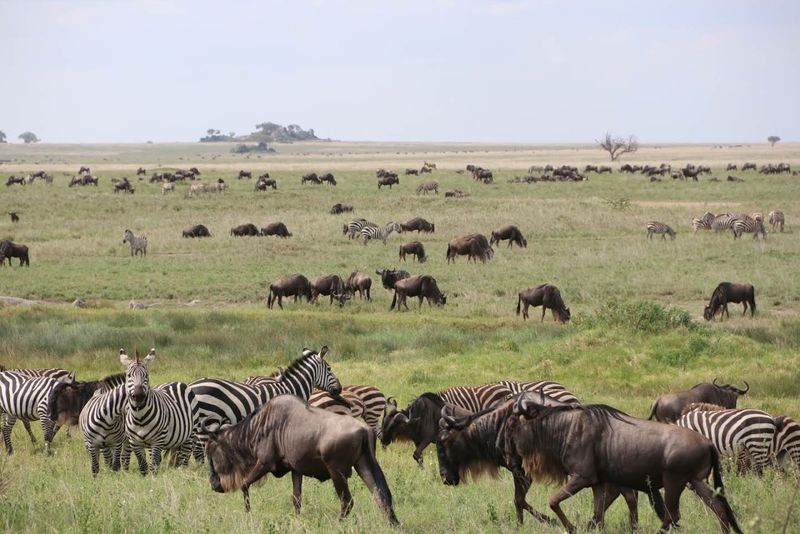
Imagine more than a million wildebeest moving across open plains, kicking up dust as they go. That is the Great Migration in the Serengeti, one of the biggest animal journeys on the planet.
Zebras and gazelles travel along with the herds.
Where there is food, there are hunters. Lions rest in the shade of acacia trees, and cheetahs scan the grass from termite mounds.
Leopards often nap on tree branches during the day.
The herds follow the rains, so timing matters. Calving season usually happens around February in the south, while river crossings often take place between July and October in the north.
Book a guide who knows the park well, and bring binoculars. A early morning game drive often gives the best chances to see predators active.
3. Great Barrier Reef, Australia
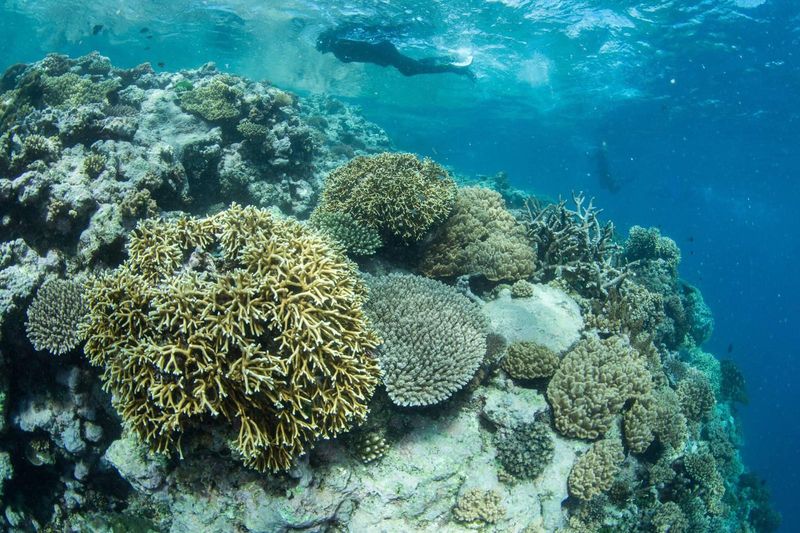
Stretching for about 1,400 miles along Queensland’s coast, the Great Barrier Reef is the largest coral reef system in the world. It is so big that parts of it can be seen from space.
Thousands of individual reefs and hundreds of islands make up the whole.
Green and loggerhead turtles glide over the coral, and clownfish hide in anemones. Manta rays, reef sharks and more than 1,500 kinds of fish also call it home.
Snorkeling is the easiest way to explore. Many boats leave from Cairns and Port Douglas, and some trips include a marine biologist who explains what you see.
Wear reef-safe sunscreen and never touch the coral, since it is a living animal that damages easily. Warming seas have stressed parts of the reef, so responsible tourism helps support its recovery.
4. Okavango Delta, Botswana
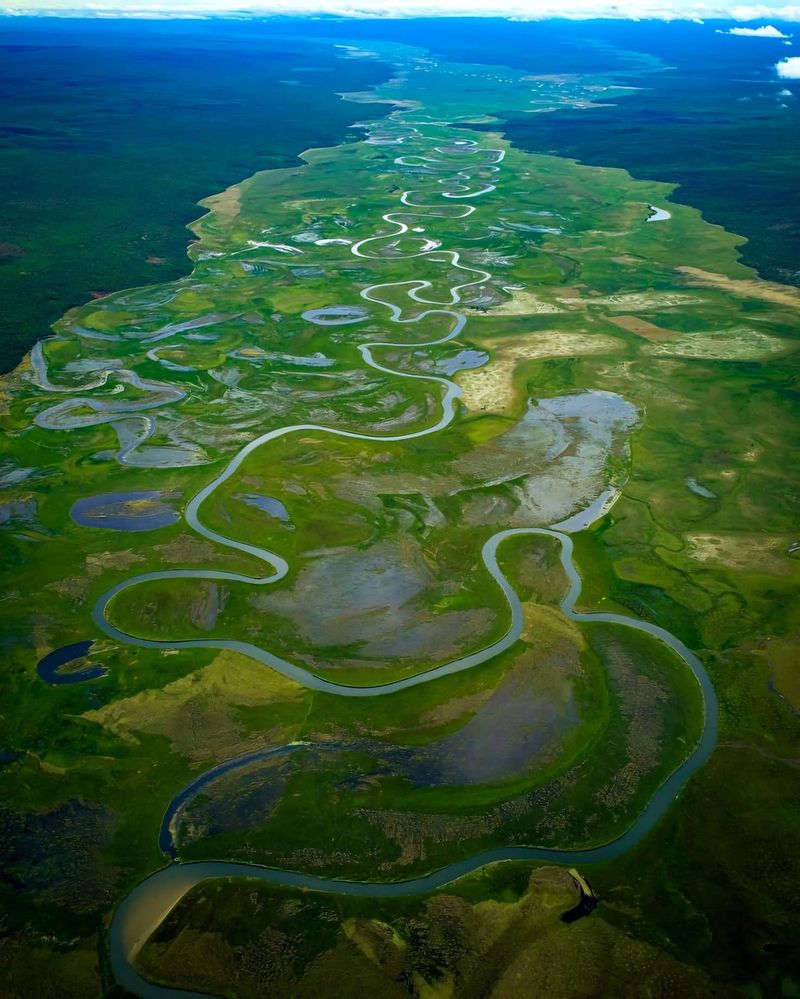
A river that never reaches the sea sounds strange, yet that is the story of the Okavango. Its water spreads across the Kalahari Desert and forms a maze of channels, lagoons and islands.
Each year the flood arrives from Angola’s highlands and turns dry land green.
Elephants wade through shallows, and hippos grunt from deep pools. Lions, wild dogs and hundreds of bird species share the same landscape.
Many visitors glide through the channels in a mokoro, a traditional dugout canoe moved by a poler. The silence lets you hear splashes and bird calls.
Camps here are often small and remote, so book early. The flood usually peaks between June and August, which is also the dry season elsewhere and makes it a popular time to visit.
5. Komodo National Park, Indonesia
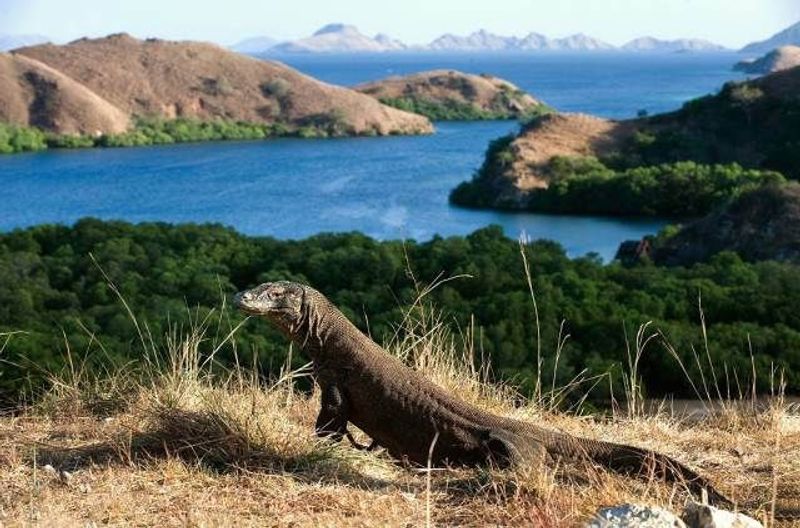
Up to ten feet long and strong enough to take down a deer, the Komodo dragon is the largest lizard alive. It lives only on a few Indonesian islands, and Komodo National Park protects its main home.
Rangers lead visitors on walks, keeping a safe distance from these powerful reptiles.
The park is not only about dragons. Its waters hold manta rays, sea turtles and some of the most colorful coral in the world.
Currents here can be strong, so choose a trusted dive or snorkel operator. Pink Beach, named for its blush-colored sand, is a favorite stop for swimming.
Most trips begin in Labuan Bajo on the island of Flores. Dry months from April to November usually bring calmer seas and clearer views, which helps for both hiking and underwater adventures.
6. Yellowstone National Park, United States
Old Faithful gets the fame, but Yellowstone’s wildlife may steal the show. Established in 1872, it is often called the first national park in the world.
Bison roam the valleys, sometimes stopping traffic as they cross the road.
Wolves returned in 1995 after decades of absence, and their presence has changed how elk and plants behave across the park. Grizzly and black bears search meadows for roots and berries.
Lamar Valley is a top spot for watching animals, especially at dawn and dusk. Always stay at least 100 yards from bears and wolves and 25 yards from other wildlife.
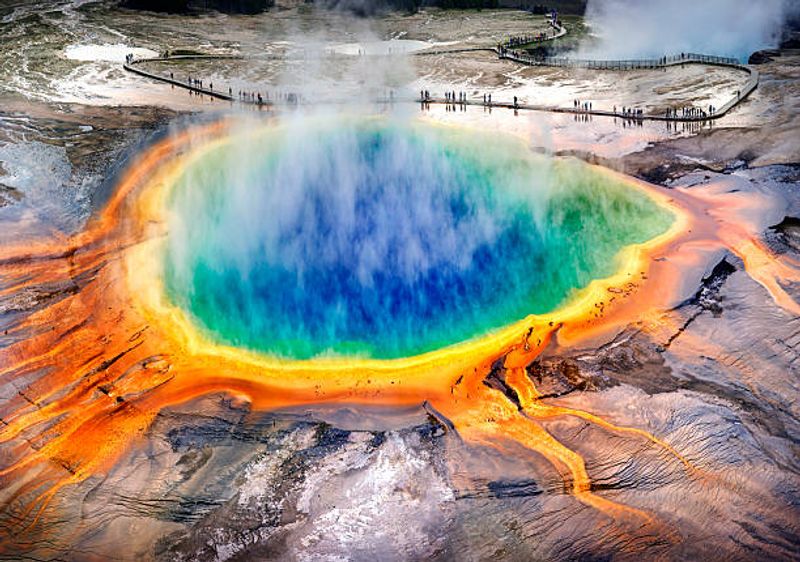
Bring a spotting scope if you can. The park also holds more than 10,000 hot springs and geysers, so there is plenty to see between animal sightings.
7. Pantanal Conservation Area, Brazil
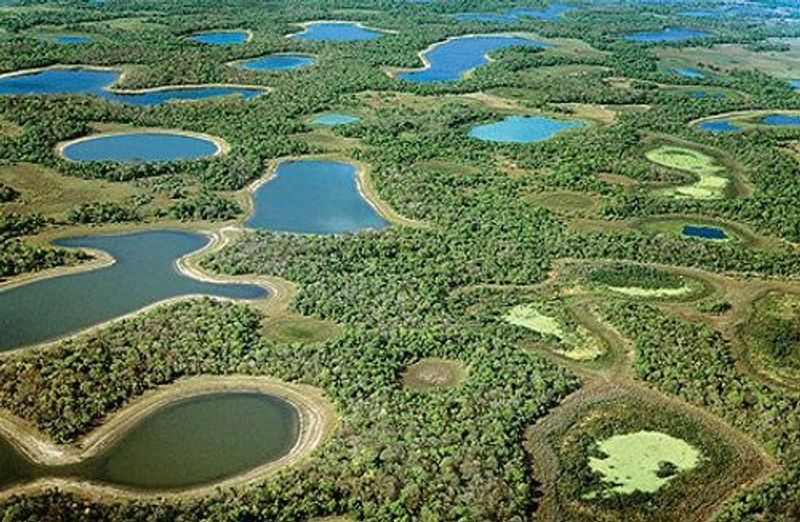
If you want to spot a wild jaguar, the Pantanal is among the best places to try. This huge tropical wetland covers parts of Brazil, Bolivia and Paraguay, and it floods each rainy season.
Because the land is open, animals are easier to see than in thick jungle.
Giant otters, which can grow nearly six feet long, hunt together in family groups. Caimans line the riverbanks, and capybaras graze nearby.
Boat trips along the Cuiabá River are popular for jaguar watching, especially from May to October. Birders can look for the hyacinth macaw and the jabiru stork, one of the tallest flying birds in the region.
Pack lightweight long sleeves and insect repellent. Staying at a local ranch also supports conservation and gives you access to quiet, wildlife-rich trails.
8. Manú National Park, Peru
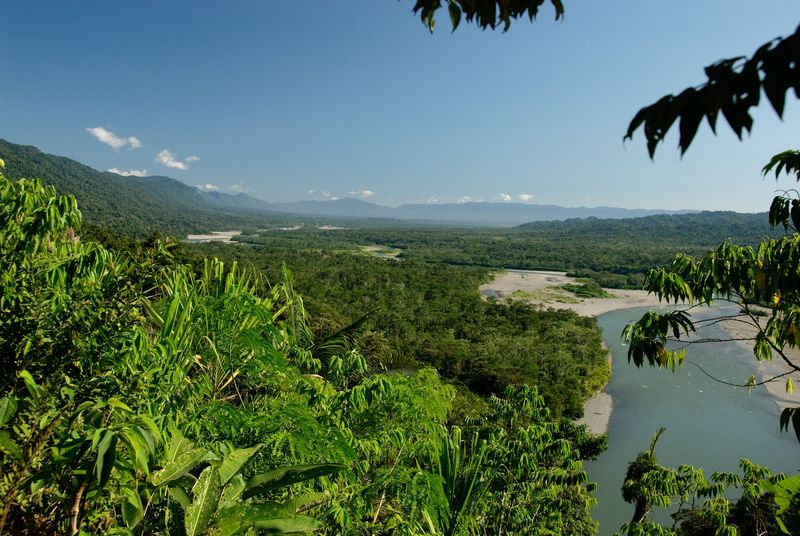
Every morning, hundreds of colorful parrots gather at a clay cliff in Manú to eat the mineral-rich soil. The scene is loud, bright and hard to forget.
Manú protects a stretch of Amazon rainforest that runs from Andean cloud forest down into lowland jungle.
Few places on Earth hold such variety. Scientists have recorded over 1,000 bird species here, along with giant otters, tapirs and several kinds of monkeys.
Reaching the park takes time. Most journeys start in Cusco and include long drives and river travel, so allow at least a week.
Much of the area is closed to visitors to protect Indigenous communities and wildlife. Choose an authorized tour operator, bring rain gear and be ready for a slow, quiet pace that rewards patience with remarkable sightings.
9. Iguazú National Park, Argentina
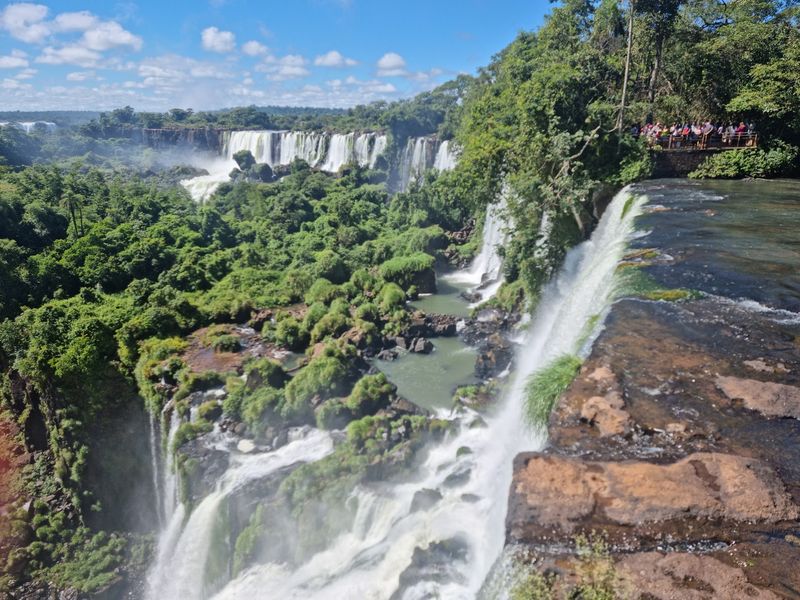
Standing at the edge of the Devil’s Throat, you can feel the roar in your chest. Iguazú Falls includes around 270 separate drops spread across nearly two miles on the border of Argentina and Brazil.
The mist keeps the surrounding forest lush all year.
That forest is part of the Atlantic rainforest, home to toucans, coatis and butterflies in startling colors. Jaguars live here too, though they are rarely seen.
Walkways and short trails make the Argentine side easy to explore. Arrive early to beat crowds and see more animals.
Keep food hidden, since coatis are clever and will snatch snacks from open bags. A boat ride beneath the falls is thrilling, so bring a rain poncho and a waterproof case for your phone.
10. Kakadu National Park, Australia
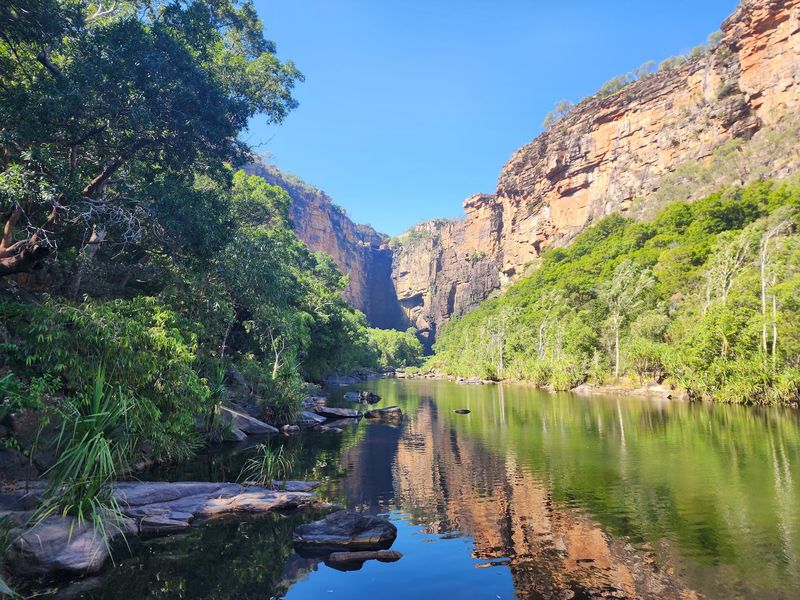
Kakadu is both a natural wonder and a cultural treasure. Aboriginal people have lived here for more than 65,000 years, and rock art galleries tell stories of that long history.
The park is also Australia’s largest terrestrial national park.
Wetlands fill up in the wet season and attract huge numbers of waterbirds, including magpie geese and jabirus. Saltwater crocodiles patrol the rivers, so keep well away from the water’s edge.
Yellow Water Billabong is a top place for a sunrise boat cruise. Guides explain the plants, animals and traditions as you drift along.
The dry season, from May to October, makes roads and trails easier to use. Bring a hat, plenty of water and respect for sacred places, as some areas have special rules for visitors.
11. Sian Ka’an, Mexico
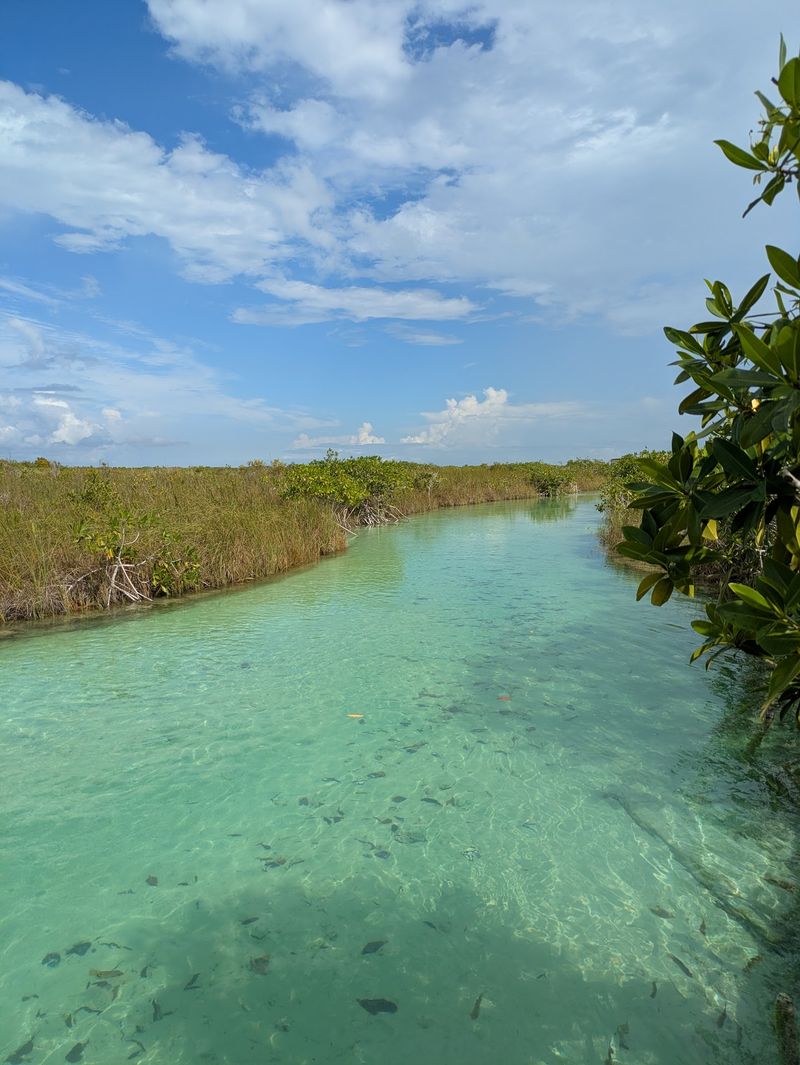
Just south of Tulum, away from the resort crowds, sits a coast that feels wild. Sian Ka’an means “origin of the sky” in the Maya language.
The reserve covers beaches, lagoons, mangroves and part of the Mesoamerican Reef.
Bottlenose dolphins often appear alongside boats, and manatees and sea turtles live in the quiet waters. Over 300 bird species, from flamingos to herons, add color to the shoreline.
One memorable activity is floating down an ancient Maya canal, carried gently by the current. Local guides run most tours and share knowledge about plants and history.
Bring biodegradable sunscreen and binoculars. Visit in the morning for cooler weather and more active wildlife.
Small group trips leave less impact and give you a better chance to see shy animals.
12. Bwindi Impenetrable National Park, Uganda
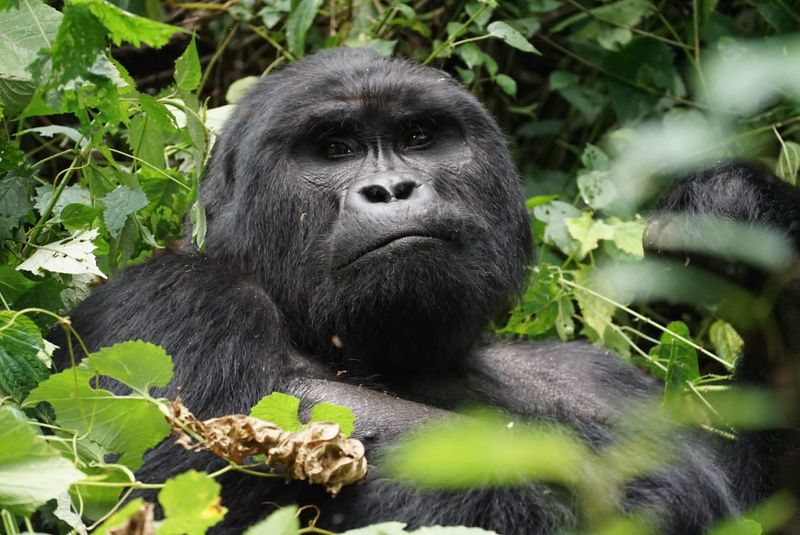
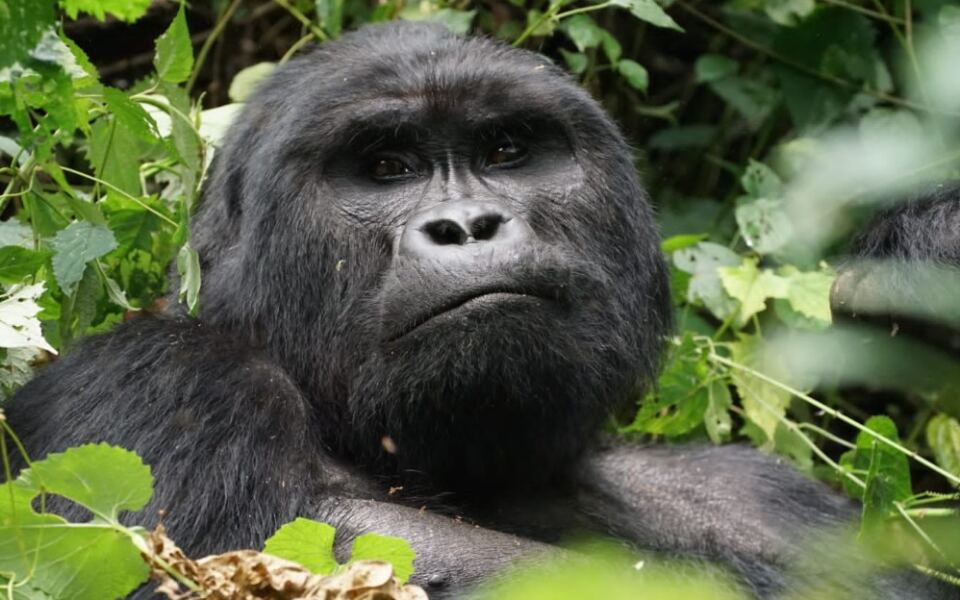
Only about 1,000 mountain gorillas remain in the wild, and nearly half of them live in Bwindi. The name fits, because the forest is thick, steep and covered in vines.
Trekkers hike through it with a ranger to find a gorilla family.
When you do, the guides allow one hour with the animals. You will sit quietly, a short distance away, while youngsters tumble and the silverback watches over the group.
Permits are required and sell out in busy months, so reserve well ahead. Fees help protect the gorillas and support nearby communities.
Wear sturdy boots, long pants and gloves for gripping branches. If you have a cold, you may be asked to stay behind, since gorillas can catch human illnesses.
The rules are strict because the animals are so vulnerable.
13. Tsingy de Bemaraha National Park, Madagascar
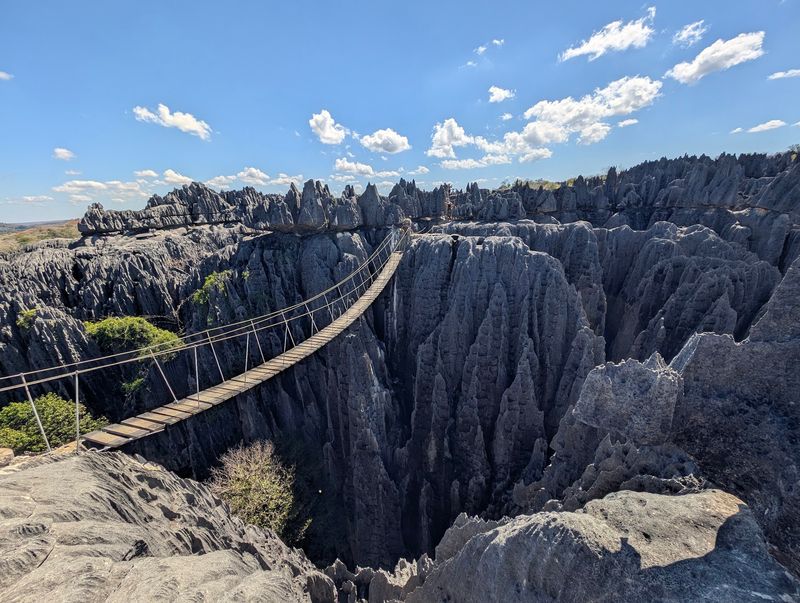
Picture a forest made of stone blades, some rising hundreds of feet high. That is the Tsingy, a maze of limestone pinnacles in western Madagascar.
The word tsingy comes from a local term meaning to walk on tiptoe, since the ground is so sharp.
Life has adapted in clever ways. Decken’s sifakas leap between the spikes, and tiny chameleons hide in the hollows.
Many of the plants and animals exist nowhere else on Earth.
Visitors cross suspension bridges and use climbing harnesses on guided routes. Some paths are easy, while others need a good level of fitness.
The best time to go is the dry season, from April to November, when roads are passable. Pack gloves, sturdy shoes and plenty of water for a day of rocky exploring.
14. Canadian Rocky Mountain Parks, Canada
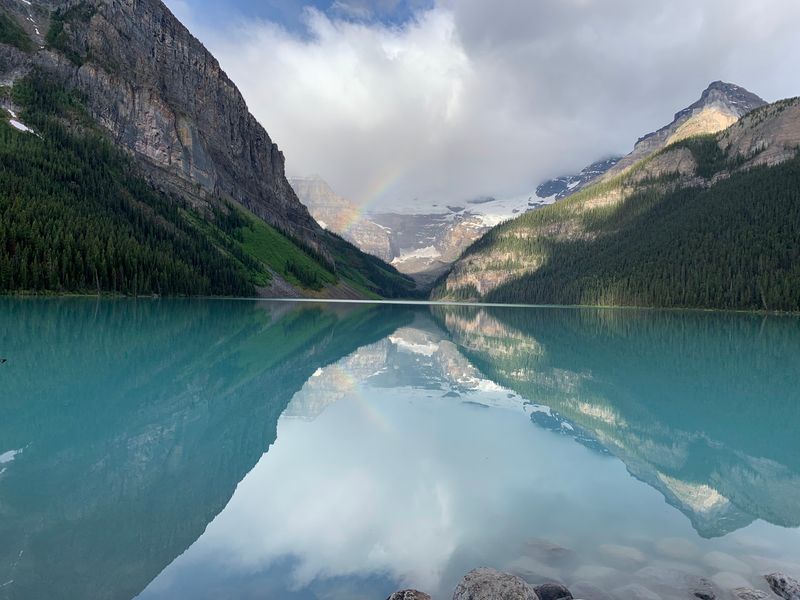
Turquoise lakes get most of the photos, but the Canadian Rockies hold much more. Banff, Jasper, Yoho and Kootenay are among the parks that make up this protected region.
Glaciers feed rivers, and jagged peaks frame almost every view.
Elk graze near town streets in autumn, and bighorn sheep pick their way along cliffs. Black bears and grizzlies wander meadows, so carry bear spray and learn how to use it.
Lake Louise and Moraine Lake draw crowds, so arrive at sunrise for quiet and better light. The Icefields Parkway links Banff and Jasper and is one of the most scenic drives in the world.
Summer is best for hiking, while winter offers skiing and frozen waterfalls. Whatever the season, pack layers because mountain weather changes quickly.
15. Everglades National Park, United States
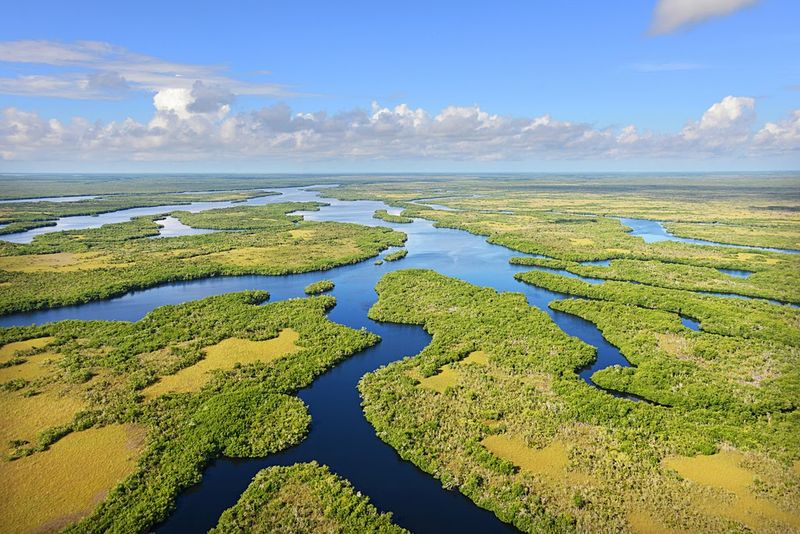
The Everglades is often described as a river of grass, and that picture is accurate. A shallow sheet of water moves slowly south through sawgrass prairies, cypress swamps and mangrove forests.
It is the only place where alligators and crocodiles live side by side.
Manatees drift in warm channels, and rare animals like the Florida panther and the wood stork rely on this habitat. Roseate spoonbills add splashes of pink to the shoreline.
The dry season, from December to April, is the best time to visit, as animals gather near water. Walk the Anhinga Trail for close views of birds and gators.
Bring insect repellent, especially in summer. Airboat and kayak tours show the landscape from a different angle, but always follow park guidelines to protect the fragile ecosystem.
Share this story