Salmon fishing in America is not just an Alaska story. From wild rivers near the Arctic to cold lakes in New England, salmon swim through waters that many anglers have never tried.
This list covers thirteen spots across the country, including rivers, bays, ocean waters, and the Great Lakes. Some are famous, and some may surprise you.
Each one offers a different way to chase a fish that fights hard and looks great on the end of a line. Seasons and rules can shift from year to year, so check with the state fish and wildlife agency before you pack your gear.
Ready to find your next fishing trip?
Kenai River, Alaska
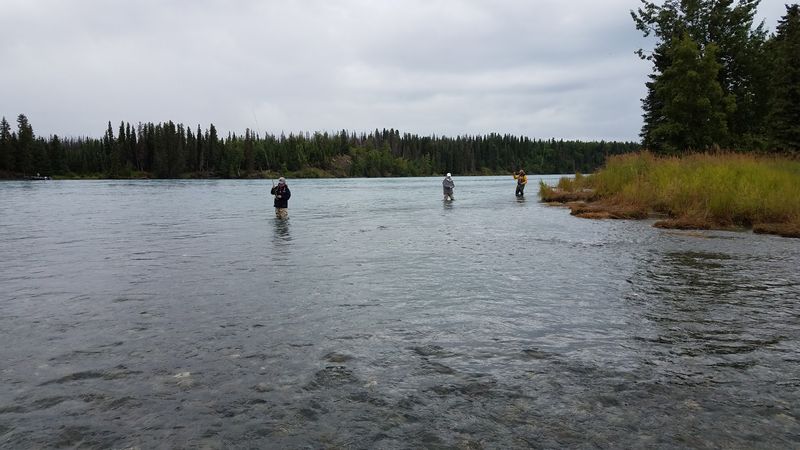
Few rivers in America have a name that fishing fans know so well. The Kenai supports sockeye, coho, and Chinook salmon, which gives anglers several reasons to plan a summer trip.
Sockeye are a big draw. Large numbers of them move upriver during summer, and that gives shore anglers some exciting stretches of action.
Coho show up later, so they offer another strong target as summer turns toward fall.
Rules on the Kenai can change during the season. Managers watch salmon returns closely, especially Chinook, and they adjust limits and closures when needed.
That means a good trip starts with some planning rather than just showing up with a rod.
Think about what species you want and when they usually arrive. Then check the latest Alaska Department of Fish and Game announcements before you go.
With its scenery, mix of salmon, and strong fishing culture, the Kenai earns its famous reputation for good reason.
Bristol Bay, Alaska
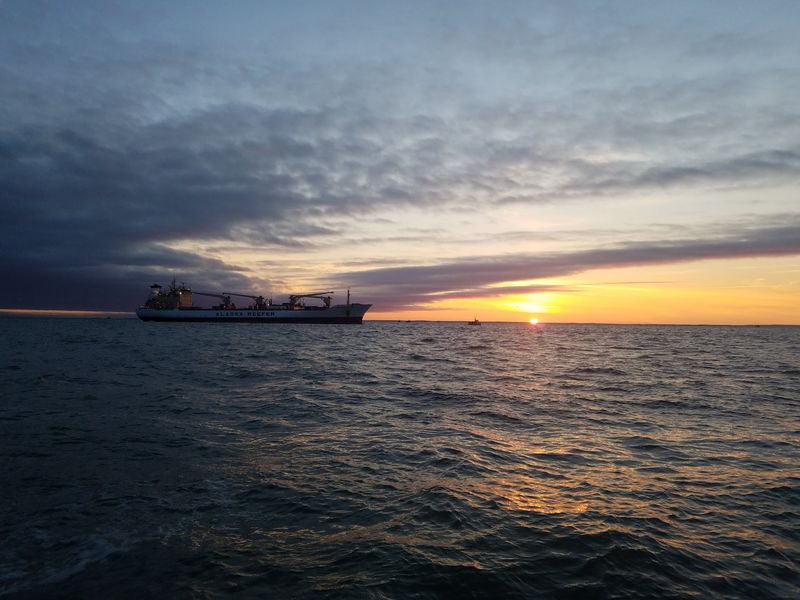
Wild salmon country does not get much more wild than Bristol Bay. Alaska’s Department of Fish and Game says the region offers fishing for all five species of Pacific salmon.
Chinook fishing peaks from about mid-June through late July in rivers such as the Alagnak, Nushagak, Naknek, and Togiak. Coho fishing generally runs from late July into September, so timing matters a lot here.
Sockeye are what really put Bristol Bay on the map. The region supports huge salmon migrations, and the bay has an actively managed fishery each season.
Many trips here involve lodge stays, guides, or remote travel. That takes effort, but the isolation is part of the draw.
You get salmon fishing surrounded by tundra, big skies, and rivers that still feel truly wild.
Sitka, Alaska
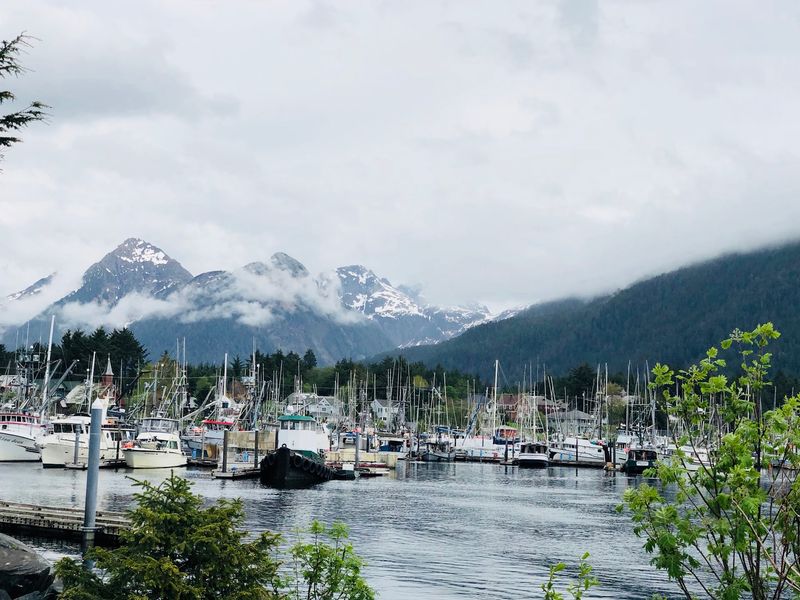
Prefer saltwater to riverbanks? Sitka gives you a very different Alaska salmon trip.
The waters around town are known for Chinook and coho. Charter boats can reach productive marine fishing grounds, so you do not need a long expedition into the Alaska interior.
The Alaska Department of Fish and Game actively managed Sitka-area salmon fisheries in 2026. Southeast Alaska king salmon limits were adjusted during the summer, and later coho closures affected Bear Cove and Deep Inlet.
That kind of in-season change is why checking current rules matters so much. A quick look at the latest notices can save you from a frustrating surprise at the dock.
The mix of ocean views, forested islands, and the chance to hook a salmon right from saltwater gives Sitka its own personality. It feels nothing like the famous river fisheries up north.
Columbia River, Oregon and Washington
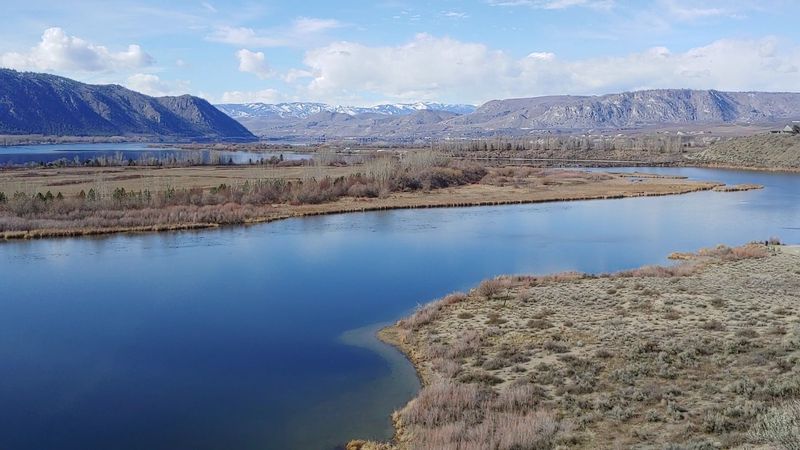
Big, complicated, and legendary, the Columbia is a river that rewards homework. Spring Chinook are among the most anticipated fish of the year, and summer and fall salmon runs follow later.
Washington’s 2026 spring season offered fishing in several parts of the river. Oregon and Washington later set summer and fall fisheries for Chinook, coho, and other migratory fish.
By fall, the lower river gets especially famous around Buoy 10 near Astoria. That is where anglers meet salmon as they enter the Columbia from the Pacific.
Conditions, quotas, and retention rules can change during the season. In 2026, managers made several adjustments, including changes for wild Chinook and hatchery coho.
Yes, the Columbia takes more planning than many places. Its size and its salmon migrations make that effort pay off.
Tillamook Bay, Oregon
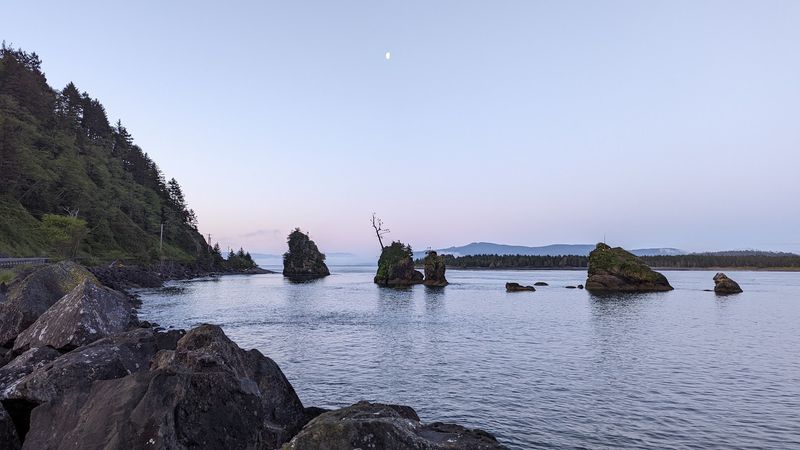
Tillamook Bay offers a classic Oregon Coast salmon trip without sending you into deep wilderness. The Oregon Department of Fish and Wildlife lists both spring and fall Chinook here.
Spring Chinook are typically available from April through July, and May and June can be especially productive. Fall Chinook start arriving in late August, and October is usually one of the strongest months.
Fishing happens throughout the bay and its connected rivers. You can find chances from boats and from selected bank access areas.
The setting helps too. Forested coastal mountains rise beyond the tidal water while anglers work spinners, bait, or trolling setups for migrating fish.
Coastal salmon rules in Oregon shift with run forecasts and conservation needs. Check current ODFW updates before you cast a line.
Pere Marquette River, Michigan
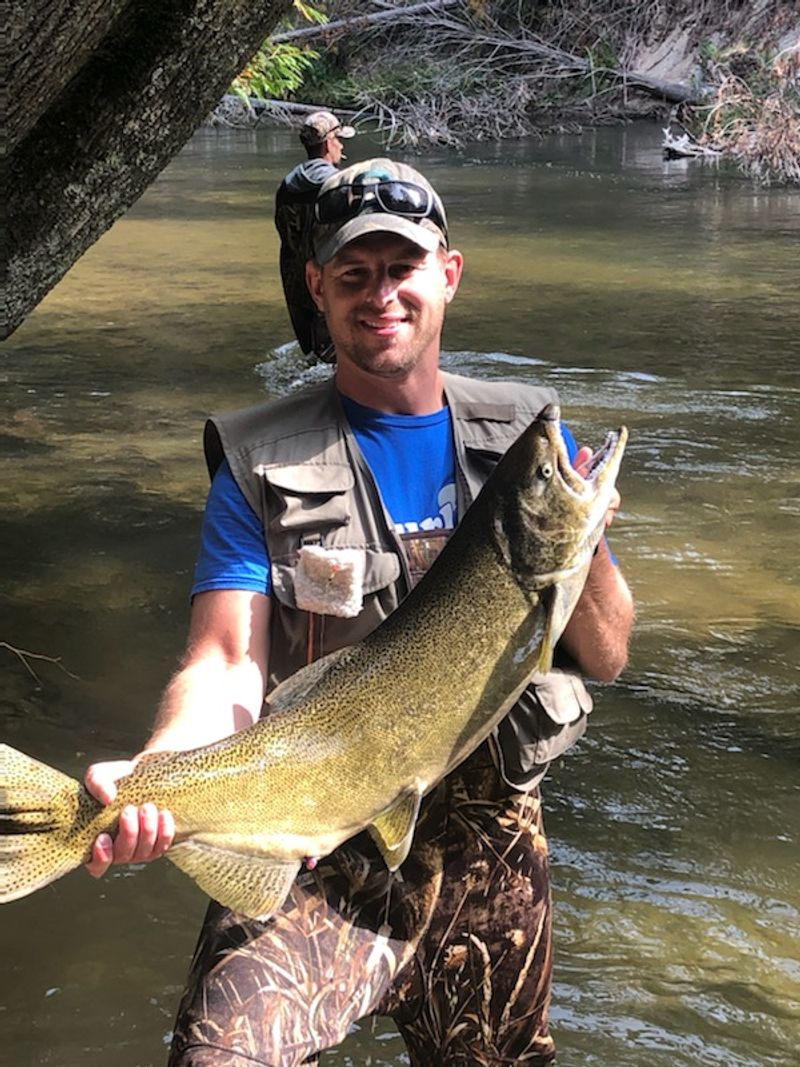
Michigan has another salmon standout in the Pere Marquette. The state’s DNR lists Chinook and coho among the species found here, along with steelhead and brown trout.
Late summer and fall bring the main salmon action. Mature fish leave Lake Michigan and push upstream.
The river’s wooded banks and smaller size give fishing here a different feel than trolling miles offshore. It is a more intimate way to meet a salmon.
Sections of the Pere Marquette are nationally known among fly anglers. Salmon can also be targeted with several legal techniques, depending on the stretch.
Rules vary by water classification and location. Read Michigan’s current fishing guide before choosing tackle or keeping fish.
The state’s 2026 regulations remain effective through March 31, 2027.
Rogue River and Rogue Bay, Oregon
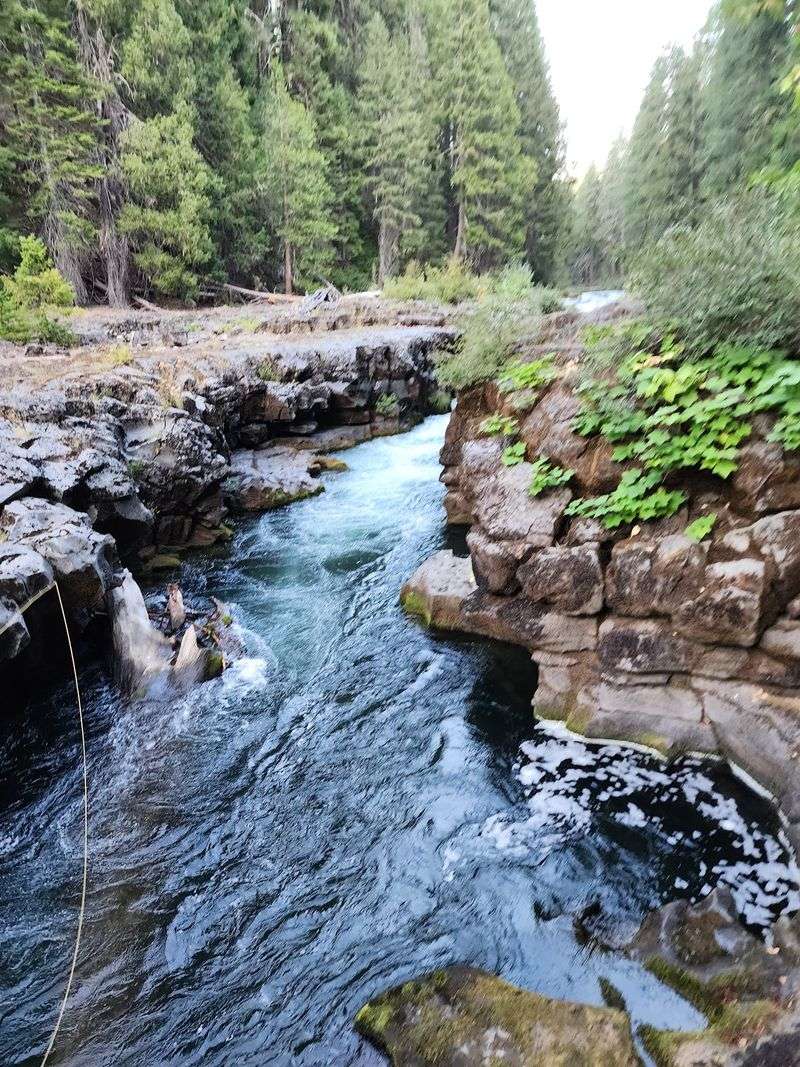
Southern Oregon’s Rogue River blends salmon fishing with some of the best scenery on the West Coast.
Near Gold Beach, anglers can target salmon as fish gather in Rogue Bay before heading upriver. Oregon’s Department of Fish and Wildlife lists Rogue Bay as a fall Chinook spot, with fishing generally from July through October.
The agency also lists many access points along the river.
Farther upstream, the Rogue winds through mountains and canyons. That makes a very different setting from the tidal water near the Pacific.
Oregon kept recreational coastal salmon fishing open in 2026, including wild Chinook fisheries in many coastal basins. Seasons and retention rules varied by river, so details matter.
The Rogue suits anglers who want salmon fishing to feel like one piece of a bigger outdoor trip.
Puget Sound, Washington
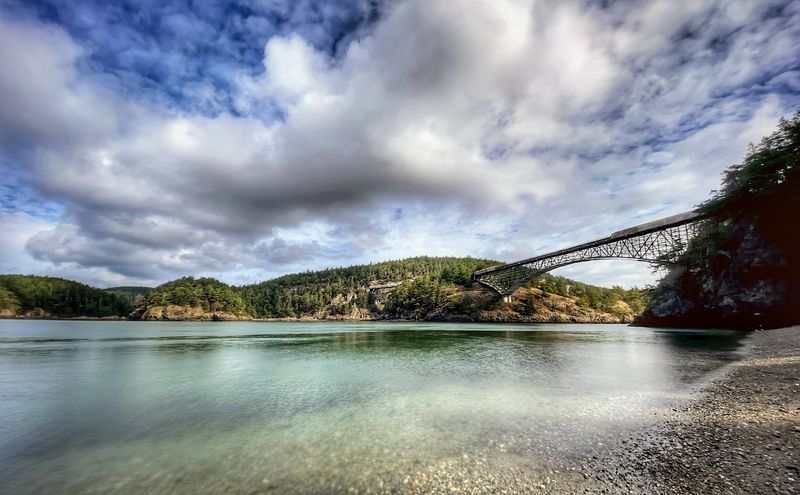
Here is an odd perk: you can chase salmon within reach of major cities. Puget Sound has Chinook and coho, and marinas, piers, and launches give anglers plenty of ways onto the water.
Some areas also offer surprisingly easy shoreline fishing. That helps when you do not own a boat.
South Puget Sound’s Marine Area 13 stands out. Washington’s Department of Fish and Wildlife calls it the state’s only marine area with salmon fishing year-round, subject to species, size, and retention rules.
Resident Chinook can give winter and spring chances, and coho are popular too.
Other parts of the Sound have tightly controlled seasons. In 2026, several summer Chinook fisheries closed after reaching encounter or harvest guidelines.
The rules can feel tangled, but the fishing remains one of Washington’s signature outdoor experiences.
Manistee River, Michigan
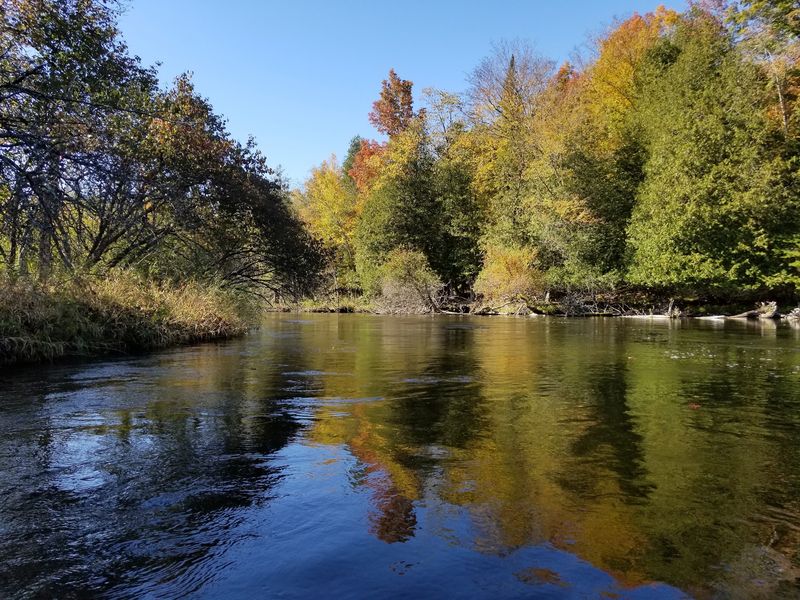
You do not have to go to Alaska or the Pacific to meet serious salmon. Michigan’s Manistee River gets strong runs of Chinook and coho returning from Lake Michigan.
The Michigan Department of Natural Resources lists the Manistee among the state’s better inland spots for Chinook fishing. Chinook start moving into Michigan tributaries in late summer, while coho tend to show up later.
The DNR also notes a late-October coho fishery on the Manistee. Below Tippy Dam, anglers can find Chinook, coho, and steelhead, which makes fall especially popular.
The Great Lakes salmon fishery exists largely because of decades of stocking and fisheries management. That history is interesting, but once a powerful Chinook starts running downstream, your attention will go straight to keeping it on the line.
Salmon River, New York
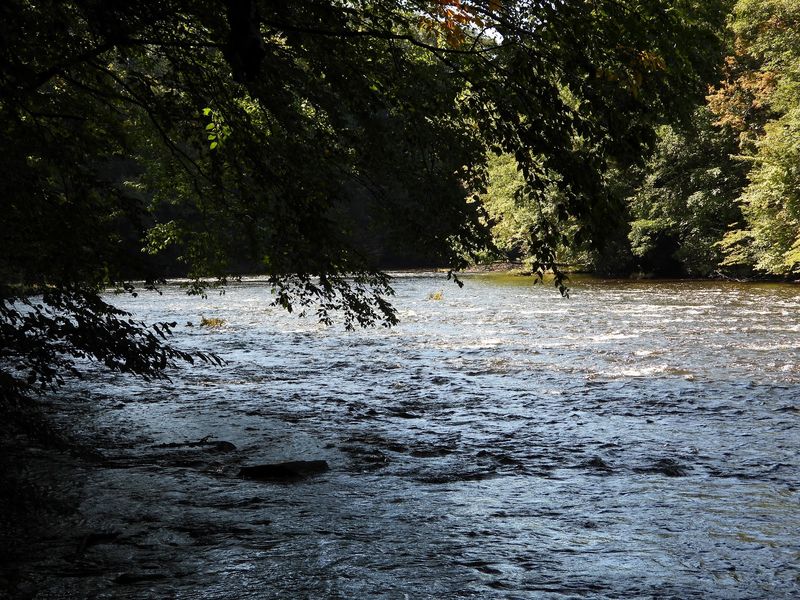
A river named Salmon River had better deliver, and this Lake Ontario tributary does. It sits near Pulaski, New York, and it is one of the Northeast’s most famous places for Chinook and coho.
New York stocks about 1.7 million Chinook and 250,000 coho each year in Lake Ontario and its tributaries. Returning adults commonly weigh from about 8 to 30 pounds.
The state Department of Environmental Conservation says tributary salmon fishing usually starts in early September and runs into early November. The first half of October often brings peak action.
Crowds can get big when fish numbers build. That busy scene is part of the experience.
Few places east of the Great Lakes give anglers such easy access to powerful Pacific salmon.
Sebago Lake Region, Maine
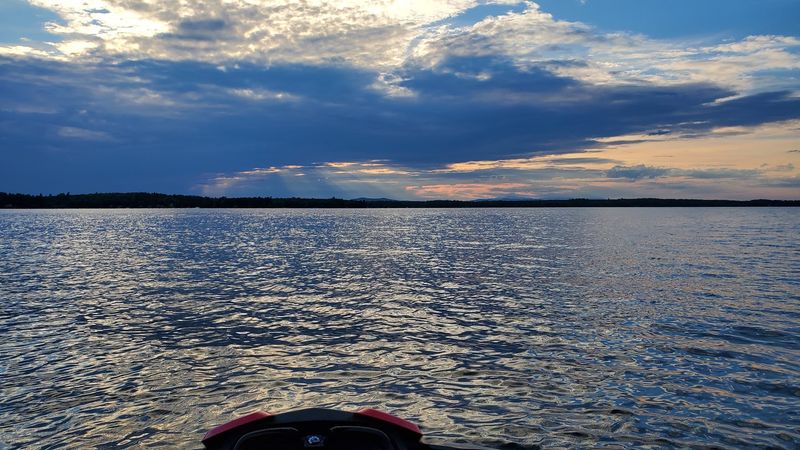
Maine brings a very different finish to this list. Anglers around Sebago Lake chase landlocked Atlantic salmon, sometimes called Sebago salmon, instead of ocean-going Pacific fish.
Maine considers the species native. These fish are known for acrobatic jumps and strong dives once hooked.
The wider Sebago Lake region supports many coldwater fisheries. Maine’s Department of Inland Fisheries and Wildlife highlights landlocked salmon opportunities and lists waters such as Auburn Lake and Kezar Lake among regional salmon fisheries.
These fish generally do not reach the huge sizes of Alaska’s Chinook. Still, the experience has its own appeal.
For anglers who want to see America’s salmon fishing beyond the Pacific species, Maine adds an important and distinctly New England chapter.
Wisconsin Waters of Lake Michigan
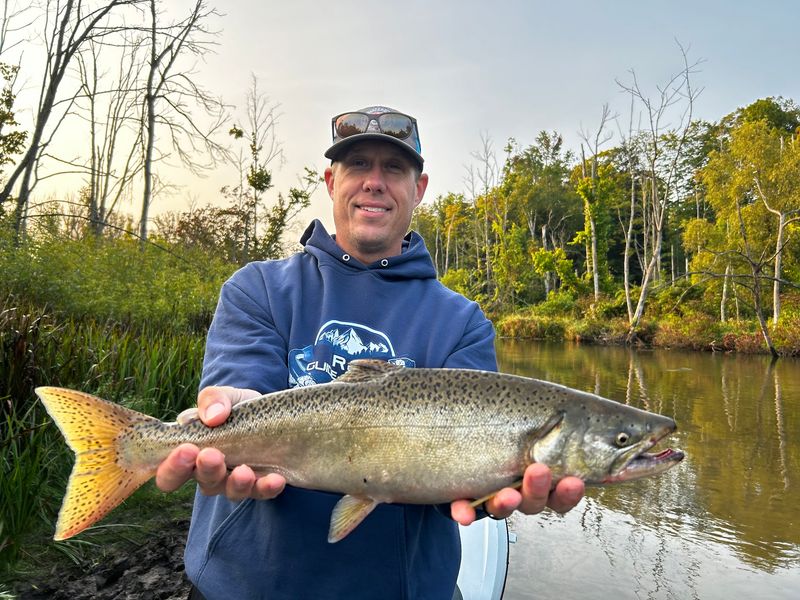
Wisconsin’s Lake Michigan shoreline is a whole collection of salmon spots rather than one hotspot. Ports such as Milwaukee, Port Washington, Algoma, Kewaunee, and towns around Door County give access to Chinook and coho.
You can fish through charter boats, piers, harbors, and tributaries. That makes it easy to pick a style that fits your budget and experience.
Wisconsin DNR describes Lake Michigan as one of the state’s premier fishing resources. Extensive stocking and many shore and boat access points support it.
The fishery was active in fall 2026. October reports noted Chinook catches around Egg Harbor and both Chinook and coho activity near Algoma and Kewaunee.
Chinook fishing stayed open year-round under statewide Great Lakes rules, though limits and local regulations still apply. With so much charter support, Wisconsin is hard to overlook.
Share this story