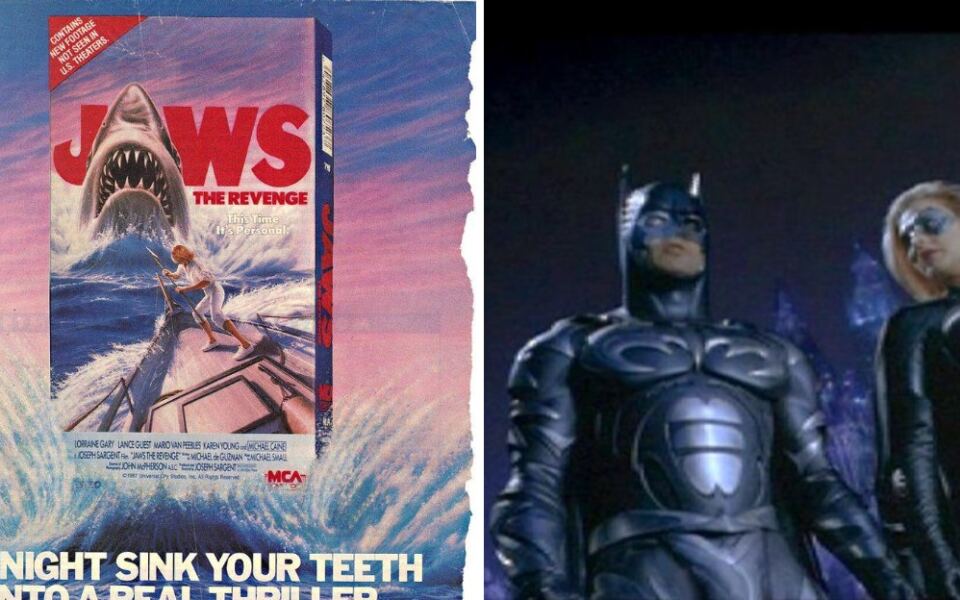
Sequels promise more of what audiences loved, but many fall short of that goal. Some lose their stars, some lose their focus, and a few lose their minds entirely.
Here is a look at fifteen follow-ups that critics and fans widely considered disappointing. Each one offers a lesson in why a great original is hard to repeat.
1. Son of the Mask (2005)
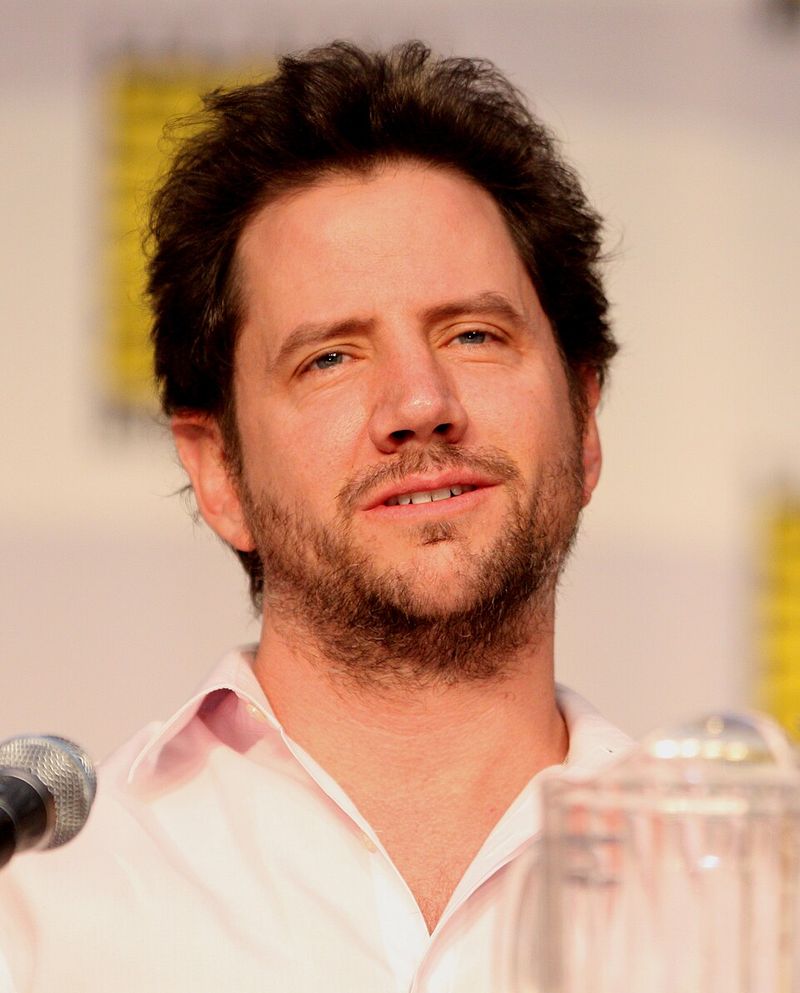
Replacing a star as big as Jim Carrey is a risky move, and this film proved it. Jamie Kennedy stepped into the lead role, but the story shifted focus to a baby and a mischievous dog.
The humor leaned on loud gags and nonstop computer effects. Critics said the visuals felt cluttered, and the plot gave viewers little reason to care about the characters.
The original Mask worked because Carrey’s wild energy matched the cartoon style. Without that spark, the sequel felt like a collection of noisy scenes in search of a story.
Here is a fun fact: the film arrived about eleven years after the first one. That long gap meant many fans had moved on, and the new version did little to win them back.
2. Jaws: The Revenge (1987)
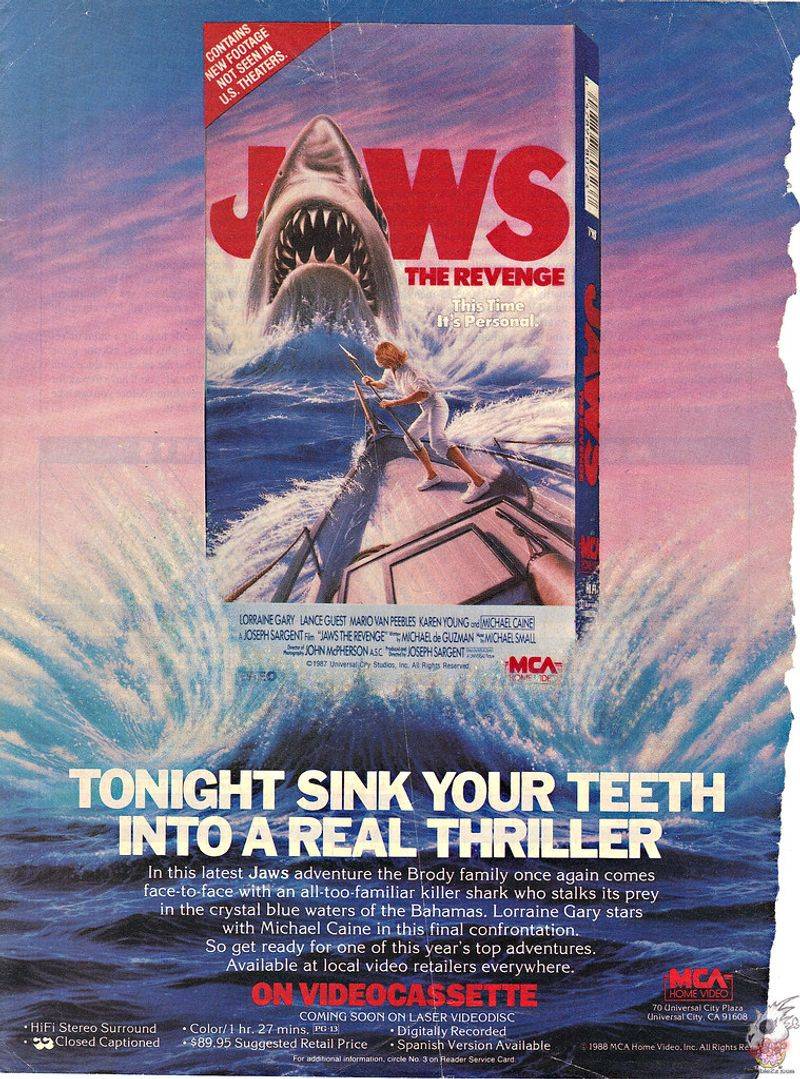
Picture a shark that holds a grudge against one family. That is the idea behind the fourth Jaws film, and it is a big reason the movie is so often laughed at.
Ellen Brody, played by Lorraine Gary, believes the shark is hunting her relatives. The film follows her to the Bahamas, where the animal appears again and even seems to roar.
The original Jaws worked because the danger felt real. Here, the story asked viewers to accept a shark with a personal plan, and many could not.
Michael Caine, who appeared in the film, reportedly joked that he had not seen it but heard it was terrible. He also said the house he bought with his pay was wonderful.
3. Superman IV: The Quest for Peace (1987)
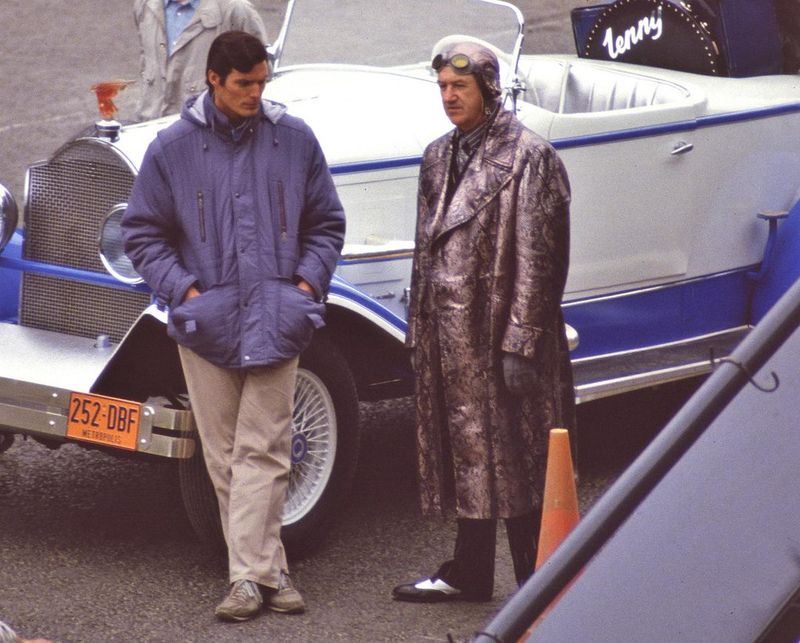
A film about world peace sounds noble, yet the execution got in the way. Christopher Reeve returned as the Man of Steel, and he also helped shape the story about nuclear disarmament.
Behind the scenes, the studio cut the budget sharply. The result was flying scenes that looked rough and effects that felt a long way behind the earlier movies.
Villain Nuclear Man, played by Mark Pillow, never matched the menace of Lex Luthor’s earlier schemes. Many scenes were also trimmed before release, which left the plot feeling choppy.
Reeve’s charm still shines in places. Sadly, a good lead could not rescue a film that lacked money, polish, and a tight script.
4. Speed 2: Cruise Control (1997)
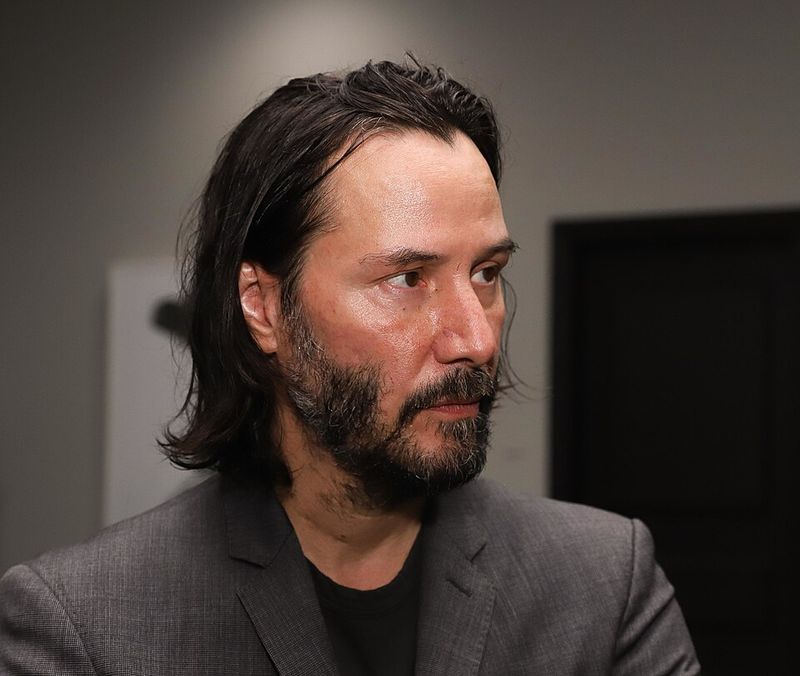
The first Speed kept audiences on the edge of their seats with a bus that could not slow down. Moving the action to a cruise ship was a bold swap, but it removed the ticking clock.
A ship moves slowly, so the sense of urgency faded. Keanu Reeves did not return, and Sandra Bullock was paired with Jason Patric, who had a different kind of screen presence.
Willem Dafoe played the villain with plenty of energy, but the story never gave him much to work with. The finale, with a ship crashing into a town, looked big but felt oddly calm.
The movie cost a lot to make and earned far less than expected. That gap made it a famous box office disappointment.
5. Batman & Robin (1997)
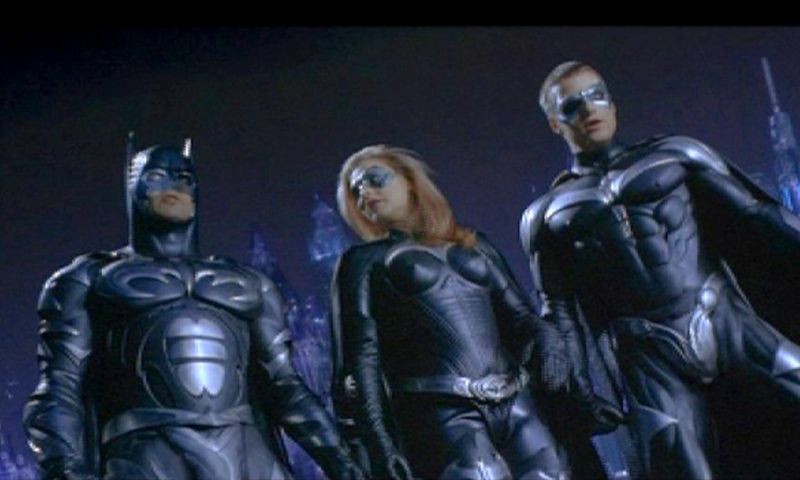
Ice puns, neon lights, and a bat-themed credit card made this film feel more like a toy commercial than a superhero story. George Clooney took over as Batman, and the tone moved far from the darker earlier films.
Arnold Schwarzenegger played Mr. Freeze and Uma Thurman played Poison Ivy. Both had memorable moments, but the dialogue leaned on jokes that often landed flat.
Director Joel Schumacher later apologized to fans who felt let down. Clooney has also joked about the film for years.
Interestingly, the movie helped push the studio toward a new approach. A few years later, Batman Begins brought the character back with a serious and grounded style.
6. Highlander II: The Quickening (1991)
Fans of the first Highlander loved its mystery. Who were the immortals, and why did they fight?
The sequel answered with a surprising twist: they were aliens from another planet.
That choice clashed with the original story, where the immortals were simply born that way. Viewers found the new backstory confusing and unnecessary.
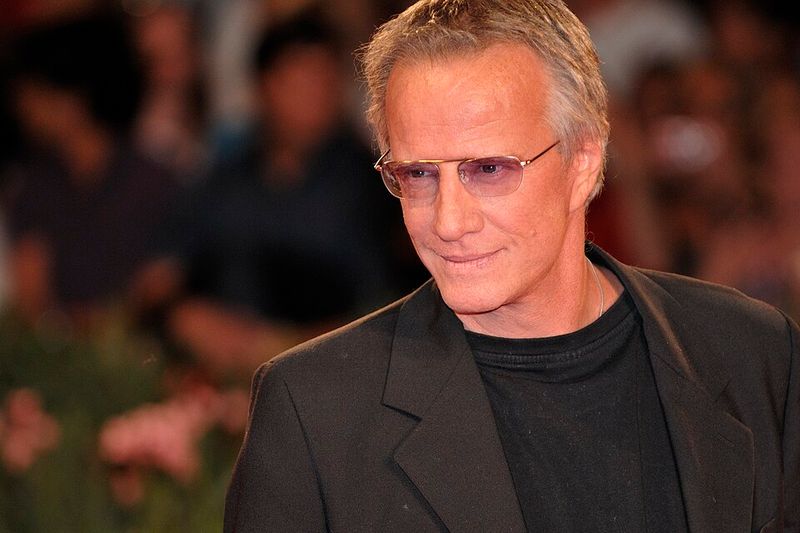
The film also moved to a future Earth covered by a shield, which felt far from the sword fights that made the first movie special. Christopher Lambert and Sean Connery returned, but the script gave them little to anchor the drama.
A later release, called the Renegade Version, tried to fix the problems by removing the alien angle. Many fans liked it better, though the damage to the reputation was already done.
7. American Psycho 2 (2002)

Some sequels are barely connected to their source, and this one is a prime example. The film began as a separate script and was later reworked to fit the American Psycho name.
Mila Kunis plays a college student with a dark streak who wants to impress a professor. The story is a far cry from the sharp satire of Patrick Bateman in the first film.
Reviewers said it lacked the style and bite that made the original a cult favorite. Kunis has spoken about the project with humor in later interviews.
The movie went largely unnoticed in theaters. It remains a reminder that a famous title cannot replace a strong idea and a clear point of view.
8. Basic Instinct 2 (2006)
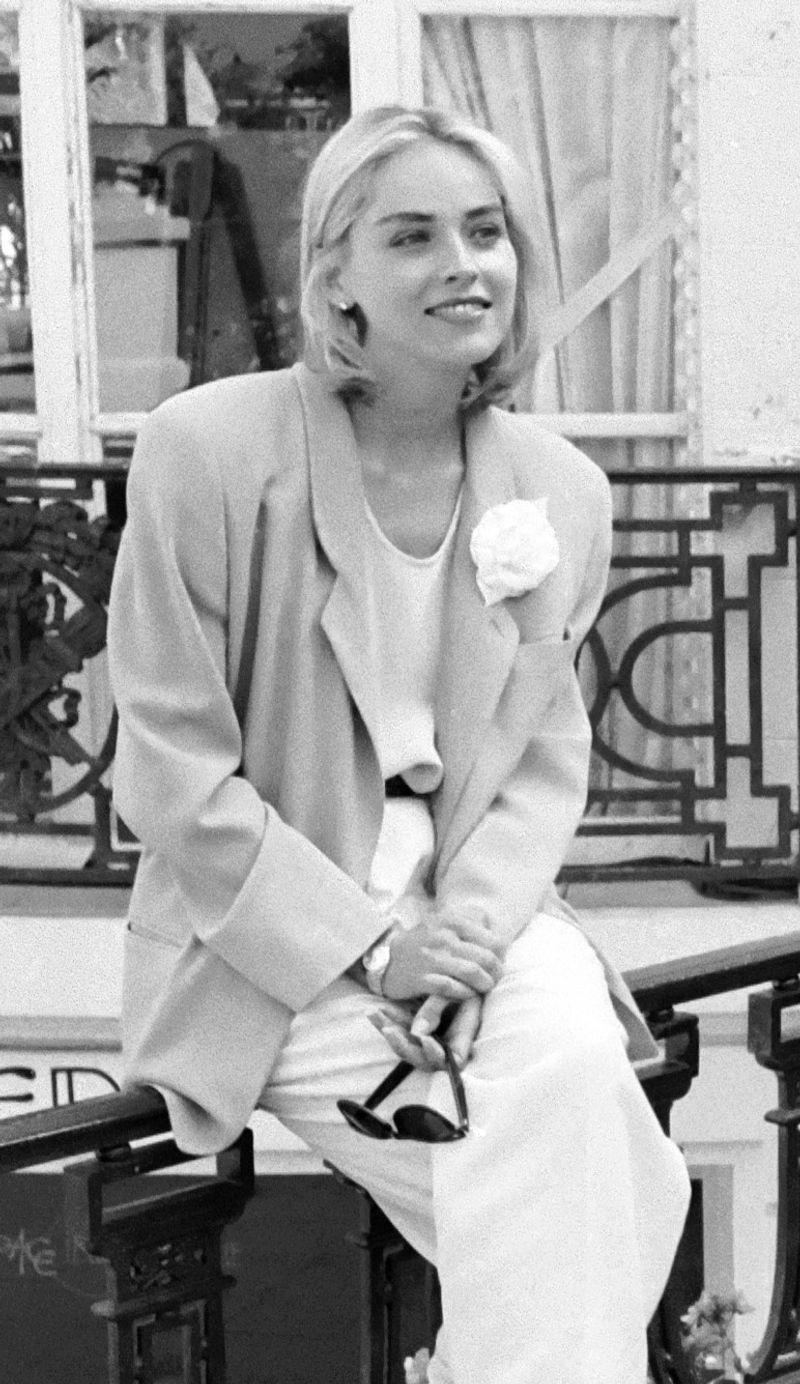
Fourteen years passed between the first film and its follow-up, and that is a long time to keep a thriller fresh. Sharon Stone returned as writer Catherine Tramell, this time in London.
The first movie was famous for its tension and its buzz in pop culture. The second tried to repeat that formula, but the story felt more predictable and the suspense never built.
David Morrissey played a psychiatrist caught in her web, though the pair lacked the spark that Michael Douglas brought earlier. Critics were not kind, and the box office results were weak.
The sequel even earned several Razzie nominations. For many viewers, it showed how hard it is to recapture lightning in a bottle.
9. The Exorcist II: The Heretic (1977)
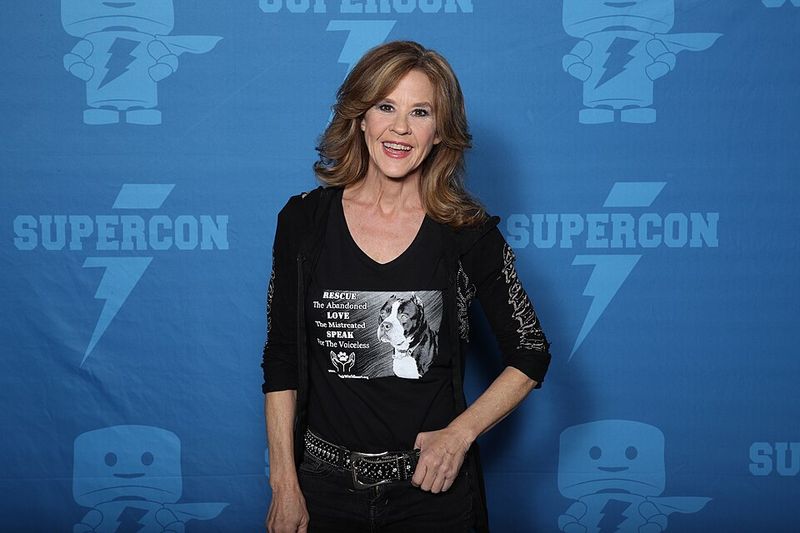
Following one of the scariest films ever made is a heavy task. The Exorcist II tried a different path, focusing on psychic links and a strange machine that connects minds.
Linda Blair returned as Regan, now a teenager, while Richard Burton played a priest investigating the events of the first film. The story drifted into dreamlike scenes and puzzling ideas about good and evil.
At early screenings, audiences reportedly laughed in the wrong places. The studio quickly made cuts, but the reaction stayed harsh.
Director John Boorman later admitted the film had problems. Even so, some viewers admire its ambitious imagery, which makes it a curious case in movie history.
10. Caddyshack II (1988)
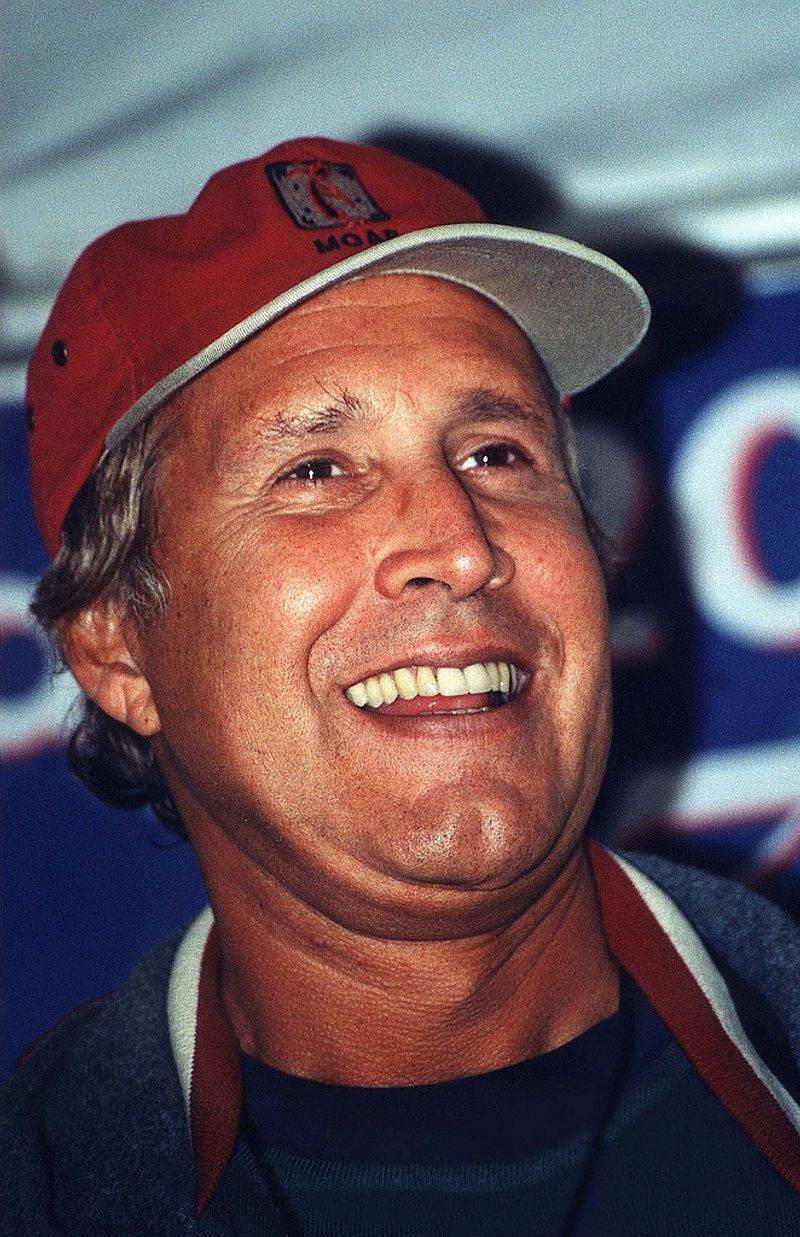
Golf, gophers, and wacky club members made the first Caddyshack a comedy favorite. The sequel kept the setting but lost much of the cast and the loose, improvised feel.
Chevy Chase and Dan Aykroyd had starred in the original, but this time Jackie Mason and Robert Stack took center stage. The story followed a clash over a country club, with jokes that many found repetitive.
The gopher returned, though he looked more like a puppet than a menace. Reviewers said the humor felt forced, and audiences stayed away.
Here is a bit of trivia: Bill Murray did not return either. His absence left a gap that the new cast could not fill.
11. Dumb and Dumberer: When Harry Met Lloyd (2003)
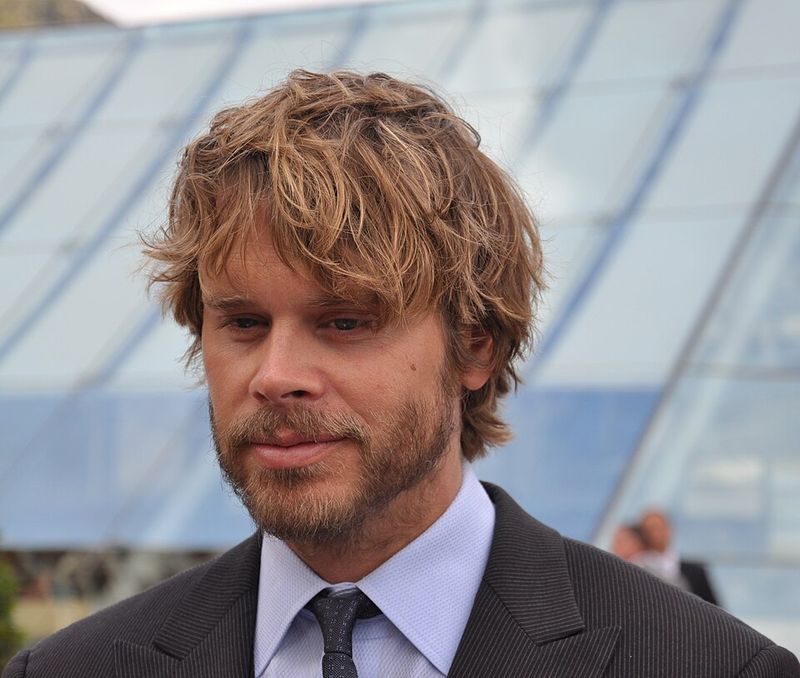
What if the two famous friends had met in high school? That was the idea behind this prequel, which tried to explain how Harry and Lloyd became best buddies.
Eric Christian Olsen and Derek Richardson took over the roles from Jeff Daniels and Jim Carrey. The jokes leaned on silly voices and slapstick, but many critics felt the charm was missing.
Part of the challenge is that the original duo had natural comic chemistry. Imitating that energy is difficult, and it showed on screen.
The film barely made back its cost and holds a very low audience score. Few comedies need a backstory, and this one showed why.
12. The Sting II (1983)
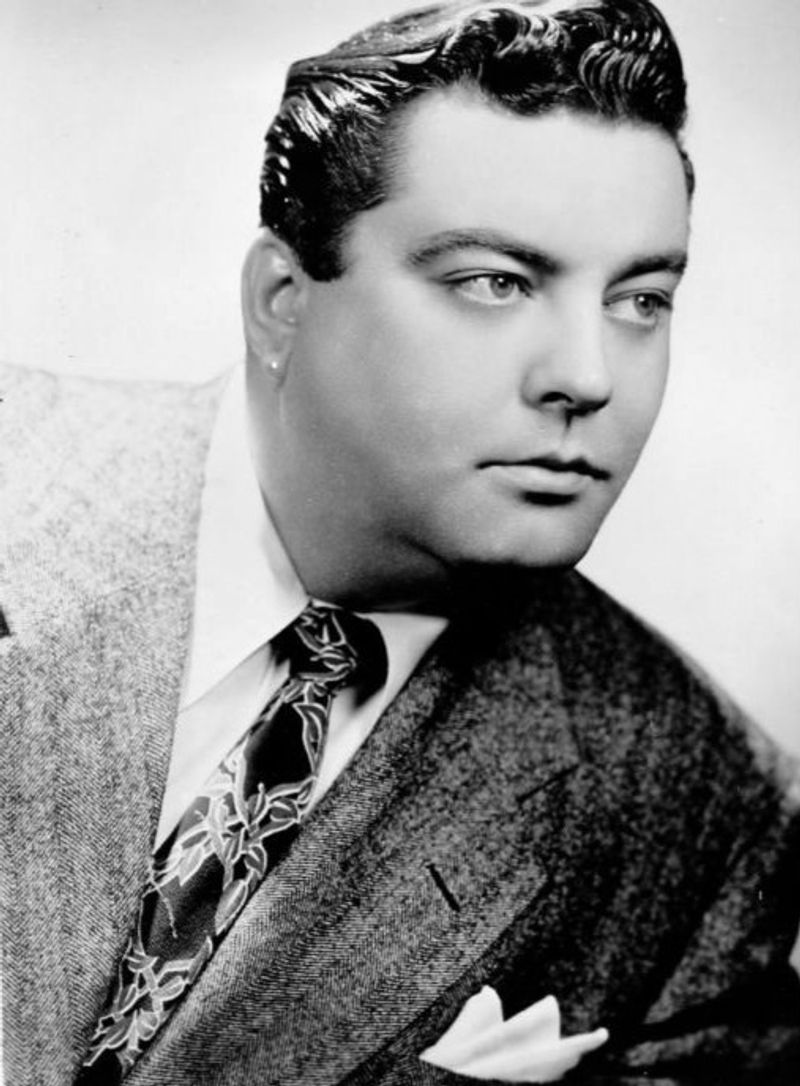
The Sting won seven Oscars in 1974, so expectations were sky high for a follow-up. Nine years later, the second film arrived without its biggest draws, Paul Newman and Robert Redford.
Jackie Gleason and Mac Davis stepped in as con men Gondorff and Hooker. Both are talented performers, but audiences missed the easy chemistry of the original pair.
The story again centered on an elaborate scheme to fool a mobster. Reviewers said the plot felt familiar and lacked the clever surprises that delighted viewers the first time.
The original relied on a famous ragtime score and sharp storytelling. The sequel borrowed the music, yet it could not borrow the magic.
13. Blues Brothers 2000 (1998)
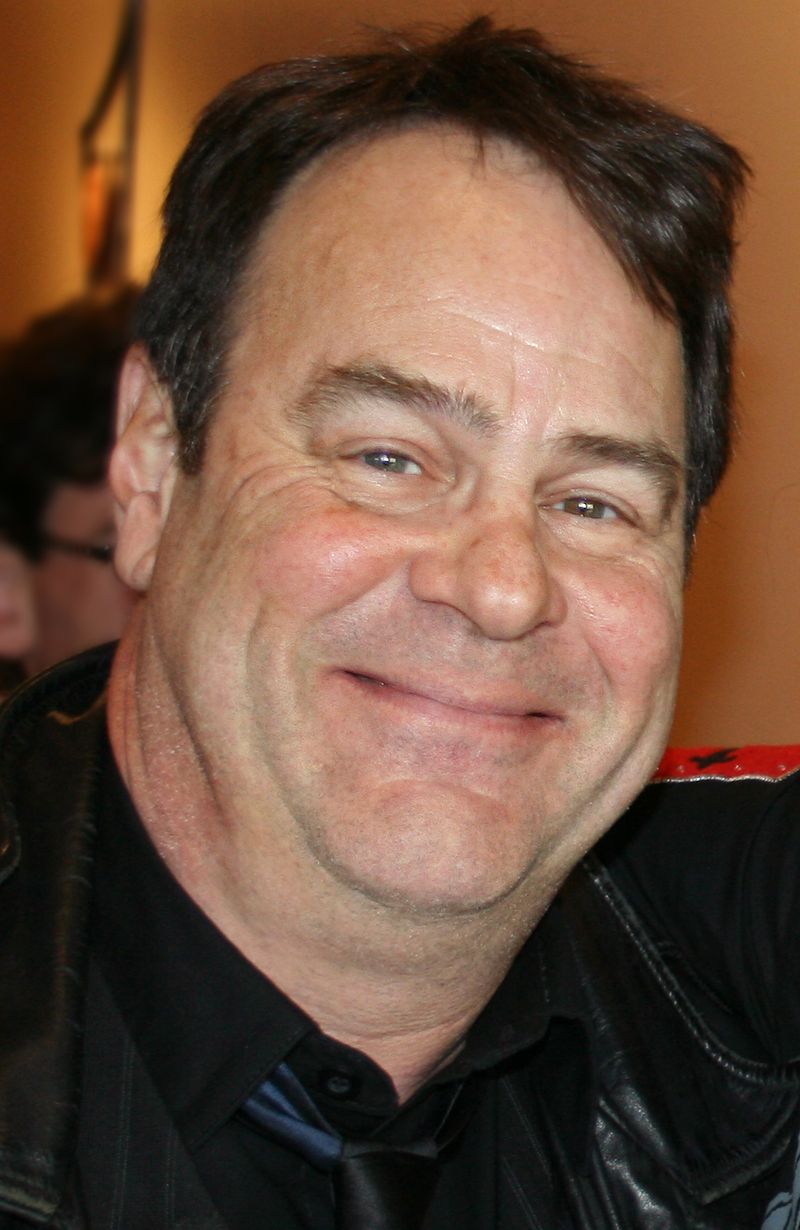
Some stories are tied to one person, and the Blues Brothers is a good example. John Belushi passed away in 1982, so the sequel had to carry on without half of the original duo.
Dan Aykroyd returned as Elwood and was joined by John Goodman and young J. Evigan.
The film packed in great musicians, including B.B. King and Aretha Franklin, and the music scenes are still a highlight.
The plot, however, repeated many ideas from the first film and ran much longer. Critics found the story thin and the energy uneven.
Fans of rhythm and blues may still enjoy the soundtrack. As a comedy, though, it never matched the wild fun of the 1980 classic.
14. Independence Day: Resurgence (2016)
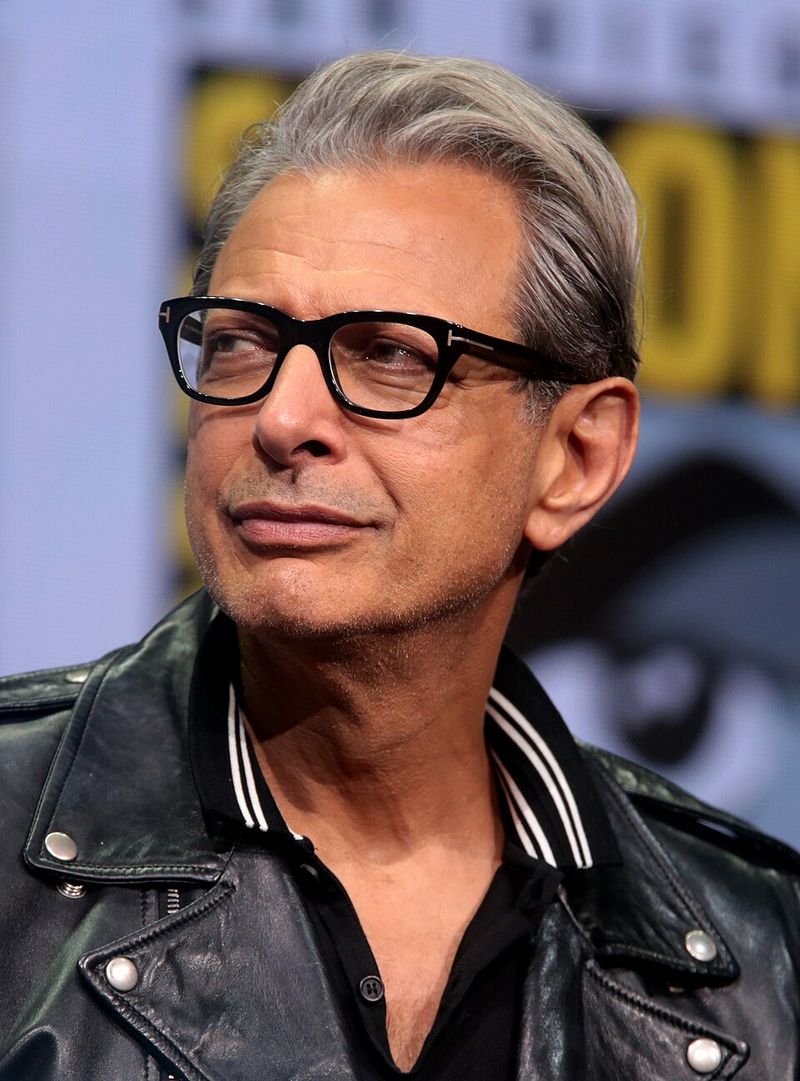
Twenty years is a long time to wait for a sequel, and expectations were high. Independence Day: Resurgence brought back Jeff Goldblum, Bill Pullman, and Brent Spiner, along with a new generation of pilots.
The aliens returned with a ship so large it covered part of the Atlantic Ocean. The scale was huge, yet the story felt familiar, and many characters had little to do.
The original won fans with clear heroes and a simple, rousing plot. The sequel leaned on computer-made spectacle instead, which made the action feel less personal.
Will Smith did not return, and his absence was widely noticed. The film earned less than hoped, and plans for more sequels stalled.
15. Zoolander 2 (2016)
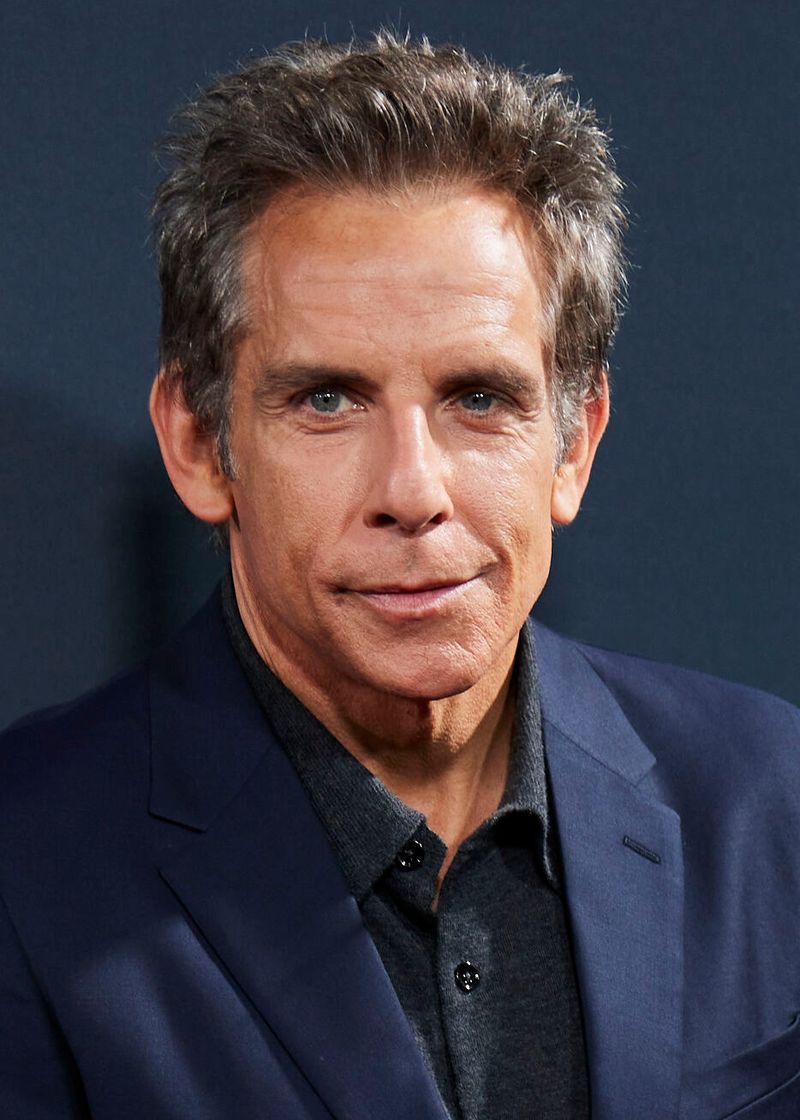
Derek and Hansel strutted back onto the runway after fifteen years, and fans were ready to laugh. Ben Stiller and Owen Wilson returned, along with Will Ferrell as the villain Mugatu.
This time the story moved to Rome and used a long list of celebrity cameos. Some appearances were fun, but there were so many that the plot often felt like a side note.
Many jokes echoed lines from the first film. Critics said the humor felt recycled, and the satire about fashion no longer felt as sharp.
The movie earned a modest amount at the box office and drew mostly negative reviews. It showed that a cult favorite sometimes works best when left alone.
Share this story