An Arkansas mountainside is home to a full-size replica of Jerusalem’s Eastern Gate, a biblical marketplace, and a rock-cut tomb visitors can enter. At the Holy Land Tour in Eureka Springs, you can explore recreations of places described in the Bible without leaving the Ozarks.
The guided experience takes about two hours, with a bus transporting visitors between exhibits. Along the way, costumed interpreters explain ancient traditions, including how people ate during the Last Supper and what the Tabernacle of Moses looked like.
The tour is part of The Great Passion Play complex, which also features a 67-foot statue of Jesus, museums, and a section of the Berlin Wall. Some of the most unexpected stops are hidden across the mountainside.
A Mountain Address With an Ancient Twist
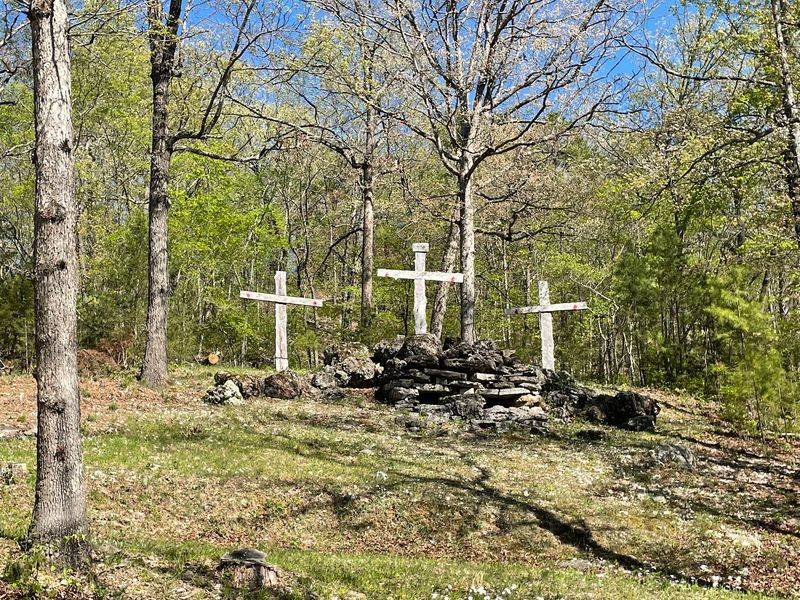
Magnetic Mountain sounds like a comic book setting, but it is real, and it holds my favorite detour in the Ozarks.
The Holy Land Tour sits at 935 Passion Play Rd, Eureka Springs, AR 72632, in the United States. It is part of The Great Passion Play campus, just off US-62 East on the edge of town.
The grounds cover a whopping 667 acres. That is a lot of hillside, and the designers used every slope and shady hollow to set the scene.
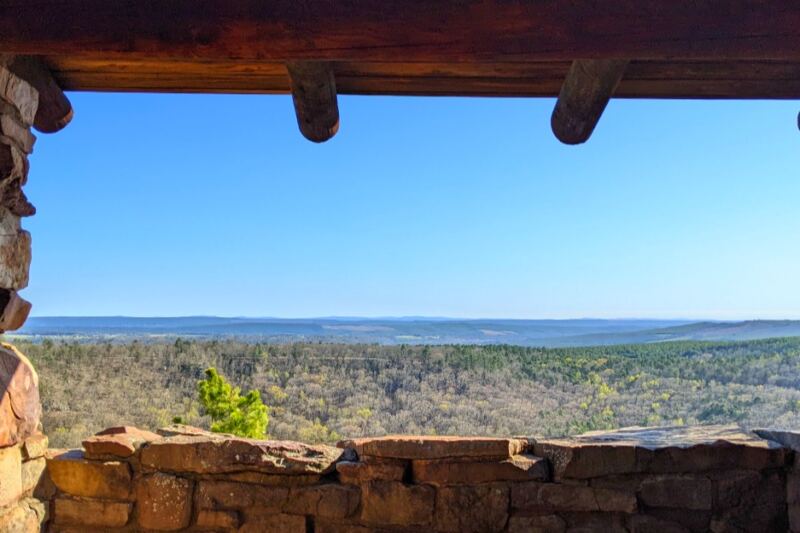
My first view came through oak and hickory trees, with stone walls peeking out like they had been waiting centuries for me. The hills roll in every direction, which makes the ancient-style buildings feel oddly at home.
Parking is on site, though free spots are limited in busy months. I arrived early and grabbed one without trouble.
Another easy option is the Eureka Springs Transit trolley, whose Blue Route stops at the campus.
Once I found my way in, a gate the size of a small building was the first thing to greet me.
Through the Gate Into Old Jerusalem
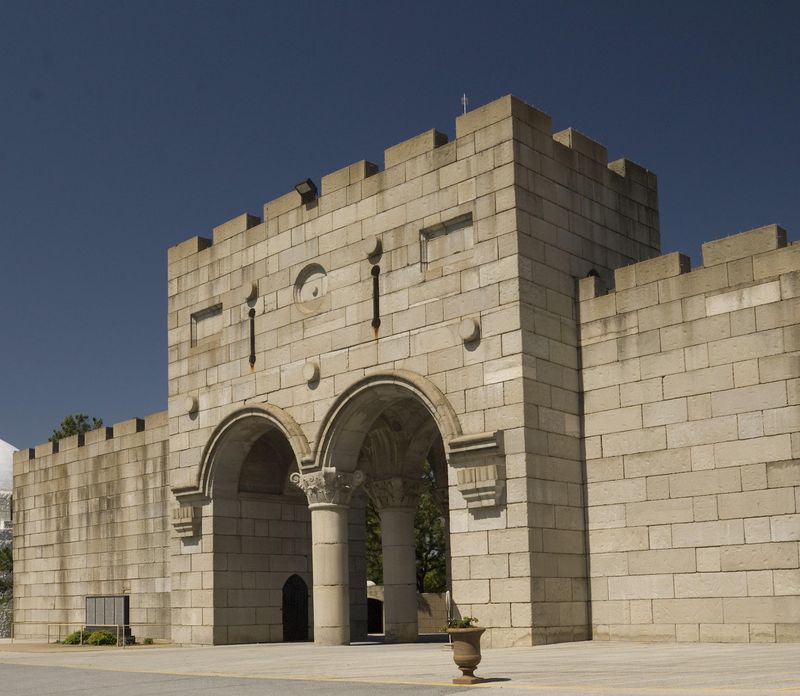
Big doors make big first impressions, and this one did not disappoint.
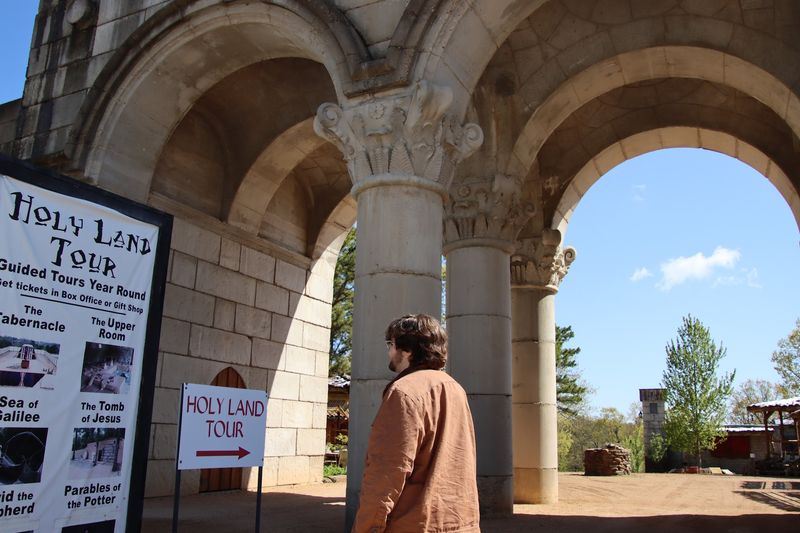
My tour began at a full-size replica of the Eastern Gate of Jerusalem. According to the Bible, this is the gate Jesus passed through when He entered the city.
Right beside it sits a recreated marketplace. Picture rough stone stalls and simple wares, the kind of spot where ancient shoppers haggled over grain, cloth, and pottery.
My guide explained what daily trade looked like back then. It made me realize my weekly grocery run is pretty easy by comparison.
The scale here is what got me. Seeing the gate at full size helped me picture crowds pushing through with baskets and animals.
Bring your camera, because the stone arch frames photos nicely against the green Arkansas hills.
Take a slow look at the wall details too. The exhibits are researched with archaeology and history in mind, so small touches carry meaning.
From here, the bus rolled toward something even rarer, a sacred tent with very few twins anywhere in the country.
Meeting a Priest Inside the Tabernacle
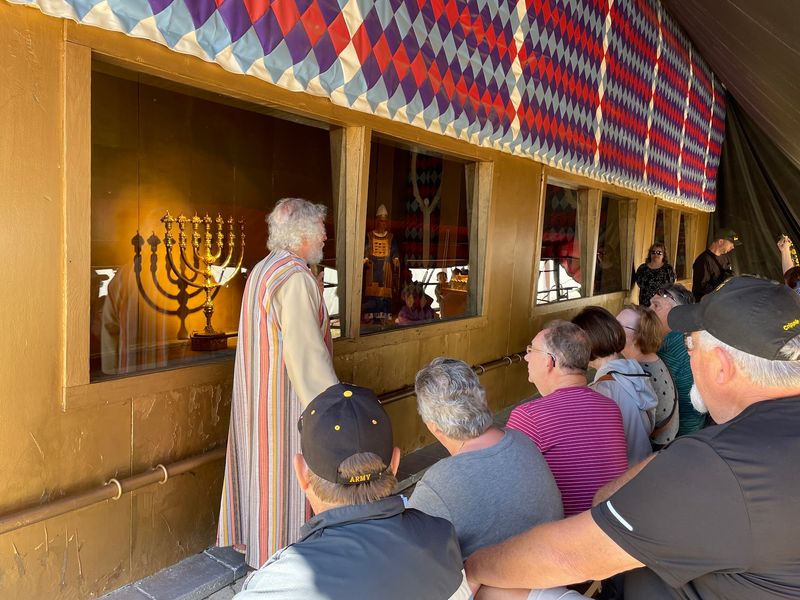
Few places in the United States can claim a complete, full-scale Tabernacle of Moses. This hillside is one of them.
The Tabernacle in the Wilderness was the portable worship tent the Israelites carried while traveling. Here it stands life-size, with its courtyard, altar, and inner areas laid out in careful detail.
A costumed Levitical Priest waited inside. He walked our group through each piece and explained what it meant.
I have read about this tent many times. Hearing it explained while standing in it was a whole different lesson.
He talked about the materials, the layout, and why every item had a specific spot. Kids in my group asked great questions, and he answered each one with patience.
Give yourself a minute to look around after the talk. The craftsmanship is easy to miss if you rush back to the bus.
Many visitors call this their favorite stop, and I understand why.
Still, the next scene changed how I picture a story I have heard every December.
Why the Manger Was Made of Stone
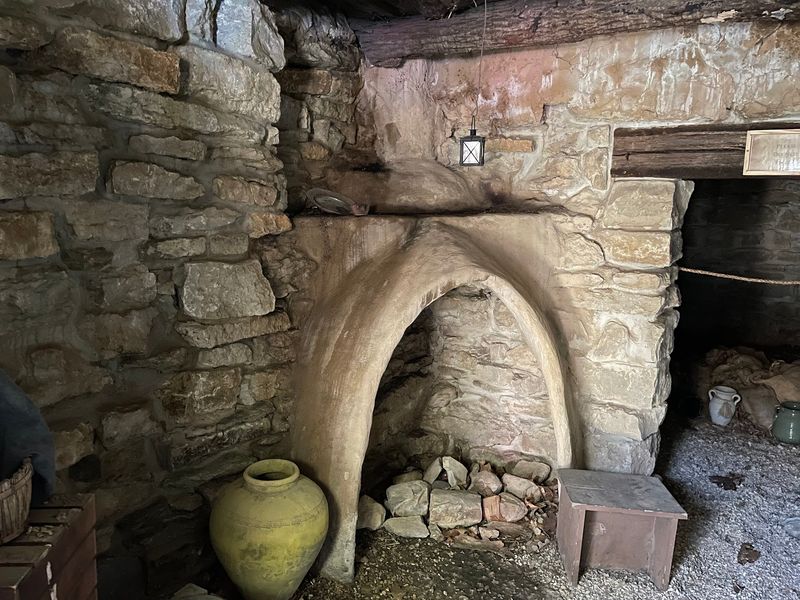
Every nativity set I have owned featured a cute wooden manger. Turns out history had other plans.
At the Bethlehem Inn and first-century stable, I learned that wood was scarce in ancient Israel. So the manger here is carved right into rock, matching what experts believe was typical back then.
That small detail stuck with me all day. It is the kind of fact you want to share at the next family holiday dinner.
The inn itself shows how travelers found shelter long ago. Rooms were simple, and animals often stayed close to where people slept.
A costumed actress portraying Mary often appears near this stop. Many guests mention how her storytelling holds everyone’s attention, and my group went quiet listening.
Children tend to love this scene. It connects a story they know with something solid they can see up close.
Snap a photo of that stone manger, because your friends may not believe you otherwise.
Up next, a dinner table that breaks every rule of modern seating.
Reclining at the Last Supper
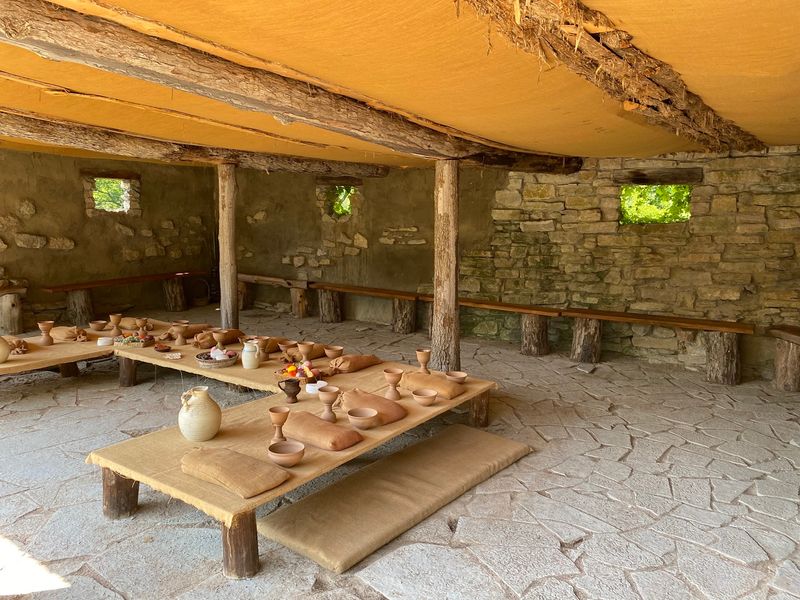
Forget the famous painting with everyone lined up on one side of a long table.
The Upper Room exhibit shows where Jesus and His disciples shared the Last Supper. The tables are arranged in Triclinium style, a common Roman setup during that time.
Guests did not sit on chairs. They reclined on mats around low tables, leaning on one elbow while they ate.
Honestly, it looked comfier than my dining room set. My guide explained how this layout helps explain certain moments in the Gospel accounts.
That was a real lightbulb for me. Details I had read for years suddenly made more sense.
The room is calm and simply decorated. It invites you to slow down and think about the story behind it.
Many longtime churchgoers say they learn something new on this tour. I count myself in that group after this stop.
Ask questions here, since guides enjoy digging into the history.
A short ride later, the mood shifted completely at a place famous for being empty.
Singing Inside the Empty Tomb
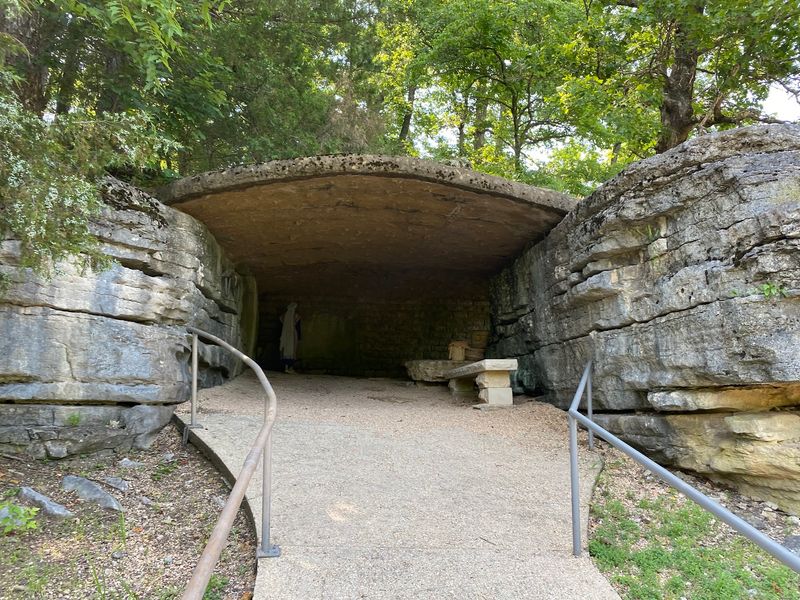
My voice is better suited for the shower, but inside the Garden Tomb nobody seemed to mind.
This replica shows the kind of rock-cut tomb described in the Easter story. A large round stone sits beside the open doorway.
Inside, the space is small and cool. Our group crowded in together, and our guide invited us to sing Amazing Grace.
The sound bounced off the stone in a way I did not expect. Even the shy folks joined in by the second verse.
Several visitors describe this moment as surreal, and I agree. It was the quietest, most personal part of my afternoon.
The garden outside is peaceful and well kept. I lingered for a few extra minutes just to take it in.
Do not worry about singing skills. Nobody hands out grades.
After this hushed moment, I was ready for some fresh water views and a fisherman with stories to tell.
A Stroll Beside a Galilee Shoreline
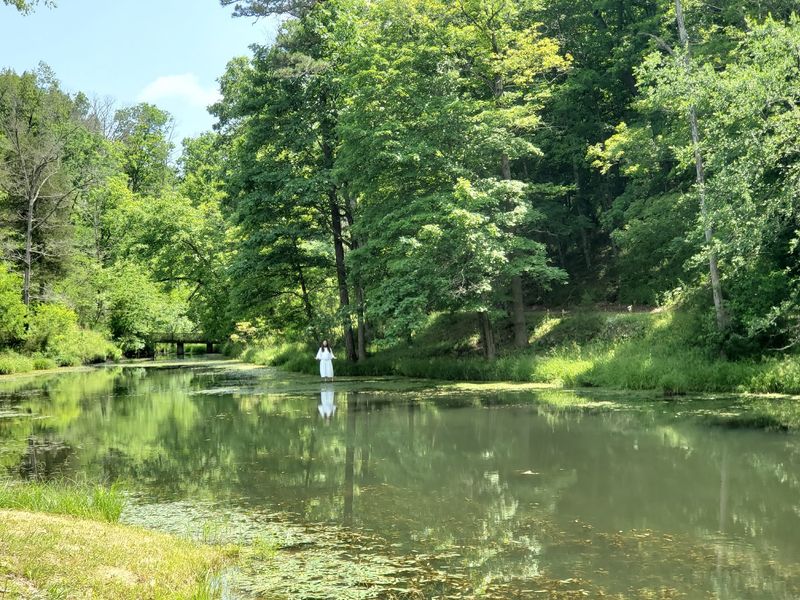
A fisherman’s tale usually grows with each telling. This one stays true to the scriptures.
The Walk with Peter lets visitors stroll beside a representation of the Sea of Galilee. Along the way, an actor portraying Simon Peter shares memories of his final days with Jesus.
Hearing it in first person made the story feel close. He spoke like someone recalling old friends, not reading from notes.
The setting is pretty, with trees framing the water and birds chiming in now and then.
Many actors on the tour are teenagers and young adults. They memorize their parts well, and the scenes flow smoothly from one to the next.
Comfortable shoes help here. The longest walk on the tour runs about 30 minutes, so sandals with no support are not your friend.
On hot days, carry a water bottle. Arkansas summers do not take breaks.
Speaking of help, the real secret weapon of this tour rides up front behind the steering wheel.
Timing Your Trip Like a Pro
Good planning beats a long wait in a parking lot every time.
The Holy Land Tour runs year-round, Monday through Saturday, generally from 9 AM to 5 PM. It is closed on Sundays.
On Great Passion Play performance days, bus tours usually start around noon and leave every 45 minutes. The last one departs around 3:45 PM, with earlier times on Good Friday weekend and after August 15.
On non-Play days, guided tours typically run at 2:00 PM, and advance reservations are required. I booked mine ahead and felt very smug about it.
Regular tickets cost $15, and child tickets are $12. Groups of 15 or more get a 15 percent discount.
A Total Experience Pass bundles other campus attractions.
If you buy online, stop by the will call window first for a voucher. It sits a short walk across the parking lot from the tour start.
Call 800-882-7529 to confirm times before you go.
Once tickets are sorted, a giant figure on the skyline will catch your eye.
How a Statue Sparked It All
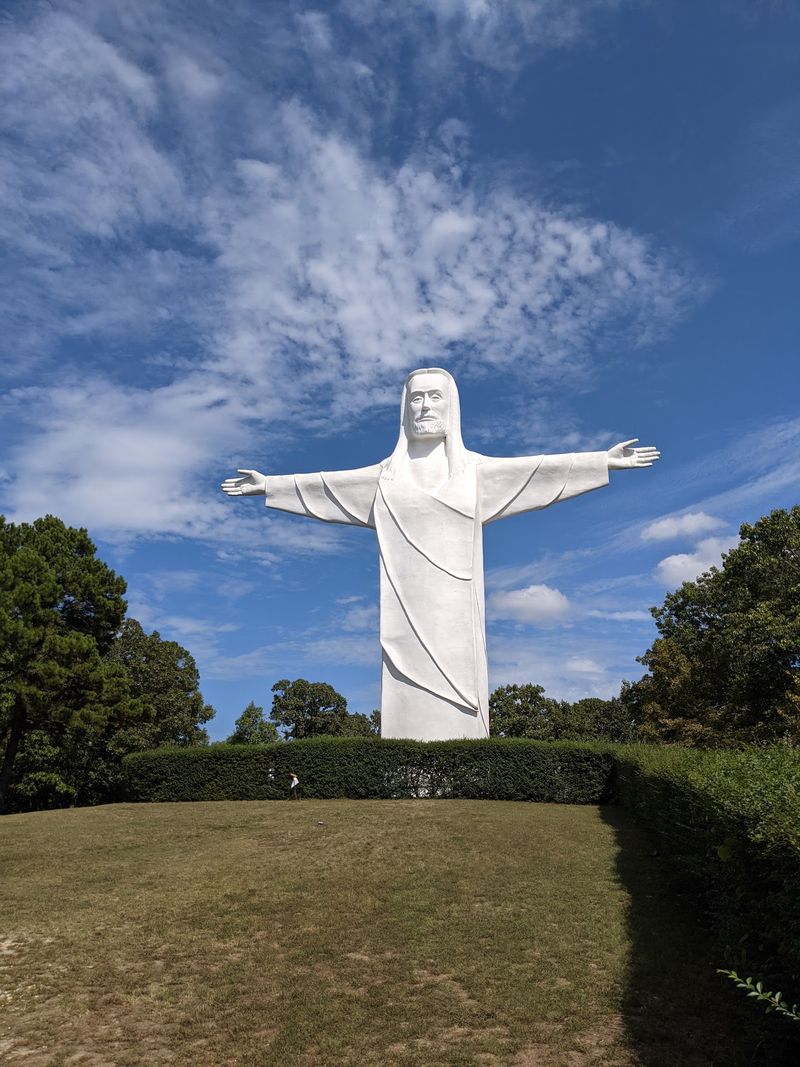
Every big project starts with one idea. Here, that idea stands 67 feet tall.
Gerald L. K.
Smith and his wife, Elna M. Smith, retired to Eureka Springs in 1964.
They formed the Elna M. Smith Foundation to build what he called the Sacred Projects.
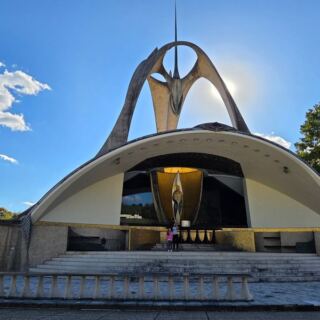
The first was the Christ of the Ozarks statue, commissioned in 1965 and dedicated in 1966. Its outstretched arms span 65 feet across the mountaintop.
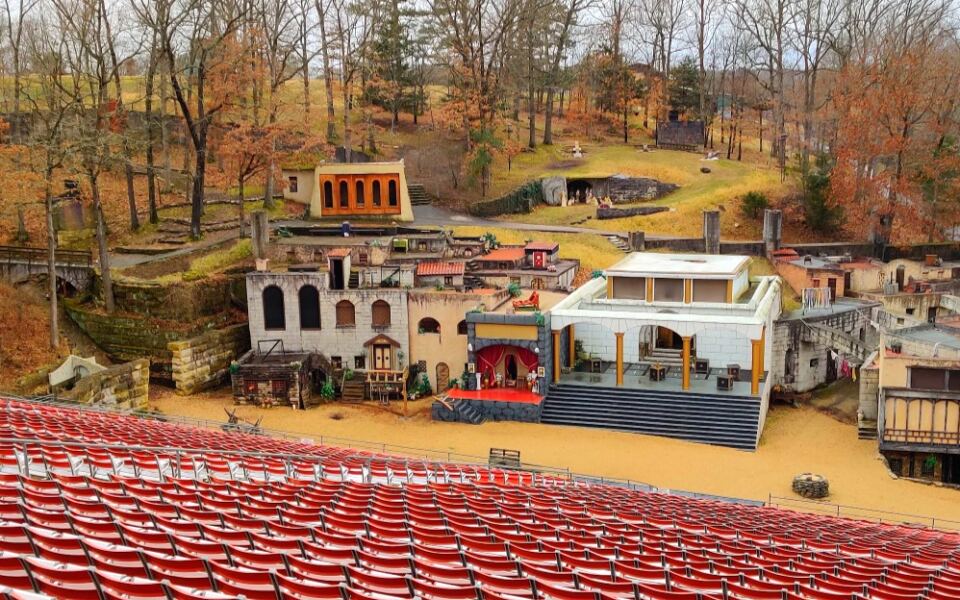
Near the statue, Smith noticed a natural amphitheater in the hillside. That spot became home to The Great Passion Play, which opened to the public in 1968.
The New Holy Land, now known as the Holy Land Tour, grew out of those same projects.
The goal was simple. Visitors could relive the Bible story in a family-friendly setting.
I made a quick stop at the statue after my tour. Up close, the scale is honestly hard to believe.
And that history lesson leads right into the show many folks travel hundreds of miles to see.
Bonus Stops Worth the Extra Steps
My tour ended, but my curiosity kept going.
The Great Passion Play campus is packed with extras. The Bible Museum holds rare artifacts, including a first edition King James Bible.
There is also the Sacred Arts Museum, the History Museum, and the Living Art Experience. I could have spent another full day browsing.
One surprise was a real section of the Berlin Wall. It felt unexpected on an Arkansas mountain, and that is exactly why I loved it.
Other exhibits include the Church in the Grove, an Israeli Bomb Shelter, Parables of the Potter, and David the Shepherd.
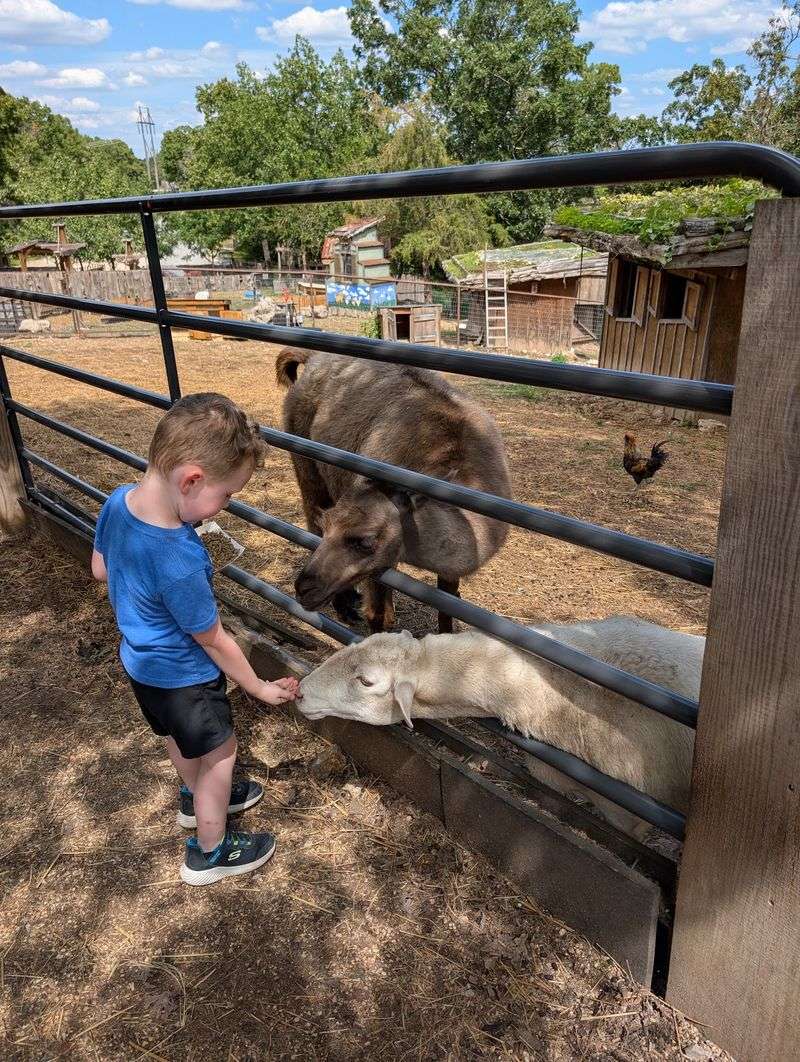
Families with little ones should visit Noah’s Ark Park Petting Zoo. The animals are curious, friendly, and very interested in snacks.
Outdoor fans can tackle 18 miles of hiking and mountain biking trails. The views through the trees are a nice reward for tired legs.
Stop by the gift shop too, where the staff are known for their warm welcome.
Save some energy, though, because the grand finale happens after sunset.
Ending the Day at a Famous Outdoor Drama
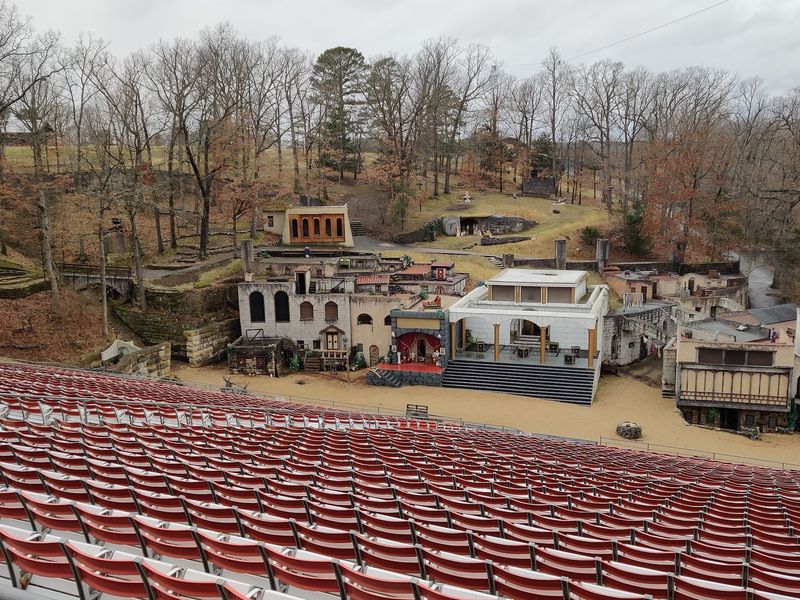
My day finished in a stadium-sized amphitheater carved into the same hills I had explored earlier.
The Great Passion Play bills itself as America’s number one attended outdoor drama. It tells the story of the final days of Jesus with more than 100 costumed actors, live animals, and a multi-level set.
Seeing it after the Holy Land Tour was a smart move. The places I had just visited suddenly showed up on stage, and everything clicked.
Performances usually run on Easter weekend and from Memorial Day weekend through October. Shows happen on Tuesdays, Fridays, and Saturdays, with special Sunday dates on holiday weekends.
Sit as close as you can. The details and emotions really land from nearby seats.
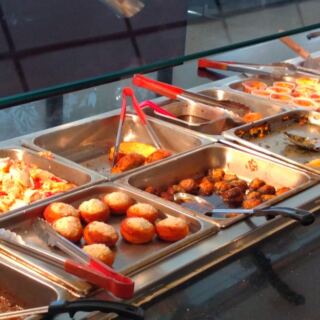
A buffet on site makes dinner easy before the show.
Looking back, this hillside gave me a stone manger, a priest’s lesson, and a hymn inside a tomb. For two hours and fifteen dollars, that is a lot of history packed onto one Ozark mountain.
Share this story