A big wooden water wheel still turns beside a quiet creek, and it does real work. The stones inside grind grain into cornmeal and flour that you can carry home in a sack.
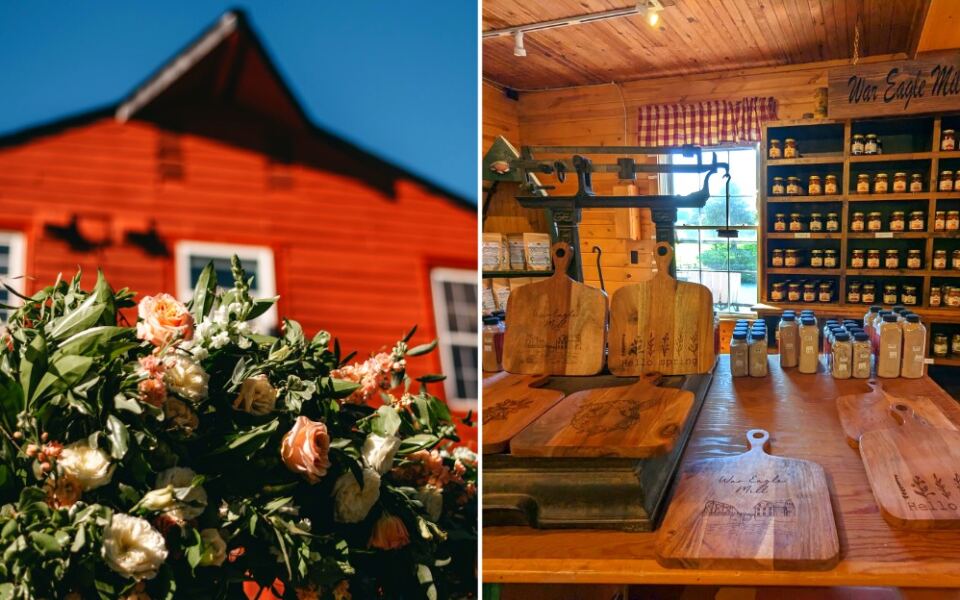
Up on the third floor, a small cafe serves pinto beans and cornbread made the old-fashioned way. Downstairs, shelves hold jams, honey, candy, and handmade goods from the region.
This corner of Arkansas sits far from busy highways, with no crowd of shops pressing in around it. I like that the trip itself feels like part of the reward, with winding Ozark roads leading down into a green valley.
The building standing there today is not the first mill on this spot. Floods and fire shaped its story, and the reason a new mill rose again says a lot about the people of the Ozarks.
A Working Gristmill on a Quiet Ozark Road
Some landmarks only ask you to look. War Eagle Mill asks you to buy a bag of cornmeal, too.
The mill sits at 11045 War Eagle Rd in Rogers, Arkansas, out in the rolling hills of Benton County. It stands beside War Eagle Creek, close to the Beaver Lake area.
There aren’t many other businesses nearby, so the setting feels calm and open.
The building is a functioning gristmill. That means it grinds grain using millstones powered by a water wheel.
A lot of historic mills across the country sit still as museums, but this one keeps doing the job it was built for.
Inside, the mill has three floors. The first two hold a general store packed with flours, mixes, jams, and gifts.
The third floor is home to a cafe that serves country cooking.
Entry doesn’t require a ticket, which makes it an easy stop on a road trip. You can wander the grounds, check out the creek, and browse at your own pace.
I like a place that can be a quick detour or a slow afternoon. To understand why it matters, though, it helps to know how many times it has been rebuilt.
Rebuilt More Than Once Along War Eagle Creek
History along this creek has not been gentle. Mills have stood near this spot since the 1830s, when the Blackburn family settled in the valley and built the first one.
That early mill was lost to a flood. A second mill followed, and it was burned during the Civil War era.
A third mill went up later and served the area until it burned in the 1920s.
For decades after that, the site sat without a working mill. Then, in the 1970s, a new mill was built using plans modeled on the 1873 structure.
The goal was to bring the old craft of stone grinding back to life.
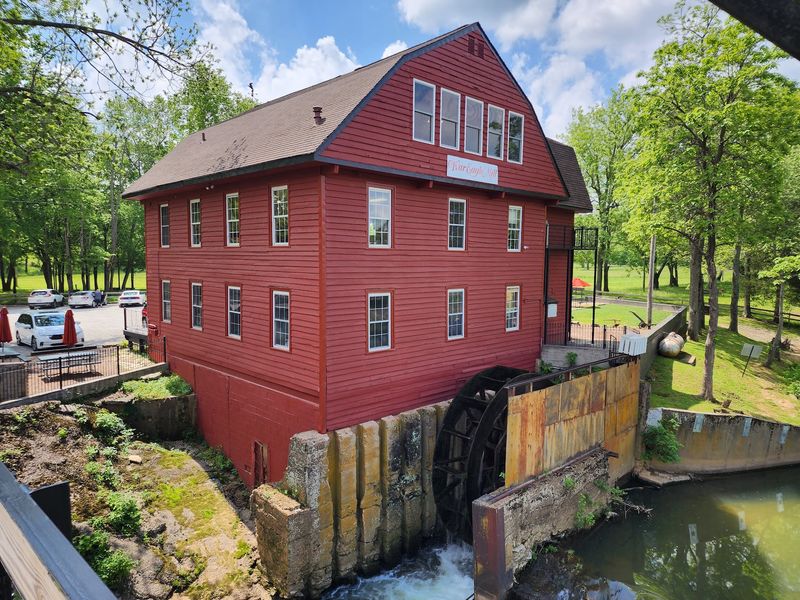
Today’s building is that reconstruction, and it carries the look of the earlier mills. Its red wooden walls and large wheel make it easy to spot from the road.
Visitors can also spot marks showing how high floodwaters have reached over the years. Seeing those lines in person gives the creek a lot more respect.
I find it moving that people kept choosing to rebuild here. That stubborn spirit is a big part of the mill’s appeal, and you can see it in the wheel that powers everything.
The Undershot Water Wheel Still Does the Heavy Lifting
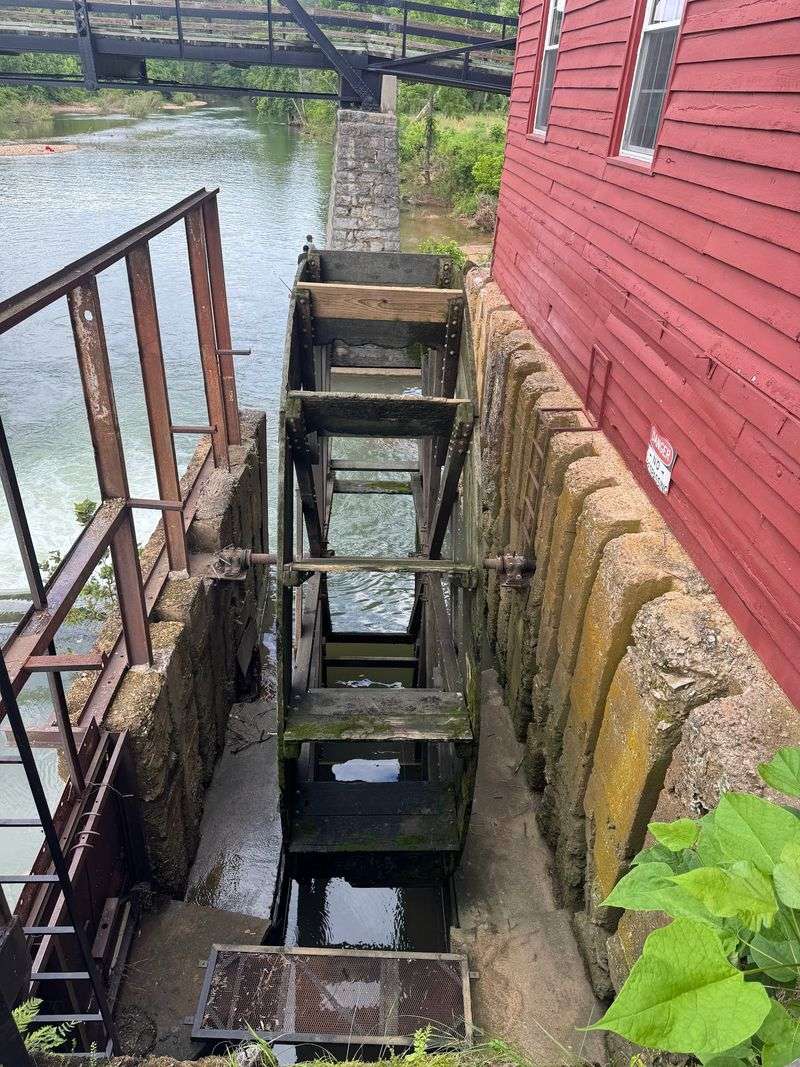
Water does the work here, just like it did for early Ozark settlers. The mill’s big wooden wheel turns with the flow, and that motion powers the grinding stones inside.
The mill is known for its undershot wheel, where water pushes against the bottom of the wheel. It’s a simple idea, but it has kept mills running for centuries.
You can watch the wheel from outside on the grounds. It’s also visible from inside the store, so even on a chilly day you can see it turning.
Kids tend to understand this better by watching than by reading a sign. The link between moving water and a bag of flour suddenly makes sense.
If you’re lucky, you might catch a demonstration of the mill at work. These aren’t guaranteed at every visit, so it helps to ask staff when you arrive.
Guided history tours are offered as well, which add context about how the machinery operates. I’d ask about a tour first, then head outside for photos.
All that turning has a delicious purpose. The grain it grinds ends up on store shelves and in the cafe’s cornbread.
Stone-Ground Cornmeal and Flour to Take Home
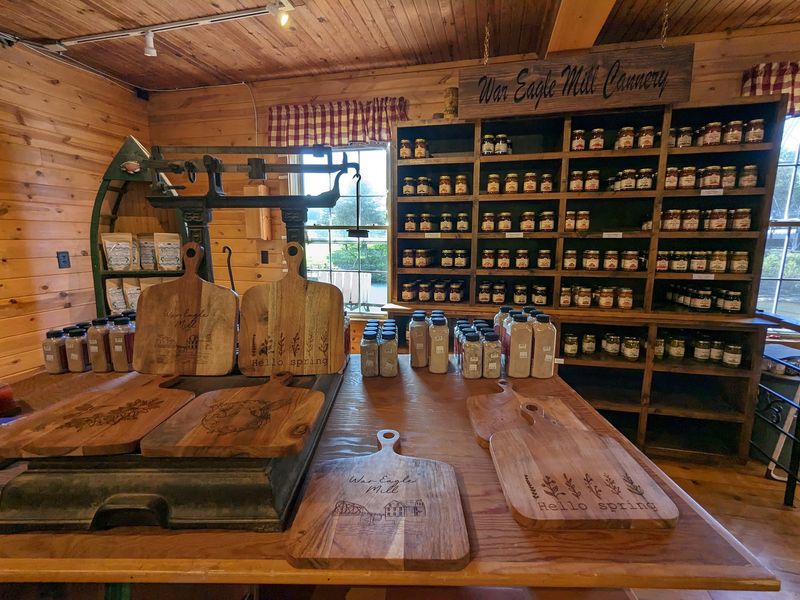
Cornmeal is the reason plenty of people make the drive. The mill grinds grains on stone, and the store sells the results in bags ready for your kitchen.
Shoppers can find cornmeal, flours, and baking mixes. The mill offers organic options, which matters to cooks who care where their ingredients come from.
Cornbread mix is a popular pick, and it can sell out. If it’s on your list, grab it early rather than circling back later.
Stone grinding is a slower method than big factory milling. Many home bakers seek it out because it keeps an old way of making flour alive.
Here’s a practical tip from me. Bring a sturdy tote or a cooler bag, since several sacks of flour add up fast.
Store your stone-ground products in a cool, dry place once home. Some bakers keep whole grain flours in the freezer to keep them fresh longer.
Buying straight from the mill also feels personal. You saw the wheel, you walked the floors, and now that same cornmeal goes into your skillet.
Speaking of cornbread, the cafe upstairs puts it on the table.
Beans and Cornbread on the Third Floor
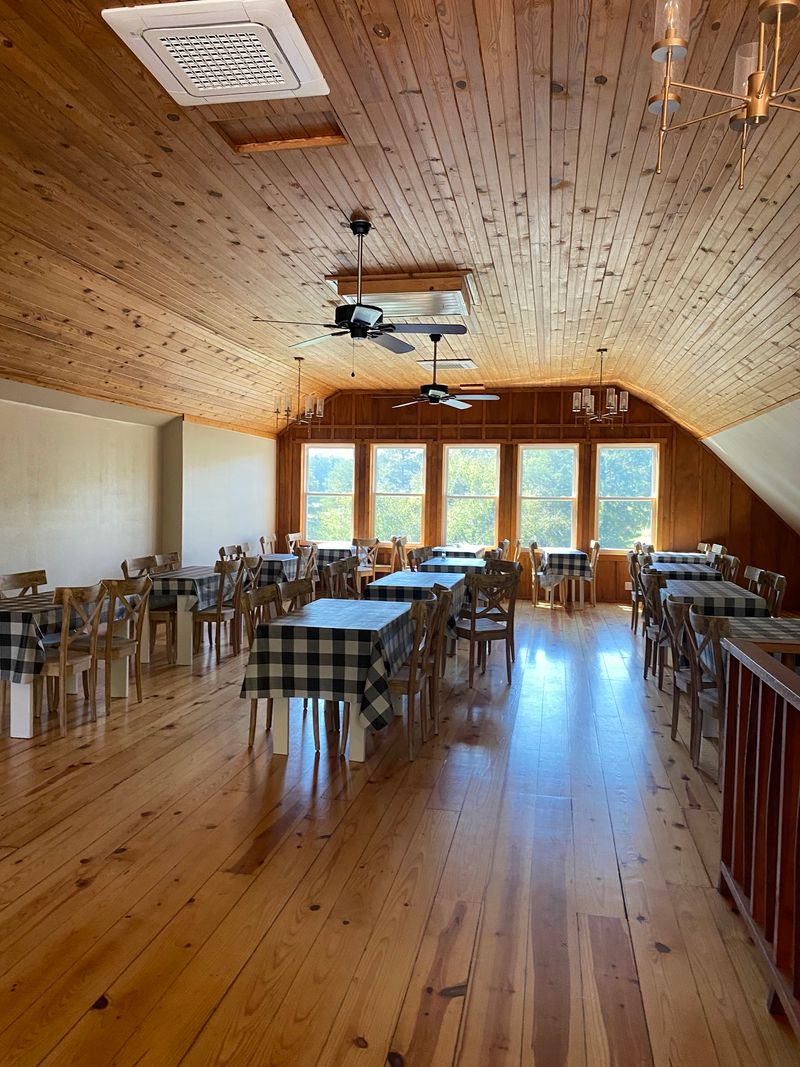
Climb the stairs to the top floor and the smell of a country kitchen is the goal. The cafe on the third floor serves simple, hearty food tied closely to the mill itself.
Pinto beans with cornbread are the dish most connected to this spot. It’s a plain pairing, but it shows off the mill’s own cornmeal in the most direct way.
The cafe’s hours differ from the store’s. The restaurant has opened at 11 in the morning, so arriving too early can mean missing lunch.
It can also close before the store does.
I’d plan a visit around lunchtime for that reason. Browse the shop first, then head up when the cafe opens.
Keep in mind that reaching the cafe means taking stairs. Anyone with mobility concerns should check ahead with the mill about access.
Desserts like pecan cobbler have shown up on the menu, too. Menus can change, so it’s smart to see what’s offered that day.
There’s something fitting about eating cornbread a few floors above where its meal was ground. After lunch, the store below is waiting with plenty more Ozark goodies.
Jams, Honey, and Handmade Goods Fill the Store
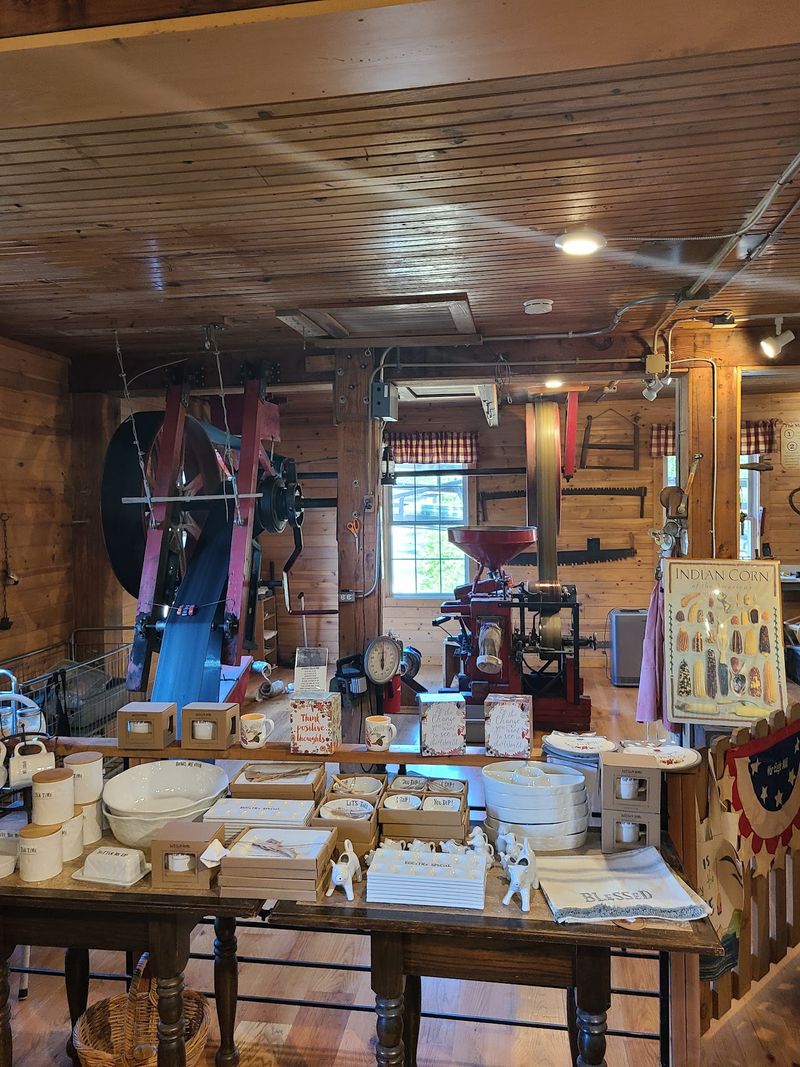
Shelves of jars greet shoppers on the lower floors, and it’s tough to leave empty-handed. The store covers the first two levels of the mill.
Jams and preserves line the shelves in many flavors. Local honey from Arkansas is another favorite find, and it makes an easy gift.
Candy is stocked too, including old-fashioned treats that bring back memories for grown-ups. Kids usually head straight for that section.
Beyond food, the store carries handmade goods. Pottery, natural soaps, and goat milk bath and body products have all appeared on the shelves.
Shopping here works well for holiday gifts or souvenirs. A bag of cornmeal paired with a jar of jam makes a thoughtful Ozark care package.
The aisles are close together in an older building, so take your time. Floors in historic structures can be uneven, so watch your step as you browse.
I’d suggest making a short list before you go. It’s easy to get distracted by all the canned goods and crafts.
Once your arms are full, step outside. The creek and bridge offer a peaceful place to rest those tired shopping feet.
A One-Lane Bridge Over the Creek
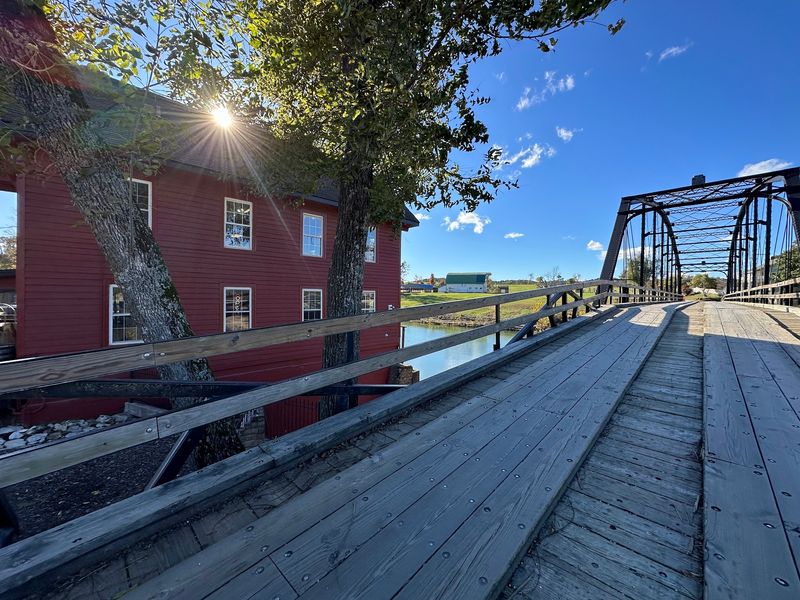
Bridges don’t usually get top billing on a trip, yet this one shows up in almost every photo. The historic one-lane bridge spans War Eagle Creek right near the mill.
The War Eagle Bridge is a steel truss bridge built in 1907. It’s listed on the National Register of Historic Places, which gives it its own place in Arkansas history.
Because it’s one lane, drivers take turns crossing. Patience matters here, so wait for oncoming cars before pulling ahead.
People also walk along the bridge for views of the creek and the mill. Paired with the red building and green hills, it makes a classic Ozark scene.
Photographers often frame the bridge and mill together. Morning and late afternoon light can make that shot especially nice.
Stay alert to traffic when walking, since cars still use it. Holding kids’ hands is a good idea on the span.
I like how the bridge links the mill to the land around it. It’s a reminder that this valley was once a busy crossing for farm families.
From up on the bridge, the clear water below looks inviting. Down at creek level, it gets even better.
Wading, Fishing, and Porch Swing Time
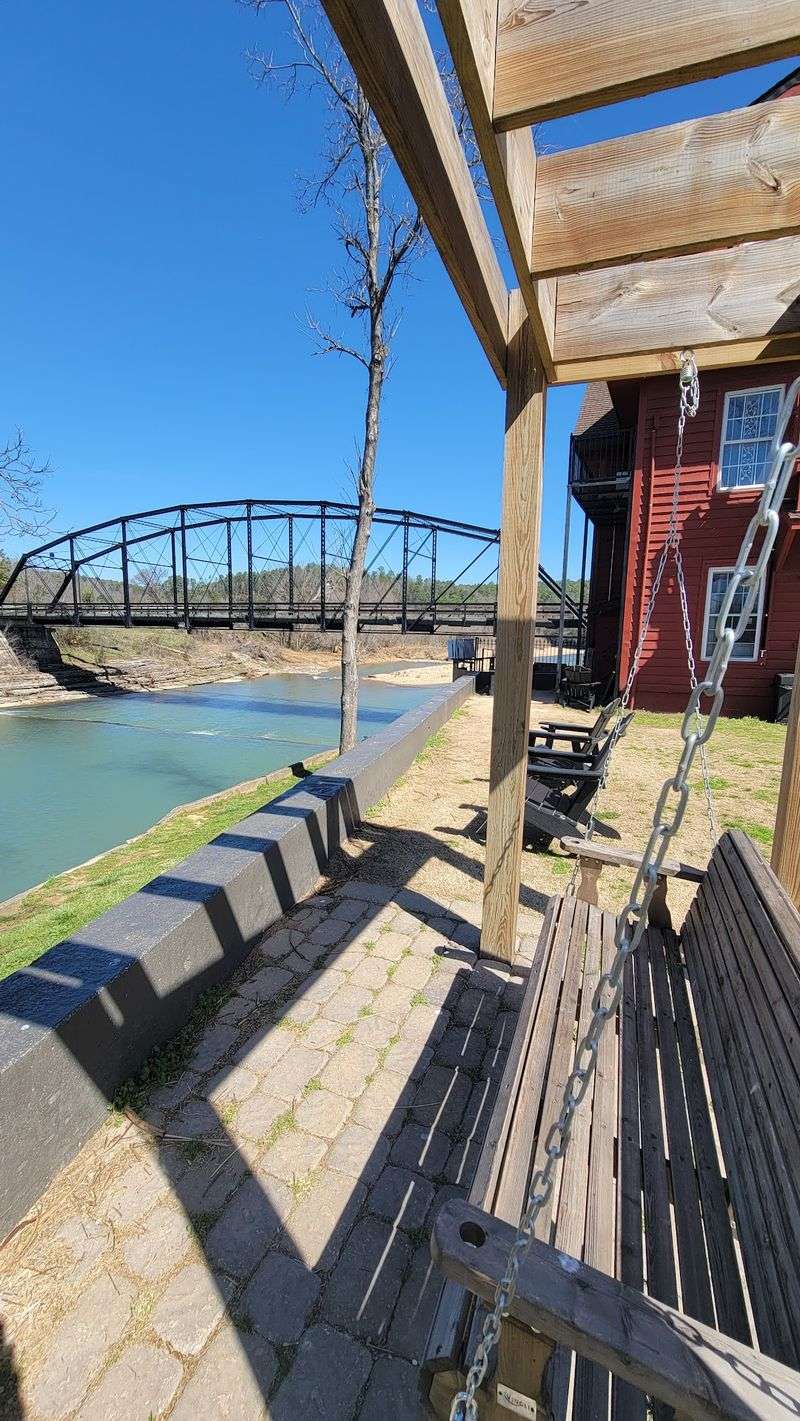
Slow down. That’s the unofficial rule along the banks of War Eagle Creek.
Many visitors spend time by the water after shopping. People wade in the shallows, and some swim or fish during warmer months.
Kids enjoy hunting for shells and smooth rocks along the river. Pack water shoes, because creek bottoms can be slippery and rocky.
For those who’d rather stay dry, outdoor seating sits around the mill. There are several chairs and a porch swing off to the side, facing the scenery.
Bringing a book or a thermos of coffee makes a lot of sense here. You can simply sit, listen to the water, and watch the wheel turn.
Dogs are allowed on the grounds, which is good news for pet owners. Keep them leashed and bring bags to clean up.
Always check water levels before getting in, especially after rain. This creek has flooded many times, and conditions can change quickly.
I’d call this the part of the trip that recharges you. And sometimes a few furry residents wander into the picture, too.
Goats, Live Music, and Little Surprises
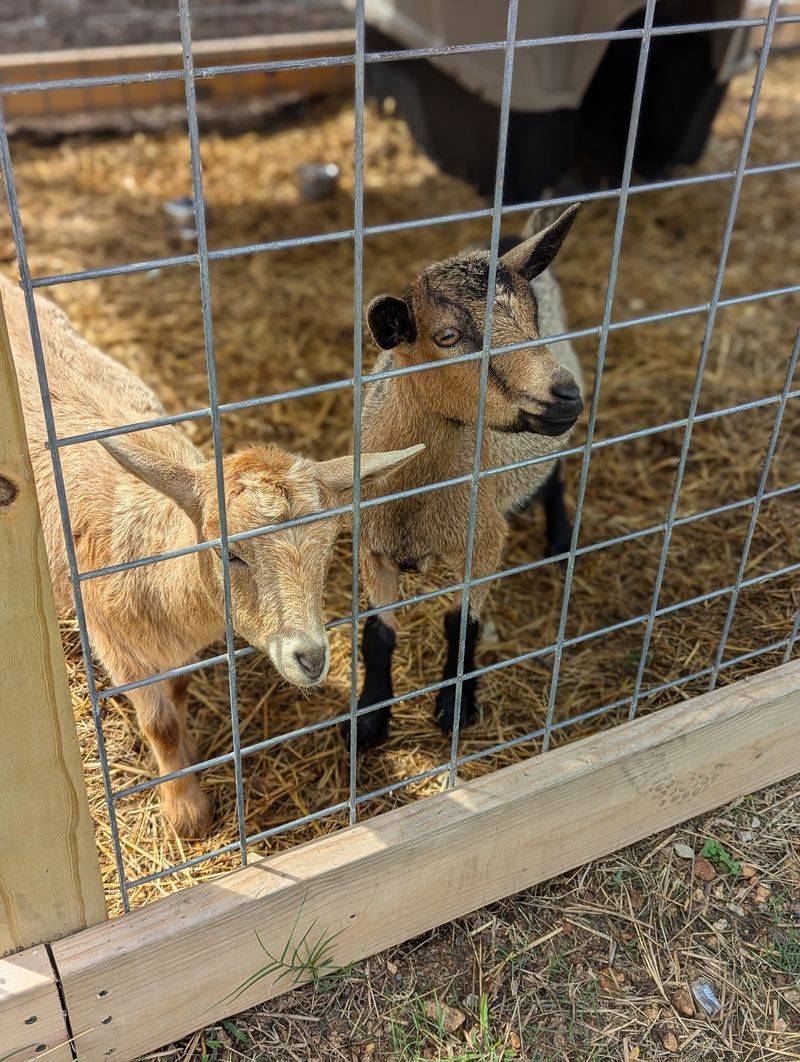
Goats on the lawn are not something most people expect at a gristmill. Yet small goats have been spotted on the property, and visitors have even met baby goats.
Children tend to light up when they see them. If goats are around during your visit, be gentle and follow any posted guidance or staff instructions.
Live music has also been part of the mill experience at times. Hearing a few songs outside by the creek adds a relaxed feel to an afternoon.
These extras aren’t guaranteed every day. Animals and performances can come and go, so think of them as a bonus.
Following the mill’s social media pages is a smart way to learn about upcoming events. That’s often where news about music and activities shows up first.
The old outhouses on the grounds also get plenty of attention. They’re a quirky reminder of how life worked before indoor plumbing.
I enjoy places that reward curiosity with small surprises. These little details make a quick stop feel more personal.
Of course, the biggest crowd-gathering event here happens just a few times a year, and it fills the valley with vendors.
Craft Fair Weekends and Planning Your Trip
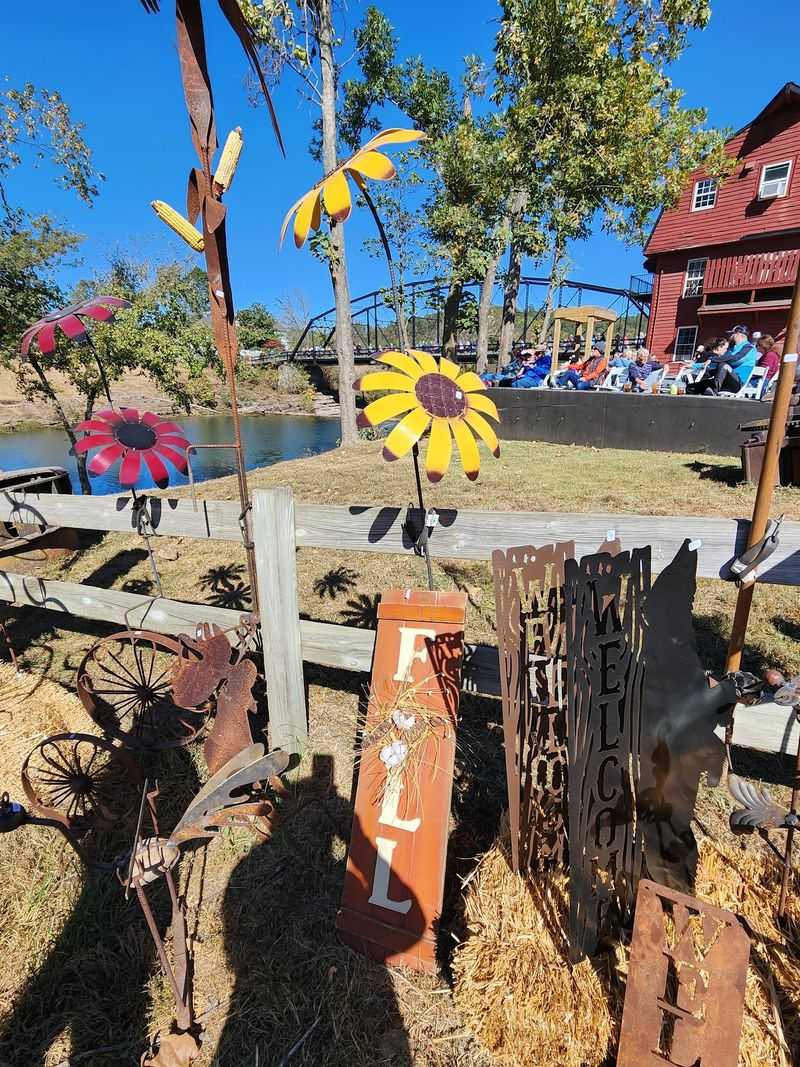
Autumn brings a whole new energy to this quiet valley. The War Eagle area has hosted craft fairs for decades, and the fall event draws vendors from far and wide.
These fairs run for several days. Shoppers browse handmade items, art, and treats, with food stands adding to the fun.
Many families have visited the fairs for generations. Parents who went years ago now bring their own kids along.
Fair weekends are much busier than regular days. Expect more traffic on those narrow roads, so leave early and plan for parking.
On ordinary days, the mill is open daily from 9 AM to 5 PM. Hours can shift, so a quick check before leaving home helps.
The mill works well as a side trip from Rogers or Eureka Springs. The drive through the Beaver Lake area is part of the experience.
Wear comfortable shoes, since you’ll climb stairs and walk uneven ground. Bring a jacket in cooler months, as creekside air feels chilly.
Whether you come for a fair or a calm Tuesday, I’d leave room in the trunk. That bag of cornmeal deserves a safe ride home.
Share this story