The 1970s turned rock into a stadium business. FM radio stations played whole album sides, live double albums sold by the millions, and a handful of singers ended up on every magazine cover.
Robert Plant, Freddie Mercury, and Mick Jagger became the faces of the decade. Plenty of other frontmen were just as talented, yet their names never stuck the same way.
Some led bands that scored one huge radio hit and then faded from the spotlight. Others filled arenas in Britain while staying almost unknown in America.
A few were simply early, mixing theater, satire, and strange sounds years before music videos made that normal. Fame in rock often came down to timing, management, and luck rather than pure skill.
The singers in this list built loyal fan bases, wrote songs that still get played, and inspired artists who later became far more famous. Reading on will give you fresh names to look up, classic records worth a spin, and a few surprising stories about how some of the decade’s most memorable songs came together.
Think of it as a playlist built from the edges of the decade, where some of the best work was happening all along.
1. Doug Ingle, Iron Butterfly
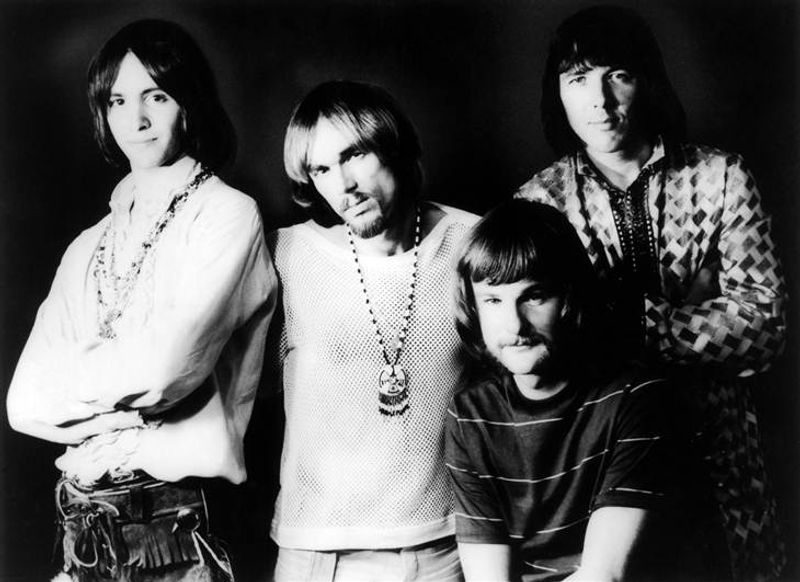
A mumbled phrase gave rock one of its strangest song titles. Doug Ingle was trying to say In the Garden of Eden, and his bandmates heard In-A-Gadda-Da-Vida instead.
The name stuck, and so did the song. Released in 1968, the track ran about 17 minutes and took up a full side of the album.
Ingle sang it, played its famous organ parts, and wrote it. The song started as a short ballad before growing into a long jam with a famous drum solo.
The album went on to sell millions of copies. Atlantic Records even created a platinum award partly because of it.
Its heavy, fuzzy sound helped point the way toward hard rock and heavy metal in the 1970s. Early hip-hop DJs later sampled its drum breaks too.
Ingle stayed with the band for albums like Ball and Metamorphosis before Iron Butterfly split in 1971. Afterward he ran an RV park and worked as a house painter.
Few people humming that famous riff today could name the man behind it.
2. Dan McCafferty, Nazareth
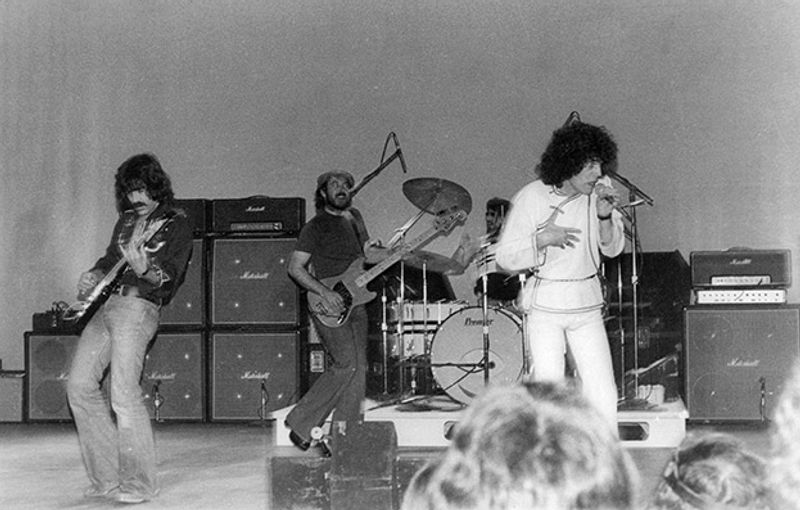
Gravel and sandpaper are the usual words people use for Dan McCafferty’s voice, and they fit. Born in Dunfermline, Scotland, he co-founded Nazareth in 1968.
His rough singing made him sound like nobody else on the radio. Even Axl Rose of Guns N’ Roses tried to copy that raspy edge.
Nazareth’s breakthrough arrived in 1975 with the album Hair of the Dog. It sold more than two million copies around the world.
Here is a fun bit of history. The band wanted a much ruder title, but the record label said no. The compromise title came from a lyric hidden in the chorus.
That same era brought Love Hurts, an old Everly Brothers ballad. McCafferty turned it into a huge power ballad that hit No. 8 on the Billboard Hot 100 in 1976.
So he could handle both tough rockers and slow songs. That range is rare.
Nazareth also toured far and wide, including long trips across Canada. Yet McCafferty’s name rarely appears on lists of great hard rock singers.
3. Ian Hunter, Mott the Hoople
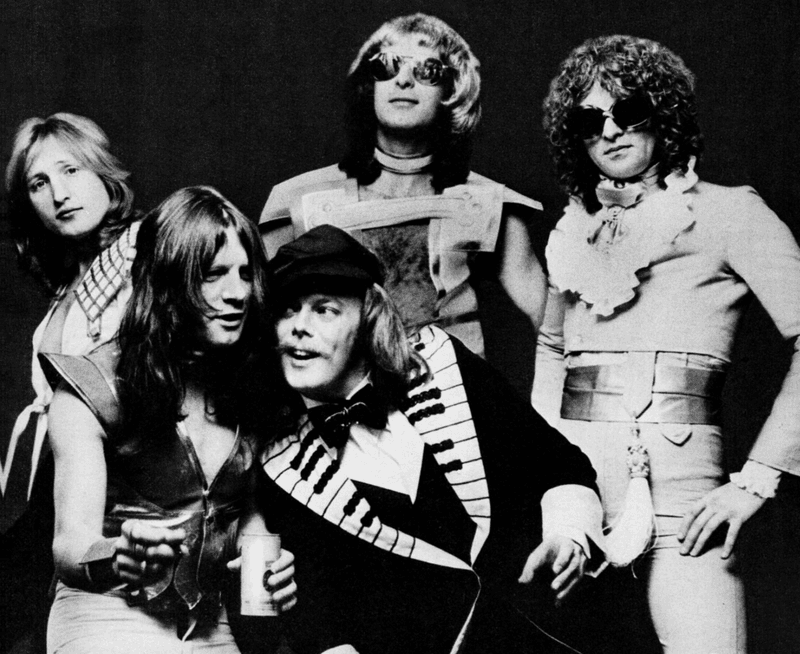
By 1972, Mott the Hoople was close to breaking up. Their live shows were strong, but their records did not sell.
Then David Bowie stepped in with a gift. He handed them All the Young Dudes, which climbed to No. 3 on the UK Singles Chart.
Frontman Ian Hunter, already known for his oversized sunglasses, seized the chance. He became the band’s main songwriter and delivered All the Way from Memphis, a UK Top 10 single.
The band even sold out a week of shows on Broadway in New York. That was a big deal for a British glam act.
Arguments split the group in 1974, so Hunter went solo with guitarist Mick Ronson. His 1975 single Once Bitten, Twice Shy reached No. 14 in Britain.
American listeners may know that song from Great White’s 1989 cover. Another Hunter tune, Cleveland Rocks, became the theme for The Drew Carey Show.
Punk figures like Mick Jones of The Clash called him a key influence. Hunter kept making records well into his eighties.
4. Steve Marriott, Humble Pie
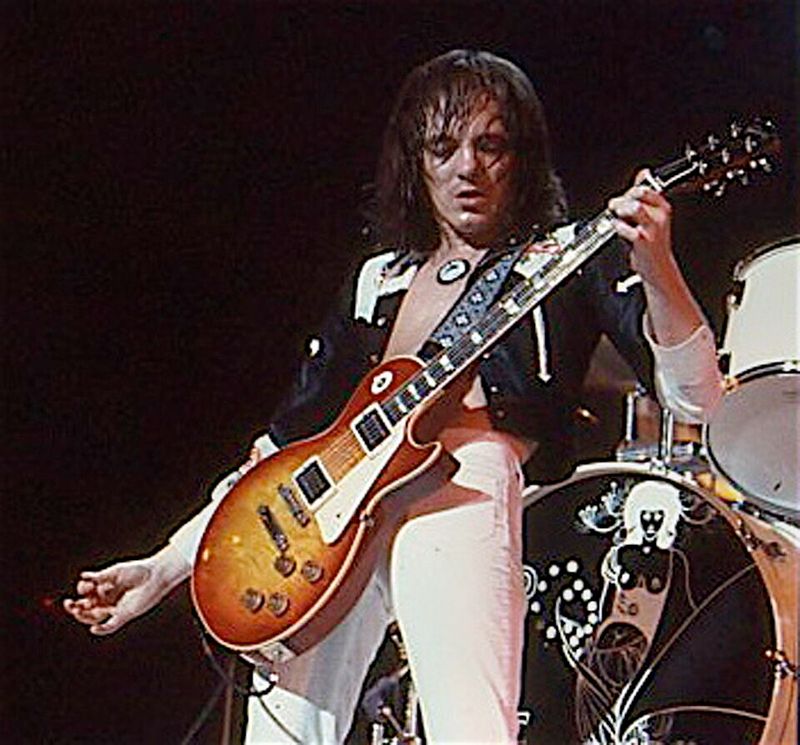
Ask Robert Plant, Paul Stanley, or Ozzy Osbourne about great rock voices, and Steve Marriott’s name tends to come up. He stood barely five and a half feet tall, but his singing filled whole theaters.
Marriott first found fame in the 1960s with Small Faces, a mod band that was huge in Britain. In 1969 he left to chase a heavier, bluesier sound.
He formed Humble Pie with guitarist Peter Frampton. Newspapers quickly called them a supergroup, a label the band tried hard to shake off.
Their big win came with the 1971 live album Performance: Rockin’ the Fillmore. Recorded in New York, it reached No. 21 on the Billboard 200.
The long version of I Don’t Need No Doctor became a favorite on American FM radio. It shows Marriott at full power, shouting, growling, and testing the limits of his range.
So why not Rod Stewart-level fame? Marriott grew tired of the music business and later preferred playing small clubs.
In 2012 he entered the Rock and Roll Hall of Fame with Small Faces.
5. Jim Dandy Mangrum, Black Oak Arkansas
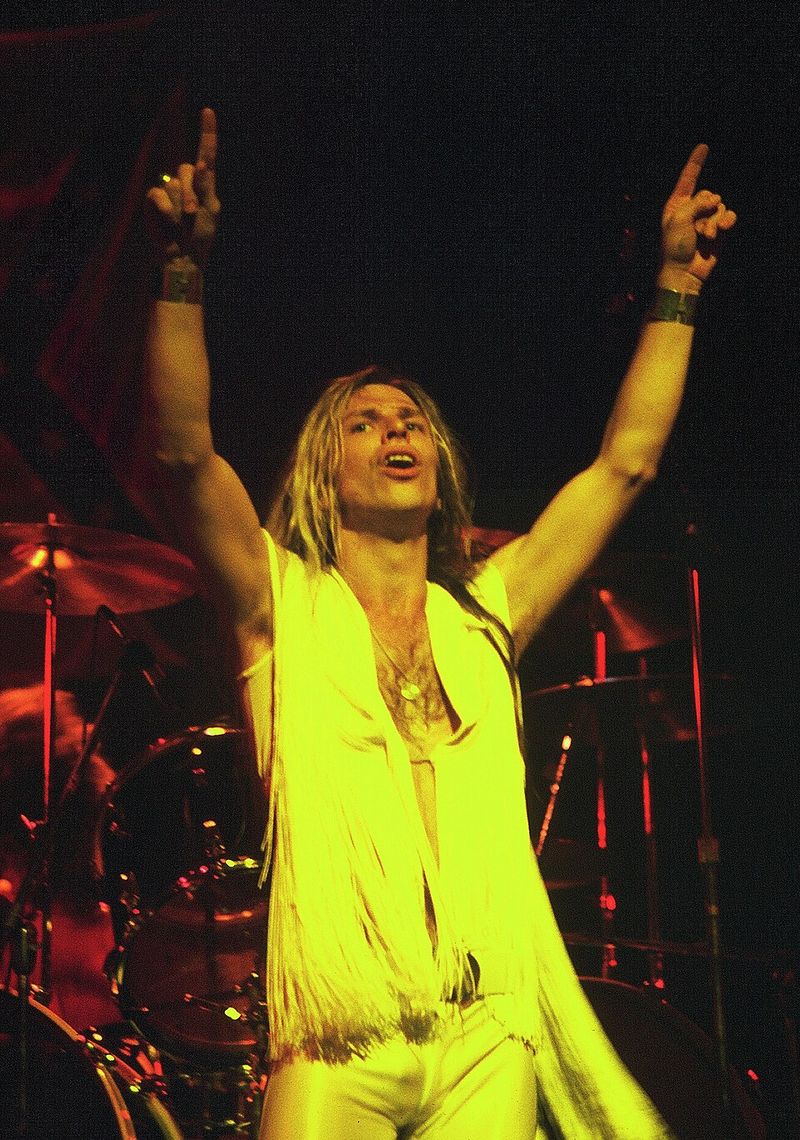
Early legal trouble is not usually a career highlight. Still, Black Oak Arkansas began with a story about borrowing their high school’s public address system without asking.
Leading that scrappy group was Jim Dandy Mangrum, a singer with long blond hair, white spandex, and a washboard. He made Southern rock look like a full-on show.
Atlantic Records boss Ahmet Ertegun signed the band in 1970. They soon became one of the highest-earning live acts in America and charted ten albums that decade.
Their only Top 40 hit came in 1973. A cover of LaVern Baker’s Jim Dandy reached No. 25 on the Billboard Hot 100.
The idea reportedly came from Elvis Presley himself. Not a bad person to take advice from.
In 1974 the band played California Jam in front of more than 200,000 people. Black Sabbath and Deep Purple were on the same bill.
Mangrum’s wild style shaped later frontmen like David Lee Roth. Even so, his name rarely comes up when people rank great rock showmen today.
6. Fee Waybill, The Tubes
Two-foot platform boots, a feather boa, and a long blonde wig made up the uniform of Quay Lewd. He was a made-up glam rock star, and Fee Waybill played him on stage for The Tubes.
The San Francisco band treated concerts like big productions. Shows included dancers, props, costume changes, and plenty of satire.
Waybill was the ringmaster of it all. He switched between several characters, each one poking fun at some part of 1970s pop culture.
The band’s self-titled debut came out in 1975. Its closing track, White Punks on Dope, mocked rich, spoiled rock fans and became a cult favorite.
Another song, What Do You Want From Life, made fun of TV game shows. The Tubes had sharp opinions and loved sharing them.
Many critics adored them, but record sales stayed modest. Some labels felt the act was too strange for regular radio.
In the 1980s, hits like She’s a Beauty finally brought bigger success. The strange early years, however, predicted the music-video age before MTV even existed.
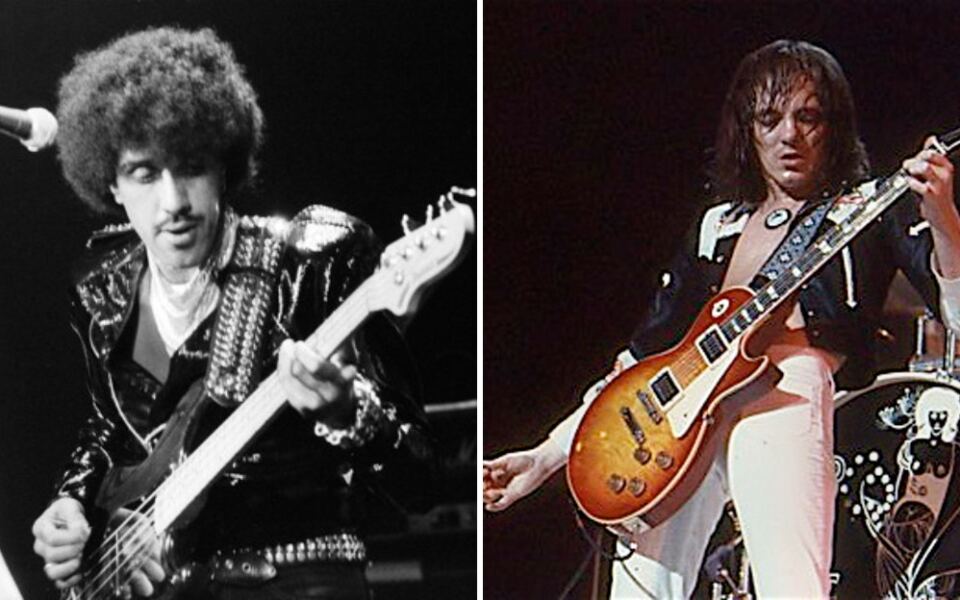
7. Phil Lynott, Thin Lizzy
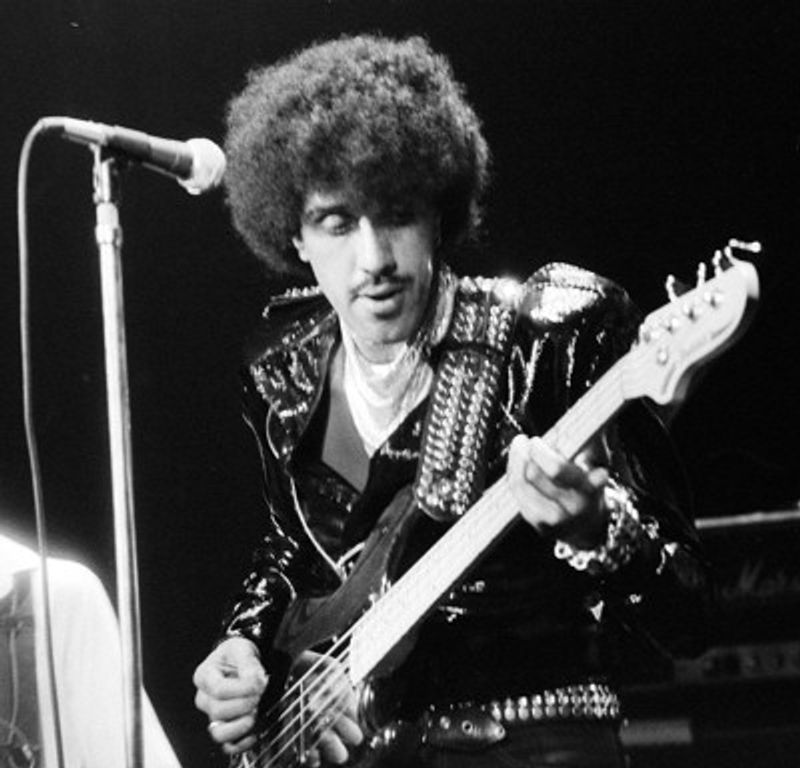
Dublin in the 1960s was not an obvious launch pad for a rock star, yet that is where a young Phil Lynott started writing songs. He later became the first Black Irish musician to find major commercial success in rock.
As Thin Lizzy’s singer, bassist, and main songwriter, Lynott gave the band its heart. Their famous twin-guitar sound got the attention, but his lyrics told the stories.
He pulled ideas from Celtic legends, working-class streets, and his own life. Songs like The Boys Are Back in Town and Jailbreak turned ordinary characters into rock heroes.
The 1976 album Jailbreak was the big moment. It topped the charts in Ireland and finally pushed the band onto American radio.
Still, outside a few singles, Lynott never became a household name in the United States. Fellow musicians knew better.
Brian May and Jimmy Page praised him, and bands like Metallica and U2 named him as an influence.
He also published two books of poetry. Try his ballads, like Still in Love with You, to hear his softer side.
8. Eric Bloom, Blue Öyster Cult
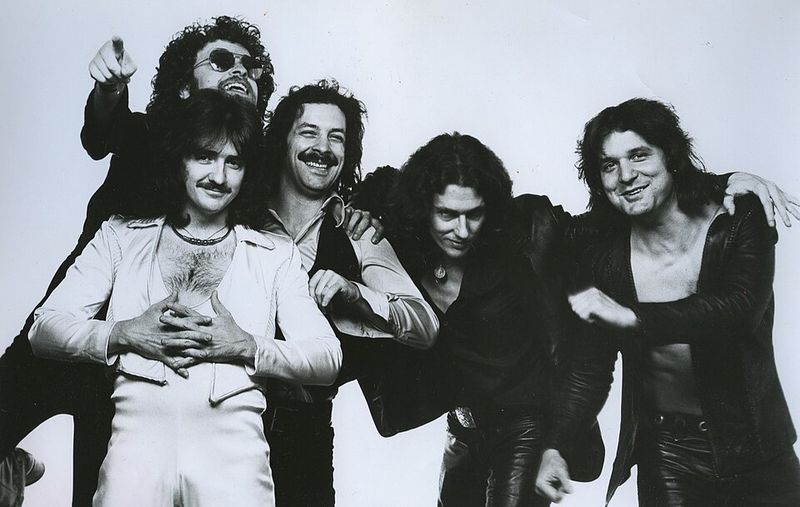
Road manager and sound engineer were Eric Bloom’s first jobs with the band that became Blue Öyster Cult. He soon moved from behind the soundboard to the front of the stage.
The group formed on Long Island in 1967. They mixed heavy riffs with science fiction, mythology, and spooky jokes.
Bloom became a co-lead singer, guitarist, keyboard player, and lyricist. His interest in sci-fi helped give the band its odd, clever storytelling style.
He sang lead on fan favorites like Cities on Flame with Rock and Roll. He also sang Godzilla, a song about a giant monster that somehow became a radio classic.
The band’s biggest hit, (Don’t Fear) The Reaper, was sung by guitarist Donald Roeser. That 1976 single reached No. 12 in the United States.
Because of it, many casual listeners never learned Bloom’s name. His leather outfits and serious stage style still defined the band’s concerts.
Blue Öyster Cult always seemed to like being a cult act. Bloom was a big reason it worked.
9. David Byron, Uriah Heep
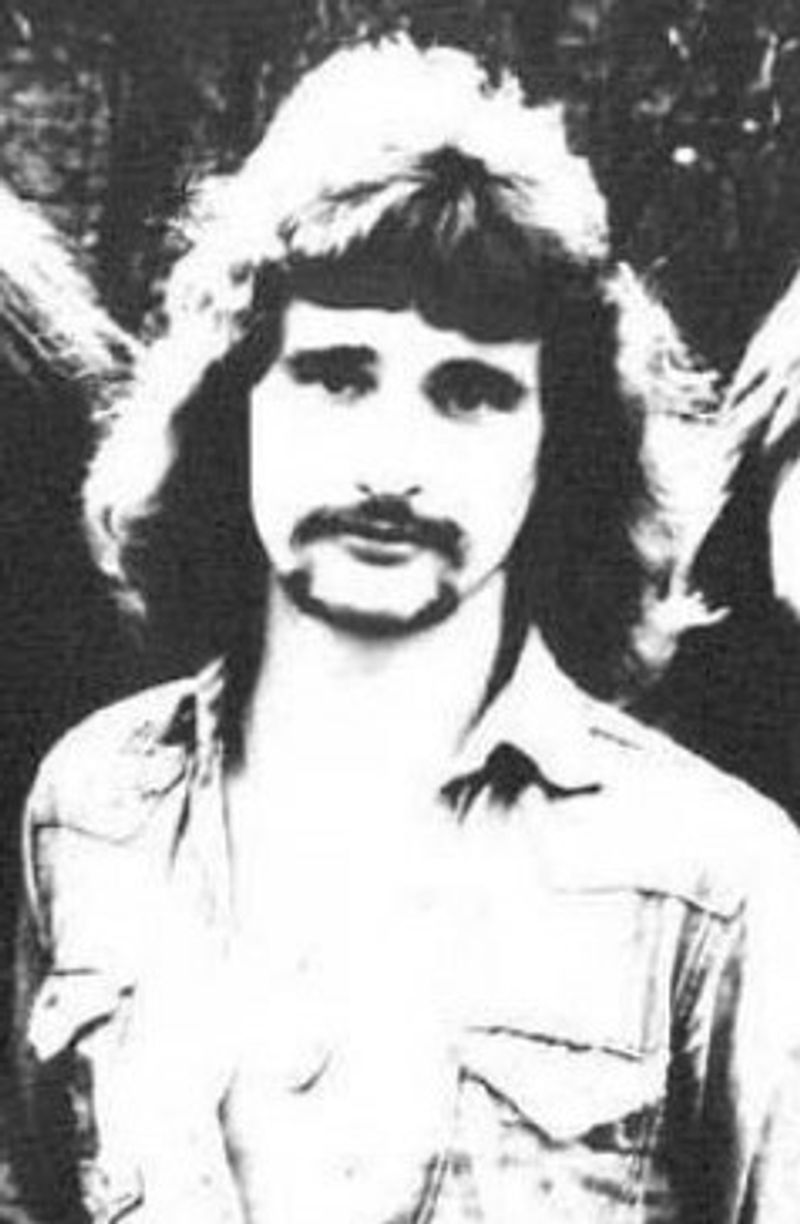
Named after a sneaky character from a Charles Dickens novel, Uriah Heep formed in 1969. Their singer, David Byron, had a voice that could swoop from a rock shout to a near-operatic high note.
Byron and guitarist Mick Box had started out together in a band called Spice. That group grew into Uriah Heep, mixing hard rock, big keyboards, and fantasy lyrics.
The 1972 album Demons and Wizards was their breakthrough. From it came Easy Livin’, which reached No. 39 in America, their only U.S.
Top 40 hit.
Europe loved them even more. The song did especially well in places like the Netherlands, Norway, and Germany.
July Morning is the track fans often point to first. It shows off his range across more than ten minutes of slow builds and big finishes.
Byron fronted ten of the band’s albums before leaving in 1976. Mick Box later said Byron did not just sing songs.
He lived the music.
Outside of hard rock fans, though, his name remains mostly unknown.
10. Dave Peverett, Foghat
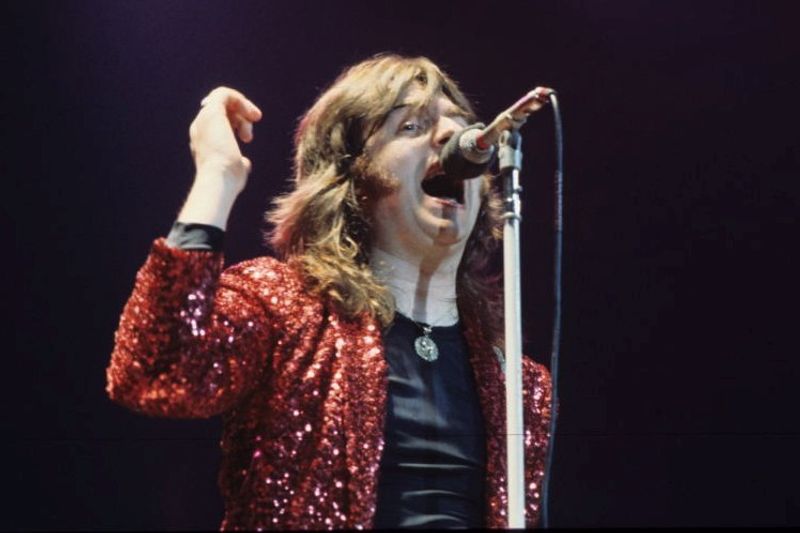
Lonesome Dave was the nickname, and it came from his days in the British blues band Savoy Brown. In 1971, Dave Peverett left that group to start Foghat.
His plan was simple. Take American blues, turn up the volume, and add slide guitar and catchy riffs.
It worked, especially in America. Foghat toured constantly and often headlined big arenas.
Peverett sang, played rhythm guitar, and wrote two of their best-known songs, Slow Ride and Fool for the City. His lyrics covered easy themes like travel, love, and nights out.
The 1975 album Fool for the City became their first platinum record. Slow Ride turned into a radio staple and still pops up in movies and video games.
Then came Foghat Live in 1977, which sold over two million copies. Overall the band earned eight gold records in the United States.
So why is Peverett not a famous name? Fans tended to talk about the band’s sound rather than one person.
Ask any classic rock station, though, and his voice is everywhere.
11. Steve Harley, Cockney Rebel
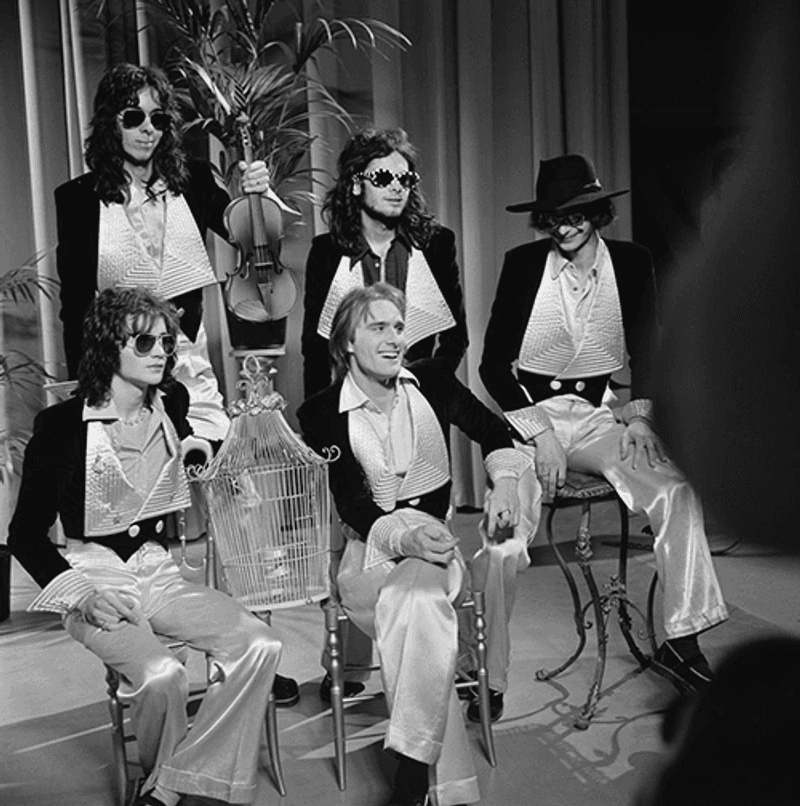
Long stays in the hospital as a child, fighting polio, turned young Stephen Nice into a serious reader. Poetry and books later shaped the clever lyrics he wrote as Steve Harley.
Before music took off, he worked as a journalist and played on the street. In 1972 he formed Cockney Rebel.
The band skipped the usual electric guitar focus. Instead, violin and electric piano carried much of the sound, mixing glam, cabaret, and progressive rock.
Their first single, Sebastian, topped charts in Belgium and the Netherlands in 1973. Strangely, it failed to chart in Britain.
Things changed in 1975 with Make Me Smile (Come Up and See Me). It hit No. 1 in the UK and Ireland and sold over 1.5 million copies.
Here is the twist. The cheerful-sounding song was actually a jab at former bandmates who had quit.
It remains one of the most played songs on British radio. Across the Atlantic, however, most listeners still have no idea who sang it.
12. Bill Nelson, Be-Bop Deluxe
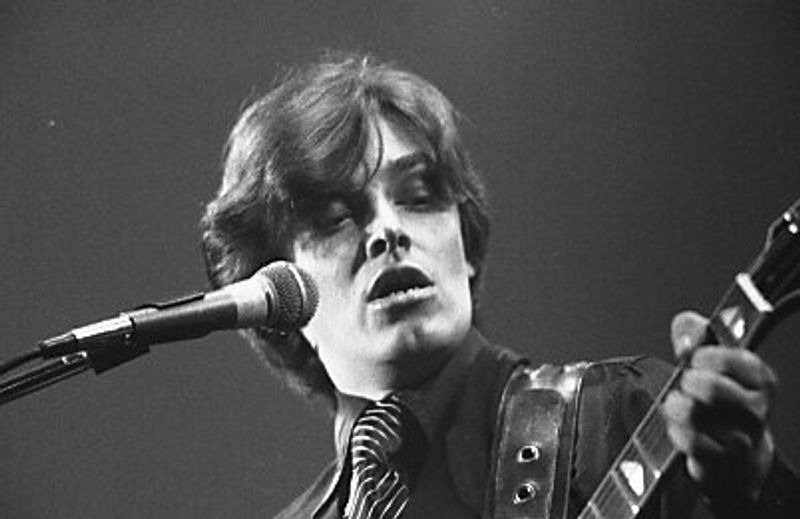
More than 150 albums. That is roughly how many records Bill Nelson released after his time leading Be-Bop Deluxe, and it says a lot about his restless mind.
Nelson formed the band in England in 1972. He mixed glam, art rock, and blues, while avoiding comparisons to David Bowie.
His guitar playing was the main attraction. Critics often call him one of the most underrated guitarists of 1970s art rock.
He also used synthesizers and drum machines early on. That gave the band a futuristic edge few rock groups had at the time.
Sunburst Finish and Modern Music both arrived in 1976. The single Ships in the Night reached No. 23 on the UK chart.
Big international fame never came. Nelson did not seem to mind, since he disliked being boxed in by sales goals.
He ended Be-Bop Deluxe in 1978 to explore electronic and ambient music. Paul McCartney, Brian May, and Brian Eno all admired his work.
In 2015 he received the Visionary award at the Progressive Music Awards.
Share this story