Some neighborhoods feel like a trip around the world in just a few city blocks. Walk down the street and you may hear several languages, smell food from many countries, and see places of worship side by side.
These twelve areas show how immigration and shared community life can shape a city. Each one offers a closer look at how people from different backgrounds build a home together.
1. Jackson Heights, Queens, New York, USA
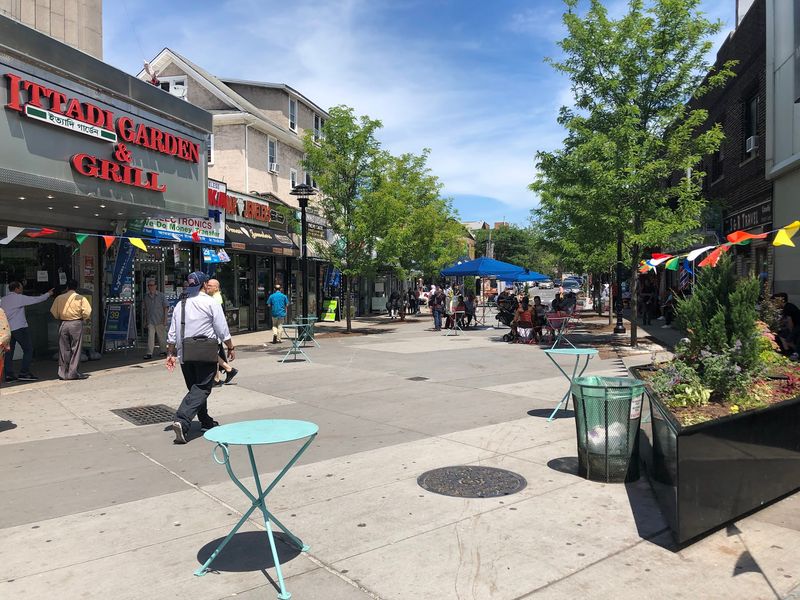
Listen closely on 74th Street and you might catch Bengali, Spanish, Nepali, and Hindi in a single minute. Jackson Heights is one of New York City’s most linguistically diverse neighborhoods, and that mix is easy to hear and taste.
Large South Asian, Latin American, and Himalayan communities live here. Sari shops, Colombian bakeries, and Tibetan and Nepali momo spots sit within a short walk of one another.
The elevated 7 train rumbles overhead, bringing in visitors and carrying residents to work.
For a good first visit, try a food crawl. Start with a plate of momos, add an arepa from a nearby cart, and finish with Indian sweets.
Many shop owners are happy to explain their dishes, so do not be shy about asking questions.
2. Scarborough, Toronto, Canada
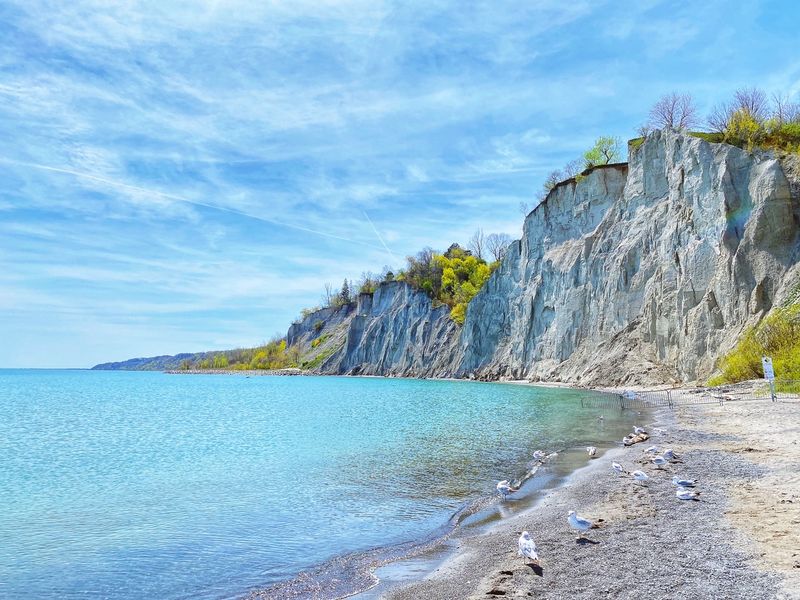
Scarborough works like a quilt stitched from many homelands. This eastern part of Toronto has substantial Chinese, South Asian, Caribbean, Filipino, and African communities, and each group has left a clear mark on daily life.
Strip malls here hold surprises. One plaza may have a dim sum hall, a Sri Lankan bakery, a Jamaican patty shop, and a Filipino grocery.
Many families have lived here for generations, while newer arrivals keep adding fresh flavors.
Beyond food, Scarborough offers green space too. The Scarborough Bluffs rise above Lake Ontario and give residents a quiet place to relax.
Visitors can spend the morning at the lakeshore and the afternoon sampling meals from around the world, all within the same district.
3. Southall, London, England
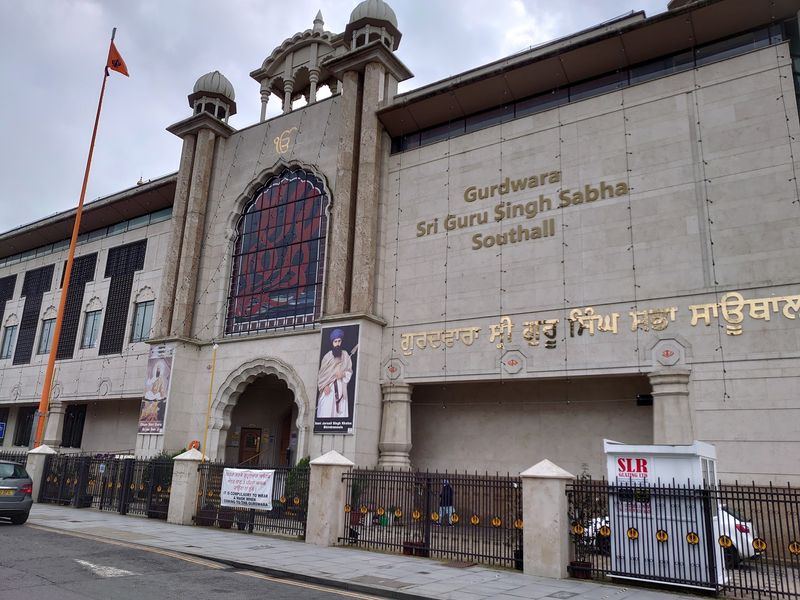
Many locals call it Little Punjab, and the nickname fits. Southall is known for its Indian and Pakistani heritage, with Sikh gurdwaras, sweet shops, and South Asian businesses lining its busy roads.
South Asian families began settling here in large numbers in the mid-twentieth century. Over time, the area grew into a lively center for food, fashion, and festivals.
The Guru Nanak Gurdwara and other places of worship are important community gathering spots.
Hungry visitors can find fresh jalebi, spicy curries, and warm flatbreads on the Broadway. Fabric stores sell bright silks for weddings and celebrations.
If you visit during a festival like Vaisakhi, expect music, color, and a welcoming crowd.
4. Footscray, Melbourne, Australia
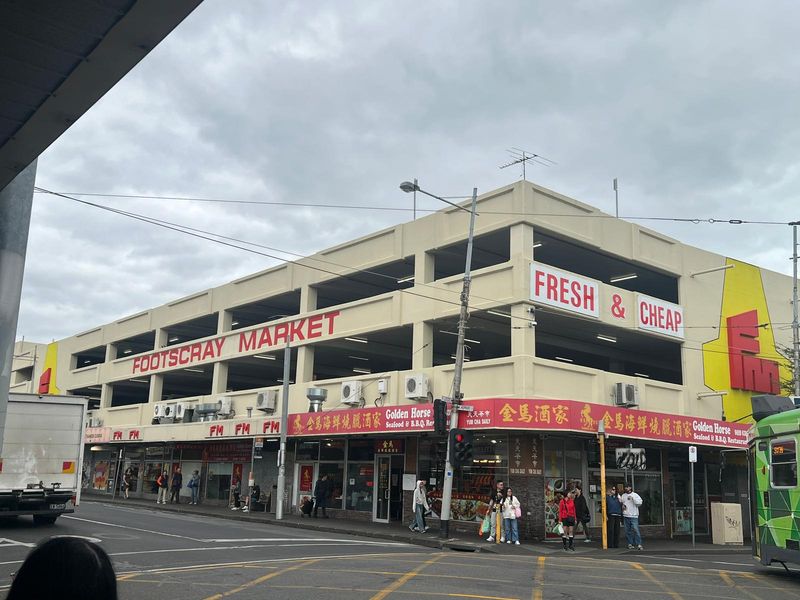
Few places pack as many flavors into one train ride from the city center as Footscray does. This Melbourne neighborhood has been shaped by Vietnamese, Ethiopian, Somali, Chinese, and other immigrant communities.
Footscray Market is a good place to start. Stalls sell fresh herbs, noodles, spices, and fruit that reflect the many cultures nearby.
Around the corner, Ethiopian restaurants serve injera with rich stews, and Vietnamese cafes offer strong iced coffee and crisp banh mi.
Vietnamese families arrived in strong numbers after the 1970s, and later groups from East Africa added new traditions. Today, street art, community events, and long-running family businesses give the area a creative and welcoming personality.
5. La Goutte d’Or, Paris, France
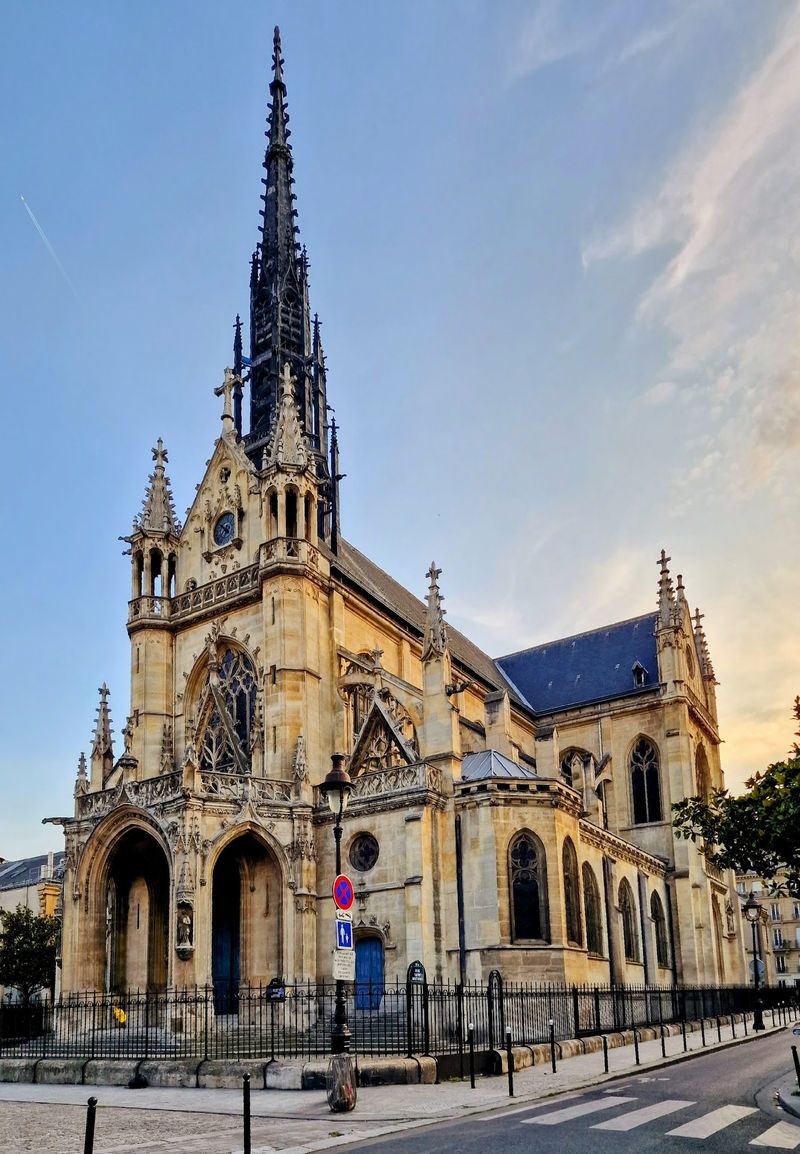
Tucked just below Montmartre, La Goutte d’Or tells a different Paris story than postcards usually show. This northern neighborhood has strong North African and sub-Saharan African cultural influences.
You can see them in the markets, shops, and restaurants. Stalls sell spices, dried fruit, and fresh vegetables.
Fabric stores display bold wax prints from West Africa, and cafes serve mint tea alongside couscous and grilled meats.
Rue des Poissonniers and the streets around Marché Barbès are especially lively on market days. The area has long been a first home for newcomers to Paris, and that history still shapes daily life.
Walking here gives visitors a chance to see how many communities help make the French capital what it is today.
6. Kreuzberg, Berlin, Germany
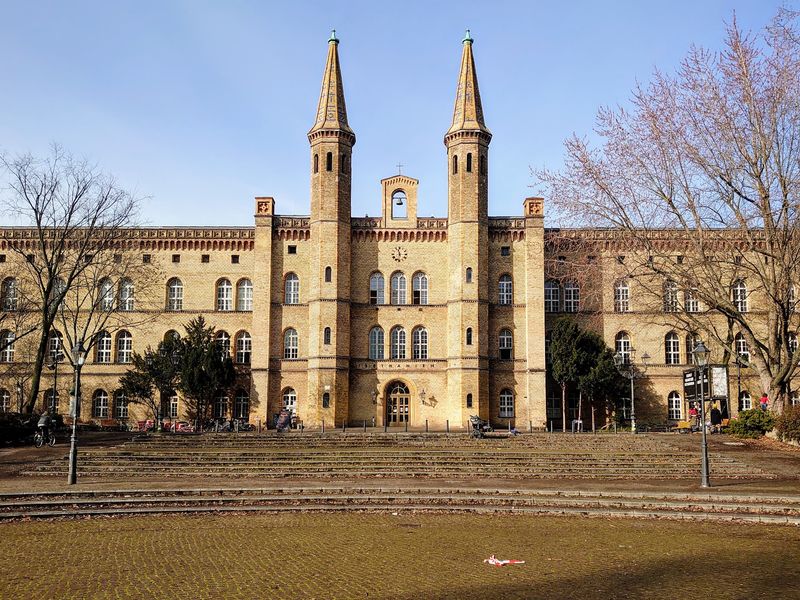
Ask a Berliner where to find the best doner kebab, and Kreuzberg will likely come up. The neighborhood is known for its Turkish German heritage, which began when workers from Turkey moved to West Berlin in the 1960s.
Today the district is also home to Arab, international, and creative communities. The Turkish Market along the Maybachufer canal runs twice a week with fresh produce, cheeses, olives, and textiles.
Kreuzberg is famous for its street art, independent music venues, and small galleries. Old apartment buildings now hold cafes, bookshops, and studios.
The mix of long-settled families and new arrivals gives the area an energy that feels both local and global, and it remains a central part of Berlin’s identity.
7. Kensington Market, Toronto, Canada
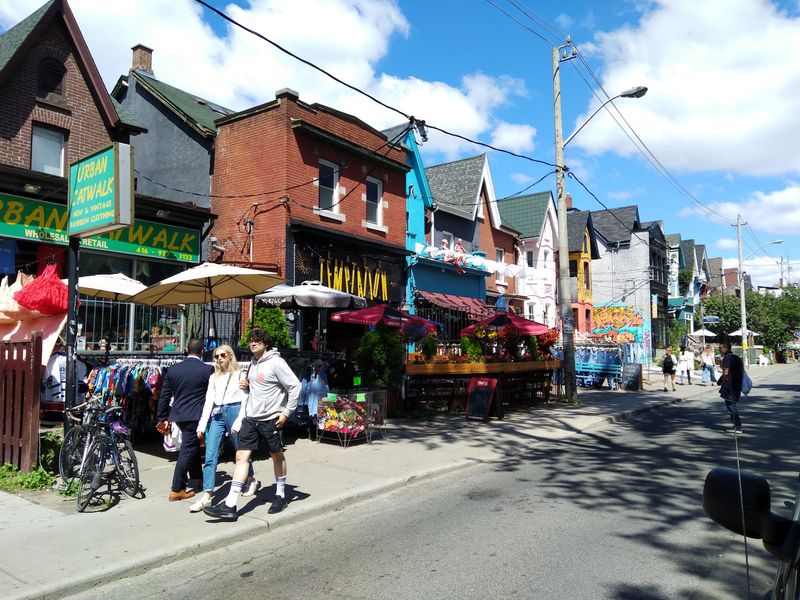
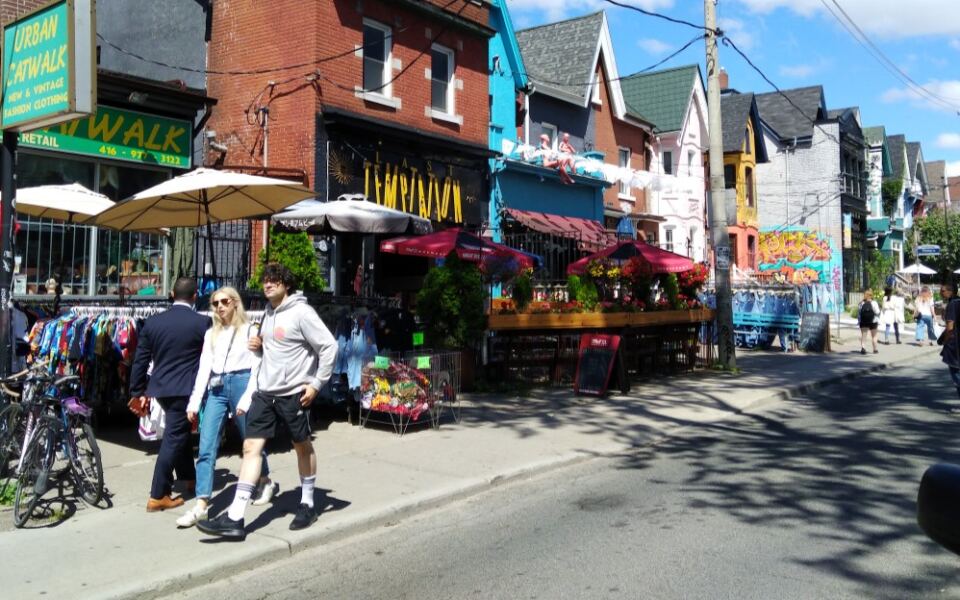
Here is a fun fact: Kensington Market began as a Jewish neighborhood in the early 1900s, with pushcarts and small shops filling the streets. Each new wave of residents then added another layer.
Portuguese, Caribbean, Latin American, and Asian immigrants all helped shape the market over the decades. Today you can buy fresh fish, Mexican tacos, Jamaican patties, vintage jackets, and spices within a few blocks.
Many of the buildings are small Victorian houses turned into shops, which gives the area a cozy, hand-built feel. On Pedestrian Sundays in warm months, cars are kept out and the streets fill with music and performers.
The neighborhood is a living record of Toronto’s immigration history.
8. Brixton, London, England
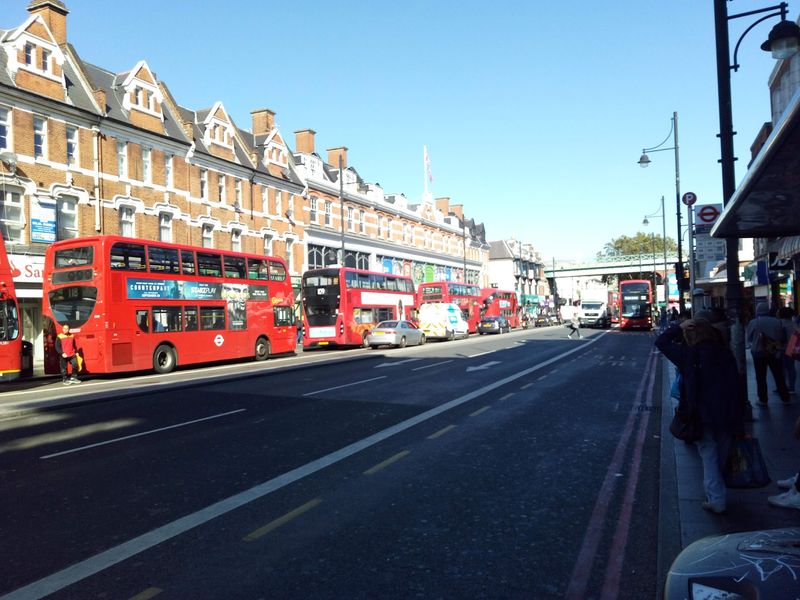
Reggae drifts from a shop doorway while the smell of jerk chicken floats down Electric Avenue. That is Brixton on an ordinary afternoon.
The area is known for its Afro-Caribbean heritage, which grew after the arrival of the Windrush generation in the late 1940s. Brixton also has African, European, and other international communities, so the street food and shops cover a wide range.
Brixton Market and Brixton Village hold many small restaurants, record stores, and fresh produce stalls. Murals honor local heroes, including musician David Bowie, who was born nearby.
The Brixton Academy and local clubs keep the music scene strong. Visitors can enjoy a lively place that is proud of its roots and open to newcomers.
9. Belleville, Paris, France
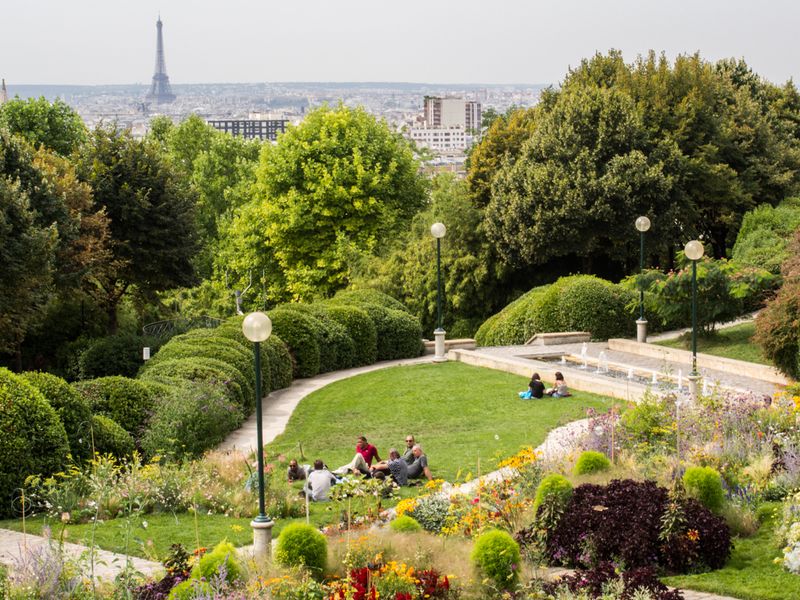
Climb the hill in Belleville and you are rewarded twice: first with a view over Paris, then with a great lunch. The district is a multicultural area with Chinese, North African, sub-Saharan African, and other immigrant influences.
Chinese restaurants and grocery stores cluster near the Belleville metro stop, one of the city’s lively Asian food areas. Nearby, bakeries sell North African pastries, and cafes host people from many backgrounds.
Belleville has long been a working-class neighborhood and a home for artists. Parc de Belleville offers one of the best free skyline views in Paris.
Street art covers many walls, adding color to the narrow lanes. It is a good place to see Paris as residents live it.
10. Fordsburg, Johannesburg, South Africa
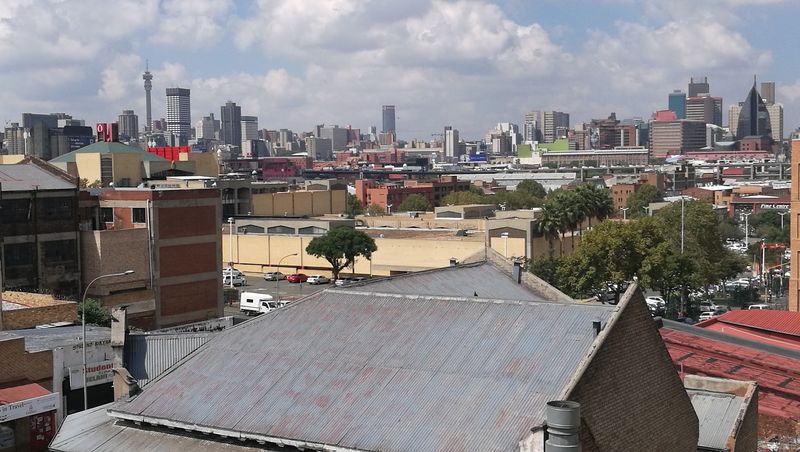
Fordsburg holds a story that goes back to the early days of Johannesburg. The neighborhood has deep Indian Muslim heritage, along with a mix of South Asian, African, and other cultural influences.
Indian traders settled here in the late nineteenth century. Under apartheid, many families were forced out of the area, yet the community’s identity endured.
Today, Mint Road and the nearby streets buzz with fabric shops, spice sellers, and restaurants.
The Fordsburg Mosque is a notable landmark, and the area is known for biryani, samosas, and sweet treats. Visitors will find friendly vendors and plenty of bargains.
A walk here offers insight into how South Asian traditions took root in Southern Africa.
11. Sandringham, Auckland, New Zealand
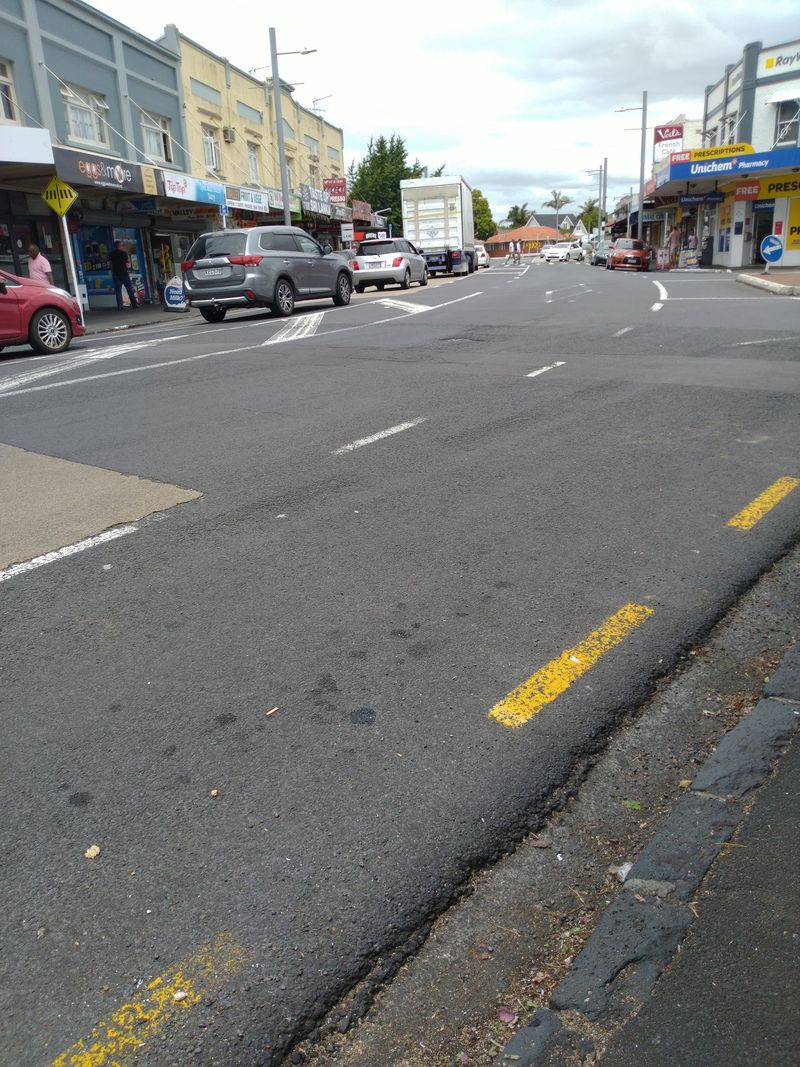
Sandringham Road is where many Aucklanders go when they want a proper curry. This multicultural suburb is especially known for its Indian and Sri Lankan restaurants, groceries, and community businesses.
Shelves in the grocery stores hold lentils, spices, and fresh curry leaves. Bakeries sell flaky pastries, and sweet shops offer colorful treats that are popular at festivals like Diwali.
Many of these businesses are family run, and some have served the same customers for years. Sandringham also has a relaxed, neighborly feel, with a short walk between shops and cafes.
Anyone curious about South Asian cooking can learn a lot by chatting with the owners and trying something new.
12. Kampong Glam, Singapore
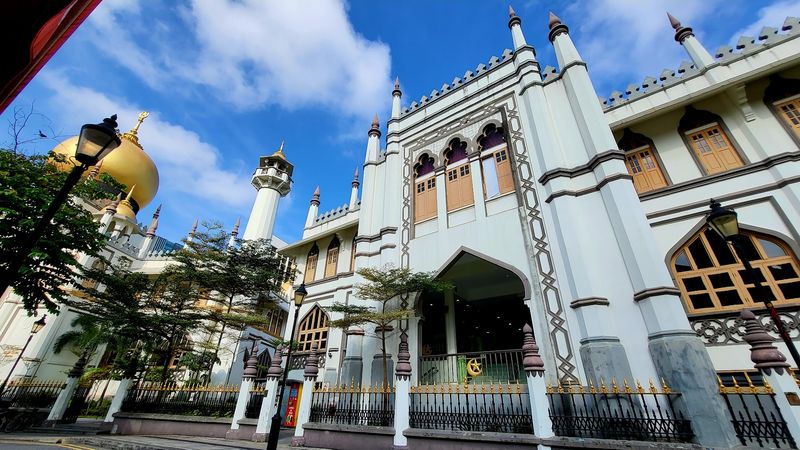
The golden dome of the Sultan Mosque rises above Kampong Glam like a lighthouse for the neighborhood. This historic district is associated with Malay, Arab, Javanese, and other communities.
Its story starts in the early nineteenth century, when the area was set aside for the Malay royal family and became a busy trading center. Merchants from across the region settled nearby, and the district grew into a hub for commerce and faith.
Today, Arab Street offers textiles, perfumes, and rugs, while Haji Lane is packed with small boutiques and bright murals. Restaurants serve Middle Eastern and Malay dishes.
Religious landmarks and heritage buildings help visitors picture how the area looked in past centuries.
Share this story