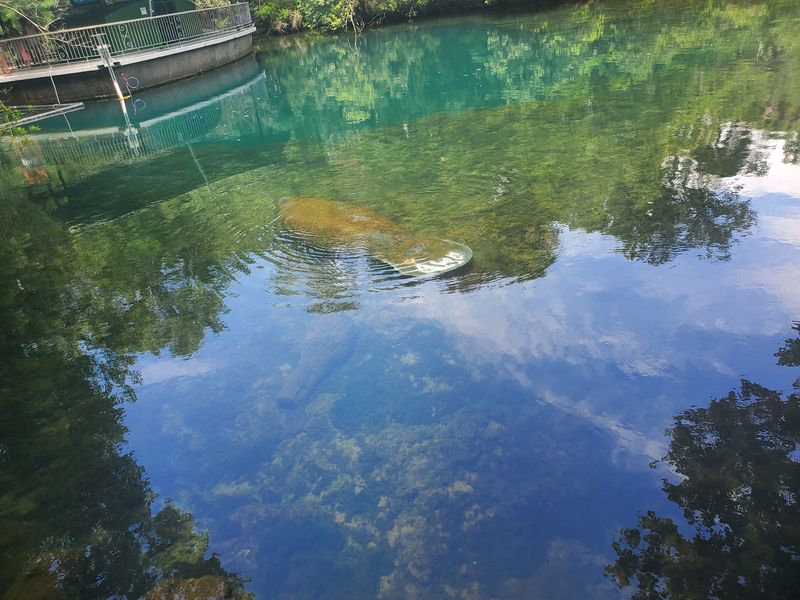
A manatee can drift right past your nose here, and you never even get your socks wet. The trick is a glass room set below the surface of a spring.
That alone would earn a road trip. Then you learn the same park shelters Florida panthers, black bears, wolves, whooping cranes, and a crowd of rescued birds.
Most of these animals came here because they could not survive on their own in the wild.
I like how unassuming it all feels at first. You park, hop on a little tram, and roll toward water glowing in shades of blue and green.
Shaded paths take over from there, and the animals do the rest.
I can’t imagine a better way to meet Florida’s wild side up close. So why do so many people still drive right past it?
A Spring-Fed Sanctuary on Florida’s Nature Coast
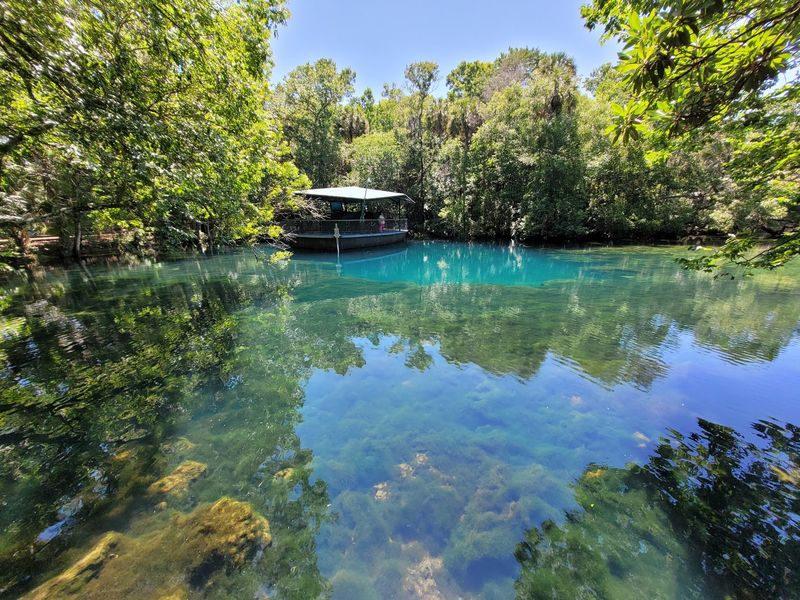
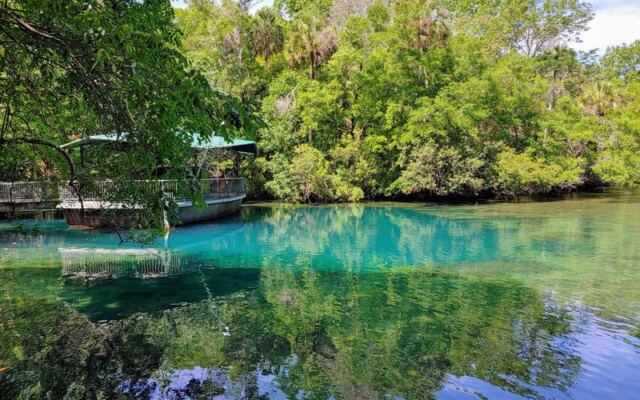
Ellie Schiller Homosassa Springs Wildlife State Park works as a showcase for native Florida wildlife. Its centerpiece is a natural spring where manatees gather in water you can actually see through.
Calling it a zoo would miss the point. The park operates as a wildlife preserve, and many residents are animals that were hurt or raised in captivity and can’t return to the wild.
So what does that mean for you? It means every enclosure comes with a story, and the signs along the path explain why each species matters.
You learn about the animal in front of you and the wider struggle its kind faces.
The setting does plenty of heavy lifting too. Tall trees shade much of the paved trail, and the spring water shifts between deep blue and soft green.
Manatees remain the headline act, and the park also helps shelter them during storms. Still, the supporting cast is surprisingly big for a state park.
Think of it as a living classroom with better scenery than any school you attended. Kids get the thrill, and adults quietly learn just as much.
The Tram Ride That Kicks Off Your Visit
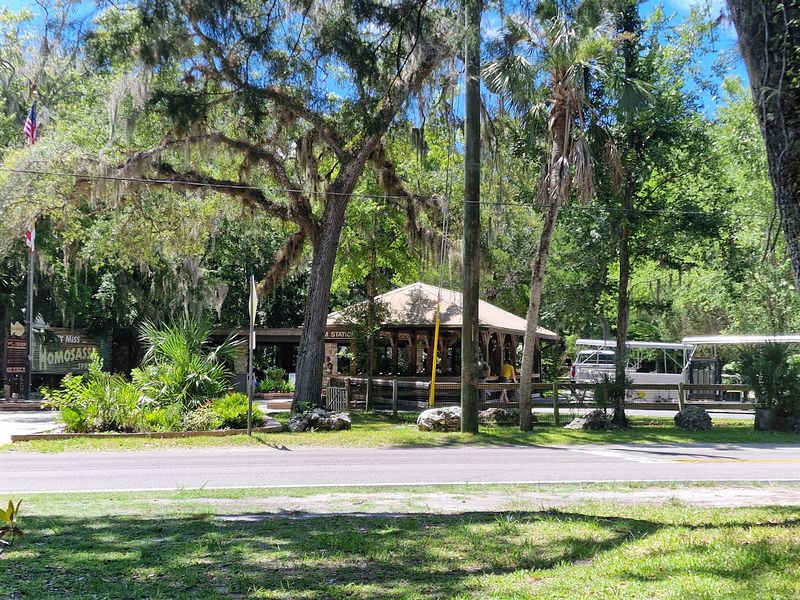
Your adventure starts with wheels, not walking. A tram, sometimes called a trolley, carries guests from the main parking area and gift shop into the park itself.
Don’t treat it as a boring shuttle. The ride is a fun little preview, rolling under trees before the springs come into view.
Timing matters more than you’d think. The tram runs on a schedule, so it pays to arrive early if you want to catch a manatee feeding.
That small detail can shape your whole day. Show up late, and you might reach the spring after the main event wraps up.
The return trip works the same way. When your legs are done, the tram brings you back toward the parking lot and the shop.
Here’s a handy tip for planning. Check the daily schedule of programs before you go, then work backward to pick your tram time.
A bit of planning turns a good visit into a great one. And honestly, starting a wildlife day on an open-air ride beats a long walk across a hot parking lot in Florida sunshine every time.
Eye to Eye With Manatees Inside the Fishbowl
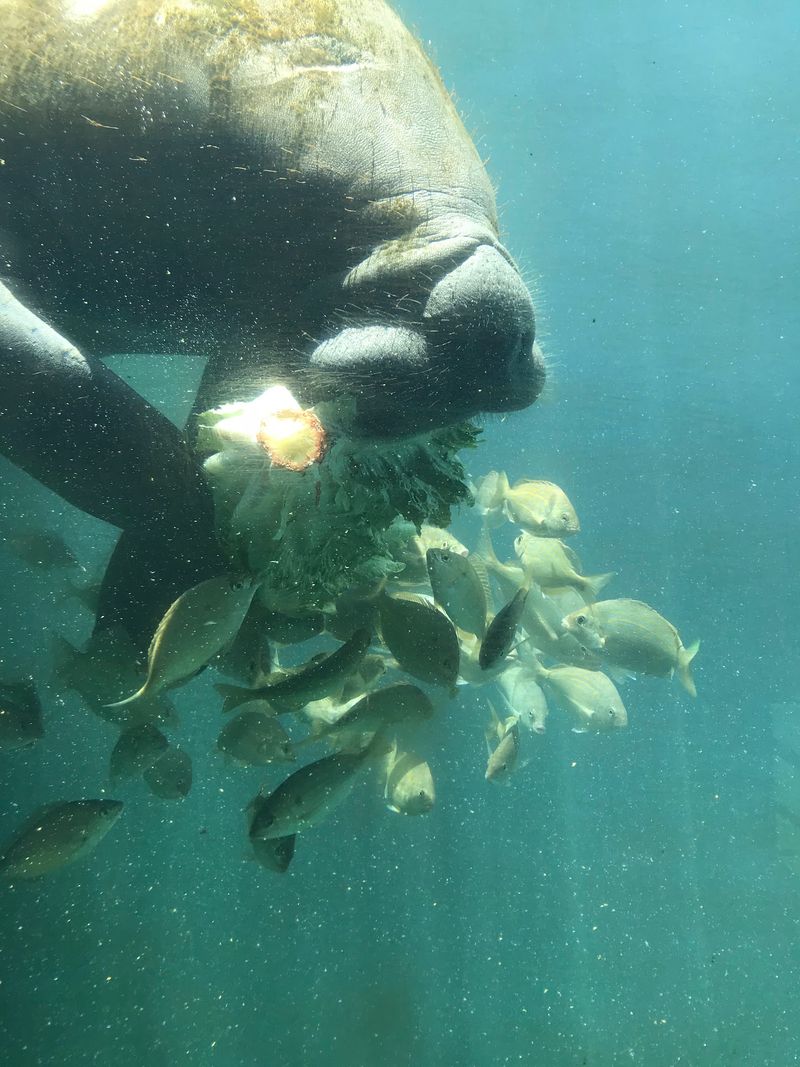
Few places let you stand underwater and stay perfectly dry. The underwater observatory, nicknamed the fishbowl, does exactly that at the spring.
You head down below the surface and look out through windows into the clear water. Manatees glide by, and schools of fish fill in the spaces between them.
Manatees look bulky from above, almost like floating boulders. Down here, you see how graceful they really are as they turn and drift.
The observatory offers another perk on steamy afternoons. It tends to feel cooler inside, which makes it a welcome break from the heat.
How many manatees will you spot? That varies, since the park helps rehabilitate them and wild ones come and go with the seasons.
Even on a quieter day, the fish put on a steady show. Different species flash past the glass, so there’s always something moving.
For many guests, the fishbowl ends up being the favorite stop of the whole visit. It’s easy to see why, since few experiences in Florida put you this close to a manatee without a wetsuit, a boat, or a single splash.
Feeding Time Is the Hottest Ticket in the Park
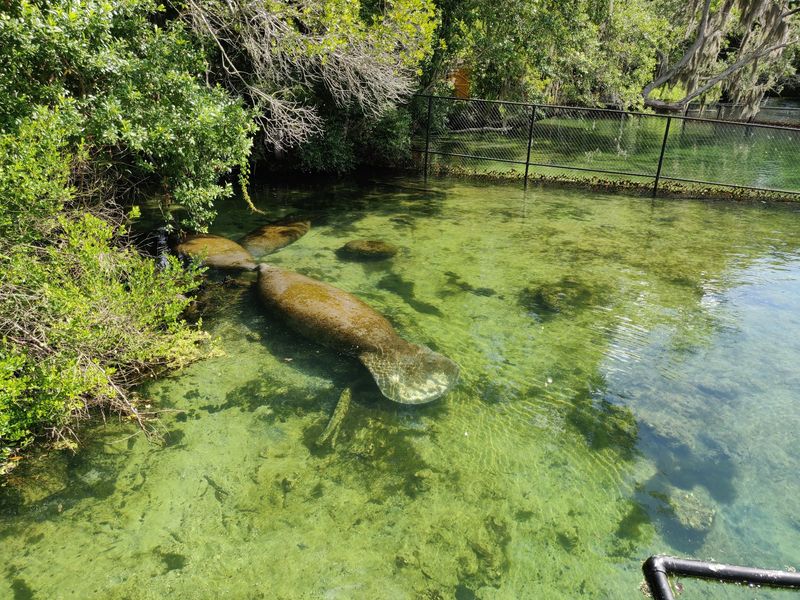
Lettuce has never been so exciting. During scheduled feedings, the resident manatees come in close, and the spring suddenly gets busy.
A guide usually leads a talk while the animals eat. You hear how manatees live, what threatens them, and how the park helps them recover.
The talks feel more like conversations than lectures. Guides answer questions, so curious kids and grown-ups both get their turn.
Want the best shot at seeing several manatees at once? Feeding time is your moment, because it draws the animals right to the viewing areas.
The park focuses on rehabilitating female manatees, which adds meaning to the scene. Each one munching away represents real recovery work happening behind the scenes.
Missing a feeding won’t ruin your day. You’ll still likely see manatees, just perhaps fewer of them and from a bit farther away.
The lesson is simple. Check the program times, catch the tram early, and claim a spot near the water before things begin.
Knowledgeable staff also roam the paths between programs. They’re happy to share facts long after the lettuce runs out.
Panthers, Bears, and Wolves Along the Loop
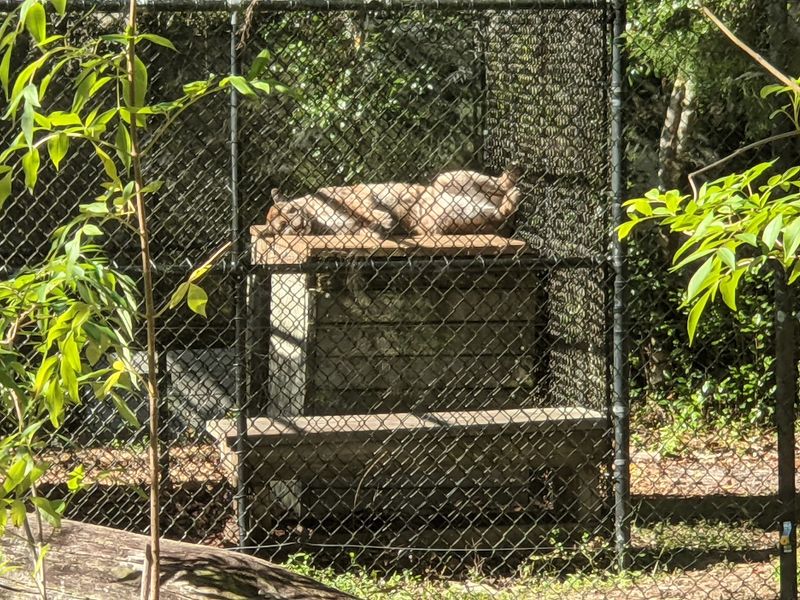
Florida panthers rarely show themselves in the wild. At this park, two of them live in habitats where you can watch them through the glass.
Seeing one stroll toward the window is a jaw-dropping moment. It’s a rare chance to study an animal most Floridians never glimpse.
Black bears add more muscle to the lineup. You’ll also find a few wolves, which surprises plenty of first-time guests.
Why are these animals here? Many were injured, often by cars, or were born in captivity and can’t safely live on their own.
The signs explain each animal’s background in clear, simple language. You read about the species, then the specific individual in front of you.
Alligators cruise the water along the route too. Snakes and turtles round out the reptile side of the roster.
The paved loop trail ties everything together. It winds past each habitat at an easy pace, with benches for breaks along the way.
Animals act like themselves here, not like performers. Sometimes that means napping, and sometimes it means a surprise up-close stare that you’ll be talking about the whole drive home.
Feathered Residents Who Steal the Spotlight
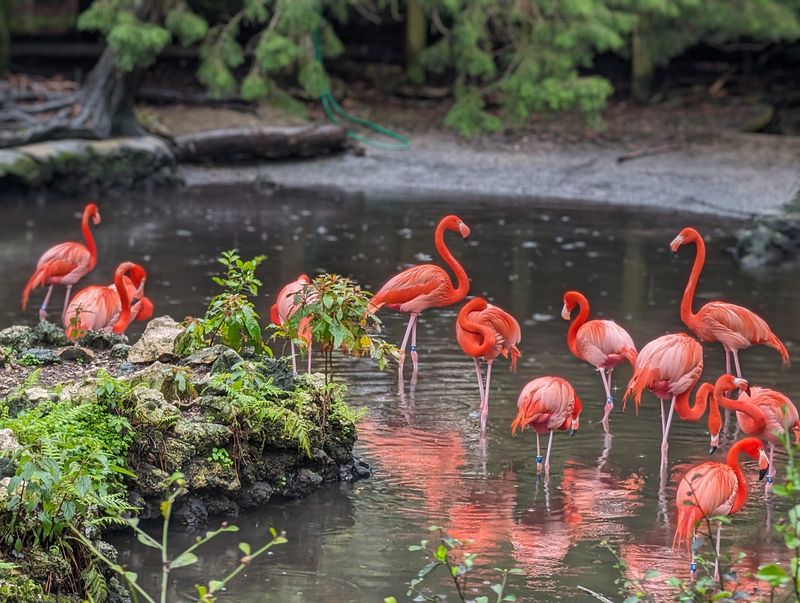
Bird lovers, brace yourselves. The feathered roster here might rival the manatees for sheer variety.
Whooping cranes stand among the most striking residents. These tall, white birds are rare, so seeing one this close is a real treat.
Bald eagles and owls also call the park home. Many are rescued birds that can’t return to the wild after injuries.
Owls hooting from their perches add a fun soundtrack to the walk. Meanwhile, pelicans often steal attention with their oversized bills and busy nesting.
Flamingos bring a pop of pink to the scenery. Their bright color looks almost unreal against all that green.
Wading birds, waterfowl, and plenty of others fill out the lineup. You could spend a full hour on birds alone without getting bored.
Bring binoculars if you have them, though most residents sit close enough to enjoy without help. A camera with a decent zoom never hurts either.
The best part may be the stories behind them. Each bird represents someone’s effort to give a hurt animal a safe second home in Florida.
Recovery Mode After Recent Hurricanes
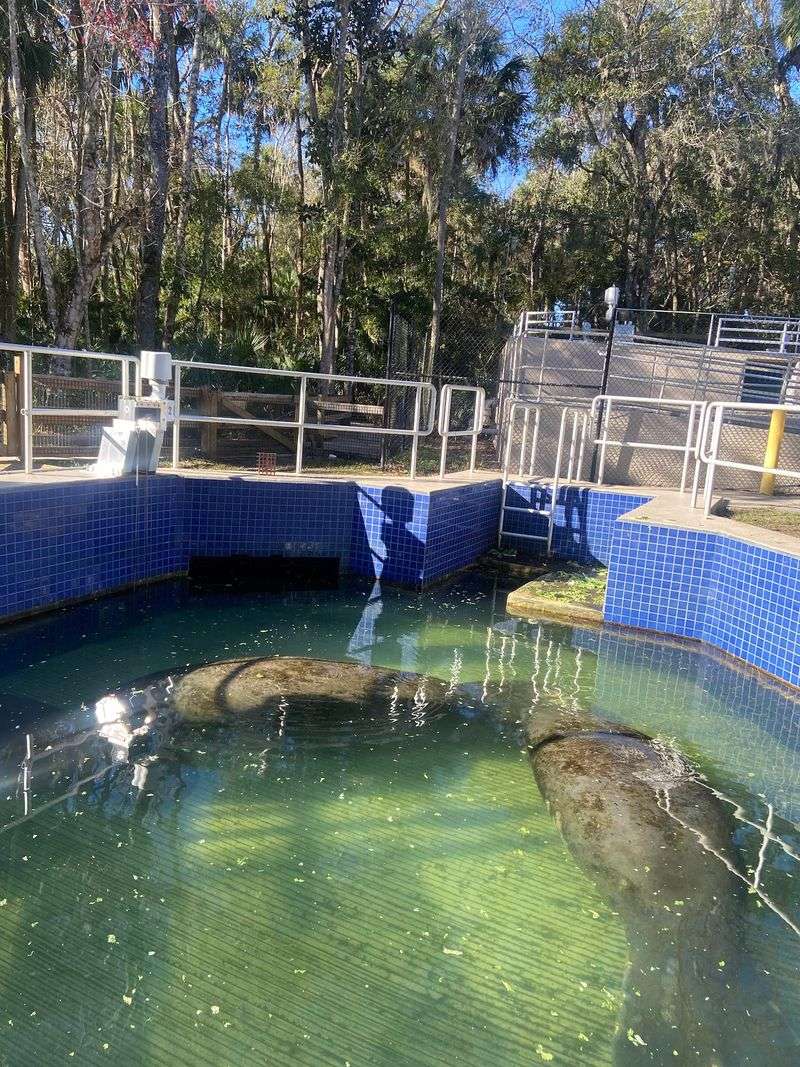
Mother Nature has tested this park lately. Hurricane flooding damaged parts of the grounds, and recovery work has been ongoing.
Some of the larger buildings have stayed closed during repairs. You may notice construction in certain areas as crews keep restoring things.
The boat ride is currently paused because of hurricane damage. That’s a bummer, since it has long been a popular way to arrive.
Good news, though. The main attractions remain open, and the animals and scenery still steal the show.
The famous hippo that lived here for many years is no longer in residence. Longtime fans still remember that beloved resident fondly.
Should these changes keep you away? Not at all, since the work hasn’t blocked access to the manatees, the observatory, or the loop trail.
Checking the park’s latest updates before your trip is smart. That way, you’ll know whether the boat is back and which buildings have reopened.
Your entrance fee also supports the rebuilding. Donation boxes around the park let you chip in extra, so bring a little cash if you’d like to help.
Shady Paths Made for Every Kind of Explorer
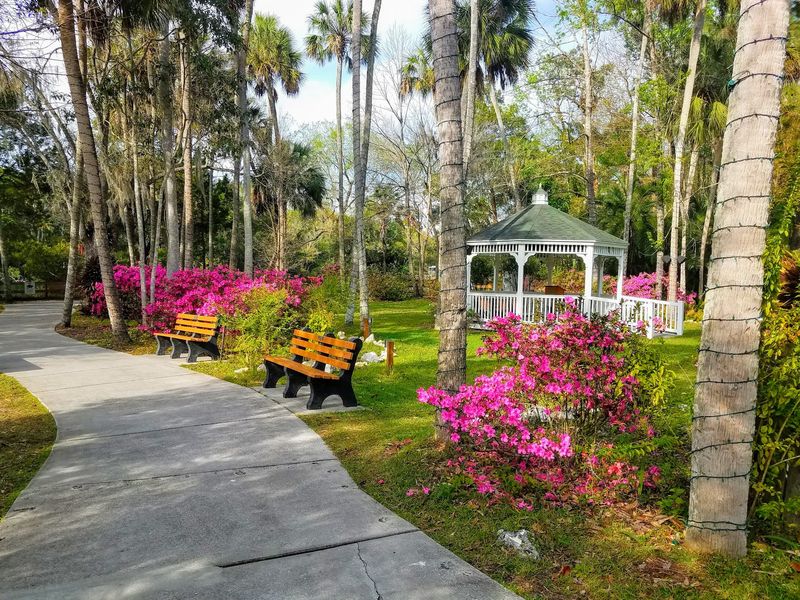
Shade is precious in Florida, and this park delivers plenty of it. Tree cover stretches over much of the walking path.
The paved trail is wheelchair friendly in most areas. Strollers roll easily too, and the distance stays manageable for kids and older walkers.
Benches pop up regularly along the route. You can rest, watch the animals, and move on whenever you feel ready.
Little ones have room to stretch their legs. A junior ranger program also gives kids activities to complete, with goodies as a reward.
How long should you plan? A full loop often takes around two to three hours, depending on how many programs you catch.
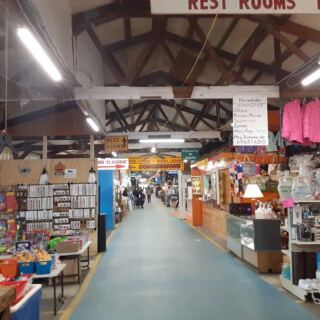
Restrooms are available, along with some portable toilets. A snack truck helps when energy dips halfway through the morning.
Bug spray is a wise packing choice. Florida’s insects love shady trails just as much as you will.
Solo visitors find it peaceful, while families find it easy. Grandparents and grandkids can enjoy the same day without anyone feeling rushed or worn out, which honestly sounds like a small miracle.
Hours, Fees, and Getting There
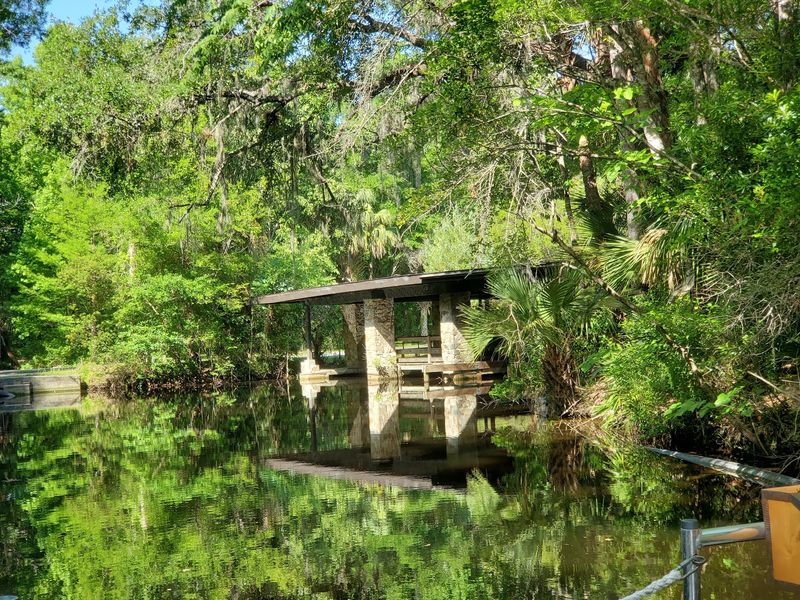
Planning is easy because the schedule stays steady. The park opens daily from 9 a.m. to 5:30 p.m., every day of the week.
You’ll find Ellie Schiller Homosassa Springs Wildlife State Park at 4150 S Suncoast Blvd, Homosassa, FL 34446. It sits right along a major road, so it’s simple to reach.
Entry comes with a small fee. Most guests consider it a strong value for a half day of wildlife viewing.
Frequent park hoppers should look into the Florida state park pass. It can stretch your budget across many outings around the state.
Arriving early brings real benefits. Animals are often more active in the morning, and you’ll have an easier time catching feedings.
Start at the main parking area and visitor side. From there, the tram carries you into the heart of the park.
Leave time for the gift shop on your way out. It’s stocked with fun souvenirs and wildlife-themed treasures.
Comfortable shoes, water, sunscreen, and bug spray cover the basics. Add a camera, and you’re ready for a memorable Nature Coast day.
A Wildlife Day Worth Every Mile
Some trips entertain, and some teach. This one manages both without feeling like homework.
Ellie Schiller Homosassa Springs Wildlife State Park blends spring scenery with real conservation work. Every animal you meet has a reason for being here.
The underwater observatory alone justifies the drive. Add panthers, bears, wolves, cranes, and flamingos, and the value climbs fast.
Is it perfect right now? Hurricane repairs continue, and the boat ride is on pause, but the core experience still shines.
The park suits families, solo nature fans, and grandparents with grandkids in tow. Shaded, accessible paths make it friendly for nearly everyone.
Budget-minded Floridians will appreciate the modest entry fee. Pair it with a state park pass, and the deal gets even sweeter.
Your visit also helps the animals directly. Admission and donations support care, rehabilitation, and ongoing recovery from storm damage.
So go early, catch a feeding, and linger at the glass. Few places in Florida let a manatee look you in the eye, and that moment tends to stick with you long after you leave.
Share this story