A railroad line built to haul supplies for a famous dam now carries passengers across the desert, and you can pedal part of it yourself on an electric-assist rail bike. Add a Santa train, a mail car you can walk through, and a brand new indoor building, and this stop becomes more than a quick photo break.
Many travelers drive right past it on the way to a giant concrete landmark. Here is why that detour deserves a spot on your list.
The Rail Line With a Big Job
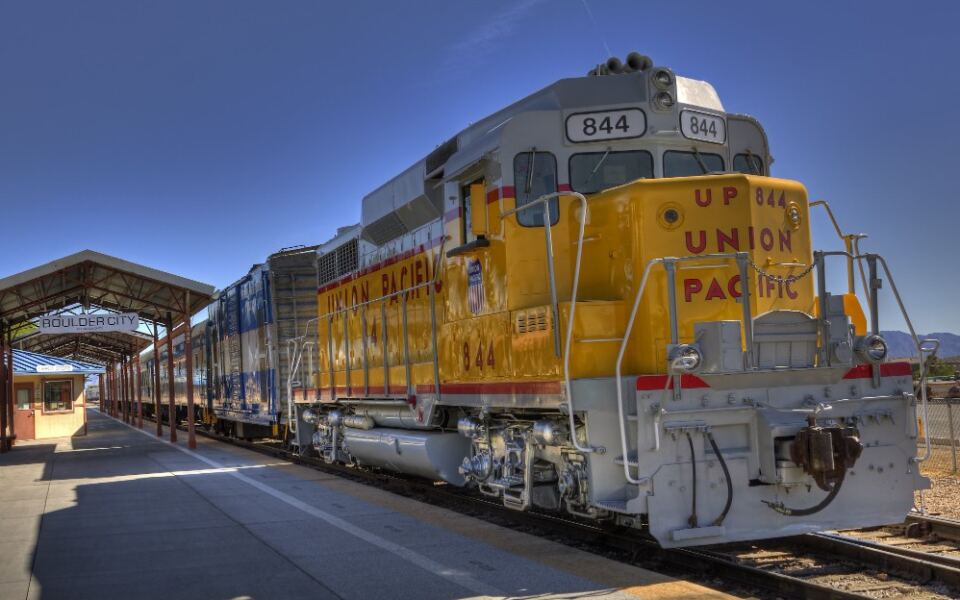
Long before tourists arrived, this rail line had serious work to do. The Boulder City branch was tied to the construction of Hoover Dam, and it moved the materials that made that huge project possible.
Today the same corridor carries visitors instead of cargo. The tracks run through open desert, and the ride gives you a slow look at land that once buzzed with heavy equipment and crews.
I liked starting here because it gives every other stop context. When you know the line had a real purpose, the old cars and engines feel less like props and more like working tools.
Ask a volunteer about the route if you see one nearby, since many of them enjoy sharing stories.
Next up, I will show you where all of this actually lives, so you can plan your drive.
Finding the Museum and Planning Your Day
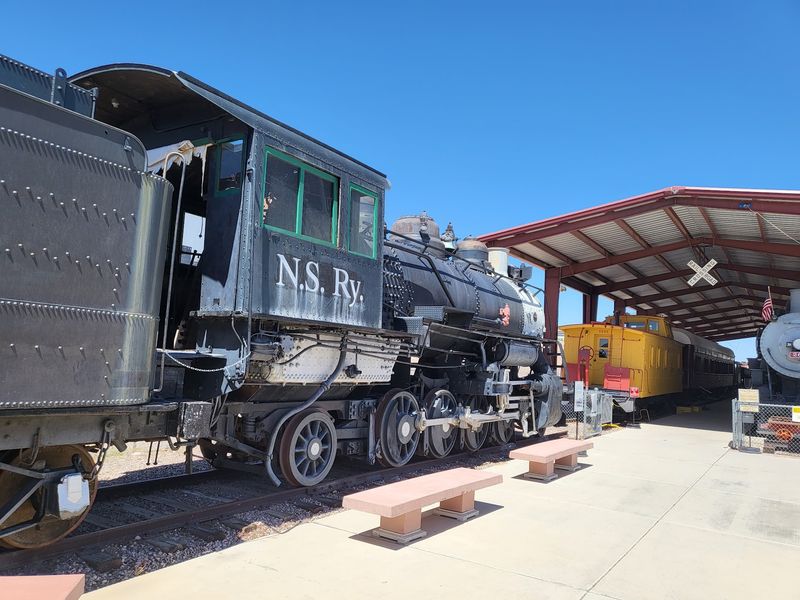
The Nevada State Railroad Museum Boulder City sits at 1000 Boulder City Pkwy, Boulder City, Nevada, United States. It is an easy stop if you are heading toward Hoover Dam.
Plan around the schedule. The museum is open Thursday through Monday from 9 AM to 4 PM and closed on Tuesday and Wednesday, so check the website before you leave.
Parking is spread across several lots. There is a small lot off Yucca Street on the west side, an overflow lot next to it, and more spaces along Six Companies Drive, which runs through the museum grounds.
Tickets for train rides can sell out, so booking ahead is smart. I would also bring water and a hat, because much of the campus is outdoors and the desert sun does not take days off.
The New Visitor Center
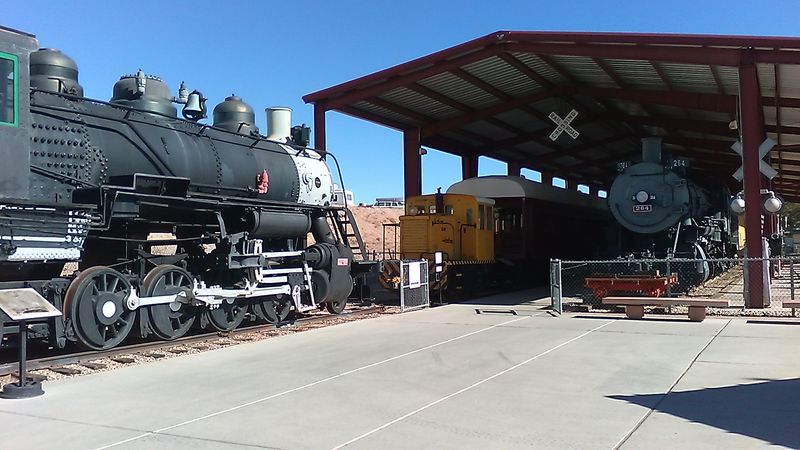
Here is the headline feature. A new visitor center on the west campus brings indoor space to a museum that has mostly been an outdoor experience.
That matters in Southern Nevada, where summer heat can make a long walk feel like a chore. Indoor galleries give you a cool place to slow down and take in more exhibits.
The museum has said the building would add parking too, with another 45 spots planned at the west campus. That should ease some of the squeezes visitors have run into on busy days.
I always like when a museum grows without losing its original character. The tracks, trains, and shady picnic spots remain, and now there is a roof overhead for the stories.
Keep reading, because the rides are what really set this place apart.
Riding the Heritage Train
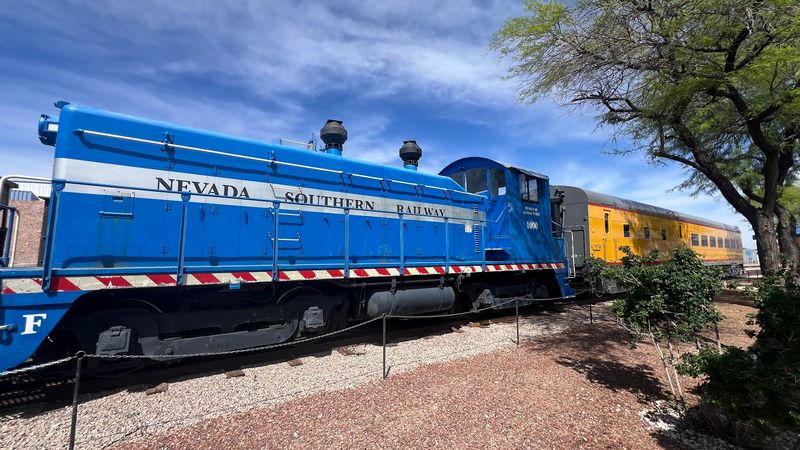
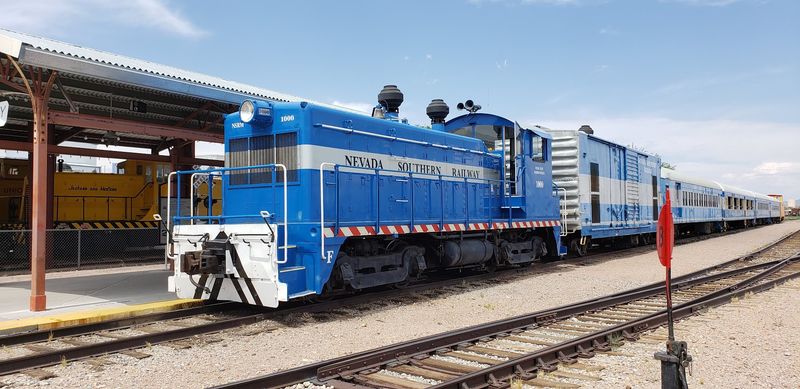
A seat on the excursion train is the easiest way to get a feel for the place. The ride runs on the historic branch line and lasts roughly 40 to 45 minutes round trip.
The cars roll along at an easy pace, so there is time to look out at the desert and the distant valley. It is calm, smooth, and simple, which makes it a good fit for younger kids and grandparents alike.
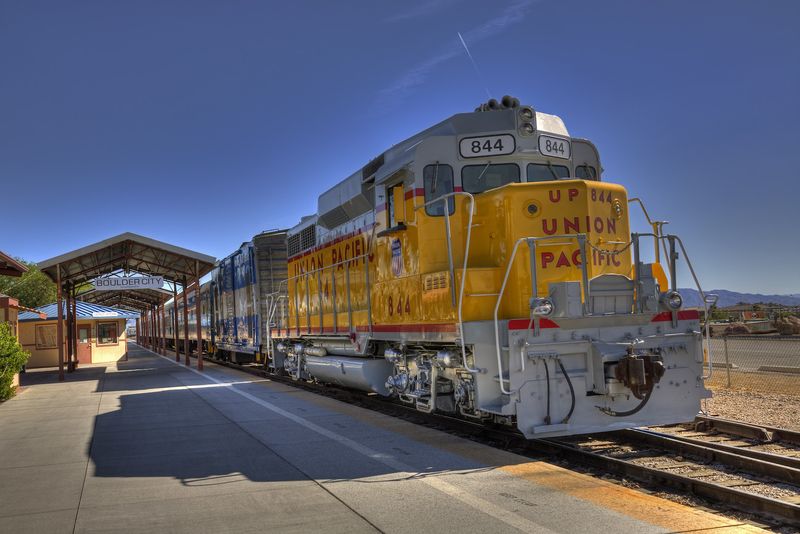
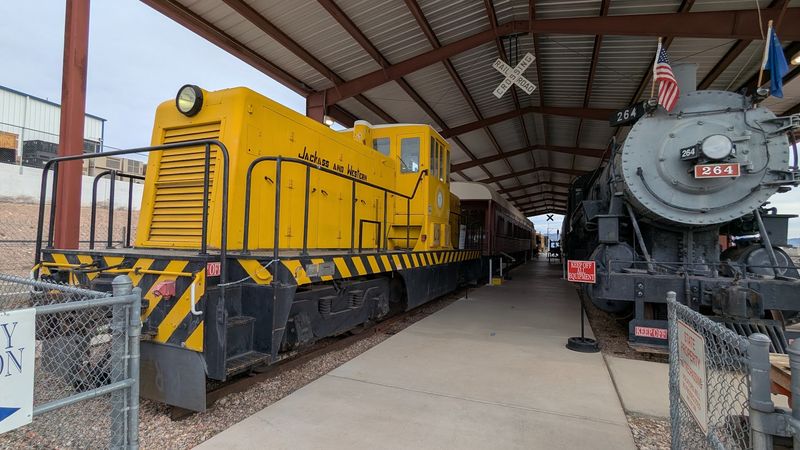
The museum operates preserved locomotives, and which one pulls your train can depend on the day. Ask when you buy tickets if you have a favorite type of engine.
Bring a camera, because the open air car is a popular photo spot. Book ahead for busy weekends, since seats can disappear quickly.
Pedaling the Rails
Most train museums let you watch. This one lets you pedal.
The rail bike tour puts up to four people on a quad cycle that rolls along the same tracks.
Electric assist helps with the work, so you do not need to be an athlete to finish the trip. Riders cover several miles with a turnaround point partway through, which gives you a nice break to stretch and look around.
Reservations are needed, and the ride is priced per vehicle rather than per person, so splitting it with friends or family keeps it friendly on the wallet. Check current prices on the website before booking.
Wear sunscreen and sturdy shoes. The scenery is wide and open, and the quiet is almost as memorable as the ride.
Walking Through a Railway Post Office Car
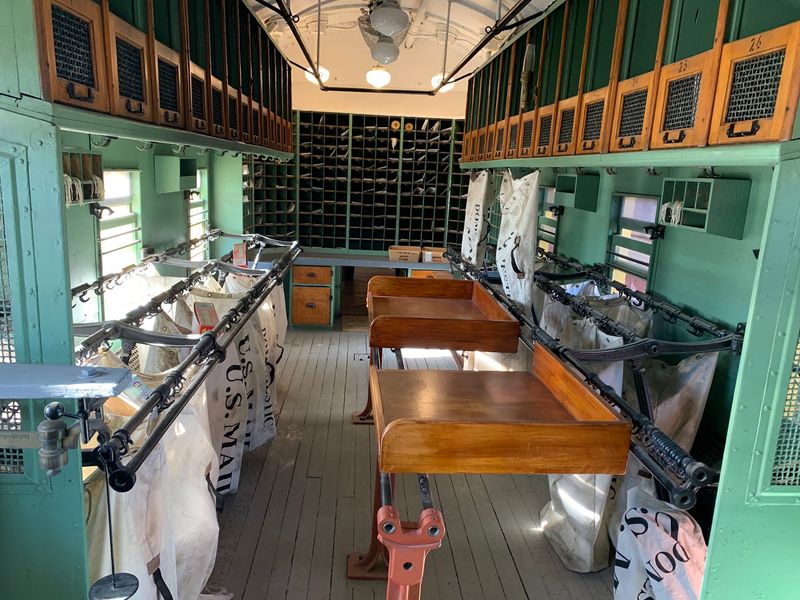
Mail used to be sorted while the train was moving. That surprising detail is the thing I remember most from the railway post office car.
Inside, you can see how workers handled letters and packages in tight quarters. The shelves, slots, and compact layout show how much effort it took to move mail across the country.
The museum has noted that the caboose and the post office car are the two cars currently open to the public. That is worth knowing before you go, so you do not expect to climb aboard every piece of equipment.
Still, walking around the outside of the other cars is easy and free of crowds. The details on the older cars are fun to study up close, from the lettering to the rivets.
Model Trains and the Maintenance Shop
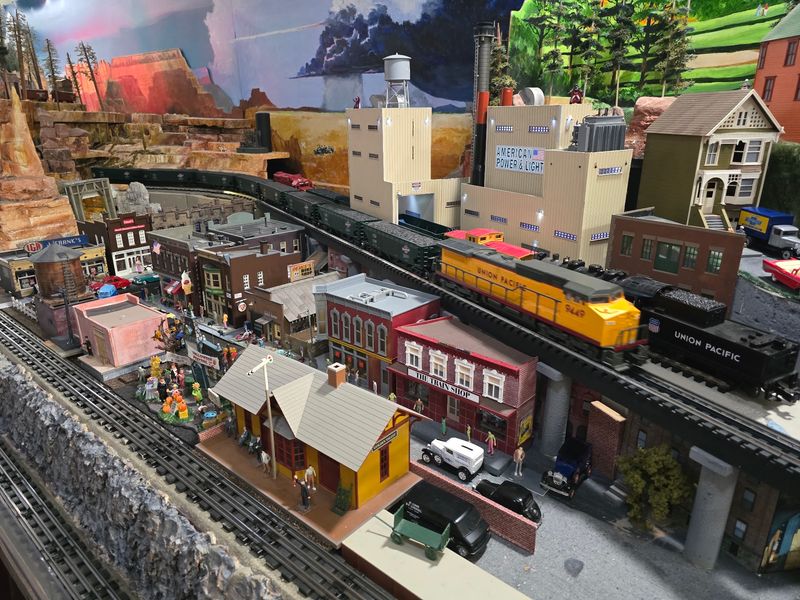
Small details are easy to miss outdoors, so slip into the model train room. Tiny engines wind through miniature scenery, and kids tend to crowd around the glass to follow them.
The room is modest in size, so give it a few minutes rather than an hour. It works well as a short, shady break between rides.
You can also take a look at the maintenance shop area. Seeing where equipment is cared for adds a behind-the-scenes layer that many rail fans enjoy.
The museum is small compared with some larger railroad museums, and that is part of its charm. You can see the main attractions in a couple of hours, which is ideal if little ones run out of steam before the afternoon heat sets in.
The Santa Train and Holiday Rides
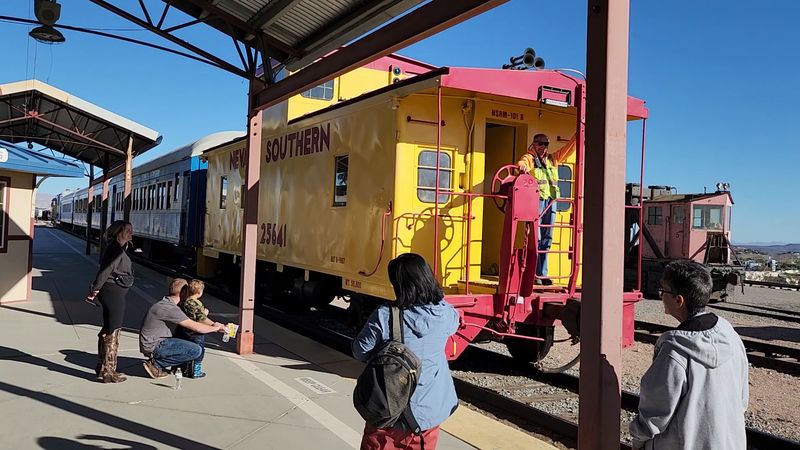
Holiday trains here are a family tradition for many Southern Nevada households. Santa and his elves ride along, and children get time to say hello during the trip.
The rides climb toward a lookout with a broad view over the Las Vegas Valley. It is a sweet, short outing that lasts around 45 minutes.
The timing matters. Tickets for holiday trains go on sale November 1 each year and generally sell out within a week, so mark your calendar.
The museum also runs seasonal events like a Halloween Express, which wraps up with treats for kids. If your schedule allows, checking the event calendar before you travel can turn a regular visit into something extra festive.
A Museum Run by Volunteers
Behind every ride is a team effort. The museum has said that five full-time staff members are supported by volunteers, and that mix keeps the place running.
This is a state museum, so funding is approved by the Nevada Legislature and a state board sets the rates. That helps explain why admission stays low, at a modest per-person fee that has been listed at a few dollars, with children under 18 free.
Donations are tax deductible and help support programs. If you enjoy your visit, a little extra in the donation box goes a long way.
Special days, like the Salute to Service, show how much community spirit flows through the grounds. Check the schedule so you can catch one if timing works.
Picnic Spots, Shop, and Comfort Tips
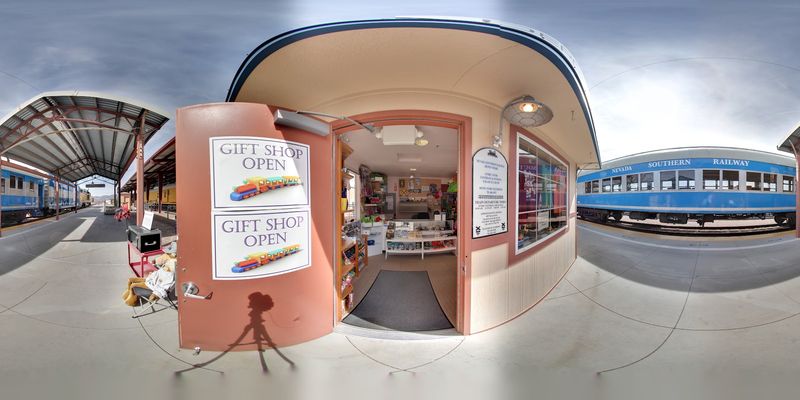
Comfort planning makes the day smoother. The grounds include picnic tables, so you can pack lunch and eat near the tracks.
Restrooms are on site, and the gift shop carries Nevada-themed items. Hours for the shop have been limited to weekends, so check ahead if you want a souvenir.
Because so much of the museum is outdoors, timing helps. Morning visits tend to be cooler, and the new indoor space should offer relief when the afternoon heats up.
Discounts for military guests have also been available, so ask when you arrive. A refillable water bottle, sunglasses, and comfortable shoes are the simple items I would not leave the car without.
Pairing the Visit With Hoover Dam
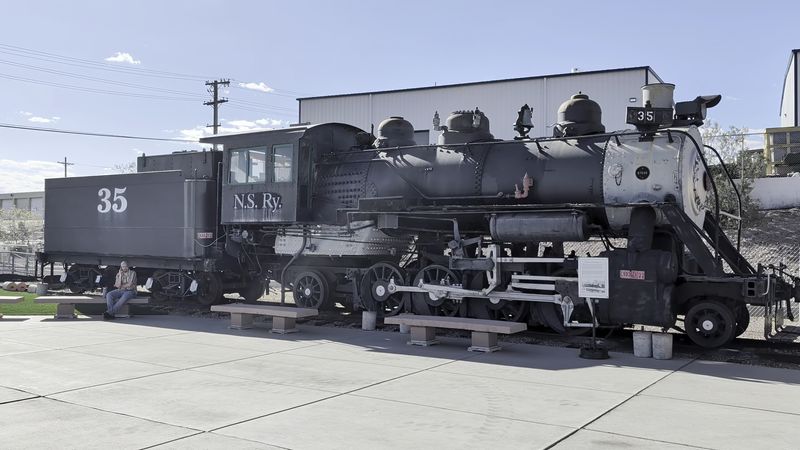
Many travelers stop here on the way to Hoover Dam, and the pairing makes sense. The railroad story and the dam story are closely linked.
Start with a morning train ride, then head to the dam in the afternoon. You will arrive with a better understanding of how supplies once traveled to the construction site.
Boulder City itself is easy to explore after the museum. Its walkable downtown has small shops and cafes that make a relaxed stop before heading back toward the Las Vegas area.
If this trip sparks a taste for rail history, look for other heritage railways and railroad museums across the Southwest. Each one has its own stories, and this museum is a fine place to begin.
Share this story