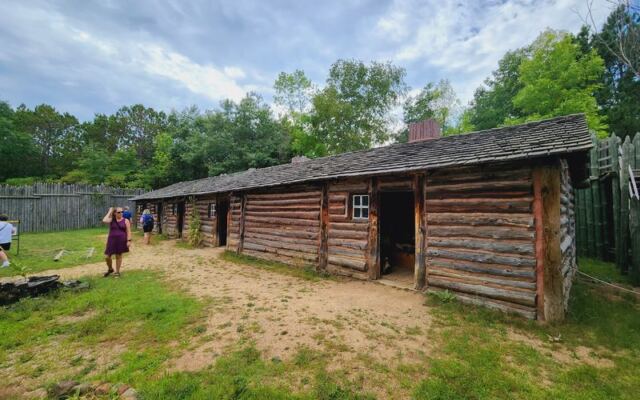
A whole winter of 1804 and 1805 sits rebuilt beside a quiet Minnesota river, log walls and all. Traders stocked it with goods meant for swapping, and beaver pelts were the prize.
Why beaver? Felt hats made from that fur were wildly fashionable in Europe for a while.
I love that a fashion craze shaped this little corner of the north woods. The post was rebuilt using old records, so it isn’t a guess dressed up in timber.
Guides in period clothing have long walked families through it.
The brown highway sign is easy to miss along the interstate. Plenty of drivers zip past without a second thought.
I can’t imagine a better excuse to pull off, though, especially with kids in the back seat.
So what was daily life like inside those walls? And what’s happening at the site today?
A Fur Trade Outpost Rebuilt Beside the Snake River
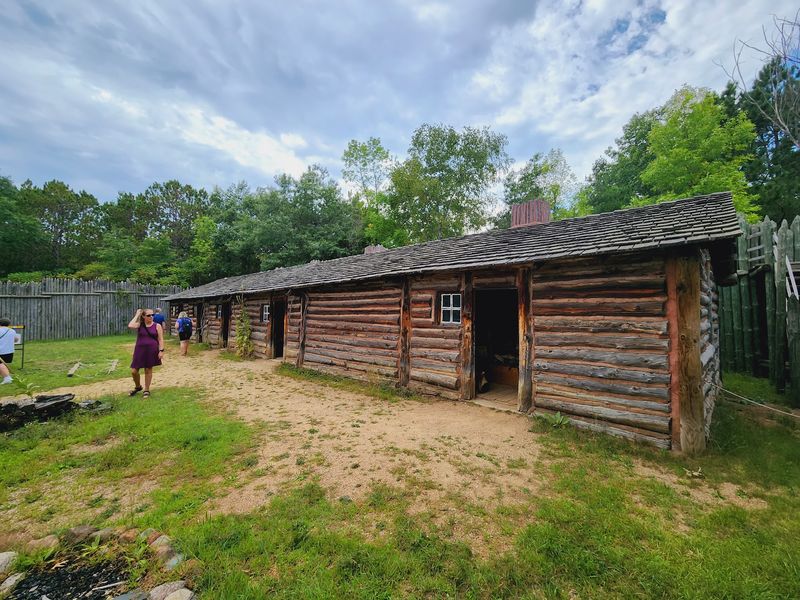
Just off Interstate 35 in east central Minnesota, the Snake River Fur Post recreates a trading post from the winter of 1804 and 1805. It’s run by the Minnesota Historical Society, which manages historic sites all across the state.
The setup is simple and smart. A visitor center holds exhibits and artifacts, while the reconstructed post stands a short walk away near the water.
That walk matters more than it sounds. You leave the modern building behind and arrive somewhere that feels pulled out of an old journal.
The post itself was remade using original documents, so the layout and details lean on real records. Inside the palisade, you’ll find the kinds of buildings and goods traders relied on during a long northern winter.
The site is classified as a history museum, but it plays more like a time capsule with trails. Guided tours have typically been included with admission, and self-guided wandering has often been an option too.
Minnesota has plenty of big museums in the Twin Cities. Few let you stand inside the actual story the way this riverside spot does.
Where the Visitor Center Sits on the Map
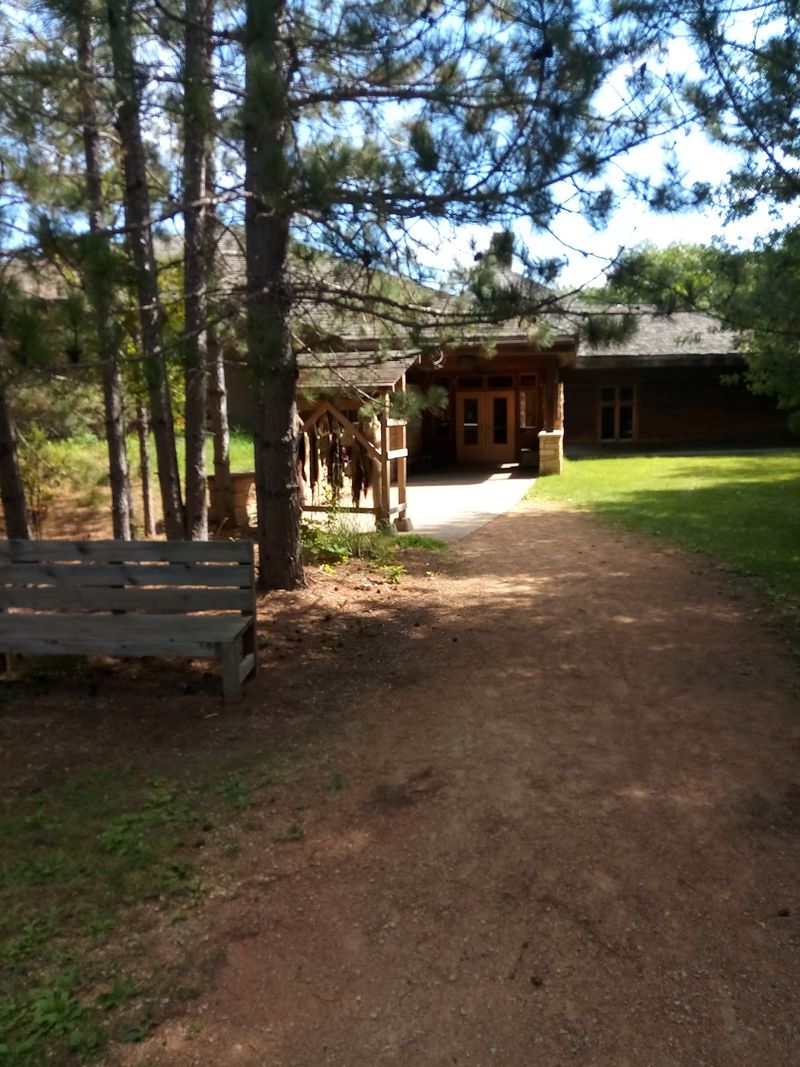
Finding the place is easier than most road-trip detours. The address is 12551 Voyageur Ln, Pine City, MN 55063, and the street name alone tells you what era you’re headed toward.
Pine City sits roughly between the Twin Cities and Duluth. That puts the fur post within a reasonable drive from either direction, which makes it a natural break on a north-south trip.
Many travelers know the brown interstate sign far better than the site itself. It’s one of those places you pass for years before finally taking the exit.
Once you leave the highway, the landscape quiets down fast. Trees, meadow, and river take over, giving the grounds a calm, tucked-away mood.
The location also explains the history. Rivers were the highways of the fur trade, and the Snake River offered a route for moving goods and furs through the region.
So the setting isn’t random scenery. It’s the reason the traders showed up here in the first place, and it still shapes how the site feels today.
One Winter That Left a Lasting Mark
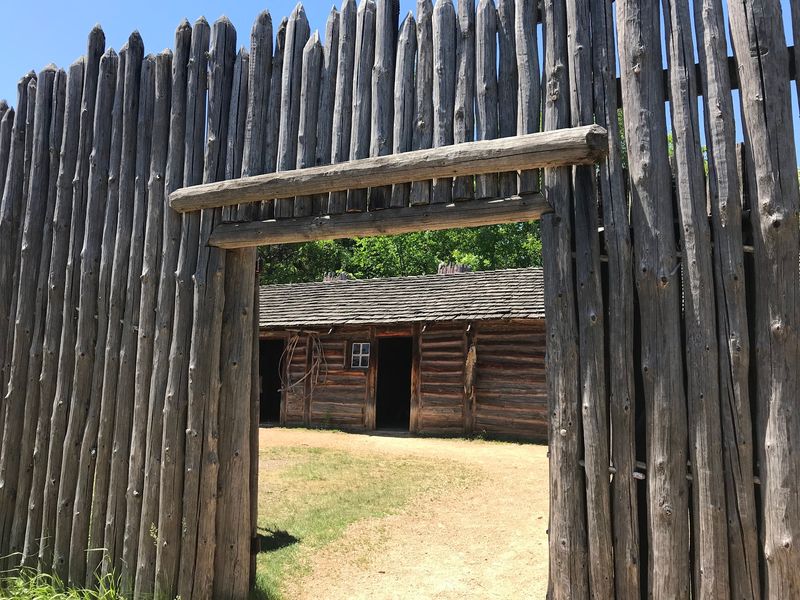
Most historic sites cover decades. The Snake River Fur Post zooms in on a single season, the winter of 1804 to 1805.
That tight focus is what makes it so vivid. Instead of a blur of dates, you get one group of traders, one set of supplies, and one cold stretch of months to understand.
The post belonged to the North West Company, a major fur trading business of the era. Clerk John Sayer oversaw the operation here, according to the historical society.
Traders didn’t build in the woods for fun. They came to exchange European goods for furs gathered by the region’s Ojibwe people, who knew the land far better than any newcomer.
Here’s a fun twist for kids. Archaeologists later located remains of the post, which helped guide the reconstruction you can explore now.
Knowing that the walls rest on real evidence changes how the place feels. You’re not looking at a theme park version of history but a careful rebuild of something that truly stood along this river.
Blame It on a Hat
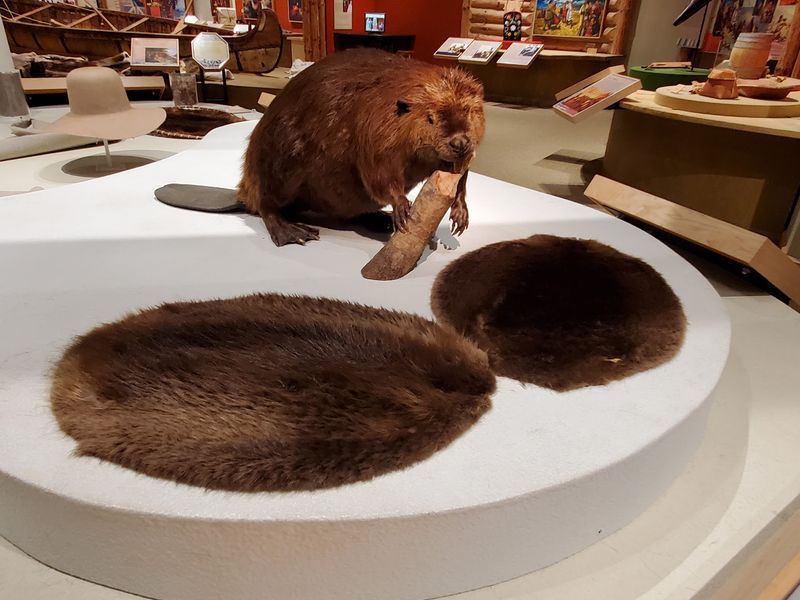
A single fashion trend helped launch this entire outpost. Beaver felt hats were hugely popular in Europe for a time, and demand for pelts pushed traders deep into northern lands.
That detail tends to stick with people. It’s a reminder that fashion has always been a little fickle, even two centuries ago.
Beaver fur worked well for felting, which made it perfect for sturdy, stylish hats. When the hats were in demand, beaver pelts became valuable trade goods across the continent.
Minnesota’s rivers and lakes made the region a prime source. So traders set up posts like this one, ready to swap goods through the long winter months.
Of course, trends fade. When hat styles shifted, the fur business changed with them, a lesson that feels oddly modern.
Guides at the site have often shared this story during tours. It’s a clever entry point for kids who might not care about trade routes but definitely understand wanting the cool thing everyone else has.
Who knew a hat could explain so much history?
Guides Dressed for 1804
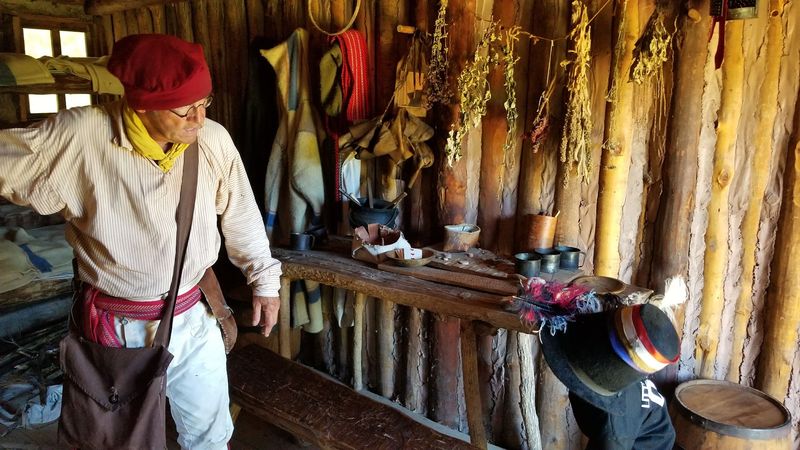
Period clothing changes everything about a tour. At the Snake River Fur Post, guides have dressed in traditional garb while explaining what life inside the post looked like.
That costume does real work. It helps visitors, especially younger ones, connect the stories to actual people rather than names on a sign.
The guides have earned a strong reputation for knowing their stuff. They’ve covered the era, the region, and the daily routines that kept a trading post running through winter.
Some tours have run long, sometimes around a couple of hours. That’s a lot of time, but the pace usually leaves room for questions and conversation.
A nice touch has been how guides sometimes pause and let kids guess answers first. It turns a lecture into a game, which keeps attention far better than reading placards.
Guided tours have typically come free with admission. Small groups occasionally ended up with a guide all to themselves.
Minnesota pride moment here. Big-city museums would charge extra for that kind of personal attention.
Inside the Palisade Walls
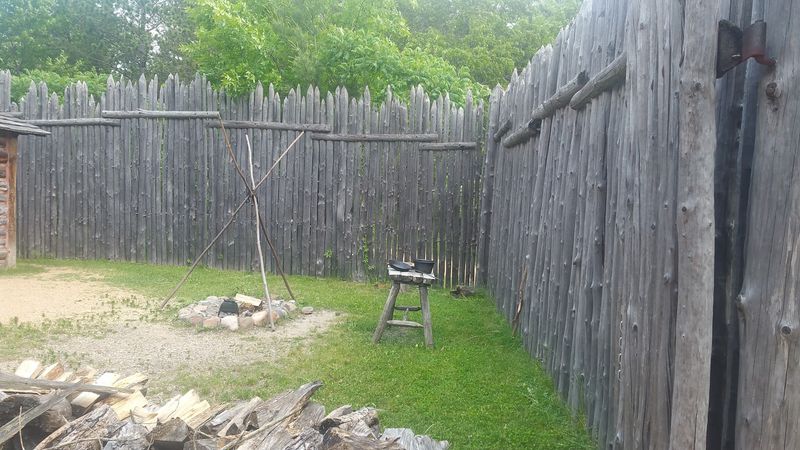
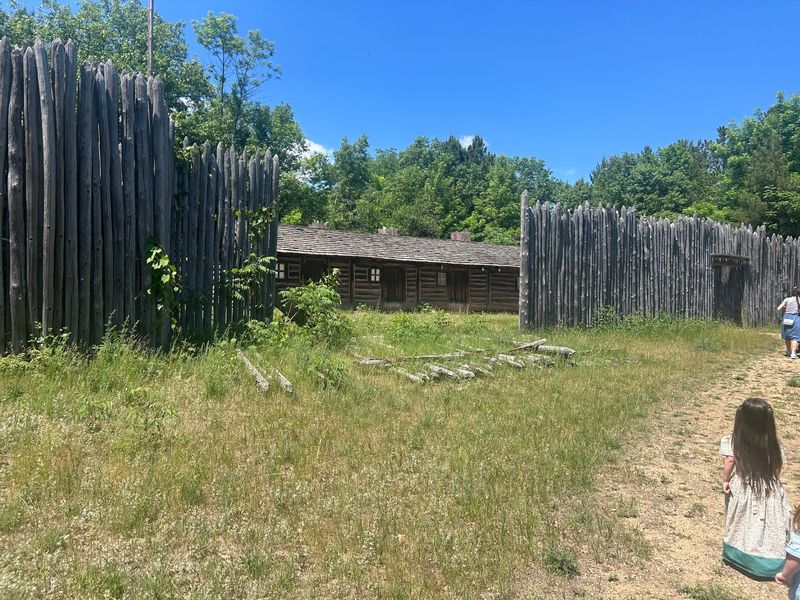
Tall log walls ring the reconstructed post, and stepping through the gate feels like crossing a border in time. The palisade protected supplies and gave the traders a defined home base.
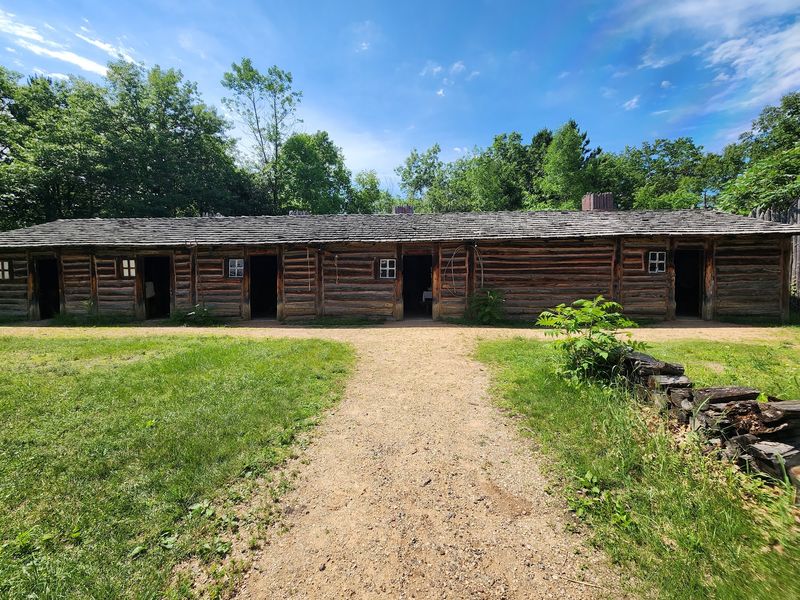
Inside, the buildings reflect what a small trading operation needed. Living space, storage, and a place to handle trade all fit within that wooden boundary.
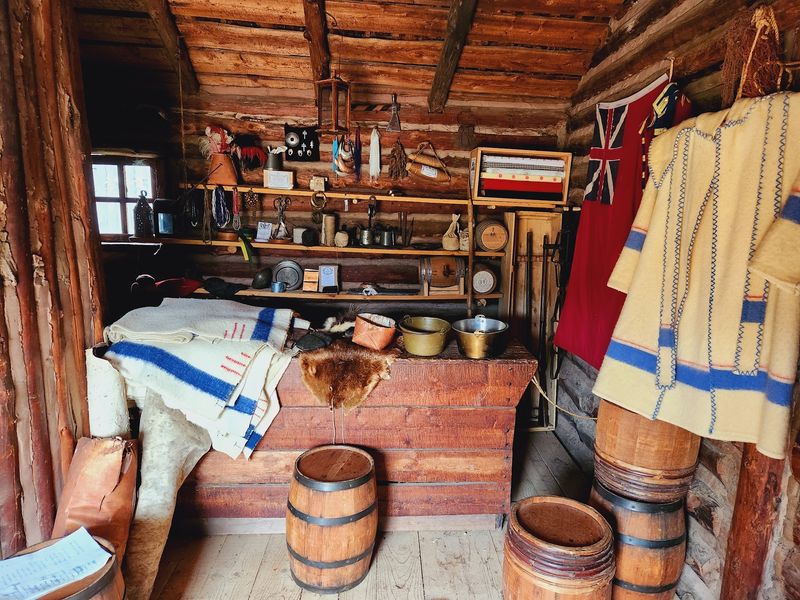
The store area has been a highlight for many families. It’s stocked with the sort of goods traders offered, so you can see what an exchange might have involved.
Every object hints at a choice someone made. What was worth hauling hundreds of miles by canoe?
Walking the grounds gives you a feel for scale too. Life was close quarters, and winter would have pushed everyone even closer.
The craftsmanship of the rebuild deserves credit. Log construction like this takes skill, and the result looks rugged rather than polished.
That ruggedness feels right. Fur posts were working places, not showpieces, and this one wears its practical character well.
Artifacts You Can Actually Handle
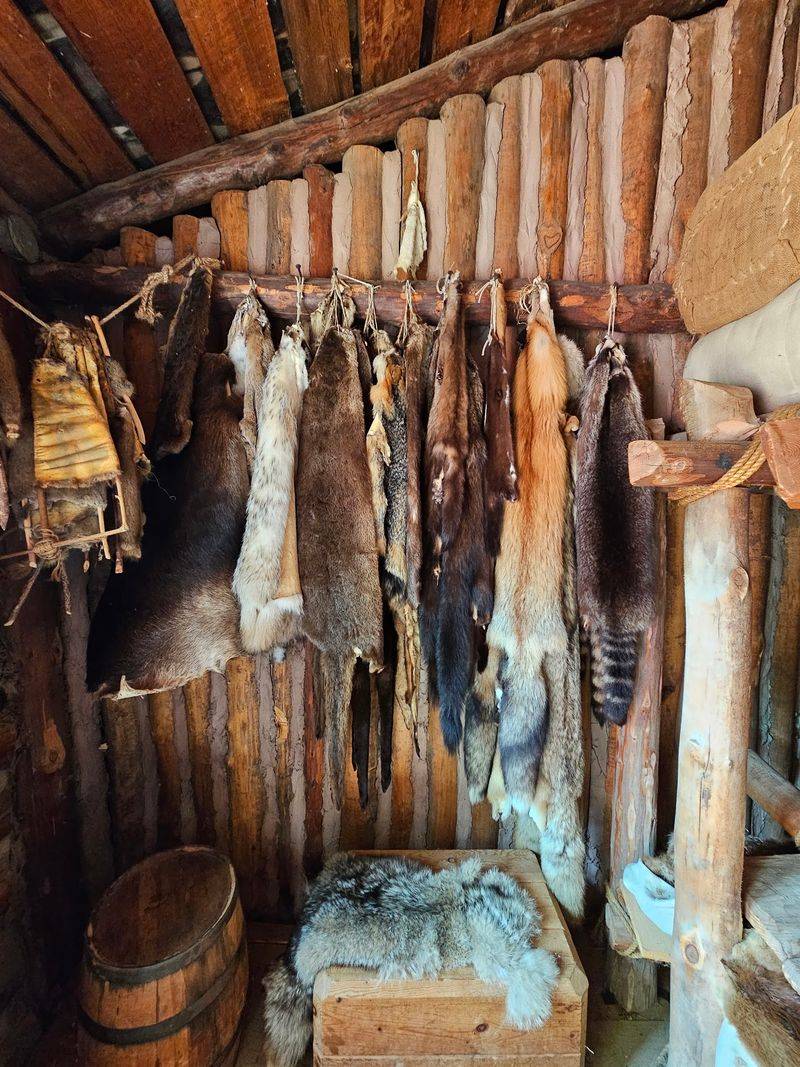
Touching is usually forbidden in museums. Here, the visitor center has long featured artifacts and items meant to be handled.
That hands-on approach makes a huge difference for kids. Feeling fur, lifting tools, and examining trade goods turns abstract history into something real.
The exhibits cover the fur trade broadly. They also explore the relationships between traders and the Ojibwe people who lived in the area.
That second piece is important. The trade depended on cooperation and exchange, and the site has worked to tell both sides of the story.
Furs naturally take center stage. Different pelts show why certain animals were prized and how the trade shaped the region’s economy.
The visitor center served as an orientation stop before heading to the post. Many families started there, absorbed the background, then walked over with better context.
It’s a smart order of operations. Learning first and exploring second makes the reconstructed buildings click in a way they otherwise might not.
Curious hands, finally welcome. That alone sets this place apart.
The Ojibwe Side of the Story
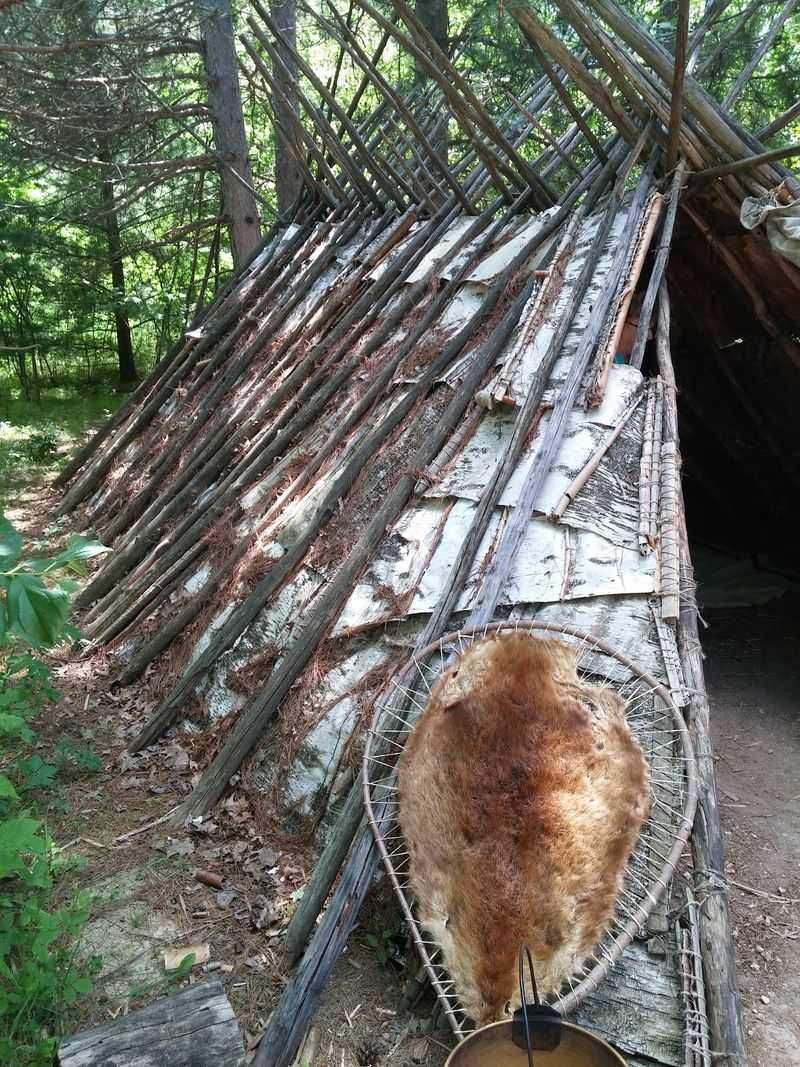
Traders arrived with goods, but they relied heavily on the knowledge of the Ojibwe people who already called this region home. That partnership sits at the heart of the post’s story.
Fur trading wasn’t a one-way deal. Exchanges involved relationships, customs, and expectations on both sides.
The Ojibwe brought skill in hunting, trapping, and surviving northern winters. Traders brought metal goods, cloth, and other items that were new or useful.
The site has highlighted those interactions through exhibits and guided talks. It gives visitors a fuller picture than a simple tale of explorers in the woods.
Understanding this helps explain why posts were placed where they were. Locations near water and established communities made trade possible.
For older kids and teens, this angle often sparks great questions. How did people communicate?
What did each side value most?
Those conversations are the real takeaway. History gets richer when more voices are part of it, and Minnesota’s story especially benefits from that perspective.
Short Trails to the River and Meadow
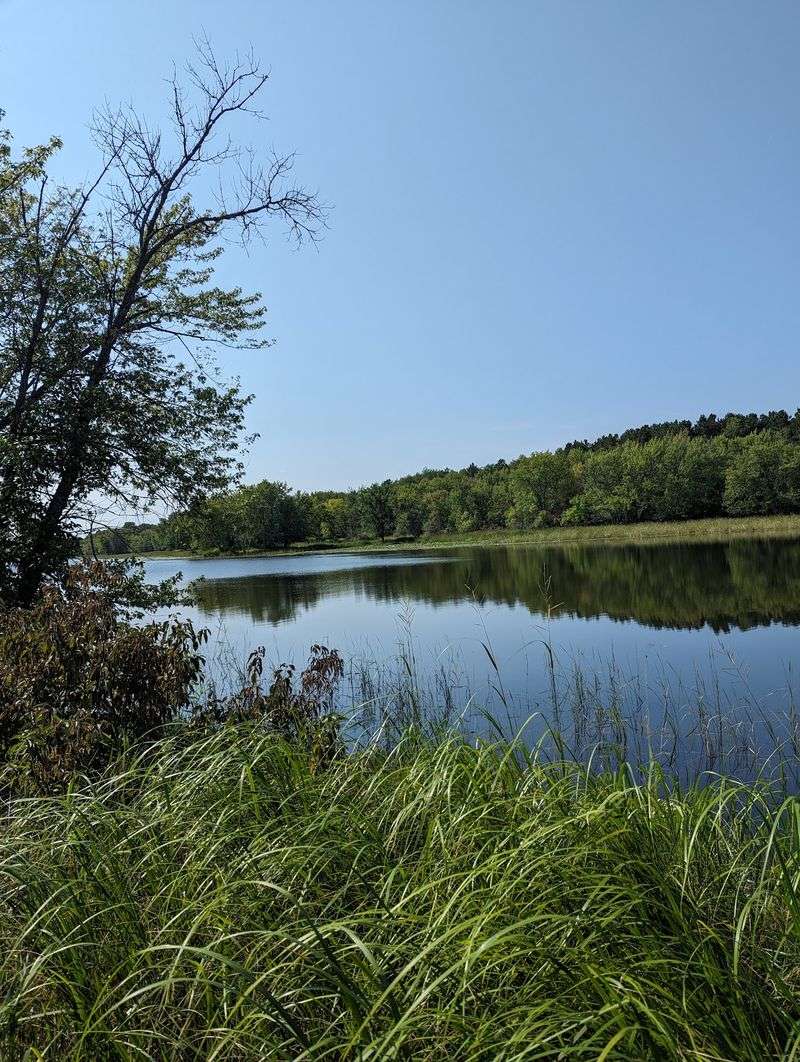
Kids who need to run get their chance here. A couple of short trails lead toward the water and out into a meadow area.
They’re not marathon hikes. They’re easy loops that add fresh air to a history visit without wearing anyone out.
The river trail is a nice reminder of why the post existed. Waterways carried canoes, goods, and furs, and standing near the Snake River connects the dots.
The meadow offers a different feel. Open space and quiet views give everyone a break from exhibits and storytelling.
In winter, the grounds have sometimes welcomed snowshoeing. That fits the theme perfectly, since winter was exactly when this post was busiest.
Trail conditions may vary, so sturdy shoes are a good idea. Recent reports suggest some paths have become overgrown.
Still, outdoor time pairs beautifully with the history. You learn about winter survival inside, then step out into the same landscape traders knew.
Classic Minnesota combo, really. Learning plus nature, no fancy setup required.
Field Trip Favorite for Minnesota Classrooms
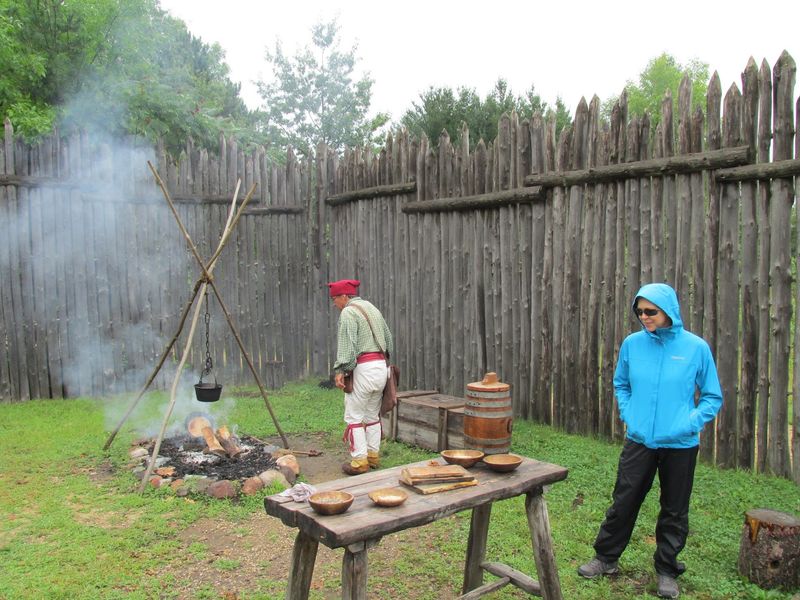
School buses and fur posts go together surprisingly well. The Snake River Fur Post has been a popular field trip destination for Minnesota students.
It’s easy to see why. Hands-on artifacts, costumed guides, and outdoor space check every box teachers want.
The site connects neatly to state history lessons. Students learn about the fur trade, the Ojibwe, and early 1800s life in a way textbooks can’t quite match.
Groups have generally been welcome. That makes it a fit for classes, scouts, homeschool co-ops, and family reunions alike.
Many families have called it a must-see for school-age kids. Teens tend to appreciate it as well, which is no small feat.
There’s a quiet bonus too. Kids who visit on a field trip often want to return with parents and show off what they learned.
That kind of repeat curiosity is gold. It turns a single school day into a lasting connection with Minnesota’s past.
Not bad for a place many people only know from a highway sign.
Easygoing Pace for Every Age
Toddlers, teens, and grandparents can all find something here. The mix of exhibits, tours, and trails keeps the visit flexible.
Families have typically planned for one to two hours. Longer guided tours can stretch closer to two and a half.
That range gives you options. Short attention spans can skip ahead, while history lovers can linger over every detail.
The mood tends to be relaxed. Crowds are rarely the story here, and some families have had the place nearly to themselves.
That calm feels like a gift. Kids can ask questions freely without feeling rushed.
Value fans, take note. Minnesota Historical Society members have generally been able to visit using their membership.
For thrifty families, that makes the fur post a smart stop to fold into a membership year. Several state historic sites under one pass adds up fast.
The overall vibe is educational without feeling stiff. Think curious exploration, not quiet museum shushing.
And honestly, any place that can hold a teenager’s attention deserves some credit.
Current Conditions Worth Checking First
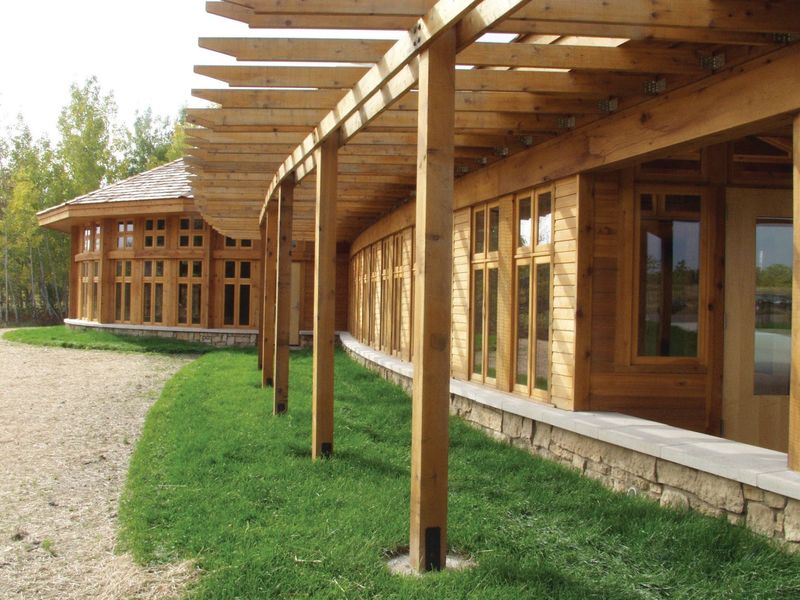
An honest heads-up matters before you hit the road. Recent reports describe the site as largely closed, with the visitor center damaged and roped off.
Parts of the palisade wall have reportedly collapsed. Some trails also appear overgrown, and staffing seems limited or absent.
That’s a big change from the lively tours of past years. Several travelers have arrived expecting a full experience and found locked buildings instead.
Listed hours show the grounds open daily from early morning into the evening. Those hours may reflect trail access rather than staffed tours or exhibits.
The smartest move is calling the Minnesota Historical Society before a long drive. Ask specifically whether the visitor center and fort are open.
Some events, like a rendezvous gathering, have still taken place recently. So the site isn’t entirely quiet, but it may not match older descriptions.
Plenty of people clearly want to see it restored. That shared hope says a lot about how much this place has meant to Minnesota families.
Planning the Drive From the Cities or Duluth
Interstate 35 does most of the work for you. The fur post sits close to the highway near Pine City, roughly between the Twin Cities and Duluth.
That makes it an easy add-on for up-north weekends. Cabin trips, lake drives, and Duluth getaways all pass right by.
Give yourself flexibility, though. Because conditions have changed, plan this as a bonus stop rather than the entire day.
Bring layers no matter the season. Minnesota weather loves surprises, and much of the experience happens outdoors.
Summer offers green meadows and comfortable trail walks. Winter brings the setting closest to the season the traders actually lived through.
Pine City itself offers a small-town break for gas or a bite. It’s a friendly pause before getting back on the highway.
Confirm status ahead of time and you’ll avoid disappointment. A quick phone call can save a lot of miles.
Then enjoy the detour. Taking the exit you’ve passed a hundred times feels oddly satisfying.
Why This Riverside Story Still Deserves Attention
Few places in Minnesota let you stand where a single winter of 1804 played out. The Snake River Fur Post built its reputation on exactly that rare closeness.
Its strengths have always been clear. Knowledgeable guides, touchable artifacts, a carefully rebuilt post, and easy trails made it a standout.
Right now, the site appears to be going through a rough stretch. Facilities need care, and the full experience may not be available.
That doesn’t erase what makes it special. The river, the history, and the story of traders and the Ojibwe still matter.
For history-loving families, it’s worth watching for updates. A restored fur post would be a fantastic reason to plan a road trip.
Minnesota doesn’t need a big-city museum to tell a great story. Sometimes a log wall beside a quiet river does it better.
So call ahead, keep expectations flexible, and enjoy the grounds if they’re open. And maybe tag a friend who’d love to see this place shine again.
Share this story