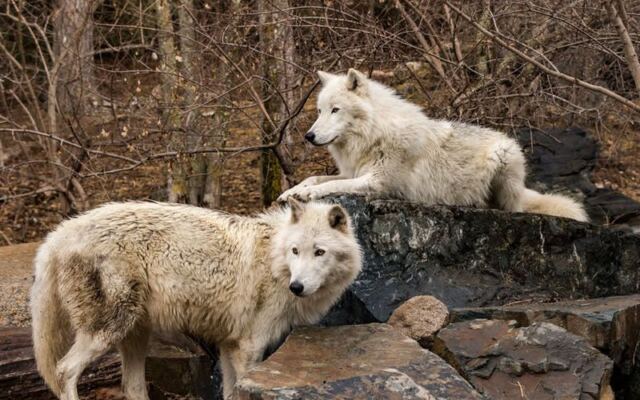
A real wolf pack can doze on a sunny boulder just beyond a wall of glass while you sit in stadium seating and watch. No binoculars needed.
No luck in the backwoods required.
I like how this spot turns snack time into a lesson. Staff sometimes hand the wolves buckets of snow flavored with a sports drink.
Then the whole pack eats it, rolls in it, and acts like it won the lottery.
This place sits deep in northern Minnesota, far from any big-city zoo. Yet it pulls off something few places anywhere can match.
You get close to wild-born behavior without a single risky hike.
I believe the best part is how much you leave knowing. Wolves stop feeling scary and start feeling fascinating.
So how close do you actually get?
A Glass-Walled Window Into Wolf Country
Wolves are famously hard to spot in the wild. The International Wolf Center flips that problem around by bringing a resident pack within view of a comfortable indoor seat.
The center works as an educational hub built entirely around wolves. Its mission blends education with research, and staff-led programs explain both throughout the day.
Visitors start inside a modern building filled with natural light. Exhibits, a theater, and observation rooms lead you step by step toward the main event.
That main event is the wolf habitat itself. A wall of glass at the far end of the building opens onto wooded land where the ambassador wolves live.
It’s the kind of place Minnesota should brag about more often. Big-city zoos rarely dedicate an entire facility to one species, let alone one this misunderstood.
Families, wildlife fans, and curious road-trippers all fit right in here. You don’t need any background in biology to enjoy it.
Staff tend to greet guests with a quick orientation. They often point out where exhibits are, when presentations start, and the best times to catch the wolves moving.
Deep Northwoods Roots On The Edge Of Ely
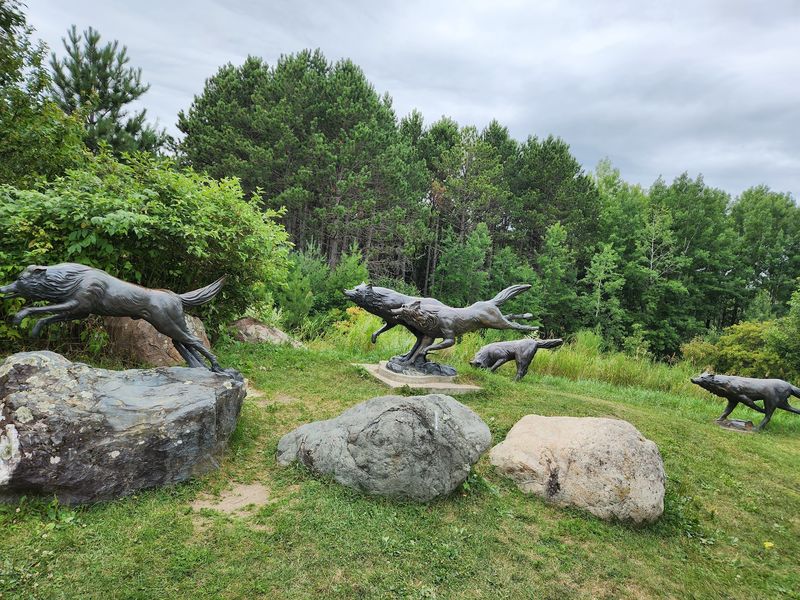
Getting here takes some commitment. Ely sits way up in northern Minnesota, and the drive alone feels like a proper up-north adventure.
You’ll find the center at 1396 MN-169, Ely, MN 55731, on the east side of town. The building is easy to spot from the highway, so no frantic map checking is needed.
Winter visitors needn’t worry too much about access. The access road and parking lots are typically kept clear, even in the depths of February.
The setting matters for a wolf center. Northern Minnesota is real wolf territory, so the location ties the exhibits to the wild landscape just outside.
Many travelers fold a stop here into an Iron Range road trip. It pairs nicely with other Ely attractions and the town’s famous gateway to lake country.
Presentations inside often cover the center’s history too. You’ll hear how it grew into a dedicated space for wolf education and research.
That backstory gives the visit extra weight. You’re not just seeing animals, you’re seeing a long-running effort to change how people think about them.
The Pack Living Behind The Glass
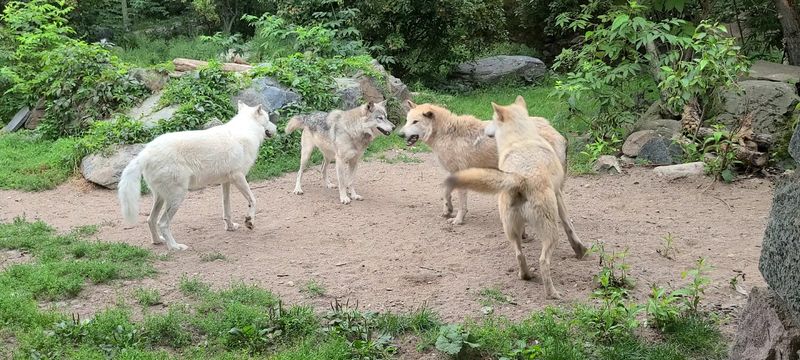
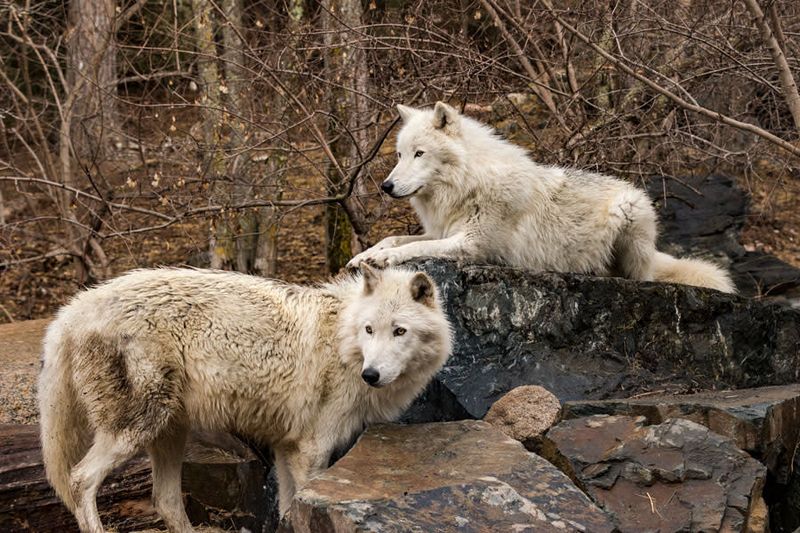
Meet the stars of the show, the ambassador wolves. These animals live in an outdoor habitat that’s wooded, rocky, and crossed by a running stream.
Big boulders give the wolves prime lounging spots. On a quiet day, you might catch one stretched out on a rock, fully committed to a nap.
The pack has numbered around six wolves in recent years. Staff explain each animal’s personality, its place in the pack hierarchy, and how it gets cared for.
Some wolves seem comfortable strolling right up to the glass. That close pass can turn a casual look into a jaw-dropping moment.
Here’s the honest truth, though. These are real wolves, not trained performers, so activity is never guaranteed.
Warm afternoons often send the pack into shady trees or out of view. Arrive close to opening if you want the best shot at movement.
Cold days tend to bring more action. In winter, the wolves may play, gnaw on snacks, and roam the enclosure like they own the place, which, frankly, they do.
Stadium Seats For The Best Show In The Northwoods
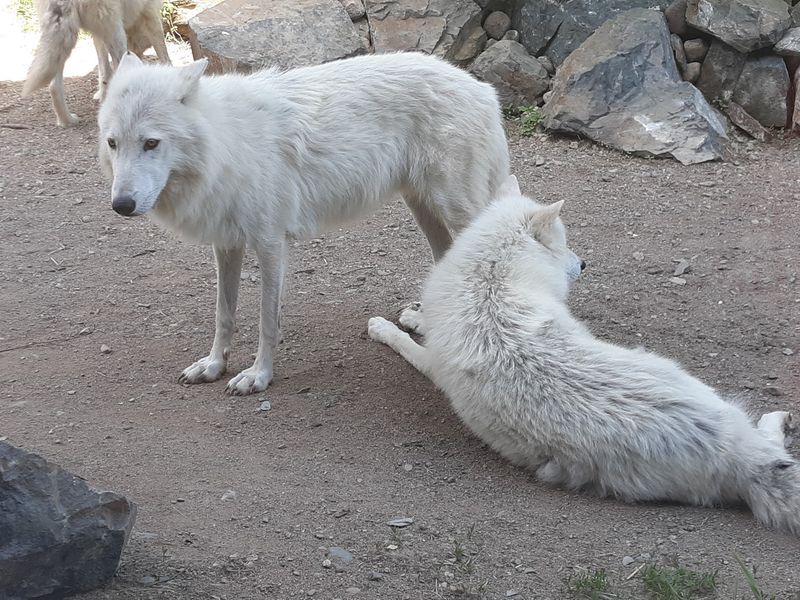
Front-row seats usually cost extra at a concert. At this center, the tiered seating faces a forest full of wolves instead.
Two big rooms sit along the glass wall at the end of the building. One features stadium seating, so everyone gets a clear look into the habitat.
The space feels airy and roomy rather than cramped. You can settle in comfortably while a staff member talks about what’s happening outside.
During presentations, guides may encourage you to stand up if the wolves get active. Snapping photos is welcome when the pack decides to put on a show.
That relaxed approach keeps things fun. Nobody has to stay glued to a chair while a wolf trots past the window.
The observation area also doubles as a classroom. Questions fly back and forth between guests and guides, especially during quieter seasons.
Winter visitors sometimes get staff nearly to themselves. That kind of one-on-one chat feels like a private lesson from someone who clearly loves the job.
Daily Programs That Get The Wolves Moving
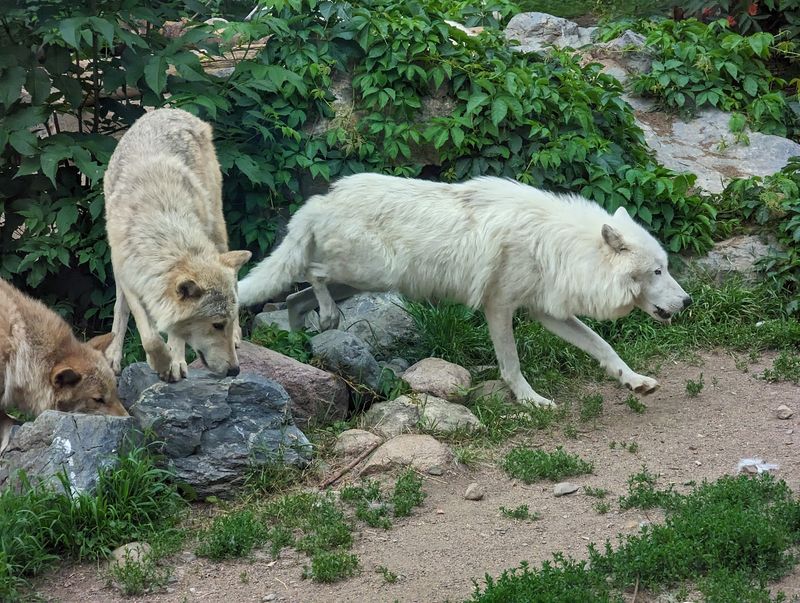
Timing your visit around a program pays off. The center schedules presentations throughout the day, and each one adds a new layer.
One popular talk covers reintroducing wolves into the wild. Staff walk through wolf behavior and how the process works.
Afternoon schedules have included a 3 PM presentation followed by a 4 PM wolf program. Some programs use sound to encourage the pack to come out and move around.
Enrichment sessions often happen around midday too. Staff may hand over buckets of snow topped with a sports drink, and the wolves happily eat and roll in it.
Watching that is pure entertainment. A powerful predator flopping in flavored snow is hard to watch with a straight face.
Schedules may shift by season, so check the day’s lineup when you arrive. The welcome desk usually lays out what’s coming up.
Programs give the best odds of seeing all the wolves at once. When staff are feeding or caring for the pack, the animals often gather near the observation area.
What’s For Dinner, Wolf Edition
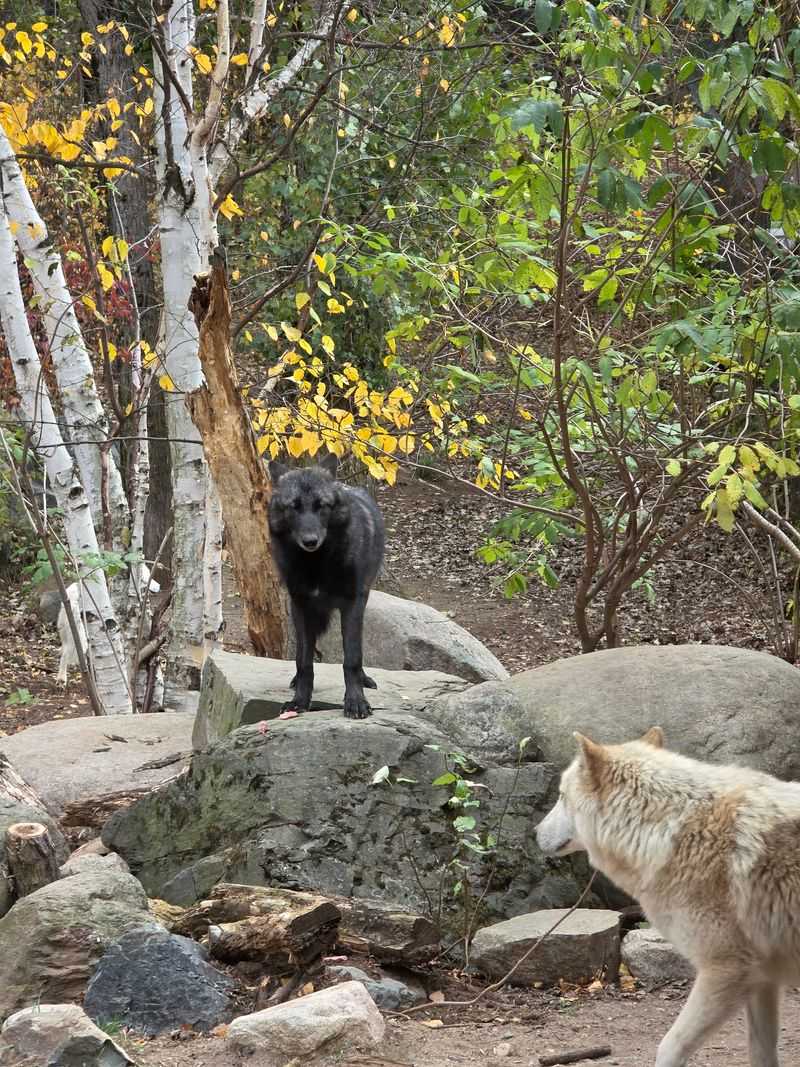
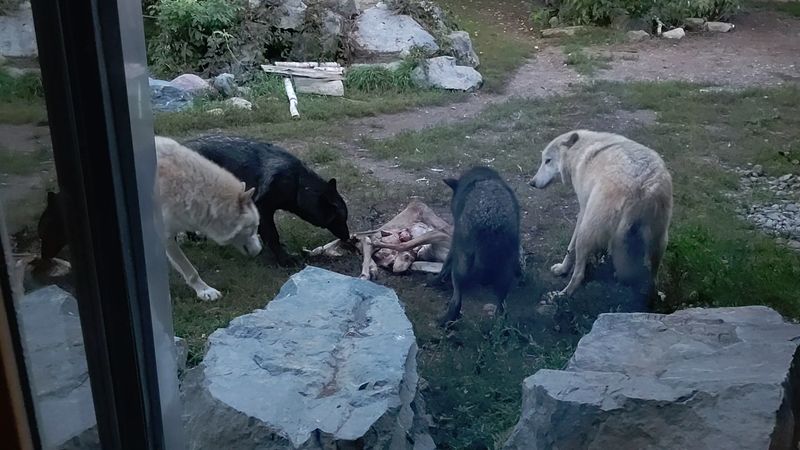
Curious who eats first in a wolf pack? The Saturday night What’s for Dinner? feeding program answers that question in real time.
This special evening session typically costs a bit more than general admission. It offers a rare look at natural feeding behavior.
Wolves don’t line up politely for supper. Pack rank shapes who approaches the food and who waits their turn.
Guides explain what you’re seeing as it unfolds. That narration turns a feeding into a living lesson on wolf social structure.
Some guests visit twice in one day just for this. They catch the daytime programs, then return in the evening for the feeding.
It’s a smart move if you’re staying overnight in town. Evening light over the habitat adds a different mood than a bright afternoon.
Spots and schedules may vary by season, so plan ahead. Asking at the front desk early in the day helps you avoid missing out.
Few places anywhere let you watch something like this up close. Minnesota quietly wins again.
Fluffy Summer Pups Steal Every Scene
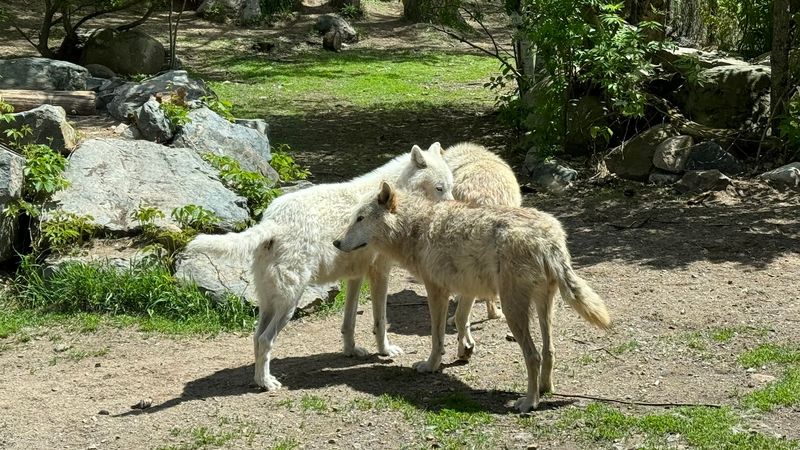
Cuteness alert. In some years, the center welcomes wolf pups, and they quickly become everyone’s favorite reason to visit.
Pups were still on the small side as late as August in a recent season. Summer visitors in pup years may get to see them up close during tours.
Young wolves bring a burst of playful energy. Tumbling, chasing, and testing boundaries all come with the territory.
Staff explain how pups get introduced to the pack over time. You’ll learn how new members find their place in the group.
Of course, pups grow fast. Those wobbly babies won’t stay tiny for long, which adds a sense of urgency to a summer trip.
Pup years don’t happen every year, so check ahead before you plan around them. The center shares updates about its wolves and new arrivals.
Even without pups, the adult pack holds plenty of charm. Still, if you hear the center has youngsters, consider that your sign to load up the car.
Exhibits Packed With Wolf Wisdom
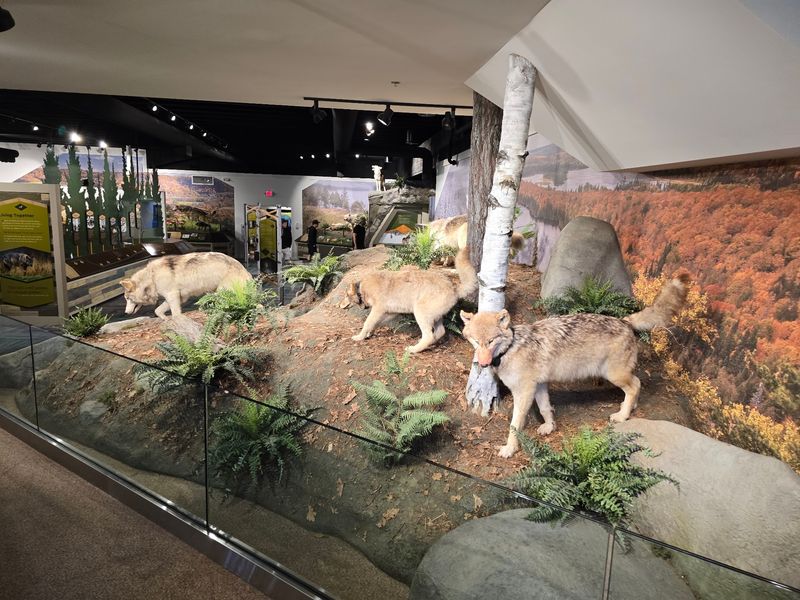
Before you even reach the glass, the exhibits do plenty of heavy lifting. The building holds several displays with in-depth information about wolves.
A taxidermy area shows wolves posed in natural habitat settings. It’s a great way to grasp their true size without any fur flying.
Hands-on stations invite both kids and adults to touch and explore. Samples and interactive pieces make the science feel real.
A media room plays documentaries, with plenty of seating for a break. It’s an easy spot to rest your feet while still learning something.
Exhibits also touch on Ojibwe culture and its connection to wolves. That perspective adds depth that goes well beyond biology.
You’ll come away understanding wolves in Minnesota and beyond. Diet, pack structure, and conservation all get covered in clear, approachable ways.
Many guests leave seeing wolves as far less threatening. That shift in thinking may be the most impressive exhibit of all.
A theater rounds out the indoor experience. It screens a history presentation that sets up the center’s purpose nicely.
Flight Simulators And Hands-On Fun For Young Explorers
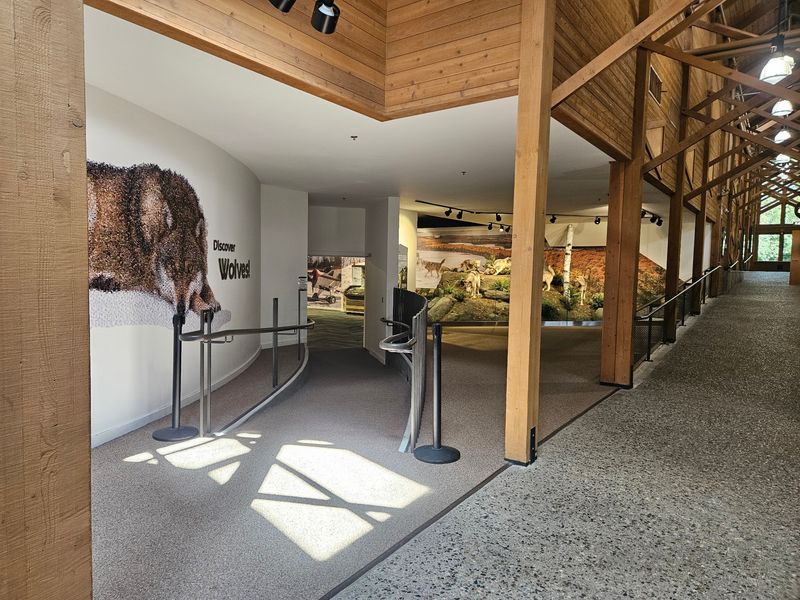
Kids who can’t sit still will find a lot to do here. The center packs hands-on activities into its displays for all ages.
Downstairs, a flight simulator gives young visitors a fun challenge. It’s a standout hit with families exploring the lower level.
Presentations often let kids handle different samples. Touching real materials makes wolf facts stick far better than any textbook.
Guides tend to tailor answers to younger audiences too. Curious questions get patient, thoughtful replies rather than rushed responses.
Watching the live pack is the big payoff for children. Active wolves at the glass can spark a lifelong love of wildlife.
Parents appreciate that learning sneaks in without feeling like homework. The mix of screens, models, and live animals keeps attention spans happy.
A few hours here makes a solid family outing. It fits neatly into an Ely weekend between lake time and other attractions.
For Minnesota families, it’s a meaningful trip close to home. You don’t need a plane ticket to show kids something truly wild.
Hours, Discounts, And Smart Timing Tips
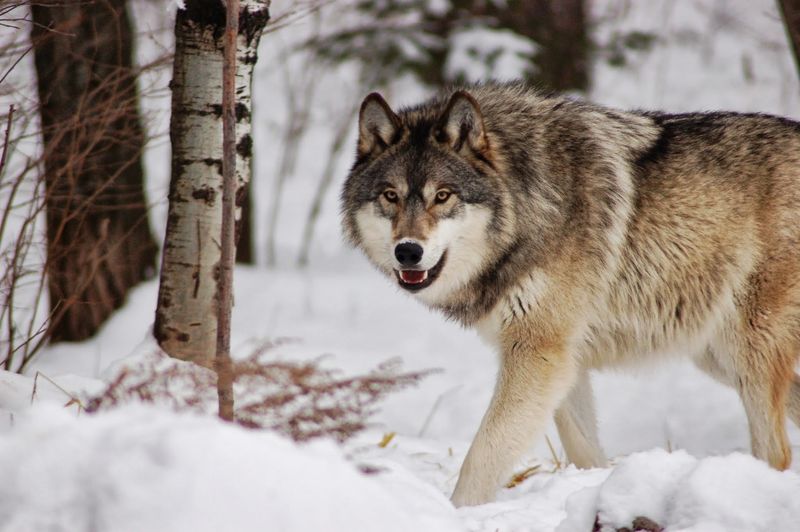
Planning is simple. The center typically opens daily from 9 AM to 5 PM, though hours may change seasonally.
Arriving right at opening is the golden rule. Wolves are usually most active early, then often nap from late morning into early afternoon.
Cold, crisp days can also boost your odds. Winter crowds tend to be lighter, which may mean more time with staff.
Admission carries a fee, and some guests find it on the higher side. Every visit helps support wolf care, education, and research, which softens the sting.
Discounts for seniors and veterans have been available. Ask at the desk to see what applies to your group.
Special programs like the Saturday feeding cost a little extra. Budget for that if you want the full experience.
Plan on spending a few hours. Exhibits, presentations, and wolf watching can easily fill an afternoon.
A quality gift shop waits near the end. Clean facilities make the stop comfortable, especially after a long drive north.
Why The Long Drive North Feels Worth It
Some trips earn bragging rights. A visit to the International Wolf Center lands firmly in that category for any Minnesota road-tripper.
You get a real pack, thoughtful exhibits, and guides who clearly care. All of it sits in genuine wolf country, not a city park.
Patience helps, of course. Wolves keep their own schedules, and a sleepy afternoon is always possible.
Still, timing a program or arriving early tilts the odds your way. Even quiet moments come with plenty of learning.
Pair it with other Ely stops for a full weekend. The North American Bear Center sits on the other end of town for animal lovers who want more.
Bring curiosity and realistic expectations. You’ll likely leave seeing wolves as complex, social animals rather than storybook villains.
That’s a pretty big win for one stop on Highway 169. Few places let you sit this close to a wild icon of the north.
So tag the friend who loves wildlife. Then start mapping that drive up to Ely.
Share this story