Some towns did not fade away slowly. They emptied out when the gold ran dry, the railroad moved on, or a reservoir rose over the streets.
What is left behind is a set of real places where you can still stand on the old main street and read the story in the buildings. This list covers sixteen ghost towns across the West, Alaska, and West Virginia, and each one has a different reason for being quiet today.
Some are preserved exactly as they were found, one is a living-history museum, and one even spent years under a lake. Check seasonal hours and road conditions before you go, because many of these spots sit high in the mountains or far down dirt roads.
Bodie, California
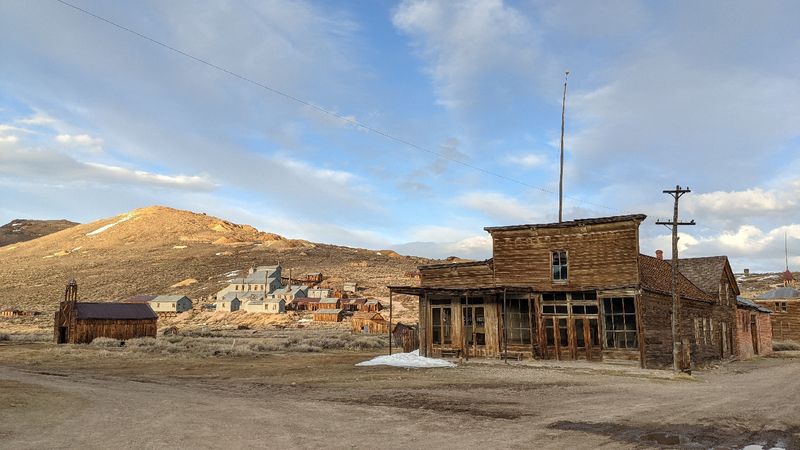
Peek through a window in Bodie and you may spot household objects and merchandise still sitting where they were left. That is the draw of this high-elevation gold town, which once held thousands of residents and roughly 2,000 structures.
Mining stopped in 1942, and fires destroyed much of what remained. California State Parks now protects the survivors in a state of arrested decay, which means buildings are kept from falling apart but are not rebuilt or polished up.
Walking the dirt streets takes you past weathered houses, stores, a church, and mining structures. Each one gives a small look at daily life in a remote boomtown.
Bodie State Historic Park is open year-round. Winter is a different story, because the high elevation can mean you need skis, snowshoes, or a snowmobile to get in.
Plan ahead if you are visiting between late fall and spring, and expect the road situation to change with the weather.
Bannack, Montana
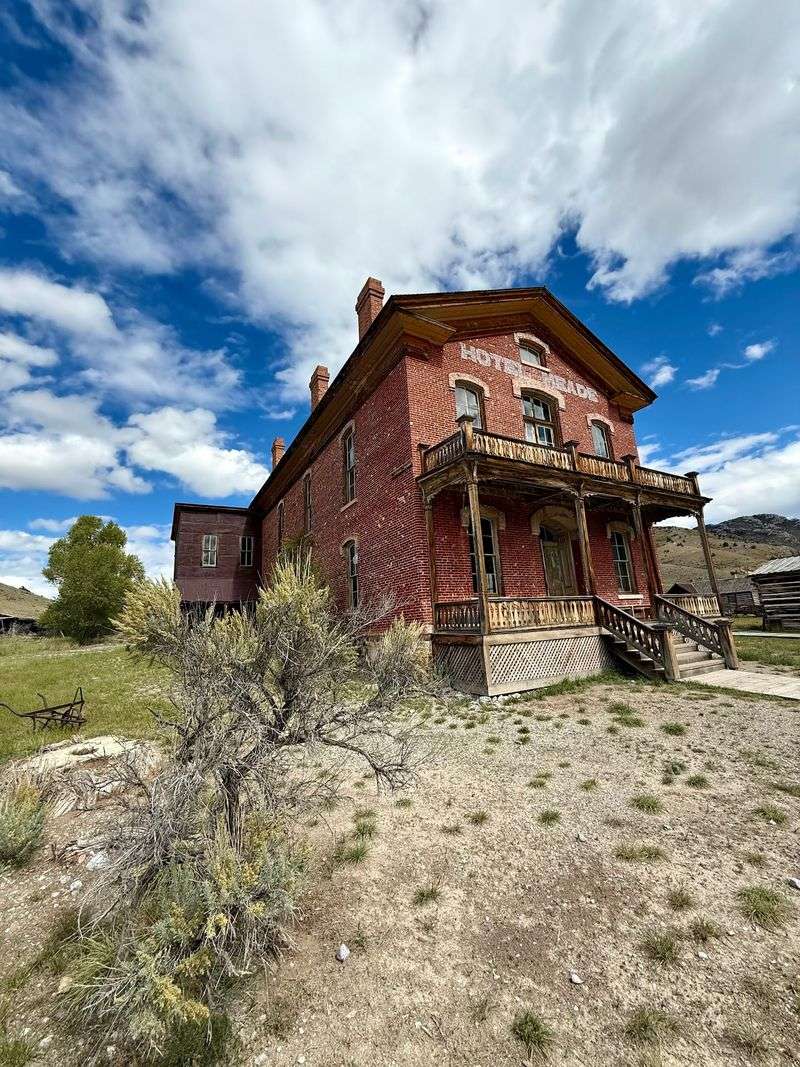
Montana’s first territorial capital was a gold camp with a dirt main street. Bannack began with a major gold discovery in 1862 and quickly grew into one of the territory’s most important settlements.
More than 50 historic buildings still line the former Main Street, which gives visitors an unusually complete picture of a Western boomtown. Bannack State Park preserves surviving log and frame structures from the original settlement rather than building an imaginary version of the Old West.
The park is open throughout the year, though services and programs change with the season. That makes a quick check of the park’s current schedule a smart first step.
Timing can add something extra to a trip. Bannack Days is an annual event, and October ghost walks feature actors portraying characters from the town’s history.
Either one adds voices to a place that otherwise stays quiet.
Garnet, Montana
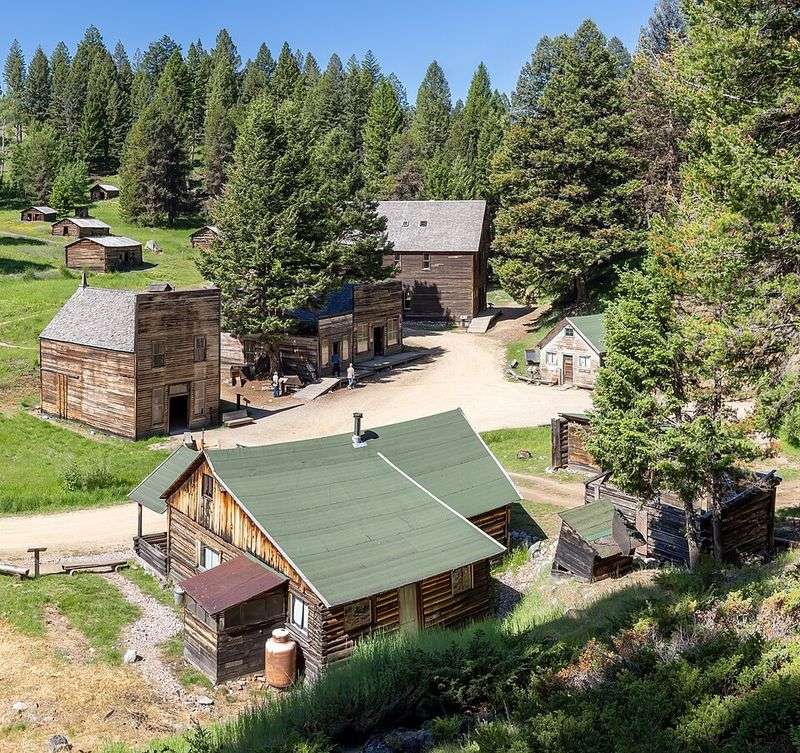
Up in Montana’s Garnet Mountains, a former gold community once supported roughly 1,000 residents during the mining boom of the 1890s. When profitable mining faded, people slowly left, but dozens of buildings stayed standing.
The Bureau of Land Management now protects Garnet as one of the state’s best-preserved ghost towns. Visitors can wander among historic cabins, commercial buildings, and other remnants while learning about people who tried to build permanent lives in such an isolated place.
Summer is the easy season. The visitor center generally operates from late spring through September.
Winter turns the trip into something else entirely. The main road closes to wheeled motorized vehicles, so reaching town means using a snowmobile, skis, or snowshoes.
Pick the season that suits your gear, and your sense of adventure, before you head up the mountain.
Rhyolite, Nevada
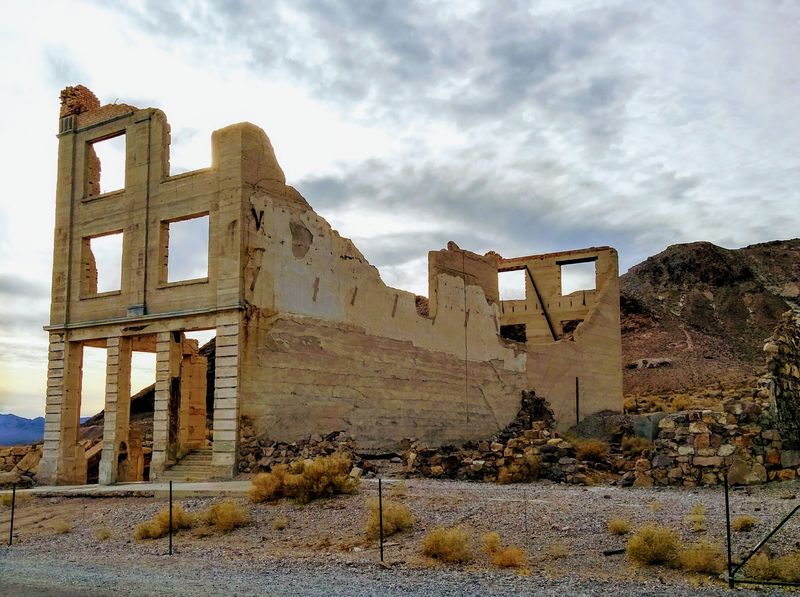
Rhyolite went up almost overnight. Gold discoveries pulled prospectors into the Nevada desert in the early 1900s, and buildings, businesses, and infrastructure followed fast.
The boom did not last long. Today visitors find dramatic ruins instead of a restored tourist town, and that rough look is exactly why photographers like it.
The skeletal Cook Bank Building is one of the best-known landmarks. The Tom Kelly Bottle House is another stop, showing the unusual building materials settlers sometimes used in a treeless desert.
The Bureau of Land Management maintains Rhyolite as a historic area near Beatty and Death Valley National Park. It is designated for day use, so plan to explore and head out before dark.
Stay behind the barriers, which protect fragile structures that have already survived a lot of desert weather.
Berlin, Nevada
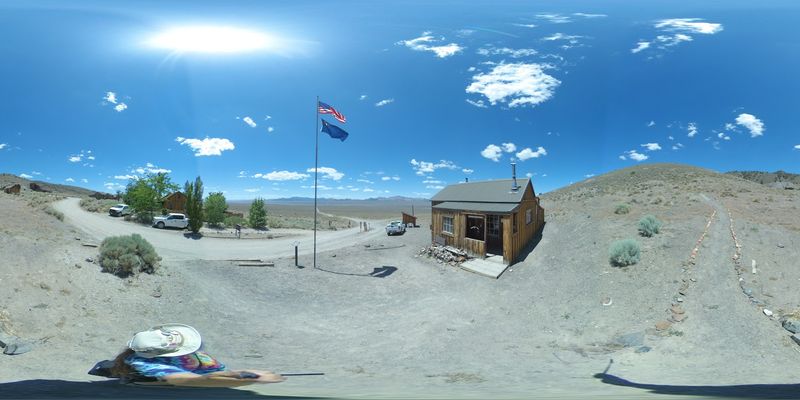
Small size can be a good thing for a ghost town. Berlin never grew into a huge Western city, and at its height the mining settlement and surrounding area supported only a few hundred people.
That may be one reason so much of its original character survived. Nevada State Parks describes it as a true ghost town preserved in a condition of arrested decay.
Original buildings are scattered across the landscape, and interpretive signs describe life in the isolated community. A self-guided route lets visitors see the town, its cemetery, and mining remnants.
Berlin also has a surprise for fossil fans. The surrounding state park protects an extraordinary concentration of ancient ichthyosaur fossils, so mining history and prehistoric life share the same visit.
The park is open year-round, which makes it easier to fit into a Nevada road trip.
Kennecott, Alaska
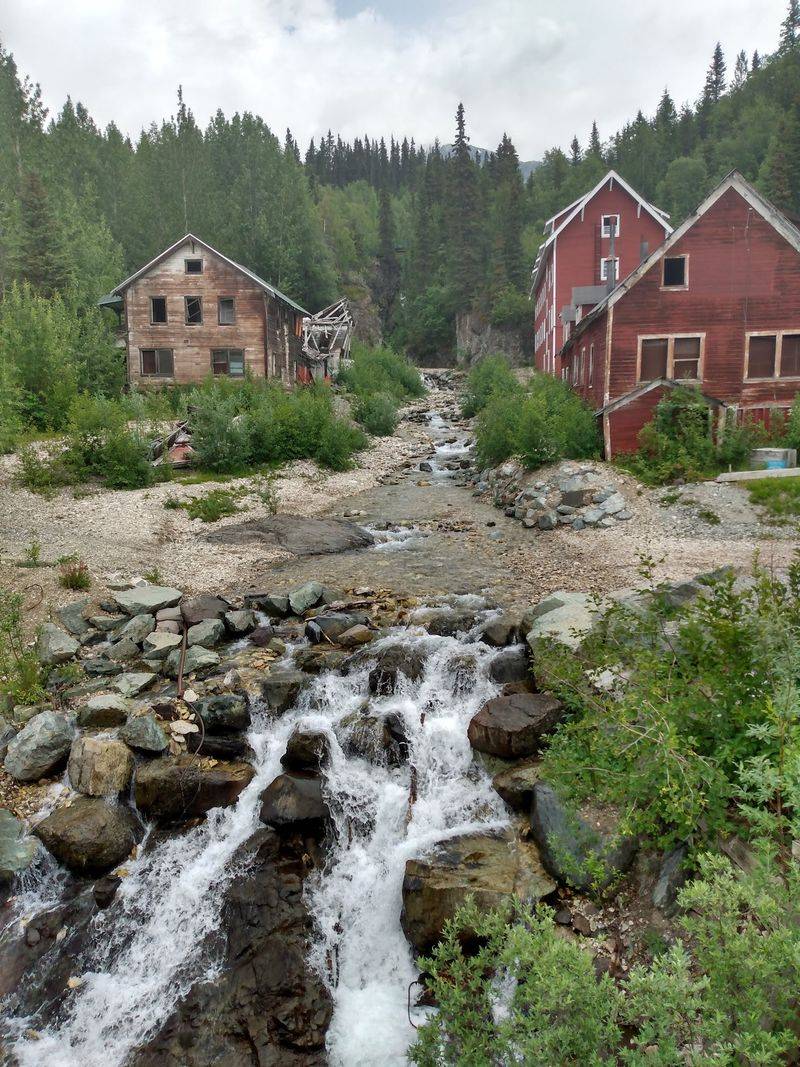
Bright red industrial buildings stand against mountains and glaciers in Wrangell-St. Elias National Park and Preserve. The contrast makes Kennecott look unlike any other ghost town on this list.
The settlement grew around an enormously productive copper-mining operation in the early 20th century. When mining ended, it left behind an extraordinary collection of industrial structures, worker facilities, and community buildings.
The National Park Service now manages many of the historically significant properties, and exhibits are located throughout the historic district. Kennecott is considered one of the country’s finest surviving examples of early 20th-century copper mining.
Timing matters here. Visitor services are primarily available from late May through mid-September.
Winter access is far more difficult, and the visitor center closes outside the summer season, so aim for the warmer months if you want the full experience.
Thurmond, West Virginia
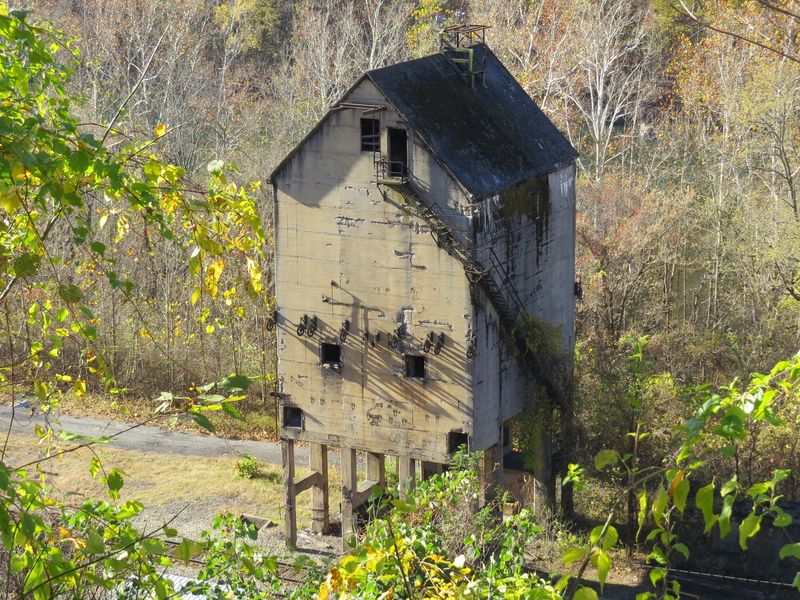
Not every ghost town grew around gold or silver. Thurmond owes its rise to the railroad.
Located inside New River Gorge National Park and Preserve, the community became an important Chesapeake & Ohio Railway center. In its busiest years, trains kept passing through and the small downtown handled an extraordinary amount of business.
That activity faded as transportation and regional industries changed. Only a tiny population remains now, and much of the historic district looks abandoned.
The National Park Service welcomes visitors to explore Thurmond. The restored railroad depot works seasonally as a visitor center, and ranger-led walks are offered on selected dates.
Those walks share stories of former residents, which helps explain why a town this small once mattered so much to the railroad.
Calico, California
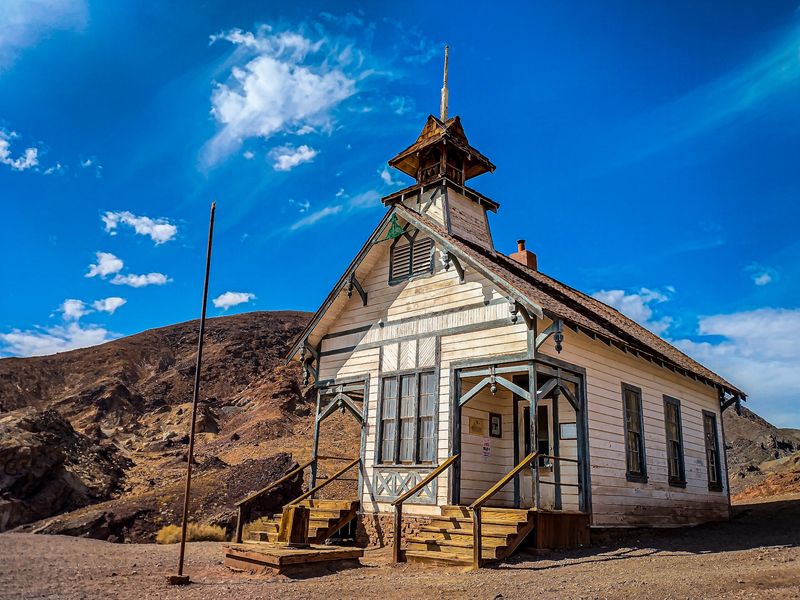
Silver started the story in 1881. Calico prospered as a desert mining settlement until declining silver values helped end the boom in the 1890s.
This one is different from untouched ghost towns. After Walter Knott purchased it in the 1950s, Calico went through extensive restoration, with some original buildings surviving and others rebuilt or restored to recreate the 1880s community.
San Bernardino County now operates Calico Ghost Town Regional Park as a historical attraction. Visitors can explore museums, shops, and historic displays, tour Maggie Mine, ride the Calico Odessa Railroad, and attend special events.
It is a good pick when you want more to do than look at ruins. The ghost town is open daily from 9 a.m. to 5 p.m., except Christmas Day.
Independence, Colorado
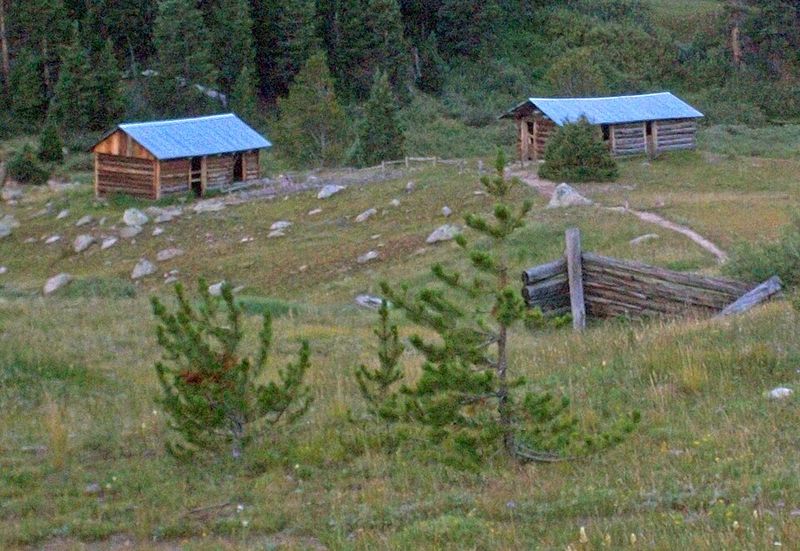
Gold discoveries in 1879 drew hopeful miners to a spot near Independence Pass, high in the Colorado Rockies. Life at that altitude was hard, and prosperity did not last long.
What remains today is a collection of foundations, structures, and ruins scattered through a spectacular mountain landscape. It is a good place to see how thin the line was between a boom and an empty valley.
The Aspen Historical Society stewards the Independence Ghost Town site under a permit from the U.S. Forest Service.
Interpretive signs explain the people, businesses, and events that once shaped the settlement.
Visitors can take a self-guided tour, but access depends heavily on the season. Independence Pass typically becomes inaccessible by road during winter, so this one works best as a summer or early fall stop.
Ashcroft, Colorado
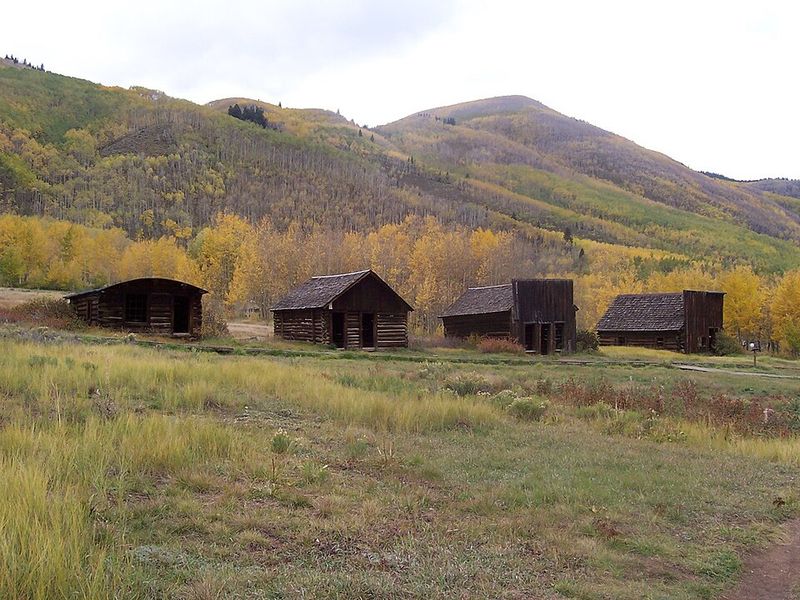
Ashcroft once looked like a real rival to nearby Aspen. Silver discoveries in 1880 drew miners and entrepreneurs to the Castle Creek Valley, and a growing settlement with businesses followed.
Expectations soon got ahead of reality. As mining activity declined, residents left and buildings were abandoned.
Several structures survive in a picturesque alpine meadow surrounded by mountain scenery. The Aspen Historical Society manages Ashcroft Ghost Town, where visitors can follow trails, read interpretive panels, and explore the remains of the old community.
Docents are available during seasonal operating periods, while self-guided exploration is possible at other appropriate times. Check road and weather conditions before visiting outside the warmer months, since mountain valleys can change quickly.
St. Thomas, Nevada
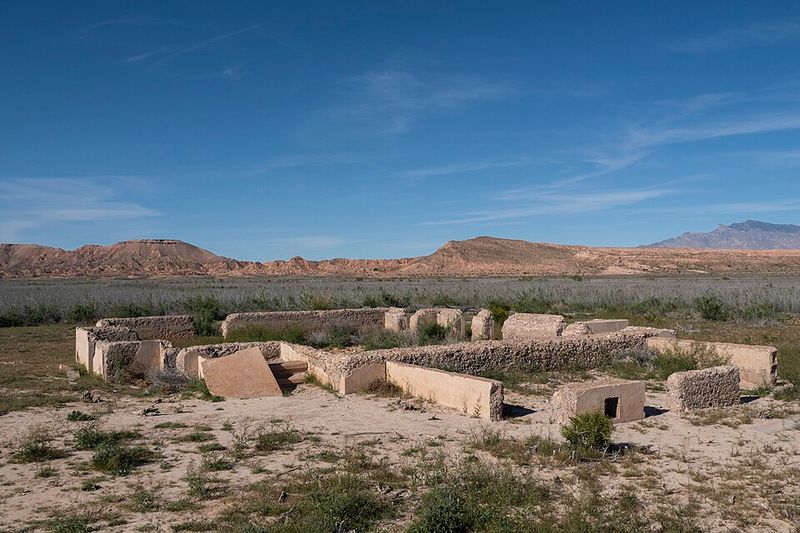
Most ghost towns lost their people when the money left. St. Thomas disappeared underwater instead.
The settlement stood near the Muddy River in what is now Lake Mead National Recreation Area. When Hoover Dam caused Lake Mead to fill during the 1930s, residents had to leave as the rising reservoir covered their community.
At one point the former town sat beneath more than 60 feet of water. Falling lake levels eventually exposed its foundations and roads again.
The National Park Service says the town is visible today, so visitors can walk among the ruins. Getting there means driving roughly three miles on an unpaved road, then following a dirt trail from the parking area.
Bring water and sturdy shoes, because the walk is open desert.
Vulture City, Arizona
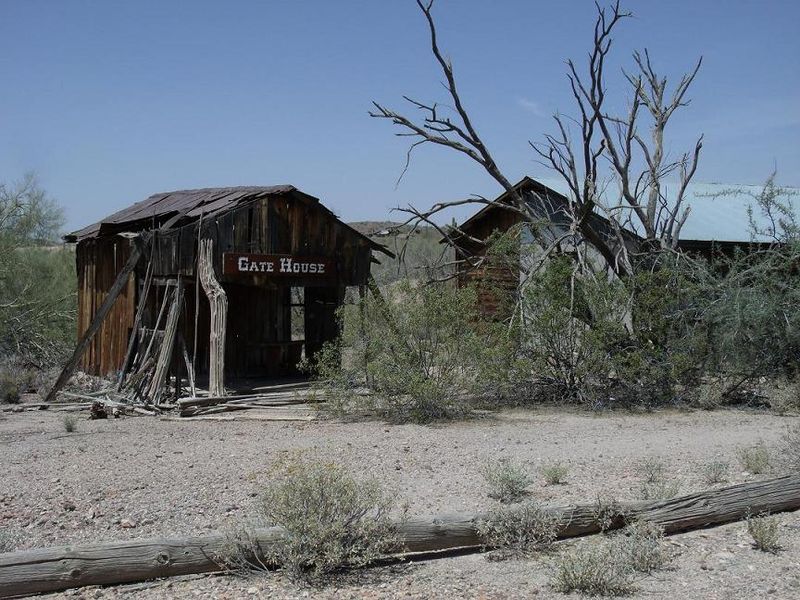
Gold found in 1863 led to the Vulture Mine and the community that grew around it in the Arizona desert.
Over time the settlement built the infrastructure needed to support miners and their families. When the mining economy declined, much of that activity faded, leaving buildings, machinery, and stories from the frontier years.
Vulture City is now run as a preserved historic attraction near Wickenburg. Visitors can walk through original and restored buildings, look at mining relics, and join historical tours and special events.
Schedule matters here. For the 2026 season, the site operates Thursday through Sunday from mid-October through mid-May, with a guided history tour offered on Sundays.
Confirm the current calendar before you drive out.
Animas Forks, Colorado
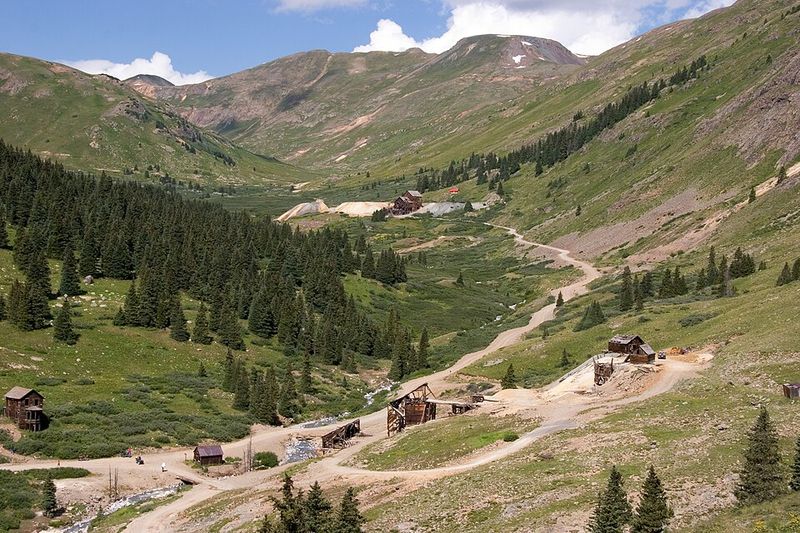
At more than 11,000 feet above sea level, Animas Forks shows how far miners would go to chase wealth.
The settlement began in the 1870s and eventually had cabins, a hotel, a general store, a saloon, and a post office. By the early 1880s, hundreds of people lived here despite brutally hard winters.
One famous 1884 storm reportedly buried the area under enormous amounts of snow.
Mining declined, and by the 1920s Animas Forks had become a ghost town.
The site is now on public land managed by the Bureau of Land Management. Summer road access is possible from Silverton, but the high elevation makes conditions highly seasonal.
Plan for a short window of good weather.
South Pass City, Wyoming
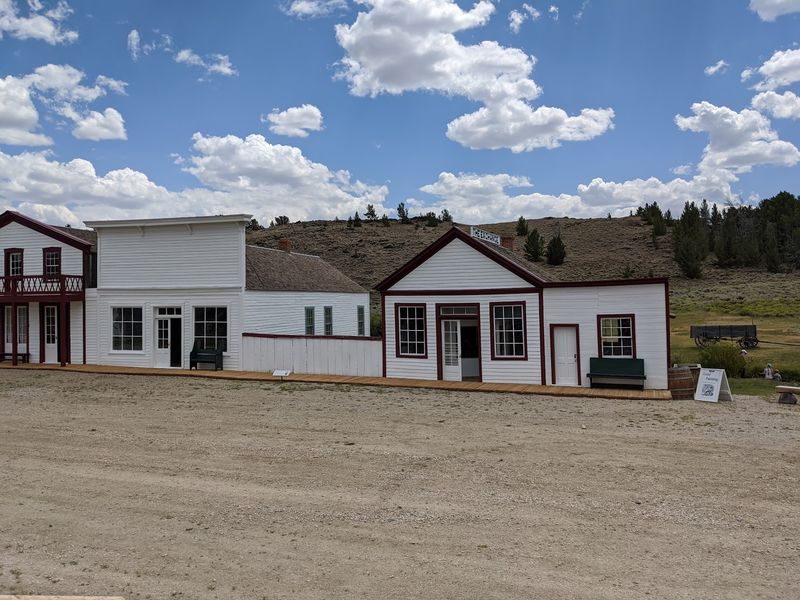
Wyoming’s gold rush of the late 1860s sent prospectors into an area already famous as a route for westward migration. South Pass City grew quickly from that rush.
The boom was dramatic but brief. Within a few years mining declined and much of the population left, yet enough survived to make this one of Wyoming’s most remarkable historical destinations.
South Pass City State Historic Site preserves original buildings, mining history, trails, and the nearby Carissa Mine. Visitors can walk the historic streets and explore the landscape that drew thousands of fortune seekers.
The town site’s buildings and gift shop keep posted visitor hours. The surrounding site and trails are accessible from dawn to dusk, so you can still wander even if the buildings are closed.
Miner’s Delight, Wyoming
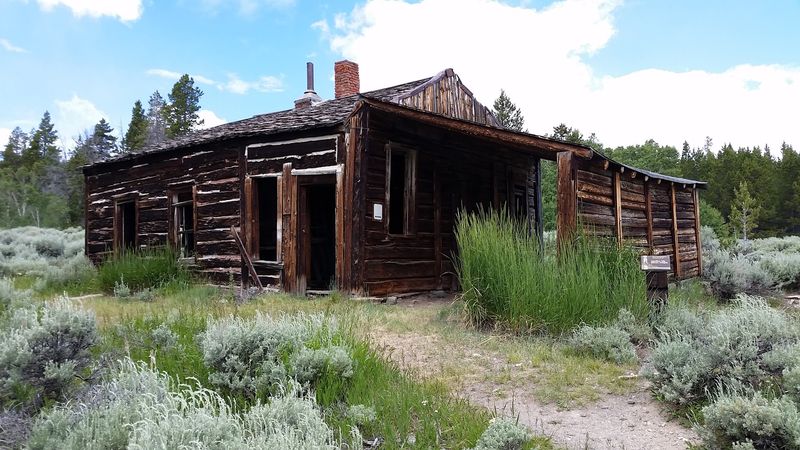
Anyone looking for a quieter option than the famous ghost towns can find it at Miner’s Delight, inside the South Pass Historic Mining Area.
Gold discoveries brought settlers into this part of Wyoming in the 1860s. For a short time the surrounding mining district supported around 1,500 people in communities including South Pass City and Atlantic City.
By the early 1870s the rush was already fading.
The Bureau of Land Management now maintains Miner’s Delight as part of a 30-square-mile historic mining landscape. Visitors can explore old roads, mining remnants, campgrounds, and traces of several major national historic trails.
The remote location helps keep the lonely feel that makes small Western ghost towns so memorable. Bring a full tank of gas and a map.
Nevada City, Montana
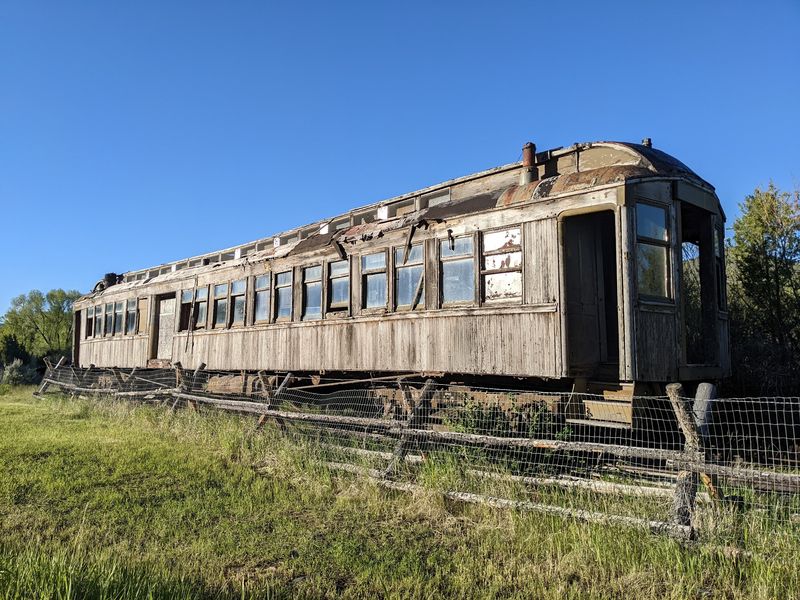
A former ghost town that became a living-history museum is a rare find. Nevada City began as a mining settlement and later took on a very different life.
After the original town declined, Charles and Sue Bovey began restoring it in the mid-20th century. Historic structures were preserved and additional period buildings were relocated there, creating a large collection devoted to Montana’s territorial-era history.
Today visitors can walk through the historic community, explore exhibits and collections, and see living-history demonstrations on selected summer weekends.
Nevada City is an active tourist attraction rather than an abandoned site left to wear down. It operates seasonally, generally from Memorial Day weekend through Labor Day, so travelers planning an off-season trip should check the current schedule first.
Share this story