Some of the best surprises in Oklahoma show up right beside the highway, looking like nothing special from the road. I pulled over expecting a quick leg stretch and ended up staying all afternoon, staring up at stealth jets and capsules that really flew in space.
It is the kind of place that makes grown-ups feel like curious kids again. If you love flight, rockets, or just a good road trip discovery, this stop deserves a spot on your map.
A Smithsonian Affiliate Hiding in Western Oklahoma
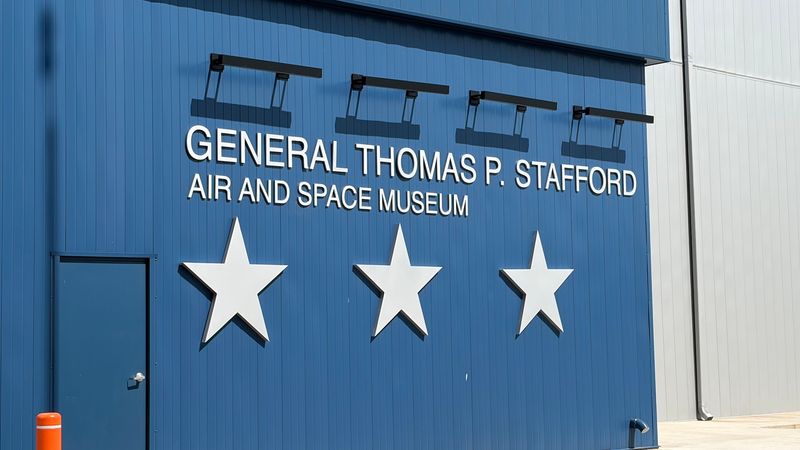
Out on the plains of western Oklahoma, at 3000 Logan Road in Weatherford, sits a museum that many travelers say feels far bigger than they expected. The Stafford Air & Space Museum holds more than 3,500 aerospace artifacts along with interactive activities, spread across indoor galleries and outdoor displays.
Better still, it is a Smithsonian affiliate. Visitors often call it Smithsonian quality, and some even compare its depth to what you might find at much larger national sites.
Getting there is simple, since the museum sits right along Route 66. That makes it an easy add-on for anyone cruising the Mother Road or heading across the state on a weekend adventure.
Many guests describe it as a hidden gem, the sort of place you stumble into and then tell everyone about later. Travelers mention planning a quick hour and leaving several hours later, still talking about what they saw.
The collection covers aircraft, rockets, space capsules, engines, space suits, and the life story of a famous Oklahoma astronaut. It blends real flown hardware with carefully built replicas, so you get both the thrill of authenticity and the full picture of how flight developed over time.
For a small town stop, the scale is honestly remarkable.
The Hometown Astronaut Behind the Name
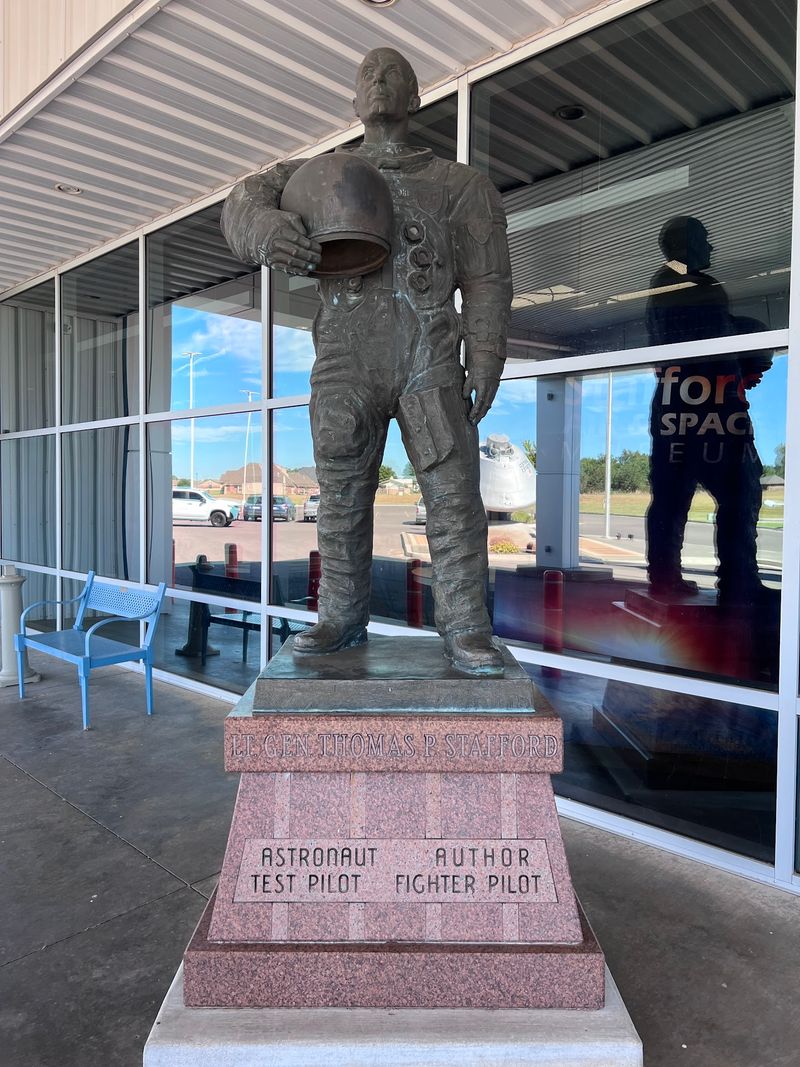
Few small towns can say one of their own circled the Moon. Weatherford can, thanks to Lt.
General Thomas P. Stafford, a local native who became a NASA astronaut and flew four space missions.
One of those trips was Apollo 10, which took him around the Moon just months before the first Moon landing. That mission was a key rehearsal, and the museum tells the story with plenty of detail and heart.
Exhibits follow his career from his early days in the Air Force all the way to his time in space. Visitors also learn that he played a part in the development of modern stealth bombers for the US Air Force, a lesser known chapter that surprises many guests.
Families often say learning about General Stafford was a highlight. Kids connect with the idea that a person from a quiet Oklahoma town could end up flying past the Moon.
That sense of local pride runs through the whole building. It is not just a collection of machines, but a tribute to an Oklahoma hero whose curiosity carried him far beyond the plains.
Walking through his story first gives the rest of the museum extra meaning.
Wright Brothers to Stealth Fighters
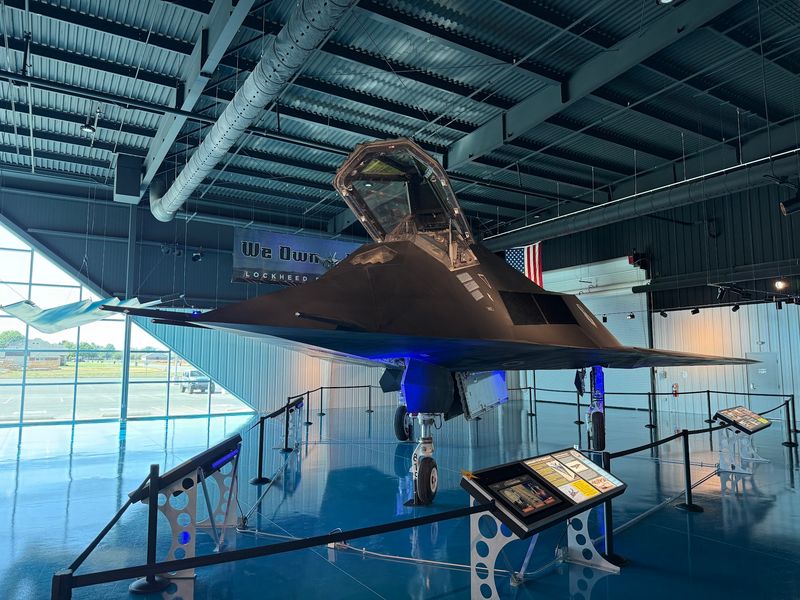
Picture walking from a wooden flying machine to a jet shaped like a black arrowhead in just a few minutes. That journey is exactly what the museum offers, tracing flight from the Wright Brothers through the Cold War and into the stealth era.
The star for many visitors is the Lockheed F-117 Nighthawk. One guest shared that it was the first time in their life they had ever seen a stealth aircraft up close, and that moment stuck with them.
Guests praise how clearly the museum shows the progression of flight. Displays explain the engineering behind these incredibly fast machines, so you understand not just what they look like but why they were built that way.
Many of the items reportedly come from the Air Force Museum, which adds to the sense of authenticity. You will find real planes, vehicles, models, and replicas mixed together throughout the halls.
Standing beside these jets is a different feeling than seeing them in photos. Their size, sharp angles, and serious design make them feel almost alive.
Aviation fans will want to slow down here and read every sign, because the stories behind each aircraft are just as impressive as the metal itself.
Capsules, Engines, and Pieces That Touched Space
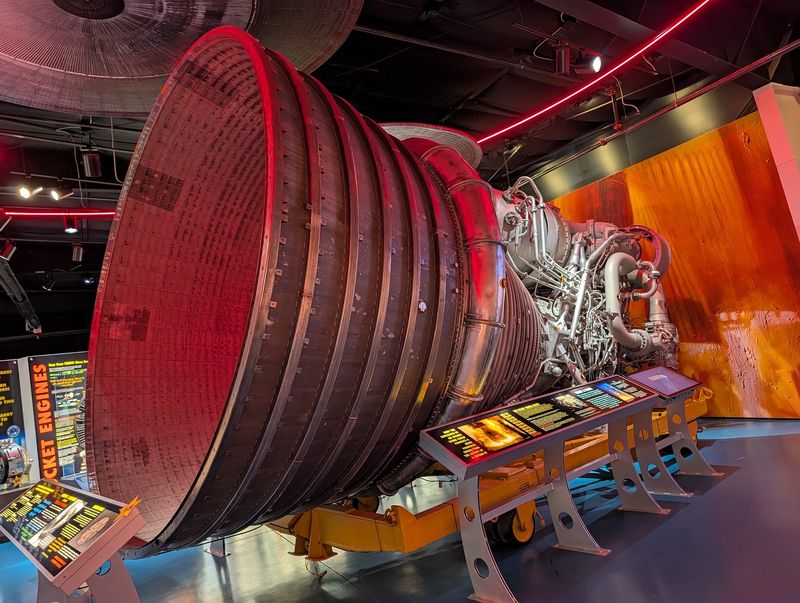
Here is a fun thought: some of the objects in front of you have actually left Earth. Visitors love that several items on display are space worn and space used, sitting alongside detailed replicas.
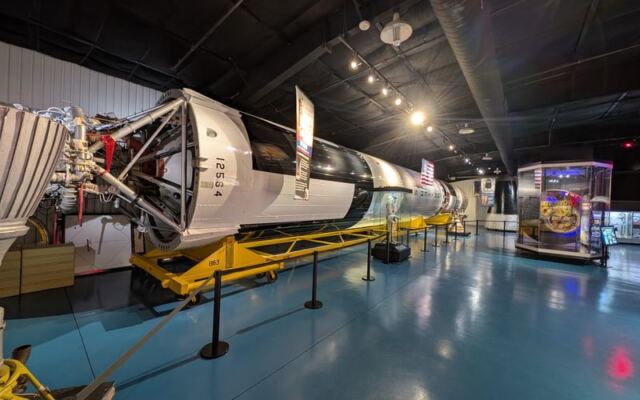
The museum features original Gemini and Apollo capsules, plus engines from a variety of rockets. Rockets and astronauts come up again and again when guests talk about their visit, and it is easy to see why.
Even more rare finds wait inside. There is an original Space Shuttle simulator and a section of Mission Control used during the Apollo program, giving you a peek at where history was guided from the ground.
One visitor named the Snoopy exhibit, tied to the Apollo era, as a personal favorite. Space suits and other gear help you imagine what it took for astronauts to work in such a harsh place.
The information panels are detailed and well marked, so curious minds can learn a lot without feeling lost. Engineering lovers will enjoy the rocket engines, while younger visitors tend to gaze at the cramped capsules in wonder.
It really sinks in how small those spacecraft were for such enormous journeys.
Outdoor Aircraft and a New Space Park
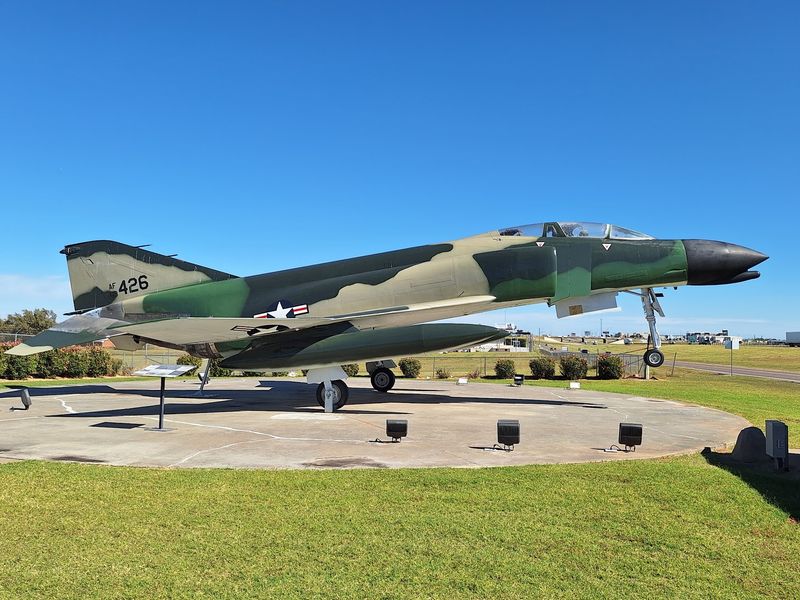
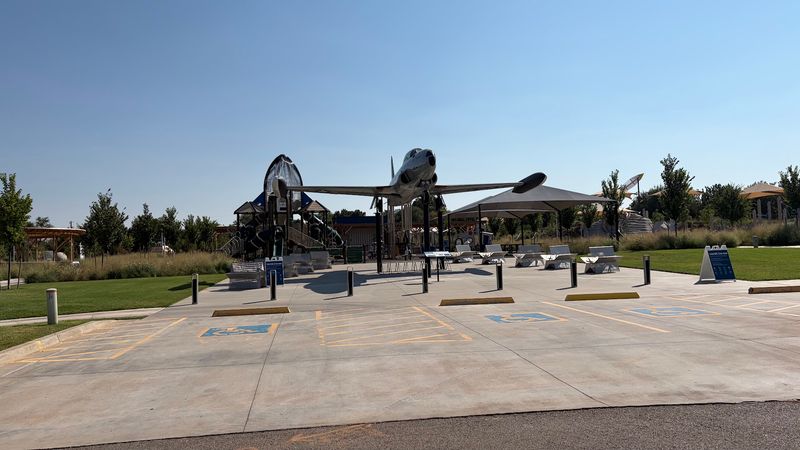
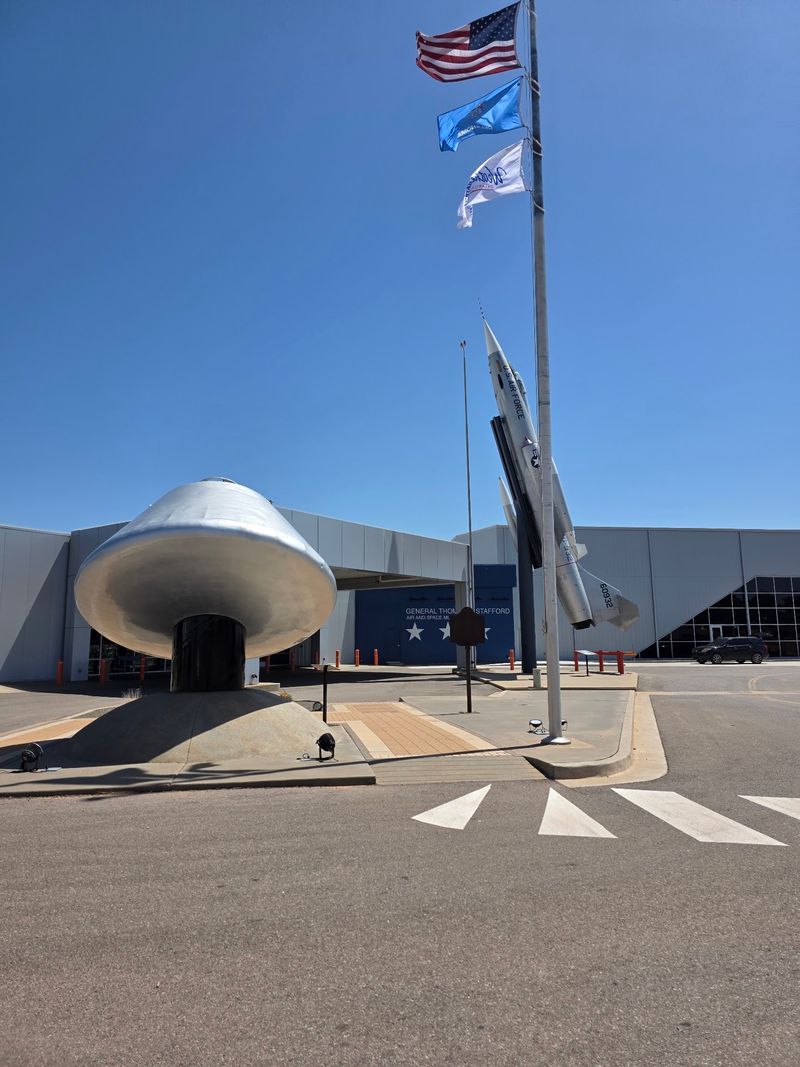
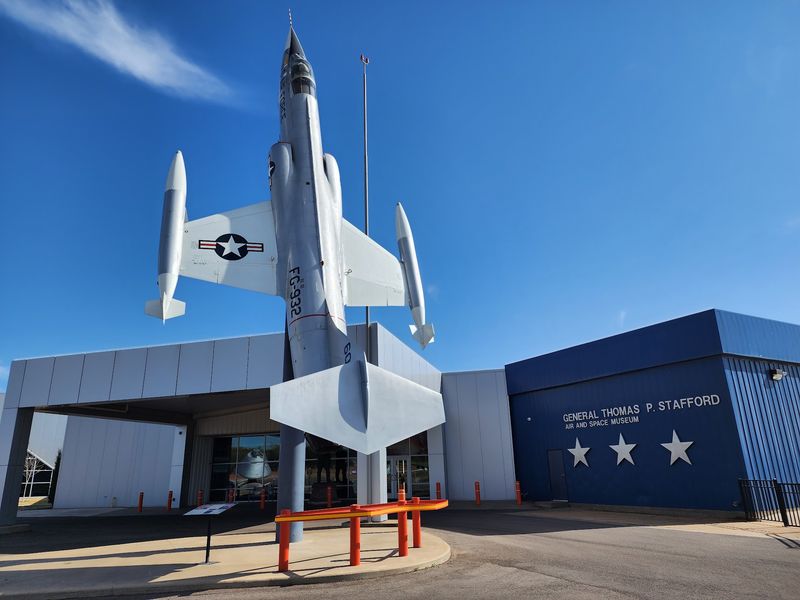
Don’t head straight back to the car once you finish inside. Out front, a lineup of historic aircraft waits on display, and guests recommend taking time to walk among them.
Across the street and the parking lot, a newer kid-friendly space park has become a big draw. Its centerpiece is a model Saturn V rocket, a nod to the giant rocket that carried Apollo astronauts toward the Moon.
Some visitors noted the park was still partly under construction during their trip. Even so, they called it beautiful and predicted it would become quite the destination for families once completed.
The outdoor area gives kids a chance to burn off energy after a long stretch of reading displays. It also offers a great photo spot, with that tall rocket model framed against the wide Oklahoma sky.
Renovations inside the museum have earned plenty of excitement too. Returning guests say the updates feel fresh and innovative, so even people who visited years ago will find something new.
Pairing the indoor galleries with the aircraft and park makes for a fuller day. Plan to spend a little extra time outside, especially on a pleasant afternoon when the breeze rolls across the plains.
Relaxed Galleries Made for Every Age
Crowds can ruin a museum trip, but many visitors report the opposite here. Some say it was not crowded at all, letting them wander at an easy, unhurried pace.
Friendly staff add to the comfortable feel. Guests mention multiple team members checking in to ask if they had questions, which is helpful when a display sparks curiosity.
Kids seem to have a blast. A scavenger hunt is a frequent favorite, turning the galleries into a search mission, and interactive exhibits keep young hands and minds busy.
Parents describe the experience as engaging and educational without feeling like a classroom. One family said their child loved every bit of it.
Adults are far from left out, though. Veterans, engineers, space fans, and history buffs all find plenty to admire, and one visitor called the sheer amount of information joyfully overwhelming.
The museum also works well as an escape from harsh weather. One group spent a blistering 103 degree afternoon exploring indoors and enjoyed every minute.
The layout earns praise for being well designed and organized. That makes it easy to follow the story of flight from start to finish, whether you are eight years old or eighty.
Hours, Admission, and Planning Your Stop
Good news for flexible travelers: the museum keeps steady hours all week. It is open Monday through Saturday from 9 AM to 5 PM, and on Sunday from 1 to 5 PM.
Admission is reported at about $12 per person. Senior and military discounts are available, and many guests say the visit is well worth the price.
Time is the bigger thing to budget. Most visitors suggest planning one to two hours at minimum, though plenty of people stay longer, with one group lingering more than two and a half hours and wanting even more.
The address is 3000 Logan Road in Weatherford, and the location sits right along Route 66. That makes it simple to reach whether you are driving across the state or making a dedicated day trip.
A few helpful tips can make the visit smoother:
Arrive with enough time before closing, since the collection is larger than it looks. Save energy for the outdoor aircraft and the space park across the way.
For questions before you go, call 580-772-5871 or check the website at staffordmuseum.org. Hours and pricing can change, so a quick check ahead of time is always smart.
Why the Detour Pays Off
Ask almost anyone who has visited, and you will hear some version of the same advice. If you drive by without stopping, you are missing something special.
That reputation comes from a rare mix of things. You get a Smithsonian affiliate, flown spacecraft, a famous stealth fighter, and the heartfelt story of an Oklahoma astronaut, all in one easy roadside stop.
Plenty of guests arrive expecting a short visit. Many leave saying it ranks among the best museums they have ever explored, which is high praise for a building on the Oklahoma plains.
Families will appreciate the scavenger hunt, the interactive displays, and the growing space park. Grown-up aviation and space fans will love the detailed engineering explanations and the chance to stand next to real hardware.
It also suits the classic Route 66 spirit of discovery. Few highway stops let you go from the Wright Brothers to the Moon in a single afternoon.
So if your travels take you through western Oklahoma, carve out a few hours. Bring curious kids, a camera, and comfortable shoes.
Chances are you will drive away already planning a return visit to see what you missed.
Share this story