Some of the best history lessons in Georgia come without a ticket booth, a velvet rope, or even a single standing wall. On one quiet island, a whole colonial town once stood, then slowly faded from the map.
Today you can still stroll its old streets, read about the families who lived there, and watch archaeologists uncover what they left behind. Stick around, because this small patch of ground holds a big story, and getting in costs exactly nothing.
An Island Outpost on Frederica Road
Tucked among the live oaks of coastal Georgia, Fort Frederica National Monument sits at 6515 Frederica Rd, St Simons Island, GA 31522. The site is managed by the National Park Service and is listed as a historical landmark.
So what exactly is here? The remains of an 18th-century fort and settlement founded by James Oglethorpe in 1736.
Frederica was more than a military post. It was a full town, laid out with streets, homes, and shops, built to protect the young British colony along the southern frontier.
Most of that town is gone now. Foundations, a few fort sections, and carefully placed markers tell the rest of the story.
The grounds are open space, shaded paths, and interpretive signs rather than reconstructed buildings. That makes the place feel less like a theme park and more like an outdoor history book you can stroll through at your own speed, page by page and street by street.
A Frontier Built for a Tug of War
Back in the 1700s, the southern edge of the American colonies was very much up for grabs. Britain and Spain both wanted control of the region, and Frederica was planted right in the middle of that contest.
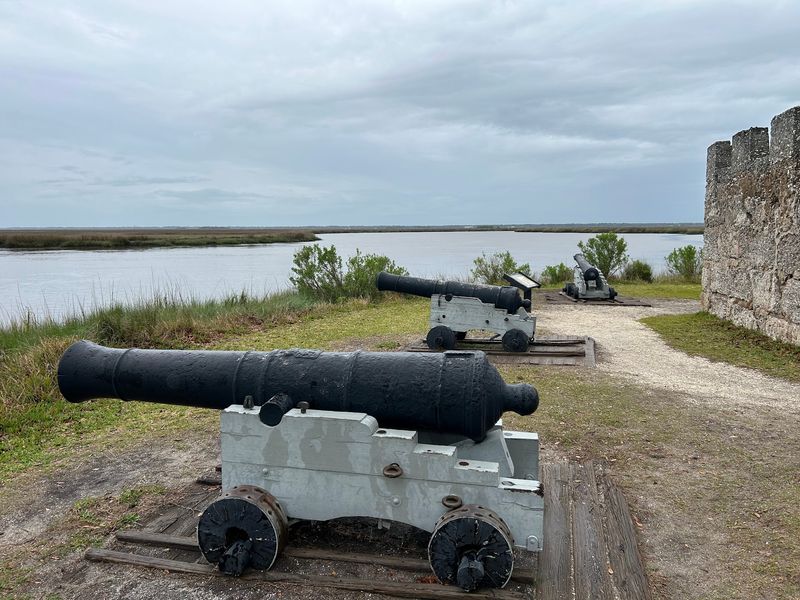
Oglethorpe chose the island location for a reason. The fort guarded the waterways and helped keep the young colony of Georgia in British hands.
Exhibits at the visitor center explain that rivalry clearly, laying out how the settlement grew and why the fort mattered.
Here is a fun twist from the guided tours: the village layout once included a moat. Few people expect that detail on a sleepy Georgia island.
Soldiers and their families lived here, worked here, and built a real community. Learning what happened to the town afterward is part of the appeal, and the rangers love to share that chapter with anyone curious enough to ask about it.
Broad Street and Its Ghostly Grid
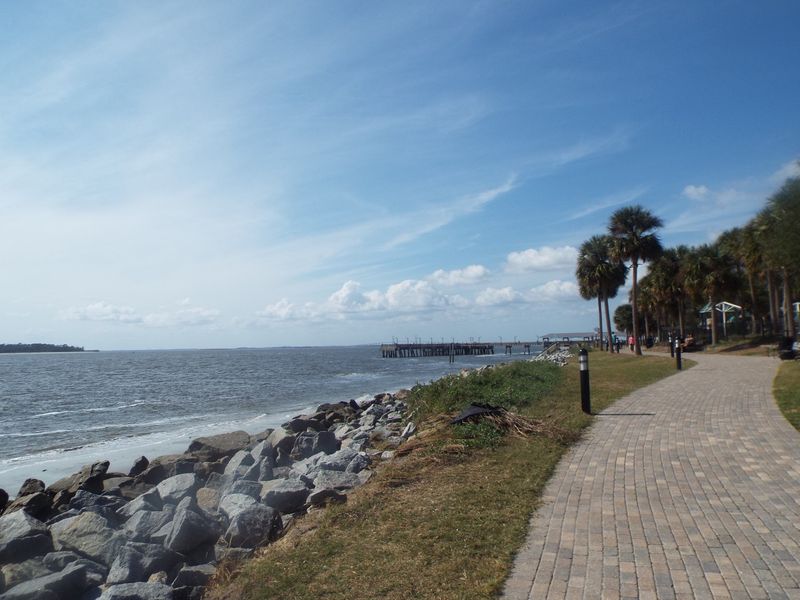
Here is the headline feature: you can walk the actual streets of a town that vanished centuries ago. Markers show where the old roads ran, so the path toward the fort follows the original grid.
The main route is Broad Street. From the visitor center, a trail leads you onto it and straight toward the fort.
Along the way, plaques stand at many of the former home sites. Each one explains who lived there and what the building once was.
Reading them in order turns a simple stroll into a neighborhood tour of colonial life. You learn about the households one lot at a time.
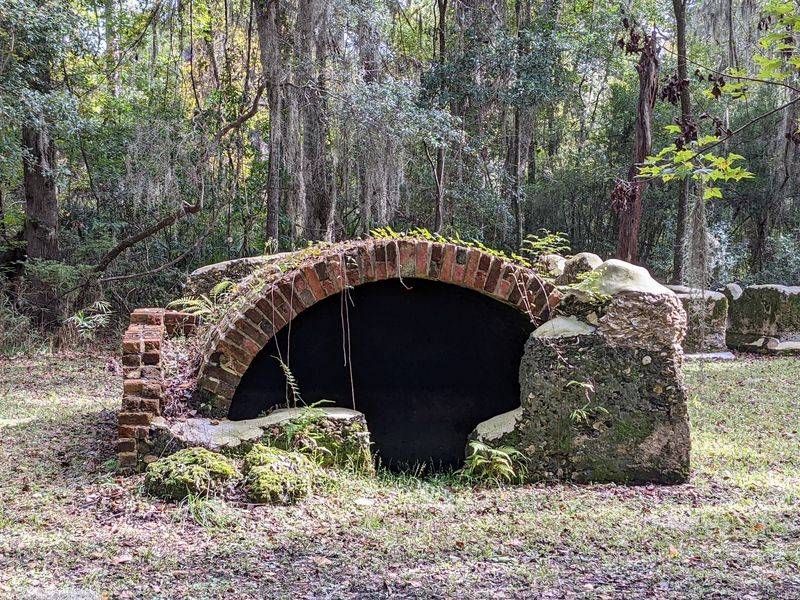
Brick foundations peek out of the grass at several spots. They help you understand the scale of the place without needing a single rebuilt wall.
Give yourself time here. The grounds cover a lot of ground, and the signs reward slow, patient readers.
The Fort Remains by the Water
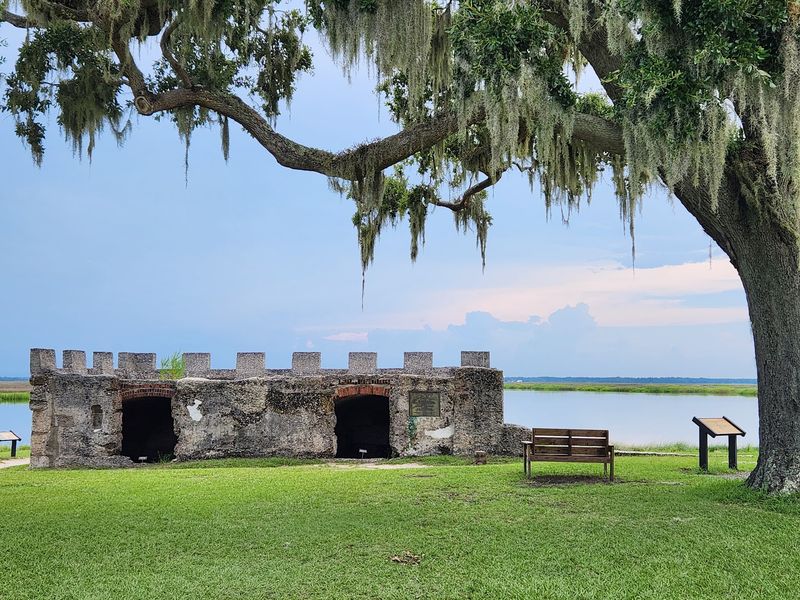
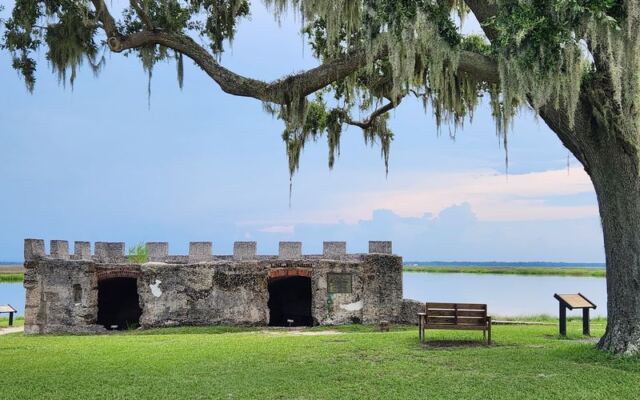
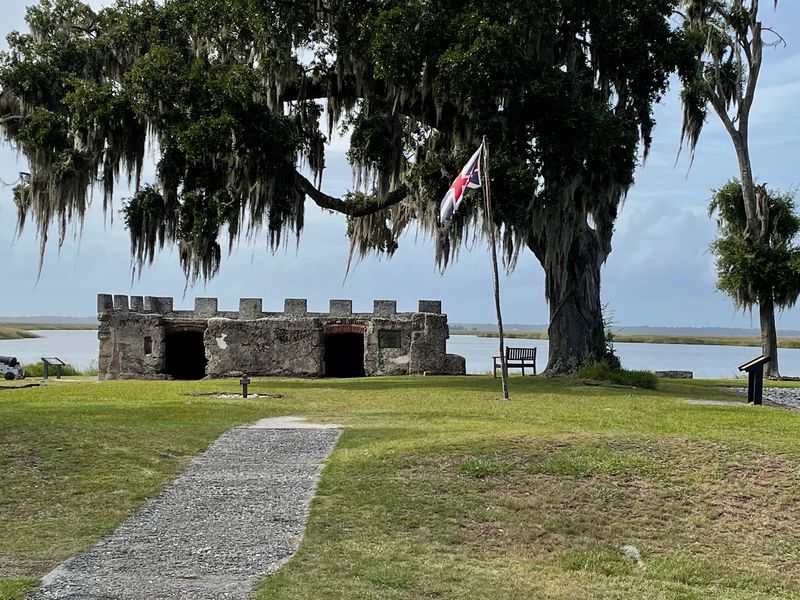
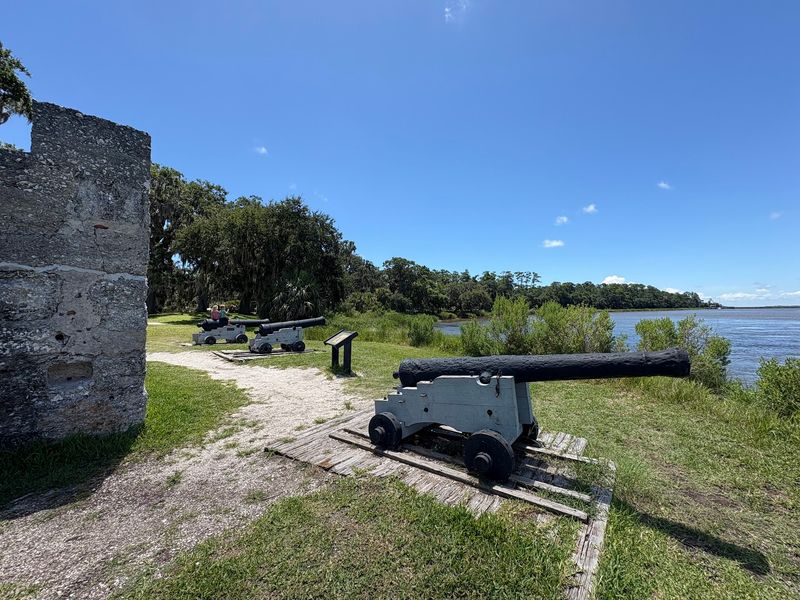
At the end of Broad Street waits the star of the show. Sections of the fort still stand, and the battle site is well restored and intact enough to explore from the outside.
Only one building remains wholly intact. That alone makes it worth the walk.
Guests cannot go inside the fort or climb on top of it. Walking around it, though, gives you plenty of angles to study the structure.
The spot sits close to the water, and the creek nearby sometimes brings surprise guests. Dolphins have been spotted swimming past.
Expectations matter here. There is not a huge fort to look at, so the remaining pieces work best alongside the stories on the signs.
Paired with that context, the ruins become far more interesting than a quick glance suggests. A few minutes of reading turns old walls into a clear picture of frontier defense.
Digs That Keep Rewriting the Map
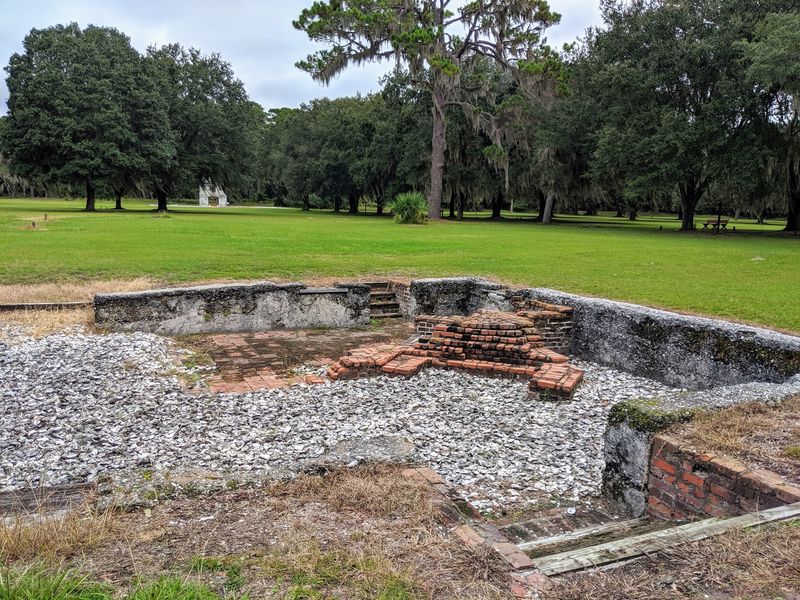
History at Frederica is not finished. It is an active archaeological site, and excavations continue year after year.
Depending on timing, you may see an area currently being dug. Watching researchers work right where the town once stood adds a real sense of discovery.
Rangers explain that new finds turn up all the time. Nobody seems sure when, or if, the uncovering of Frederica will ever wrap up.
Repeat trips pay off for that reason. Fans of the site mention spotting new artifacts and discoveries on each return.
Many recovered pieces end up on display in the visitor center. Seeing objects in a case, then standing near the ground they came from, connects the dots nicely.
For history buffs, this ongoing work is a big draw. The story keeps growing, one trowel at a time, so the town you meet next year may look a little different.
Colonial Games Inside the Visitor Center
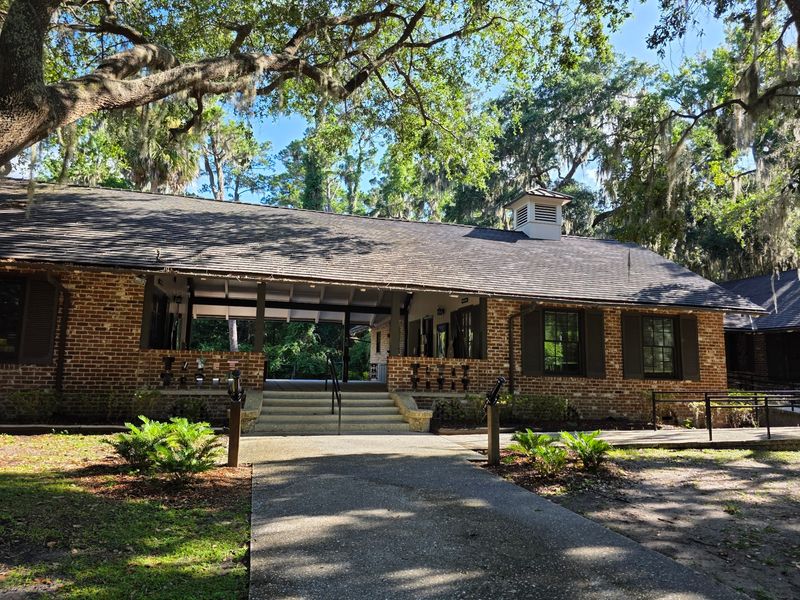
Start indoors, and the outdoor walk makes much more sense. The visitor center holds exhibits on the settlement, the fort, and the British and Spanish struggle.
A short film in the theater sets the scene well. Many guests call it an excellent introduction.
One corner is set up as a colonial tavern. You can study recovered artifacts, try old tavern games, and see historic children’s toys.
Kids can dress up in colonial outfits, which tends to make the lessons stick. There is also a replica hut showing how British soldiers lived.
The gift shop deserves a browse too. It carries works by local artists and a strong book selection.
Collectors, take note. Bring your National Park passport book for a stamp, and remember that fridge magnet before you leave.
Plenty of folks forget and regret it on the drive home.
Rangers, Junior Rangers, and Scavenger Fun
Ask almost anyone about Frederica, and the rangers come up fast. Staff here are known for being friendly, welcoming, and deeply knowledgeable.
Ranger-led tours fill in details the signs cannot cover. When mobility is a concern, a ranger may even offer a golf cart tour, as one family discovered.
Self-guided wandering works well too. The signage lets you set your own pace without feeling rushed.
Families get a special bonus. The Junior Ranger book here is praised for telling a story and pulling kids into the history.
A scavenger hunt adds extra fun for young explorers. Quick tip: check the Junior Ranger bag before heading out, since supplies have sometimes run short.
Between the guided talks and the kid-focused activities, nobody needs to be a history expert to leave feeling like one. A few good questions go a long way here.
Oaks, Moss, Deer, and a Quiet Mood
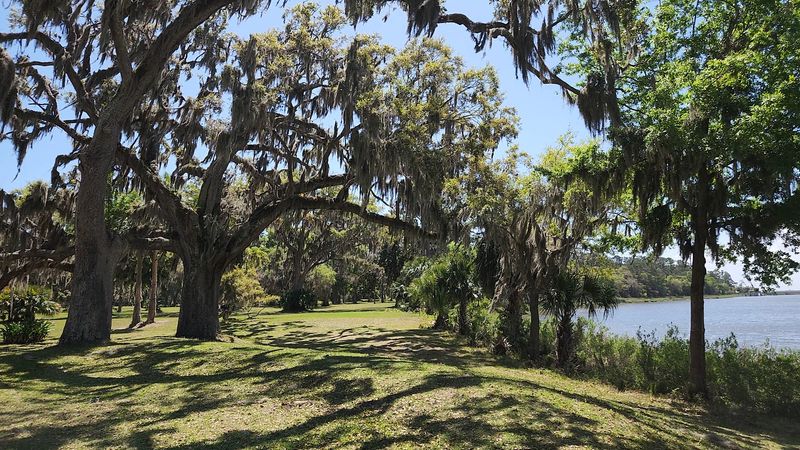
Nature might steal the spotlight from the ruins. Huge old oak trees hung with Spanish moss shade much of the grounds.
Wildlife sightings are common. Deer often graze in the open or rest in quiet corners, and dolphins sometimes pass in the creek.
One lucky group even watched a diamondback terrapin lay eggs. Moments like that are pure bonus.
The overall vibe is calm and unhurried. Benches under the oaks invite a long pause, and spring brings flowers to the drive in.
This setting suits history lovers, families, and anyone wanting a peaceful outdoor outing. Solo visitors enjoy it as a relaxed day date with themselves.
Nearby, the old burying grounds hold a lot of history in a small space. Neighboring Christ Church Frederica is also worth a look before you leave the area.
Free Admission and Smart Planning
Good news for budgets: there is no entrance fee and no parking fee. Parking is plentiful, and restrooms are on site.
The grounds are open daily from 9 AM to 5 PM. The visitor center has been noted as closed on Mondays and Tuesdays at times, so check the NPS website if the museum or stamps matter to you.
Plan on two to three hours to see the film, walk the grounds, and read the signs. Rushing means missing a lot.
Pack smart. Bring water, sunglasses, sunscreen, and bug spray, since gnats can be rough in late March.
Signs warn about ticks on the farther trail past the burying grounds. Dress for it if you plan to explore.
All told, this lost town is a rewarding stop. Free streets, steady discoveries, and great rangers make it easy to return again and again.
Share this story