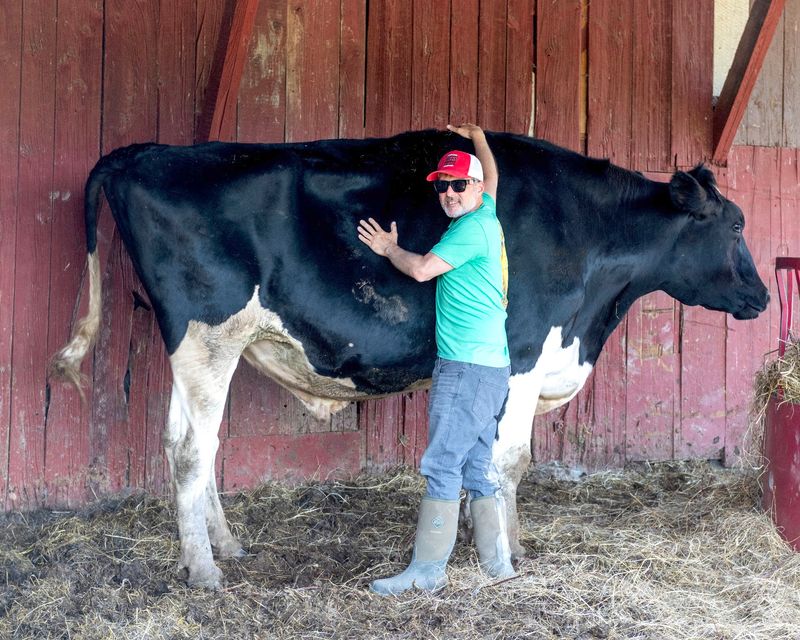
A pig named Vinny lives on a quiet New Jersey farm, and he has made belly rubs part of his daily routine. He shares the property with bulls that can tip the scales near 2,000 pounds.
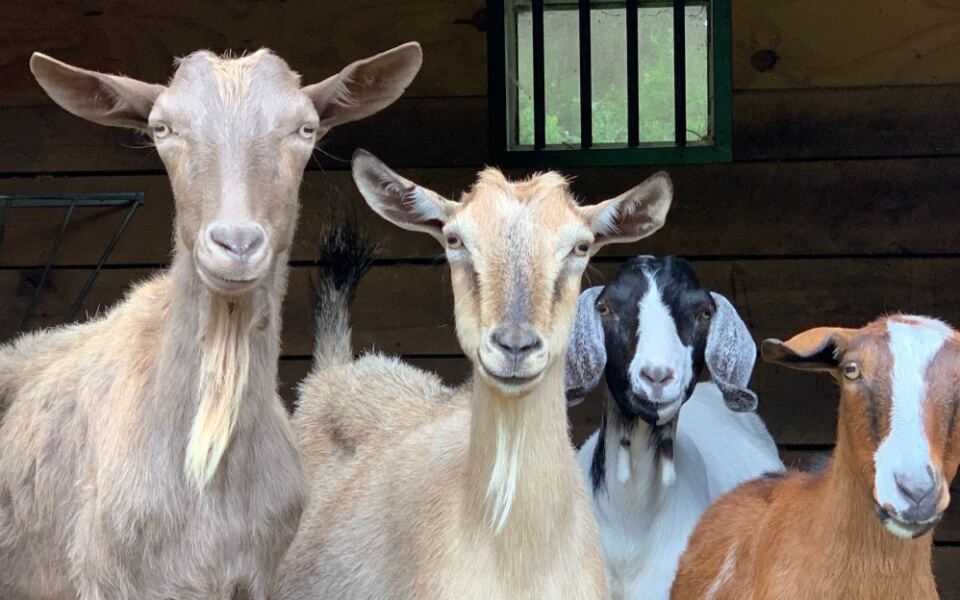
The neighbors are just as charming. Goats, turkeys, sheep, cows, donkeys, and chickens all have rescue stories here.
A crew of more than 40 former stray cats roams around too, mingling with the barnyard residents.
I like how this place skips the petting-zoo routine. Every animal here got a second chance, and the guides know each one by name.
You might end up holding a rooster or scratching a cow behind the ears.
The gates only open for a short window on weekends, which makes the visit feel like a small secret. So who exactly is waiting in that barn?
The People Who Turned a Farm Into a Second Chance
Peter Nussbaum and Gabrielle, often called Gabby, are the co-founders behind the whole operation. Their names come up again and again in connection with the tours and the daily care.
Peter often leads tours himself. He is known for knowing every animal by name and for answering questions with real enthusiasm.
A team of staff and volunteers backs them up. Together they handle feeding, cleaning, medical needs, and the endless chores any farm demands.
Small details tell you how personal the work is. The founders sign their thank-you notes to visitors with a simple Gabby and Peter.
The sanctuary’s purpose is straightforward. Animals rescued from rough situations get to spend the rest of their lives safe, fed, and cared for.
That mission shapes every corner of the visit. Nothing here is staged for cameras, and the animals set the pace.
Honestly, I can’t imagine the patience it takes. Picture managing a household where some members weigh a ton and others peck at your shoelaces.
Yet the founders keep inviting the public in. Their goal is to help people connect with the animals and leave with a little more empathy.
A Weekend Window Into Rescue Life in the Far Northern Hills
Way up in the northwest corner of the state, Tamerlaine Sanctuary & Preserve NJ gives rescued farm animals a permanent home. It sits in Montague, a rural Sussex County town known for open fields and wooded ridges.
The sanctuary works as an animal rescue first and a visitor stop second. That order matters, and you can feel it in how tours are run.
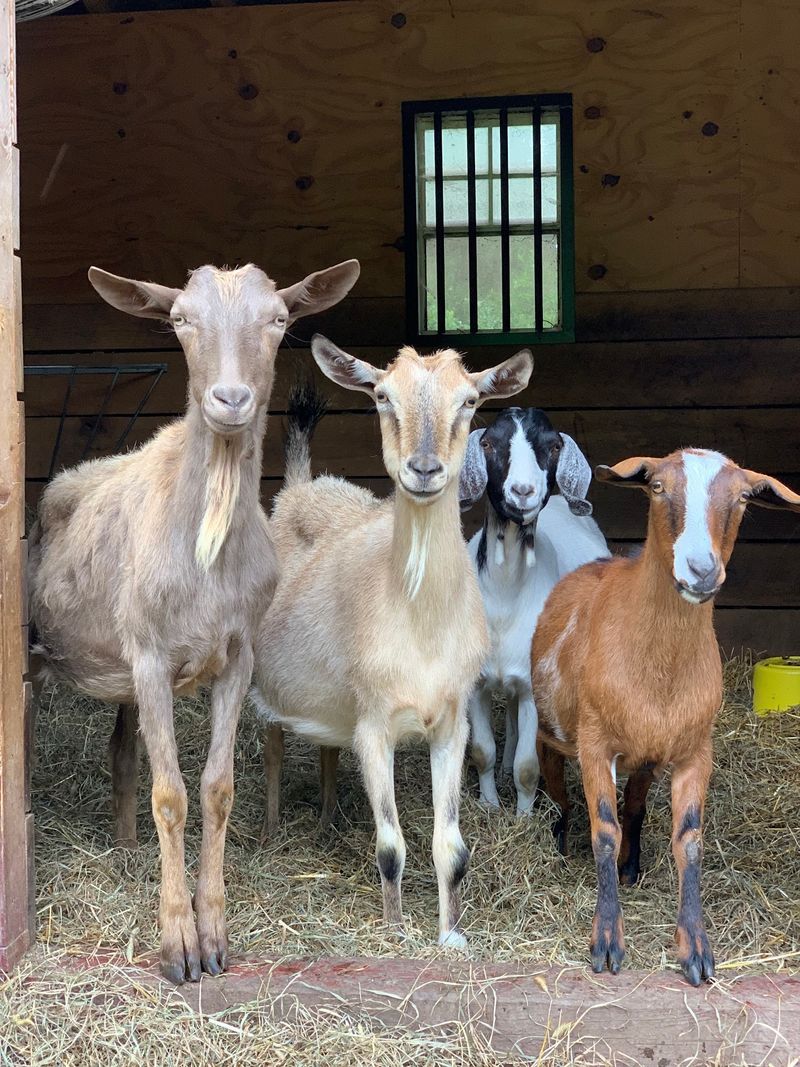
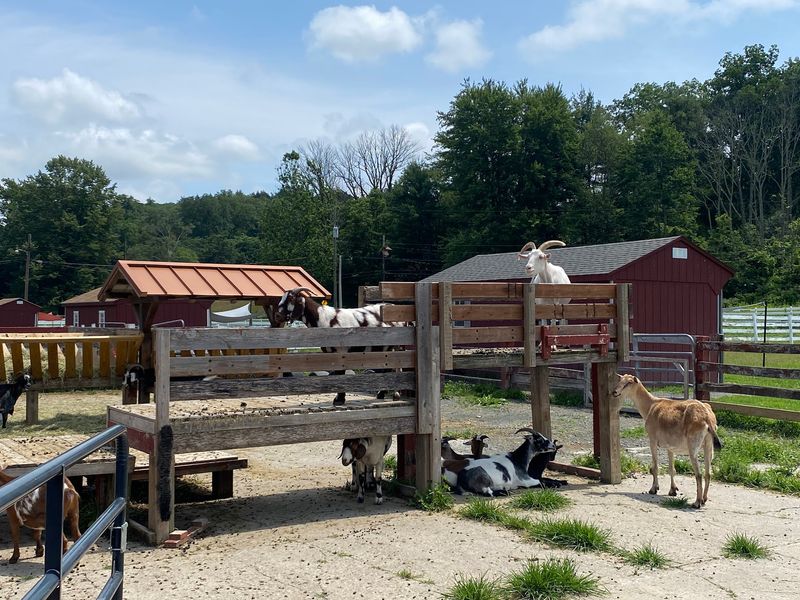
Instead of cages or exhibits, the property is a working farm where the residents simply live. Cows, pigs, goats, sheep, turkeys, chickens, and donkeys all call it home.
Guided tours are the main way the public gets in. They happen on weekends, with both public and private options available.
Each tour walks you through the grounds and introduces the animals one by one. Along the way, guides share how each resident arrived and what life looks like now.
For New Jersey families, it offers something rare. You get close-up time with farm animals that are not here to perform or produce anything.
Think of it as a visit to someone’s very large, very furry household. Everyone here has a name, a past, and a favorite spot to nap.
Rolling Acres Along Clove Road
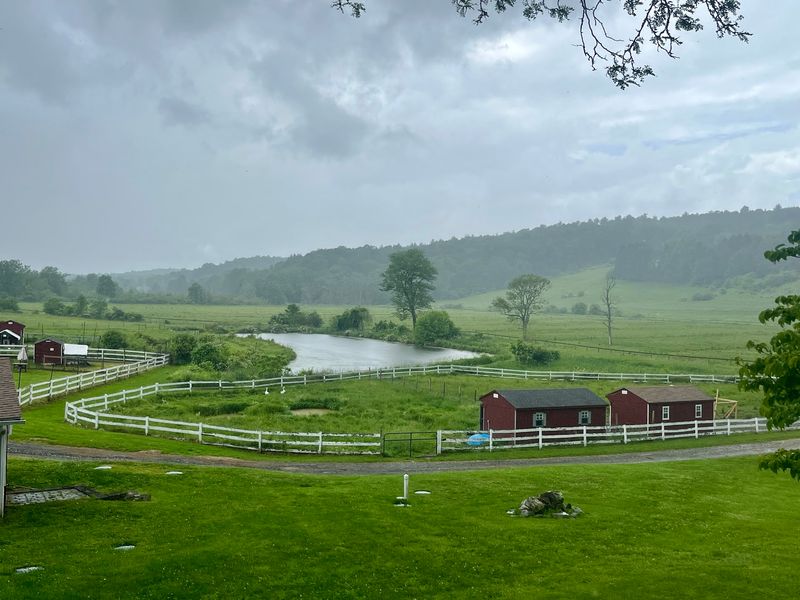
Clove Road winds through some of the prettiest countryside in New Jersey. The sanctuary sits right along it at 141 Clove Rd, Montague, NJ 07827.
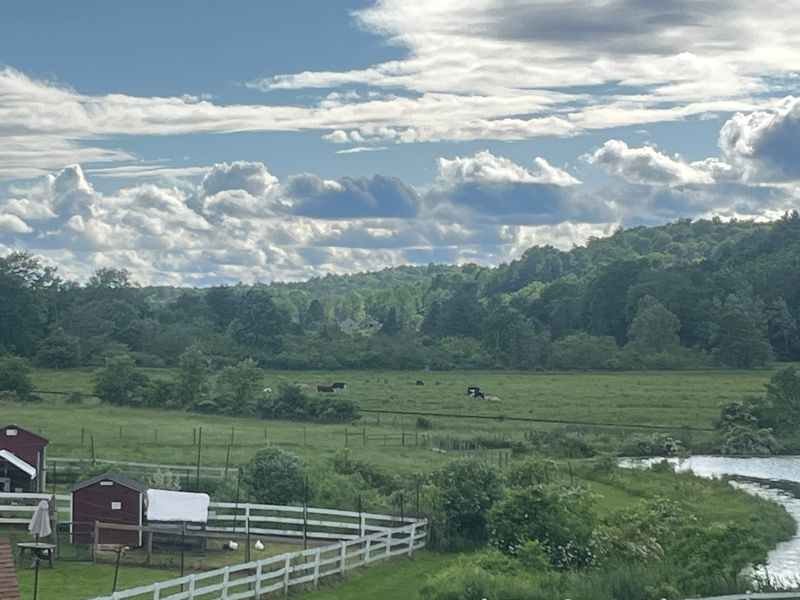
Out here, the landscape does a lot of the talking. Hills, fields, and meadows stretch out in nearly every direction.
Guests from other parts of the country have described the rolling green acreage as a real treat for the eyes. Sunsets over the property earn plenty of praise too.
Autumn deserves a special mention. The surrounding hills look lovely any time of year, but fall color adds an extra layer.
The farm itself is known for being clean and scenic. That matters when you are walking among pastures and barns for a full tour.
Montague sits at the top of the state, near where New Jersey meets New York and Pennsylvania. That remote feel is part of the charm.
Plan for a country drive rather than a quick hop. Once you arrive, though, the quiet setting makes the trip feel worth it.
Wear shoes that can handle grass and dirt. A farm is still a farm, no matter how pretty the view.
Gentle Giants Weighing In Near a Ton
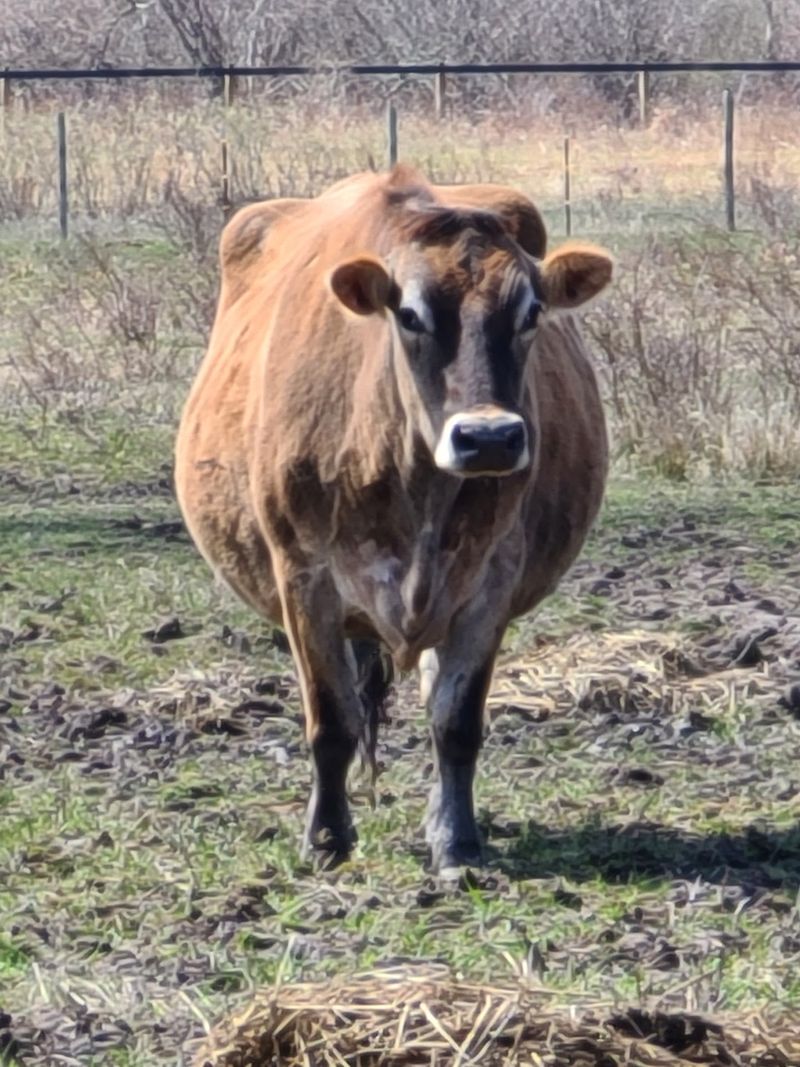
Two thousand pounds. That is roughly how much some of the bulls at this sanctuary weigh.
Standing near one changes your sense of scale fast. These animals are massive, yet the tours present them as individuals with personalities rather than sheer bulk.
Cows also live here, and visitors have gotten the chance to pet them during tours. It is one of those moments that sounds simple until you are actually doing it.
Guides explain more than just facts about size. You learn about the animals’ habits, their friendships, and what each one seems to enjoy.
Some of the best insight comes from the contrast. The same tour that features huge bulls also includes featherweight chickens.
That range keeps things interesting for every age. Kids get wide-eyed at the big guys, while adults tend to ask the deeper questions.
Every bull and cow here has a backstory too. Hearing how they arrived makes their calm, grassy days feel even more meaningful.
Safety comes first with animals this large. Follow your guide’s lead, and you will get plenty of up-close time without any guesswork.
Hold a Rooster, Feed a Pig, Pet a Cow
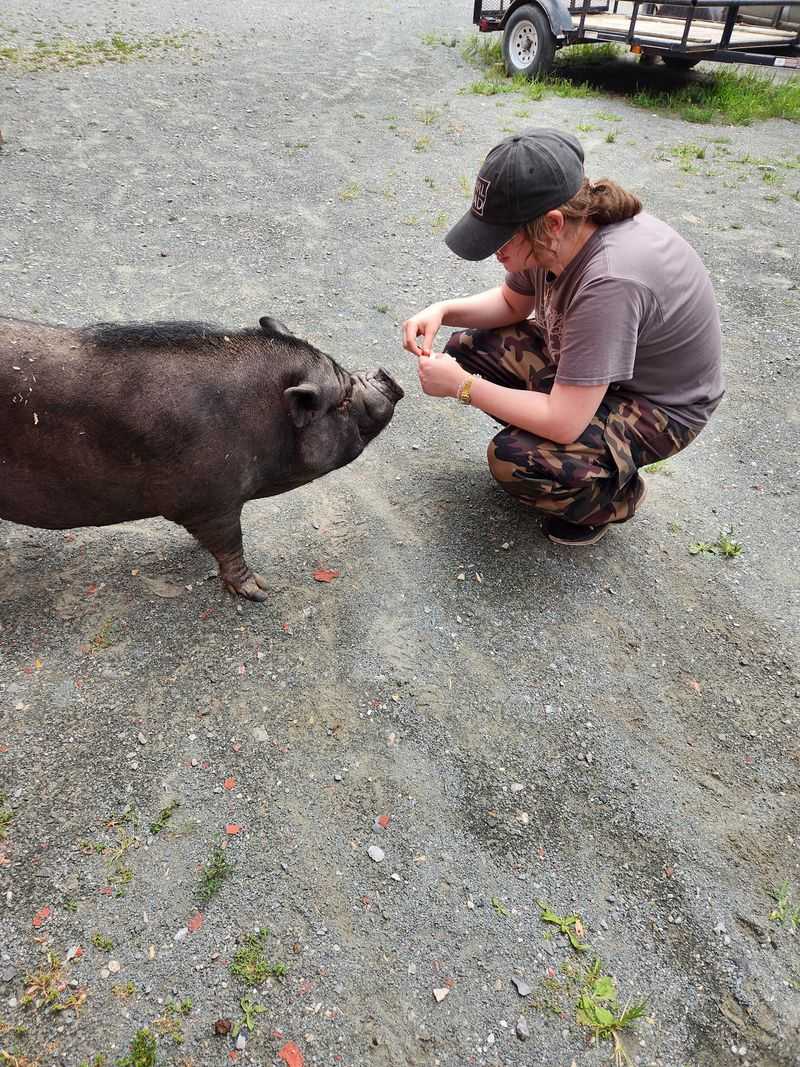
Here is a to-do list most people never expect to complete in one afternoon. Hold a rooster, pet a cow, and feed a pig.
Tours at Tamerlaine Sanctuary & Preserve NJ often include exactly that kind of hands-on time. Visitors have been able to interact with most of the animals on the property.
The pace helps make it possible. Tours are not rushed, so there is quality time to spend with each resident.
One young visitor, just six years old, was especially taken with the whole experience. That says a lot about how approachable the animals can be.
Vinny the pig has a well-known weakness for belly rubs. If he is in the mood, you may get to help with that.
Of course, the animals call the shots. Guides read the room and guide visitors toward residents who are comfortable with attention.
That respect is part of the lesson. You learn to approach animals calmly and let them come to you.
Expect muddy shoes and a few happy surprises. Hands-on farm time is rarely tidy, and that is half the fun.
Turkeys, Goats, and the Rest of the Barnyard Gang
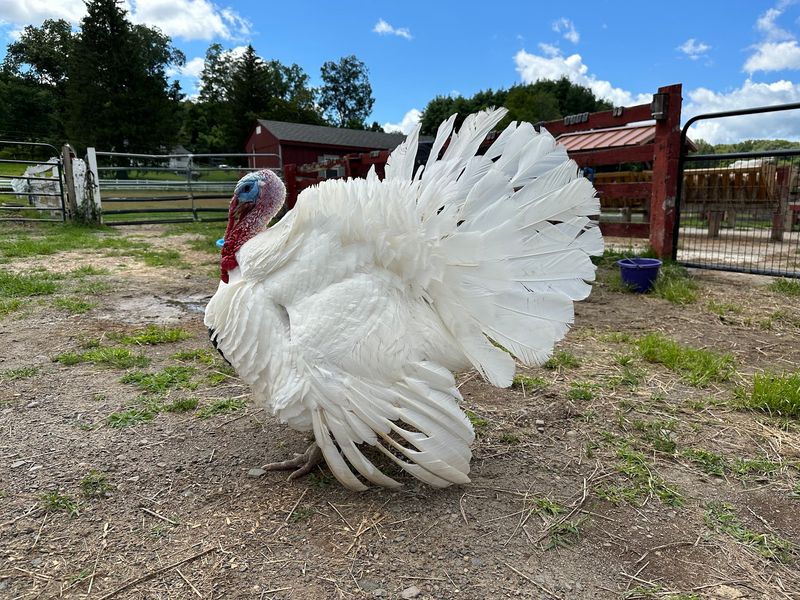
Turkeys tend to steal more attention than people expect. At this sanctuary, they rank among the residents visitors remember most.
Up close, turkeys show off curious personalities and surprisingly social habits. Guides help explain what makes each one tick.
Goats are another crowd favorite. Their playful energy brings a lively spark to the tour.
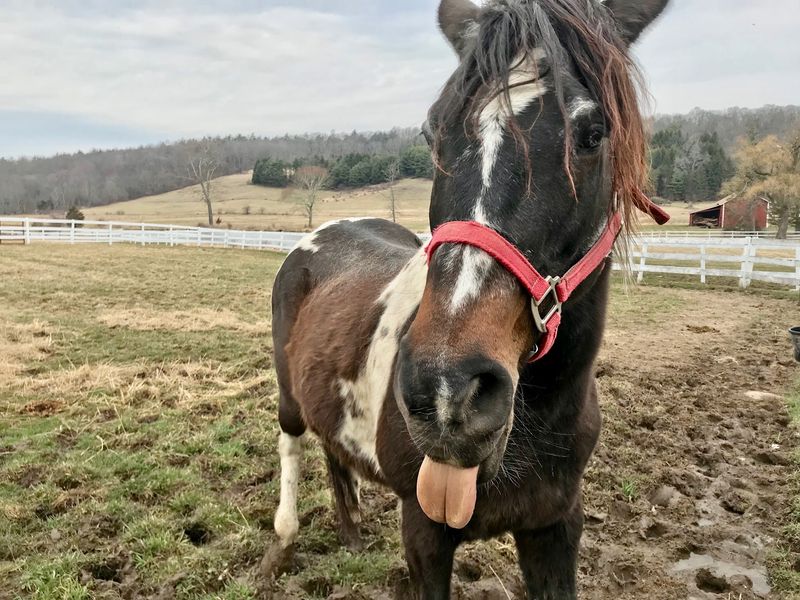
Sheep, donkeys, chickens, and roosters fill out the roster. Each species brings its own rhythm to the farm.
Variety is a big part of the appeal. In one visit, you might go from a quiet flock of hens to a donkey checking out your jacket.
Tours cover more than biology. You hear about the animals’ affinities, lifestyles, and the little quirks that make them individuals.
That approach turns a barnyard walk into something closer to meeting a cast of characters. Some are bold, some are shy, and a few are total hams.
Bring questions for your guide. The more you ask, the more you learn about who these animals really are beyond the labels people usually give them.
Every Resident Comes With a Story
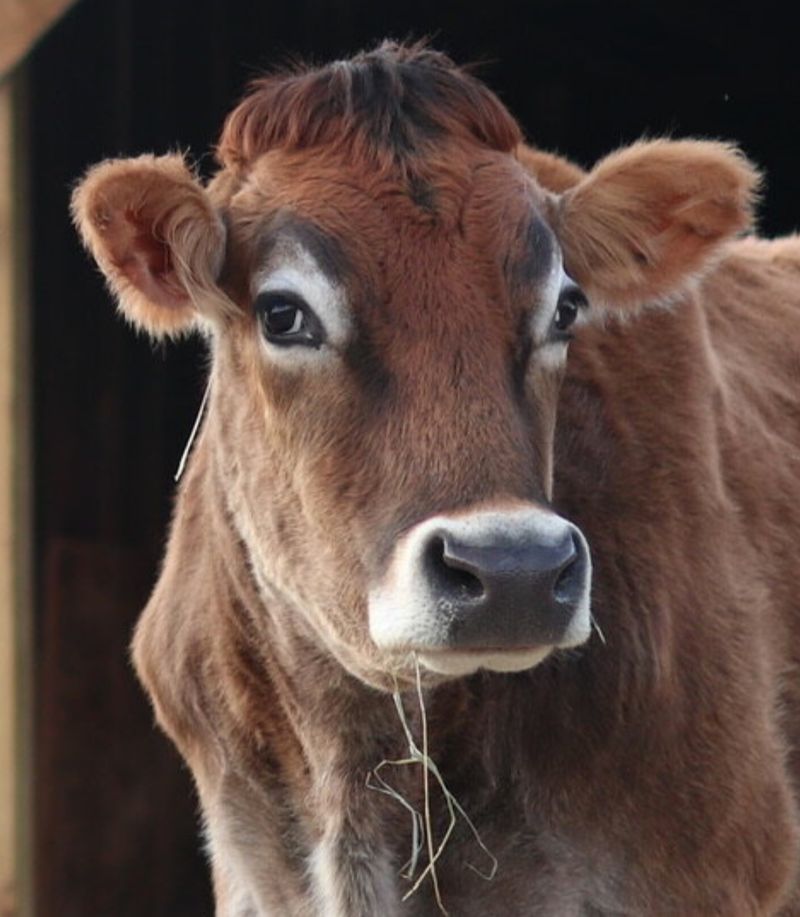
Names matter at Tamerlaine. Guides know every animal by name, and the tours lean heavily on personal stories.
Nearly every resident has a backstory worth hearing. Many came from difficult circumstances before landing somewhere safe.
Hearing those stories changes how you look at the animals in front of you. A sheep stops being just a sheep.
Guides share how each animal was rescued and how it has settled into sanctuary life. The details make the visit feel personal rather than generic.
Tours also explain the sanctuary’s larger goals. You learn how it helps animals today and how it hopes to keep helping in the future.
It is a thoughtful kind of storytelling. The focus stays on the animals as individuals with histories and preferences.
Some stories are funny, and some are touching. Together, they give the tour real emotional weight.
I believe this is what sets the experience apart from a typical farm visit. You leave knowing a handful of animals by name, and maybe with a new favorite you keep thinking about on the drive home.
A Feline Side Project With More Than 40 Members
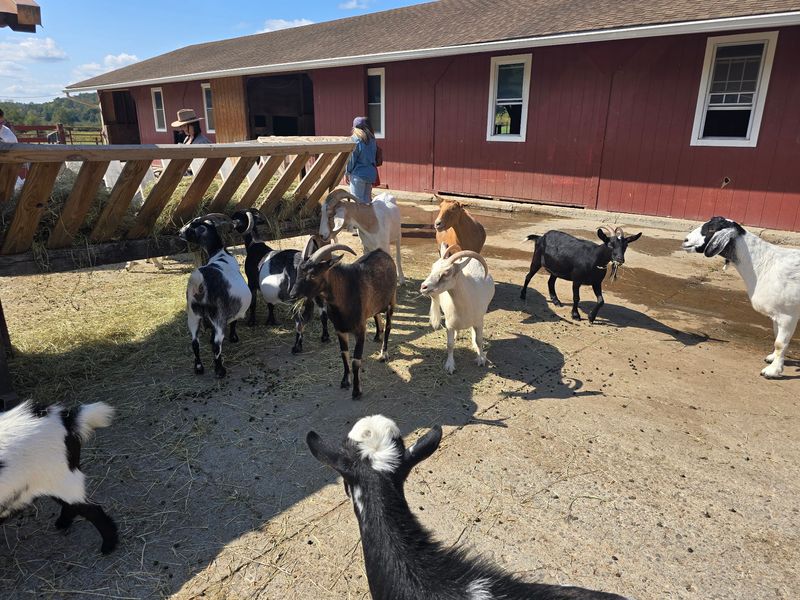
Plot twist for cat lovers. The sanctuary also runs its own cat sanctuary.
More than 40 former strays live on the property. They are not tucked away either, since they interact with the farm animals.
That mix creates some charming scenes. Picture a cat strolling past a pig as if they share a lease.
The barn cats have earned a reputation for friendliness. Many visitors count them among the highlights of the trip.
For the cats, it means a safe place with steady care. Former strays get food, shelter, and plenty of space to roam.
For visitors, it adds another layer of surprise. You come to see cows and goats, then a cat hops onto a nearby fence.
The cat program shows how broad the sanctuary’s mission really is. Care is not limited to traditional farm species.
Keep your eyes open as you walk. The feline residents tend to pop up in unexpected places around the barns and yards, and a few may decide you are worth a closer inspection.
A House That Has Been Lived In Since 1774
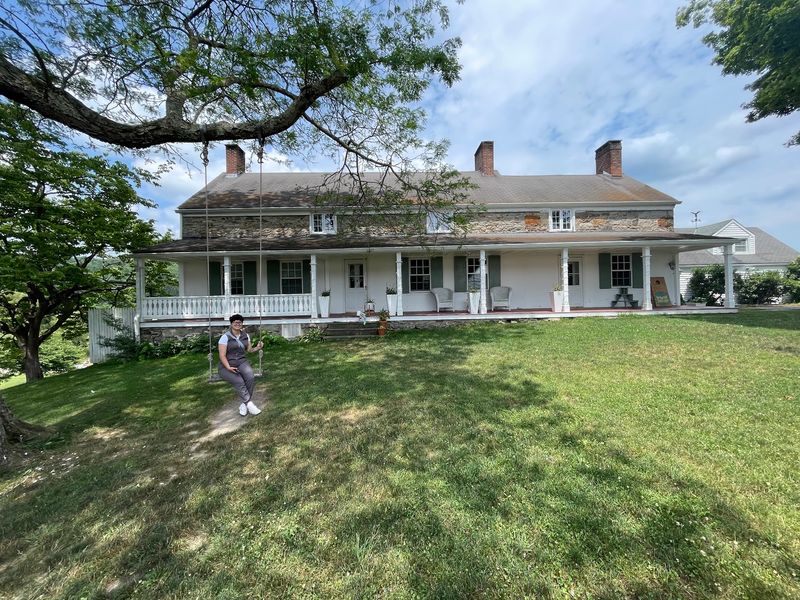
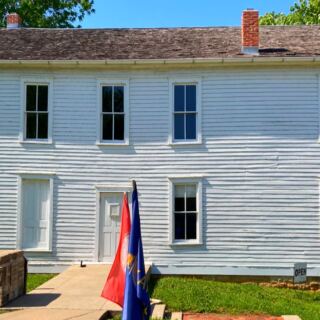
Long before the animals arrived, people were living on this land. The property includes a house that has been occupied since 1774.
That makes it roughly 250 years old. For a farm sanctuary, that is an impressive bonus feature.
Walking through the house has been described as stepping back in time. It adds a historical layer that most animal visits simply do not offer.
New Jersey has deep colonial roots, and this home quietly reflects that heritage. It sits among the fields and barns as a reminder of the land’s long story.
The house also plays a practical role today. It serves as a getting-ready space for couples who hold weddings on the property.
History buffs and animal lovers rarely share the same itinerary. Here, they can easily split one afternoon.
I like how the old house and the rescue mission fit together. Both are about caring for something that deserves to last.
Ask your guide whether a look at the house fits into your visit. Access may depend on the type of tour you book.
Honest Talk About Where These Animals Came From
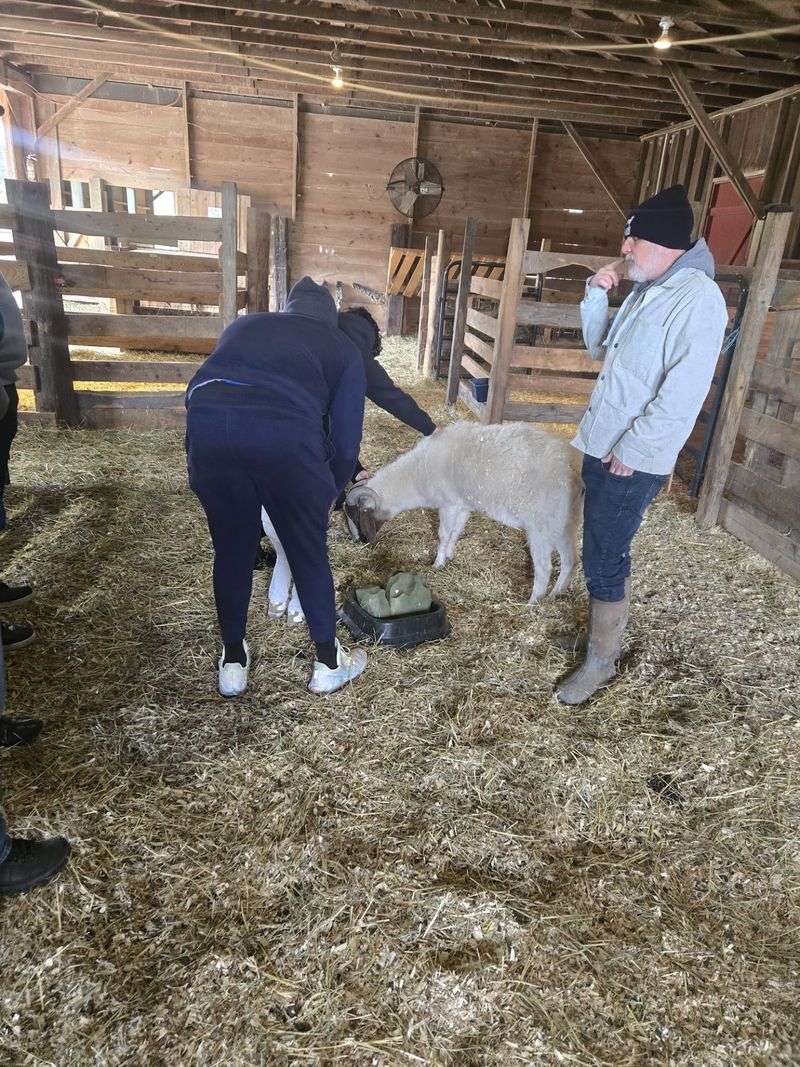
Tamerlaine is clearly an animal rights sanctuary, and the tours reflect that view. Guides discuss how farm animals are often raised and why sanctuaries like this exist.
Many guests find that message thoughtful and motivating. Vegan visitors often feel right at home here.
Plenty of meat eaters enjoy the visit too. The tour has been described as informative without being pushy or judgmental about food choices.
That said, some topics can feel heavy. The founders acknowledge that certain parts of the story may be a lot for younger children.
Their stated goal is balance. Tours aim to celebrate the animals’ lives now while gently explaining where they came from.
The team has said it keeps refining how stories are shared. They want tours to stay honest, age-appropriate, and hopeful.
Parents can plan ahead with that in mind. A quick chat with your kids before the visit can help set expectations.
Go in with an open mind. You will likely leave with new questions, and maybe a few new perspectives on the animals you meet.
Field Trips Built Around Kindness and Stewardship
Teachers, take note. The sanctuary welcomes classroom visits with a focus on humane education and conservation.
One class came to study stewardship as its learning topic. The students were still talking about the trip long after it ended.
Staff educators lead these sessions with an eye on young learners. The animals are friendly and tolerant, which helps kids feel comfortable.
Field trips here cover more than animal facts. Students learn about responsibility, compassion, and caring for living things.
Families with kids also find plenty to like on regular tours. Children get to see animals up close and learn how they are rescued.
Adults pick up lessons too. Topics like animal husbandry come up, sometimes in more detail than people expect.
For New Jersey schools looking for a hands-on outing, this fits nicely into units on science, ethics, or community service.
Group visits work best with advance planning. Reach out to the sanctuary to arrange a time that fits your class and its goals.
Private Tours, Farm Stays, and Forest Weddings
Want the place mostly to yourself? Private tours are available alongside the public ones.
Couples and small groups often choose this route. It allows a more personal pace and plenty of time for questions.
The sanctuary also offers a farm stay. Overnight guests get a chance to experience the property beyond a single afternoon.
Weddings are another big part of the picture. Ceremonies have taken place in a forest space on the grounds.
Couples can get ready in the historic house before heading outside. Tented outdoor receptions have also been held among the rolling fields.
Event design is handled thoughtfully, and sunsets here make photographers very happy. Wedding guests sometimes squeeze in an animal tour during the weekend.
That combination is hard to find anywhere else. Where else can a goat be part of the guest experience?
Every booking also supports the sanctuary’s work. Your special occasion helps keep the animals fed, sheltered, and cared for, which is a pretty sweet bonus for any celebration.
Planning Around a Short Weekend Window
Timing is everything with this visit. The sanctuary is open Saturdays and Sundays from 12 to 1:30 pm.
It is closed Monday through Friday. That short weekend window means planning ahead really pays off.
Public tours run during those weekend hours. Private tours are also an option for groups wanting a more tailored visit.
Booking in advance is a smart move. It helps the team prepare and keeps tours running smoothly.
Dress for the outdoors with sturdy shoes and layers. Weather in the hills can shift, and you will spend most of the visit outside.
Families should consider their kids’ ages and attention spans. Tours share real stories, so a little prep goes a long way.
In the end, this is one of the most memorable animal stops in New Jersey. It blends hands-on moments, history, and a mission you can see in every pasture.
So clear a weekend afternoon and point the car north. Vinny, the goats, and a few dozen cats are probably already expecting company.
Share this story