Measure this mountain from its base on the ocean floor, and it beats Mount Everest. That total is roughly 33,500 feet, compared with Everest at 29,029 feet.
I love that a peak in Hawaii can claim a record like that. The summit sits near 13,800 feet above sea level, and clouds often float below it.
People climb here for sunsets, strange landscapes, and some of the clearest night skies on Earth. Rangers check your vehicle, and you pause to let your body adjust.
I can’t imagine a better place to feel small in the best way. So what does it take to stand on top of the world’s tallest mountain?
The Height Record That Beats Everest
Here’s a number that stops people mid-sentence: about 33,500 feet. That’s how tall Mauna Kea is when you measure from its base on the ocean floor to its summit.
Everest tops out at 29,029 feet, but it starts from high ground already.
Mauna Kea in Hawaii rises only about 13,800 feet above sea level. The rest of the mountain is hidden under the Pacific.
Everest wins the contest for the highest summit above the waves.
So both mountains can wear a crown, just for different reasons. Mauna Kea takes the prize for total height, and Everest takes the prize for the highest point on land.
The name Mauna Kea means White Mountain in Hawaiian. Snow can dust the summit in winter, which fits the name nicely.
It is also a dormant volcano, and it is the highest peak in the state of Hawaii. Not bad for an island that people mostly picture with beaches.
Next time someone brags about a big mountain, you’ve got a strong comeback ready to go.
That fact alone makes the trip feel like a pilgrimage for curious minds. And the views only make the story better.
A Volcano Sitting Quietly On The Big Island
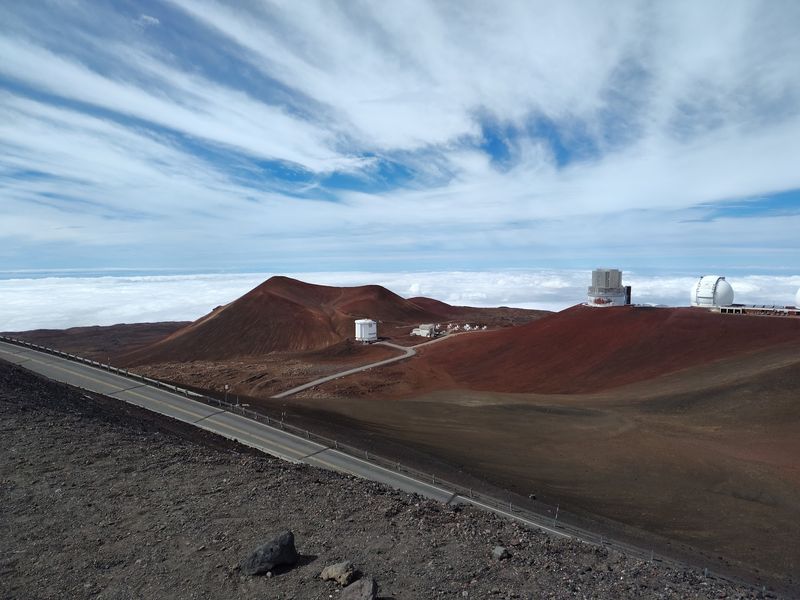
Mauna Kea is a dormant volcano on the Big Island of Hawaii, with a location near the 96720 area. Dormant means it isn’t erupting now, though it formed over a very long time.
Its slopes are broad and gentle, so it looks more like a giant dome than a spike.
That shape comes from lava flowing out in layers over ages. Geologists call this a shield volcano.
It’s a fancy name for a mountain built from runny lava.
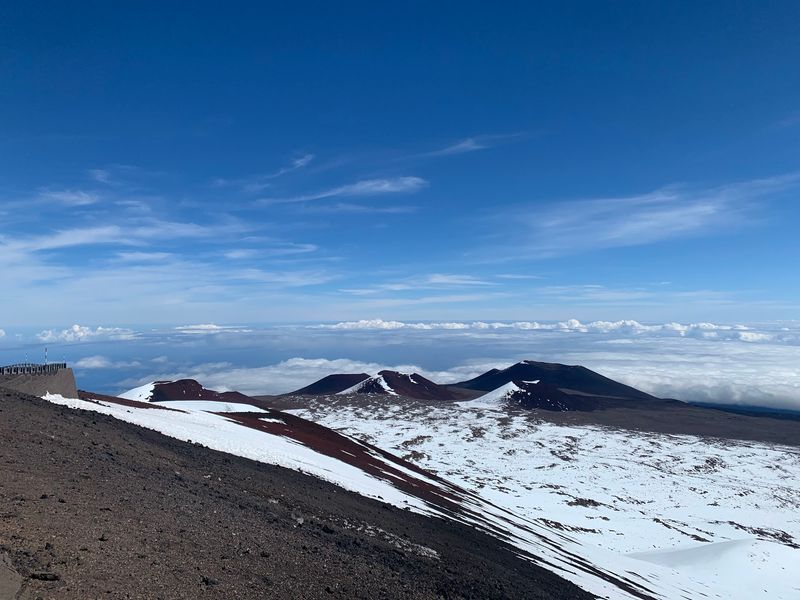
The summit area looks surprisingly red and brown. Cinder cones dot the top, which makes the scenery feel like another planet.
Visitors often compare it to Mars, and the comparison keeps popping up for good reason.
There’s also a small lake near the top, which surprises many first-timers. Water on a volcano summit sounds odd, but it’s part of the charm.
The mountain isn’t just a pretty shape. It’s the highest point in Hawaii, and it has shaped island life for generations.
Knowing that gives every photo a little more meaning when you finally pull out your phone.
Why The Visitor Center Stop Is Not Optional
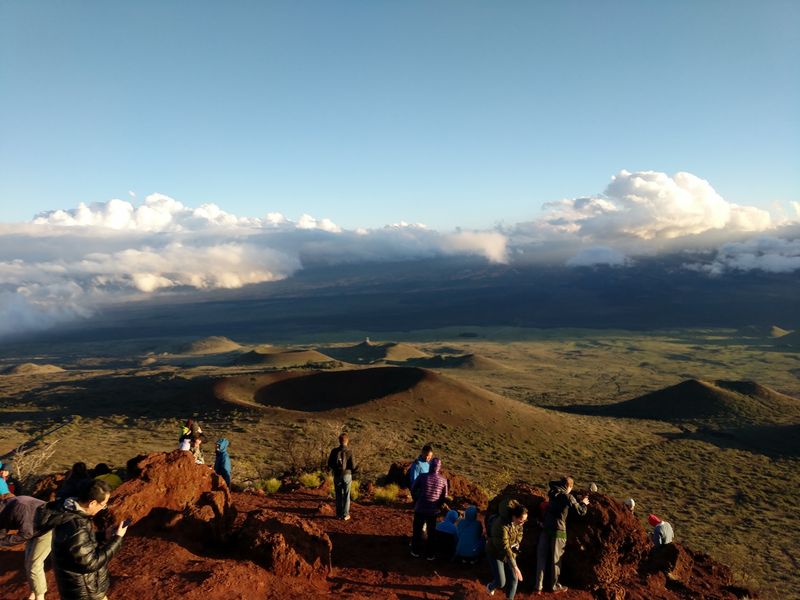
Thin air is no joke. The visitor center sits at roughly 9,200 feet, and it’s the place where your body gets a chance to adjust.
Rangers ask visitors to stay at least 30 minutes before heading higher.
That pause helps lower the risk of altitude sickness. Headaches, dizziness, and nausea are common signs of trouble.
Take the pause seriously and sip water.
The center has a bottle refill station, which is handy. Rangers are stationed there during the day, and they answer questions about the road and conditions.
Many travelers say the staff makes the trip feel safer.
Children under 13 are discouraged from going to the summit. Pregnant visitors and people with certain health conditions are advised to skip it too.
Those rules come from real concern about the thin air.
Use the wait time well. Read the displays, stretch your legs, and watch the sky change color.
Good planning here makes the next part of the trip much more fun and much less stressful for everyone in the car.
The Drive Up Needs A Real Plan
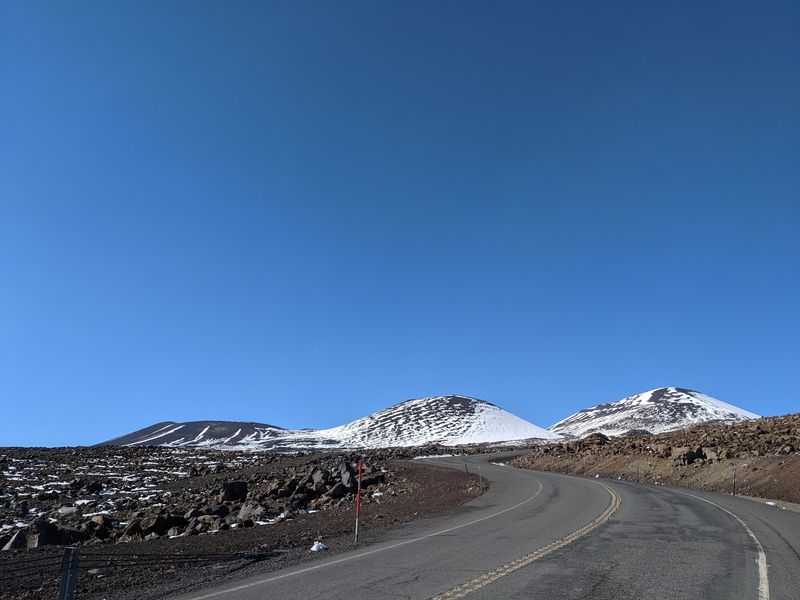
Gravel, steep grades, and thin air make the road above the visitor center a serious drive. A four-wheel-drive vehicle is required beyond that point.
Low range is a smart tool for the descent.
Rangers check vehicles and fuel levels before you continue. A fuller tank is a wise idea, since the climb works the engine hard.
Brakes also need care, so shifting into a lower gear on the way down helps.
The gravel section is generally described as manageable for confident drivers. Still, weather and roadwork can close the road without much warning.
Check the official updates before you leave.
If you don’t have the right vehicle, guided tours are an option. Operators such as Mauna Kea Summit Adventures run trips to the top, and travelers book them for the comfort and safety.
Drive slowly and leave extra time. Sunset traffic can build up, and lines at the checkpoint move at the speed of the slowest car.
Arriving early gives you breathing room and a calmer start.
A little prep turns a stressful climb into the best part of the day.
Sunsets Above The Clouds
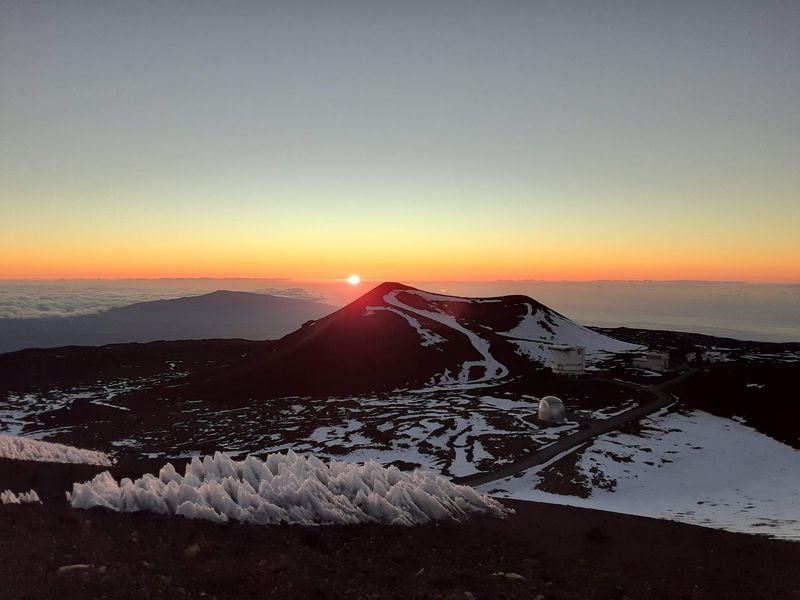
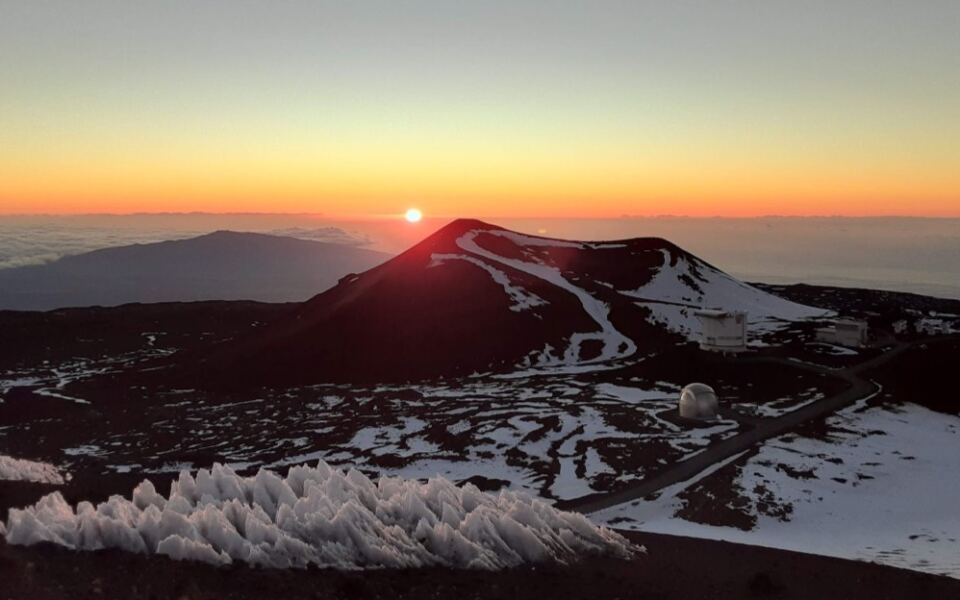
Clouds sit below you, and the sun slides down like a slow curtain. That’s the scene visitors chase at Mauna Kea every evening.
The sky turns orange, pink, and purple above a floor of white.
Many people head up in the afternoon to find a good viewing spot. Arriving around 3 p.m. gives you time to settle.
Late arrivals risk missing the show or getting stuck in a line.
It gets cold fast once the sun disappears. Temperatures at the top often hover near freezing, and strong winds make it feel colder.
Bring a hat, gloves, and a warm jacket.
Rangers usually ask everyone to leave the summit area after sunset. That keeps the road safer and the area protected.
Heading down early also helps you beat traffic.
From the summit, you may even spot other islands on a clear day. Haleakala on Maui can show up on the horizon.
That bonus view makes the climb feel extra rewarding for anyone with a camera.
Stargazing That Feels Like Cheating
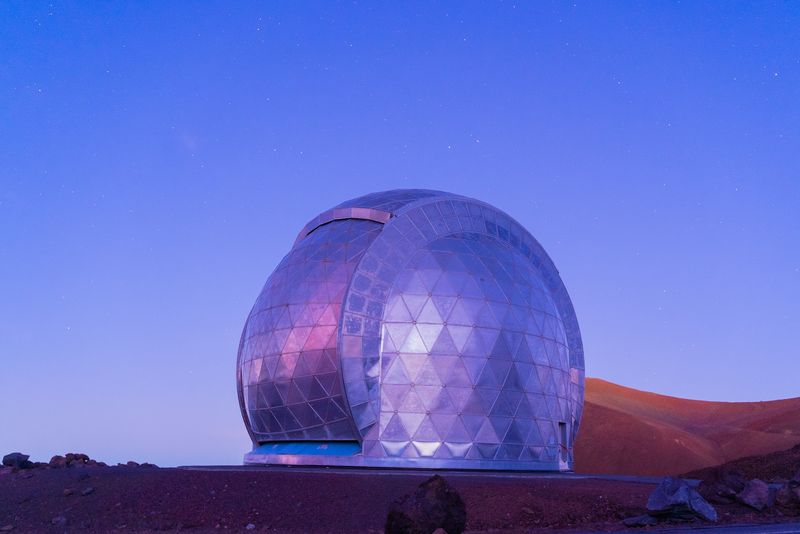
Few places make the night sky look this crowded with stars. At nearly 14,000 feet, the air is thin and dry, so the view is crisp.
That’s why so many telescopes live here.
After dark, most visitors head back to the visitor center area. Rangers and volunteers often run stargazing programs with telescopes and a laser pointer tour of the constellations.
Check the schedule before you go, since programs can change.
Light is the enemy of a good night sky. Car headlights can spoil the view, so keep them off when you can.
Red lights are friendlier to night vision.
Some guided tours bring hot cocoa and warm parkas. That’s a thoughtful touch when temperatures drop.
Bundle up even if you think you’re ready.
Moon phases matter too. A bright moon washes out faint stars, while a dark sky shows off the Milky Way.
Planning your trip around the calendar can make a big difference for the finale of your evening.
The Observatories Up Top
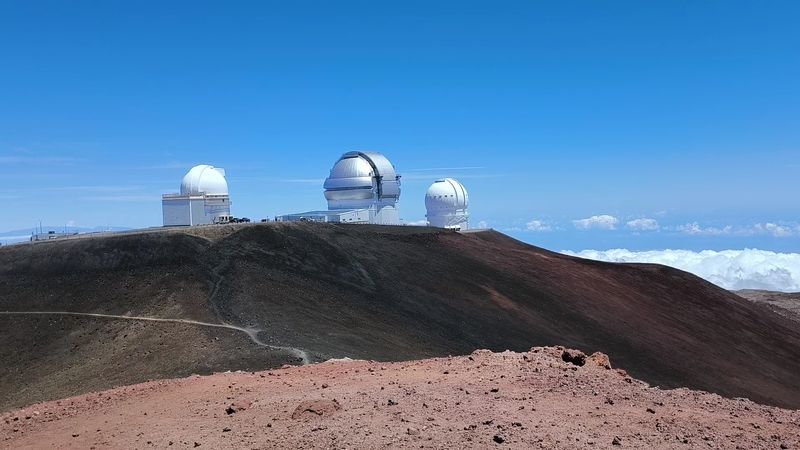
Some of the world’s most powerful telescopes sit on this summit. The Mauna Kea Observatories host instruments from many countries.
Astronomers choose the spot for its dry air and steady skies.
The mountain sits above much of the atmosphere’s moisture. That means clearer views of faraway galaxies.
It also sits far from big city lights.
Most of the domes aren’t open for walk-in tours. Some facilities offer limited public hours, so check ahead before you count on it.
Visitors can still admire the domes from outside.
The scenery up here is a mix of red rock and bright white buildings. It looks like a movie set for a space mission.
Photographers love how the domes pop against the deep blue sky.
Remember that the summit is a working science site. Stay on marked paths and respect the signs.
Science and culture share this mountain, and both deserve care from anyone who visits.
A Sacred Mountain Deserves Respect
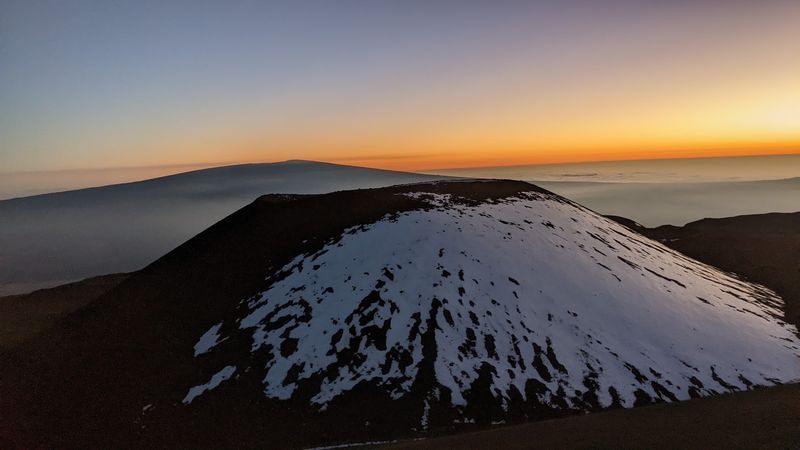
For Native Hawaiians, this mountain is far more than a scenic stop. It is considered a sacred place connected to ancestors and deities.
Poliahu, the snow goddess, is one figure tied to the summit.
Visitors are asked to act with humility. Keep your voice low, stay on designated paths, and leave rocks where they are.
Don’t stack or move stones.
Cultural rangers and signs share guidance on how to behave. Listening to them is the easiest way to be a good guest.
A friendly attitude goes a long way.
The summit has also been at the center of public conversation about telescope development. Respect for both science and culture is part of the story here.
Learning the background makes the visit more meaningful.
Treat the trip as a privilege rather than a checklist item. Take photos, enjoy the view, and carry out everything you carry in.
That approach keeps the mountain special for the next visitor.
Bundle Up And Pack Like A Pro
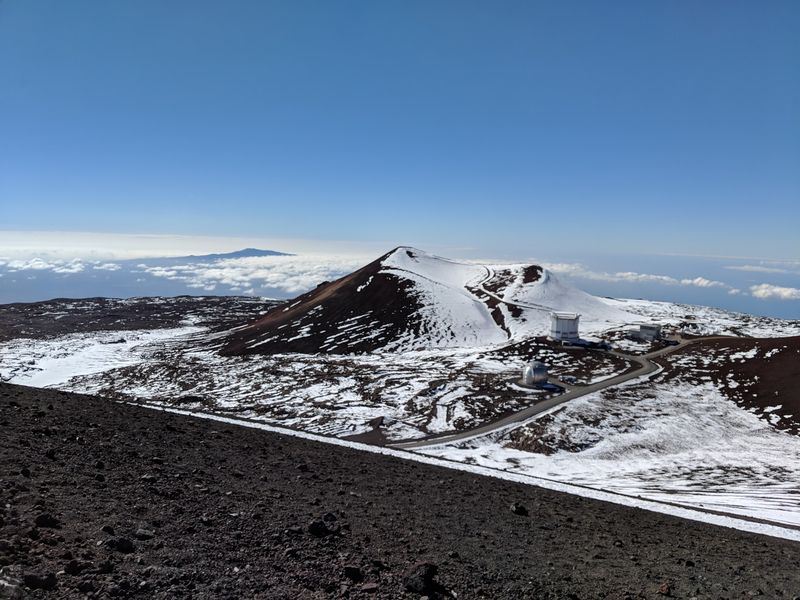
Hawaii doesn’t mean warm weather at 13,800 feet. Temperatures at the summit often sit near or below freezing, and the wind adds a bite.
Layers are your best friend.
Pack a warm coat, gloves, a hat, and long pants. Sturdy shoes help on loose rock.
Sunglasses and sunscreen matter too, because the sun is strong at altitude.
Bring plenty of water and keep sipping. The thin air dries you out faster than you’d expect.
Light snacks can also help you feel steady.
Hikers can try the summit trail, which is about six miles round trip and steep. It’s short on distance but tough on the lungs.
Go slowly and rest often.
Weather can flip quickly, with snow appearing on a sunny day. Check conditions and road status before you head out.
Smart packing turns a chilly challenge into a comfortable adventure.
Finally, listen to your body and the rangers. If you feel off, head down.
No view is worth a bad headache.
Share this story