A former ski hill in Brookline, New Hampshire, has become one of New England’s most unusual free attractions. The Andres Institute of Art features more than 100 outdoor sculptures created by artists from around the world, spread across 140 acres of wooded mountainside.
Visitors can explore more than 10 miles of hiking trails, passing massive stone carvings, metal sculptures, old granite quarries, and viewpoints near the summit. There’s no admission fee, and the trails are open daily from dawn to dusk.
What makes this place especially interesting is how the collection keeps growing. International sculptors come here to create new works, which eventually become permanent additions to the mountain.
And the story of how a former ski area became an outdoor art destination is worth discovering.
An Art Park Built on Big Bear Mountain

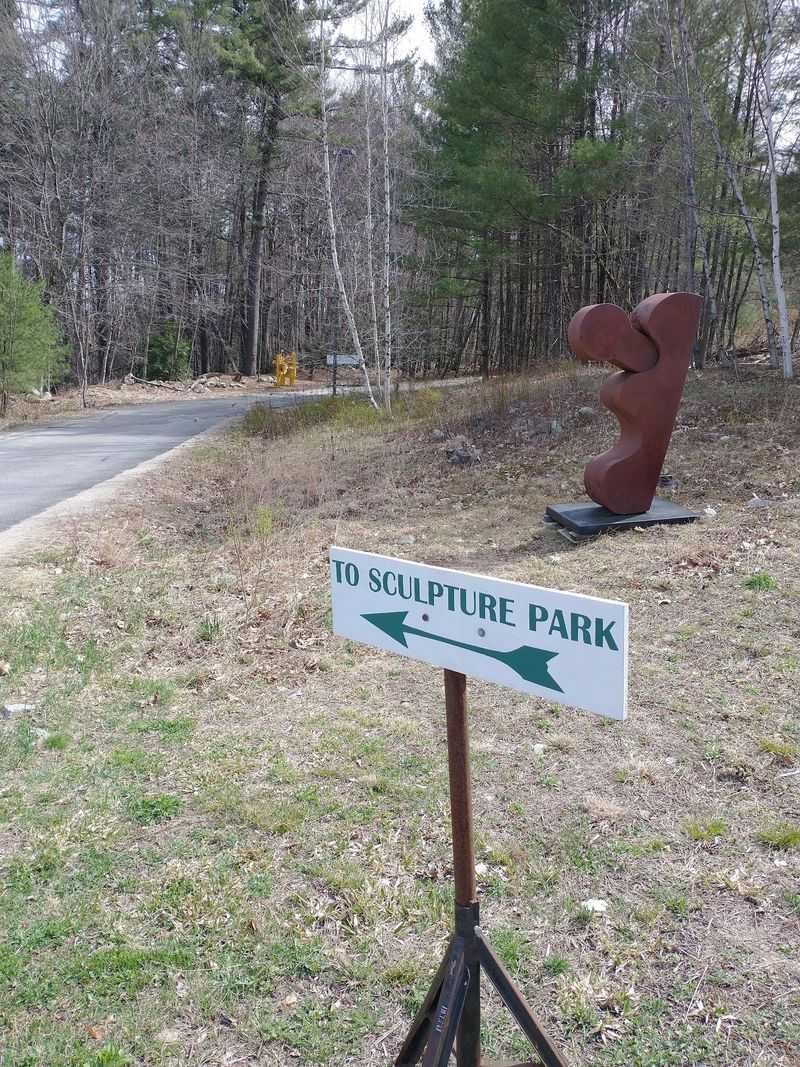
Skiers once raced down this hill. Today, the Andres Institute of Art turns that same slope into a free outdoor sculpture park.
The Studio and trailhead sit at 106 Rte 13, Brookline, NH 03033, in the southern part of New Hampshire.
The land is known as Big Bear Mountain. It is a former ski area, and the lower part of the property also holds old quarries.
Now, winding trails lead hikers past large artworks placed among the trees, rocks, and ledges.
I find it interesting that the park mixes two hobbies people rarely combine. You get a real workout, and you also get to study art without walls or glass cases.
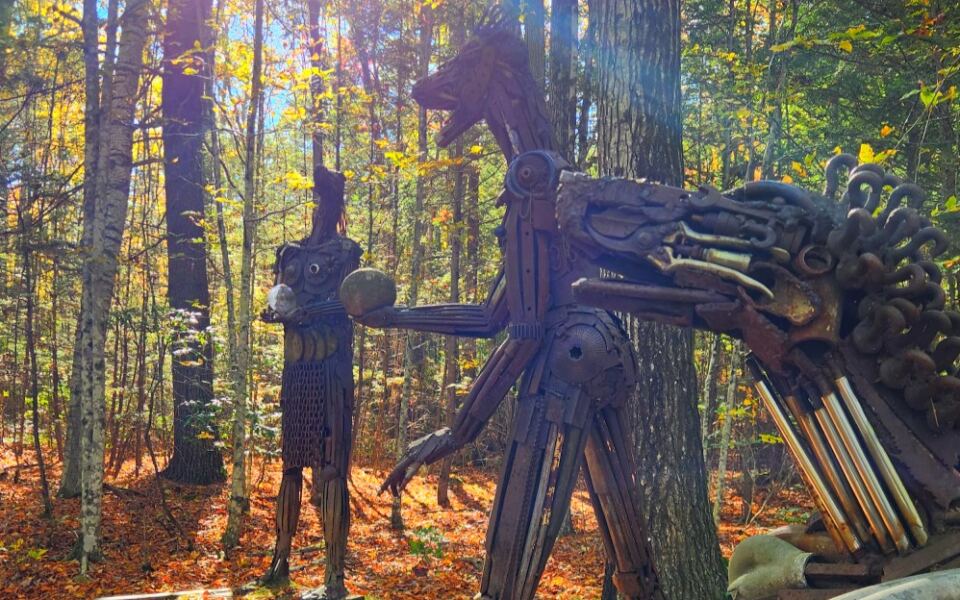
The sculptures range from abstract stone shapes to detailed metal figures.
The trails are listed as open daily from 9 AM to 4 PM on Google Maps, so morning and early afternoon visits make the most sense. Keep in mind that some buildings, like the Welcome Center, keep shorter hours.
Admission is free, which surprises many first-time visitors. The bigger surprise may be the story of the man who made it all happen.
The Engineer Who Bought a Mountain
Paul Andres had a plan most people would never try. A retired mechanical engineer, he bought Big Bear Mountain and turned it into a place for outdoor sculpture.
His goal went beyond simply showing art. He wanted a space where artists could create, share their work, and hold workshops and events.
That idea became the Andres Institute of Art, often shortened to AIA by fans and staff.
An engineer starting an art park might sound unusual at first. Yet many sculptures here involve heavy materials like granite and steel.
Moving those pieces up a steep, wooded hill takes real planning, so a builder’s mind seems like a handy skill to have.
The Welcome Center shares more about the history of the AIA. If you enjoy learning the back story before you hike, it’s a smart first stop when it’s open.
Understanding the founder makes the trails feel more personal. Each sculpture becomes part of a dream that grew one piece at a time, and that growth happens in a very special way every fall.
Watching Sculptors Work During the Symposium
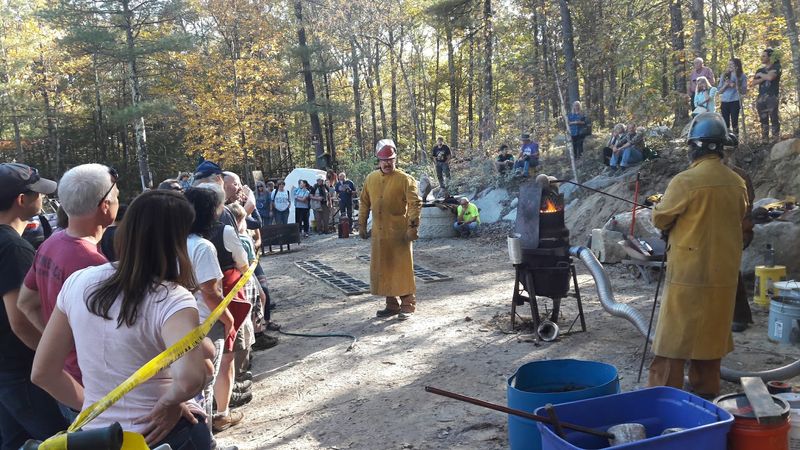
Every September, the hillside gets busy with the sound of tools. During the yearly Symposium, held from mid-September into October, artists from around the world come to the Studio to create brand-new pieces.
Visitors can watch these sculptors at work. That’s a rare chance, since most people only see finished art in museums.
Here, you can see raw material slowly change shape over several weeks.
Visiting artists stay with local families in Brookline while they work. I like that detail a lot.
It turns the event into a true community project, not just an art show.
Once a piece is finished, it joins the permanent collection on the trails. Over many years, this process has built a large collection of work by artists from many countries.
If you can plan a trip during the Symposium, you’ll get two experiences in one. You can see new art being made at the Studio, then hike to older pieces created by earlier visiting artists.
Next, let’s talk about those trails, because they take some effort.
Trails That Climb More Than You Expect
Leave the flip-flops at home. The trails here climb steadily from the parking area, and parts of the terrain are steep and uneven.
The trail network is large, covering roughly 12 miles of paths. Some sections use smooth pavement, while others use small stones and dirt.
The climb to the top gains a good chunk of elevation, so it feels more like a hike than a stroll.
Good walking shoes are the most important item to bring. Water is next on the list, especially on warm days.
Bug spray helps too, since this is a wooded hill in New England.
The paths loop around in many directions, which gives you choices. You can pick a short loop if you have little ones, or you can spend hours exploring.
Some hikers even take several visits to see every trail.
One fair warning is that trail markings can be patchy in places. Grabbing the printed map at the entrance is a wise move.
That simple map leads to another clever planning tip worth knowing.
Grab the Map Before You Start
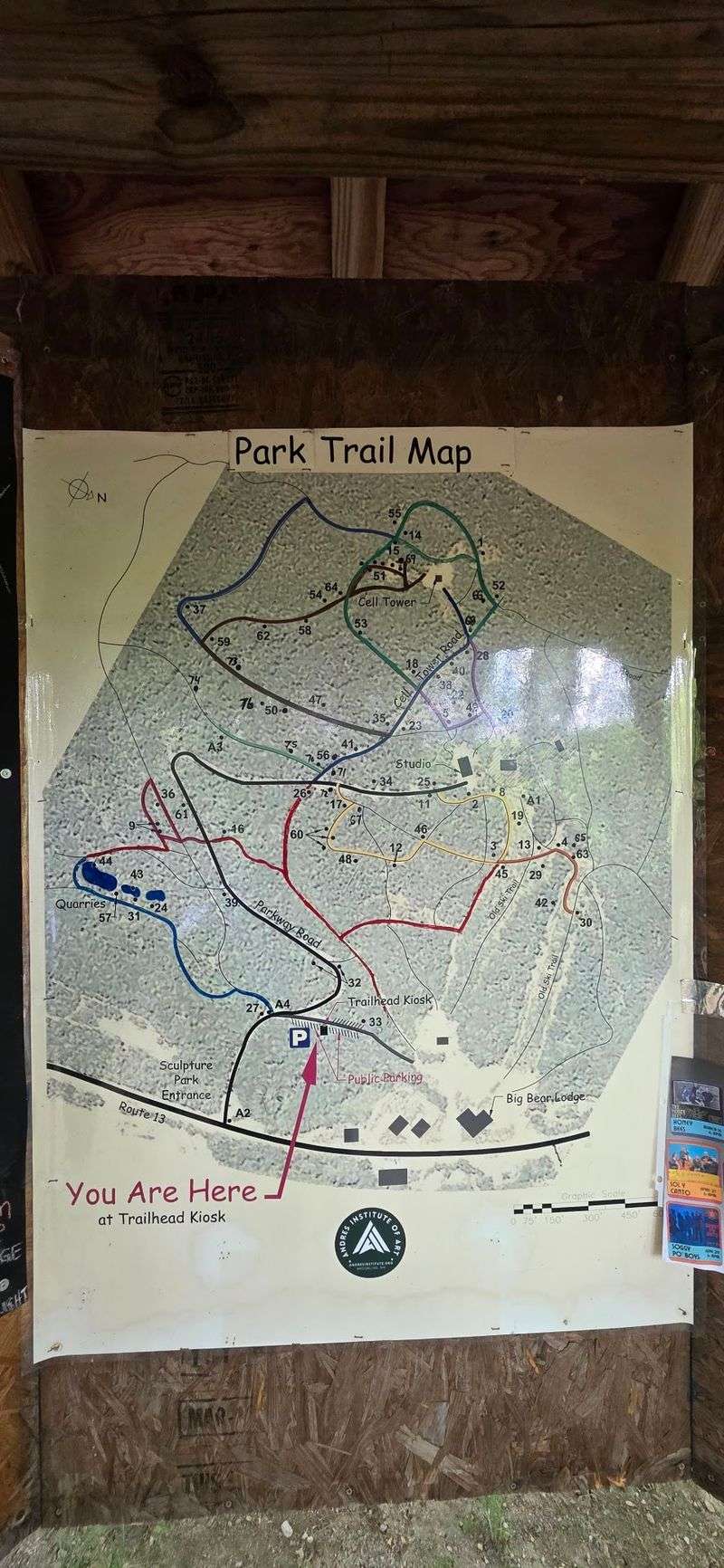
A small piece of paper can save you a lot of wandering. At the trailhead near the parking lot, printed maps show the trails and where the sculptures stand.
Because the park covers so much ground, the map really helps. It lets you plan a route based on your energy level and how much time you have.
Without it, you might miss pieces that sit off the main path.
Some trail blazes and sculpture numbers may be missing or faded. So I’d treat the map as your main guide and use landmarks along the way.
Taking a phone photo of the map is also a handy backup.
The parking lot is a decent size, which makes arriving simple. Benches and picnic tables appear along the trails, so you can rest and check your route.
Restrooms are available at the visitors center when it’s open.
You’ll also notice donation boxes near the start. There’s no entrance fee, and gifts help keep the park free for everyone.
Next up is the art itself, which travels a long way to get here.
Sculptures From Around the Globe
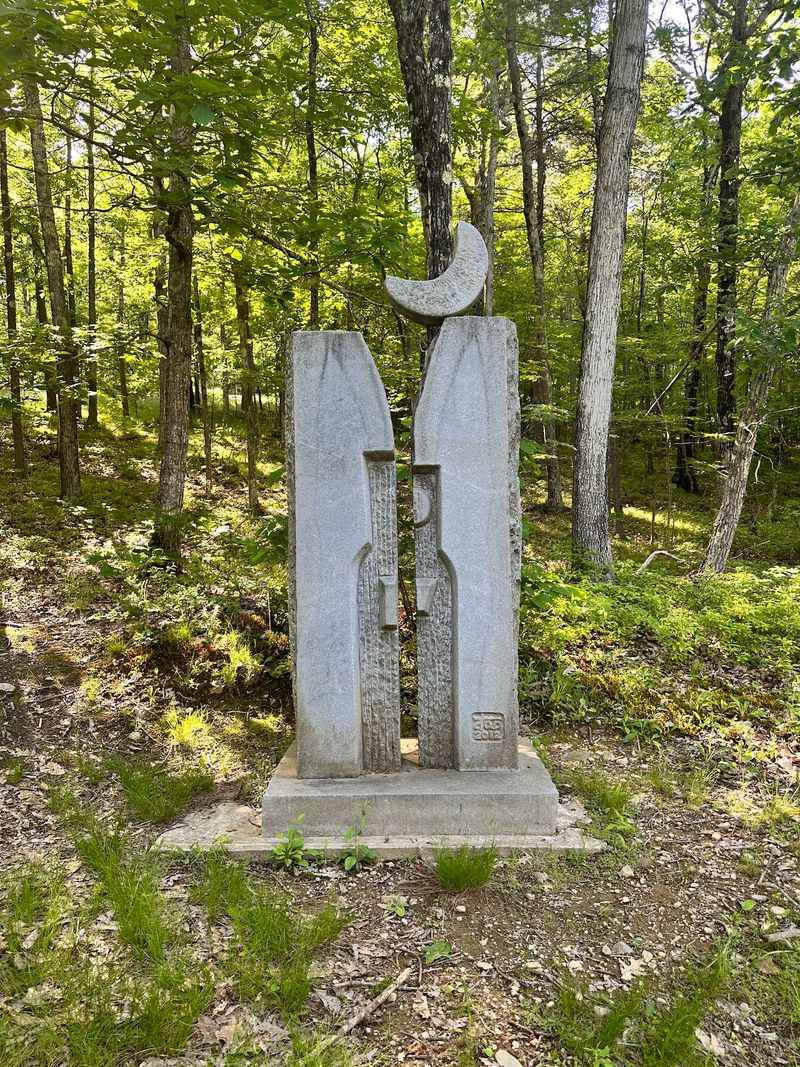
Artists from many countries have left their mark on this New Hampshire hillside. The collection is international, and each piece reflects a different style and idea.
You’ll see a wide range of work. Some sculptures are abstract shapes carved from granite.
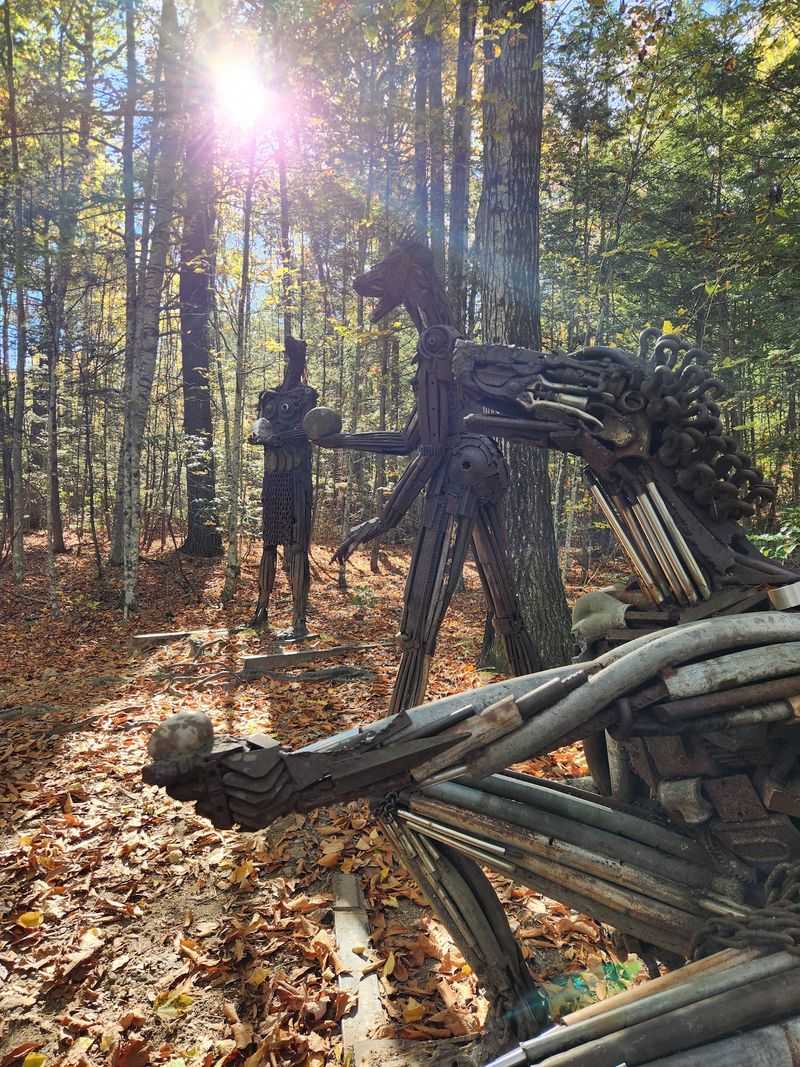
Others are detailed metal pieces or mixed-media works that look like human figures or creatures from myths.
One example is a piece called Alignment by Hoa Bich Dao from Vietnam, created in 2012. Finding names like that on the trail reminds you how far some artists traveled to work here.
The setting changes how you see the art. A steel shape against bare winter trees looks very different than it does under summer leaves.
Stone sculptures beside natural ledges can almost blend in, so slow down and look closely.
Hundreds of artworks sit throughout the park, so you won’t see them all in one quick walk. My advice is to pick a few favorites and spend time with them.
Some of the most interesting spots are near old quarries at the bottom of the hill.
Old Quarries and a View From the Summit
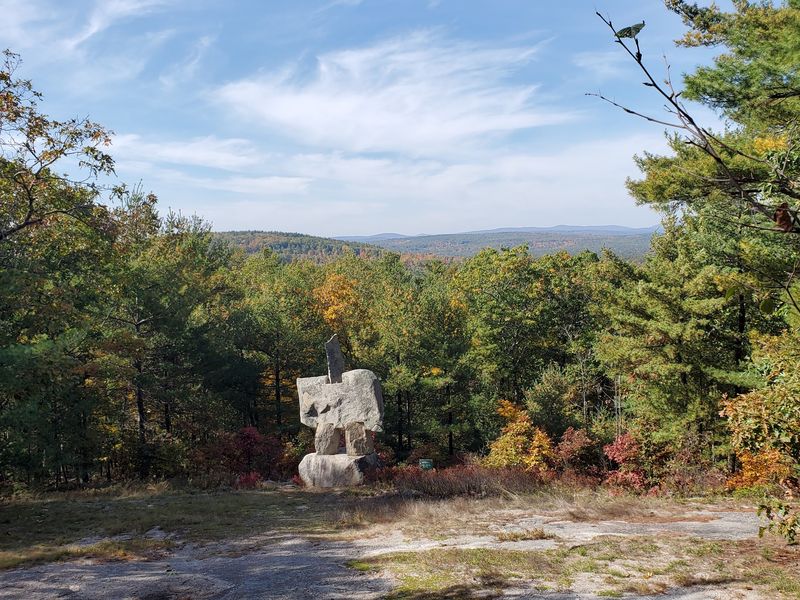
History hides near the parking lot. Close to the bottom of the hill, you’ll find several old quarries with piles of leftover rock, and some sculptures are worked right into this rugged setting.
These quarry areas show that the land had a working past long before it held art. Seeing carved stone sculptures near the spots where stone was once cut feels fitting.
The climb to the top pays off with a view. From the summit area, you can see distant peaks including Mount Monadnock and Pack Monadnock on clear days.
There’s even a place to sit and take it all in.
A large blue sculpture shaped a bit like a skatepark ramp helps hikers know they’ve reached the top. It’s a fun landmark for kids who keep asking how much farther.
Sunny fall days are a great time for the summit, with colorful leaves below and clear air. Winter offers its own reward, too.
With the leaves gone, views open up, which brings us to hiking here when snow falls.
Snowy Hikes Among the Sculptures
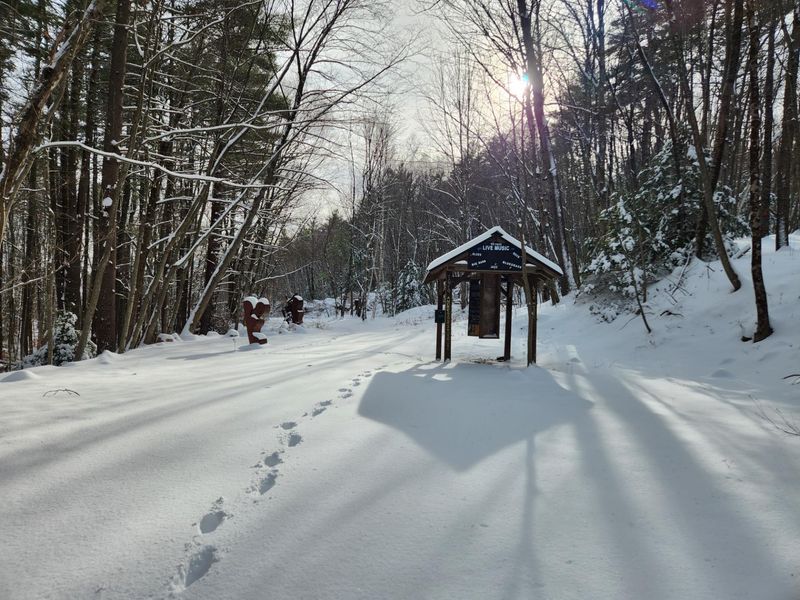
Cold weather doesn’t close the park. The trails stay open year-round, and winter hiking here can be a quiet treat.
With bare trees, sculptures stand out more clearly. You can spot pieces from farther away, and the hillside views widen.
Snow sitting on stone and metal also gives familiar art a fresh look.
Winter does call for the right gear. The AIA suggests microspikes and trekking poles for icy paths.
After fresh snow, snowshoes are a better choice. Since the trails are steep in spots, good traction really matters.
Dress in layers and bring water even when it’s chilly. Daylight is short in winter, so starting early gives you more time on the trails.
Keep the 4 PM closing time in mind as well.
Spring and summer bring green leaves and longer days, while fall adds bright color. Every season changes the mood of the art, so repeat visits feel new.
Your four-legged friend can come along in every season too, which makes this a favorite for families.
Kids, Dogs, and a Sculpture Just the Right Size
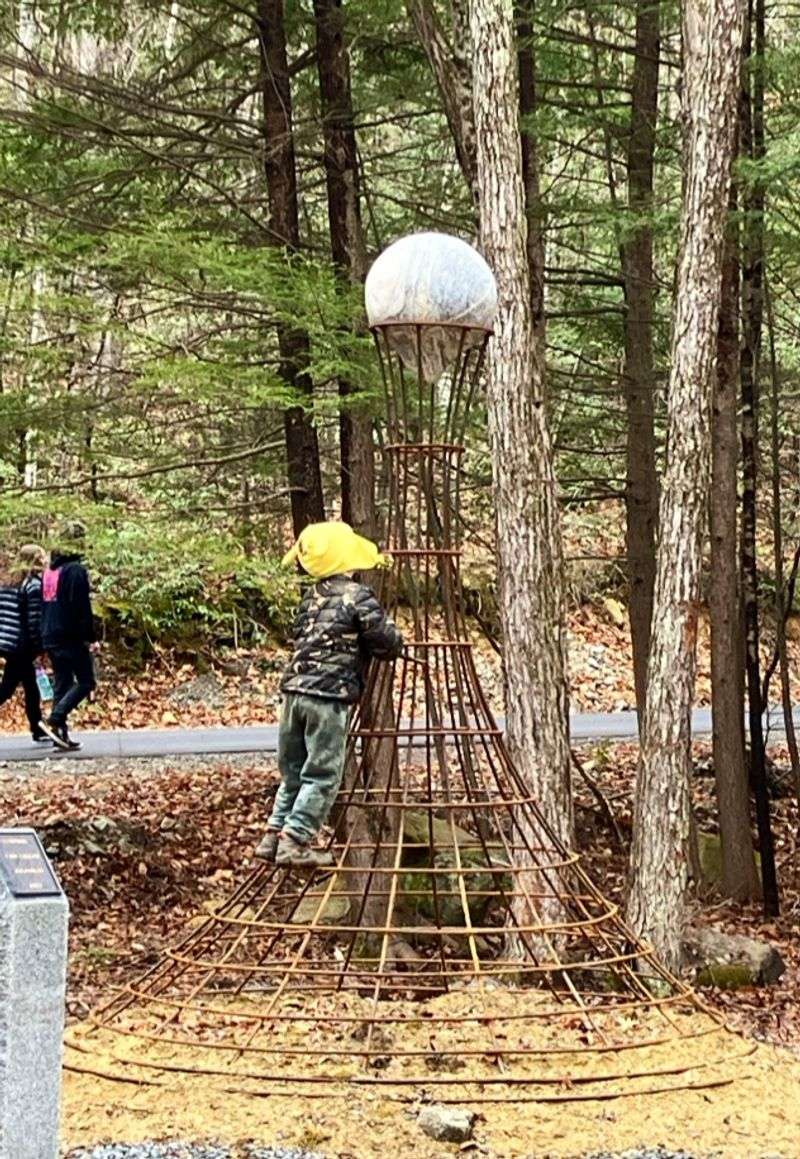
Kids often treat this park like a giant treasure hunt. Spotting the next sculpture through the trees keeps young hikers moving, and some pieces are small enough to feel made just for them.
Dogs are welcome on the trails, which makes outings easy for pet owners. Just remember to clean up after your pup.
The park follows a carry-in, carry-out rule for trash, so pack a bag for waste.
For toddlers, a short loop is a smart plan. The steep sections can tire little legs quickly.
Older kids and teens usually handle the longer routes and enjoy reaching the summit landmark.
Picnic tables along the trails make lunch breaks simple. Packing snacks and plenty of water turns the visit into a full outing without needing to leave.
The park also feels roomy, even on busier days. With so many trails, groups can spread out and choose different directions.
That space is part of what keeps the park welcoming, and special events help keep it free.
Concerts, Iron Melts, and Sunset Hikes

Keeping a park free takes creativity. The AIA raises money through a concert series, and those shows help support free access to the trails and art.
Another event sounds especially cool. During the Iron Melt, people can try making a mold, which is then used to cast iron art.
I like the idea of leaving with something you helped create.
The park also hosts weekly sunset hikes on Tuesdays. Free guided hikes are offered at times too, which is a nice option if you want help finding your way and learning about the art.
Watch for the big green OPEN flag. It generally signals that the Welcome Center and the Gallery at Andres Institute of Art are open, usually during daytime hours from Wednesday through Saturday.
Inside, you can learn about AIA history and see more art.
Event details are shared on the AIA website and Facebook page, so check before you go. A donation, a concert ticket, or simply telling a friend all help this hillside keep growing.
Share this story