Some of the best stops in Oklahoma are the ones you almost drive right past. I went looking for a quick history break and found a small brick building with a story far bigger than its walls.
Inside, the past of a whole nation comes alive through courts, newspapers, and a written language. If you are curious about the roots of Oklahoma, this little museum might surprise you more than any big-city exhibit.
A Courthouse Tucked Off Keetoowah Street
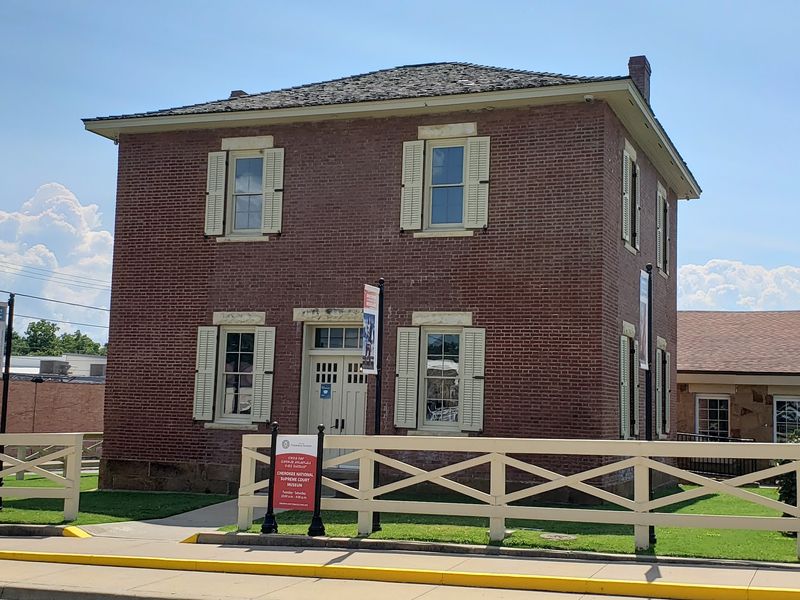
Picture a quiet street in northeastern Oklahoma, a modest brick building, and a sign you might miss if you blink. That is your first look at the Cherokee National Supreme Court Museum, sitting at 122 E Keetoowah St in Tahlequah.
From the outside, it looks calm and simple, almost shy.
Step closer, though, and the place starts to feel important. The building once served as the home of the Cherokee Nation’s highest court, and today it works as a museum that explains how the tribe built its own system of laws and public life.
Some visitors even point out that it is considered the oldest building still standing in all of Oklahoma, which they say makes the trip worth it on its own.
Tahlequah itself is the capital of the Cherokee Nation, so the setting fits perfectly. You are not just walking into a random museum.
You are standing in a spot where real decisions about a nation’s future were once made.
For road-trippers crossing the state, it makes a great short detour. You can park, wander in, and spend an easy hour soaking up stories that most people never learn in school.
Not bad for a building that looks so humble from the curb.
From Working Court to Living Museum
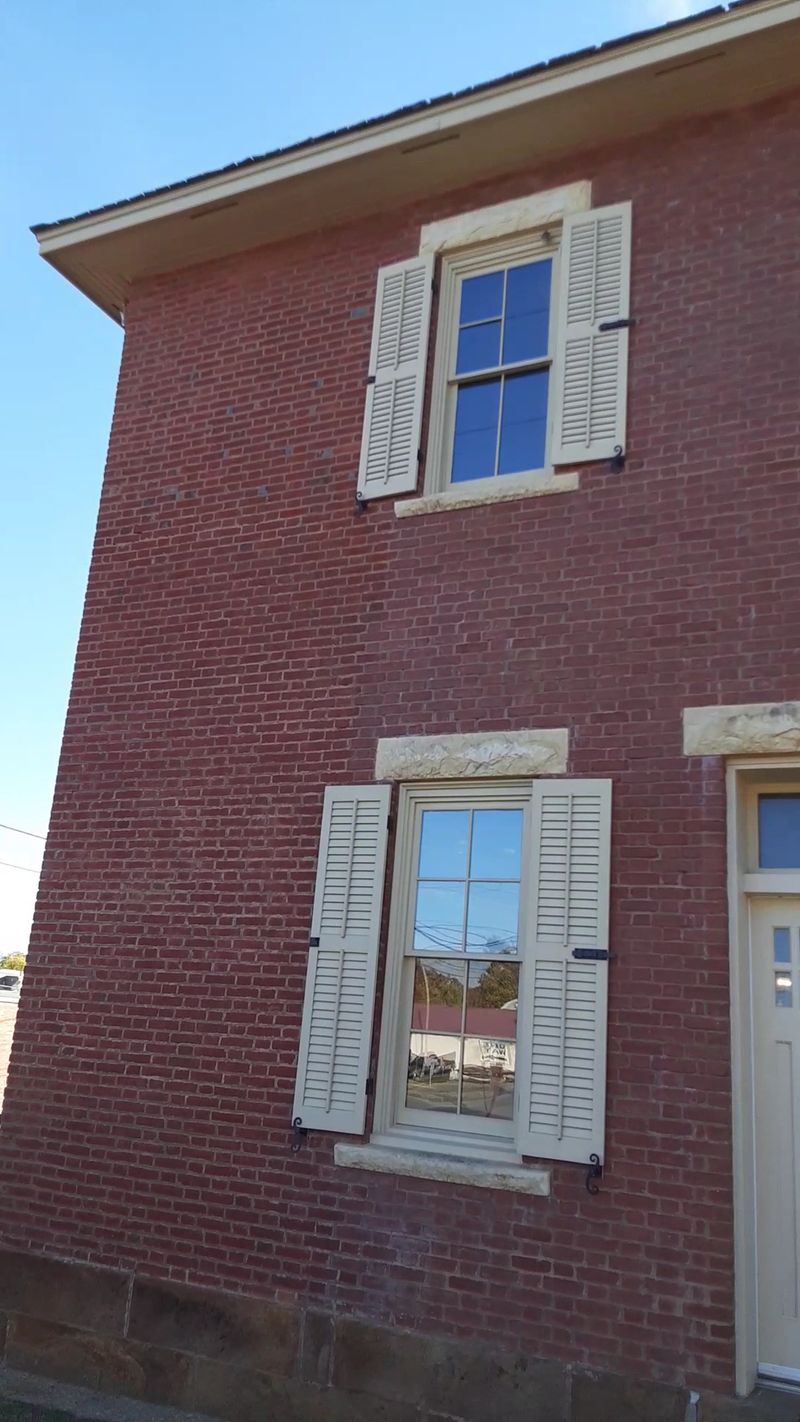
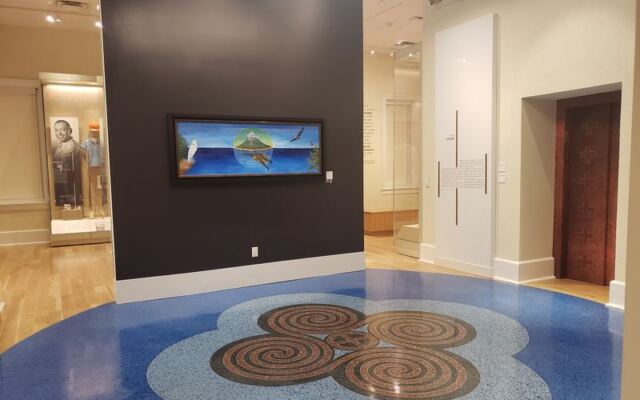
Old buildings rarely get a second life this graceful. The former Cherokee courthouse was carefully rehabilitated and turned into a museum, and people who visit often praise how well the conversion was done.
Nothing about it feels like a cheap makeover.
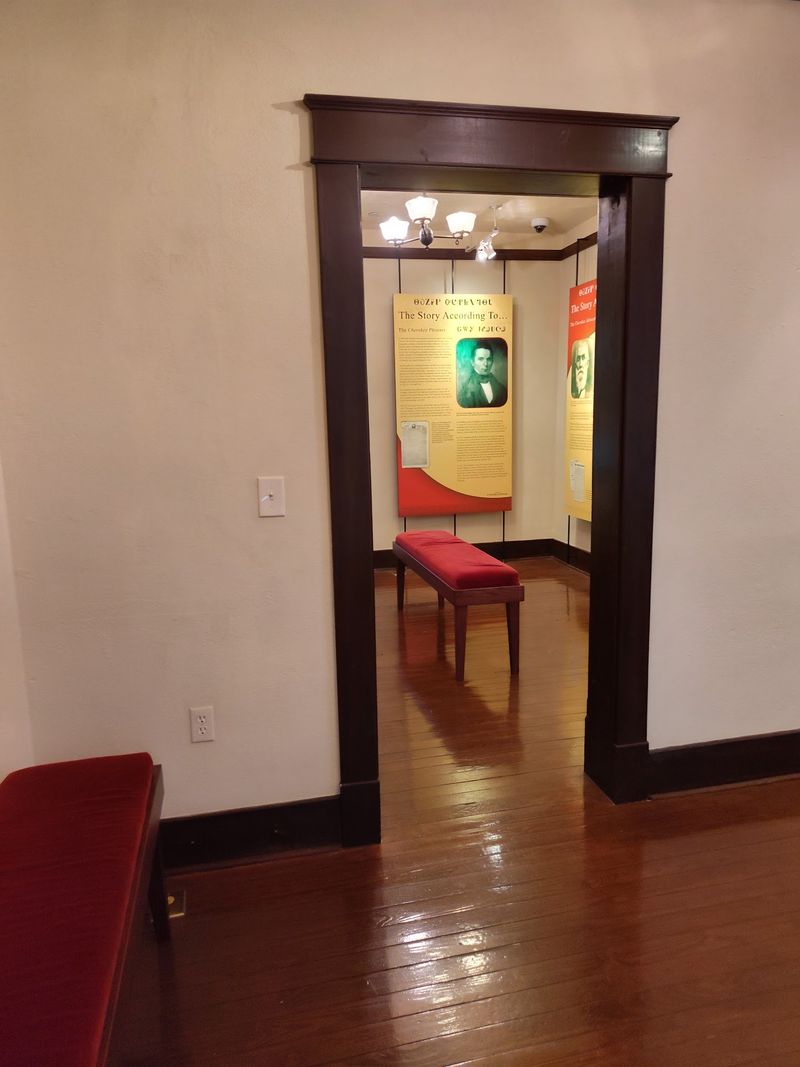
Here is a detail I loved. Throughout the building, small windows let you peek back at the original conditions of the courthouse before the restoration work.
It is like looking through a keyhole into another century, where you can see the bones of the structure as they once were.
Those little openings do something clever. They remind you that the polished walls around you are only the newest layer of a very long story.
You get the clean, comfortable space of a modern museum while still feeling the age of the place under your feet.
Guests say the facilities are well kept and maintained, which matters in a building this old. One visitor did mention it smells a bit stuffy, and honestly, that seems fitting for a structure with so many years behind it.
Think of it as the scent of history rather than a flaw.
If you enjoy architecture or preservation work, these peek windows alone make the walk-through rewarding.
Exhibits on Cherokee Justice
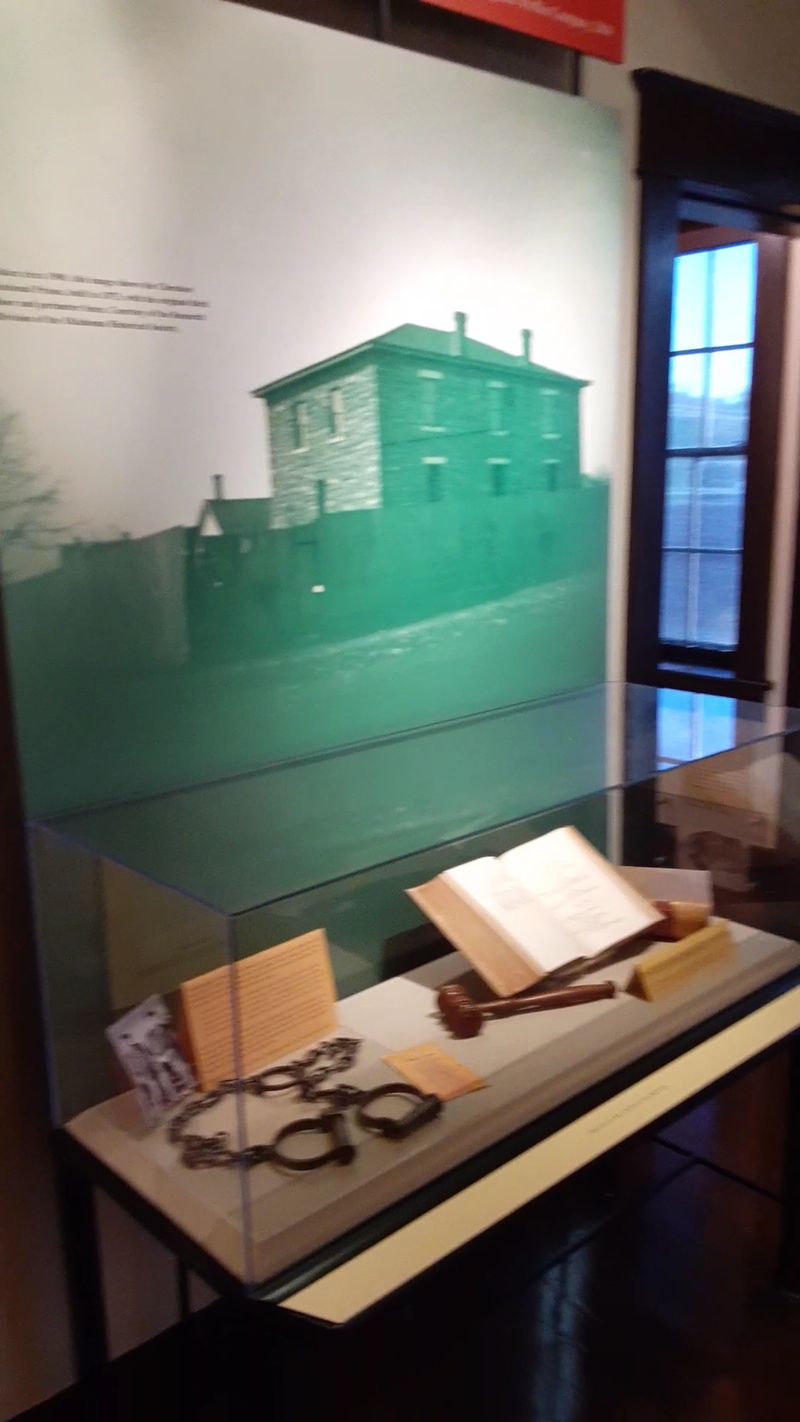
Most people imagine Indian Territory as a wild place without rules. The exhibits here quickly flip that idea on its head.
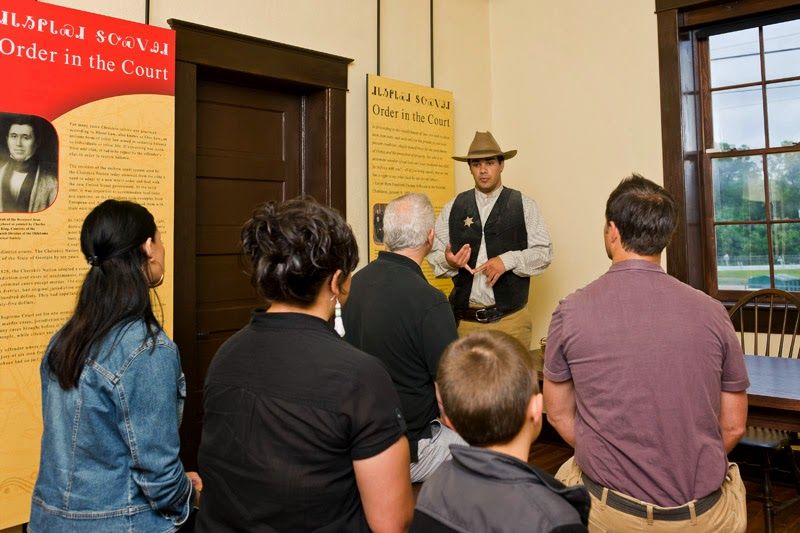
The Cherokee Nation had its own organized justice system, complete with a supreme court that met right inside these walls.
Visitors often single out the displays about this legal system as a highlight. You learn how the Cherokee rebuilt their government and courts after arriving in Indian Territory.
That alone is a powerful lesson in resilience and planning.
The story does not stop at the founding, either. According to guests, the museum also covers how the tribe kept dealing with ongoing interference from the United States government.
It is a chapter of history that feels honest and eye-opening, especially for anyone who only knows the textbook version.
What makes these exhibits work is their clear, readable style. You do not need a law degree to follow along.
Panels explain big ideas in simple terms, so kids and adults can both walk away understanding why a tribal supreme court mattered so much.
Spend a few extra minutes in these rooms. They give the building its true meaning, connecting the brick and mortar to the people who once argued cases and shaped a nation’s laws here.
The Cherokee Newspaper Story
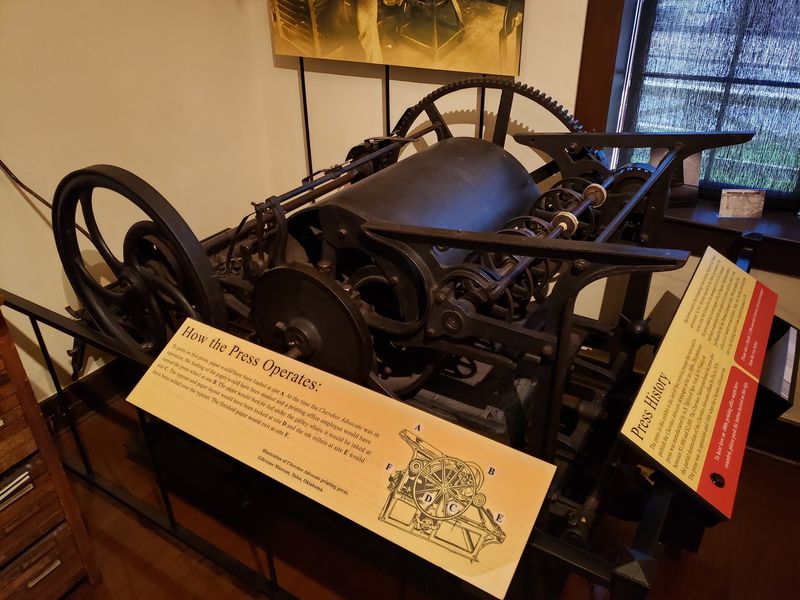
Ink, paper, and a whole lot of determination. That is the heart of one of the museum’s most talked-about sections, which tells the story of Cherokee newspaper publishing.
Several visitors mention this part as a favorite. One Cherokee family shared that they learned how the newspaper came to be and why it eventually came to an end, even though they thought they already knew their own history well.
When tribal members walk away surprised, you know the exhibit has real depth.
Why does a newspaper matter so much? Printing news meant sharing ideas, laws, and community updates across the nation.
It showed that the Cherokee were building a modern, informed society with their own voice. The exhibits explore that publishing effort and its role in everyday tribal life.
I found it fascinating to think about readers long ago holding these pages, catching up on events in their own language. It turns a dusty concept into something human and relatable.
If you are a writer, a reader, or just someone who loves a good origin story, linger here. The newspaper displays are proof that this small building holds big stories, and they pair nicely with the language exhibits nearby for a fuller picture.
Language and the Syllabary
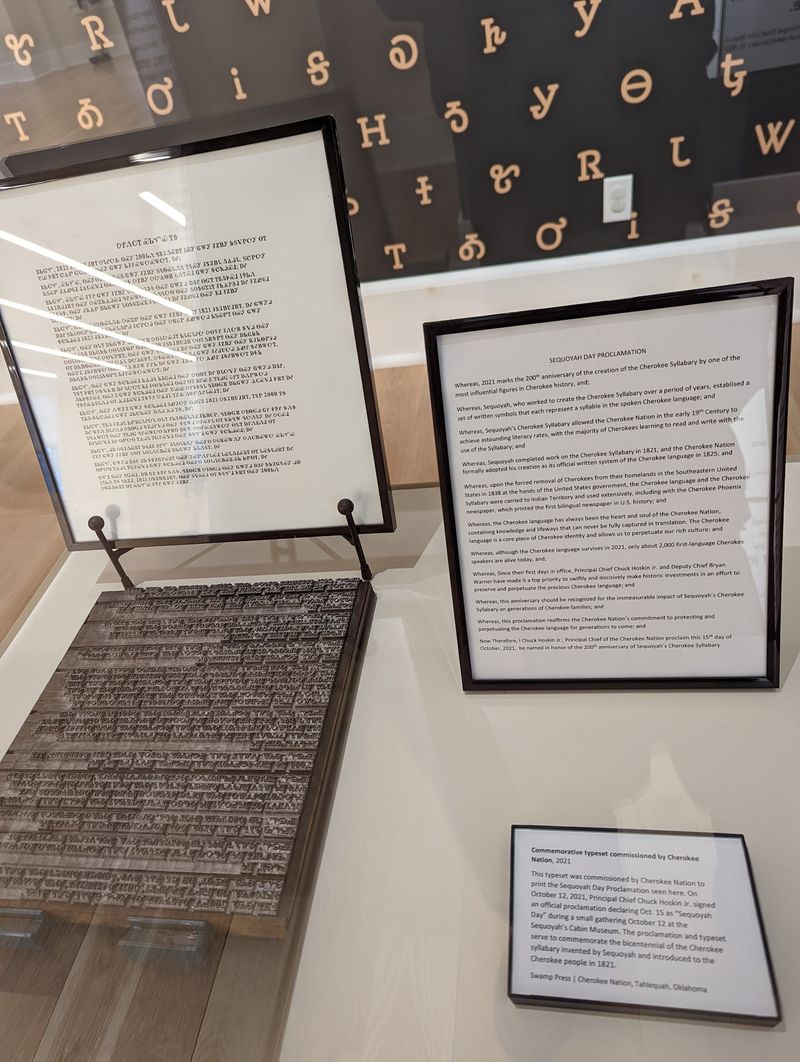
Did you know the Cherokee have their own written writing system? It is called a syllabary, where each symbol stands for a sound or syllable instead of a single letter.
The museum gives this remarkable invention its own spotlight.
Guests mention a section dedicated to the Cherokee language, the syllabary, and how it connects to the newspapers. Seeing the characters laid out in front of you is a little magical.
They look unlike any alphabet you grew up with, yet they carried an entire nation’s thoughts onto paper.
For kids, this can be the most fun part of the visit. Try spotting patterns in the symbols or guessing which ones look alike.
It turns learning into a small puzzle game, and it sparks questions that keep the conversation going on the drive home.
For adults, the exhibit offers something deeper. A written language helps a culture protect its stories, laws, and traditions for future generations.
Linking the syllabary to the printing of newspapers shows how one idea opened the door to another.
Walking past these displays, you start to see the full picture. Courts, news, and language all worked together to keep the Cherokee Nation strong and connected.
Artifacts and Artwork Worth a Closer Look
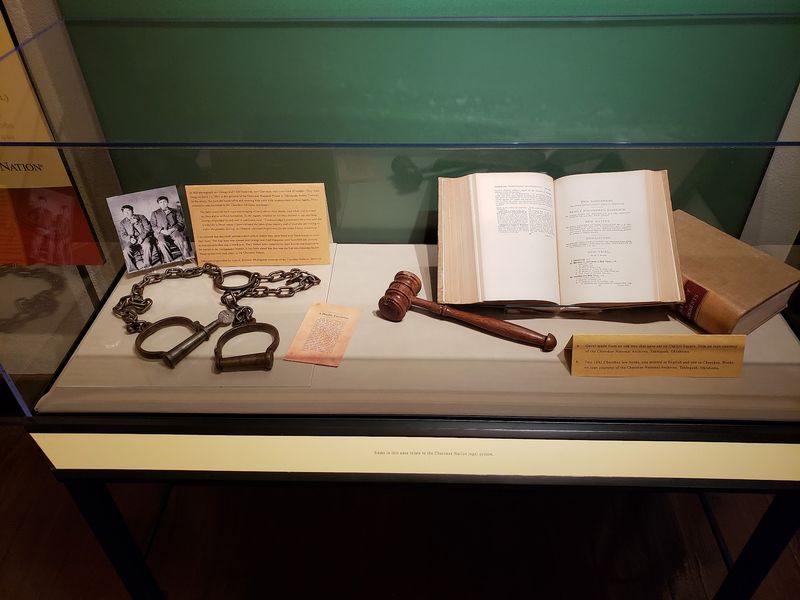
Beyond the panels and printed history, there are objects you can actually lean in and study. Visitors say the museum holds a nice collection of artifacts along with art, giving your eyes a break from reading and a chance to simply look.
Artifacts have a special kind of power. A single item in a glass case can tell you more about daily life than a full page of text.
You start wondering who used it, where it traveled, and how it ended up here in Tahlequah.
The artwork adds color and feeling to the visit. While the legal and newspaper exhibits explain how things worked, the art shows how things felt.
Together, they paint a fuller portrait of Cherokee culture that goes beyond dates and facts.
One guest who recommended the museum to tribal members and non-members alike pointed to this collection as a reason to come. Even locals who drive past every day, they said, will find it worthwhile.
My tip is to slow down in these spaces. Pick one object or piece of art and give it a full minute of attention.
You will be amazed at the small details that pop out when you stop rushing.
Friendly Faces and a Small Gift Shop
A warm greeting can change your whole day. Over and over, visitors describe the staff here as pleasant, inviting, and super nice, and that kindness sets the tone the moment you walk in.
Quick heads up from a past guest: the staff sit off to the right as you enter. If you do not spot them right away, just glance that way.
They are ready to help, answer questions, and point you toward the exhibits.
One sweet story comes from a group of Spanish-speaking travelers. They wrote that the people were very kind and even gave them stickers from the museum as a little keepsake.
Small gestures like that turn a quick stop into a memory you carry home.
There is also a small gift shop inside. It is not a giant store, but it is a nice spot to browse before you leave.
Picking up something here is a simple way to remember the visit and support the place that shared these stories with you.
Honestly, the people make this museum shine as much as the exhibits. Friendly guides help visitors of every background feel welcome, whether you are Cherokee, a local, or a first-time traveler passing through Oklahoma.
Who Will Love This Cozy Stop
History lovers, this one is calling your name. As one visitor simply put it, if you love history, you should stop by.
Another called it a fun place to check out, and that mix of fun and learning sums up the vibe nicely.
The museum is on the smaller side, so it feels cozy rather than overwhelming. Guests say you can see everything in about an hour.
That makes it ideal for families with restless kids, travelers on a tight schedule, or anyone pairing it with other stops in Tahlequah.
Cherokee families visiting to learn more about their roots seem to find it especially meaningful. At the same time, non-tribal visitors say it is just as rewarding.
Everyone walks away knowing a little more.
Here is a quirky bonus. A few visitors noted that the building is home to several Pokemon Go stops and even a couple of gyms, with one calling them the best stops in town.
That might be just the trick to get a gamer teen excited about a history outing.
Opinions are not unanimous, of course. One past guest felt it had less Native American history than expected, so go in with curiosity and decide for yourself.
Hours, Contact Info, and Planning Tips
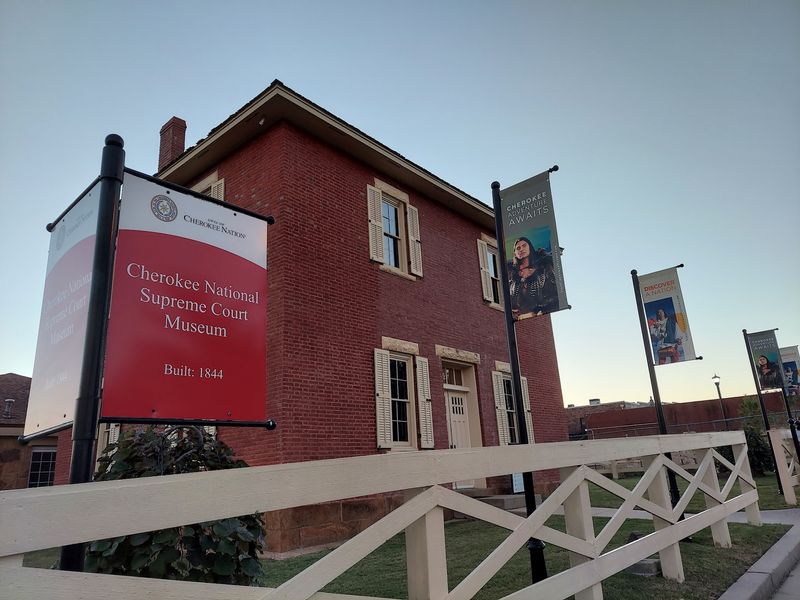
Timing your trip right saves a lot of frustration. The Cherokee National Supreme Court Museum is open Tuesday through Saturday from 10 am to 4 pm.
It stays closed on Sundays and Mondays, so plan any weekend road trip around a Saturday visit.
You will find it at 122 E Keetoowah St, Tahlequah, OK 74464. Since the whole museum takes roughly an hour, arriving by early afternoon gives you plenty of time to explore without feeling rushed before closing.
Got questions before you go? You can call +1 877-779-6977.
The official page at visitcherokeenation.com also lists details about the attraction, and it is the best place to confirm admission information, since pricing can change and is worth checking ahead of time.
A few quick tips from my own planning:
Bring a phone with room for photos, especially of those peek windows showing the original courthouse. Leave a few minutes for the gift shop.
And if anyone in your group plays Pokemon Go, tell them to charge up, because the building is known for its stops.
Combine it with other sites around Tahlequah for a full day of Cherokee history, and you will have a trip that feels both easy and rich.
Final Thoughts on a Small Building With a Big Legacy
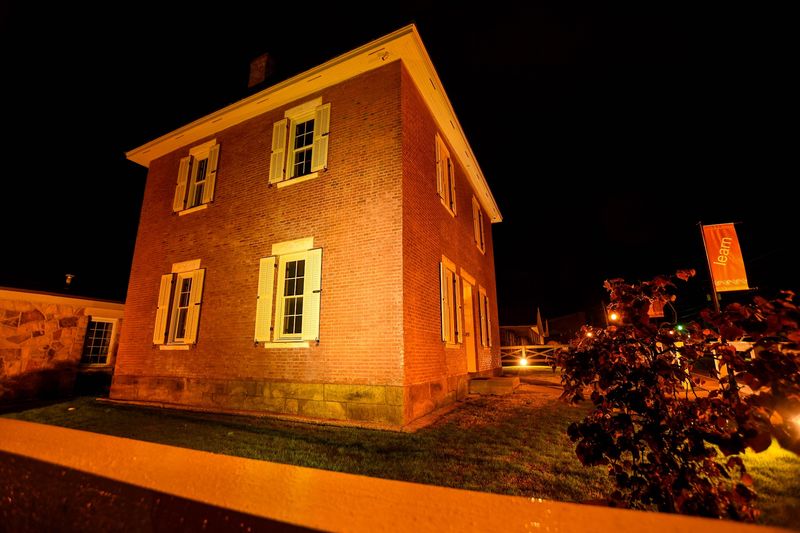
Some places stick with you long after the car pulls away. For me, this little courthouse turned museum is one of them.
It packs centuries of meaning into a visit that takes about an hour.
What stands out most is the way it tells a story many people never hear. You learn about a nation that built courts, printed newspapers, and wrote in its own syllabary, all while facing outside pressure.
That is not dry history. It is a story of grit and creativity that belongs to all of Oklahoma.
Visitors consistently call it interesting and a worthwhile visit, and one even hinted, just wait till you see the inside. Add in the kind staff, the peek windows into the original building, and the claim among guests that it is the oldest building still standing in the state, and you have a stop that punches far above its size.
Is it a massive museum with hours of galleries? No. But that is part of its charm.
It is approachable, friendly, and easy to fit into a busy day.
Next time you are wandering northeastern Oklahoma, give Keetoowah Street a little detour. The past is waiting just inside the door.
Share this story