Some places are worth a very long flight. Ancient cities, giant reefs, roaring waterfalls, and wild savannahs all wait around the globe, and each one tells a story you cannot get from a screen.
This list mixes history with nature so every kind of traveler finds a dream stop. Pack a hat, charge your camera, and get ready to pick your next big adventure.
Machu Picchu, Peru
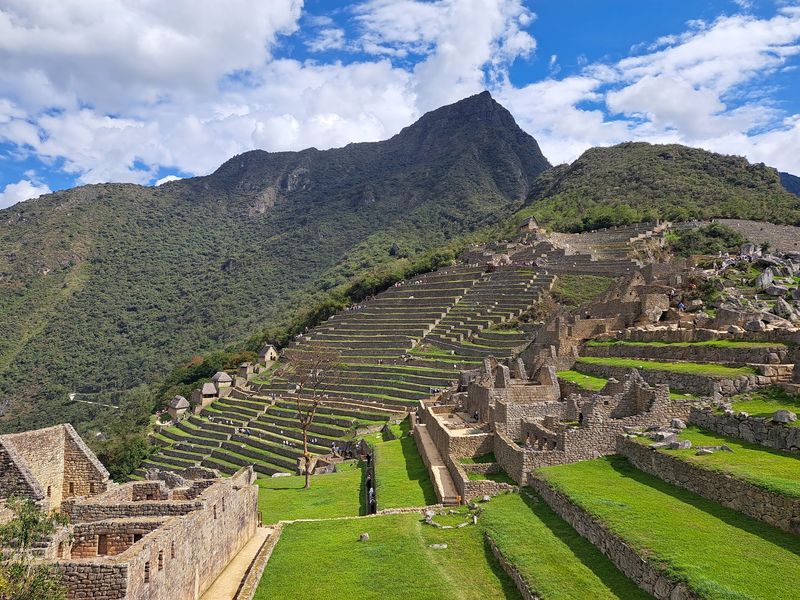
Clouds drift through the stone doorways of Machu Picchu like they own the place. The Inca built this citadel about 2,430 meters above sea level, where the Andes meet the edge of the Amazon Basin.
Terraces, walls, ramps, and ceremonial areas still stand today.
The protected area around it covers more than 32,000 hectares of mountains, valleys, and tropical forest. That means the setting is as stunning as the ruins.
Getting there by train or by trekking route makes the first view feel earned.
Here is the part many travelers forget: entry is controlled. Visitors follow set circuits, and tickets are tied to specific routes and time slots.
Pick your route early, because that choice shapes your whole day.
Bring layers, since the weather can flip from sunshine to drizzle in minutes. Take it slowly at this altitude and drink plenty of water.
Arrive early for softer light and thinner crowds, and give yourself time to simply sit and look.
Petra, Jordan
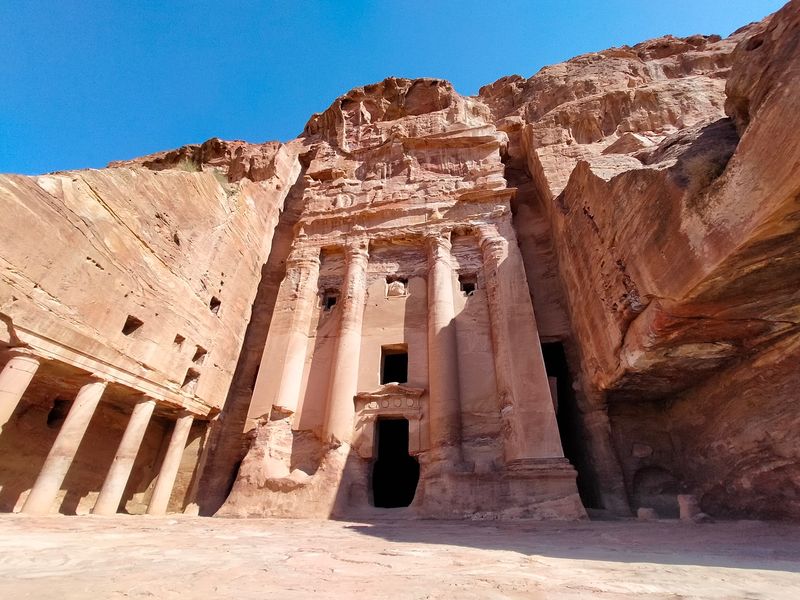
Most people see the Treasury and think they have seen Petra. They have barely started.
The Nabataeans turned a dry mountain landscape into a busy caravan city using channels, cisterns, dams, and buildings carved straight into rock.
Petra grew rich through trade. Incense, spices, and silk passed through on routes linking Arabia with Egypt and the Mediterranean.
UNESCO describes the city as half built and half carved into sandstone, with tombs, temples, and streets tucked through gorges.
Plan to keep walking after Al-Khazneh. The trail to the Monastery climbs hundreds of steps, but the reward is a huge carved facade and wide views over the desert.
High viewpoints give a fresh look at the Treasury too.
Wear sturdy shoes and carry more water than you think you need. Midday sun bounces off the rock and bakes the canyon.
Give Petra a full day, or better, two, and let the side trails surprise you.
Great Pyramids of Giza, Egypt
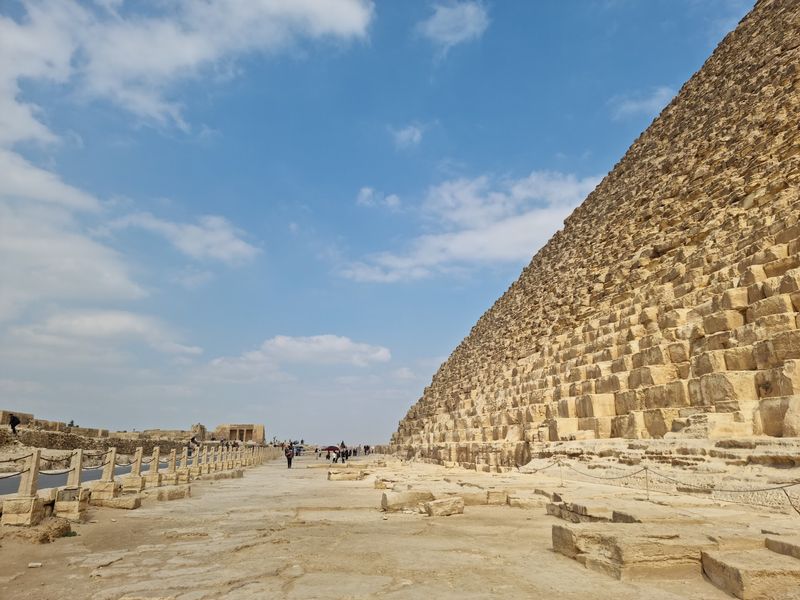
Here is a fun twist: the Great Pyramid of Khufu is the only Wonder of the Ancient World still standing. It has outlasted every other wonder on the original list.
More than four thousand years later, it still makes visitors go quiet.
Giza is part of a much bigger story. The wider Memphis necropolis stretches through Saqqara and Dahshur, with more than 38 pyramids and thousands of rock-cut tombs.
Together they show how royal burial design changed across Egyptian history.
Photos hide the real surprise, which is scale. Standing at the base, you see huge blocks, endless desert, and tiny people walking beside them.
The Sphinx, temples, and nearby pyramids add layers to the view.
Go early to beat the heat and the biggest crowds. Wear a hat, carry water, and agree on prices before any camel or horse ride.
If time allows, add Saqqara and Dahshur for a quieter look at how the pyramids began.
Angkor, Cambodia
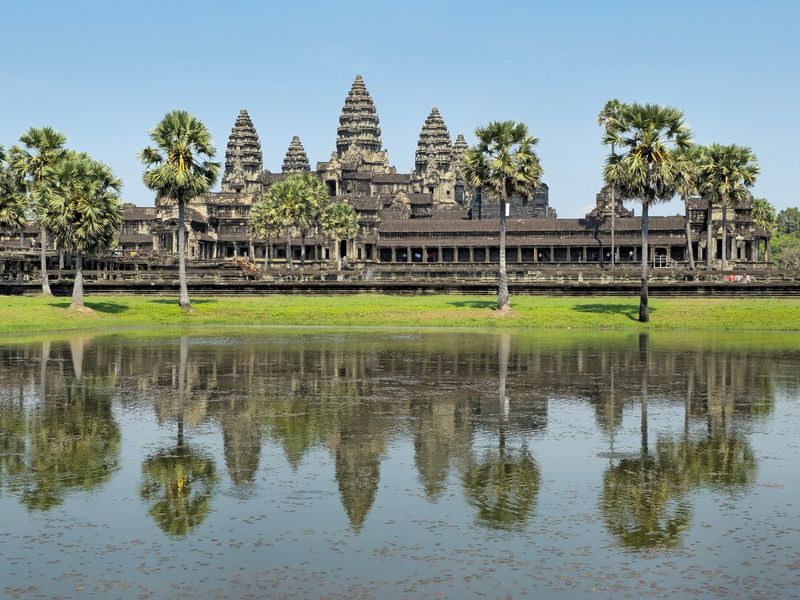
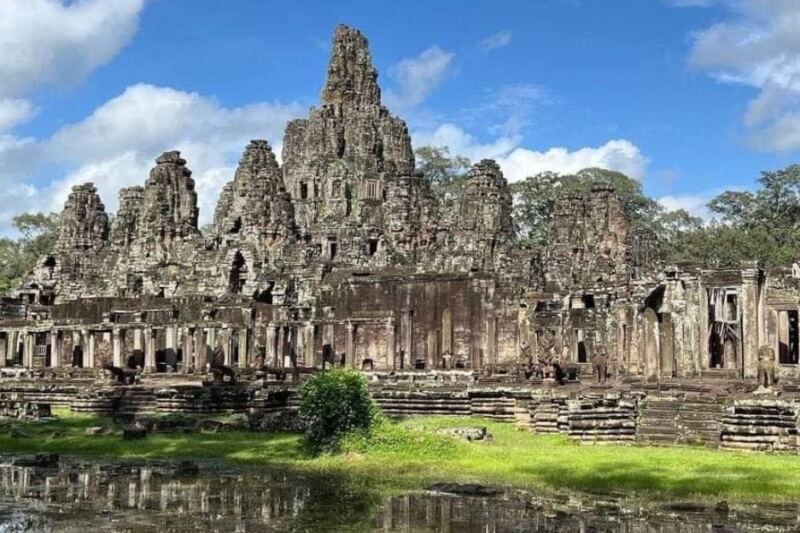
Tree roots hugging temple walls at Ta Prohm look like nature is slowly taking back its property. Angkor is far more than Angkor Wat.
The archaeological park covers roughly 400 square kilometers.
It holds the remains of several capitals of the Khmer Empire, built from the 9th through 15th centuries. Bayon, Ta Prohm, Preah Khan, and Angkor Wat sit among reservoirs, canals, roads, and embankments.
All of that shows how skilled the builders were at managing both stone and water.
UNESCO notes how strongly Angkor influenced art and architecture across Southeast Asia. You can see that in the carvings, which tell stories of gods, wars, and daily life.
Look closely and you may spot dancers, soldiers, and even market scenes.
Give yourself at least three days. Visit the famous sunrise spot once, then wander to quieter temples while the tour buses are elsewhere.
Wear light clothes that cover shoulders and knees, since many temples are active sacred places.
Galápagos Islands, Ecuador
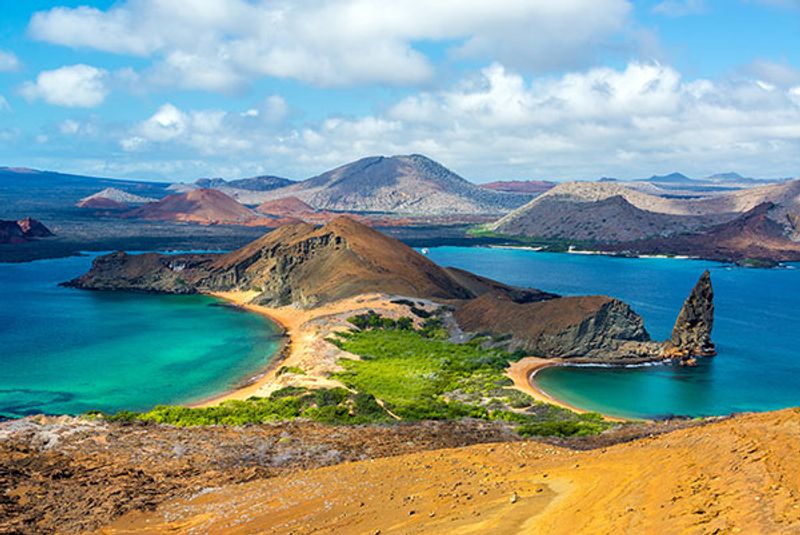
Sea lions here nap on park benches and barely glance at humans. The Galápagos feel like a classroom where evolution is the lesson and the animals are the teachers.
Wildlife shows little fear, so close encounters are common.
The volcanic islands sit about 1,000 kilometers from mainland South America. Three ocean currents meet here, and the long isolation produced giant tortoises, marine and land iguanas, penguins, and many birds found nowhere else.
Charles Darwin visited in 1835, and what he saw later fed his ideas about natural selection.
UNESCO calls the islands a living museum of evolution. A huge marine reserve protects the waters, which are among the richest on Earth.
Rules are strict, and for good reason. Guides lead visits, trails are marked, and you must keep your distance from animals.
Book a cruise or island-hopping trip well ahead, and pack reef-safe sunscreen and a snorkel mask for swimming alongside sea turtles.
Serengeti National Park, Tanzania
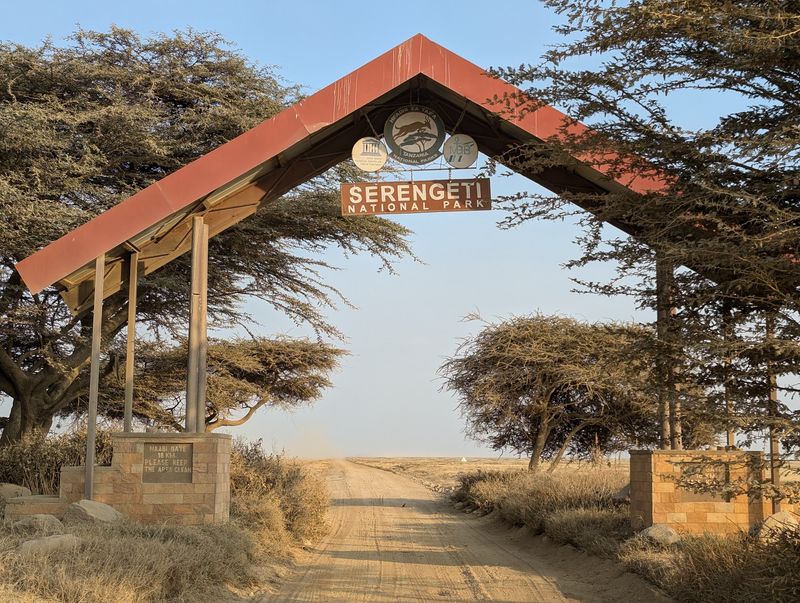
Around two million wildebeest on the move make the ground itself seem alive. The Great Migration across the Serengeti is one of the planet’s biggest wildlife shows.
Hundreds of thousands of zebras and gazelles join the herds, and predators follow close behind.
The protected savannah covers about 1.5 million hectares and links with a wider ecosystem reaching into Kenya. Timing matters, but there is no fixed calendar.
The herds move with rain, fresh grass, and water, so their location changes through the year.
Even when the big crowds of wildebeest are elsewhere, the park delivers. Lions lounge on rocky outcrops, cheetahs scan the plains, and elephants and giraffes wander through.
The whole ecosystem is the star, not just one river crossing.
Talk with your safari operator about where the herds are during your dates. Choose a guide with strong local experience, bring binoculars, and keep your camera ready at dawn, when the light is soft and animals are most active.
Great Barrier Reef, Australia
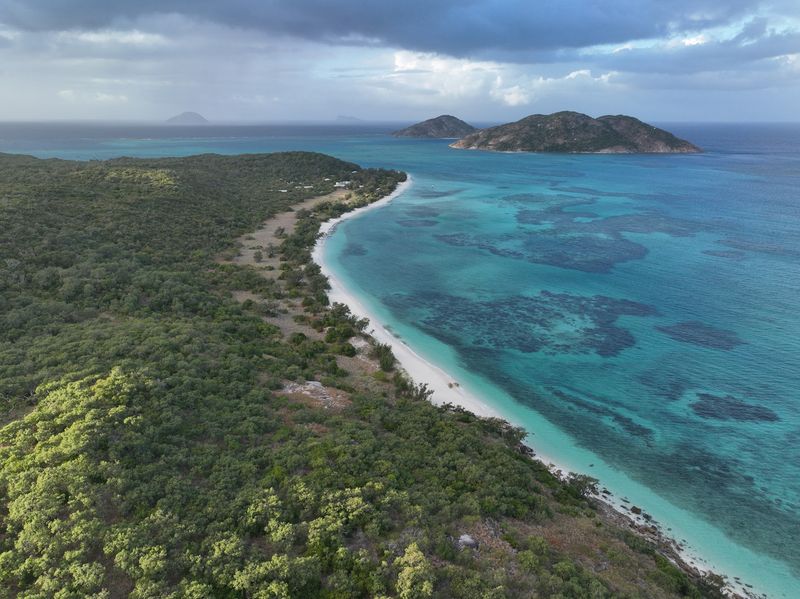
Seen from space, the Great Barrier Reef shows up as a long, colorful smear along Australia’s coast. On the ground, or rather underwater, its size is hard to grasp.
The World Heritage area covers roughly 348,000 square kilometers, making it the largest coral reef system on the planet.
UNESCO lists around 400 coral types, 1,500 fish species, and 4,000 kinds of mollusks. Dugongs and green turtles glide through too.
That is a lot of neighbors for one reef.
You can explore by snorkeling, diving, sailing, or scenic flight. Each view gives a different sense of scale.
A flight shows the patterns, while a mask and fins put you eye to eye with the fish.
Warming seas have caused coral bleaching, so travel choices matter. Pick tour operators with strong environmental records, use reef-safe sunscreen, and never touch coral.
A little care helps this living wonder stay vibrant for the next visitors.
Iguazú Falls, Argentina and Brazil
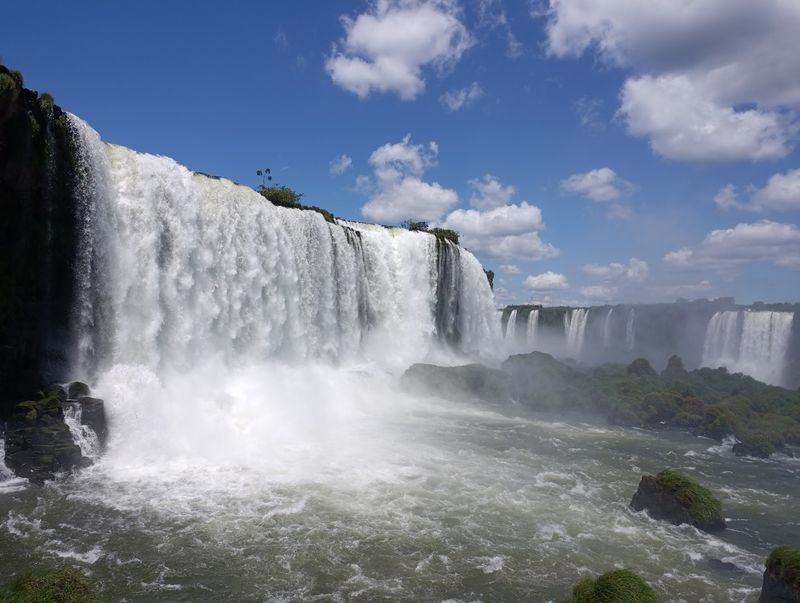
You will hear Iguazú before you see it. The roar of water drifts through the trees long before the first viewpoint.
This is not one waterfall but a huge system of cascades spread across almost 2.7 kilometers of the Argentina and Brazil border.
Some drops approach 80 meters. Subtropical forest surrounds them and shelters thousands of plant species, plus tapirs, howler monkeys, giant anteaters, and jaguars.
Keep your eyes open for colorful butterflies and coatis near the paths.
The two sides offer different views. Argentina has long walkways that put you right among individual falls.
Brazil gives broader panoramas of the whole scene.
At the center, the Devil’s Throat sends up a wall of spray and thunder. Bring a rain jacket or expect to get soaked.
Try to visit both sides if you can, and start early to enjoy the trails before the heat and the crowds build.
Cappadocia, Türkiye
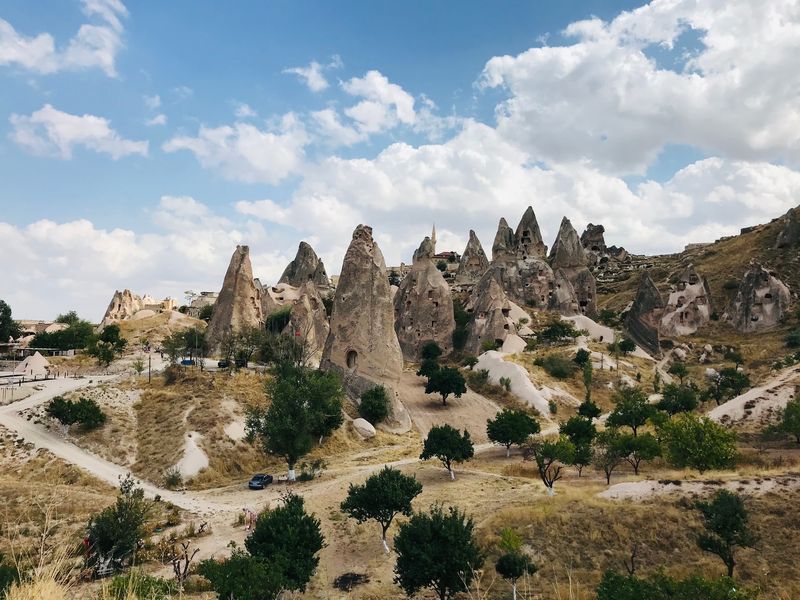
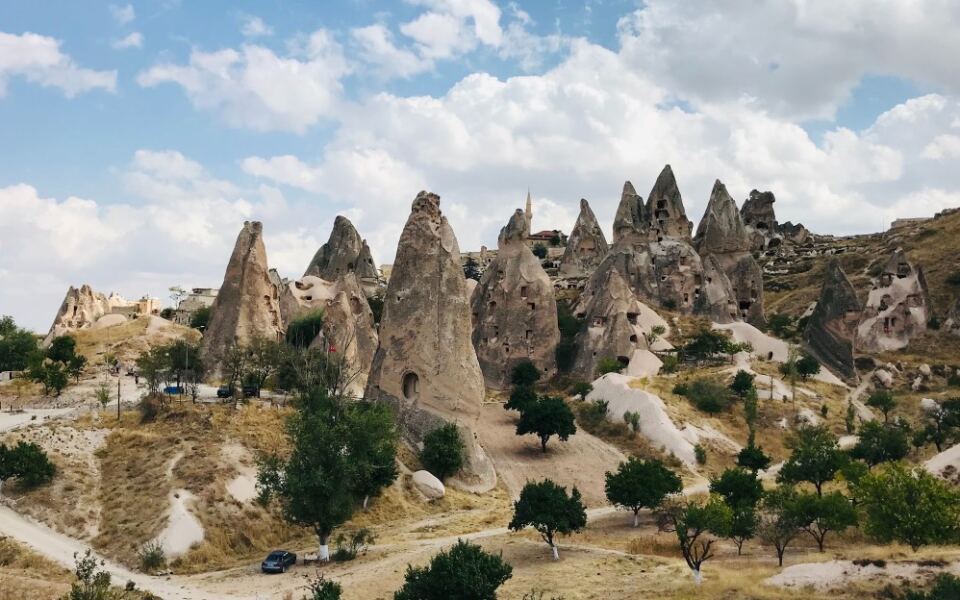
Imagine waking up in a house carved into a rock cone. In Cappadocia, that is a real option.
Volcanic deposits across central Anatolia were slowly shaped by erosion into valleys, ridges, and the famous fairy chimneys.
People did more than admire the stone. Over the centuries, communities carved homes, monasteries, churches, and underground settlements right into it.
UNESCO highlights the rock-hewn Byzantine sanctuaries of Göreme and underground cities such as Kaymaklı and Derinkuyu.
Hot-air balloon rides at sunrise are the best-known activity. Book early and keep dates flexible, since wind can cancel flights.
Still, the ground has plenty to offer.
Hike through the valleys, step inside painted churches, and walk down into the cool tunnels of an underground city. Wear comfortable shoes with good grip, because the rock can be slippery.
Those slower adventures show how people adapted their lives to a strange and beautiful volcanic land.
Grand Canyon, Arizona, USA
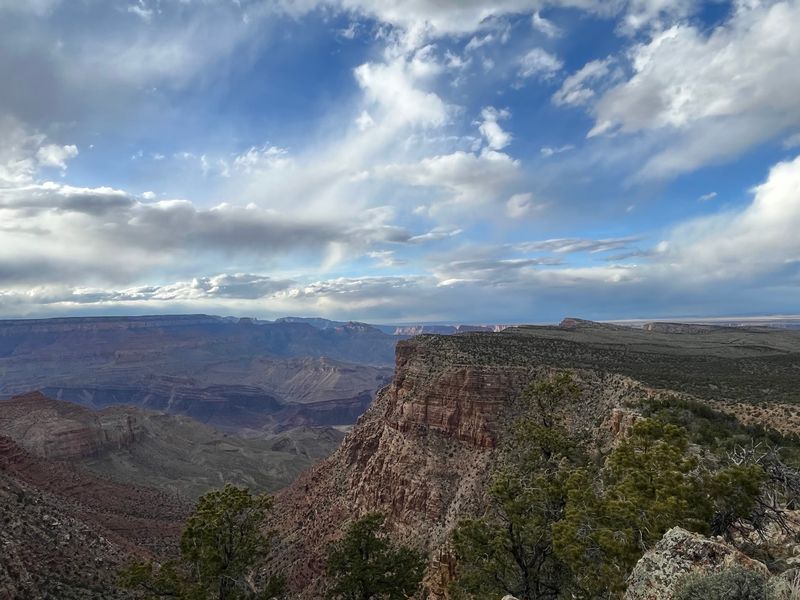
Standing at the rim, many first-time visitors simply say nothing. The Grand Canyon is a gorge about 1,500 meters deep that twists for 445 kilometers through northern Arizona.
Numbers help, but the view does the real work.
The rock layers record roughly two billion years of Earth history. Yet the canyon is more than a geology lesson.
Changes in elevation create several ecological zones, from cool forests on the rims to hot desert near the Colorado River.
Indigenous peoples also have long-standing cultural ties to this land, and many of their stories shape how the canyon is understood today. Visitor centers and ranger talks are a great way to learn more.
Most people stay at the viewpoints, but a hike below the rim feels like entering another world. Start early, carry plenty of water and snacks, and remember that going down is easy while coming up is the hard part.
Even a short trail changes the experience.
Salar de Uyuni, Bolivia
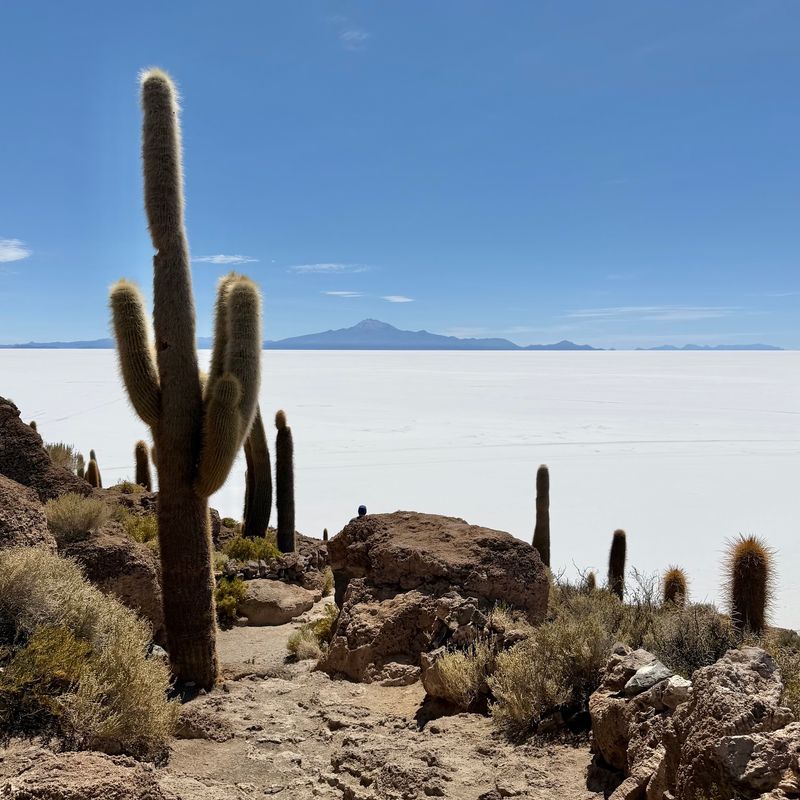
Walk out onto Salar de Uyuni in the right season and the sky appears under your feet. This is the largest salt flat on Earth, spreading across more than 10,000 square kilometers of the high Altiplano.
It is a place made for dreamy photographs.
In the dry season, the white surface breaks into giant geometric patterns beneath deep blue sky. In parts of the wet season, a thin layer of water turns it into an enormous mirror where the horizon seems to vanish.
Many trips last several days and continue to colorful lagoons, flamingo habitats, volcanoes, geysers, and the Eduardo Avaroa reserve. The scenery changes with almost every hour of driving.
Do not ignore the altitude, which reaches nearly 5,000 meters on some routes. Give your body time to adjust and drink lots of water.
Nights are freezing, and sun is strong, so bring a warm jacket, sunglasses, and plenty of sunscreen.
Yellowstone National Park, USA
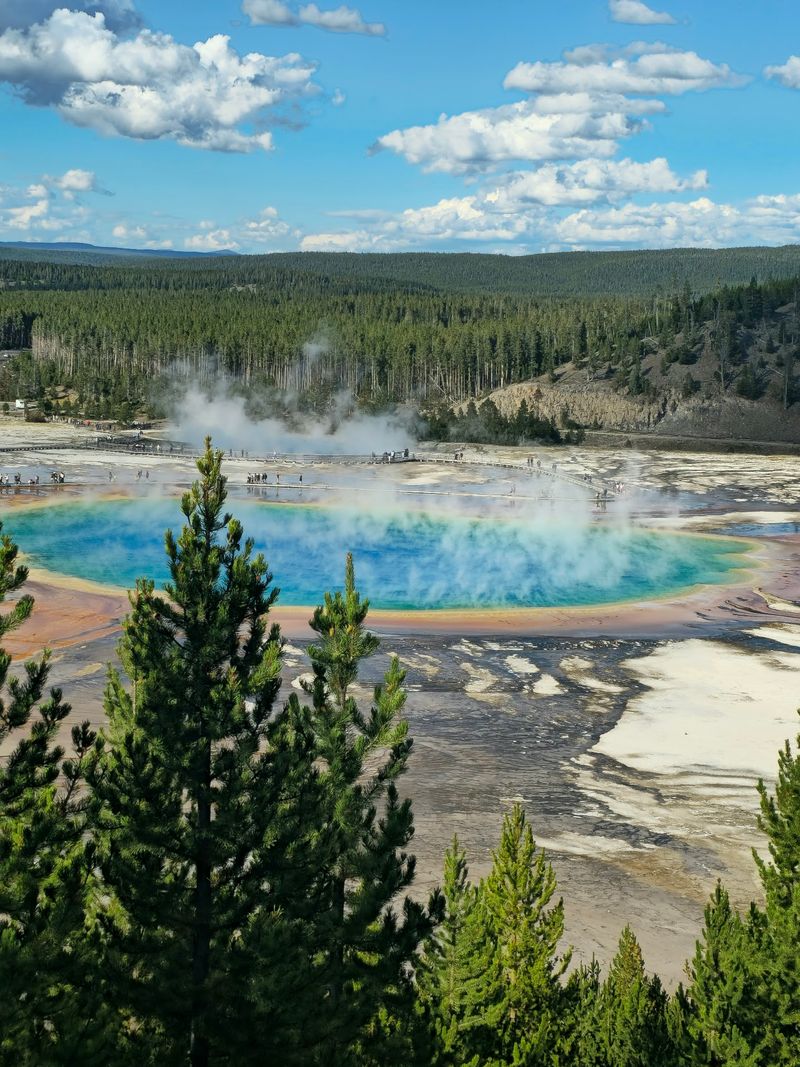
The ground here hisses, bubbles, and occasionally shoots water into the sky. Yellowstone holds one of the largest collections of geothermal features on Earth.
UNESCO counts more than 10,000 of them, including hot springs, fumaroles, mud pots, and over half of the world’s active geysers.
Beneath it all sits a giant volcanic system whose past eruptions helped shape the land. That might sound scary, but visitors can explore the park safely by following the rules and staying on boardwalks.
Wildlife is just as thrilling. Bison roam freely, and wolves, grizzly bears, and elk live in one of North America’s most intact temperate ecosystems.
Drive slowly and watch the roadside for wildlife jams.
Yellowstone was established in 1872 and became the world’s first national park. Stay at least 100 meters from bears and wolves and 25 meters from other animals.
Binoculars make the whole trip better, and dawn and dusk are the best times to spot wildlife.
Milford Sound and Fiordland, New Zealand
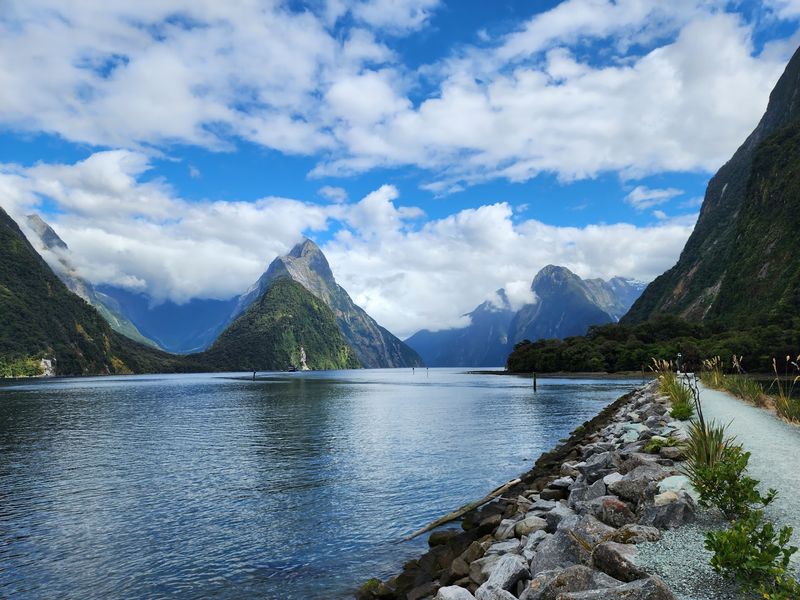
After a storm, Milford Sound sprouts waterfalls on every cliff. Rain here is not a problem but a special effect.
Heavy rainfall creates countless temporary falls that streak down the rock walls.
The sound is only one part of Te Wāhipounamu, a huge World Heritage area in southwestern New Zealand. It covers about 2.6 million hectares, around 10 percent of the country’s land.
Glaciers carved deep fiords, U-shaped valleys, lakes, and cliffs where mountains rise straight from the sea.
Temperate rainforest clings to impossibly steep slopes. Seals, dolphins, and penguins sometimes show up in the water below.
Cruises give the classic view, and they are well worth it. Kayaking and multi-day walks reveal the wild scale and silence of Fiordland in a more personal way.
Pack a waterproof jacket, insect repellent for sandflies, and a flexible schedule, since weather can change plans quickly.
Ha Long Bay and Cat Ba Archipelago, Vietnam
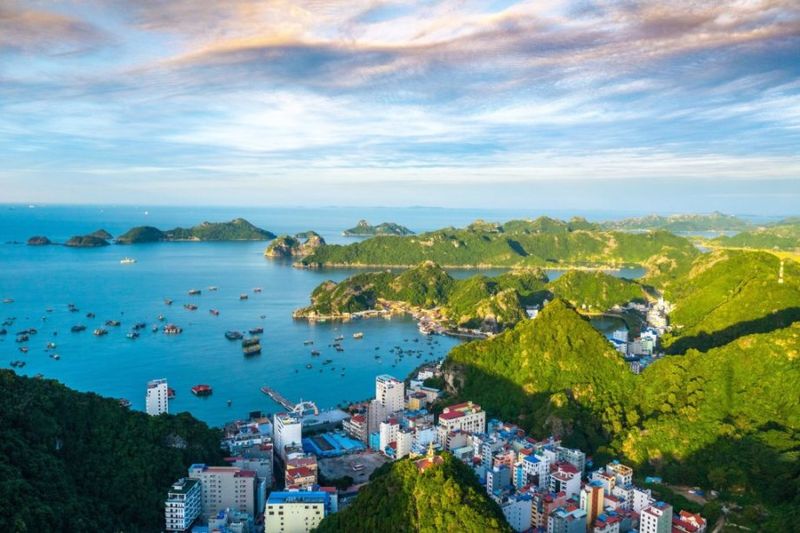
Picture more than a thousand limestone islands poking out of green water like a crowd of sleepy giants. That is the scene across Ha Long Bay.
The UNESCO property now stretches past the traditional bay into the Cat Ba Archipelago.
The protected area covers about 65,650 hectares and contains 1,133 islands and islets. Millions of years of karst processes shaped towers, caves, cliffs, and partly sunken limestone landscapes rising from the Gulf of Tonkin.
Cruising is the classic way to see it, and an overnight boat trip adds sunset and sunrise views. Still, the busiest central routes can feel crowded.
Look for tours that visit quieter sections.
Kayaking through lagoons and hiking on Cat Ba give a closer view of the scenery. The scale becomes clear when whole chains of peaks fade into mist across the water.
Visit in spring or autumn for comfortable weather, and check conditions before booking.
Wadi Rum, Jordan
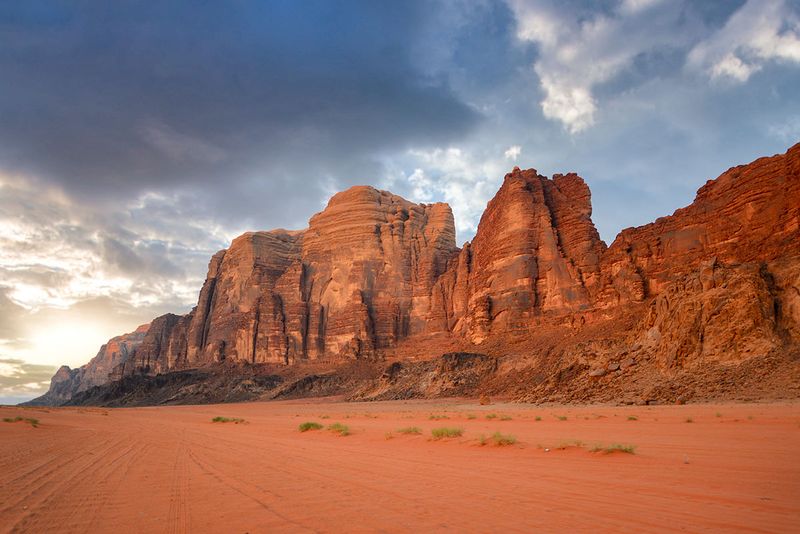
Sleeping under a sky packed with stars is the main event in Wadi Rum. This desert is dramatic, but it is far from empty.
The UNESCO area covers roughly 74,000 hectares of sandstone mountains, arches, canyons, cliffs, caves, and open sand in southern Jordan.
People have left their mark here for about 12,000 years. Archaeologists have recorded around 25,000 petroglyphs and 20,000 inscriptions that document changing cultures and the growth of writing.
Bedouin communities still shape the visitor experience today. They run camps, guide jeep and camel trips, and cook traditional meals, often in sand ovens.
Chatting with your guide over sweet tea is part of the fun.
The same landscape looks different at sunrise, sunset, and night. Stay overnight to see all three.
Bring a warm layer for chilly evenings, a scarf for dust, and a camera that handles low light for starry skies.
Share this story