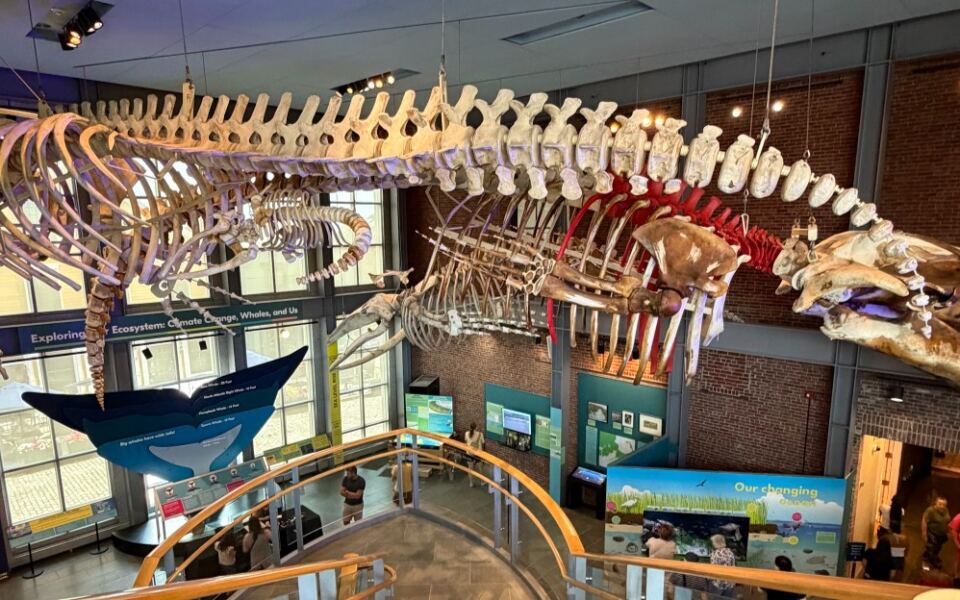
A real blue whale skeleton stretches across one room of a harbor museum here in Massachusetts. Yes, a full-size one, from the largest kind of animal on Earth, right there above your head.
That alone would earn the trip. The same building also holds a half-scale whaling ship model, plus one of the most admired scrimshaw collections around.
Kids can chase a spot-the-whale scavenger hunt while grown-ups lose track of time among old tools and paintings.
I like how the place mixes science, art, and hometown pride without feeling stuffy. It tells the story of a working waterfront city and the many people who built it.
I believe plenty of us drive past places like this for years.
So how long has this giant been waiting just a short drive from home?
A Harbor-Side Hill Where the South Coast Keeps Its Biggest Stories
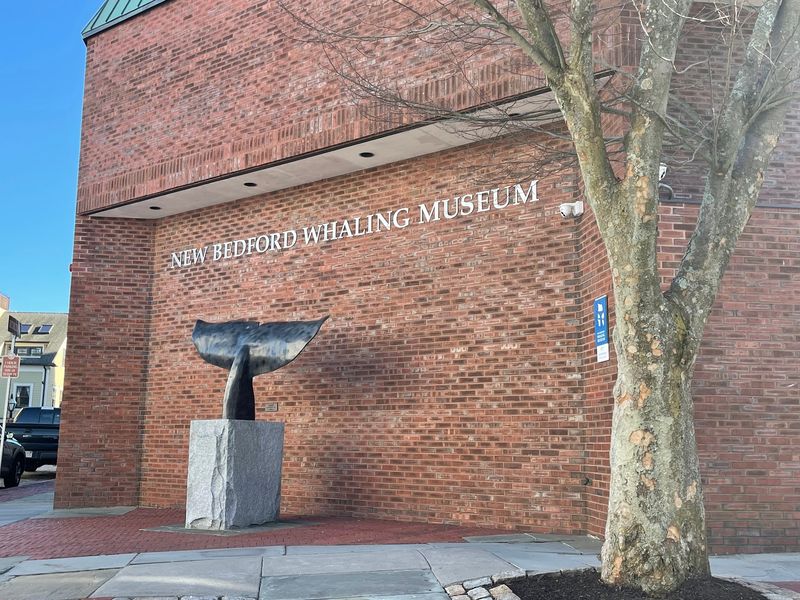
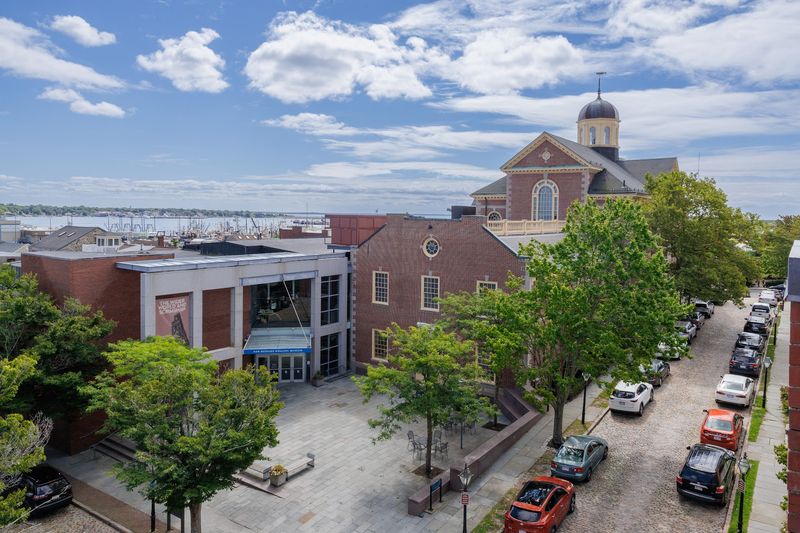
Some museums sit politely on a quiet street. The New Bedford Whaling Museum perches on Johnny Cake Hill, a short stroll from the working harbor that made the city famous.
Inside, the focus is the history of the whaling industry and the people tied to it. Exhibits cover the global whaling trade, marine life, ocean habitats, and the city’s own long chapter in that story.
Size is the first surprise for many people. The building is far bigger than it looks from the sidewalk, with level after level of galleries waiting to be explored.
That scale matters when you plan your day. Spending a couple of hours is easy, and plenty of folks wish they had blocked out an entire afternoon or more.
The museum also feels rooted in Massachusetts in a way a generic history stop never could. Local glass, local artists, and local photos share space with harpoons and ship gear.
So think of it as a portrait of a whole South Coast city, told through the sea. The whales are the headliners, but the supporting cast deserves your attention too.
How a Whaling Port Shaped an Entire City
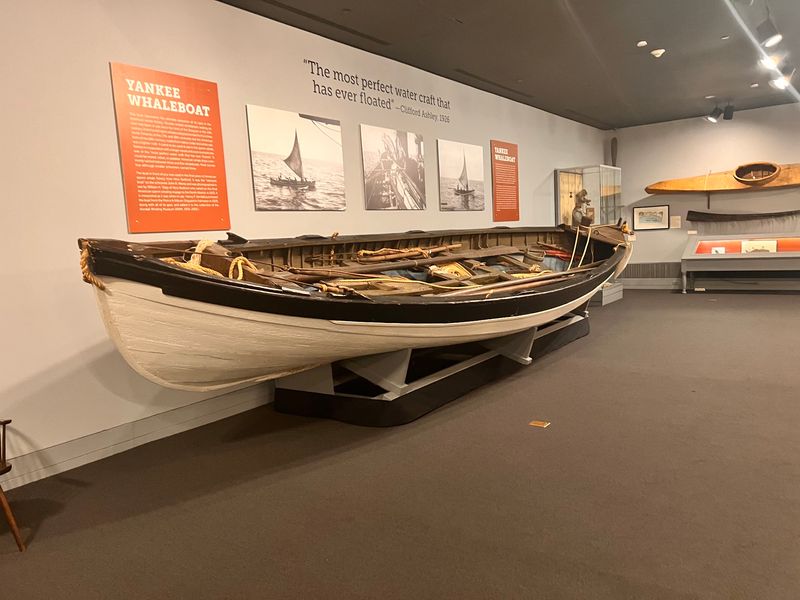
Long before tourists arrived, ships left this harbor for voyages that could stretch on for years. The museum traces how that trade grew into a major early American industry.
Exhibits walk you through the rise of whaling and what it meant for the city’s wealth and growth. You get a clear sense of how one business reshaped neighborhoods, jobs, and daily life.
The storytelling goes beyond dates on a wall. Real tools that whalers carried sit beside personal belongings, manufactured goods, and equipment from the era.
Even confident history buffs tend to learn something new here. The displays show how the industry fed into the cultural and creative makeup that still defines New Bedford today.
There’s also an honest tone about the past. The galleries invite reflection on how attitudes, technology, and conservation have changed since the busiest whaling days.
That balance keeps the history from feeling one-sided or dusty. You leave with a fuller picture of why this corner of Massachusetts once ranked among the world’s most important ports, and why the story still matters.
Standing Small Beneath a Full-Size Blue Whale Skeleton
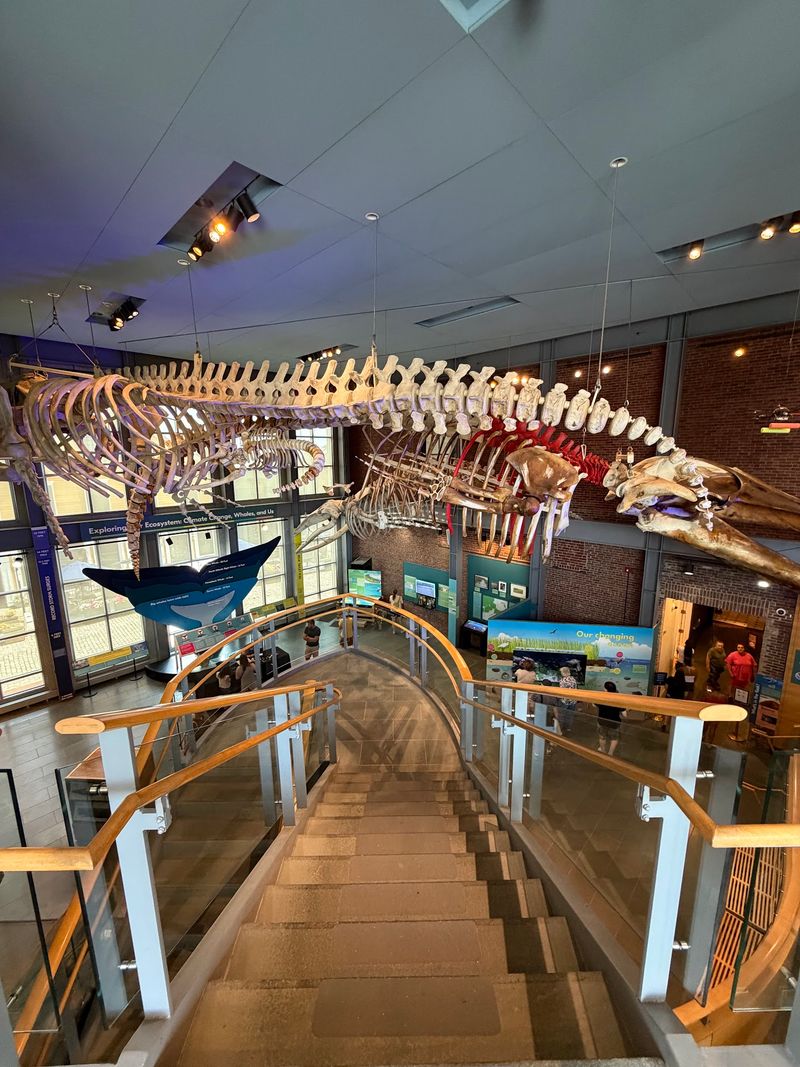
Neck strain is a real risk in this gallery. A full-size blue whale skeleton hangs overhead, and your eyes will keep traveling from one end to the other.
Blue whales are the largest animals ever known on Earth. Seeing the actual bones turns that fact from a textbook line into something you can feel in your shoulders.
The skeletons here are one of the museum’s most talked-about features. Several whale skeletons share the space, so you can compare shapes, sizes, and the curves of different species.
Kids usually react first, but adults are not far behind. It’s hard to stay casual when a jawbone longer than your car is floating just above you.
The display also connects nicely with the science exhibits nearby. Marine life and ocean habitat galleries help explain how these giants live, feed, and travel through the sea.
Bring your camera, but give yourself a minute without it too. Standing quietly under all those bones is one of those rare Massachusetts moments that really sticks, long after the drive home.
The Half-Scale Whaling Ship That Steals the Show
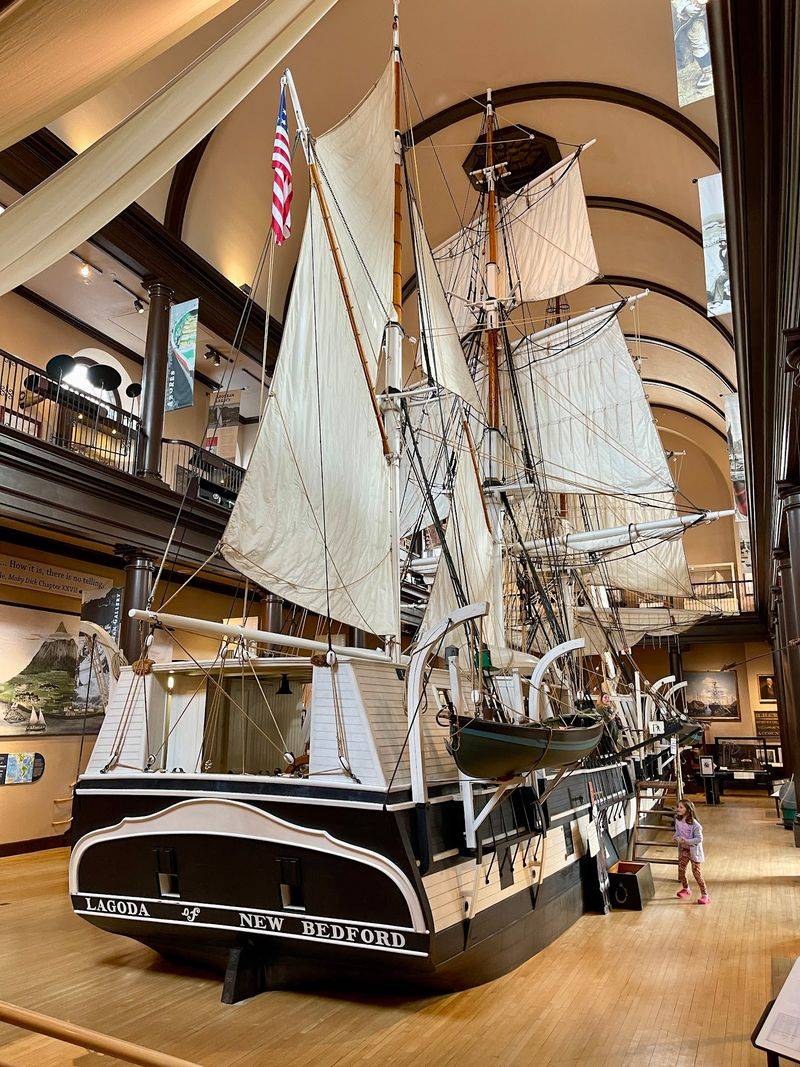
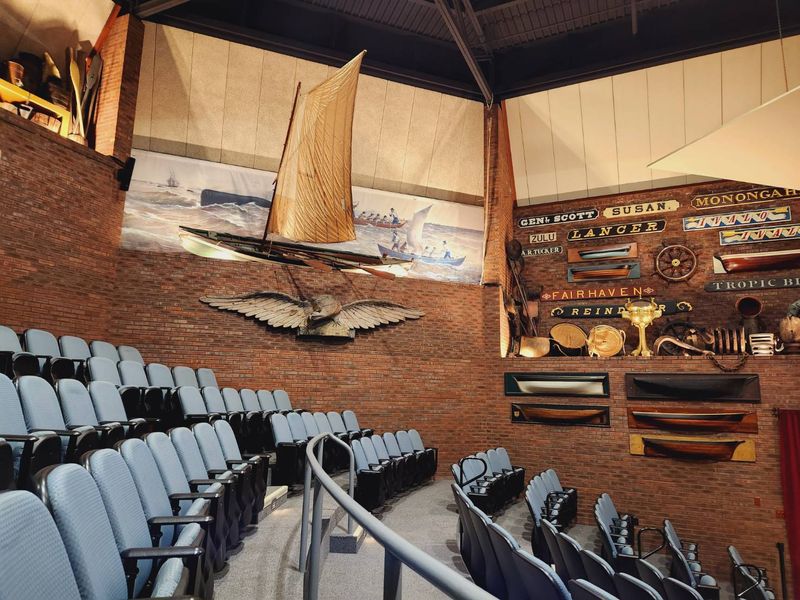
Ships usually belong in the water, yet one of the museum’s stars sits proudly indoors. The half-scale model of a whaling ship ranks among the most mentioned highlights of any visit.
Half-scale still means big. The masts, rigging, and wooden hull give you a real feel for the vessels that once crowded this harbor.
Young visitors especially love it. Families often name the replica ship as a favorite stop, right up there with the whale skeletons.
It’s one thing to read that crews lived aboard for long voyages. It’s another to stand next to the deck and picture dozens of sailors packed into that space for months on end.
The model also helps everything else in the building make sense. Once you see the ship, the tools, boats, and gear in other rooms click into place.
Take a slow lap around it from different angles. Details reveal themselves the longer you look, from the shape of the bow to the lines of rope overhead, and you’ll understand why sailors spoke of their ships like family.
Scrimshaw Art That Sailors Carved by Hand
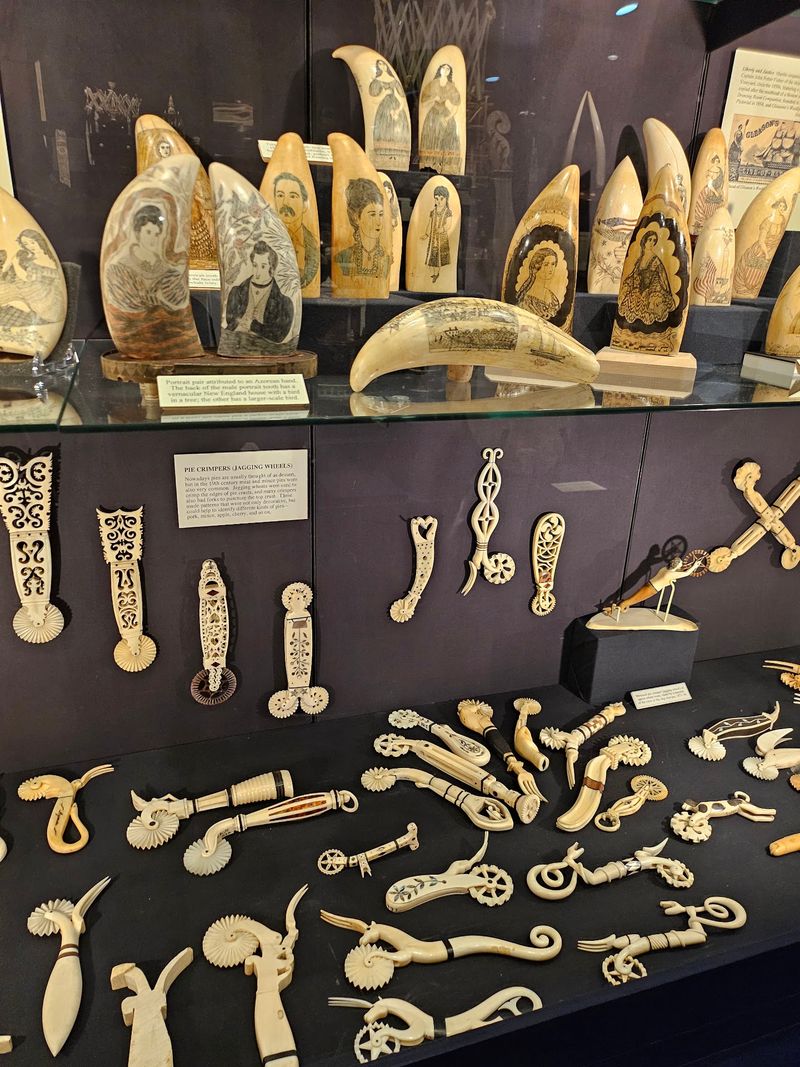
Who knew whalers had such an artistic streak? Scrimshaw, the craft of carving and etching designs onto whale teeth and bone, fills one of the museum’s most praised collections.
The pieces are delicate and surprisingly detailed. Ships, portraits, and scenes appear in fine lines that sailors once worked on during long stretches at sea.
Many first-timers have never heard of scrimshaw before. They often leave calling it one of the coolest things in the whole building.
It’s easy to see why the collection earns so much attention. Few places gather this much of the art form in one spot, and some consider it the best scrimshaw exhibit they’ve seen.
Take your time leaning close to the glass. The tiny scratches add up to whole stories about life aboard ship, faraway ports, and the people sailors missed back home.
The exhibit also changes how you see the rest of the museum. Behind every harpoon and logbook was a person with patience, imagination, and a lot of quiet hours to fill on a rolling deck.
The Many Communities Behind New Bedford’s Whaling Era
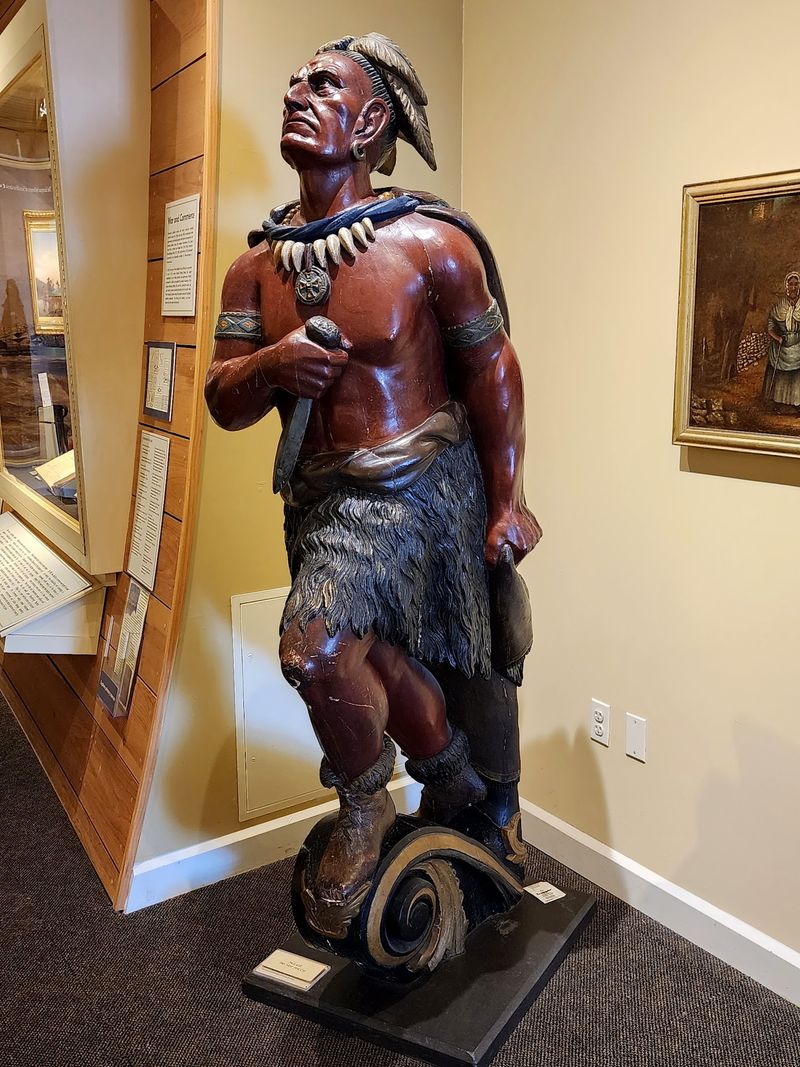
Whaling was never a one-person story. The museum makes a point of showing the wide mix of people who built the industry and the city around it.
Galleries cover the Quaker families tied to early whaling. They also highlight immigrant communities and African American residents who played key roles on ships and on shore.
Indigenous history earns its own thoughtful space as well. Exhibits explore Indigenous culture and relations between Native peoples and colonists, presented with care and depth.
This wider lens is part of what makes the New Bedford Whaling Museum feel so complete. You don’t just learn how whaling worked, you learn who did the work.
For Massachusetts residents, it’s a chance to see familiar heritage from fresh angles. The South Coast’s rich multicultural identity didn’t appear by accident, and these rooms help explain where it came from.
Some displays ask you to think a little harder than expected. That’s a good thing, since the most memorable history usually leaves you with a question or two to carry home.
Glass, Cameras, and Paintings Beyond the Whales
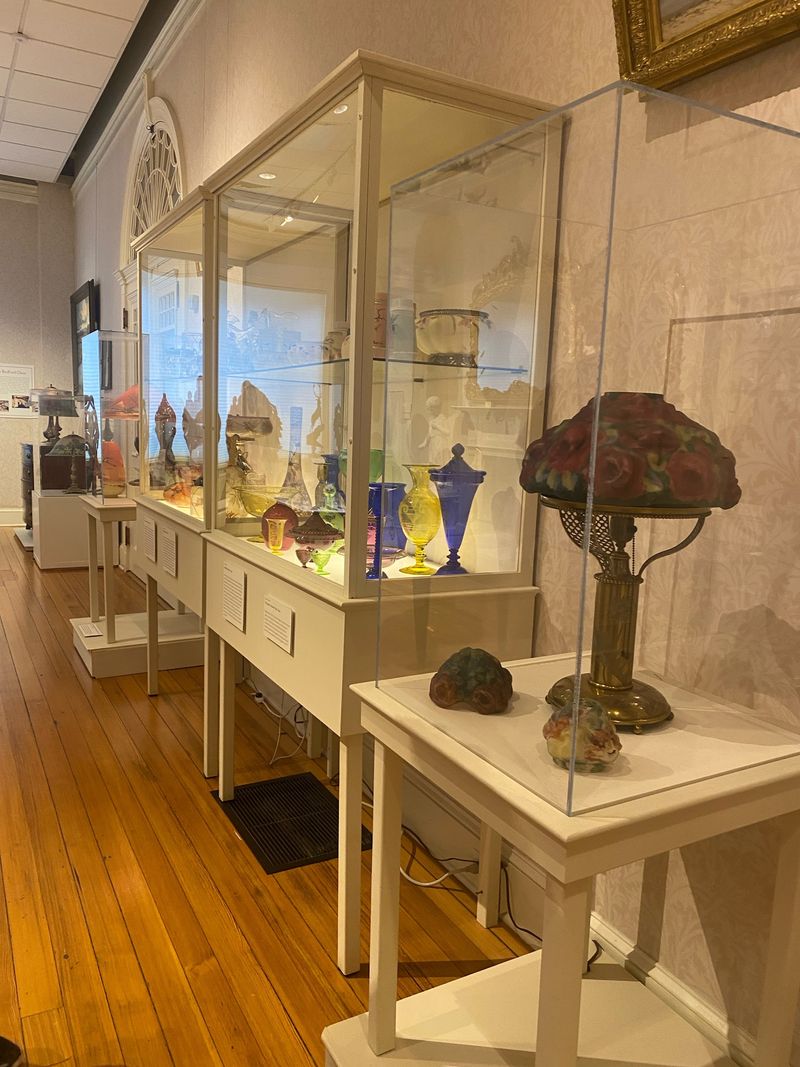
Calling it only a whaling museum almost undersells the place. Some fans joke it should be called a museum of local history and whaling, and they have a point.
A fantastic local glass exhibit showcases work from New Bedford’s glass factories. Textiles and photography also get attention, filling in other chapters of the city’s industrial past.
Photography lovers should look out for the early camera models. They’re the kind of display that can keep a shutterbug happily planted for a long while.
Paintings and artwork appear throughout the galleries too. Local artists sit alongside maritime scenes, adding color and personality between the harpoons and ship gear.
Personal memorabilia rounds things out nicely. Everyday objects from past residents make the history feel human rather than distant.
All this variety helps a group with mixed interests. One person can admire glass while another studies whale bones, and nobody feels dragged along.
That’s a rare win for any family outing in Massachusetts, especially when the backseat usually argues about where to go next.
Scavenger Hunts, 3D Films, and Squid for Curious Kids
Bored kids? Not likely here.
Small nooks and hands-on activities pop up throughout the building, making the museum a strong pick for families.
The spot-the-whale scavenger hunt is a crowd favorite. Children race around looking for whales hidden in exhibits, learning along the way without noticing.
Plenty of displays invite touching too. Those touch-this options give little hands something to do besides pressing noses against glass.
A 3D film adds another layer of fun, with a sea lion movie that has delighted families. Film tickets are separate, and showtimes can occasionally shift, so confirm the schedule at the front desk.
Science fans get even more. Kids have enjoyed watching a feeding tank and joining a squid dissection class, which tends to spark plenty of excited chatter.
The galleries work for a range of ages. Families with several children report everyone staying entertained for a long stretch, film not even included.
Second visits often turn up new discoveries, so the scavenger hunt doesn’t lose its charm after one round.
An Observation Deck With Sweeping Harbor Views
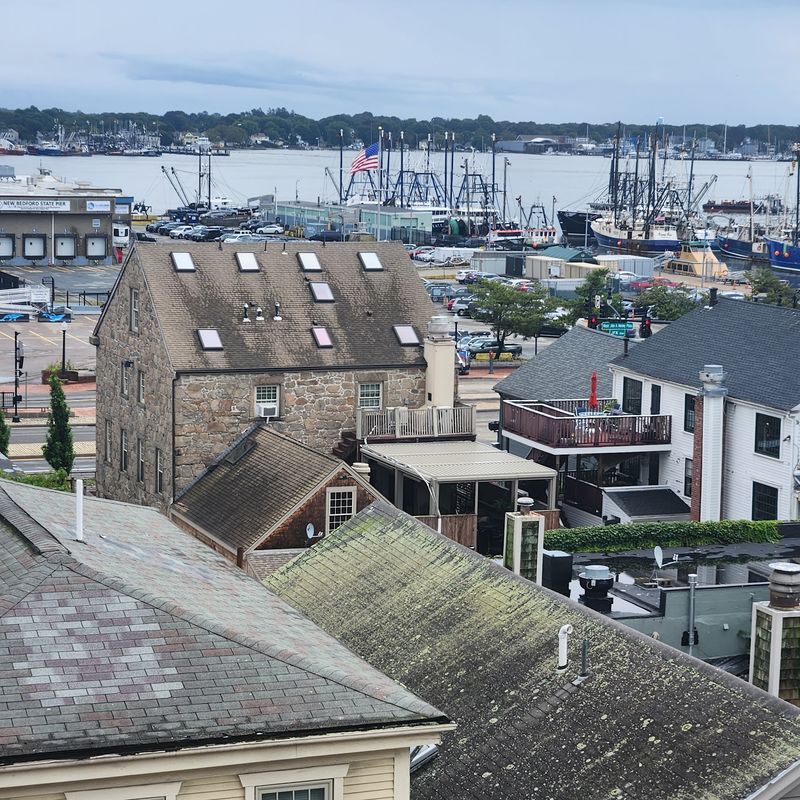
Save some energy for the climb. Up on the top level, an observation deck looks out over the harbor and boatyard below.
Many people name this spot as their favorite part of the visit. After hours of history indoors, the open view feels like a reward.
Boats line the waterfront, and the working harbor stretches out in front of you. It’s easy to stand there and picture the scene a century or more ago, packed with tall-masted ships.
That mental time travel ties the whole museum together. Everything you just saw downstairs suddenly has a real place on the map.
Fall adds extra charm to the view. Crisp air and clear skies over Massachusetts waters make a perfect backdrop for photos.
Don’t rush this stop on your way out. A few quiet minutes at the railing might end up being the memory you talk about most.
Point out the harbor to the kids, and they’ll finally understand where all those whaling ships set sail, and why the city grew up facing the water.
The Seamen’s Chapel and a Famous Novelist Next Door
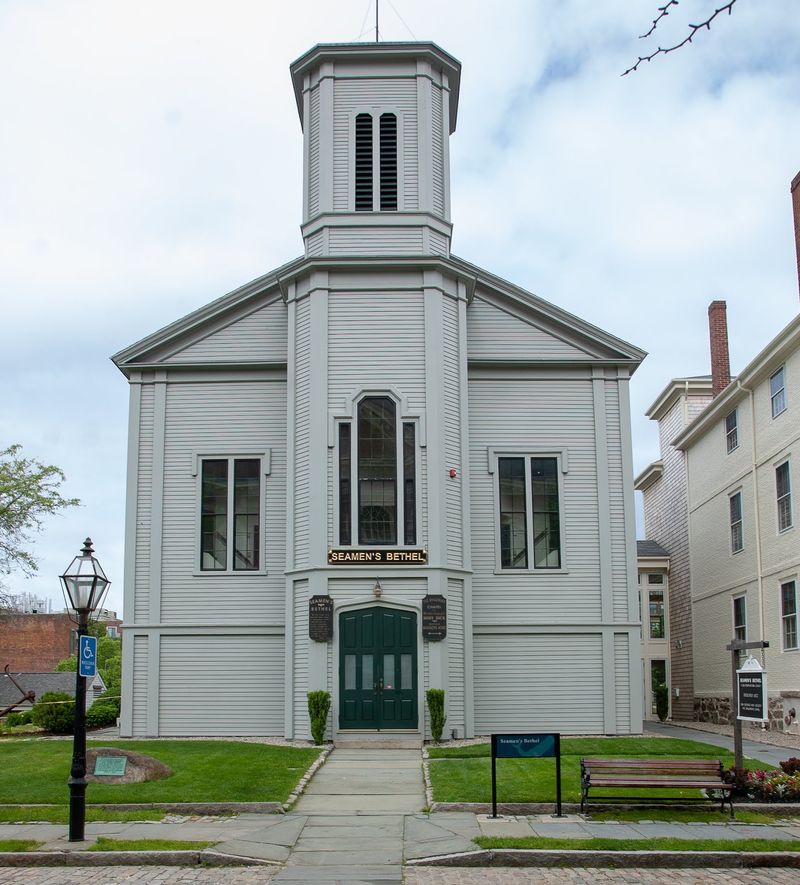
Literature fans, pay attention. Right across the street from the museum stands the seamen’s chapel connected to Herman Melville, author of Moby-Dick.
Melville attended the chapel in the era when he was shaping his famous whale tale. Some visitors call it the highlight of their whole day on Johnny Cake Hill.
Pairing the two stops makes perfect sense. Inside the museum you see the ships, tools, and skeletons, and across the way you stand where a legendary writer once sat.
Moby-Dick suddenly feels less like a school assignment. It becomes a story grounded in real streets, real sailors, and a real Massachusetts port.
The museum is also part of a broader historical park area. Strolling between landmarks gives you a fuller sense of the old whaling neighborhood.
Plan a few extra minutes for the walk across the street. It’s an easy add-on that rewards anyone who loves a good story, and it might even inspire a reread of that hefty classic once you get home.
Chowder, Fritters, and Shops Around the Corner
All that walking builds an appetite. Luckily, the museum sits in a beautiful part of downtown with plenty of shops and restaurants nearby.
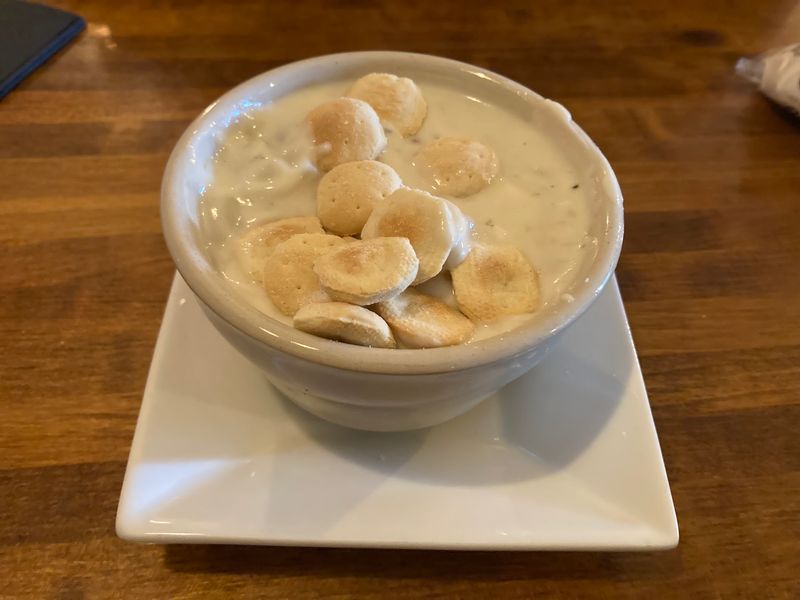
Families have happily wrapped up visits with chowder and fritters in the neighborhood. It’s a fitting way to taste the South Coast after a morning spent learning about the sea.
Grabbing lunch nearby also helps split up a long visit. Head out, refuel, and return to the galleries you missed with fresh eyes.
The streets around the museum invite a slow wander. Cute shops give you a chance to browse before or after your time inside.
Don’t skip the museum’s own gift shop, either. It carries books, cards, and whale-themed goodies for anyone hoping to bring a souvenir home.
This mix of history, food, and browsing makes the trip feel like a full day out. For Massachusetts residents, it’s an easy reason to rediscover a downtown you may have only passed through.
Wear comfy shoes, since the best finds often show up a block or two beyond where you planned to stop.
Hours, Parking, and Smart Planning Tips
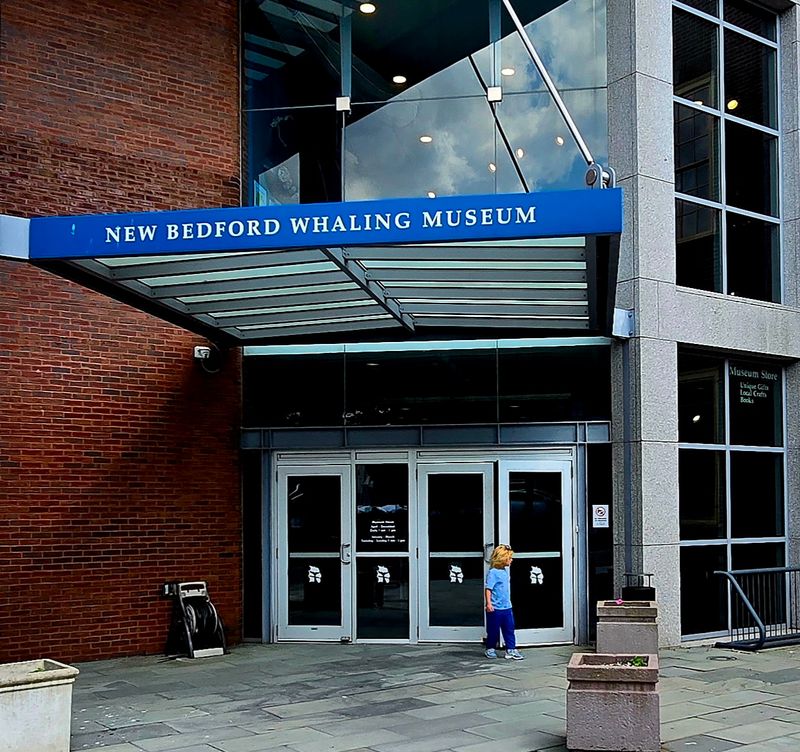
Good news for flexible schedules. The New Bedford Whaling Museum opens daily from 9 a.m. to 5 p.m., including weekends.
You’ll find it at 18 Johnny Cake Hill, New Bedford, MA 02740. That puts it right in the historic downtown core, close to the harbor.
Parking can be a little tricky in the area. Arriving early gives you a better shot at a spot and more time inside.
Speaking of time, budget more than you think. Two hours covers the basics, but three or more is wise if you want the 3D film, and some people happily stay all day.
Big plans are also underway. The museum is building a new Welcome and Exhibition Center, slated to open in 2027.
That means future visits should bring even more to explore. For now, a single day trip from anywhere in Massachusetts is plenty to start.
Check with the front desk about film times when you arrive, then map out your route through the galleries so the top floor deck doesn’t get skipped.
Why This Whale of a Museum Earns a Spot on Your Fall List
Few day trips pack this much into one building. Whale bones, a half-scale ship, scrimshaw, glass, paintings, and harbor views all share the same address.
The museum suits nearly everyone. History lovers, art fans, science-minded kids, and Moby-Dick readers each find their own favorite corner.
Staff and docents add to the experience as well. Friendly, knowledgeable people help turn a good visit into a great one.
Autumn makes the timing even better. Cool weather is perfect for strolling the old downtown streets before ducking inside for hours of discovery.
It’s also the kind of place that rewards return trips. Families often notice things they missed the first time, and the upcoming expansion promises more ahead.
So the next time someone asks for a Massachusetts outing that feels special, you’ll have an answer ready. Standing beside that blue whale skeleton might just become your favorite local story to share.
Bring a curious friend, pack some patience for parking, and let the South Coast surprise you all over again this season.
Share this story