A bronze farmer with a plow at his side still stands guard beside a wooden bridge. He has watched that river crossing since 1875, and the sculptor later carved the Lincoln Memorial statue.
That same small town also gave the world an essay called Nature, written inside an old parsonage. A short drive away sits a famous pond where a writer built a tiny cabin and thought big thoughts.
I like how all of this sits barely northwest of Boston in Massachusetts. You can stand where history pivoted in the morning and walk a quiet shoreline by lunch.
I can’t imagine a better place to feel 1775 under your shoes. So why do so many people drive right past it?
A Quiet Town Northwest of Boston With a Very Loud Past
Concord, Massachusetts, looks calm enough to fool almost anyone. Tidy streets, old trees, and white-steepled charm make it feel like a postcard that learned to breathe.
Yet this town northwest of Boston holds a heavyweight spot in American history. A key early clash of the Revolution unfolded here, right at the North Bridge.
The town carries the ZIP code 01742, and its story stretches far beyond one famous morning. Writers, thinkers, and dreamers later made it a home base for big ideas.
That mix is what makes Concord so fun to explore. One stop puts you face to face with the birth of a nation.
Another sends you into the quiet world of poets and philosophers. Few places pack both kinds of history into one easy day.
For Massachusetts locals, the best part is the low effort. You don’t need a passport or a big budget to stand where history shifted.
You just need a free afternoon and a little curiosity. Concord happily handles the rest, one old lane at a time.
Think of it as a time machine with sidewalks. And unlike most time machines, it comes with easy parking nearby and a good walking map.
The April Morning That Changed Everything
April 19, 1775, started like any spring morning in Concord. By noon, it had become one of the most remembered days in American history.
British troops marched out from Boston that day. Colonial militia gathered near the North Bridge to meet them.
What happened at that crossing helped spark the American Revolution. Ralph Waldo Emerson later called it the shot heard round the world in his Concord Hymn.
That phrase stuck for a reason. A small group of farmers and townspeople stood their ground in a place that still looks remarkably peaceful.
Today, those events are honored inside Minute Man National Historical Park. The park protects many of the sites tied to that famous day.
History here doesn’t feel locked behind glass. You can walk the same ground, see the same river, and picture the tension in the air.
That’s a rare gift for a history lover. Textbooks give you dates, but Concord gives you the setting.
Standing by the water, the story suddenly feels personal. It’s hard not to wonder what those militia members were thinking as dawn broke over their quiet fields.
Footsteps Across the Old North Bridge
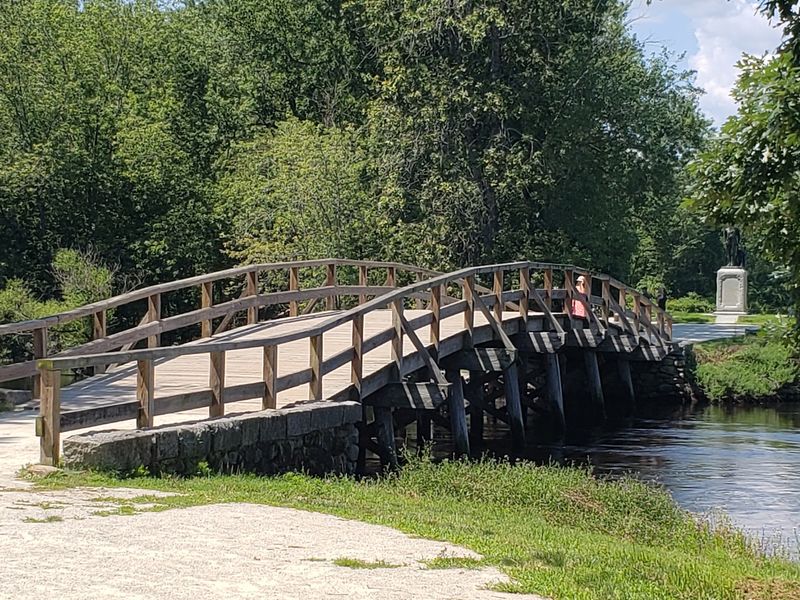
Wooden planks, slow water, and leafy banks create one of the calmest scenes in Massachusetts. Ironically, it’s also one of the most important battle sites in the country.
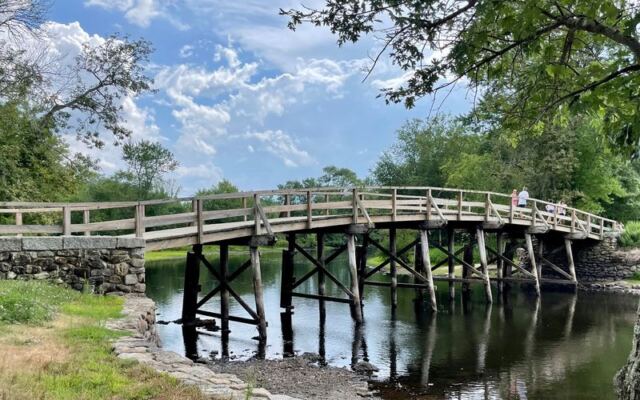
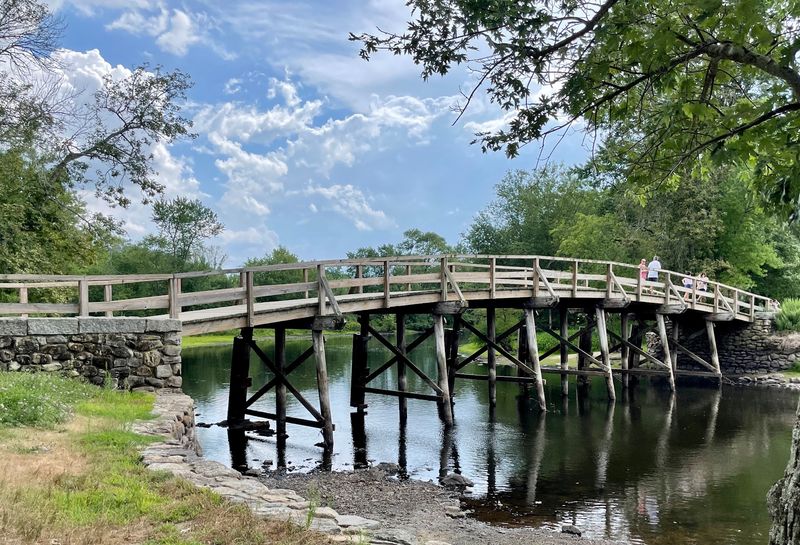
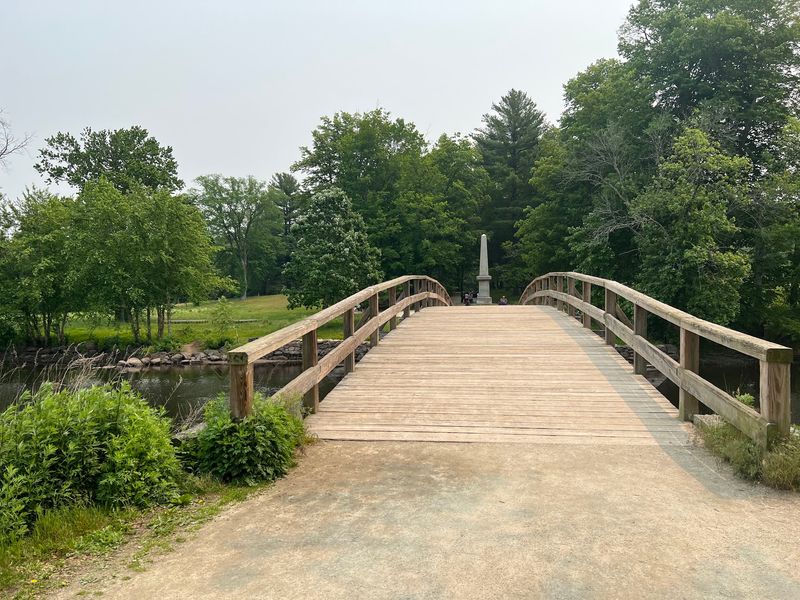
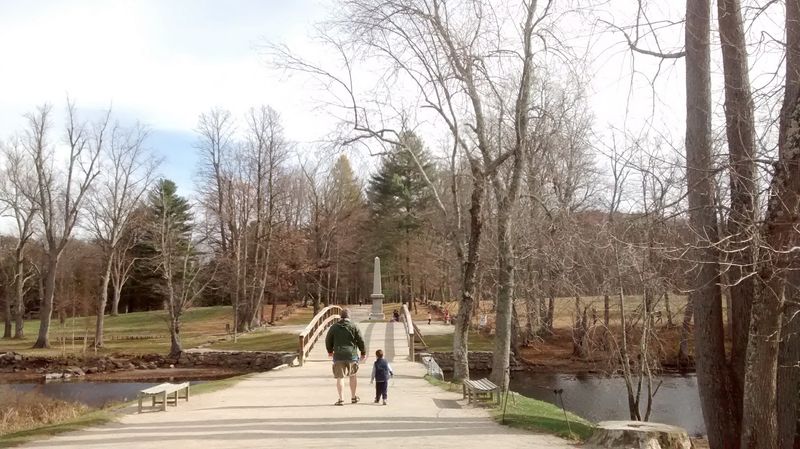
The North Bridge spans the Concord River inside Minute Man National Historical Park. It marks the spot where colonial militia faced British regulars in 1775.
Walking across feels almost too simple. There’s no grand gate or flashy entrance, just a footbridge and the river below.
That simplicity is the magic. You get to see history in its original setting, without much noise getting in the way.
Fall makes the crossing especially striking. Trees along the riverbank turn warm shades, and the reflections on the water double the color show.
Photographers tend to love this spot for good reason. Every angle seems to frame the bridge, the river, and the sky in perfect balance.
Take your time on the walk. Pause in the middle, look both directions, and let the quiet sink in.
It’s a small crossing with an enormous story attached. Few bridges anywhere carry that much meaning across so short a distance.
A Bronze Farmer Who Never Leaves His Post
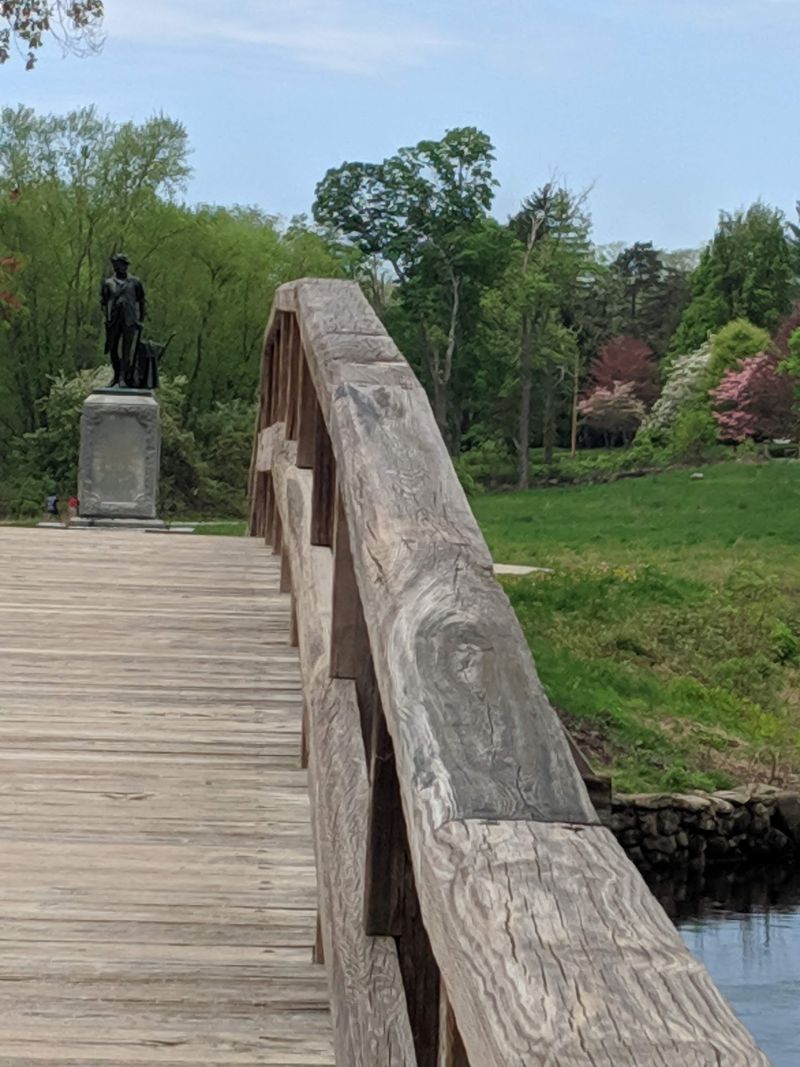
Daniel Chester French had a long career ahead of him when he created the Minute Man statue. He later became famous for the seated Abraham Lincoln at the Lincoln Memorial.
Here in Concord, his bronze citizen-soldier stands near the North Bridge. One hand rests on a plow, symbolizing a farmer ready to leave the fields at a moment’s notice.
That plow is a lovely detail to notice. It reminds visitors that the militia were ordinary neighbors, not professional troops.
The statue commemorates the key moment that happened right here. Its pedestal carries lines from Emerson’s Concord Hymn, tying poetry and history together in one spot.
Kids usually find the figure fascinating. Adults often linger longer than expected, reading the words and studying the sculpted face.
It makes a natural meeting point for groups exploring the park. You can’t miss it, and everyone recognizes it once they arrive.
Come early if you want photos without crowds in the frame. Morning light tends to make the bronze glow beautifully against the trees.
Of all the souvenirs Concord offers, this view might be the one that sticks longest in your memory.
Where Emerson Found His Words at the Old Manse
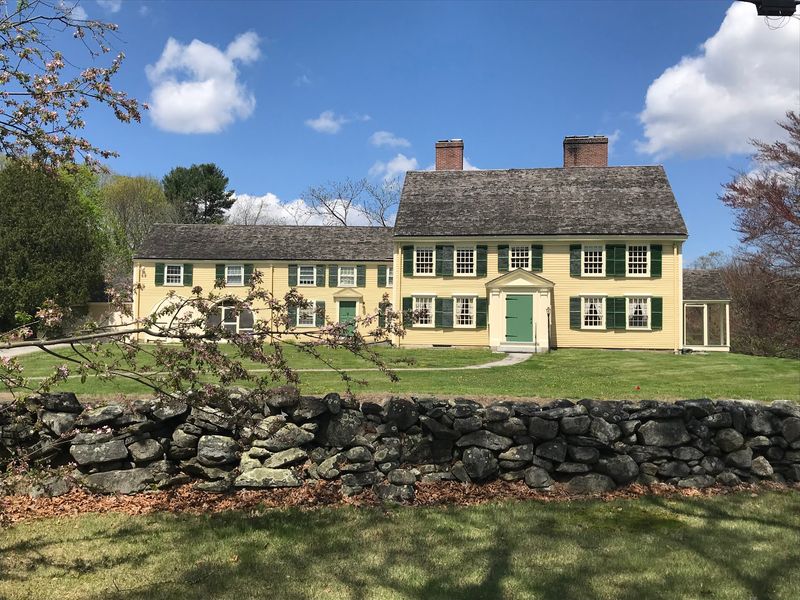
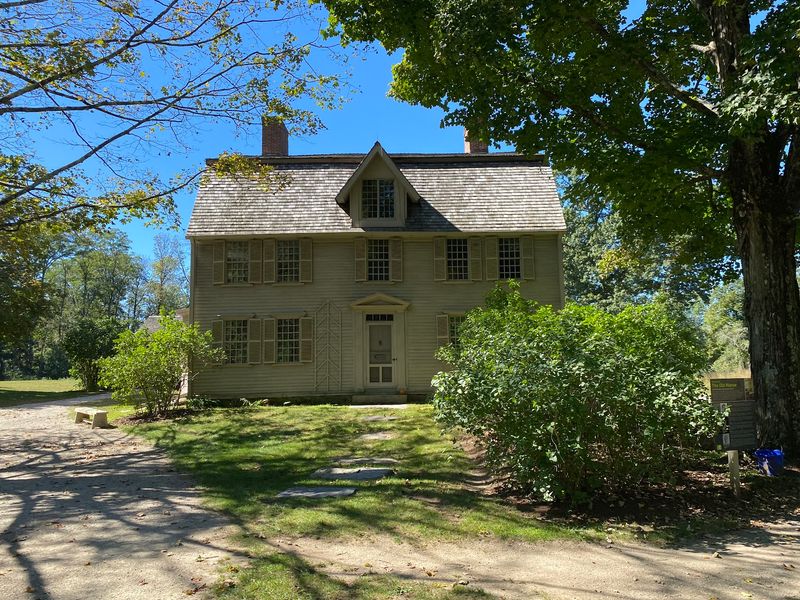
Some homes hold furniture. The Old Manse holds the first draft of a famous American essay.
In the 1800s, Ralph Waldo Emerson drafted his essay Nature inside this historic house. That work became a cornerstone of the Transcendentalist movement.
Transcendentalism sounds like a mouthful, but the idea is refreshingly simple. It celebrated nature, personal thinking, and finding meaning in everyday life.
Emerson’s words still pop up in classrooms across the country. Seeing where he worked makes those pages feel a lot less dusty.
The Old Manse also sits close to the North Bridge. That closeness is part of what makes Concord so special for history fans.
In one short stroll, you move from the Revolution to the age of big American ideas. Two chapters of the national story share the same neighborhood.
Bookworms will feel right at home here. Even casual readers might find themselves curious enough to pick up Nature afterward.
It’s a reminder that Concord shaped more than battles. It shaped the way many Americans thought about themselves and the world around them.
Walden Pond and the Cabin Dreams of Thoreau
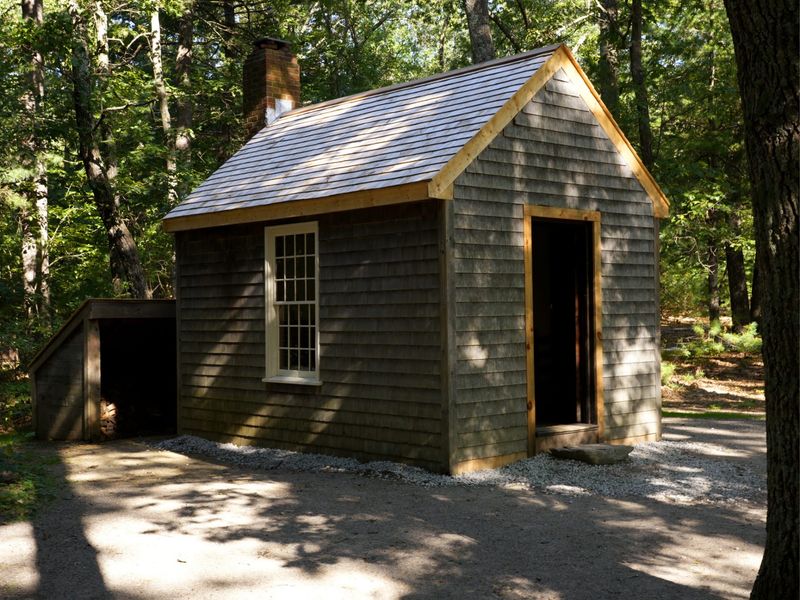
Henry David Thoreau spent time at Walden Pond and turned that simple life into a book generations still read. Emerson frequented the pond too, so the shoreline has serious literary credentials.
The water is the star of the show. Wooded hills ring the pond, creating a peaceful scene that feels miles from city traffic.
Thoreau’s ideas about slowing down and living simply feel surprisingly modern. Plenty of people today crave exactly that kind of quiet.
A walk along the shore makes those ideas easy to understand. The trees, the water, and the stillness do most of the explaining.
Autumn brings a fresh layer of beauty. Leaves change color around the pond, and the reflections can look almost painted.
It’s a great add-on after the historic sites near the North Bridge. You’ll go from Revolution to reflection in one easy afternoon.
Bring comfortable shoes and maybe a notebook. Who knows, the setting might inspire a few big thoughts of your own.
Thoreau certainly found it worth the effort. You might discover the same thing standing on that quiet bank.
Minute Man National Historical Park in a Nutshell
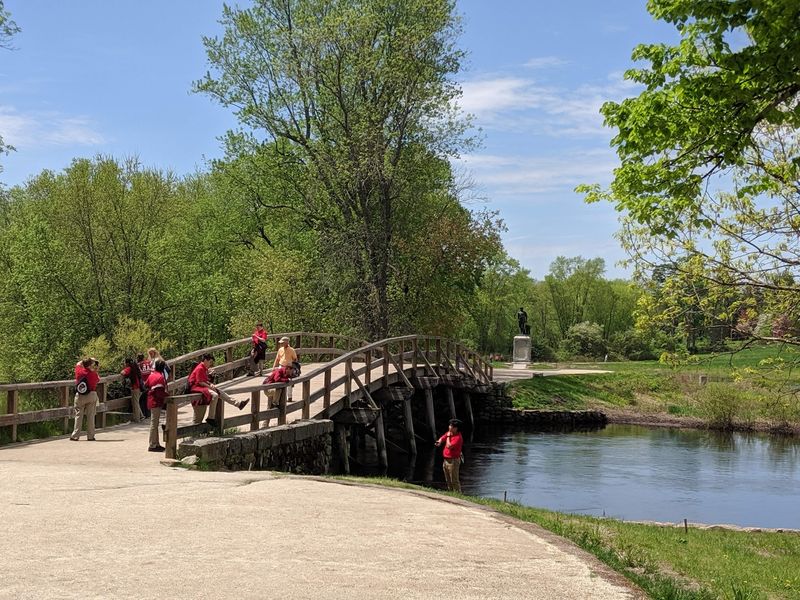
Plenty of national parks feature canyons or mountains. Minute Man National Historical Park features something different: the opening chapter of a country.
The park protects American Revolutionary War sites in and around Concord, Massachusetts. The North Bridge and the Minute Man statue rank among its most famous highlights.
Visiting here feels less like touring a museum and more like stepping into a storybook. Fields, trees, and old landscapes help you picture the past.
That outdoor setting makes the park easy for families. Kids can move around, ask questions, and connect with history without staring at display cases all day.
History buffs, meanwhile, get layers of detail to chew on. Every site adds context to the events of April 1775.
It’s smart to plan a loose route before arriving. That way you can focus on the spots that interest your group most.
The park also rewards repeat visits. A spring trip feels fresh and green, while fall paints everything in warmer tones.
Either way, you walk away understanding why this corner of New England matters so much to American history.
Old Lanes That Hold Onto Another Century
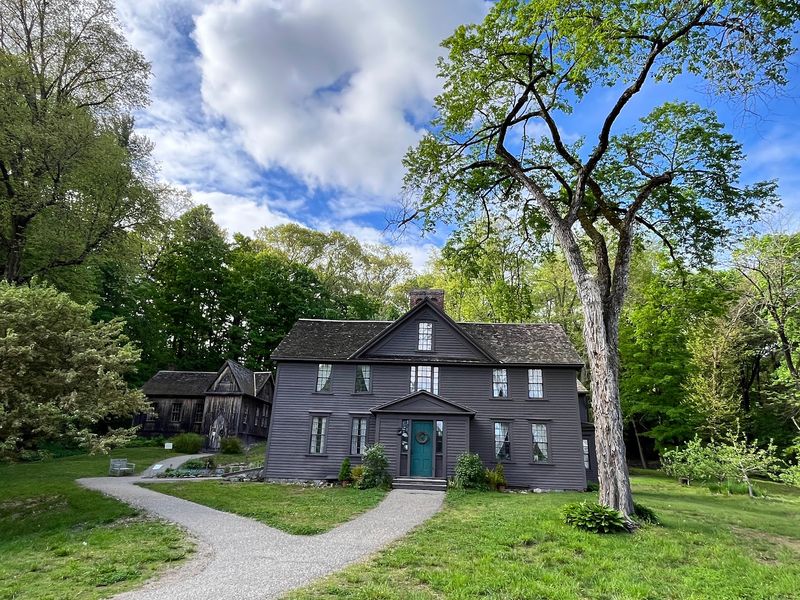
Slow down for a moment and Concord starts to reveal its personality. The old lanes and historic landscapes make the past feel close enough to touch.
Much of the town’s appeal comes from that sense of continuity. Revolutionary sites, literary landmarks, and peaceful scenery sit side by side.
It’s the kind of place where a casual stroll turns into a history lesson. And honestly, it’s the fun kind of lesson, with no quiz at the end.
Fall adds a cozy layer to everything. Maples turn red, leaves crunch underfoot, and the whole town seems to settle into its best season.
That atmosphere suits a wide range of visitors. Couples, families, solo walkers, and history fans all find something to enjoy.
You don’t need a strict schedule to appreciate the mood. Wandering can be just as rewarding as following a plan.
Bring a camera, but don’t spend the whole visit behind it. Some moments feel better simply soaked in.
Concord’s charm isn’t loud or flashy. It works quietly, and it often stays with you long after the drive home.
Who Will Love a Day in Concord Most
History buffs, obviously, will be in heaven. But the list of happy visitors runs much longer than that.
Book lovers get Emerson’s Old Manse and Thoreau’s Walden Pond. Those two stops alone could fill a thoughtful afternoon.
Families benefit from the outdoor setting. Kids can stretch their legs at the North Bridge and still learn something along the way.
Nature fans aren’t left out either. Walden Pond offers peaceful water views and wooded scenery that shine in every season.
Massachusetts residents looking for an easy day trip may find Concord ideal. It sits northwest of Boston, so getting there doesn’t require a big travel plan.
Photographers, too, will spot plenty to frame. The bridge, the statue, and the pond each offer a different kind of beauty.
Even people who claim history bores them might change their minds here. Standing on real ground beats reading paragraphs in a classroom.
In short, Concord welcomes curious minds of all ages. Bring the people who like to ask questions, because this town is full of answers.
Smart Tips Before You Head to Concord
Concord sits northwest of Boston, which makes it an easy drive for much of eastern Massachusetts. The town’s mailing area is Concord, MA 01742.
Hours and fees for individual sites can change by season. Checking the town and park sources before leaving is the best way to avoid surprises.
Plan your route around your interests. Revolution fans may start at the North Bridge, while readers might head first to the Old Manse.
Walden Pond works well as a later stop. After touring historic sites, a peaceful lakeside walk feels like a reward.
Comfortable shoes are a must. Many of the best experiences here involve walking outdoors along paths and lanes.
Weather matters too, so dress in layers during spring and fall. New England mornings can start chilly and warm up by afternoon.
Arriving early can help you enjoy quieter moments. It also leaves more time to linger at the spots that grab you.
Pack water and a snack for the road. A little preparation lets you focus on the history instead of hunting for supplies.
Why Concord Deserves a Spot on Your Fall Calendar
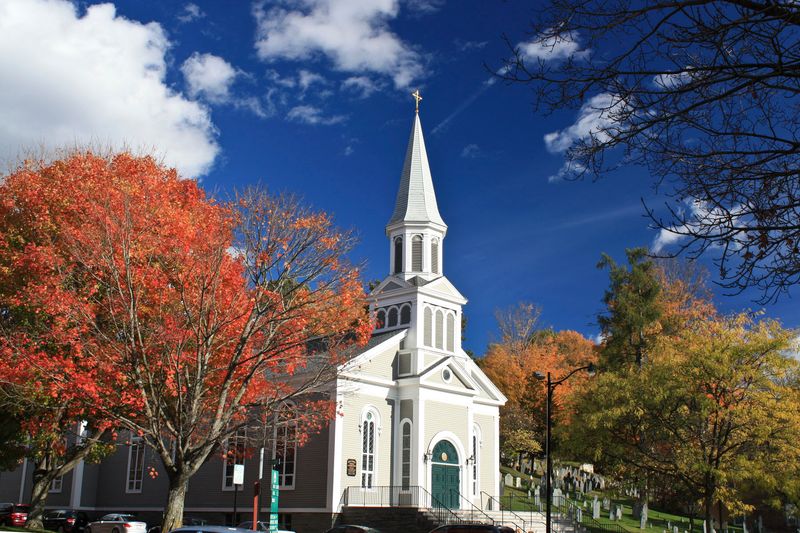
Few towns can claim both the start of a revolution and the birth of an American philosophy. Concord, Massachusetts, quietly holds both titles.
The North Bridge and the Minute Man statue tell the story of April 1775. The Old Manse and Walden Pond tell the story of ideas that followed.
That combination makes a visit feel surprisingly complete. You get history, literature, and nature without bouncing between distant destinations.
It’s also refreshingly easy to reach. For many locals, Concord is closer than they realize, which makes it perfect for a spontaneous weekend outing.
Fall might be the sweetest time to go. Colorful trees frame the bridge and pond, turning every view into something worth remembering.
Still, any season works. Spring greenery and winter quiet each bring their own charm to these historic grounds.
So maybe it’s time to stop driving past. Park the car, cross the bridge, and let the old lanes do the talking.
Chances are, you’ll leave feeling a little more connected to the story of the country, and to your own backyard.
Share this story