A judge from the 1692 witch trials once called this house home, and you can still walk through his rooms today. Of all the buildings tied to that infamous year, it’s the only one still standing.
The place dates to the 1600s, with that steep, timeworn look you’d expect from a colonial survivor. Period furniture, old household tools, and even children’s toys from the era fill its rooms.
I like how quickly a visit turns history from a textbook chapter into something you can stand inside. It’s a short stop in Massachusetts, but it leaves a surprisingly big impression on curious minds.
I can’t imagine looking out those old windows without quietly wondering what the judge saw centuries ago from the same spot. Ready to meet the house behind the legend?
The Lone Survivor of Salem’s Most Famous Year
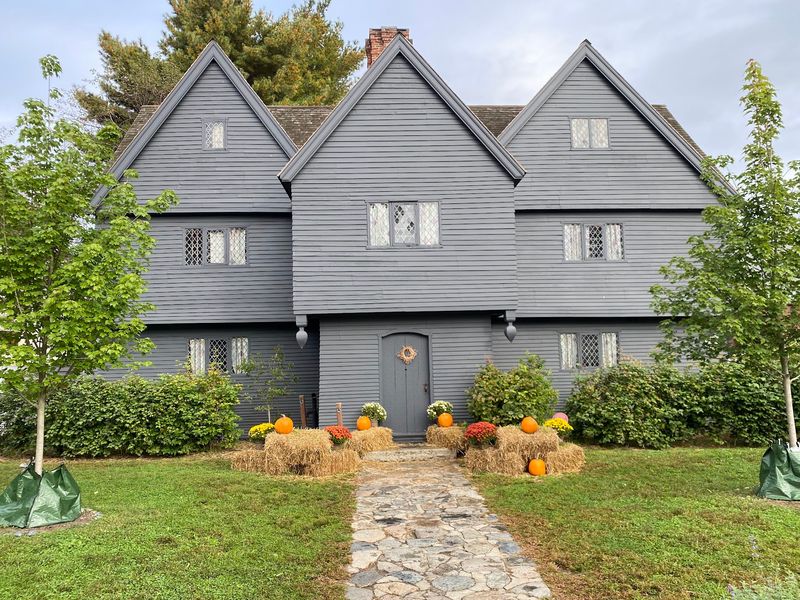
Plenty of Salem buildings play up the witch theme, but only one can back it up with real history. The Witch House at Salem is the last structure still standing with direct ties to the 1692 witch trials.
It’s a historic home turned museum, sitting right in the heart of town. The house belonged to Judge Jonathan Corwin, one of the officials connected to those famous trials.
That’s a pretty big claim for one wooden building to carry. Still, it earns the title honestly, since every other trial-era structure is long gone.
Today the museum focuses on two big stories at once. One is the trials themselves, and the other is everyday 17th-century life in a colonial Massachusetts household.
You won’t find costumed actors jumping out of closets here. Instead, you get rooms filled with period pieces and clear notes that explain what you’re looking at.
For a town packed with spooky attractions, that honest approach feels refreshing. It’s the kind of stop that lets the real past do the talking.
Think of it as the history book version of Salem, only with creaky floors.
A Judge’s Home With a Heavy Story to Tell
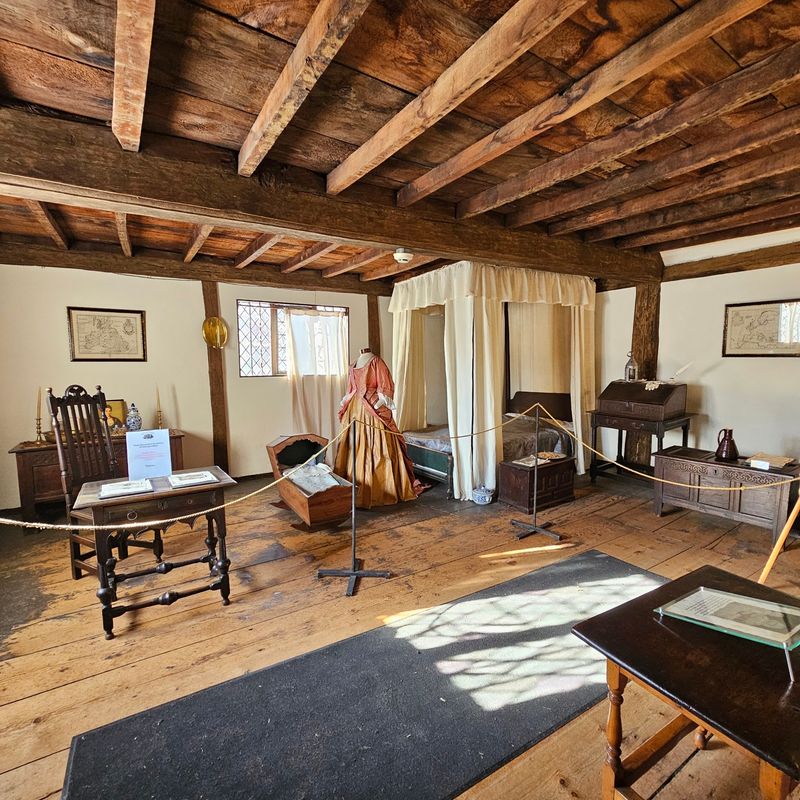
Jonathan Corwin is the name that ties everything together. He lived in this house and served as a judge during the 1692 witch trials.
Some accounts connect the home to early examinations tied to the accusations. That detail gives the rooms a weight you can almost feel as you move through them.
The house itself dates to the late 1600s, with records commonly pointing to the 1670s. That means it was already standing years before the trials shook the community.
Corwin’s role is part of why the museum matters so much. It shows the trials from the side of the people who made decisions, not just the stories told afterward.
Exhibits inside also explore the religious culture of the time. Understanding those beliefs helps explain how fear spread so quickly through a small colonial town.
It’s sobering, sure, but it’s also fascinating. Few places let you stand in the actual home of someone who shaped such a famous chapter of history.
Honestly, the history here feels less like a ghost story and more like a mystery you finally get to investigate yourself.
Floors, Doors, and Windows That Have Seen It All
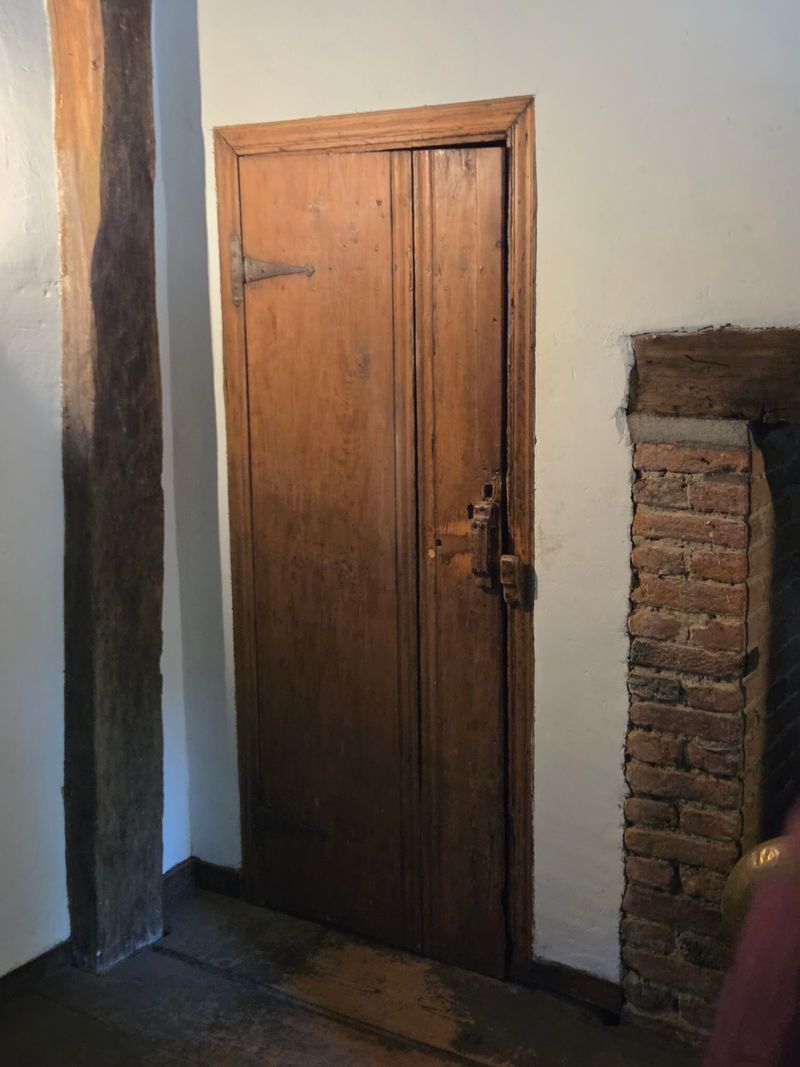
Old houses usually get renovated beyond recognition. Here, much of the original fabric of the building remains, which is rare for something this old.
Look for the windows, doors, and flooring as you walk through. These features help the rooms feel like a real home from the 1600s rather than a modern recreation.
The museum notes that a large share of the house is original. That’s impressive when you remember how many colonial homes have vanished over the centuries.
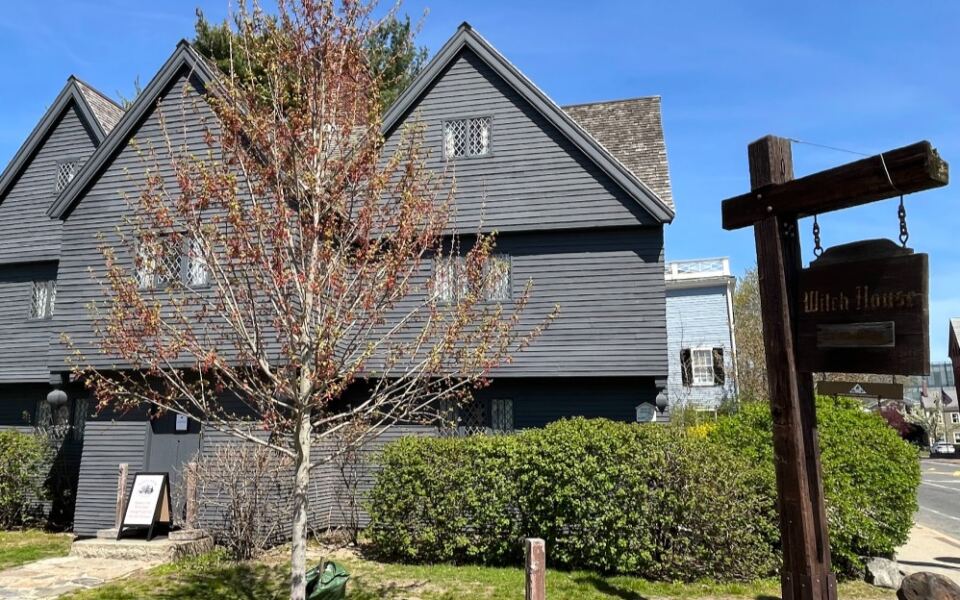
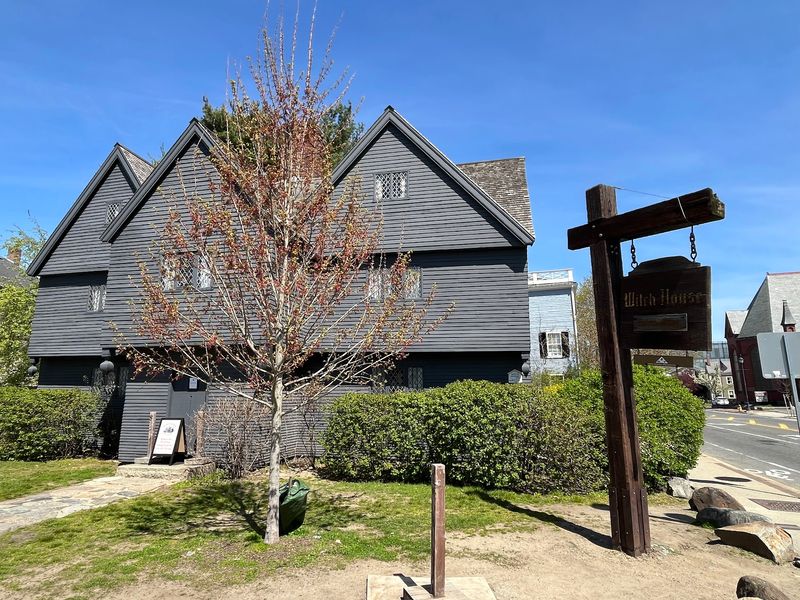
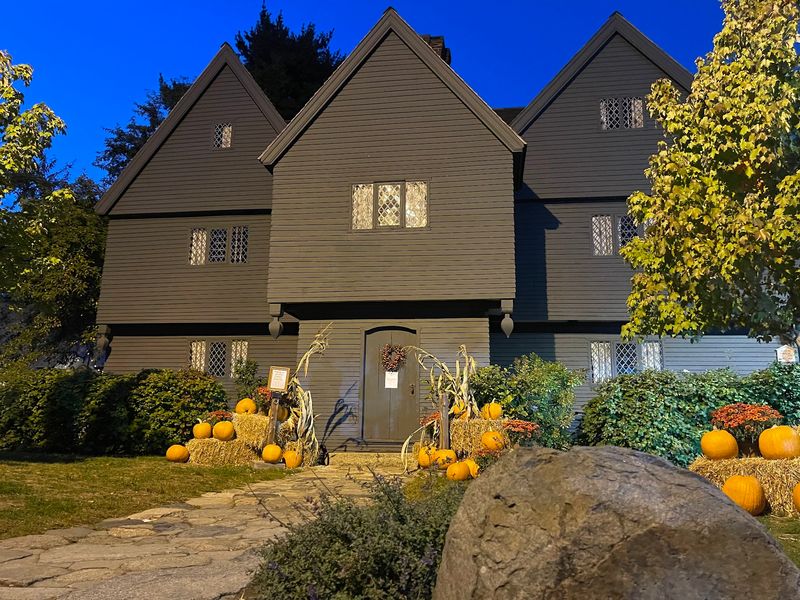
From the outside, the building stands out right away on its busy street. Its dark exterior and sharp rooflines look almost out of place next to the newer buildings nearby.
One small heads-up for photographers: a pair of large trees out front can make that perfect exterior shot tricky. A little patience and a good angle usually help.
Inside, the rooms are compact and the ceilings feel cozy. That’s typical for homes of the era, when keeping warm mattered more than wide open spaces.
Every creak underfoot reminds you this house has been doing its job for a very long time.
Candles, Cookware, and Toys From Centuries Past
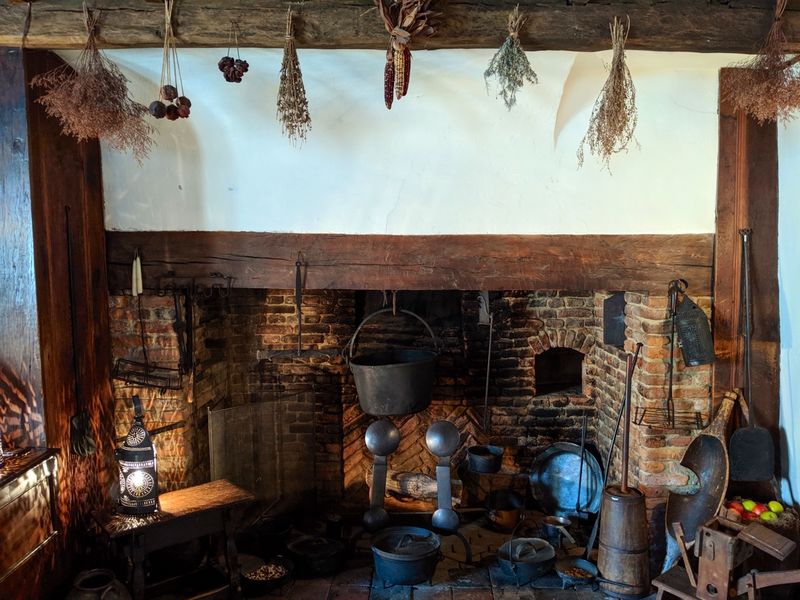
Candles, iron pans, and old bedding might not sound thrilling at first. Then you remember these objects come from the same era as the trials, and suddenly they feel electric.
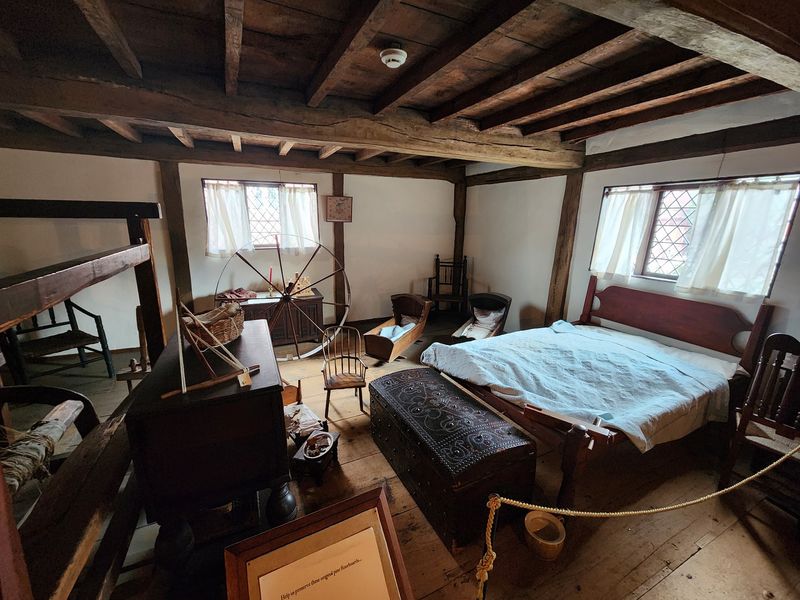
The rooms are carefully staged with furniture and household items from the period. You’ll spot pieces tied to cooking, sleeping, and simply getting through a colonial day.
Children’s toys and furniture are among the most charming finds. Pieces like these are rare to see, since kids back then were not exactly gentle with their things.
Written documents and other artifacts add another layer. They help connect the everyday objects to the bigger story happening outside the front door.
Not every item belonged to the Corwin family, and the museum is upfront about that. Many pieces are simply authentic to the time period, chosen to show how people lived.
Each room includes notes that explain what you’re seeing. You can take your time, read at your own pace, and really absorb the details.
A cradle in the corner can say more about colonial life than a whole chapter in a textbook.
Where Popular Witch Myths Meet the Facts
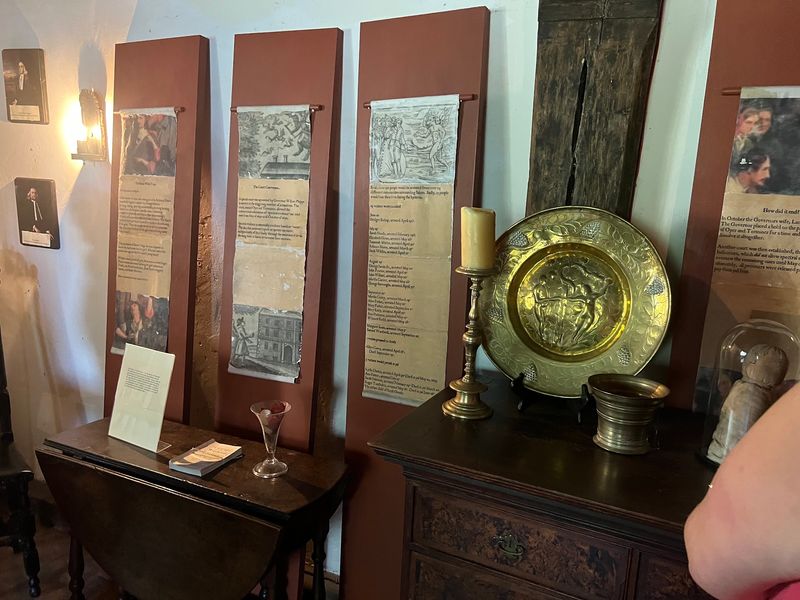
Most of us grew up hearing wild versions of the Salem story. Brooms, cauldrons, and pointy hats have a way of drowning out what really happened.
The museum tackles those myths head-on. Exhibits explain common misunderstandings about the trials and set the record straight with clear, readable information.
Religious culture gets plenty of attention too. Knowing what people believed in 1692 makes the panic easier to understand, even if it’s still hard to accept.
Day-to-day life rounds out the picture. You’ll learn about the people who lived in the home and how ordinary routines looked back then.
A room filled with books near the end of the visit is a nice bonus. It’s a fitting finale for anyone who loves digging into old stories.
Fair warning for fans of spooky theatrics: there’s no witchcraft show here. The focus stays firmly on history, which some folks love and others find more serious than expected.
If you’ve ever wanted the real story behind the legend, this is a great place to start. Bring your curiosity and maybe leave a few myths at the door.
Who Will Love These Creaky Old Rooms Most
History buffs, obviously, will be in heaven. But the house also works well for families with older kids who have questions about the witch trials.
The self-guided format makes it easy to move at your own speed. Friendly, knowledgeable staff are around to answer questions, which helps when a detail sparks extra curiosity.
The mood inside leans quietly eerie. Low light, old wood, and the weight of the story give the rooms a spooky atmosphere without any cheap scares.
Plan on a quick visit, often around half an hour. That makes it an easy add-on to a bigger day exploring Salem on foot.
Walking tour groups sometimes stop outside to hear the house’s story. Even a glance at the exterior gives you a taste of its history.
Massachusetts locals looking for a low-effort outing will appreciate how manageable it feels. You can pop in, learn a lot, and still have time for lunch and a stroll.
It may not suit anyone expecting flashy entertainment. For thoughtful explorers, though, it’s one of the most authentic stops in town.
Handy Tips Before You Knock on That Old Door
Good news for flexible planners: the doors open every day of the week. Hours run from 10 AM to 5 PM, Monday through Sunday.
You’ll find the house at 310 Essex St, Salem, MA 01970. It sits along a central street, making it easy to reach while exploring downtown on foot.
Arriving right at opening can help you skip any waiting. That’s especially handy during busy fall weekends, when Salem fills up fast.
Admission is generally considered reasonable for a historic site. It’s an affordable way to add real substance to a Massachusetts day trip.
A few practical notes are worth keeping in mind. There are no public restrooms inside, so plan a stop beforehand.
Because of the building’s age, the house is not handicap accessible. Rooms can also get quite warm inside, so dress in layers on sunny days.
A small gift shop downstairs offers cute souvenirs if you want a keepsake. It’s tiny, but it’s a fun way to wrap up your visit.
A little planning keeps the whole stop smooth and stress-free.
A Short Visit That Sticks With You Long After
Some attractions shout for attention, while this one simply stands there and lets history speak. That quiet confidence is exactly what makes it memorable.
The Witch House at Salem won’t take up your whole afternoon. What it offers instead is a rare, real connection to one of America’s most talked-about chapters.
Fall is a natural time to go, when the town glows with autumn color. Just remember that October crowds can be big, so an early start pays off.
If you’re the type who reads every placard, you’ll feel right at home. If you prefer haunted-house thrills, consider this the thoughtful counterpart to Salem’s spookier stops.
For Massachusetts residents, it’s a close-to-home outing that feels genuinely special. You get authentic history without a long drive or a big budget.
Pair it with a walk around downtown and you’ve got an easy, satisfying day. Few places pack this much story into such a small footprint.
Leave with fresh facts, a few busted myths, and a new appreciation for an old house. Not bad for a building that’s been keeping secrets for centuries.
Share this story