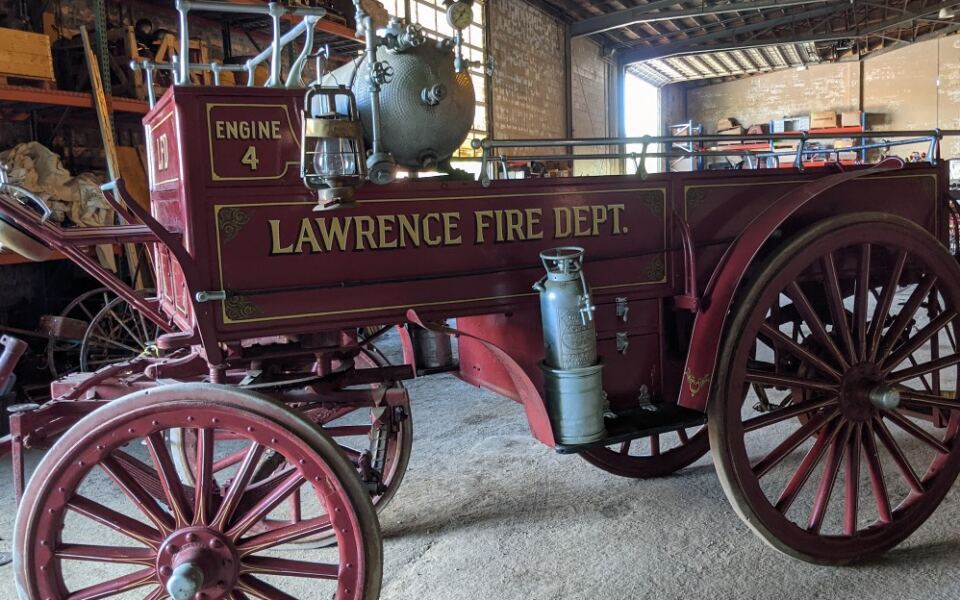
Some visitors here have been allowed to climb up and sit inside real antique fire trucks. That alone had me grinning like a kid with a toy siren.
The collection stretches from hand-pulled carts to horse-drawn wagons to newer engines. There’s also a room packed with toy fire truck cars, and I can’t imagine a small child walking past it quietly.
This spot sits in a quiet corner of New Jersey, run by volunteers who clearly love what they do. It opens only a few hours each week, which makes catching it feel like a small victory.
I like how it doesn’t try to be flashy. It simply keeps the history of firefighting alive, one polished engine at a time.
So what does it feel like to stand among all that red paint and brass?
A Volunteer-Run Treasure Chest Of Fire Service History
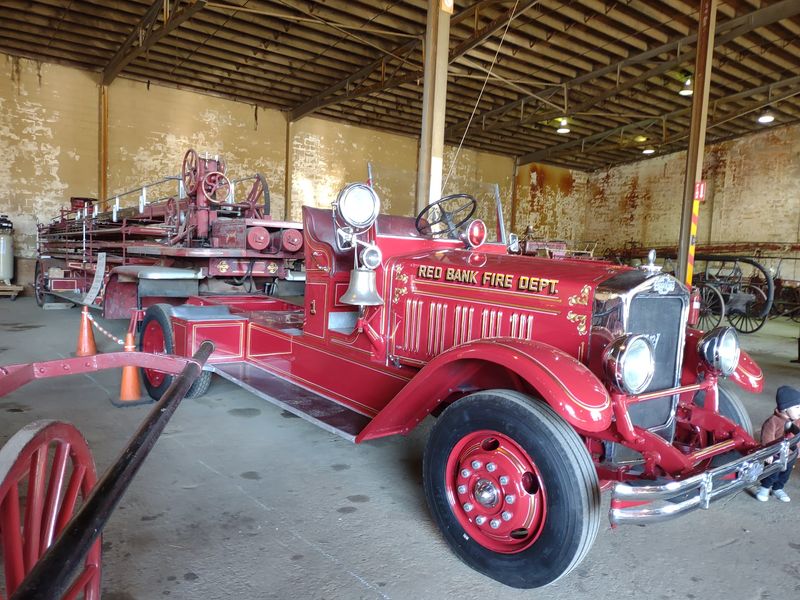
Red engines, brass fittings, and decades of firefighting gear all share a home at the NJ Fire Museum. It’s a nonprofit museum dedicated to preserving the history of the fire service across the state.
Volunteers power the whole operation. That matters, because it explains both the passion on display and the limited weekly hours.
The property also carries a second purpose. It’s tied to the New Jersey Fallen Firefighters Memorial, a tribute to members of the fire service who gave so much to their communities.
So this isn’t a slick corporate attraction. It’s a labor of love built by people who care deeply about firefighting heritage.
The collection leans heavily on American equipment, with a strong focus on New Jersey pieces. Local fire buffs will likely spot gear connected to towns they know.
Expect a working, evolving place rather than a finished showroom. Exhibit layouts change from time to time as volunteers balance space, safety, and preservation.
Portions of the property are also under evaluation for future restoration. Some equipment may be temporarily off view, so a little flexibility helps.
For anyone curious about how firefighting grew up, though, there’s plenty here worth the trip.
From Muscle Power To Motor Power Under One Roof
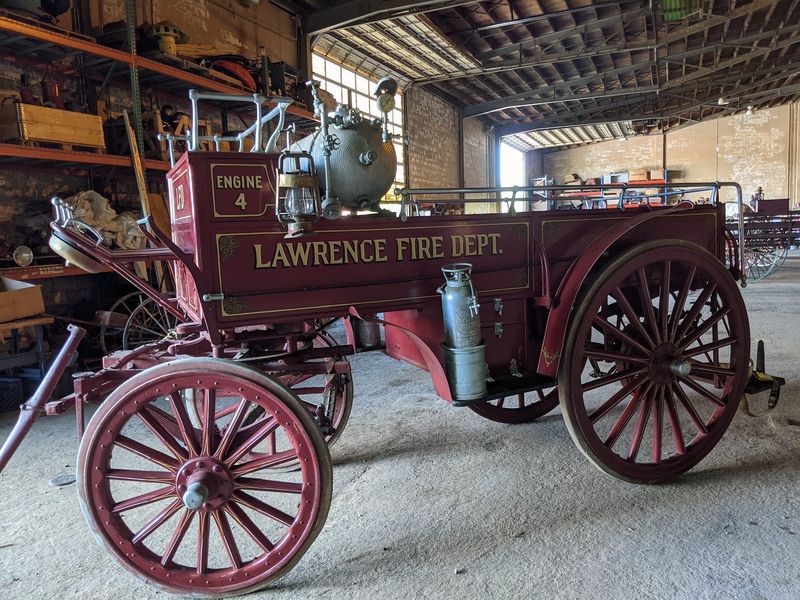
Long before sirens and diesel engines, firefighters pulled their equipment by hand. The collection here starts right at that beginning, with man-powered carts that needed real muscle to move.
Next come the horse-drawn wagons. They mark a time when firehouses kept animals ready to race toward trouble.
Then the engines take over. The museum displays a wide run of motorized fire trucks, from older classics to newer models.
Seeing them lined up together tells a story better than any textbook. You can practically trace the timeline with your feet as you move along.
Manual pump wagons and ladders fill the larger building too. Each one shows how firefighters solved problems with the tools of their era.
Kids may not care about dates, but they’ll notice the differences fast. Wooden wheels versus rubber tires is a pretty easy comparison for a young brain.
Adults tend to get pulled in by the craftsmanship. Those early pieces were built to work hard and still look handsome doing it.
It’s a compact lesson in progress, told entirely through hardware. And honestly, that’s a fun way to learn history.
Yes, You Might Get To Sit Behind The Wheel
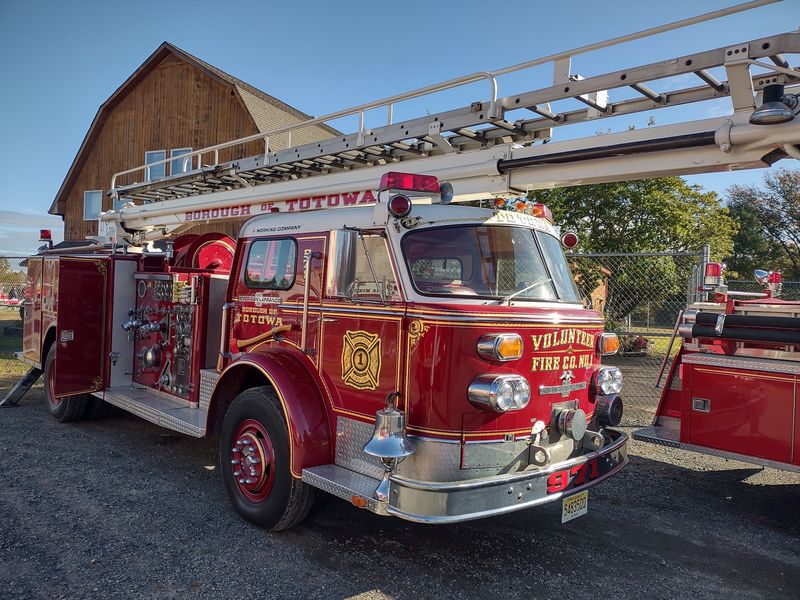
Most museums guard their treasures behind velvet ropes. Here, visitors have been welcomed to touch the trucks and even sit inside them.
That one detail changes everything for a kid. Suddenly the fire engine isn’t an exhibit, it’s a cockpit.
Grown-ups aren’t immune either. Plenty of adults spent childhood dreaming about riding up front with the lights flashing.
Climbing into a vintage cab lets that old wish come true, at least for a few minutes. Bring a camera, because those photos practically take themselves.
Some lucky guests have even caught volunteers cleaning a truck. On one such day, visitors got a quick ride around the property.
Don’t count on that happening, of course. It depends entirely on what’s going on that day and who’s around.
Still, the hands-on spirit is the heart of the experience. Touching worn steering wheels and old equipment makes history feel real.
Do follow staff guidance about what’s open for climbing. With the layout shifting at times, rules may vary from one visit to the next.
A little patience goes a long way. The reward is a seat in a piece of rolling history.
Tiny Trucks That Steal The Show From The Big Ones
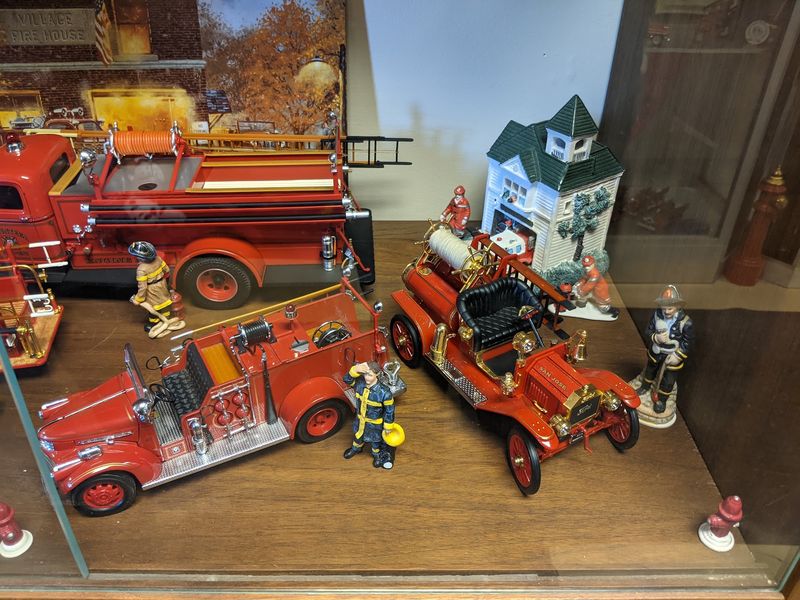
Here’s a twist nobody sees coming. For many small children, the star attraction isn’t a full-size engine at all.
A room filled with a collection of toy fire truck cars has proven to be a huge hit with little ones. Picture shelves of miniature engines at exactly kid eye level, and you get the appeal.
It makes sense when you think about it. Toddlers who play with toy trucks at home suddenly see dozens of them in one spot.
For collectors, the room offers a different thrill. Toy fire trucks have a devoted following, and spotting familiar models is half the fun.
The main building holds more surprises too. Visitors mention a big collection of firefighting mugs alongside other historical items.
There are also collectibles inside the office and gift shop. It’s worth poking around there instead of heading straight back to the car.
These smaller pieces fill in the human side of fire service history. Mugs, badges, and memorabilia show the pride and community spirit behind the job.
So budget time for the little things. They might end up being the part your family talks about on the ride home.
The Guides Who Know Every Bolt And Badge
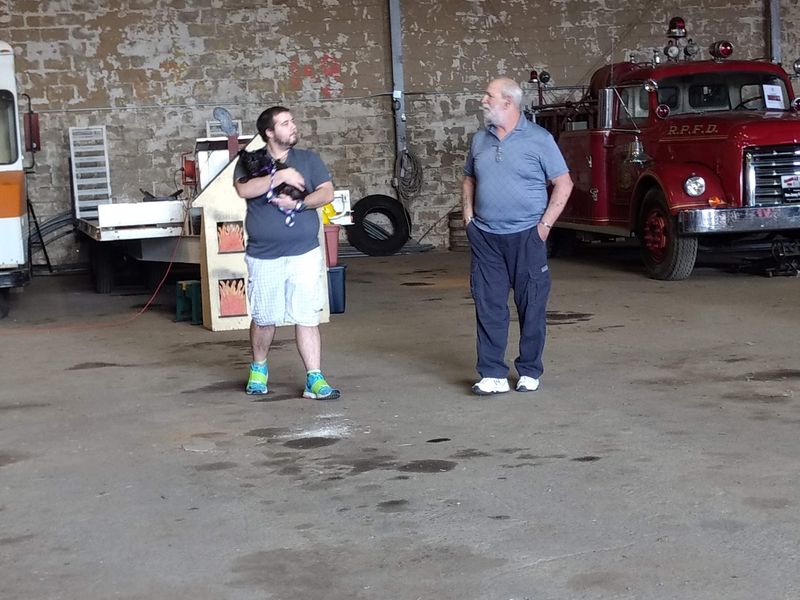
Ask one question here, and you might get a whole story back. The volunteers are known for being passionate about the fire service and happy to share what they know.
Several staff members have earned shout-outs by name over the years. Guests describe guides as knowledgeable, captivating, and willing to show people around the entire museum.
That kind of enthusiasm turns a static display into a conversation. A plain-looking pump wagon becomes far more interesting once someone explains how it worked.
Many volunteers have deep ties to firefighting. One former firefighter said visiting felt like being back at the firehouse again.
For kids who dream of wearing the helmet someday, that’s a big deal. Talking with people who truly love the job makes the dream feel within reach.
Remember these folks donate their time. Their effort is the reason the doors open at all.
A friendly thank-you never hurts. Neither does dropping something in the donation box on your way out.
Curious minds get the most out of this place. Come ready with questions, and let the guides fill in the gaps the placards can’t.
Open House Days Worth Circling On Your Calendar
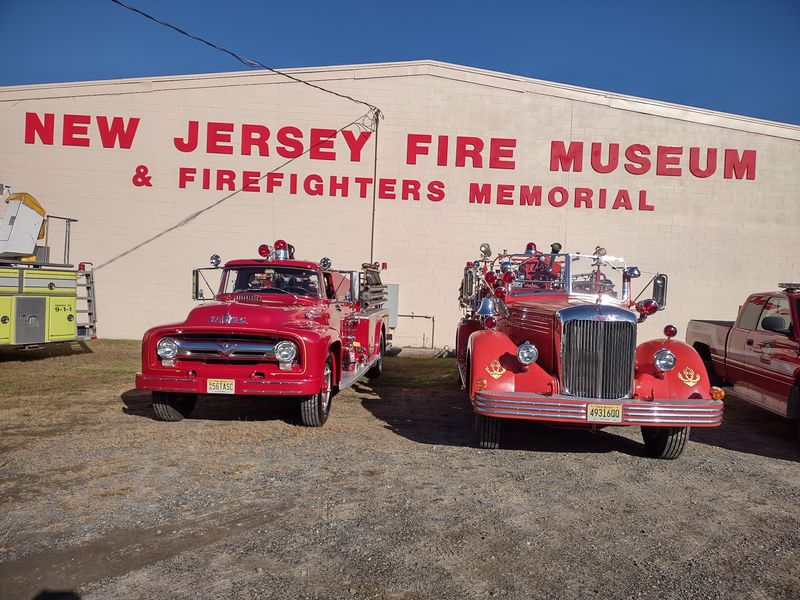
Mark this one down. The museum’s open house has drawn praise as a special event and a lovely day out.
Timing helps you plan ahead. The open house has been held near Fire Prevention Week, which falls in October.
Fall is also a pleasant time to explore central New Jersey. Cool weather and changing leaves pair nicely with a morning around old engines.
Visitors have described the open house as free. Donations are welcome, and they directly support a volunteer-run nonprofit.
Some families come back for event after event. That says plenty about how welcoming the atmosphere feels.
Dates can shift from year to year, so check the museum’s official channels before heading out. A quick look saves a wasted drive.
Events tend to bring the collection to life in a bigger way. More trucks, more volunteers, and more energy all around.
If regular Saturday hours feel tight, an open house makes a smart alternative. It’s a great first visit for anyone easing into fire history.
Bring a jacket and a curious kid. The rest takes care of itself.
Saturday Mornings Only, So Plan Like A Pro
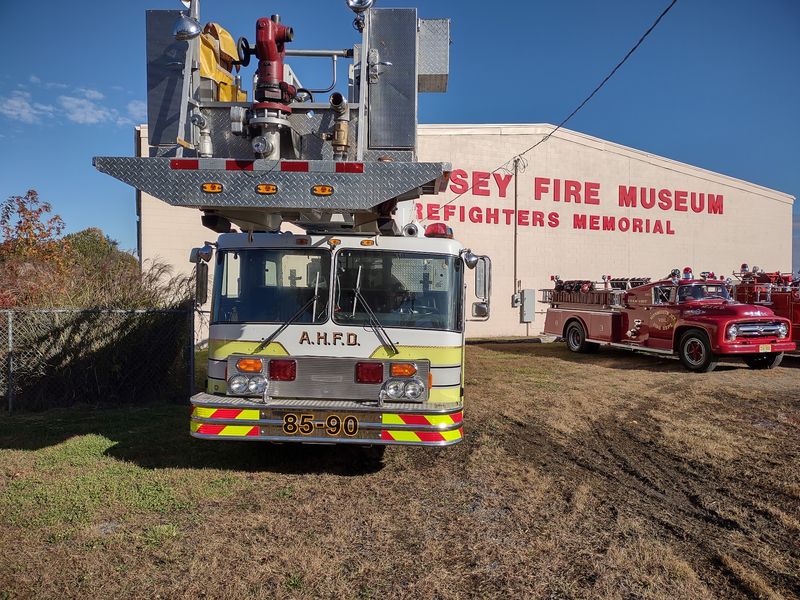
Blink and you’ll miss the window. The museum currently opens on Saturdays from 10 AM to 2 PM, and it’s closed the rest of the week.
That schedule reflects its volunteer roots. Fewer hours simply mean more planning on your end.
You’ll find it at 4 Polhemustown Rd, Allentown, NJ 08501. The setting is rural and quiet, a peaceful area that some visitors find beautiful.
Allentown sits in western Monmouth County, an easy hop for many New Jersey families. Driving is the most practical way to get there.
Plan on spending one to two hours exploring. Kids who love trucks may stretch that longer, so build in a little cushion.
Admission has been described as free, with donations encouraged. Bringing some cash for the donation box is a kind gesture.
Hours and access can change, especially with restoration planning underway. Checking the museum’s website or social pages before you go is wise.
Some displays may be off limits during your visit. Going in with flexible expectations keeps the day fun.
An early arrival gives you the most time. Four hours goes fast around this many engines.
Why This Little Museum Deserves Your Support
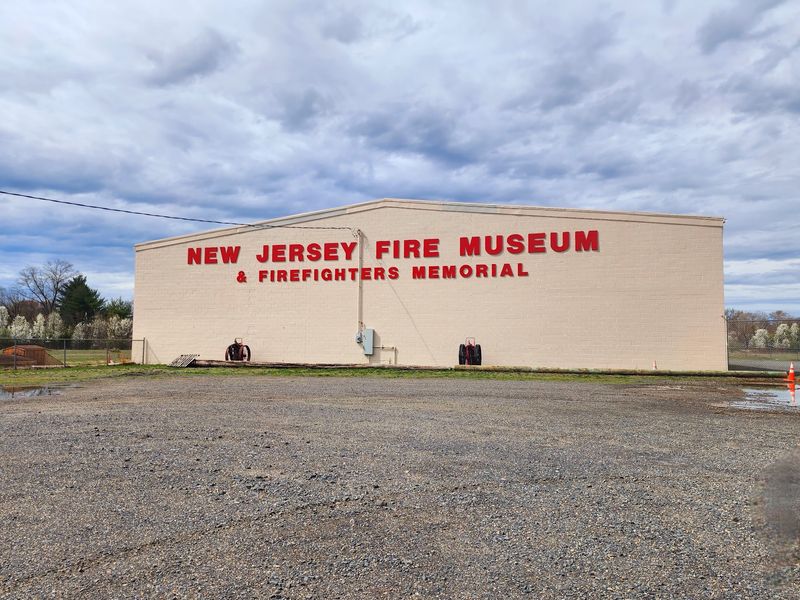
Not every great outing needs a giant parking lot and a gift shop maze. Sometimes the best ones come with dusty corners and people who truly care.
The NJ Fire Museum fits that description well. It’s a work in progress, honest about its challenges and proud of its collection.
Families with truck-obsessed kids will feel right at home. So will retired firefighters, history buffs, and anyone who once begged for a ride on an engine.
The hands-on spirit sets it apart from stuffier museums. Sitting in a cab or chatting with a guide creates memories that stick.
Every visit also helps something bigger. Donations and attendance support preservation work and future restoration across the property.
That gives New Jersey residents a real chance to keep this history in good hands. Volunteering is another way to pitch in for those with time to share.
Is it polished? Not entirely, and that’s part of the charm.
For a Saturday morning that feels like flipping through a family photo album of firefighting, it’s hard to beat. Go once, and you may find yourself planning a return.
Share this story