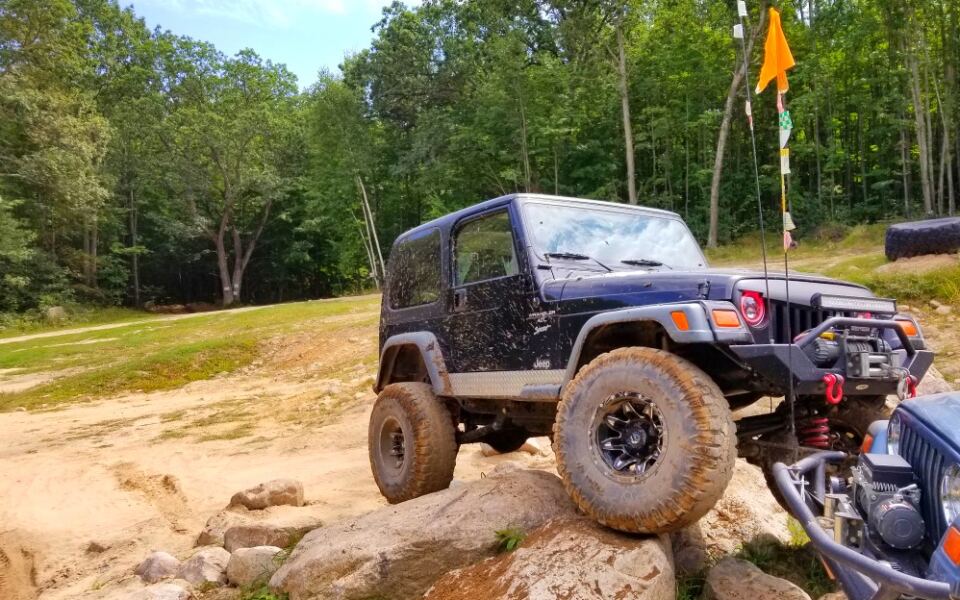
Rocks and Valleys Off-Road Park in Harrison, Michigan, gives Jeep and 4×4 drivers more than 200 acres of rocky climbs, muddy trails, and challenging hills. Some routes are suitable for less experienced drivers, while others demand serious off-road skills and properly equipped vehicles.
The park’s biggest draw is its variety. Drivers can work their way through wooded trails, test their vehicles on rock obstacles, and tackle more difficult sections as their confidence grows.
But picking the right trail matters. Some routes are one-way, and the park’s terrain can quickly become challenging for drivers unfamiliar with the layout.
Knowing how to navigate the trails and what your vehicle can handle makes a big difference.
A Rock Crawler’s Playground Off Mannsiding Road
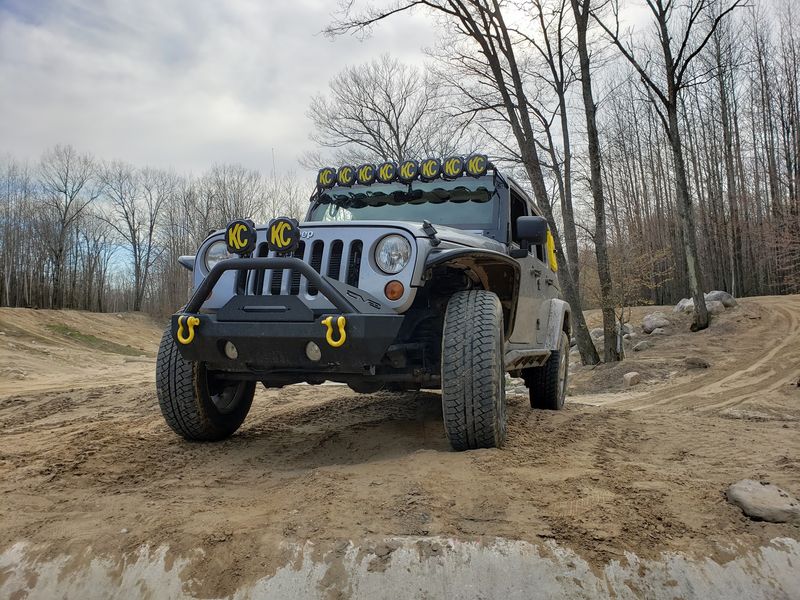
Jeeps rule the road at Rocks and Valleys Off-Road Park, though most of the action happens far from pavement. You’ll find it at 2435 E Mannsiding Rd, Harrison, MI 48625, in the middle of Michigan’s Lower Peninsula.
The park is built for off-road driving, often called wheeling. Its trails wind through woods and over rocky obstacles that ask drivers to think before they press the gas.
I find the name refreshingly honest. Rocks and valleys are exactly what you get, with climbs that lift your rig and dips that bring it right back down.
Plenty of drivers bring Jeeps, but trucks and side-by-sides show up too. The park welcomes many kinds of rigs, as long as they’re ready for rough ground.
Harrison sits in Clare County, a region known for lakes, forests, and outdoor fun. That setting gives the trails plenty of trees and natural terrain to work with.
What stands out most is how the park balances challenge with access. Brand-new drivers can explore safely, while veterans hunt for the toughest lines on the rocks.
That balance starts with one simple tool: the trail rating system.
Trails Rated So You Know What You’re Getting Into
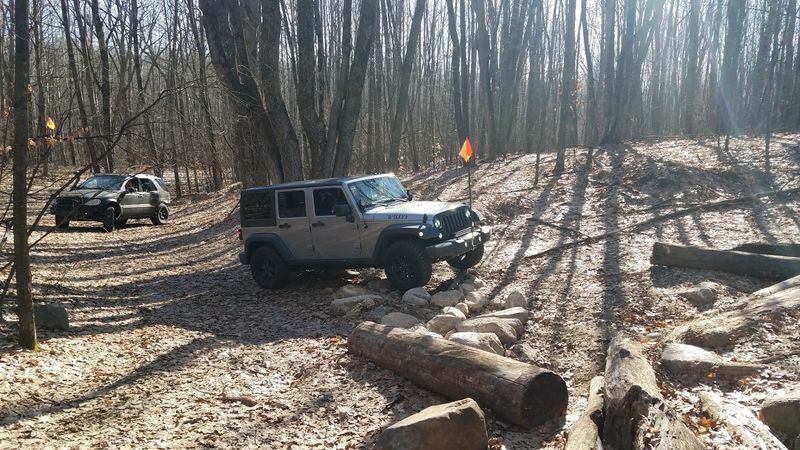
Picking the wrong trail can turn a fun afternoon into a long recovery job. Here, trails are marked by difficulty, from novice routes up to advanced ones.
That system matters more than it might seem. A driver in a stock SUV shouldn’t wander onto a path meant for heavily modified rock crawlers.
Beginners get easier and medium trails where they can learn how their vehicle handles bumps, roots, and soft dirt. These routes build confidence without throwing huge surprises at you.
More experienced drivers can step up to technical trails with tight turns and tricky obstacles. Those sections reward patience, careful spotting, and smart tire placement.
I’d start on an easier trail even with a capable rig. It’s a great way to learn the layout and see how the park flows before trying anything wild.
Groups with mixed experience levels benefit too. Friends can split up for a while, then meet again later at a shared trail or the campground.
Still, ratings only help if you can find your way between them. The park’s map has its own small learning curve worth knowing about.
Rocky Climbs That Demand a Steady Foot
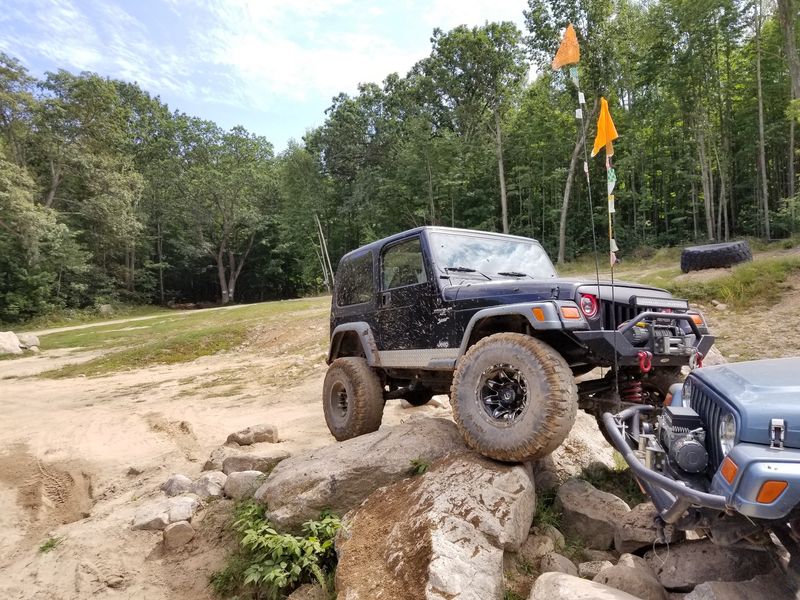
Slow is the speed that wins on the rocks. Rocks and Valleys is known as a crawl park, where low gears and steady throttle beat horsepower every time.
Rock sections test traction, clearance, and nerve. One wrong wheel placement can leave a tire spinning in the air while the rig rocks side to side.
Drivers with lifts, bigger tires, and lockers often head straight for these areas. Lockers help both wheels on an axle turn together, which makes climbing much easier.
Having a spotter is smart on tough rocks. A friend outside the vehicle can see what the driver can’t and call out each move.
I like how these obstacles turn driving into a calm, focused game. Rushing rarely helps, and careful thinking usually does.
The park also includes a couple of hill climb areas. These slopes add a different challenge, with gravity working hard against you on the way up.
Not every rig wants that kind of punishment, though. Thankfully, the trails offer a clever way around the hardest spots.
Bypass Routes for Rigs That Say No
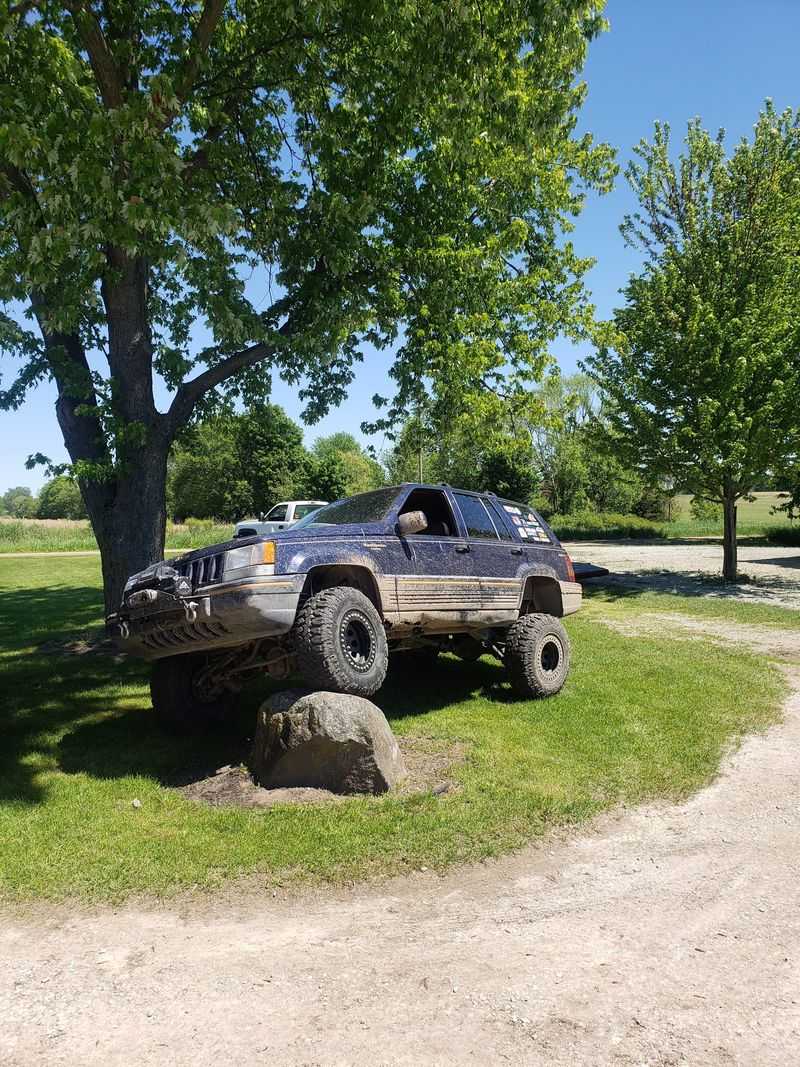
Nobody likes walking home beside a broken axle. That’s why the bypass sections at this park are such a helpful feature.
Many rocky stretches come with a way around them. Drivers can choose to skip the boulders and keep moving along the trail.
This setup makes the park friendlier for mildly built vehicles. A modest lift and decent tires can cover a lot of ground without forcing every obstacle.
It also helps groups stay together. One driver can tackle the rocks while another takes the bypass, and everyone meets on the other side.
I appreciate that choice gives you control over your day. You decide how much risk your rig can handle, not the trail.
Knowing your limits is part of good wheeling. Bypass routes take away the pressure to prove something on a rock you aren’t ready for.
Over time, a driver might look at that skipped obstacle and think, maybe next visit. That kind of steady progress keeps people coming back to Harrison.
Of course, rocks aren’t the only thing waiting out there. Water has its own surprises.
Respect the Giant Puddle
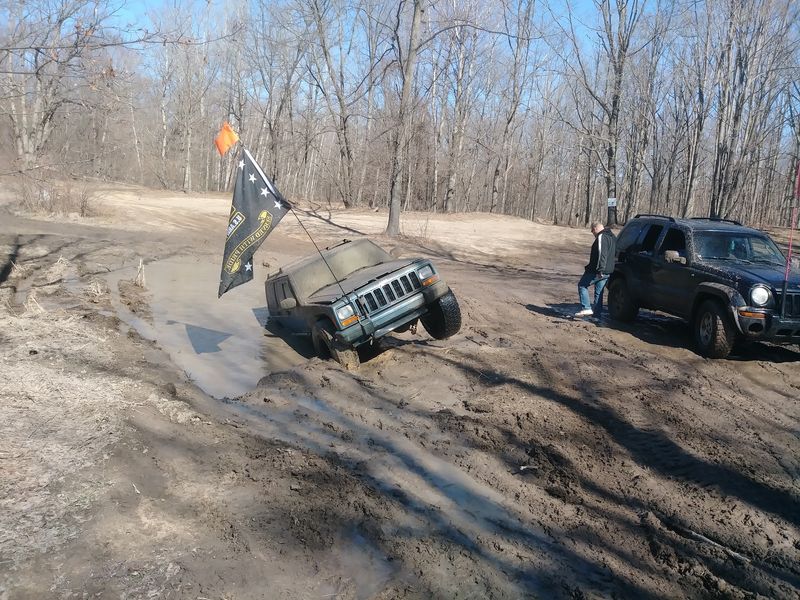
Mud holes look harmless until they swallow half a tire. The park includes a giant puddle that has caught at least a few drivers off guard.
Water crossings are tricky because you can’t always see what’s underneath. Soft mud, hidden ruts, and slick edges can shift a vehicle fast.
Trying to sneak around a puddle isn’t always safer. Slippery banks can slide a truck sideways right into the deeper water.
Before crossing, check the depth if you can and know where your air intake sits. Water in the engine is a far bigger problem than a wet floor mat.
Driving at a slow, steady pace helps push a small wave ahead of the vehicle. Too much speed throws water everywhere, including into places it shouldn’t go.
I’d also keep recovery gear handy, like a strap and shackles. Friends with a winch make great trail partners near water.
Wet conditions change more than puddles, too. Rain and snow can turn familiar trails into a whole new test, which brings up the seasons.
Shade, Snow, and Fall Color on the Trails
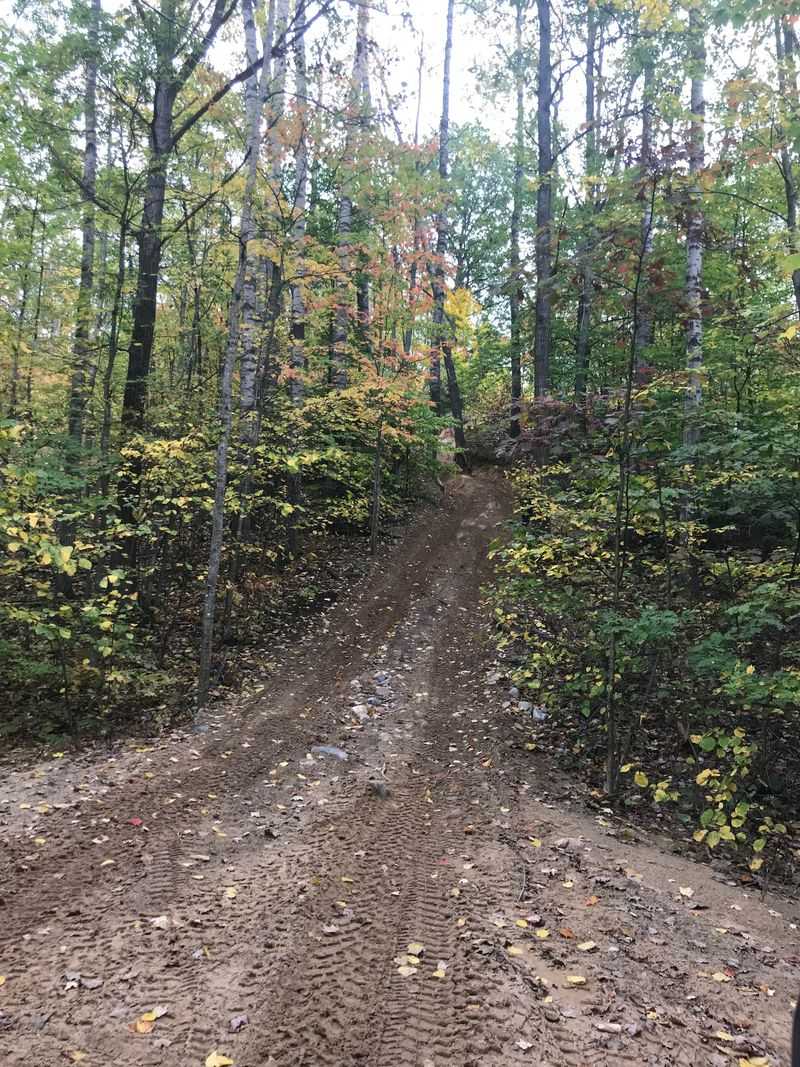
Trees are everywhere here, and that’s good news on hot summer days. Many trails run through woods that give drivers shade while they crawl along.
Fall may be the prettiest time to visit. Michigan forests turn gold and red, making slow trail driving feel even more relaxing.
Winter wheeling is possible too, and fresh snow adds a real twist. Trails get slick, so traction and patience become even more important.
Rain can also change the ground fast. Dirt turns slippery, rocks lose grip, and puddles grow deeper.
I like that each season gives the same trail a different personality. A route that felt easy in July might feel tough after a snowstorm.
Before heading out, check the weather and pack for changing conditions. Extra layers, gloves, and a rain jacket can save a day outside.
Also, think about tires. Good tread matters a lot more when leaves, snow, or mud cover the path.
Once the driving is done, many people don’t want to leave right away. Luckily, the park lets them stay overnight.
Rustic Camping Right Beside the Action
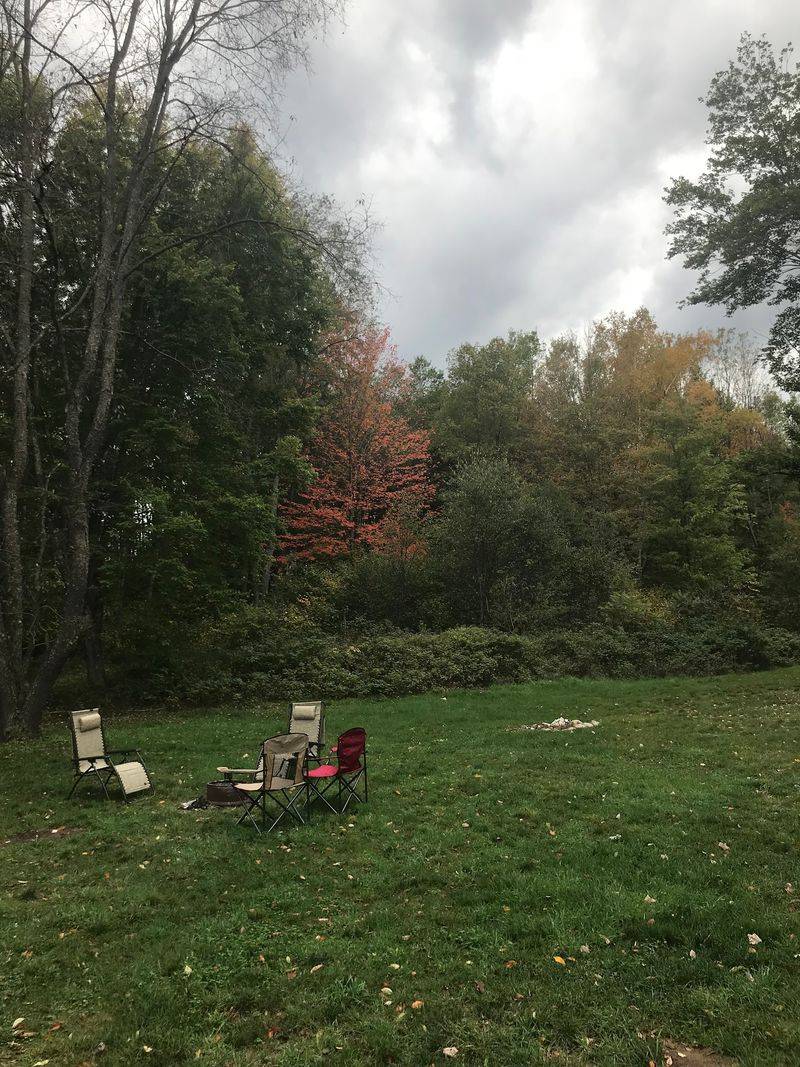
Waking up a short drive from the first trail is hard to beat. Rocks and Valleys offers camping on site for drivers who want more than one day.
Keep expectations simple, though. Camping here is rustic, with no power hookups, no showers, and portable toilets instead of full bathrooms.
That means packing smart. Bring plenty of water, a cooler, lighting, and a way to charge phones or other gear.
A camp stove makes meals easy after a long trail day. Wipes and a small wash basin help when showers aren’t an option.
I like the idea of trading screens for a quiet evening with fellow wheelers. Talking about the day’s best climbs is half the fun.
Camping also gives you an early start. Getting on the trails in the morning can mean more space before others arrive.
Weekends tend to bring more people, but the park is large enough to spread out. Planning a weekday trip may mean a calmer visit.
Of course, a good campground depends on good people, and this park has a strong community.
A Family-Run Park With Helpful Hands
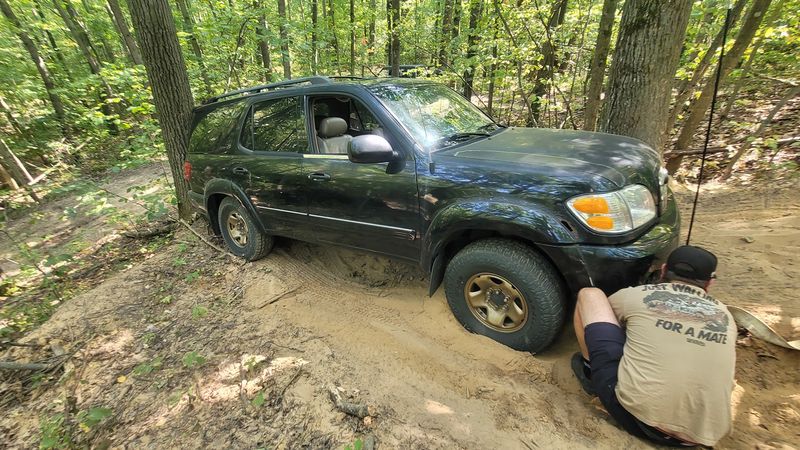
Breakdowns happen, even to careful drivers. At this park, the people running things have a reputation for jumping in to help.
The park has a family-owned feel, with owners and rangers who know the trails well. Their experience can be a big help for first-timers.
Friendly staff matter a lot in off-roading. Asking which trail fits your vehicle can prevent damage and frustration.
Rangers keep an eye on the park and can offer guidance. Don’t be shy about checking in when you arrive.
I value that kind of personal touch. Big commercial parks can feel cold, but a smaller team often knows regulars by name.
The wheeling crowd itself tends to be supportive as well. Drivers often help each other with pulls, tips, or a spare part.
Bringing basic tools is still your job, though. Pack a jack, tire repair kit, and common spare parts for your rig.
That friendly culture really shines when the park hosts gatherings, and those events have become part of its personality.
Pig Roasts and Club Days
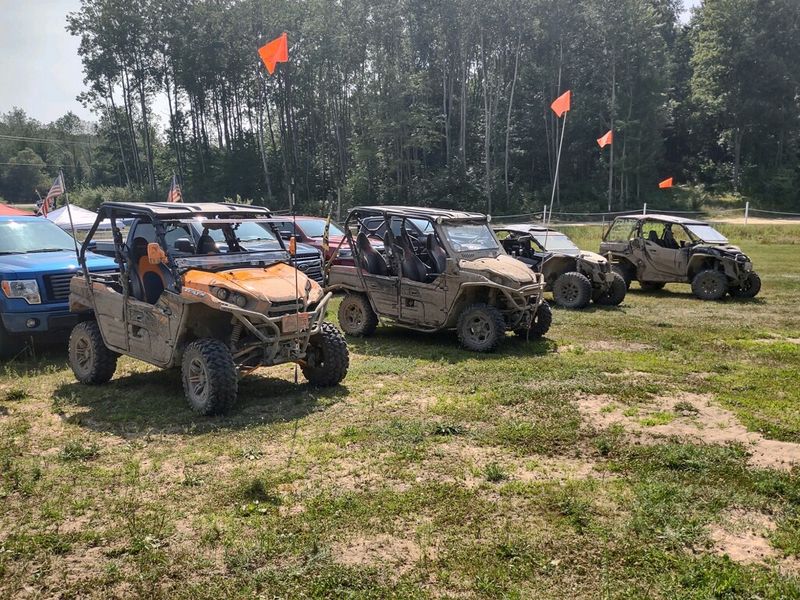
Off-roading gets even more fun with a crowd that shares your hobby. Rocks and Valleys has hosted events, including an annual pig roast.
Gatherings like this pull together all kinds of rigs. Jeeps, trucks, and side-by-sides roll in, and part of the fun is seeing what shows up.
Clubs have held outings here too, including the Michigan off-roaders club. Group rides are a great way to learn from more experienced drivers.
I’d suggest beginners look for these days on purpose. Riding with a group means extra spotters and help close by.
Events can also mean more people on trails. Patience at obstacles keeps everyone safe and the mood relaxed.
Check the park’s official pages for current event dates. Schedules can change from year to year, so confirm before you go.
Meeting other wheelers might also lead to new trail partners. Plenty of friendships start with a simple tow strap and a smile.
Of course, even social days require getting around the park. That brings us back to the famously tricky map.
Learn the Outer Loop Before Anything Else
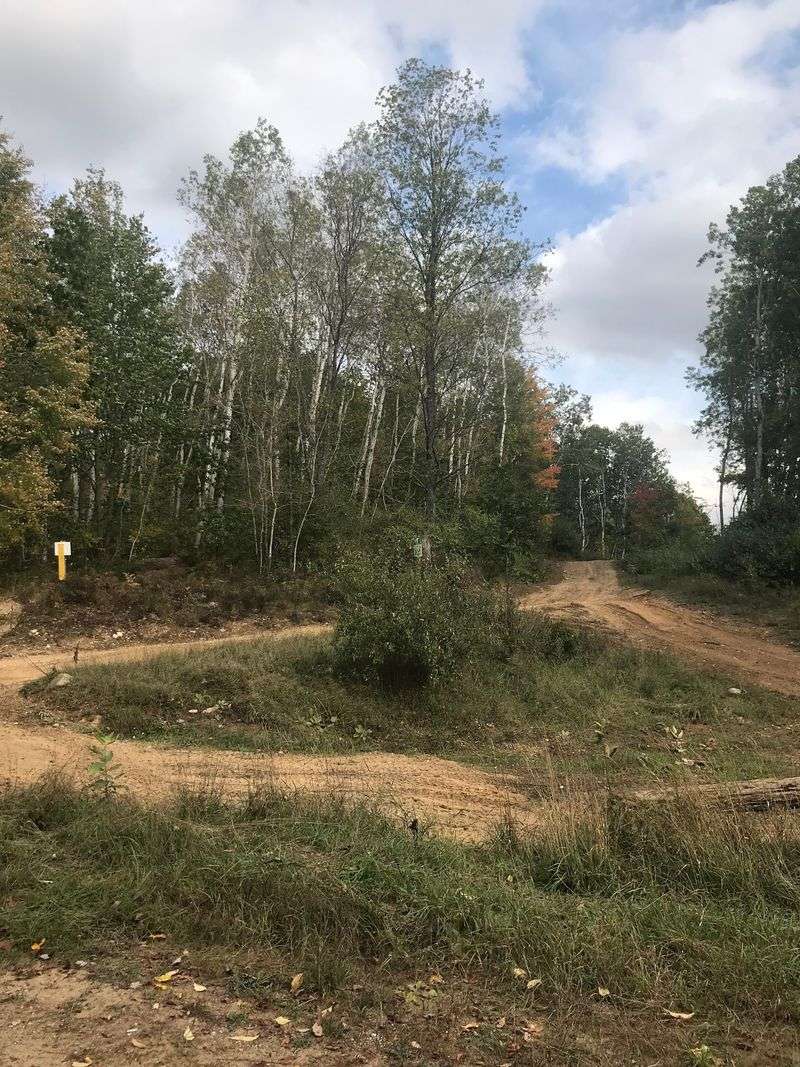
Getting turned around is almost a rite of passage here. Some drivers find the park map and trail markers confusing on a first visit.
A simple plan helps a lot. Learn the basic outer trail first, then branch into inner routes once you feel oriented.
Follow the directional signs closely. Trails flow a certain way, and driving the wrong direction can lead to awkward meetings at obstacles.
A few signs may be missing at times, so stay alert. Taking a photo of the map on your phone is a smart backup.
I’d also drive with a buddy vehicle when possible. Two heads read a map better than one, especially at a tricky fork.
After wheeling, there’s a local tip worth knowing. Snow Snake, nearby in Harrison, has long been a lunch stop for drivers wrapping up the day.
Pack patience, a full tank, and some spare time. With so many trails, even a full day might not cover them all.
Learning this park slowly is part of its charm, and every visit makes the rocks feel a little more familiar.
Share this story