The gift shop here sells honey and maple syrup sourced from the village itself. That alone got my attention.
Then I learned the same peaceful grounds once roared with an iron industry.
Kids hunt for bits of old glass, ore, nails, and brick near the buildings. There’s even a little collection of finds, each labeled with a name and a date.
I love that history here can turn up right at your feet.
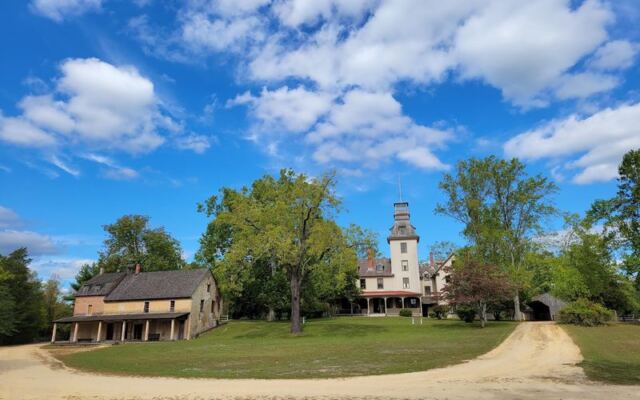
The setting sits deep in the New Jersey Pine Barrens, ringed by woods and a small lake. Dozens of restored 19th-century structures line the paths.
A mansion waits for anyone curious enough to buy a tour ticket.
So how did a sleepy-looking cluster of old buildings become such a big piece of the state’s story? I can’t imagine a better place to find out.
A Village Hiding Inside a State Forest
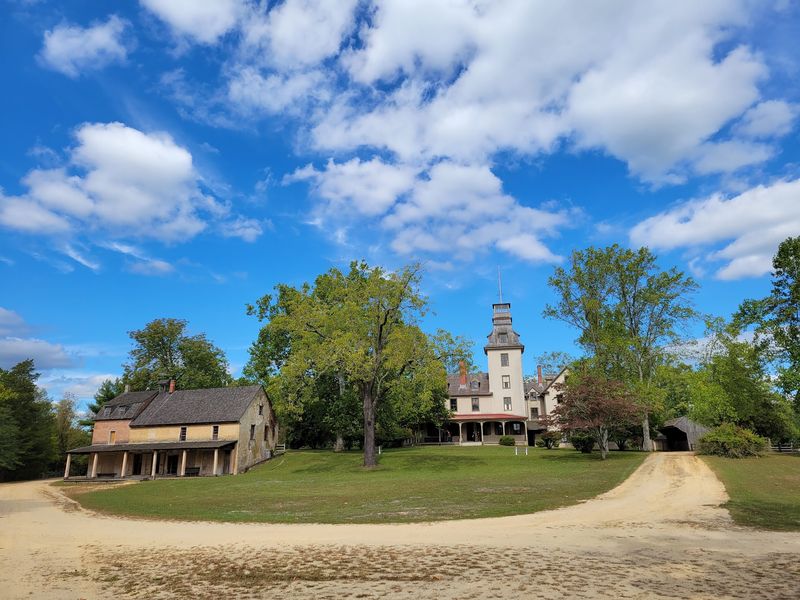
Batsto Village sits inside Wharton State Forest, right in the heart of the New Jersey Pine Barrens. It’s a state-run historic site, so the whole place belongs to everyone who visits.
The village holds dozens of restored 19th-century structures, plus a museum and a nature center. Walk the grounds and it feels like a giant open-air museum you can explore at your own pace.
Woods wrap around the buildings, and a small lake sits close by. That combination makes the village feel far removed from busy roads and crowded downtowns.
Many New Jersey residents know the name Batsto from road signs or camping trips. Fewer realize how much of the state’s early working life unfolded on these exact paths.
Paths mix paved, grassy, and gravel surfaces, and the terrain stays mostly flat. That makes the village friendly for a slow stroll, whether you bring kids, grandparents, or a leashed dog.
Think of it as a home base for the Pine Barrens. Hikers, history fans, and picnickers all end up here, and each group leaves with a different favorite corner.
Bog Iron and the Furnace That Built a Town
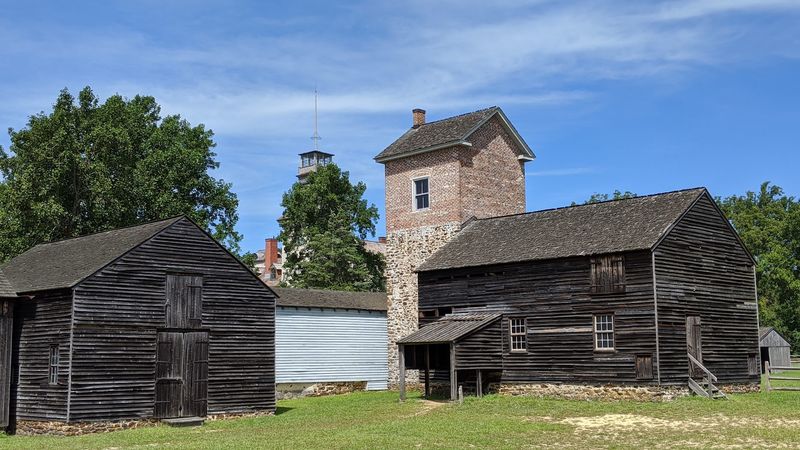
Iron from a swamp sounds like a tall tale. Yet the Pine Barrens held deposits called bog iron, and Batsto grew up around turning that ore into useful metal.
The local recipe was simple on paper. Workers needed the ore, plenty of timber for charcoal, and moving water for power, and this corner of New Jersey supplied all three.
An ironworks took shape here in the 1700s. During the American Revolution, Batsto iron helped supply the Continental cause, which gives this quiet spot a surprisingly bold résumé.
A furnace needed people, so a whole community formed around it. Workers lived, shopped, and raised families close to the job, and that pattern explains the village layout you see now.
Later years brought glassmaking to the site as well. Bits of old glass and ore still surface near the buildings, small reminders of the industry that once kept everything humming.
None of that noise remains today. Instead, birdsong and footsteps fill the air where furnace fires once burned, which makes the backstory feel even more striking.
The Man Whose Land Became a Forest
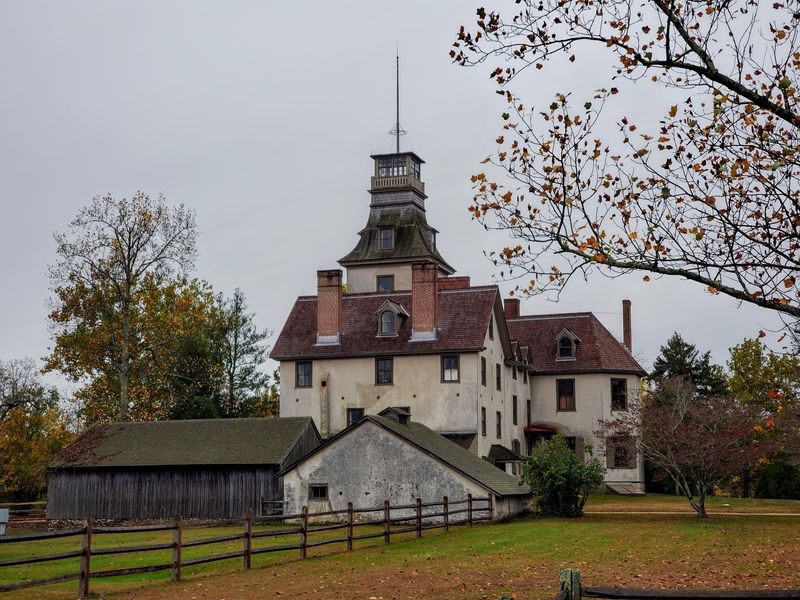
Joseph Wharton is the name you’ll hear again and again around Batsto. His story ties the village to the enormous forest that surrounds it.
Wharton acquired the bulk of the land that now makes up the state forest. That forest carries his name today, so every trail you walk keeps his legacy close.
Families who ran the village across the years lived in the grand house at its center. Mansion tours share their stories along with period details about daily life in that era.
Here’s a fun angle for curious minds. One man’s land purchases ended up protecting a vast stretch of New Jersey wilderness, and generations of hikers benefit from it.
The visitor center also covers efforts to preserve the Pinelands. Learning that background first makes the walk through the village feel richer and more connected.
Big decisions made long ago shaped the quiet you enjoy today. Not every historic site can point to a whole forest as part of its story, and Batsto Village can.
Ten Minutes That Make the Whole Walk Better
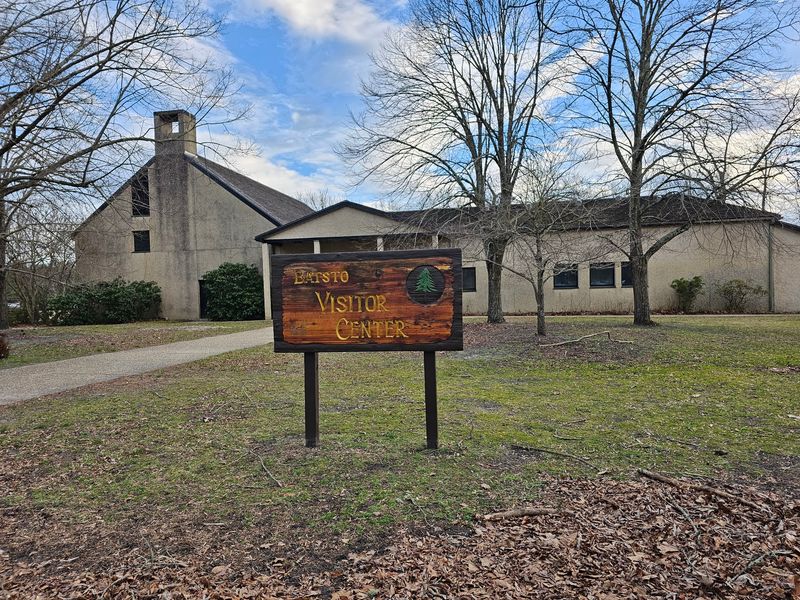
Start at the visitor center by the main parking lot. It’s the smartest first move, and it sets up everything else you’ll see.
A short documentary runs about ten minutes. It explains how the village came about, so the buildings outside suddenly make more sense once you step back into daylight.
The center also holds a small museum with interesting displays. Some visitors save it for the end, when tired feet welcome a calm indoor stop.
Need practical help? Staff at the desk share details about hiking and camping in Wharton State Forest, which is handy if you plan to stretch the outing.
Mansion tour tickets are sold here too. Grab yours early so you can plan the rest of your wander around the tour time.
Clean public restrooms sit inside, along with a cozy gift shop. Picking up honey or maple syrup sourced from the village is a sweet way to remember the trip.
Little stops like these turn a casual stroll into a well-informed adventure.
Inside the Mansion With a Guide Who Knows Every Room
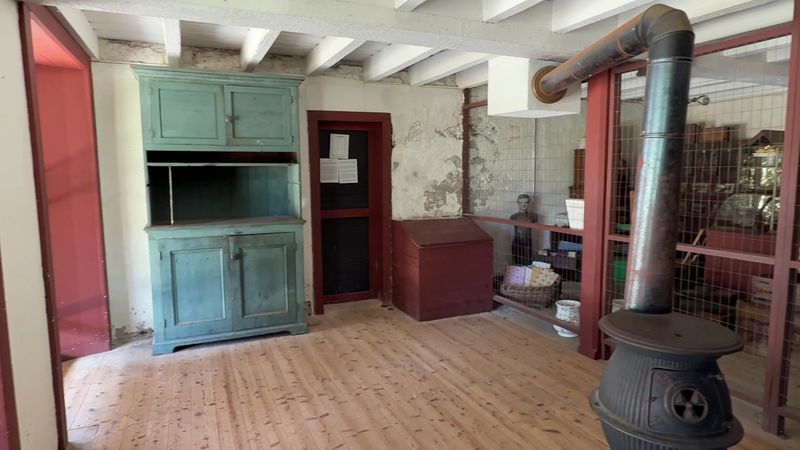
Curiosity about the big house finally pays off once a guide unlocks the door. The Batsto Mansion opens to visitors through guided tours that need a separate ticket.
Guides cover period details, the families who lived there, and Joseph Wharton’s role in shaping the land. Expect plenty of stories, and bring your questions.
The tour carries a modest fee, which makes it an easy add-on. Tickets come from the visitor center, so stop there before heading up the path.
Mixed-age groups do well on these tours. Guides here have earned a reputation for patience with young visitors and clear answers for curious adults.
Special programs sometimes open up extra buildings too. Partner groups, including programs through Stockton University, have led tours that went inside several structures along with the mansion.
Seeing the rooms in person changes how the whole village feels. Outside you see the work, while inside you see how the people at the top actually lived.
That contrast is the real gift of the tour, and it lingers well after you leave.
Gristmill, Blacksmith Shop, and a Very Old General Store
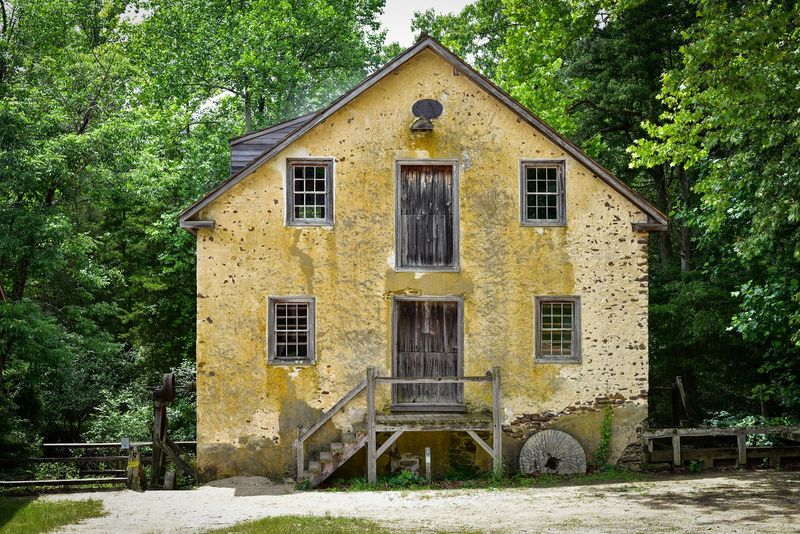
A working village needed more than a furnace. It needed flour, tools, and a place to buy supplies, and Batsto still shows off all three.
The gristmill stands as a reminder of how grain once became food for the community. Moving water powered so much here, and the mill makes that idea easy to grasp.
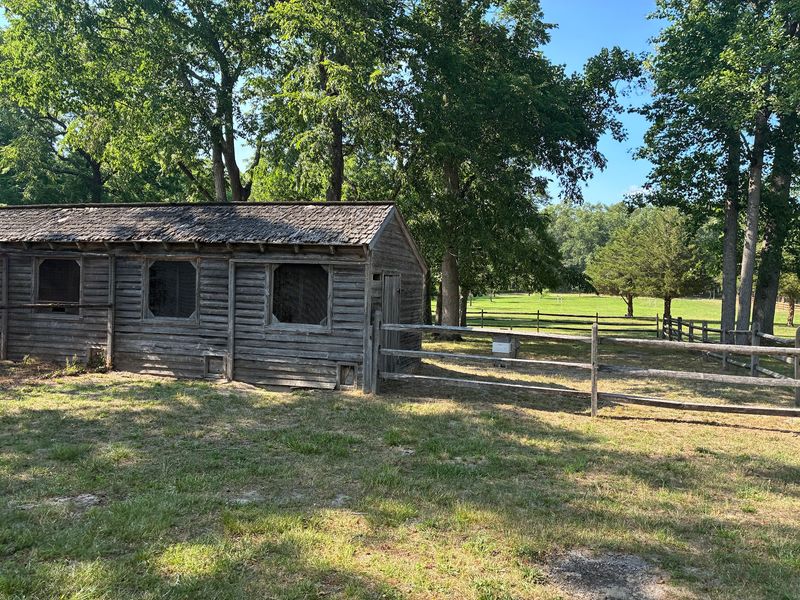
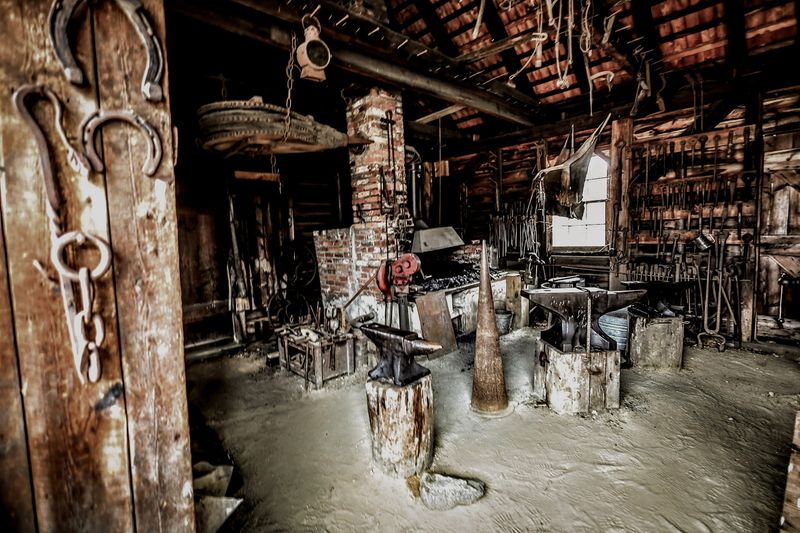
Over at the blacksmith shop, the clang of metalwork fits the village story perfectly. Blacksmith displays appear during some events, giving visitors a glimpse of an old trade in action.
Then there’s the general store, a crowd favorite for history lovers. Some of the items inside have been there for well over a century, which is wild to think about.
Buildings marked open are free to walk into. Check the signs along the way, since not every door is open on every day.
Each stop shows a different slice of daily life. Put them together, and you get a clear picture of how a self-reliant Pine Barrens community kept itself running.
A Treasure Hunt Hiding in the Dirt
Keep your eyes on the ground for a bit. Near many of the buildings, small remnants of the village past turn up, including glass, ore, old nails, and bits of brick.
Kids love this part, and honestly, adults do too. It turns a history walk into a low-key scavenger hunt with real artifacts as the prize.
Even better, there’s a collection of items people have found. Each piece comes with a little note listing a name and a date, like a community scrapbook of discoveries.
That small touch says a lot about the place. Visitors become part of the story rather than just passing through it.
Those glass fragments connect straight back to the village industries. Bog iron ore pieces tell the furnace story, while old nails hint at the buildings that stood and changed over time.
Please treat the grounds with care, since this is a protected state site. Look, admire, and follow any posted guidance about what to leave in place.
A careful eye turns an ordinary path into something much more exciting.
Lake Views and Birdsong Around Every Bend
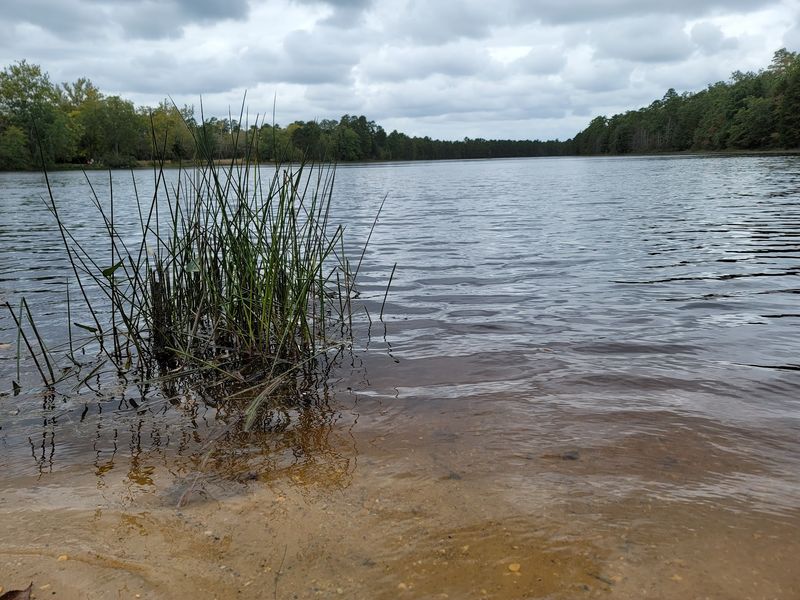
Water once powered this village, and it still steals the show. A small lake sits beside the historic grounds, framed by woods on nearly every side.
Photographers will feel right at home. The scenery pairs old buildings with trees and water, so almost any angle looks like a postcard.
Bird watchers have reason to pack binoculars as well. The surrounding forest and lake make this a rewarding stop for spotting feathered locals.
Fall adds another layer of beauty. Autumn colors light up the backdrop behind the historic structures, which makes October a favorite month for many New Jersey families.
During some events, kayaks have been available to take out on the lake. It’s a fun way to see the village from a completely different viewpoint.
Simply sitting by the water works nicely too. Ample picnic areas let you pause, snack, and soak in the calm before heading back down the trail.
Few historic sites mix nature and heritage this smoothly. Here, the landscape feels like part of the exhibit.
Sandy Trails Begging for a Longer Day
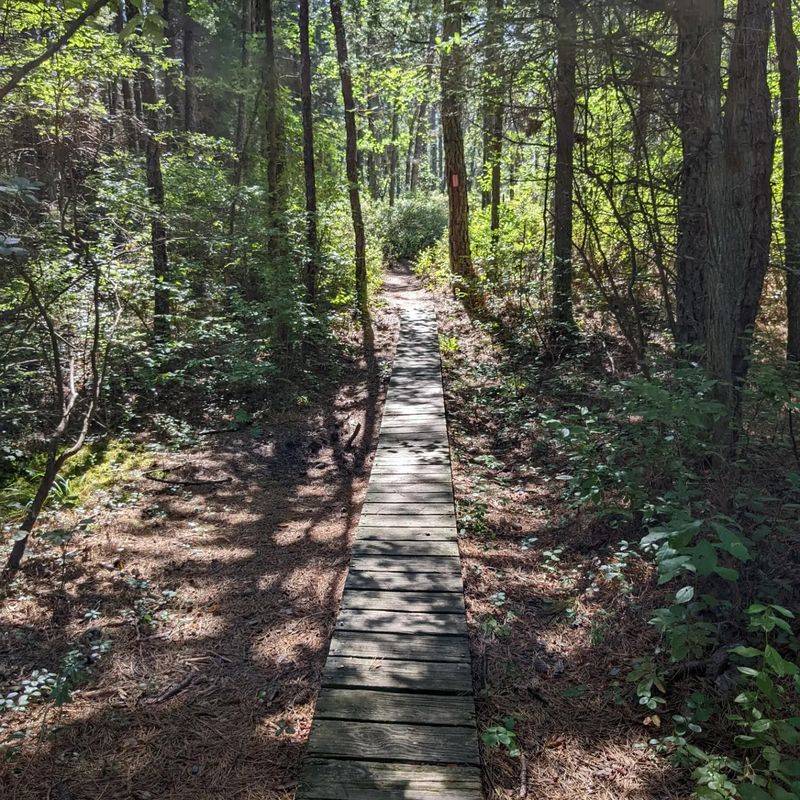
Hiking tops the list of reasons people come back to Batsto. Several trails converge on the village, which makes it a natural launch point for Pine Barrens adventures.
Expect sandy paths that wind through pine forest. Some loops run four miles or more, perfect for anyone craving peace, quiet, and a good stretch of the legs.
Trail maps are available, so you can plan a short ramble or a full day out. Pair the village tour with a hike, and the outing grows easily.
Dogs are welcome on leash, a big plus for pet owners. Many visitors treat the grounds as a scenic dog walk with a side of history.
Families with kids find the trails approachable too. The mostly flat terrain keeps things manageable for younger legs and casual walkers.
Pack water and snacks before you set out. Trails here feel remote, so a little preparation makes the walk more relaxing.
With the forest this close, it’s hard to leave after just one loop.
Craft Fairs, Lanterns, and Bottle Shows on the Calendar
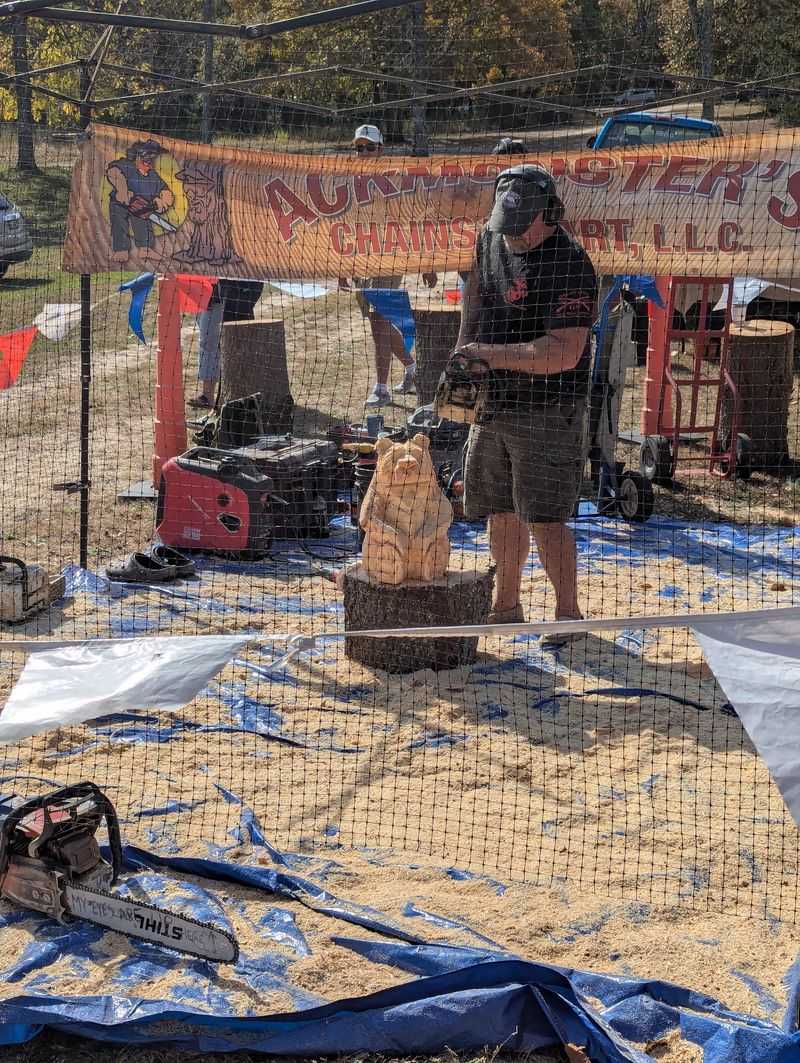
Quiet days are lovely, but event days bring a whole new energy. Batsto Village hosts gatherings throughout the year that draw families from across New Jersey.
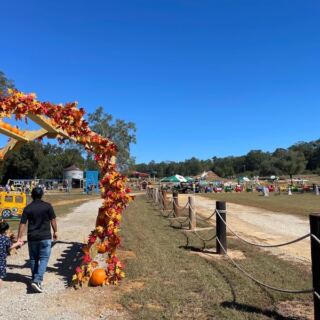
The Country Living Fair is a fall favorite. Vendors sell crafts, antiques, holiday decorations, soaps, teas, honey, and jewelry, while food trucks set up across the bridge.
Extra treats have included wood carving displays, classic cars, blacksmith demos, and pony rides. Most vendors take cards, which makes shopping simple.
Parking lines can build on busy fair days. Arriving early helps, and you’ll need to follow staff directions to the designated lot rather than parking along the fence.
Around Halloween, a Lantern Walk leads guests through the village at night. Only lantern light guides the way, and guides share historically accurate stories along the route.
Collectors may also catch an antique glass and bottle show. It runs a bit like a flea market, with fun for every age.
Check upcoming events before you go, since each one paints the village in a fresh light.
Getting There, Parking, and What Costs Extra
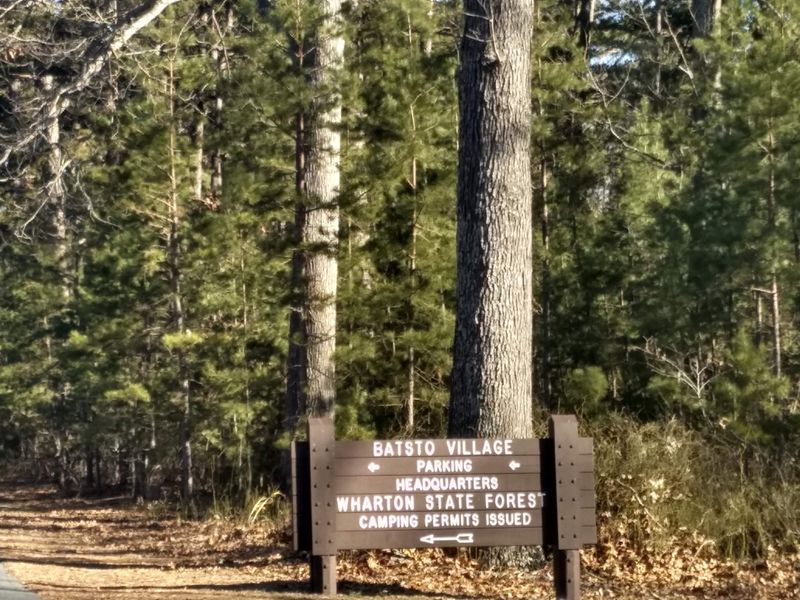
Plug 31 Batsto Rd, Batsto, NJ 08037 into your map app and you’re set. The village sits within Wharton State Forest in southern New Jersey.
Grounds are listed as open 24 hours a day. Building hours vary, though, so plan daytime visits if you want the visitor center, museum, or mansion.
Parking costs a small per-car fee at times, and the lot is roomy. Park at the main lot near the visitor center for easy access to everything.
Walking the village grounds is free once you’re in. The mansion tour is the main extra, and it remains very affordable.
Shops and activity pick up during spring and summer. The nature center may not always be open, so it helps to check ahead if that’s a priority.
Most people spend around two hours exploring the village itself. Add a hike or a long picnic, and you can easily fill a whole day.
Simple logistics like these make Batsto an easy pick for a spontaneous weekend outing.
Why This Quiet Village Deserves Your Next Free Saturday
Not many places let you hike, picnic, tour a mansion, and hunt for old glass in one afternoon. Batsto Village pulls it off without any fuss.
History buffs get an iron-making story with Revolutionary roots. Nature lovers get sandy trails, a lake, and miles of quiet pine forest.
Families will appreciate the easy paths and hands-on discoveries. Dog owners can bring their pups, and photographers will find endless scenes worth capturing.
The pace stays gentle, which suits anyone who needs a calm reset. Event days add a lively twist for those who enjoy crafts, food trucks, and seasonal fun.
For New Jersey residents, it’s a reminder of how much history hides close to home. For day-trippers, it’s an easy, budget-friendly escape into the Pine Barrens.
Watch the short film, take the tour, and save time for the trails. Then grab a jar of village honey on your way out.
A once-busy ironworks has become one of the most peaceful stops in the state. Honestly, that turnaround is reason enough to go.
Share this story