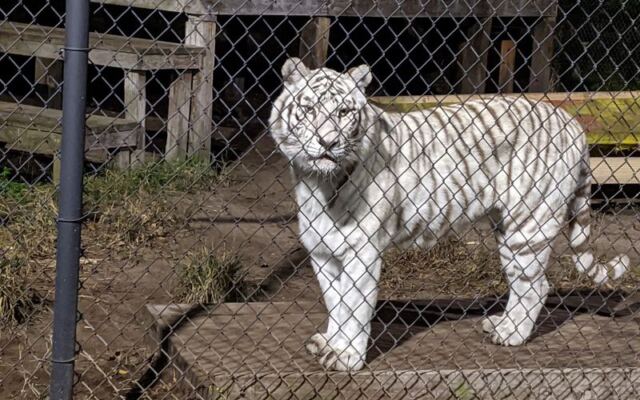
A tiger can be close enough here that you hear her chuff before you spot her stripes. I’m talking roughly five feet of space between you and a full-grown big cat, with a sturdy fence doing the heavy lifting.
The wild part is where this happens. It sits in a quiet residential neighborhood in northeast Florida, the kind of street where you’d expect lawn sprinklers, not lions.
Every resident here is a rescue, and each enclosure has a little sign sharing the animal’s name and backstory.
I like how the whole place keeps things simple. No roller coasters, no splashy shows, just rescued tigers, lions, bears, and smaller wild cats living out their days with people who adore them.
So what does a day with these cats actually look like? Let’s just say naps are involved.
A Big Cat Refuge Behind a Neighborhood Street
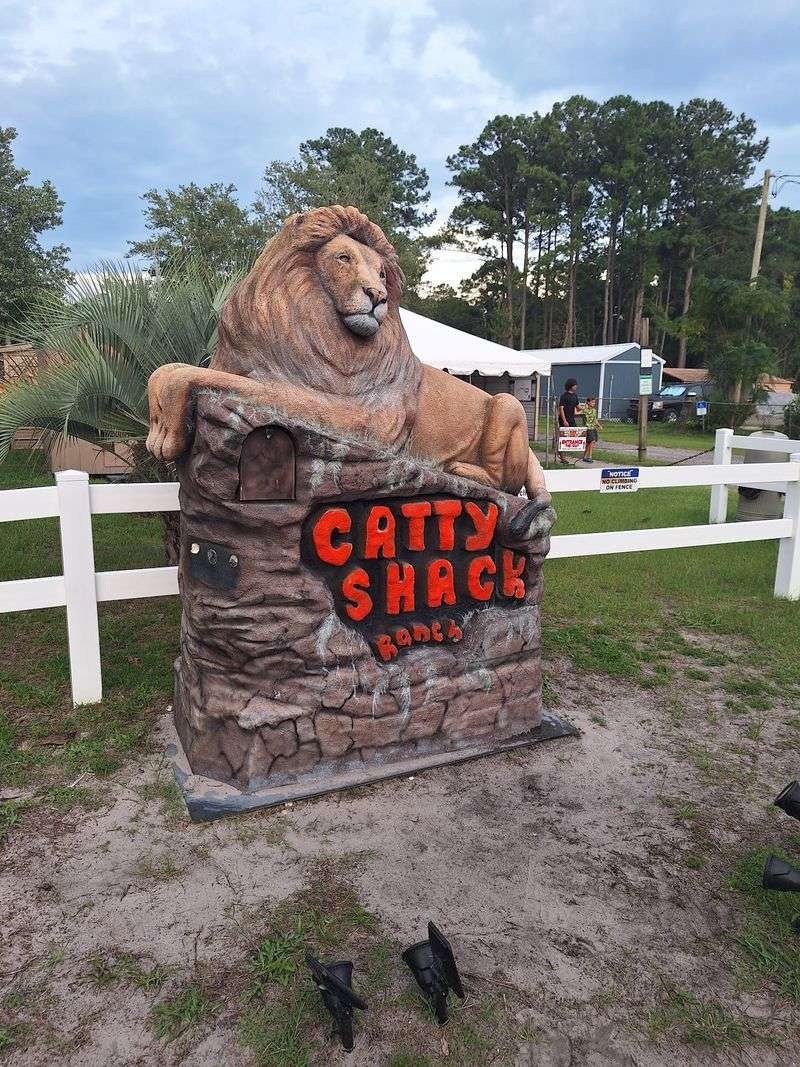
Lions usually don’t have neighbors with mailboxes. At The Catty Shack Ranch Wildlife Sanctuary, they do, because this nonprofit refuge sits inside a residential area on the north side of Jacksonville, Florida.
The setup surprises first-timers in the best way. One minute you’re passing houses, and the next you’re standing near tigers, lions, and pumas that call this ranch home.
Every animal here arrived as a rescue. The sanctuary focuses on exotic cats that needed a safe, permanent place to live, and many of them are endangered species.
That mission shapes everything about the visit. Nobody is training these animals to jump through hoops or pose for photos on command.
Instead, the cats set the agenda. Some lounge in the shade, some pace their territory, and some wander right up to the fence when they feel like it.
It’s a refreshing change from flashy attractions built around entertainment. Here, the animals come first, and visitors are simply lucky guests.
Think of it as a small window into a world most of us only see on nature shows. The difference is that this window sits about twenty minutes from downtown, not on another continent.
The Nonprofit Mission Behind Every Enclosure
Money doesn’t come from ticket sales alone at a place like this. The Catty Shack Ranch Wildlife Sanctuary runs as a nonprofit, so donations, gift shop purchases, and sponsorships all help keep the lights on and the bellies full.
Feeding a tiger is not a cheap hobby. Add lions, bears, leopards, and a handful of smaller species, and the grocery list gets very long, very fast.
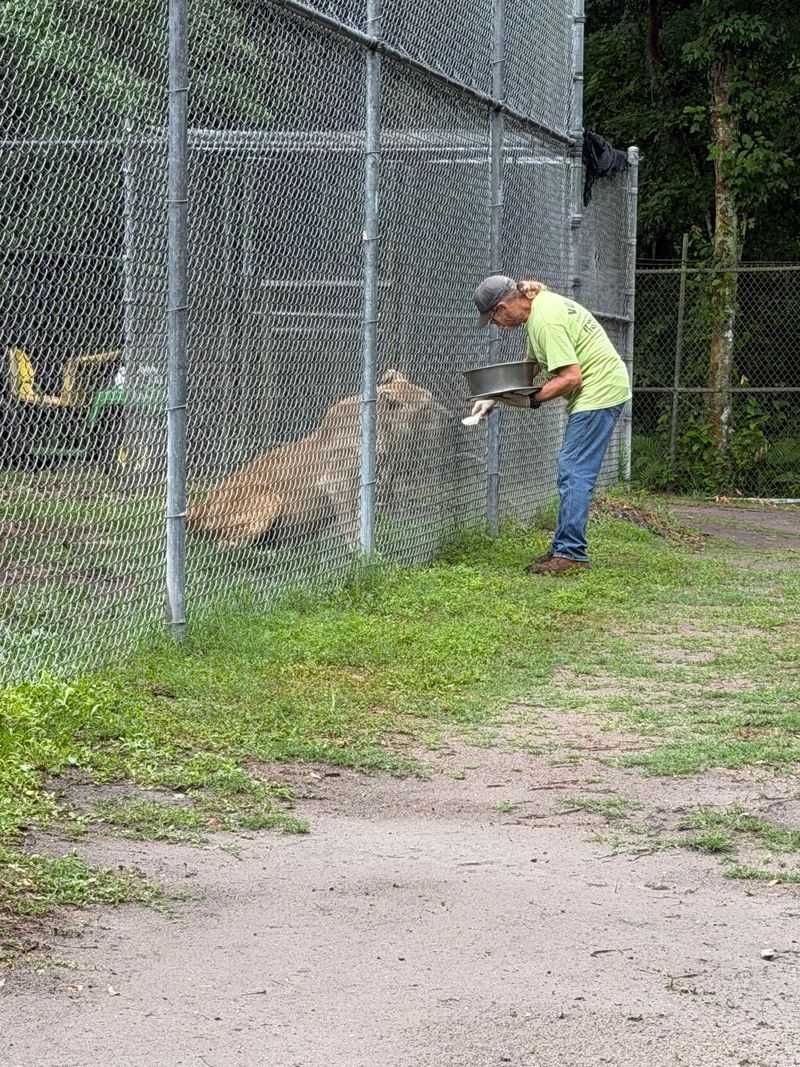
The people running the ranch clearly treat care as the top priority. Clean grounds, organized enclosures, and animals that respond warmly to their keepers tell a big part of the story.
Watch how the cats react when a familiar caretaker walks by. Some perk up, some trot over, and a few let out happy rumbles that sound like a purring engine.
That bond doesn’t happen overnight. It comes from steady, daily attention from staff and volunteers who show up rain or shine.
Supporting the sanctuary feels less like paying admission and more like joining a team. Every visit adds a little to the fund that covers food, vet care, and habitat upkeep.
Honestly, it’s hard to think of a better use for a few hours and a few dollars.
Tigers Close Enough to Hear Them Chuff
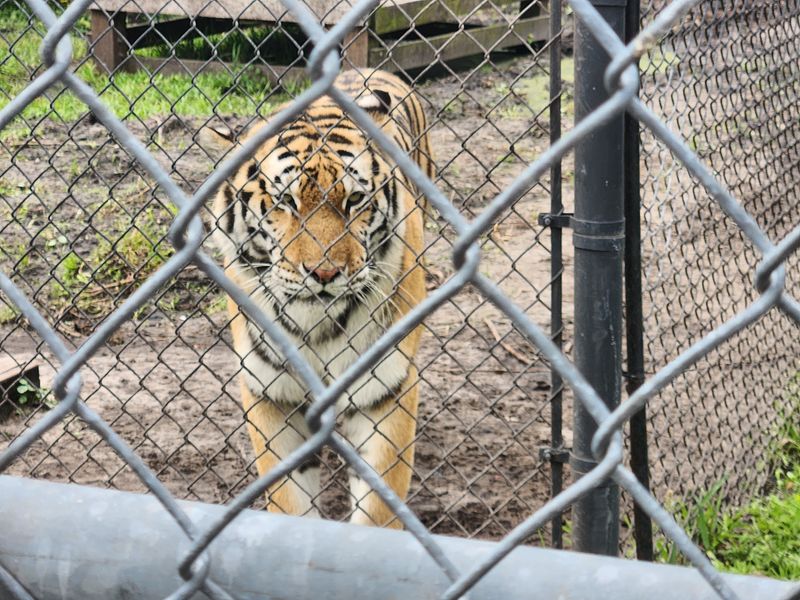
Five feet. That’s about how close some of the tigers can get to the walkway at The Catty Shack Ranch Wildlife Sanctuary.
Distance changes everything with big cats. At a large zoo, a tiger might be a striped blob across a moat, but here you can see whiskers twitch and paws flex.
Then there’s the sound. When tigers get excited, they make a soft, breathy chuffing noise, a friendly greeting that seems way too gentle for an animal that size.
Hearing it in person is a little magical. It’s the kind of moment that makes grownups go quiet and kids grab the nearest sleeve.
One resident, a tiger named Amara, has a large pool in her enclosure. Another tiger here enjoys lounging in his own water feature, which is a very smart move in Florida heat.
Tigers, unlike most cats, genuinely like water. Watching one soak like a striped grandpa in a hot tub is pure joy.
Bring your patience, though. These cats nap a lot during the day, so a slow second lap around the grounds often reveals someone who was hiding the first time.
Lions, Leopards, Pumas and the Rest of the Cat Crew
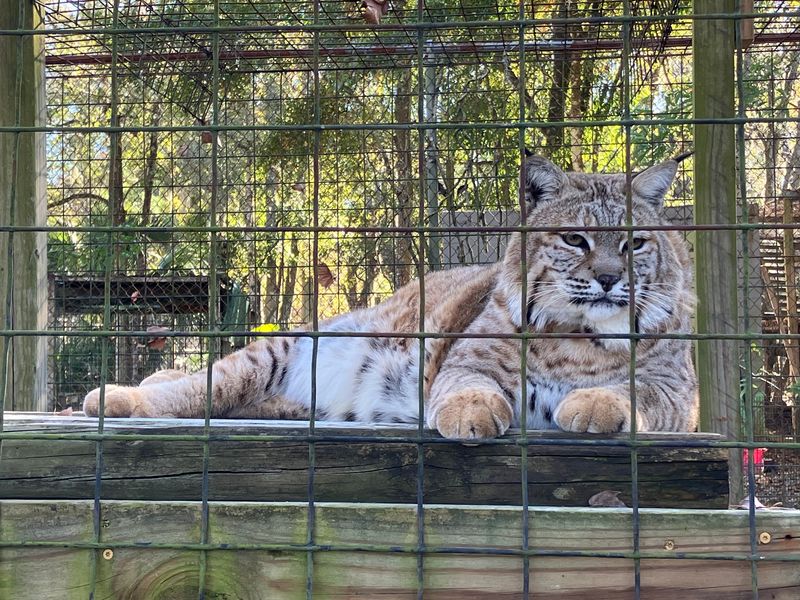
Tigers may grab the spotlight, but they’re far from the only headliners. The roster here reads like a who’s who of the wild cat world.
Lions hold court in their enclosures, often stretched out like they own the place. To be fair, they kind of do.
Leopards add a sleek, spotted touch to the lineup. Pumas, sometimes called cougars or mountain lions, round out the larger cats with their tawny coats and calm stares.
Lynxes bring the tufted ears and oversized paws. Those big feet act like natural snowshoes in the wild, which feels hilariously unnecessary in Florida.
Each enclosure includes a sign with the resident’s name and where they came from. Reading those little bios turns the walk into a string of personal introductions.
Suddenly, it isn’t just a lion anymore. It’s an individual with a past, a personality, and a second chance at a peaceful life.
That shift sticks with people long after they leave. You stop thinking about species and start remembering faces.
Fair warning: you may find yourself picking a favorite within ten minutes. Changing your mind three more times before the exit is completely normal.
Small Wild Cats With Very Big Personalities
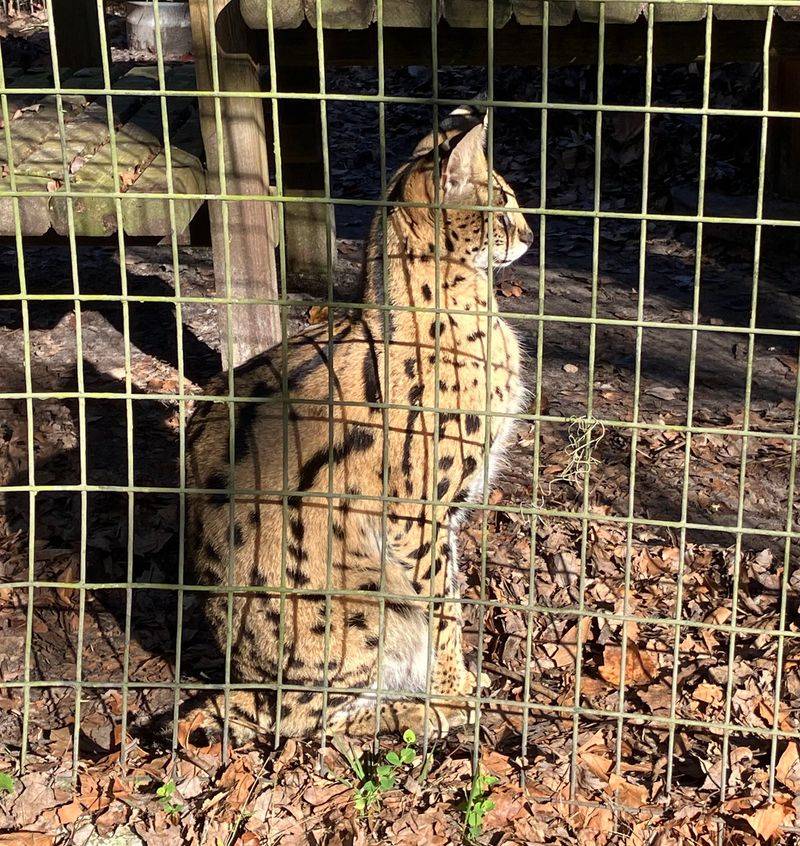
Ears like satellite dishes and legs like a runway model. Meet the servals, the lanky African cats that steal plenty of attention at The Catty Shack Ranch Wildlife Sanctuary.
Merlin and Gracie are two of the servals living here. Their spotted coats and alert expressions make them look permanently curious about everything.
Then come the bobcats, and they bring the attitude. One hefty fellow named Grumbles lives up to his name with a look that says he’s mildly unimpressed by your presence.
Another bobcat, Rascal, is famously well fed. Let’s just say nobody worries about him missing a meal.
Smaller cats tend to be overlooked at big attractions. Here, they get the same care and the same name signs as their giant cousins.
Bobcats are native to Florida, which adds a fun local twist. Plenty of residents have never seen one in the wild, since they’re shy and mostly active at dawn and dusk.
Seeing one up close gives you a new appreciation for what roams the state’s backwoods. It also might make you check your backyard a little more carefully tonight.
Surprise Guests Like Black Bears and Coatimundis
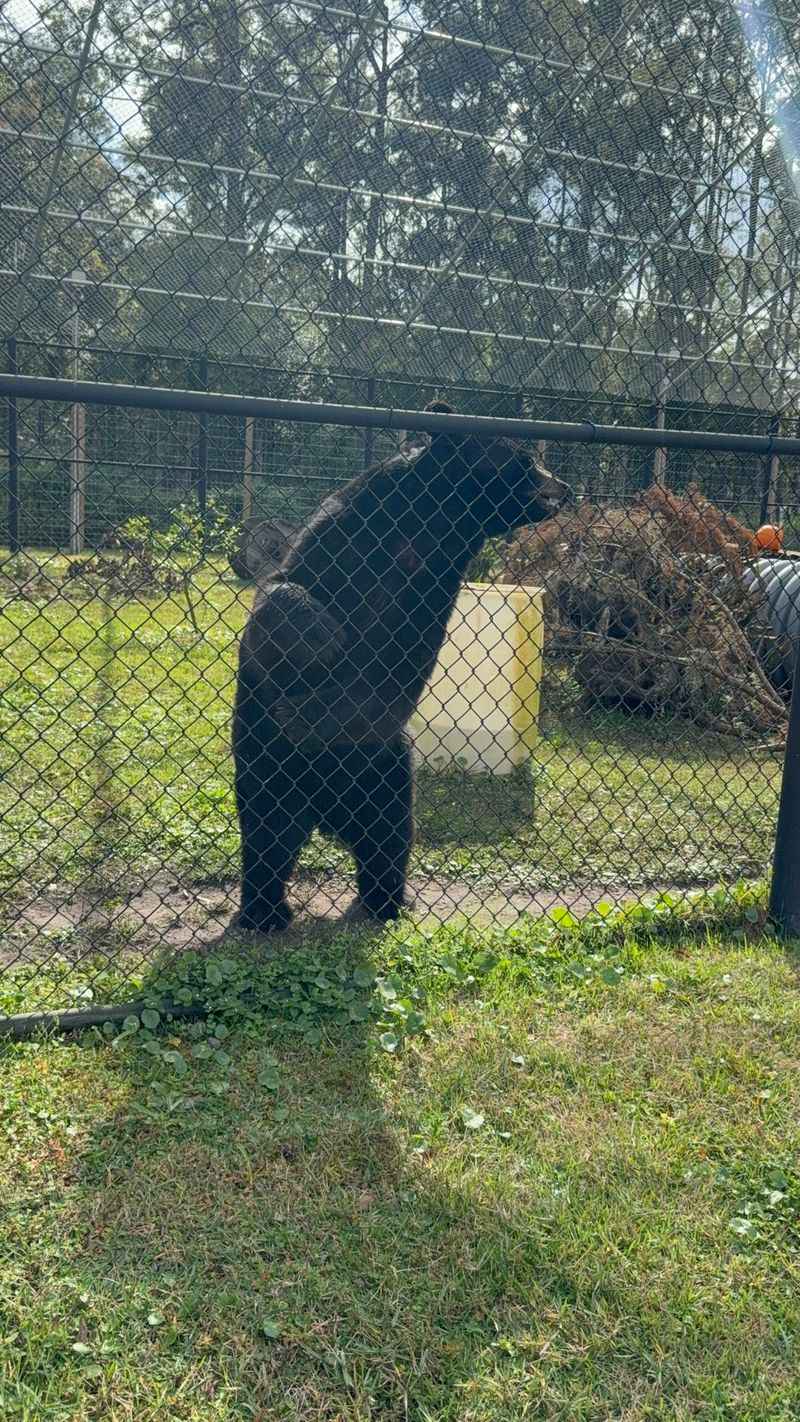
Lions and tigers and bears. Yes, the famous line actually applies here, because the sanctuary also cares for black bears.
A bear named Leo is one of the residents. Seeing a bear lumber around after a parade of cats feels like a delightful plot twist.
Black bears are another Florida native, though most folks only spot them crossing a rural road. Watching one relax in a safe, comfortable space is a much better way to meet one.
Now for the oddball. Coatimundis live here too, and if you’ve never heard of them, you’re not alone.
Coatis look a bit like a raccoon borrowed a pig’s snout and a monkey’s tail. They’re actually members of the raccoon family, native to the Americas, and endlessly busy.
An arctic fox also calls the ranch home. Spotting a snow-white fox in sunny Florida feels wonderfully out of place.
These surprise residents keep the visit from feeling repetitive. Just when you think you’ve got the place figured out, a long-nosed critter waddles past and resets your expectations.
Kids especially love this part. So do adults who secretly enjoy saying the word coatimundi out loud.
Guided Tours That Turn Empty-Looking Enclosures Into Stories
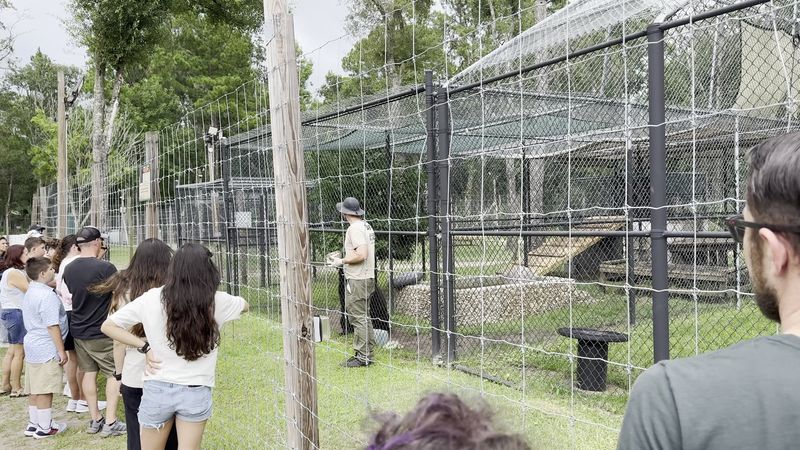
Some enclosures look empty at first. Give a guide five minutes, and that empty patch of shade suddenly reveals a very large, very real cat.
Guided tours run during regular hours, including a 2 p.m. option. They’re easily the best way to understand what you’re looking at.
Guides share each animal’s background, habits, and quirks. Many of them also help care for the residents, so the cats often stroll over when a familiar face appears.
That’s the real treat. Animals that ignored the walkway earlier may come out to greet their favorite people.
Nobody forces anything, though. A sanctuary exists for the animals, so the cats decide whether they’re in the mood to socialize.
Questions are welcome, and the guides seem happy to field a steady stream of them. Curious kids can fire away without anyone rolling their eyes.
Inside jokes about certain residents tend to pop up along the way. You’ll have to take the tour to get them, which feels like part of the fun.
Skip the tour, and you’ll still see plenty. Take it, and the whole place starts making sense.
The Night Feeding Everyone Talks About
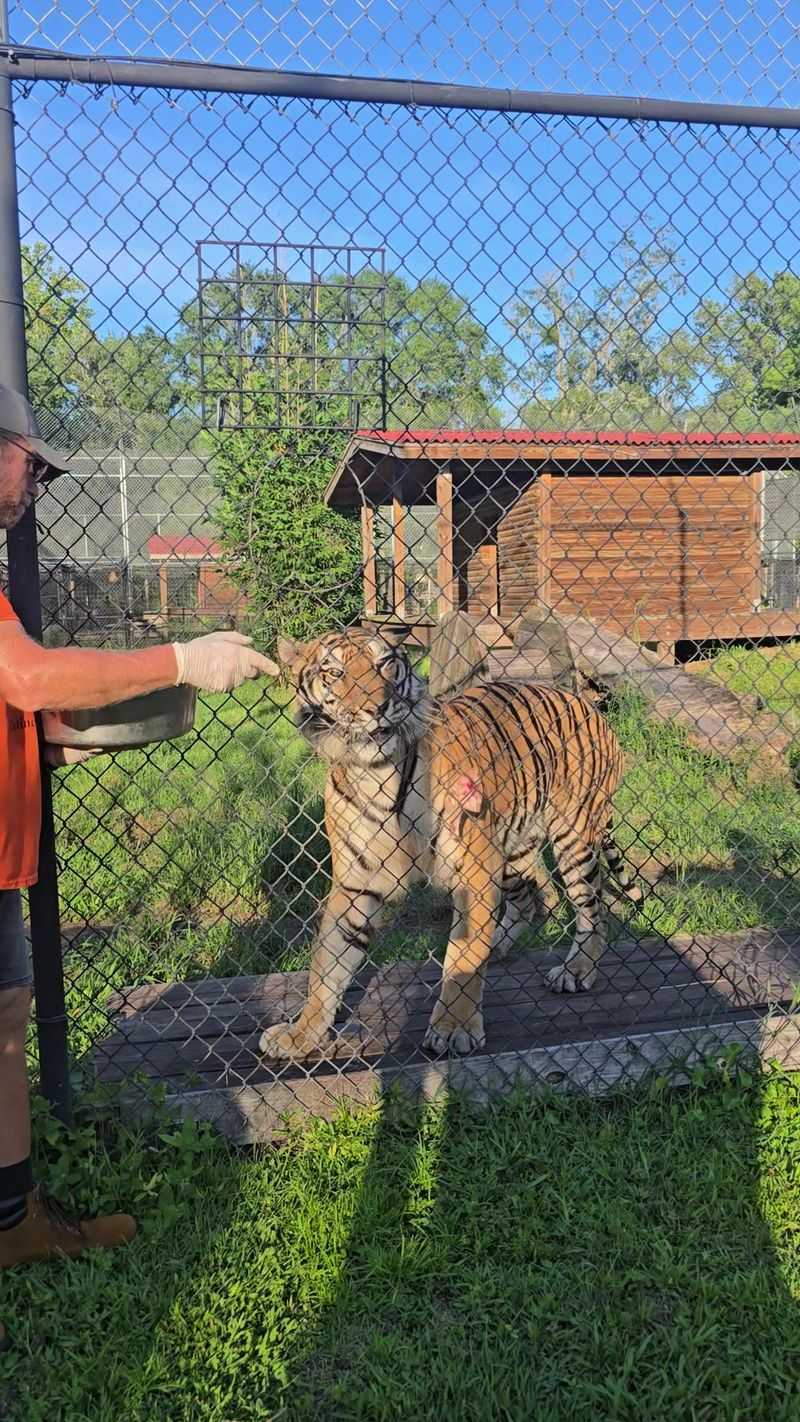
Daytime cats are sleepy cats. Show up in the evening, and the whole ranch wakes up.
The Catty Shack Ranch Wildlife Sanctuary hosts a popular night feeding on Wednesdays, Fridays, and Saturdays from 6 to 7:30 p.m. It’s the event that gets mentioned most when people talk about this place.
Timing makes all the difference. As the Florida heat eases, the big cats get up, move around, and pay close attention to what’s happening.
Dinner, of course, is the main event. Watching a tiger anticipate a meal shows a side of these animals you rarely catch at noon.
Expect more chuffing, more pacing, and more personality. The cats that dozed through the afternoon suddenly remember they’re apex predators with healthy appetites.
Staff and volunteers stay close by to answer questions and explain what’s going on. They seem genuinely excited to share the sanctuary’s work with an evening crowd.
It’s an all-ages outing, from toddlers to grandparents. Since schedules can shift, checking with the sanctuary before planning around it is a smart move.
If you only make one trip, this might be the one to choose. Your daytime visit will feel like the warm-up act.
Adopting a Cat Without Taking One Home
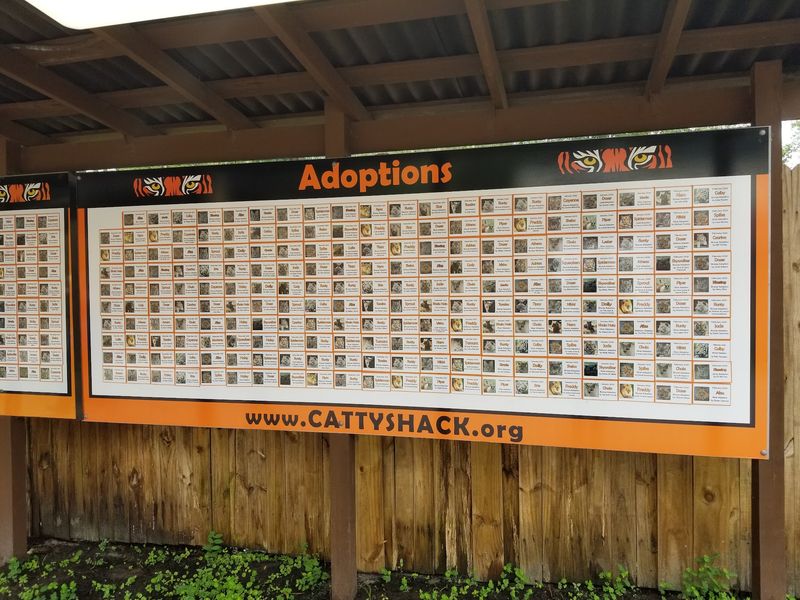
Good news for anyone who falls hard for a bobcat. You can adopt one without explaining a 30-pound wild cat to your landlord.
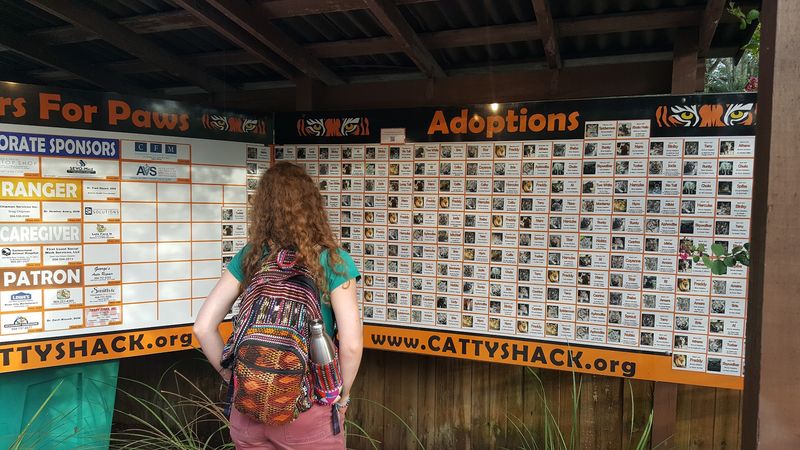
The sanctuary offers symbolic animal adoptions. It’s a fun way to support a specific resident while helping the nonprofit cover food and care.
Rascal the bobcat has fans who adopted him on the spot. An older resident affectionately called old man Spiderman has supporters too.
These adoptions turn a single visit into an ongoing connection. Suddenly you have a reason to check in on your cat and maybe plan a return trip.
The gift shop offers another way to chip in. Merchandise and cool gifts line the shelves, and every purchase helps the mission.
Snacks are available at reasonable prices as well. That’s a relief when little ones start getting hungry halfway through the walk.
Direct donations are always welcome, too. For a place running on community support, even small amounts go a long way.
It’s a pleasant way to leave with more than a souvenir. You walk out knowing a tiger, lion, or chunky bobcat eats a little better because you stopped by.
Who This Laid-Back Ranch Suits Best
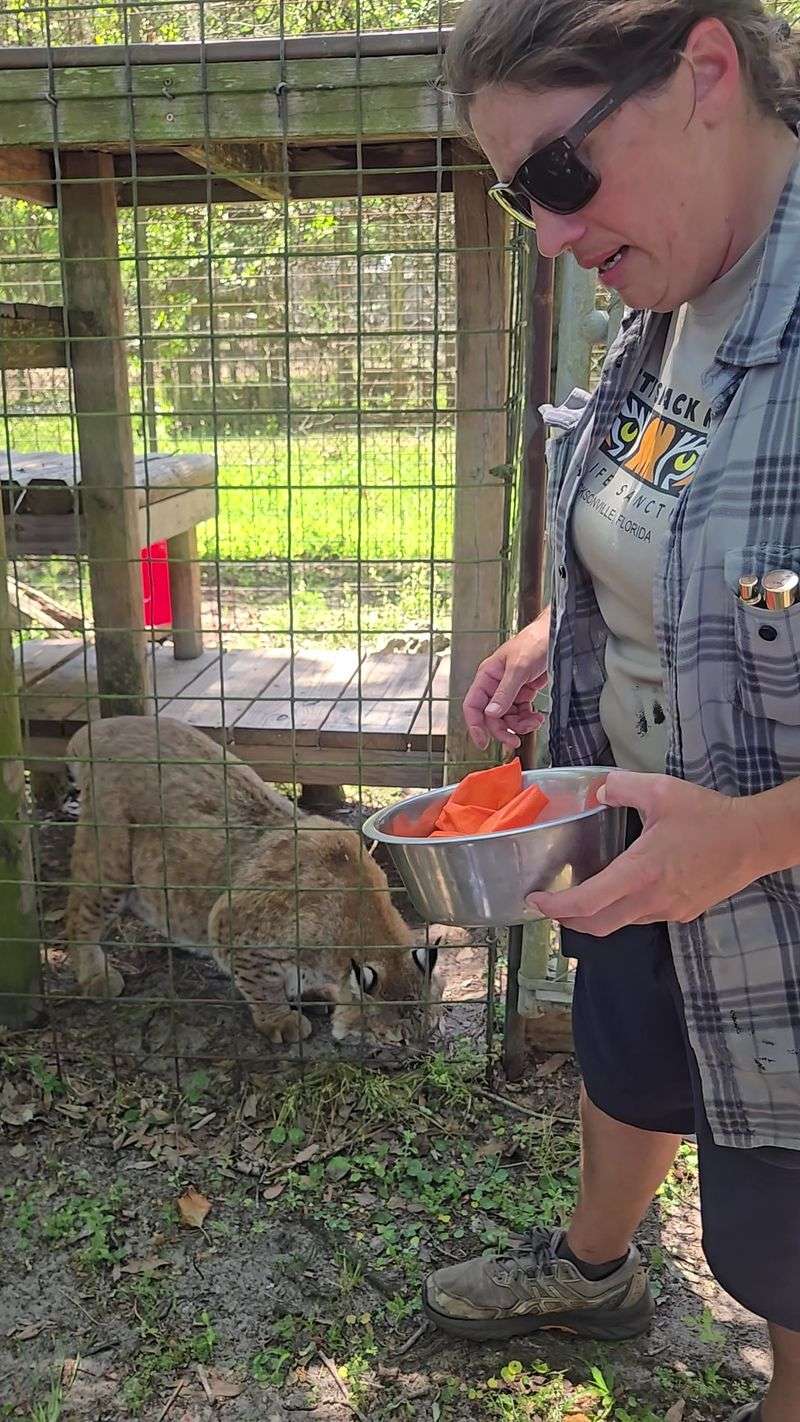
Families top the list, but they’re hardly alone. Babies in strollers and folks in their seventies share the same walkways here.
The paths aren’t paved, yet they’re flat and mostly compacted dirt. That makes the grounds manageable for most visitors, even those who prefer a gentle pace.
Plenty of shade covers the property, which matters a lot in Northeast Florida summers. Mosquitoes can show up, so the sanctuary keeps bug spray and sunscreen out for everyone, plus hand sanitizer.
A full walk-through takes around 30 to 40 minutes at a casual pace. Many people loop around more than once and stay an hour or longer.
Road-trippers will appreciate it as a stretch-your-legs stop. It’s far more memorable than another gas station snack break.
Schools and preschool groups visit for field trips, too. Teachers find the scheduling straightforward, and young students tend to be captivated by the guided safari-style talks.
Animal lovers who prefer sanctuaries over traditional zoos will feel right at home. The vibe is relaxed, the crowds stay manageable, and the focus never drifts from the animals themselves.
Basically, if you like cats, you’re the target audience.
Hours, Admission and Finding Starratt Road
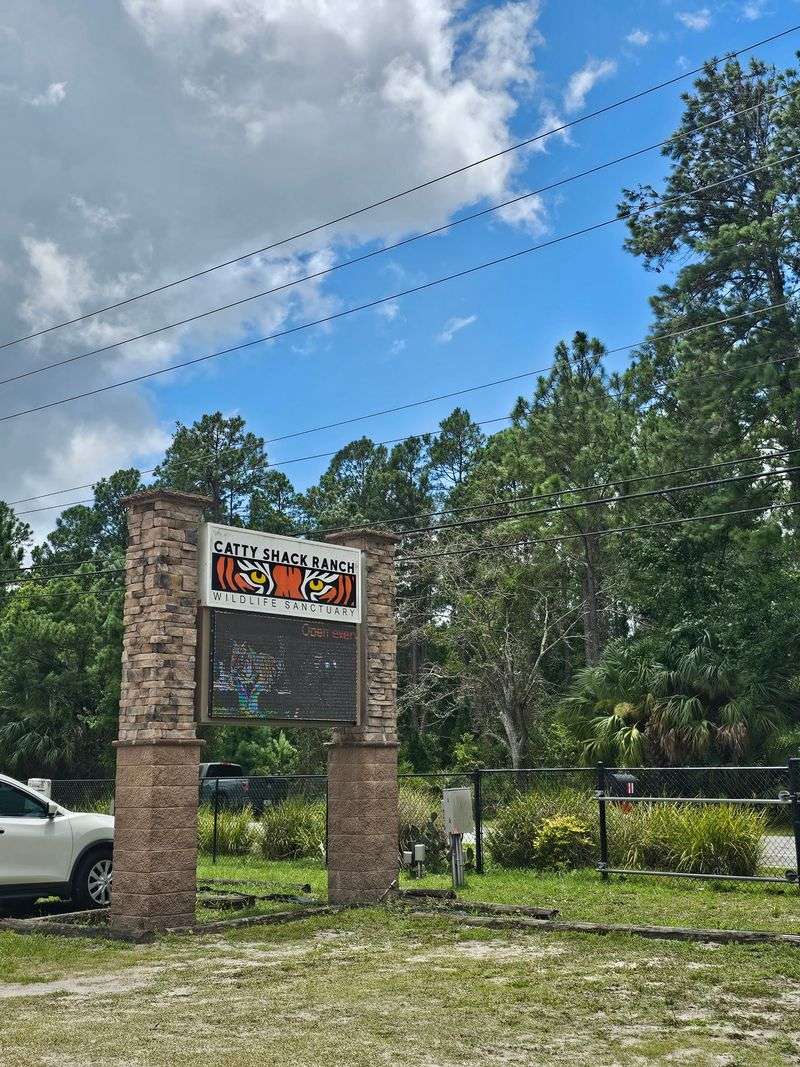
Mark your calendar for any day of the week. The Catty Shack Ranch Wildlife Sanctuary is open daily from 11 a.m. to 3 p.m.
That window is fairly short, so arriving early gives you room to linger. Catching the 2 p.m. guided tour is easy if you plan around it.
Admission is budget-friendly, especially compared with bigger attractions in the area. Many families who’ve tried both consider it one of the more affordable wildlife outings in Jacksonville.
The address is 1860 Starratt Rd, Jacksonville, FL 32226. It sits on the city’s north side, a short drive from Jacksonville International Airport.
Expect a neighborhood setting as you pull up. It may feel like you’ve made a wrong turn, but keep going.
Evening night feedings follow a separate schedule and pricing. Checking ahead keeps any surprises limited to the animals.
Dress for the weather and wear comfortable shoes for dirt paths. A water bottle is never a bad idea in Florida, no matter the season.
Winter and spring bring milder temperatures, which tend to make the cats a bit livelier during daytime hours. Summer visits work fine, too, thanks to all that shade.
A Quiet Little Ranch Worth Going Out of Your Way For
Big attractions shout for attention. This one just opens its gate and lets the tigers do the talking.
The Catty Shack Ranch Wildlife Sanctuary won’t wow you with rides or giant gift plazas. What it offers instead feels more personal and, honestly, more meaningful.
You get rescued cats with names and stories. You get close enough to hear a tiger chuff and watch a bobcat give you serious side-eye.
You also get the warm feeling of supporting a nonprofit that puts animals ahead of applause. That’s not something every outing can promise.
Is it a sprawling park? Not at all, and that’s part of the charm.
Its smaller size keeps things intimate and easy to handle with kids or grandparents. You can see everything without needing a map, a schedule, or a pair of running shoes.
For Florida residents who think they’ve seen every local attraction, this north Jacksonville refuge is a lovely surprise. For visitors passing through on I-95, it makes a wonderfully wild detour.
Go for the cats and stay for the stories. Just don’t be shocked if you leave having adopted a bobcat.
Share this story