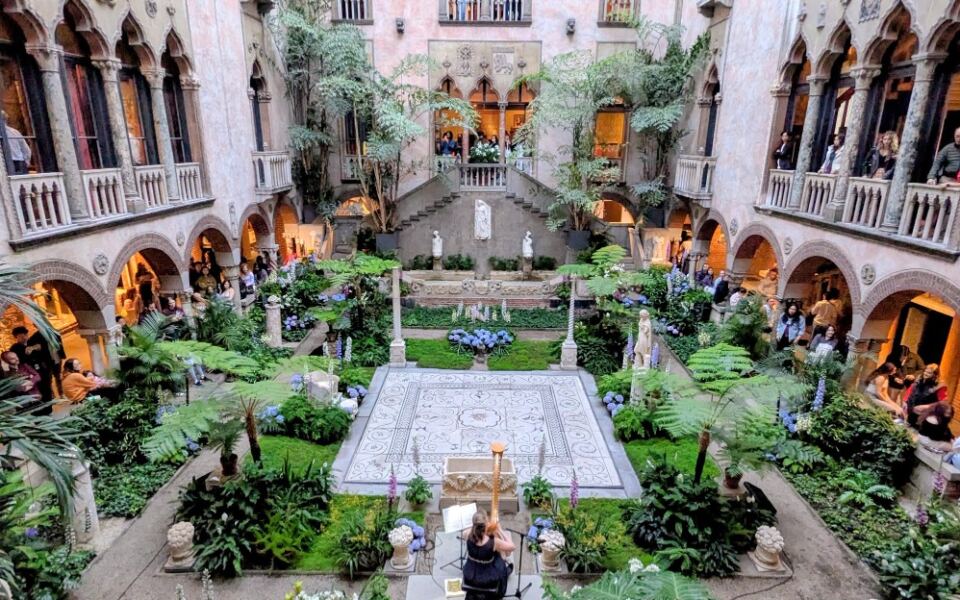
Every spring, a museum here hangs long ropes of orange nasturtiums from its balconies, and they spill down toward a glowing garden courtyard. That alone made me stop scrolling.
Flowers indoors, cascading like a curtain, inside an art museum? Yes, really.
The building feels like a Venetian palace, even though it sits in the middle of a busy Massachusetts city. There are no wall labels under the paintings.
Thirteen famous works vanished in a heist, and their empty frames still hang in place.
I like how this spot rewards anyone who slows down. You can wander three floors of treasures, then take a break at the in-house café nearby.
A cup of tea after all that beauty sounds about right to me.
So why do so many locals still drive past without stopping? I think it is time to change that.
A Venetian Palace Hiding in Plain Sight
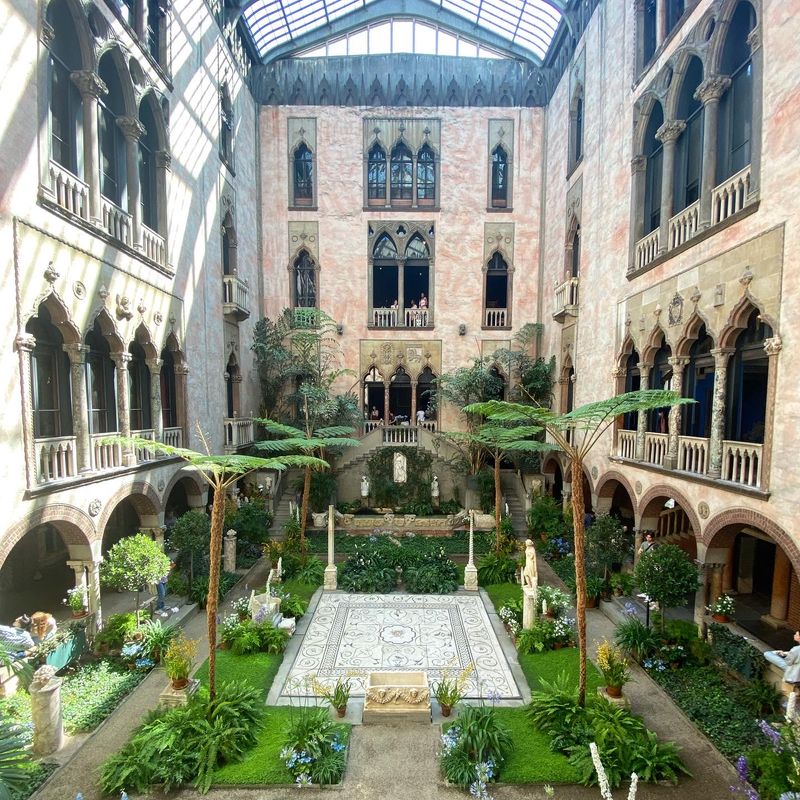
Boston is full of brick and brownstone, so a Venetian-style palace feels like a happy plot twist. The Isabella Stewart Gardner Museum was built to evoke a 15th-century palace in Venice, right in the heart of Massachusetts.
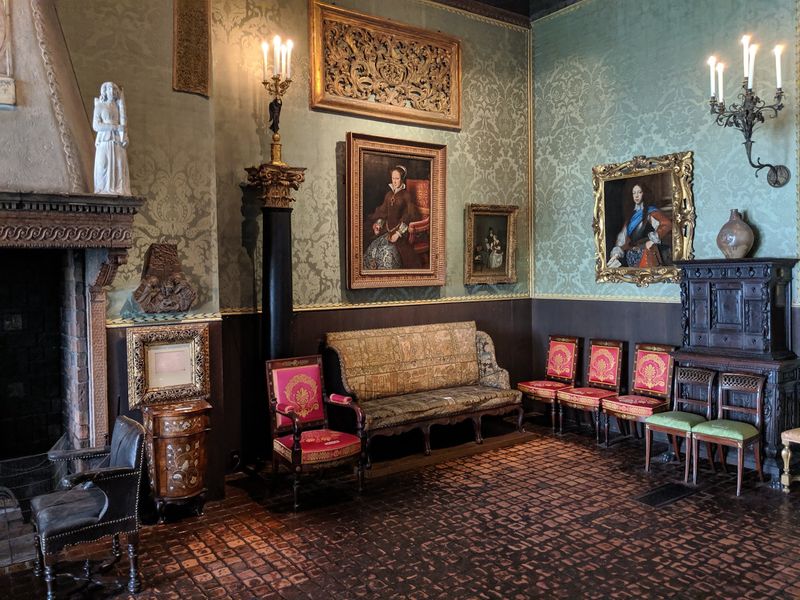
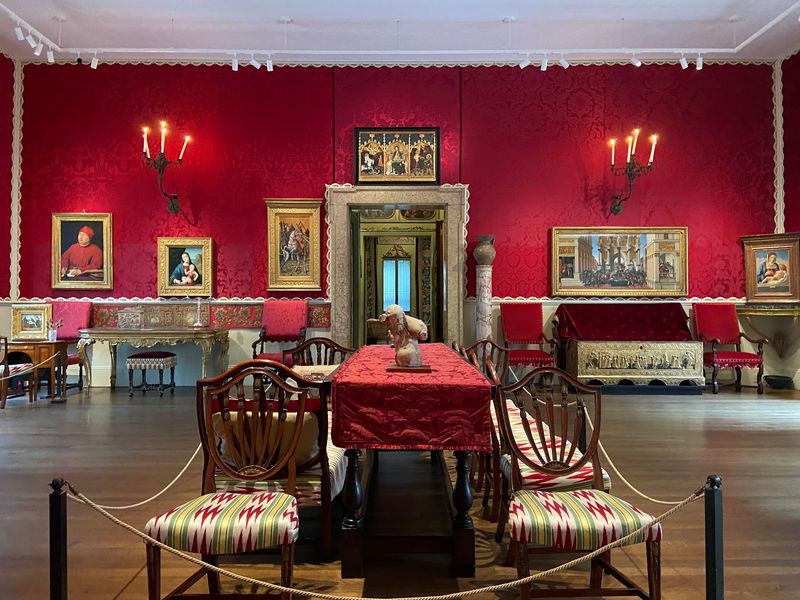
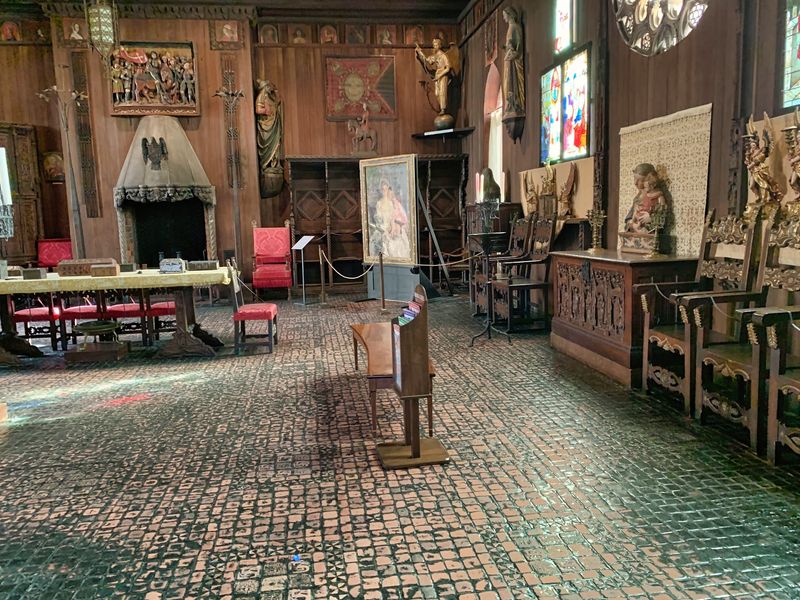
It holds a world-class art collection spread across three floors. Paintings, sculptures, tapestries, furniture, and letters share space in rooms that feel more like a home than a gallery.
That homey feeling is no accident. Isabella Stewart Gardner lived here and arranged the collection herself in the early 1900s.
Rooms don’t stick to one era or style, which can seem random at first. Give it a minute, and the mix starts to feel like a treasure hunt rather than a lecture.
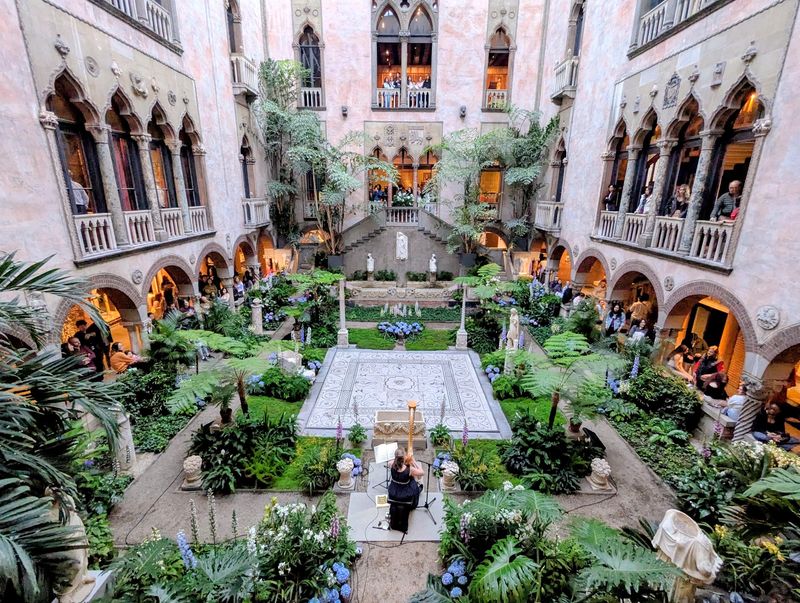
At the center of it all sits the famous courtyard. Sunlight pours in, plants fill every corner, and balconies look down from every floor.
It’s the kind of place that makes a regular Saturday feel like a trip abroad. Best of all, you don’t need a passport or a plane ticket to get there.
A subway ride or short drive will do the trick for most Massachusetts residents.
The Woman Who Wanted Everyone to Share Her Treasures
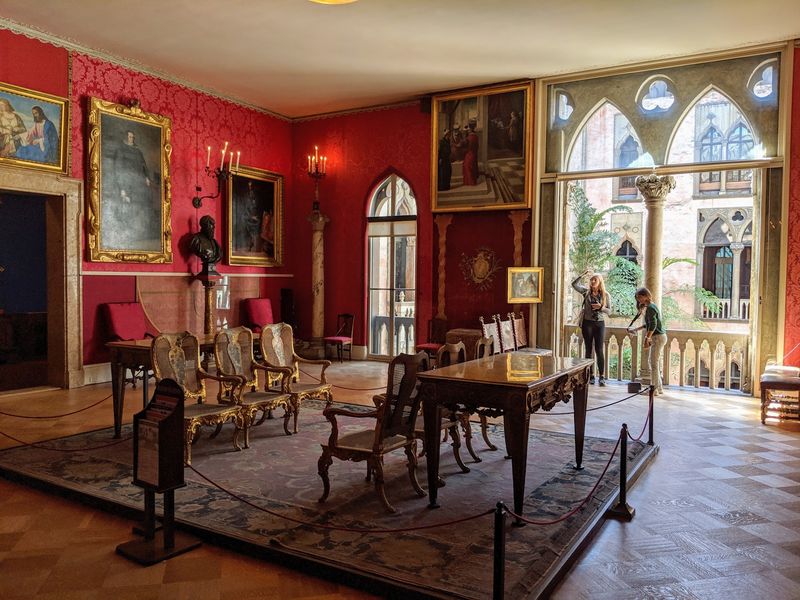
Isabella Stewart Gardner was a wealthy heiress with remarkably good taste. She collected art on a scale that still makes visitors wonder how one person managed it.
She also counted famous artists among her friends. The painter John Singer Sargent was one of them, and his work shows up throughout the museum.
Here’s a detail I love. Gardner left detailed instructions about how her home and collection should be displayed after she was gone.
Because of that, the rooms remain close to how she arranged them more than a hundred years ago. You’re seeing her vision, not a curator’s modern rearrangement.
She clearly had opinions about light, too. Many of her favorite pieces sit near the windows, so it pays to linger there and look closely.
Her goal was simple and generous. She wanted her collection and home to be enjoyed by the public, not locked away for a private few.
Standing in her rooms today feels a bit like being a guest at her house. Just a guest who can’t touch anything and has to leave by closing time, of course.
Courtyard Blooms That Steal the Whole Show
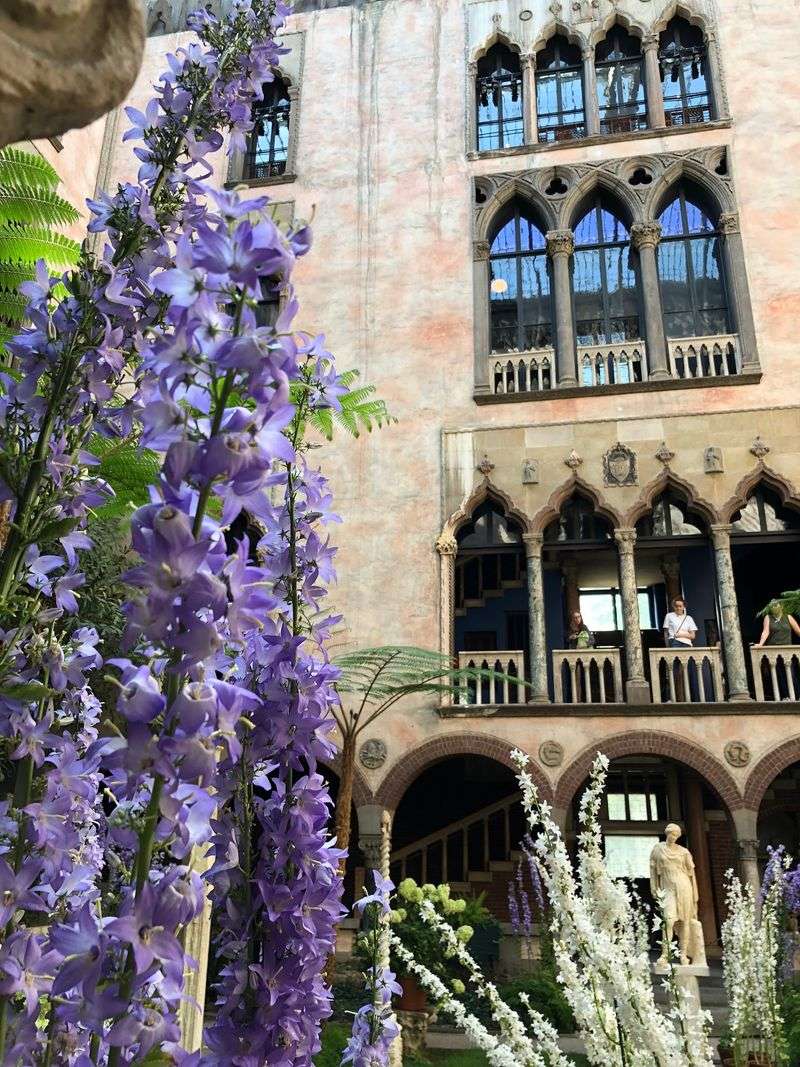
Ask anyone about their favorite part of this museum, and the courtyard usually wins. It’s a sunlit garden right in the middle of the building, surrounded by three floors of balconies.
Flowers and plants fill the space and change with the seasons. On some visits you might spot blue blossoms, while other times bring different colors entirely.
Spring brings the real showstopper. Long strands of Hanging Nasturtiums drape down from the upper windows, usually around late March.
They tumble toward the garden like bright orange waterfalls. Catching them is a seasonal goal for plenty of art lovers and garden fans alike.
The courtyard isn’t only about plants, either. Mosaics, sculptures, and architectural details appear all around, so your eyes never get bored.
Many people use the space as a calm indoor oasis for sketching or quiet reading. It’s easy to see why, especially on a gray New England afternoon.
For the best photos, try the top floor first. Looking down from above gives you the full layout of the blooms without a crowd in every shot.
Tea Time Between Masterpieces at the Museum Café
Three floors of art can make anyone’s feet ask for a break. Thankfully, the Isabella Stewart Gardner Museum has its own café on site, so you don’t have to leave to recharge.
That matters more than it sounds. Food and drinks aren’t allowed inside the galleries, so the café becomes your official pause button.
I like the idea of splitting a visit into two halves. Wander the upper floors first, stop for tea, then return to the courtyard with fresh eyes.
A warm cup feels especially right in fall and winter. Massachusetts weather can turn chilly fast, and a cozy break beats rushing back to the car.
Pairing tea with a garden visit also fits the museum’s whole mood. The place encourages slow looking, quiet talk, and noticing small details.
The café is a friendly spot for a casual catch-up, too. Bring a friend, a parent, or that relative who claims museums are boring.
Menus can change, so check what’s being served before you go. Either way, a sip-and-stroll afternoon here feels like a small luxury close to home.
Empty Frames and Boston’s Greatest Art Mystery
In 1990, thieves walked off with 13 works of art from this museum. The pieces included a Rembrandt and a Vermeer, and they’ve never been found.
The total value is often placed around 500 million dollars. It remains one of the most famous unsolved art thefts anywhere.
What happened next is the eerie part. Instead of filling the gaps, the museum kept the empty frames on the walls.
Gardner’s instructions called for her rooms to stay as she arranged them. So the frames hang there, quietly waiting for their paintings to come home.
Seeing them in person adds a mysterious layer to the visit. It’s one thing to read about the heist, and another to stand right where it happened.
Many visitors read up on the story before they go. Knowing the background makes every empty frame feel like a clue in a real-life puzzle.
Not everything was taken, of course. Thousands of works remain, including a Rembrandt self-portrait in the Dutch Room, so there’s still plenty to admire beyond the mystery.
Giant Paintings, Tiny Details, and No Wall Labels
Seven feet tall and eleven feet wide. That’s the size of El Jaleo, a massive painting by John Singer Sargent that truly needs to be seen in person.
It’s one of the museum’s best-known works. Its scale alone makes people stop in their tracks.
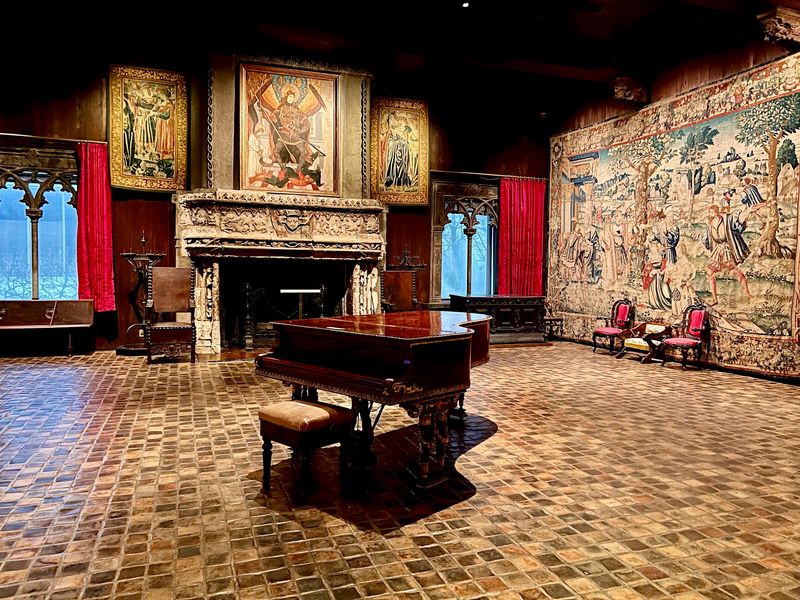
Elsewhere, the collection covers many centuries and cultures. You’ll find Titian, Rembrandt, tapestries, mosaics, and plenty of religious imagery.
Art turns up nearly everywhere. Look at the floors, the ceilings, the walls, and the courtyard, because each surface might hold something worth noticing.
One surprise catches first-timers off guard. There are no labels under the paintings, which keeps the rooms looking the way Gardner wanted.
Don’t worry about missing the details. Each room has a QR code, and scanning it pulls up an online guide on your phone.
An audio tour is also popular for people who like more background. Still, some folks love wandering without any guide at all, letting curiosity lead.
Fans of museums with less reading often enjoy this setup. You get to look first and learn second.
Perfect for Curious Minds, Less So for Strollers
Not an art expert? Good news, because you don’t need to be one here.
The museum feels approachable, even for people who normally find galleries dull. Rooms feel personal and intimate rather than vast and echoey.
History buffs, architecture lovers, and garden fans all find something to enjoy. It’s also a thoughtful pick for a date, a birthday outing, or a Mother’s Day treat.
Families should plan a bit more carefully. Many objects sit within arm’s reach, and three floors can be tricky with a stroller.
Kids who already love art or history may have a blast. Younger children who get restless might enjoy it more in a few years.
Accessibility is a strong point. The museum is wheelchair accessible, and necessary medical items can be brought in with a special label.
Medium and large bags go to the coat check, which is free. Free lockers are available too, so you can explore without lugging extra stuff around.
The overall mood is calm and peaceful. It’s a place that invites slow steps, soft voices, and lots of pointing at ceilings.
Smart Moves for a Smoother Visit
Timed tickets are the name of the game. The museum books entry by time slot to keep crowds manageable, so reserving ahead is a wise idea.
Popular slots can sell out fast. Weekend mornings and spring bloom season tend to fill up quickly.
Here’s a handy trick. Take the first slot of the day and head straight to the top floor.
Working from top to bottom often means fewer people around you. It also gives you crowd-free views of the courtyard from above.
Start with the short intro video if you can. It gives helpful context before you begin exploring the rooms.
Most people spend about two hours inside. Some could happily stay longer, but a couple of hours covers the highlights nicely.
Security staff gently manage the flow of people. If a room is too busy, they may direct you elsewhere for a few minutes.
Budget-minded Massachusetts residents should check their local library. Many libraries offer museum passes that can lower the cost a lot.
Also keep an eye out for room updates. The Dutch Room has been undergoing work, so some spaces may look different.
Hours, Directions, and the Thursday Night Bonus

Mark your calendar for a Thursday. The museum stays open from 11 AM to 9 PM that day, making it a great after-work outing.
Other days run on a shorter schedule. Monday, Wednesday, and Friday hours are 11 AM to 5 PM.
Weekends start a little earlier. Saturday and Sunday run from 10 AM to 5 PM, which gives morning people a head start.
Tuesdays are the one day to skip. The museum is closed, so plan around it.
You’ll find it at 25 Evans Way, Boston, MA 02115. It sits in the Fenway area, close to other big cultural stops.
Public transit makes life easy. The Green Line runs nearby, which saves you the hassle of city traffic.
Driving is possible too. There’s no on-site lot, but a nearby college parking garage is just across the street.
That garage can be pricey. The good news is the museum can validate parking, so ask at the desk.
Got energy left? An early start leaves time to visit the Museum of Fine Arts nearby on the same day.
Why This Courtyard Deserves a Spot on Your Fall List

Some outings feel like errands, and some feel like small escapes. The Isabella Stewart Gardner Museum lands firmly in the escape category.
Where else in Massachusetts can you see a giant Sargent painting, a centuries-old tapestry, and a famous mystery in one afternoon? Add a garden courtyard and a café break, and the day nearly plans itself.
Fall makes an especially good time to go. When the air turns crisp, a sunny indoor garden feels like a warm secret.
It’s also an easy trip for most locals. No long drive, no overnight bags, and library passes can help keep costs friendly.
The gift shop deserves a peek before you leave. Books, cards, music boxes, and collectibles make nice souvenirs or early holiday gifts.
I believe this museum works best when you treat it like a slow visit with a friend. Wander, sip some tea, and let the courtyard work its magic.
Then go home and tell someone about it. Chances are they’ve driven past a hundred times and never stepped inside.
Share this story