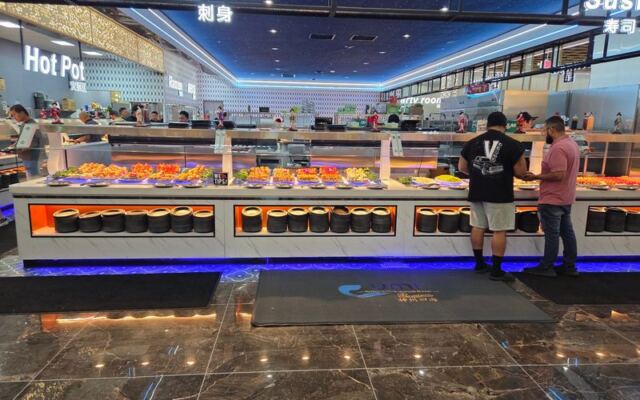
Some dinners start with a menu. This one starts with a QR code, a spot on a wait-list, and a plan to clear a full plate of snow crab legs before anyone at the table says a word.
In Tempe, a newer seafood buffet has turned an ordinary weeknight meal into a small event, with families, couples, and crab fans lining up for a seat. The draw is not just the crab.
There is a sushi bar that feels closer to a restaurant than a buffet, hot pot at the table, ramen, a barbecue station, roasted duck, and even a real pastry spread. Keep reading for the full story, including how the wait-list works, what lunch and dinner cost, the extra fee that surprises first-timers, and the best times to show up hungry.
A Seafood Spread on South Priest Drive
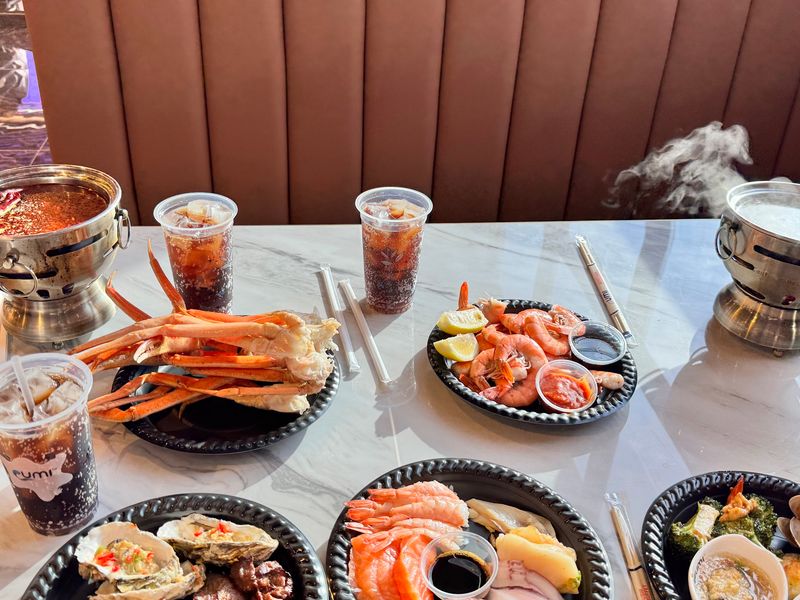
Tucked into a plaza at 7810 S Priest Dr #101, Tempe, AZ 85284, Umi Hot Pot Sushi & Seafood Buffet sits in the southern stretch of Tempe, Arizona, in the United States.
From the outside, it looks like a tidy suburban storefront. Inside, it is an all-you-can-eat operation that rolls seafood, sushi, hot pot, and much more into one ticket price.
The restaurant is listed as a buffet, but that label sells it short. Guests can wander between a sushi bar, a seafood boil section, a ramen station, a barbecue area, hot dishes, desserts, and a drink corner stocked with imported options.
The location works well for Tempe locals and for folks driving in from Chandler or Phoenix. With a 4.6-star standing across more than 2,200 opinions online, the place has quickly earned a spot on plenty of weekend plans.
So how does a seat actually get claimed here? That part comes with its own little system.
The QR Code Wait-List Routine

Forget the clipboard. At the front of the restaurant, a QR code lets guests add their names to the wait-list from their phones.
Once the turn comes up, the routine is simple. Walk to the host stand, show the code, and get seated.
Wait times swing a lot depending on the hour. One noon arrival came with a 45-minute wait, which many crab lovers would call a fair trade.
On the other hand, a Monday visit just after 4 p.m. came with no wait at all and an immediate seat.
That gap is a useful clue. Weekday afternoons seem to be the sweet spot for skipping the line, while lunch rush and busy evenings can stack up.
The system also keeps the entrance from turning into a crowded lobby. People can step outside, scroll their phones, or browse nearby shops while they wait.
Patience pays off, because the next stop is the crab.
Snow Crab Legs, the Headliner
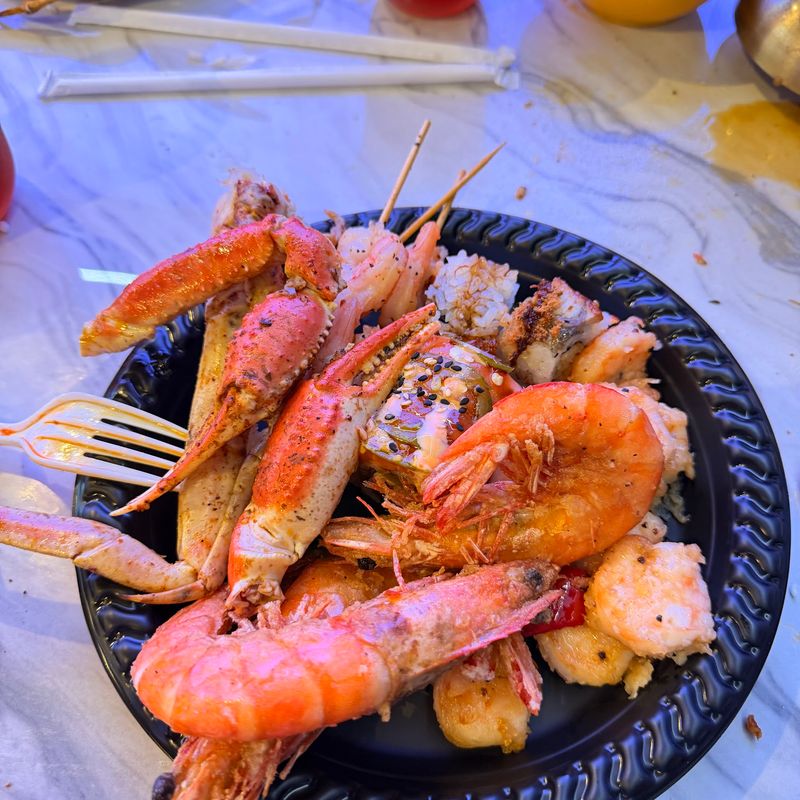
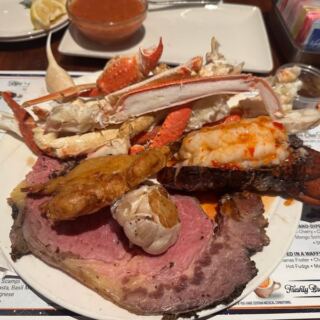
Ask the regulars what disappears fastest, and the answer is easy. Snow crab legs are the item people keep circling back for, plate after plate.
Families report that the crab is what everyone at the table returns to, with kids content and adults suddenly quiet because they are too busy cracking shells.
One couple’s first move on a Monday afternoon tells the story well. Before even sitting down properly, a husband headed to the buffet and came back with a big plate of snow crab legs for his wife, which were called super fresh.
Staff also clear the shell-covered plates quickly, so the table does not turn into a crab graveyard of empty legs. That helps the second and third rounds feel just as fresh as the first.
Crab fans tend to plan their whole visit around this station. Still, skipping the rest of the spread would be a real missed opportunity, as the sushi bar proves.
Sushi That Breaks the Buffet Mold
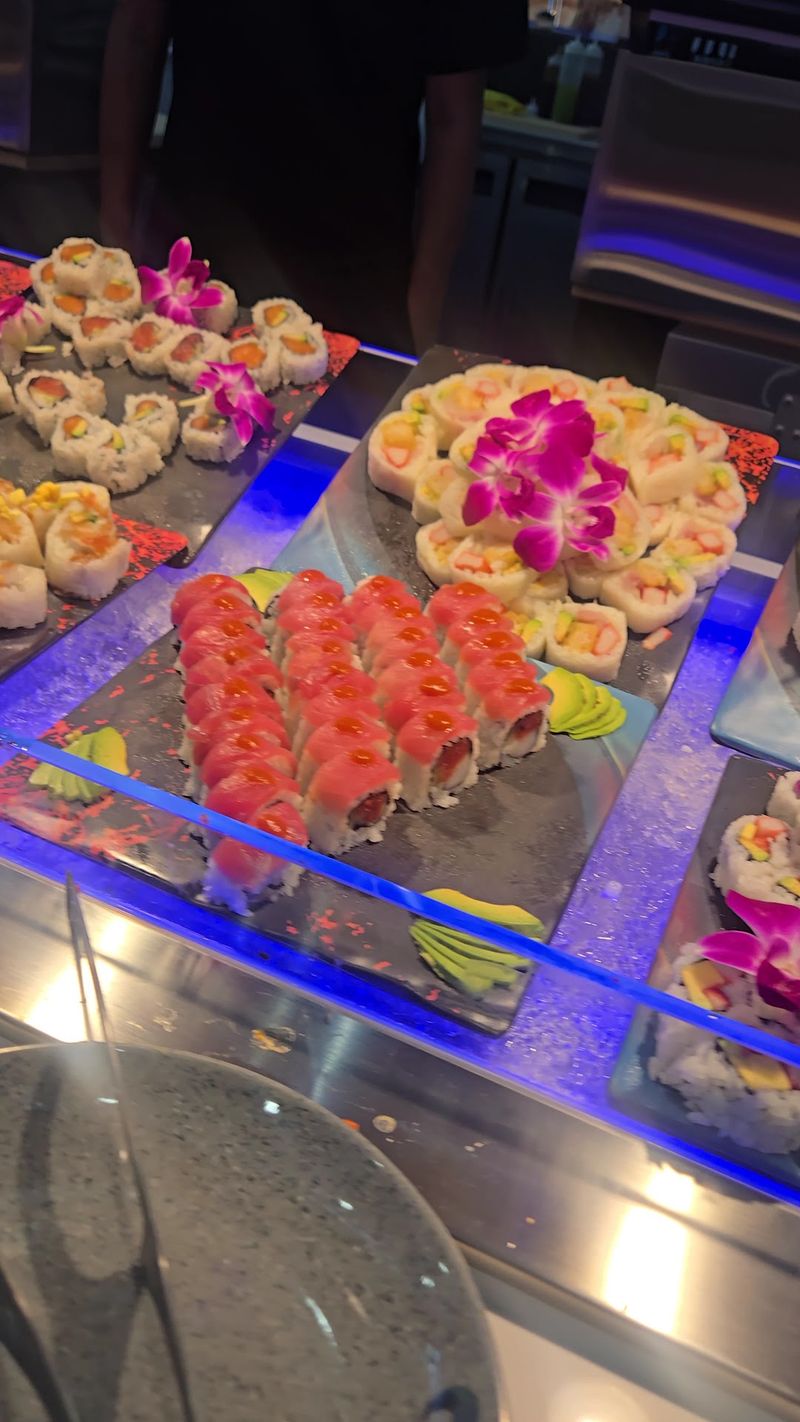
Buffet sushi usually comes with low expectations. Here, the sushi bar is one of the biggest surprises in the building.
Many guests describe both the rolls and the nigiri as restaurant quality rather than typical buffet fare. The selection is wide, and sashimi options sit right alongside the rolls for anyone who prefers their fish straight up.
There is also a build-your-own angle. Ingredients are set out so diners can mix and match toppings and fillings to their liking.
Not everyone is wowed, to be fair. A few diners have found the sushi simply average, so tastes clearly differ.
Sashimi ranks among the most talked-about items at the restaurant, which says a lot about how often people load up on it. Salmon in particular gets steady praise.
For first-timers, a small sampler plate is a smart opening move. It leaves room for everything waiting in the seafood boil section.
Lobster, Crawfish, and the Seafood Boil Corner
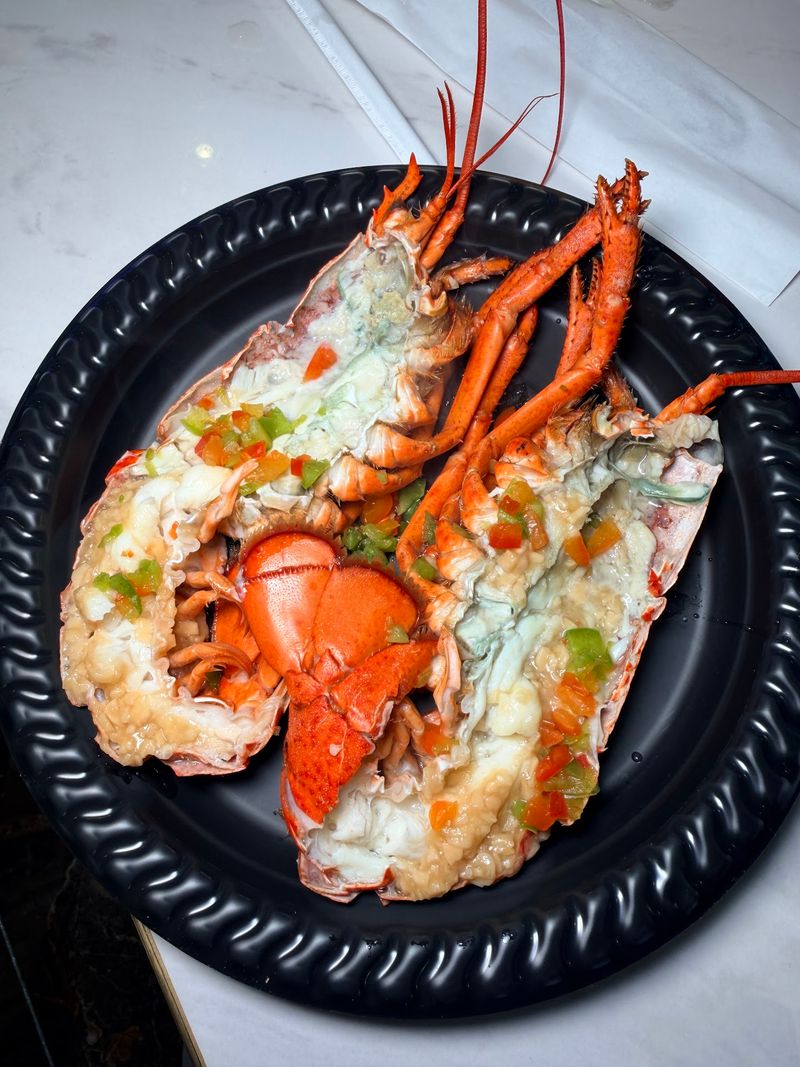
Lobster is the single most mentioned item tied to this buffet, and that alone tells you how much attention the seafood section draws.
The seafood boil area holds lobster claws, half lobsters, crawfish, mussels, and shrimp. Beyond that, the wider spread includes abalone, whelk, and frog legs for the more adventurous plate builders.
Coconut shrimp is another favorite that shows up often in conversation. Salmon, mussels, and crawfish all earn kind words too.
Opinions on the boil are not unanimous. Some diners found certain items overcooked or a bit dry, while still enjoying the snow crab and lobster claws.
Portions on the seafood are small per serving. Since it is all you can eat, most guests shrug and go back for seconds.
The key strategy is pacing. Grab a little at a time, keep tasting, and save energy for the steaming pots coming up next.
Hot Pot Right at the Table
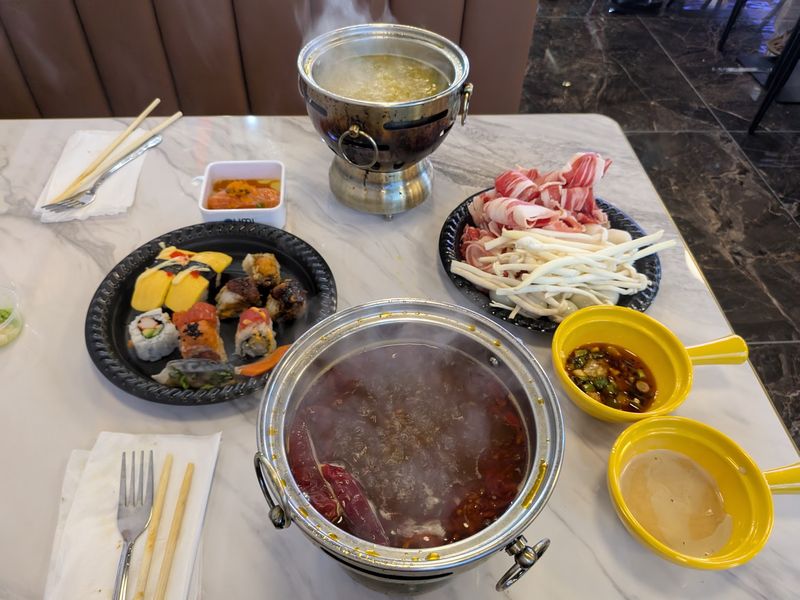
Half the fun of the name is the hot pot. Servers ask early whether a table wants it, then walk guests through the different broth options.
From there, diners head to the buffet and gather vegetables and other ingredients to cook in their own pot. It turns dinner into a hands-on activity, which is great for groups who like to linger.
The ingredient selection gets solid marks overall. One guest wished for bean sprouts but still called the lineup good.
A practical tip for anyone sensitive to smells: the pots use small chafing dish fuel cans, which give off a noticeable odor. Asking for extra table room or sliding the pot to the far side can help.
On packed nights, hot pot availability has occasionally been an issue. Asking about it right away is a smart move.
Once the broth is bubbling, the rest of the hot food line keeps calling.
Ramen, Duck, and a Barbecue Station
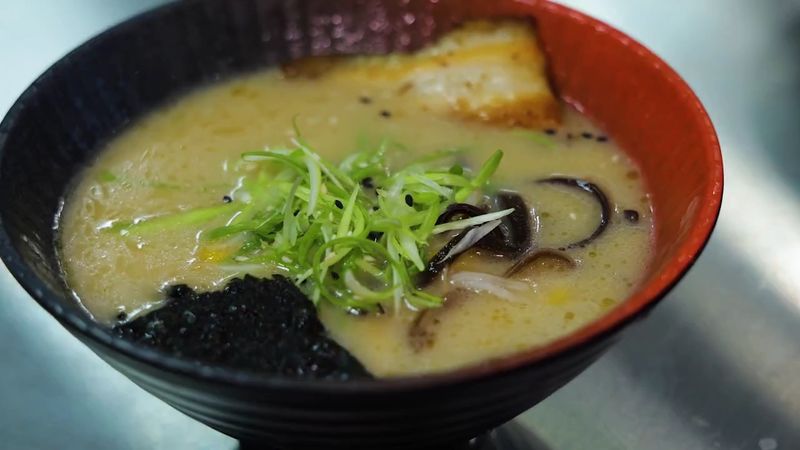
Not every plate has to come from the ocean. Ramen is one of the most talked-about stops in the whole restaurant, with a station dedicated to it.
Nearby, a barbecue area adds another option for anyone wanting grilled bites between seafood rounds.
Roasted duck and braised pork belly show up again and again as standouts. Several diners name the duck and pork belly right alongside the crab as their favorites of the night.
The hot line also stretches to familiar comfort picks like chow mein and pineapple sticky rice. That mix means picky eaters and curious eaters can both fill a plate without much trouble.
Some people mention filler items in the spread, which is normal for any large buffet. Focusing on the specialty dishes is the best way to get your money’s worth.
After all that, the question becomes whether there is room left for dessert.
A Genuine Pastry Buffet and Dragon Fruit
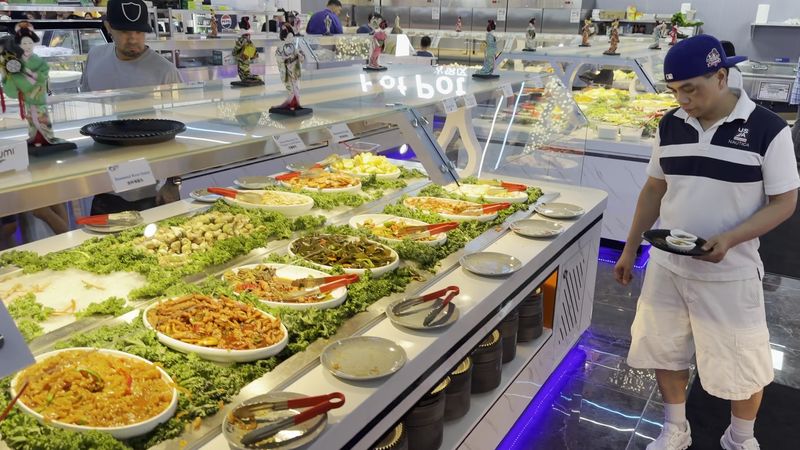
Plenty of buffets offer a sad tray of cookies and call it dessert. This one has what diners call a legitimate pastry buffet, which is rare enough to get people talking.
The dessert options are wide, and more than one guest has admitted to running out of stomach space before reaching them.
Then there is the fruit. The fresh fruit selection is praised as outstanding, and it includes dragon fruit, something even seasoned buffet fans say they rarely see in the United States.
A good game plan helps here. Saving a final lap just for sweets keeps the meal from ending on a full-but-regretful note.
Kids especially tend to treat this section as the grand finale. Adults are not far behind.
Of course, all that eating calls for something to wash it down, and the drink setup brings a twist of its own.
Milk Teas and Imported Sodas
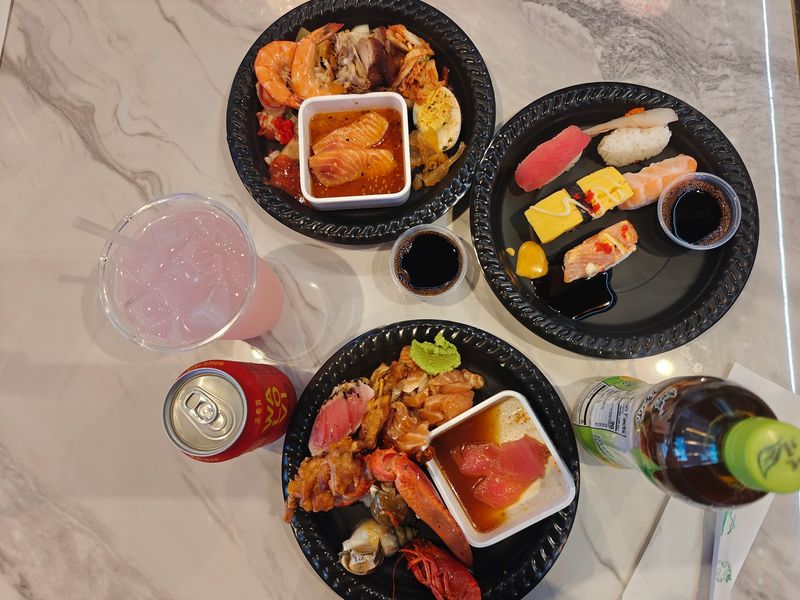
Drinks are unlimited, and the lineup goes beyond the usual. Servers bring Pepsi products to the table, while a self-serve area offers milk teas, foreign sodas, and juices.
The selection includes taro drinks, various teas, and bottled iced teas. Many are beverages typically found across Asia.
One guest who had last tasted some of these drinks while traveling in Japan and Thailand was thrilled to spot them in Tempe. That kind of reaction is common among people who know the brands.
For first-timers, the drink corner is a fun place to experiment. Trying a new soda or tea costs nothing extra, since it is all included.
Refills at the table are usually prompt. On busier shifts, a few guests have had to flag down a second server, so speaking up early helps.
Drinks in hand, it is worth looking around the room itself.
Bright Rooms and Jazzy Pop Covers
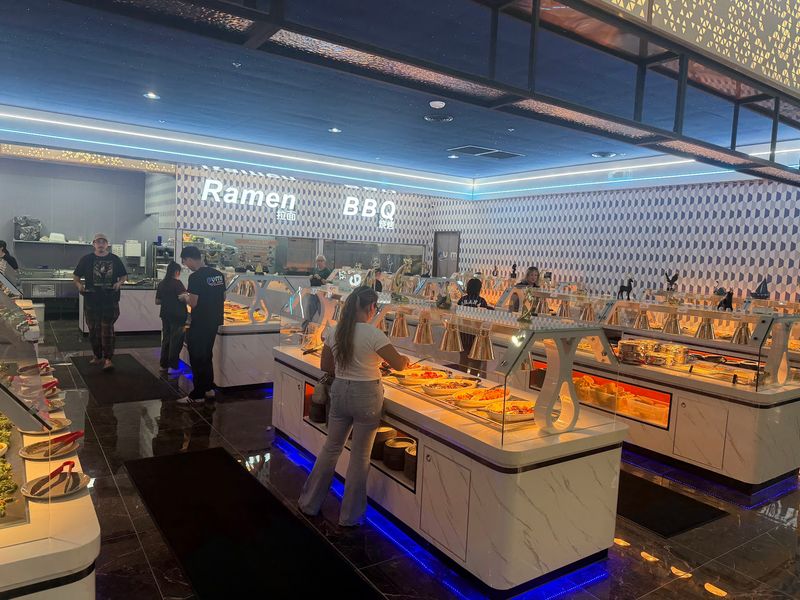
Cleanliness is the compliment that comes up most often, and it covers everything from the dining room to the restrooms.
Diners describe the space as bright and well decorated, with nice signs and organized food displays. One guest even called the restroom one of the cleanest they had seen in any restaurant.
The soundtrack is a quiet surprise. Jazzy covers of pop songs and some oldies play in the background, which keeps the mood calm instead of hectic.
Staff walk the line constantly to refill trays, so stations rarely sit empty. That steady upkeep is a big reason the room feels orderly even when it gets busy.
The overall look reminds some guests of a high-end Las Vegas buffet. Others simply appreciate that it does not feel chaotic.
All that polish makes it a natural fit for certain kinds of gatherings, as the next section shows.
Birthdays, Anniversaries, and Family Nights
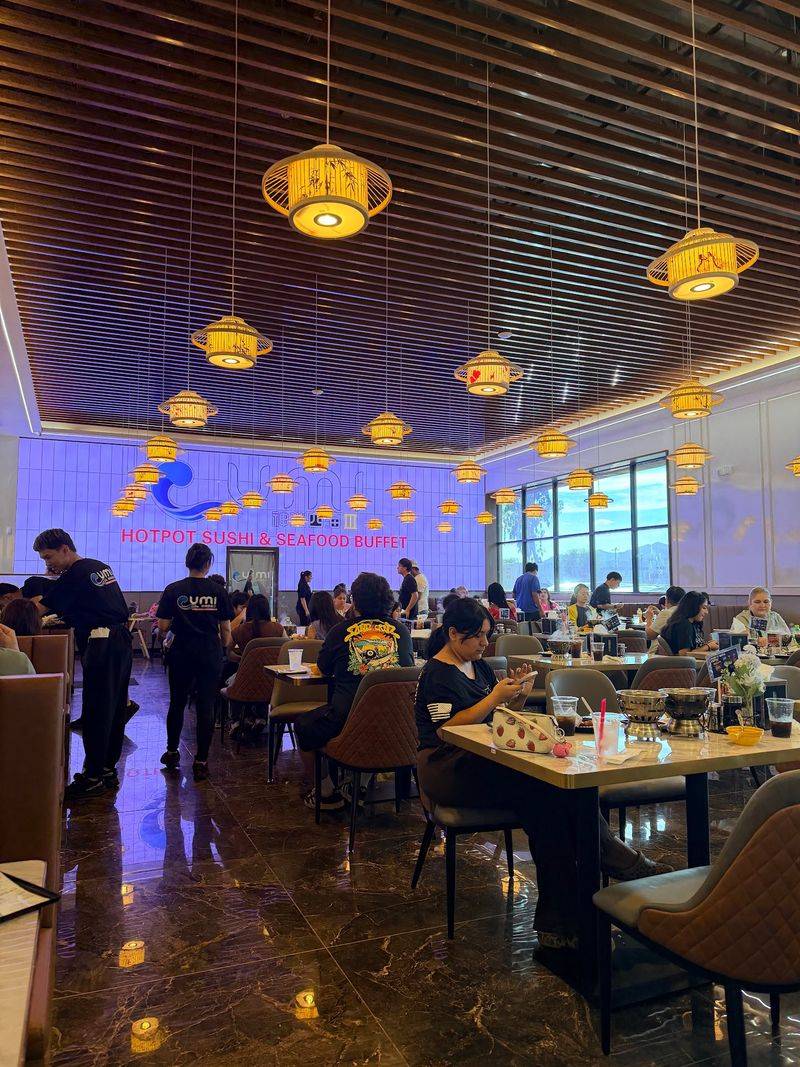
Celebrations get a little spotlight here. For birthdays, staff play a song and bring out an LED light board that says happy birthday.
Couples have marked anniversaries at the restaurant, and many families call it one of the easiest group dinners they have planned in a while. With so much variety, nobody has to compromise.
Kids tend to stay happy, which parents count as a major win. Grandparents and picky eaters can stick to familiar dishes while crab fans roam free.
Hot pot also makes larger tables more interactive. Groups can cook together, chat, and graze for a long stretch.
The service generally gets warm marks, with attentive servers and a welcoming general manager mentioned by name in local praise. On packed nights, things can slow down a bit.
Planning a celebration means knowing the numbers first, and the bill has a detail worth spotting ahead of time.
Hours, Prices, and the Verdict
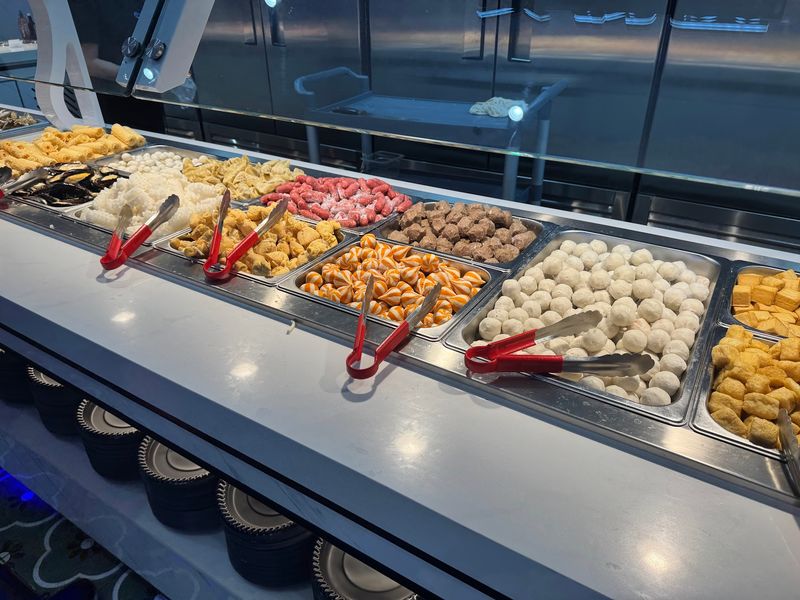
Doors open at 11 a.m. every day. Sunday through Thursday, the buffet closes at 10 p.m., and on Friday and Saturday it stays open until 11 p.m.
Lunch runs until 3 p.m. at $25.99 per person, while dinner is $40 per person.
Here is the detail that catches people off guard. A 12% service charge is added as a built-in tip, which brings dinner closer to $50 per person.
Paying in cash has earned some diners a 5% discount.
For the shortest wait, aim for a weekday afternoon. Midday weekends can mean a line.
So is it worth it? For snow crab fans, sushi lovers, and families who want variety without fuss, the answer leans strongly toward yes.
A few service hiccups and mixed seafood opinions exist, but the overall picture is bright. Scan the code, grab a plate, and let the crab pile begin.
Share this story