A bald eagle splashing around in its own bird bath is a real thing you can see in Minnesota. I can’t imagine a better reason to clear a weekend afternoon.
The spot behind that scene is not a zoo or a big theme park. It’s a working bird hospital where injured hawks, owls, and eagles get patched up and, when possible, sent back to the sky.
One rescued red-tailed hawk recently went home soaring.
I like how the place lets regular folks in on the work. Volunteers and naturalists walk small groups past birds that can’t be released, sharing stories and answering every question.
Kids learn what a turkey vulture eats, and grown-ups learn just as much.
So how does a quiet corner of the Twin Cities end up caring for some of the most powerful birds in North America? Let’s find out together.
A Bird Hospital Hiding on a College Campus
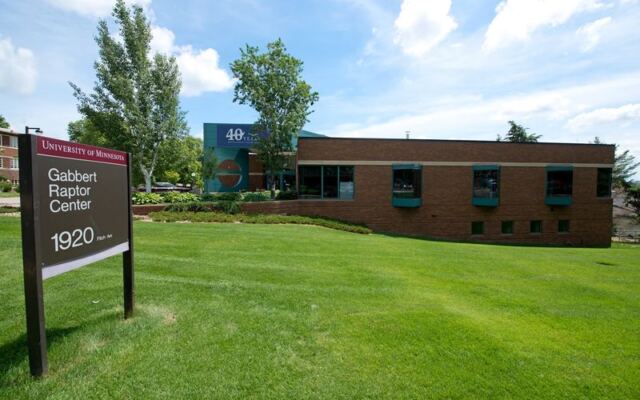
Few people expect to find eagles on a university campus. The Gabbert Raptor Center sits right there in St. Paul, connected to the University of Minnesota.
Officially it’s listed as a wildlife rescue service, and that label fits. Injured birds of prey come here for medical care, and the public gets a chance to learn along the way.
The building at the heart of it all is easy to reach from anywhere in the Twin Cities. You don’t need a long road trip to stand a few feet from a great horned owl.
That alone makes it a fun Minnesota win.
Inside, the focus stays on two big jobs. First comes rehabilitation, which means treating hurt raptors so they can fly free again.
Second comes education, which means teaching visitors why these birds matter.
Both jobs happen under one roof, and visitors can see a slice of each. It’s part clinic, part classroom, and part bird lover’s dream.
For a state that adores its wild places, having this kind of center so close to home feels like a real treat worth bragging about.
Second Chances That End in Open Sky
Recovery is the whole point here. A hawk that arrives hurt may leave months later strong enough to hunt on its own again.
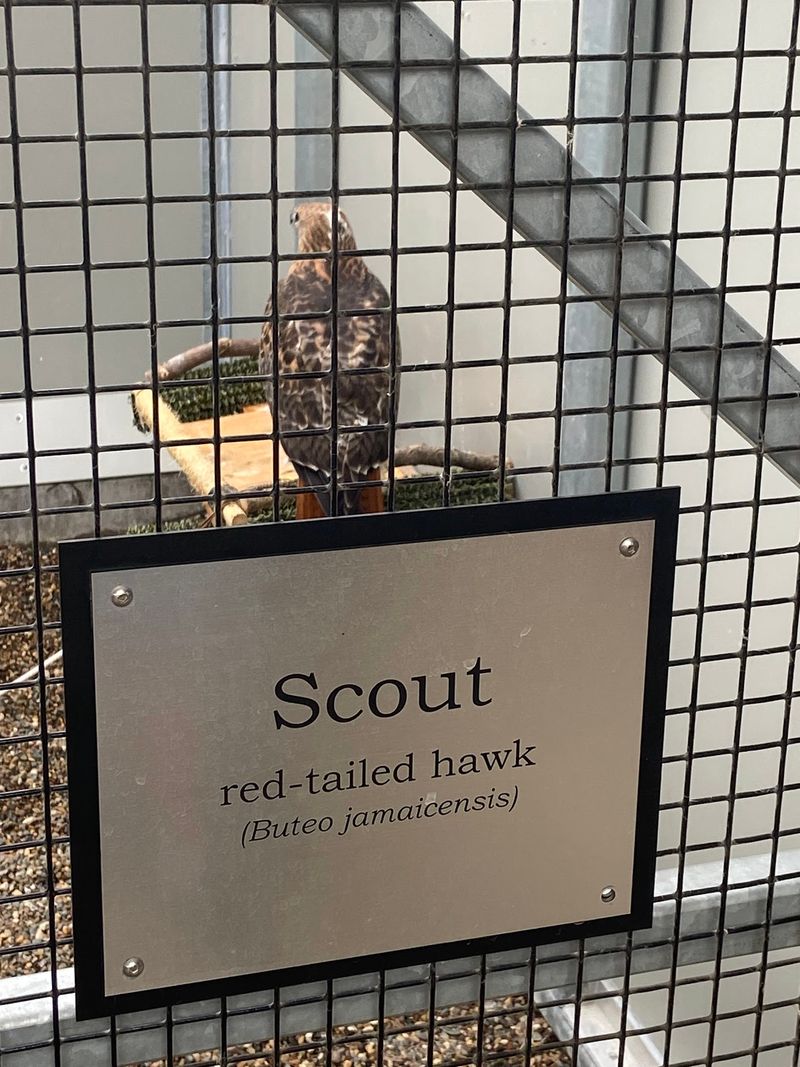
One recent success story involved a red-tailed hawk. After time as a patient at the center, the bird was released and went soaring back into the sky.
That’s the kind of ending everyone here works toward.
Raptor rehabilitation takes patience and skill. Staff and trained volunteers handle feeding, medical treatment, and careful monitoring until a bird is ready.
Every step is aimed at getting that bird back where it belongs.
The center’s reputation stretches far beyond Minnesota. People who work with raptors in other countries, including Brazil, have traveled here for training courses.
That says a lot about the knowledge packed into this St. Paul building.
Not every bird can return to the wild, of course. Some injuries are permanent, and those birds may find a different role.
But when a release does happen, it’s a pure joy. A bald eagle or hawk flapping off into open air is about as good as a second chance gets.
Feathered Ambassadors With Big Personalities
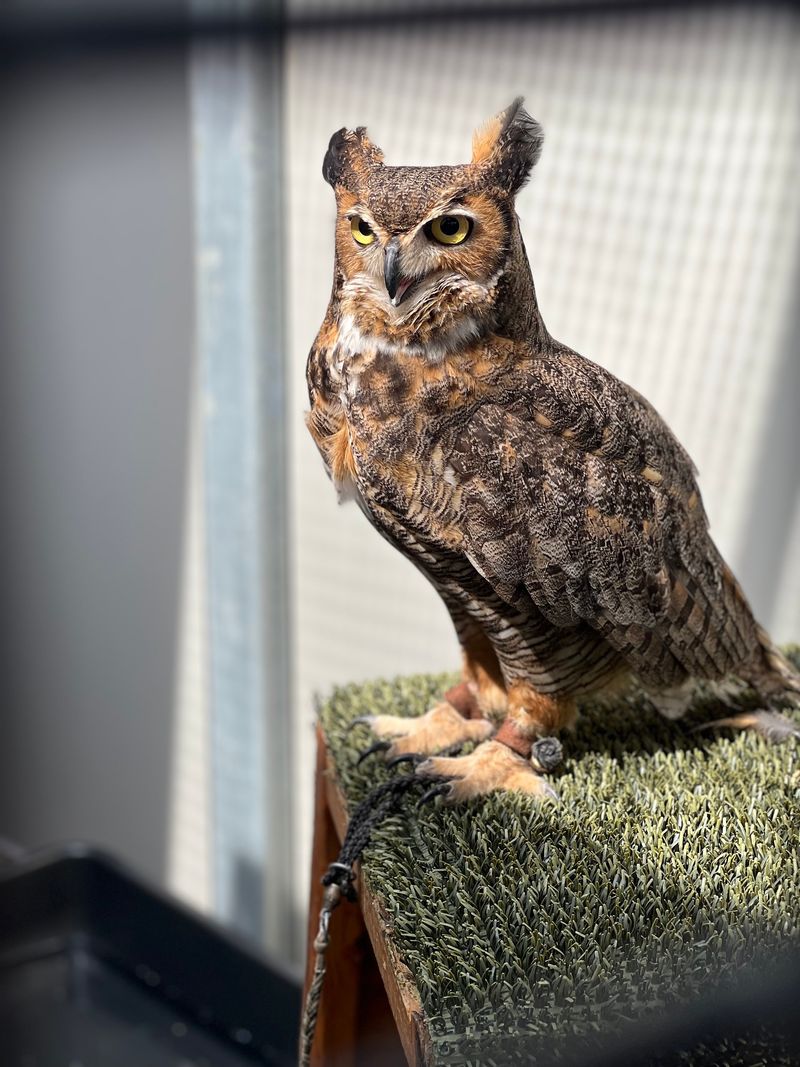
Meet the stars of the show. The center’s ambassador birds are raptors that live here full time and help teach visitors.
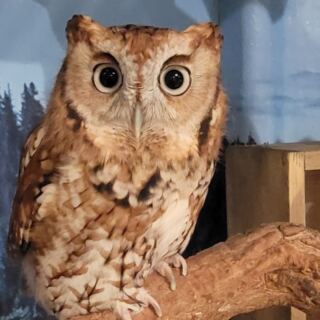
The lineup can include a bald eagle, a great horned owl, a barred owl, and a turkey vulture. Each one brings its own look and attitude.
Some birds even seem curious about the people staring back at them.
One standout ambassador is Aura, a turkey vulture with a surprisingly friendly reputation. Vultures don’t usually win popularity contests.
Aura might just change your mind.
Seeing these birds up close is the real magic. Photos never quite capture the sharp eyes of an owl or the sheer size of an eagle.
In person, the details are hard to forget.
The ambassadors are clearly well cared for, and that care shows in how calm they appear around groups. Handlers know each bird’s habits and comfort level.
Watching that bond between bird and human is half the fun. It’s a reminder that every feather in the room has a story, and the center is happy to share it with anyone who asks.
Guides Who Really Know Their Owls
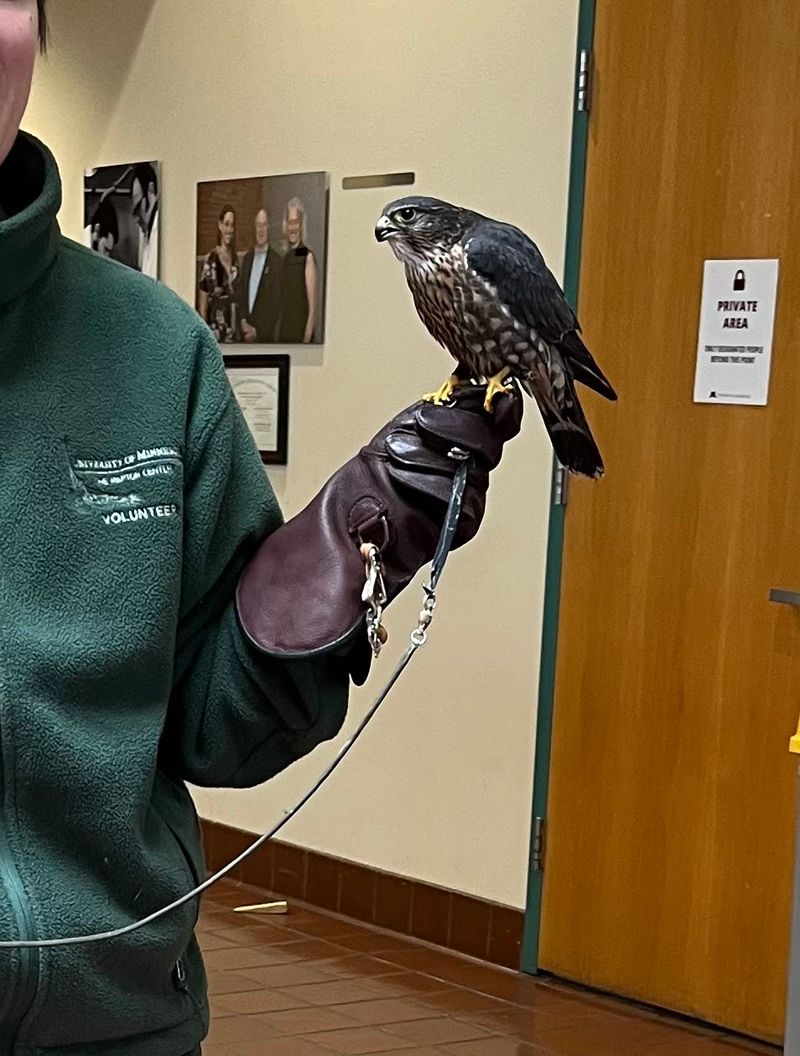
Ask a question, and you’ll likely get a great answer. The volunteers and naturalists at the Gabbert Raptor Center are known for deep bird knowledge.
Tour leaders bring training and real expertise to every group. They explain different raptor species, their habits, and how humans affect their world.
It all comes across as fun instead of a lecture.
Plenty of guides add humor, too. A good joke about a vulture’s diet keeps kids laughing and listening.
Adults tend to chuckle right along with them.
Patience is another strong point. Guides slow down for anyone who needs extra time, including older visitors who move at an easier pace.
Everyone gets the chance to enjoy the birds.
The passion here feels genuine. Staff and volunteers clearly care about the birds, and that energy rubs off on the group.
Some bird fans come back for tour after tour simply because the guides make every visit feel fresh. In a world of recorded audio tours, having a real human who loves raptors walk you through is a big plus.
The Raptor Encounter, Minute by Minute
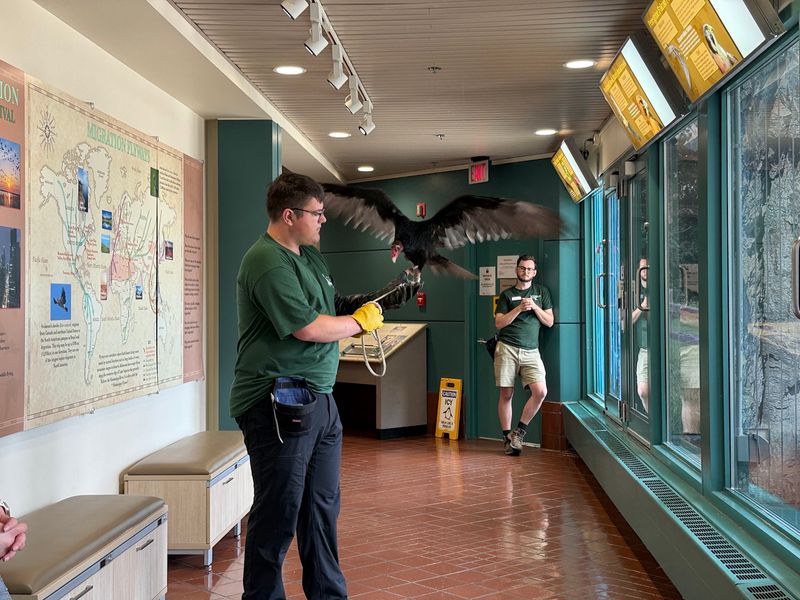
Here’s how a typical raptor encounter can unfold. The program often runs about an hour, split between indoor learning and outdoor viewing.
Roughly the first 45 minutes happen inside. Visitors sit and learn as handlers introduce three different birds.
There’s plenty of time for questions along the way.
Then the group heads out for about 15 minutes to see birds on site. That’s when you might spot an eagle stretching its huge wings.
The outdoor portion gives a fresh view of the residents.
Encounters can draw lots of families with children. Adults without kids are welcome too, of course, and they often learn just as much.
Nobody ages out of being amazed by an owl.
The pacing works well for younger visitors. Short attention spans stay hooked when a live bird sits just a few feet away.
Older kids and grown-ups enjoy the chance to ask tougher questions. It’s a neat format that mixes classroom learning with a small taste of the outdoors, and it rarely feels rushed or dull.
A Peek Behind the Curtain
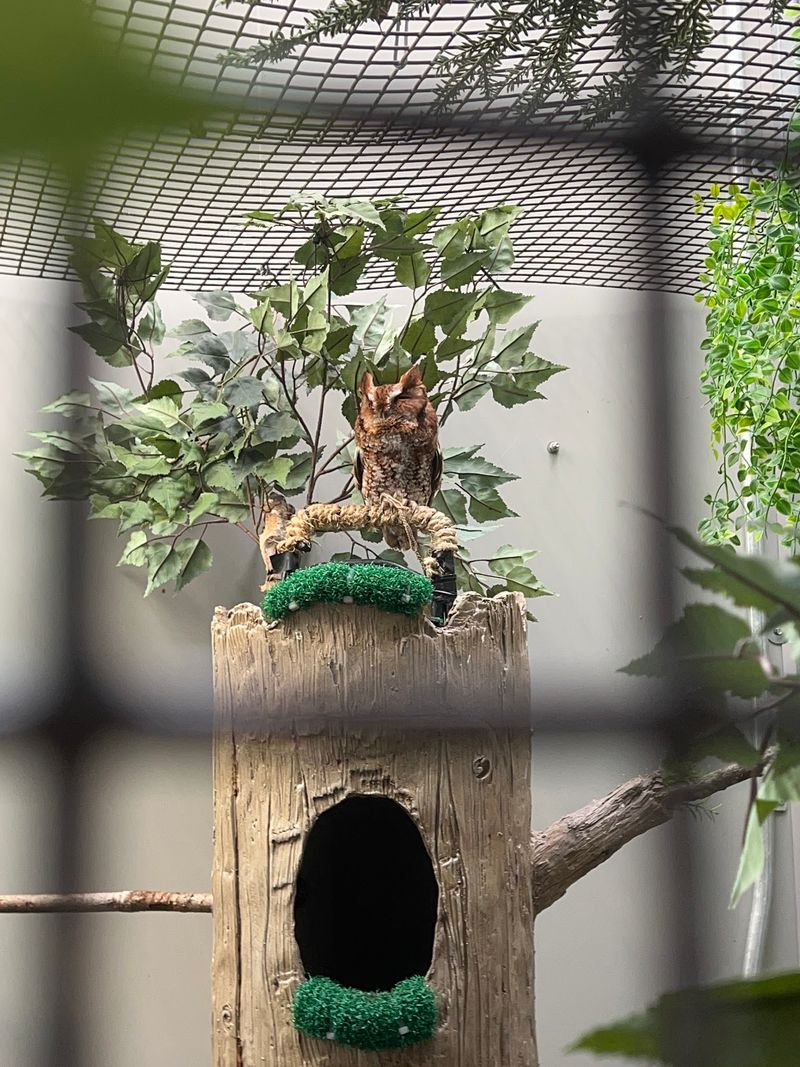
Curious about what happens out of public view? The center has started offering Raptors Behind The Scenes tours for small groups.
These tours typically last about one hour. Groups stay small, usually around ten people, so everyone can see and hear clearly.
Guests head into the back areas to learn how ambassador birds are fed and housed. It’s a rare look at the daily routine that keeps these raptors healthy.
Details like diet and living space suddenly make a lot more sense.
The best part might be the hands-on activity. Participants help make enrichment items for the birds, and some contain hidden food.
Raptors apparently love shredding cardboard and paper.
Who knew a great horned owl might enjoy tearing up a box as much as a toddler does? Enrichment keeps the birds active and mentally sharp.
Helping create it gives visitors a real connection to the work. For anyone who has already done a standard tour, this deeper experience may be the perfect next step.
It turns watching into doing.
Bath Time and Lunch Time for an Eagle
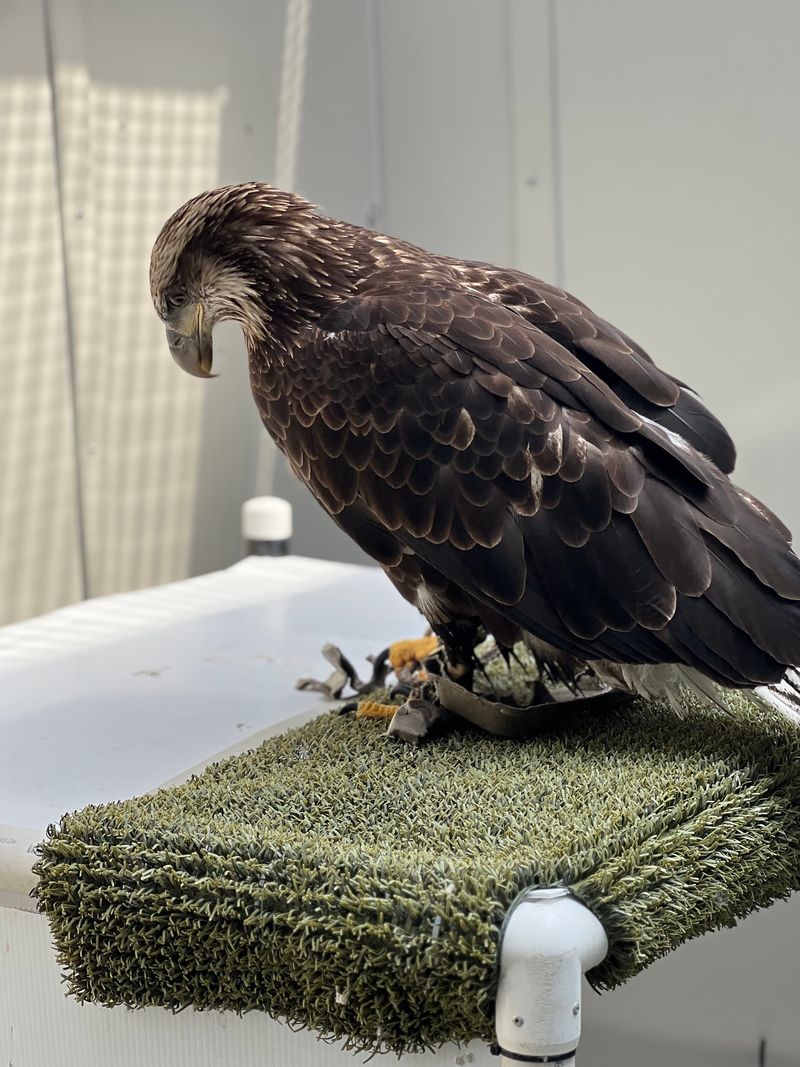
Sometimes the timing works out beautifully. Groups touring the center may catch a bald eagle in the middle of a routine moment.
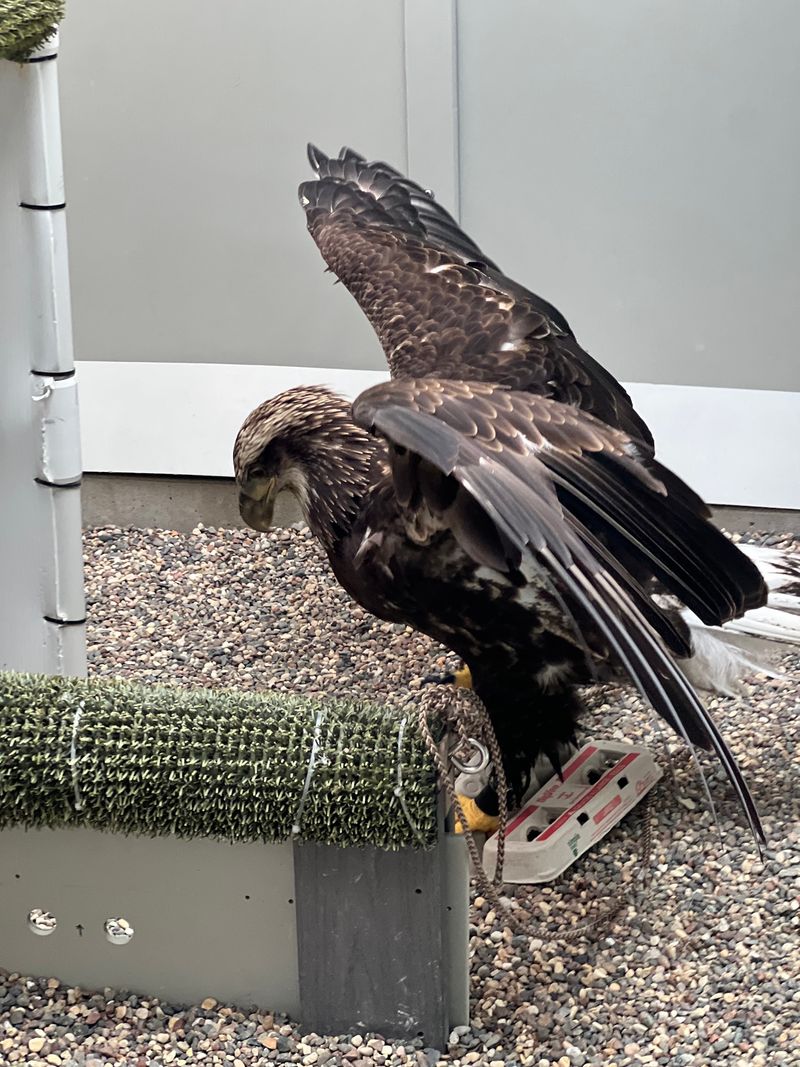
An eagle flapping around in a bird bath is a sight people don’t soon forget. Water flies everywhere, and the giant wings look even bigger.
It’s both majestic and a little goofy.
Feeding time can be just as thrilling. Some lucky tour groups arrive while staff are feeding an eagle.
Kids and grandparents alike tend to light up at that.
Of course, none of this runs on a schedule built for visitors. The birds follow their own care routines, so every visit is a little different.
That unpredictability adds to the fun.
Minnesota takes real pride in its bald eagles, and for good reason. Seeing one this close, doing everyday eagle things, makes the national symbol feel personal.
After watching that splash session, a regular backyard birdbath may never look the same. Keep a camera ready, because these moments pass quickly and nobody wants to miss them.
Kid-Approved From Kindergarten to Teens
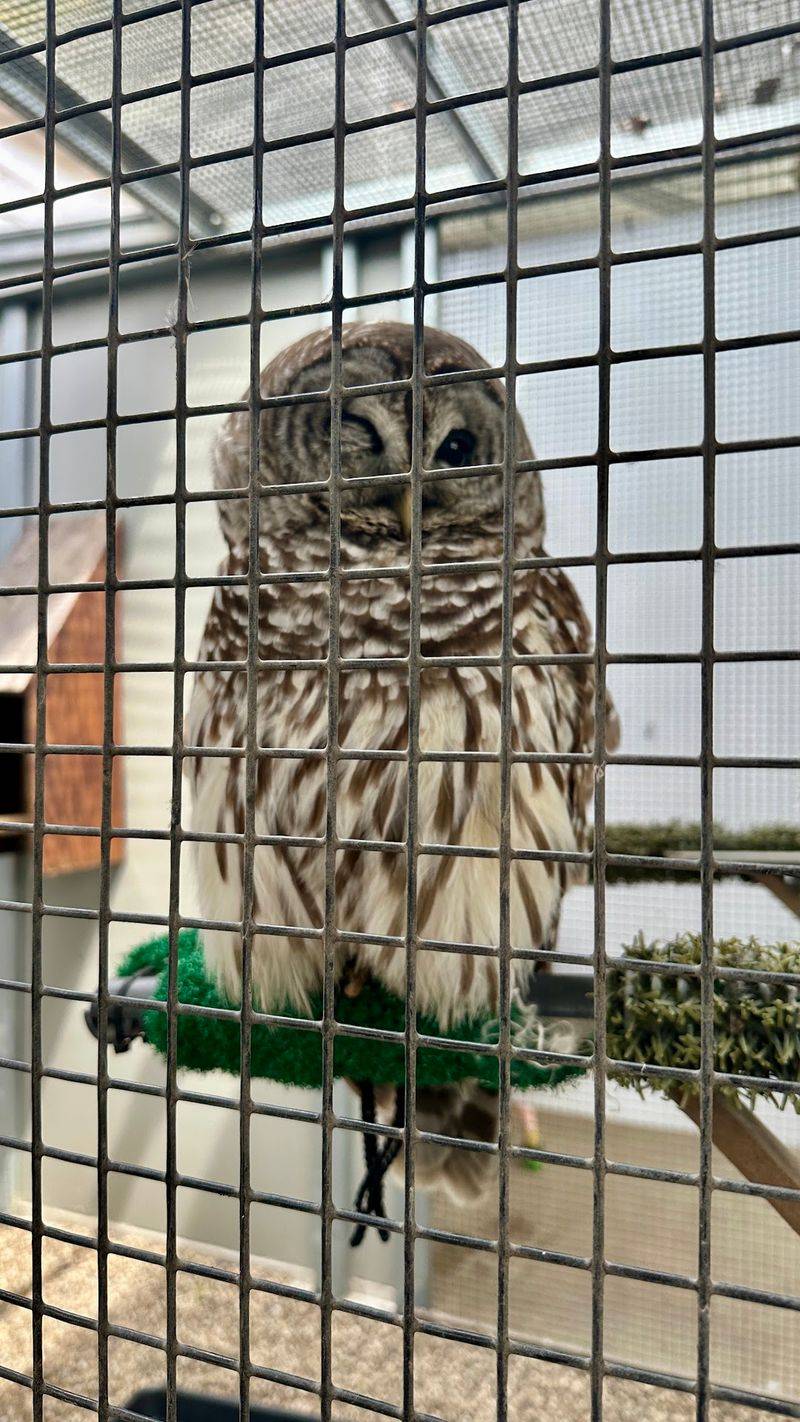
Families tend to leave happy here. The center works for kids across a wide age range, from little ones to teenagers.
A family with children ages five, seven, and fourteen can all find something to enjoy. Younger kids love the live birds, while older ones dig into the science.
Everyone stays engaged.
Grandparents fit right in too. Bringing grandchildren for a raptor experience makes a sweet outing for multiple generations.
Many kids head home begging to come back.
Some take a piece of the visit home with them. A child might pick a stuffed owl from the gift shop and sleep with it every night afterward.
That’s a lasting memory.
Parents also appreciate the convenience. Seeing owls doesn’t require a long drive to a large zoo.
For Twin Cities families, this offers a closer option with plenty of educational value. A visit of about an hour and a half fits nicely into a busy weekend.
It’s a smart pick when you want the kids learning something without them even noticing.
Lessons That Stick Long After the Tour
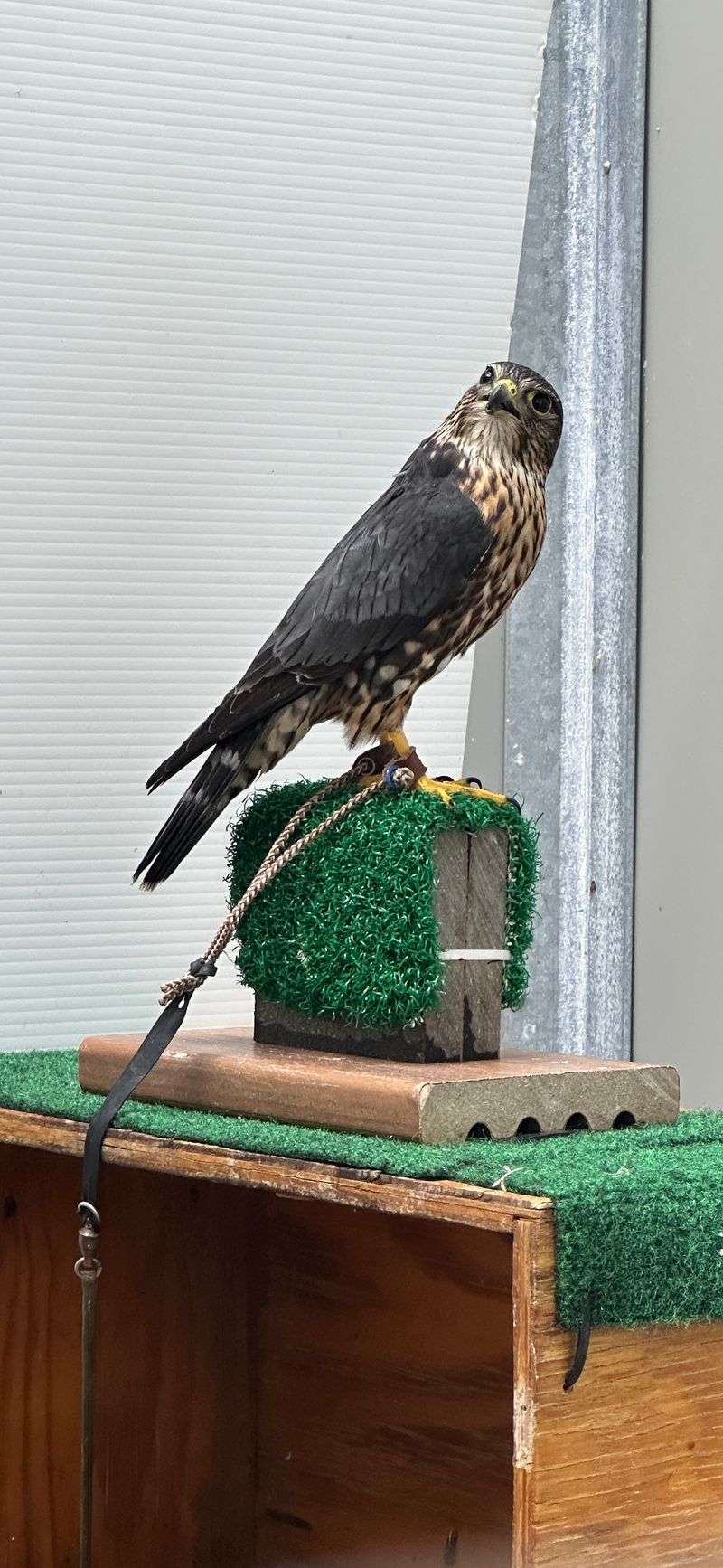
Education sits at the core of everything here. Each tour is designed to teach visitors about Minnesota’s birds of prey.
Guides cover the different types of raptors and what makes each one special. Owls, hawks, eagles, and vultures all have unique roles in nature.
Learning those differences makes future birdwatching much more rewarding.
Tours also discuss how human activity affects raptors. That environmental angle gives the visit extra weight.
You leave with a new view of your own impact.
It’s a great place for budding birdwatchers. Knowing what to look for helps you spot raptors on hikes or road trips across the state.
Suddenly that bird on a highway post becomes a fun puzzle.
The center even brings its programs on the road at times. It has appeared at outreach events like an orchard visit, spreading its lessons beyond St. Paul.
That kind of reach helps more Minnesotans fall for these birds. Short tours pack in a lot, and the knowledge sticks around far longer than you’d expect.
Souvenirs With Feathers and Fluff
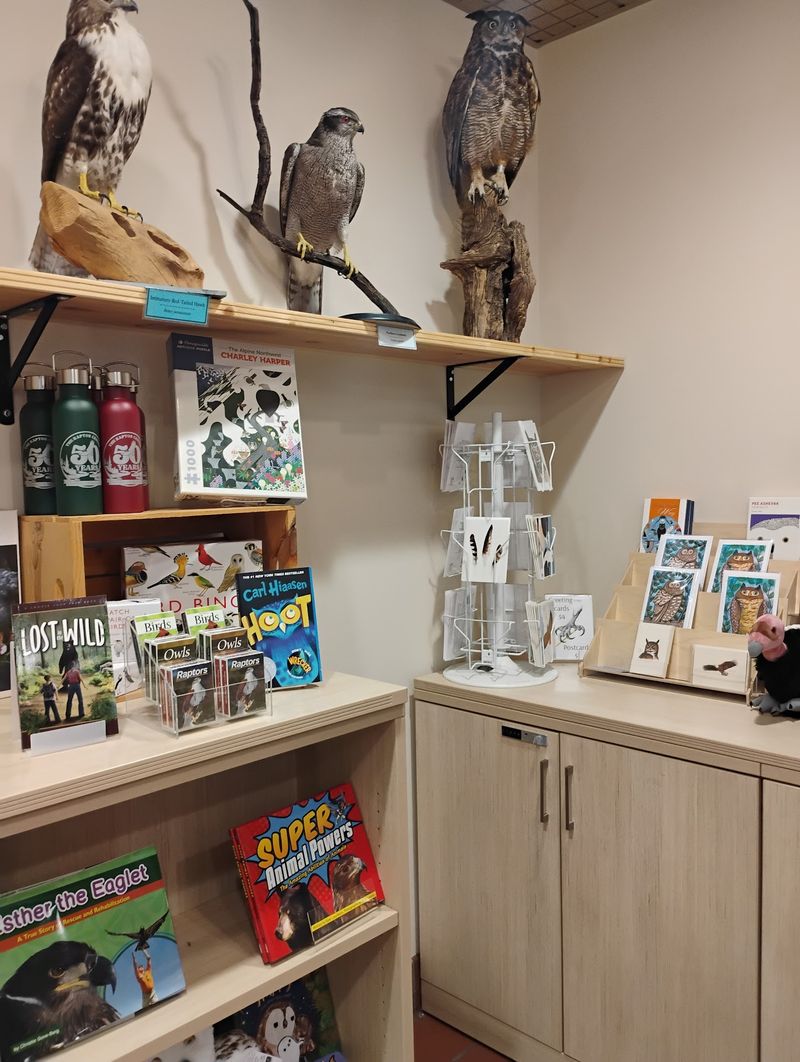
Plush owls, anyone? The center has a small gift shop with a fun bird theme.
It’s a nice stop at the end of a tour. Kids often head straight for the stuffed animals.
A cuddly raptor makes a great keepsake.
The shop isn’t huge, so it won’t eat up your whole afternoon. Still, there’s enough to browse while everyone talks about their favorite bird.
That quick wind-down feels just right.
Buying something here also supports a good cause. The center relies on public support to keep its rehabilitation and education work going.
Your souvenir helps a little.
Gift shops at big attractions can feel overwhelming. This one stays simple and focused, which matches the friendly feel of the whole visit.
You’ll find something for the young owl fan in your life without wandering through endless aisles. And when that stuffed owl becomes a bedtime buddy, the memory of meeting real raptors gets to live on long after you drive home.
Not a bad return on a small purchase.
When to Go and Where to Park Your Curiosity
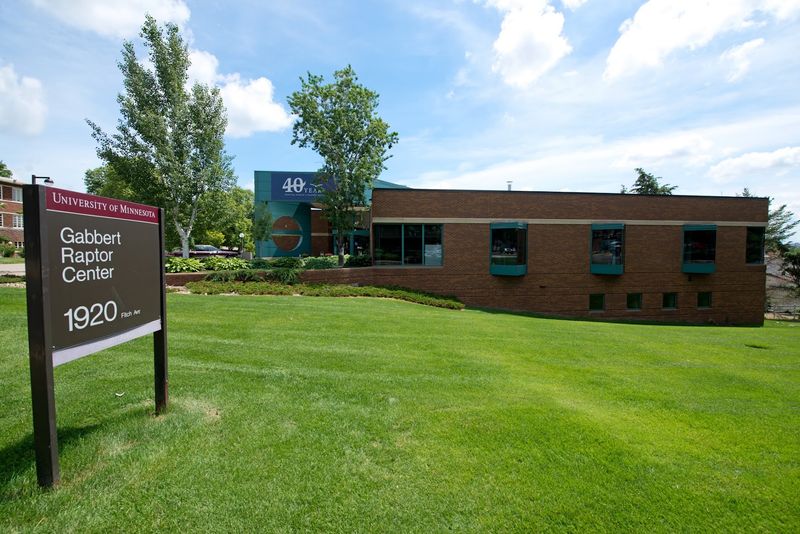
Planning helps, especially with Mondays in the mix. The center typically stays closed on Mondays.
From Tuesday through Friday, hours usually run from 8 AM to 4 PM. Saturday and Sunday hours typically run from 10 AM to 4 PM.
Checking ahead is wise, since schedules can shift.
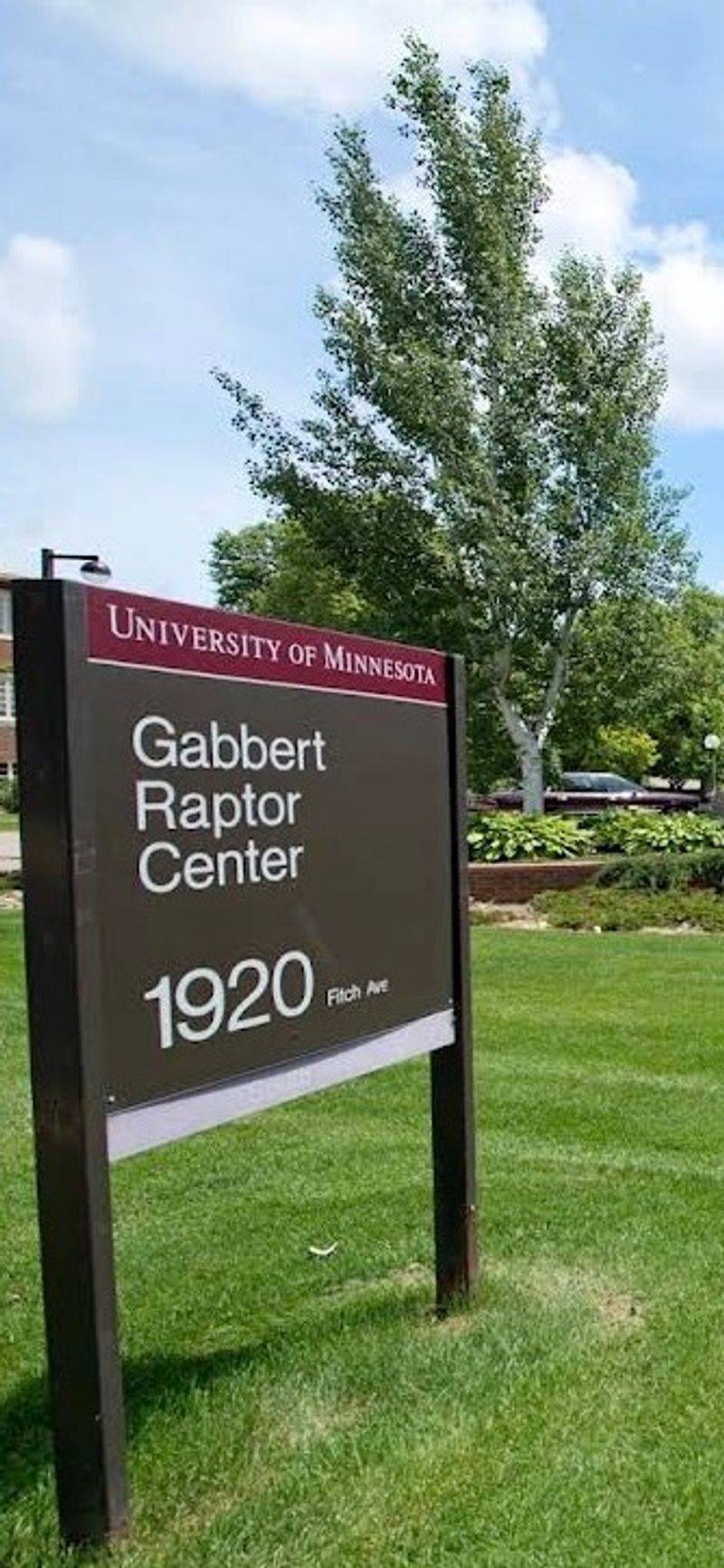
You’ll find the Gabbert Raptor Center at 1920 Fitch Ave, St Paul, MN 55108. It sits on the university’s St. Paul campus.
Getting there from Minneapolis or the east metro is quick.
Specific programs, like encounters or behind-the-scenes tours, may have set times. Small group sizes mean spots could fill up.
Booking early is a smart move for weekends.
A full visit often takes about an hour to an hour and a half. That leaves plenty of time for lunch or other plans afterward.
It’s an easy add-on for a Twin Cities day out. Weekday mornings offer an early start, while weekend afternoons suit families sleeping in.
Either way, the birds will be ready for you.
Big Birds, Small Price Tag
Value matters, and Minnesotans know a good deal. A visit here is widely seen as very affordable for what you get.
Admission costs stay modest compared with many big attractions. For that, you get a live bird program and a tour around the building.
That’s a lot of eagle for your buck.
The center also asks for donations from those who are able. Every bit helps fund care for injured raptors.
It’s a simple way to give back.
Families on a budget can enjoy a memorable outing without stress. Kids get hands-on learning, and parents get peace of mind about the cost.
Everyone wins.
Compare that with pricey big-city attractions, and the Raptor Center comes out looking great. You’re paying for real expertise and real birds, not flashy extras.
Plus, the money supports a wildlife cause rather than a gimmick. It’s the kind of value that feels classic Minnesota.
Practical, honest, and quietly impressive in every way that counts for a family day.
Why This Flight Deserves a Spot on Your Calendar
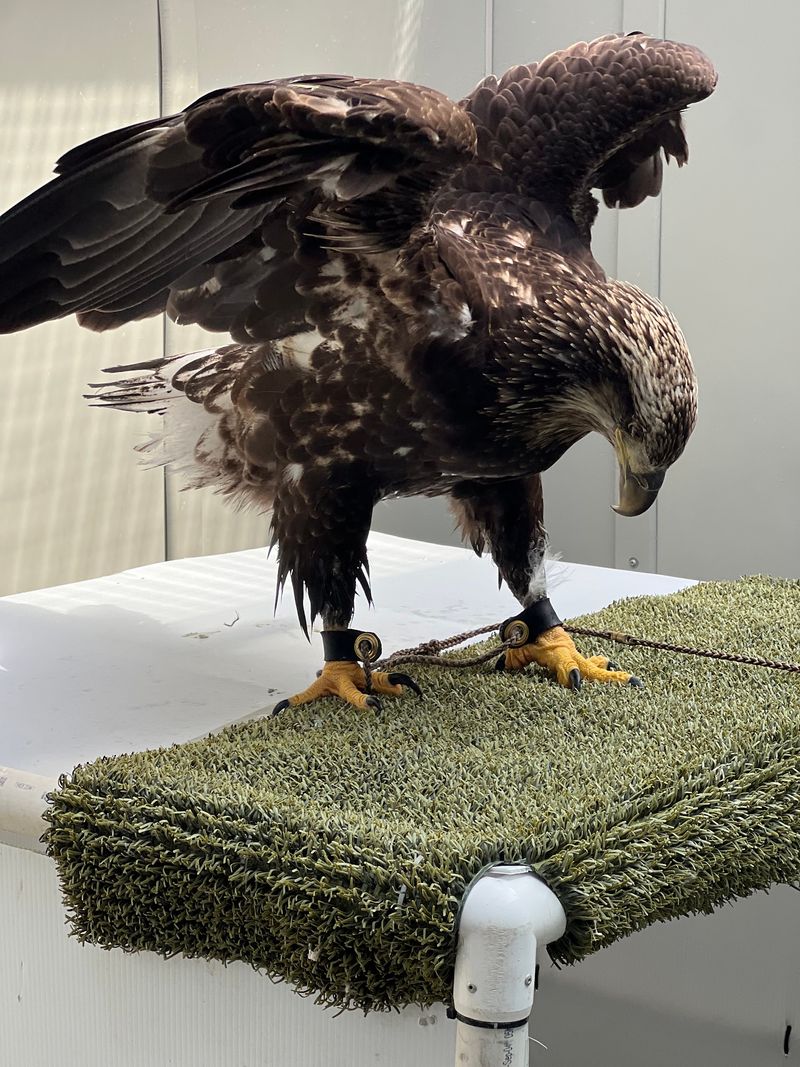
Few places blend heart and education this well. The Gabbert Raptor Center gives injured birds a fresh start while teaching people why that matters.
Bald eagles, owls, hawks, and even a charming turkey vulture make every visit memorable. Knowledgeable guides keep things lively and easy to follow.
You’ll walk out smarter than you walked in.
It suits nearly everyone. Young kids, curious teens, grandparents, and serious bird fans all find something to love.
Few outings can claim that kind of range.
The value seals the deal. Modest costs, a cozy gift shop, and a worthy cause make it an easy choice.
Minnesota wins again on this one.
For a state that loves its lakes, woods, and wildlife, this center feels like a natural point of pride. Bring the family, bring your questions, and maybe bring a camera with plenty of storage.
Seeing raptors this close tends to leave a lasting impression. And somewhere out there, a recovered hawk is soaring, thanks to the people inside this St. Paul building.
Share this story