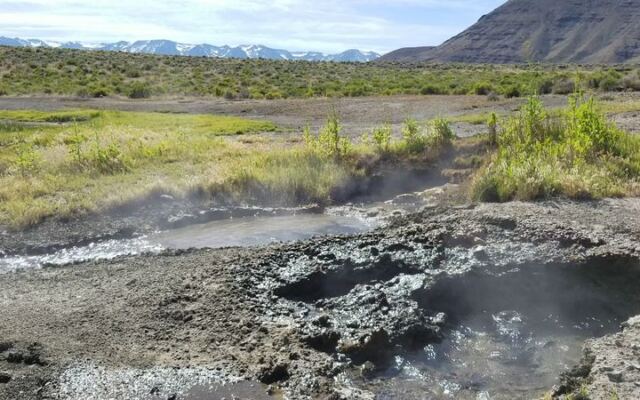
You know that feeling when a dusty dirt road makes you doubt your map, and then the ground starts steaming? That is how a quiet corner of southeastern Oregon surprised me.
No lines, no gift shop, just hissing vents and big open sky. If you love places that tourists drive right past, this one will make you grin.
A Steaming Surprise in Oregon’s Far Southeast
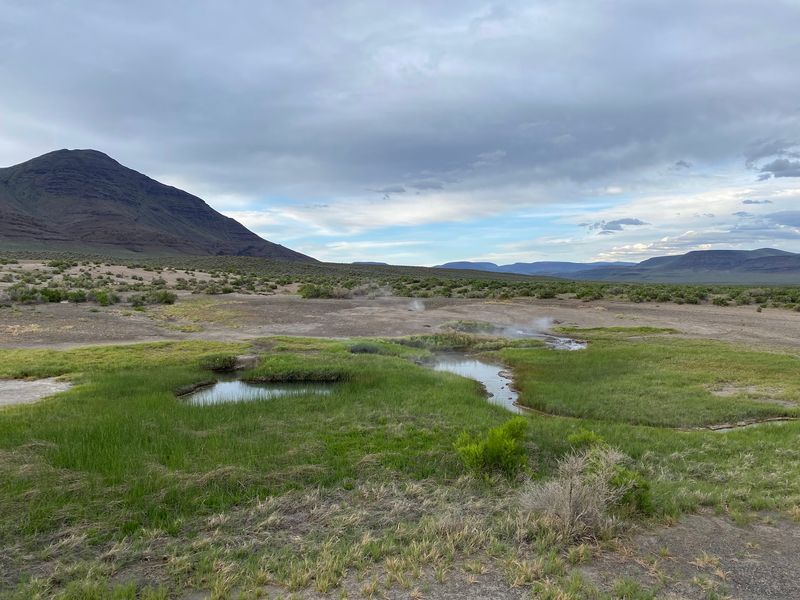
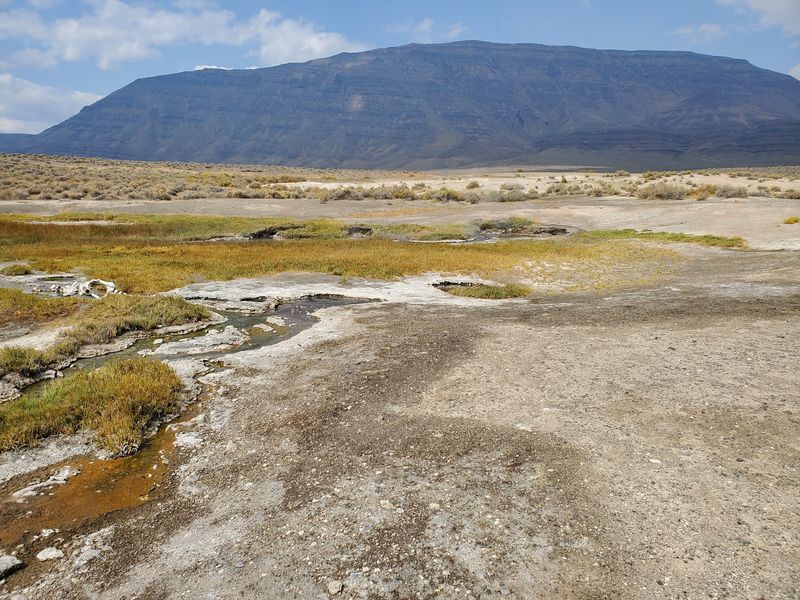
Picture a half acre of bubbling ground dropped into the high desert of southeastern Oregon. That is Mickey Hot Springs, a Bureau of Land Management site near Princeton that sits close to the Alvord Desert and the east side of Steens Mountain.
It is listed as a historical landmark, and it is open 24 hours a day, every day of the week. There are no gates to wait behind and no tickets to buy.
Visitors often call it Oregon’s mini Yellowstone, and the word mini matters. You will find bubbling pools, steam vents, mud pots, and even a tiny geyser packed into a small area.
Expect a short wander rather than an all-day outing, and you will leave happy.
Where Mickey Basin Begins
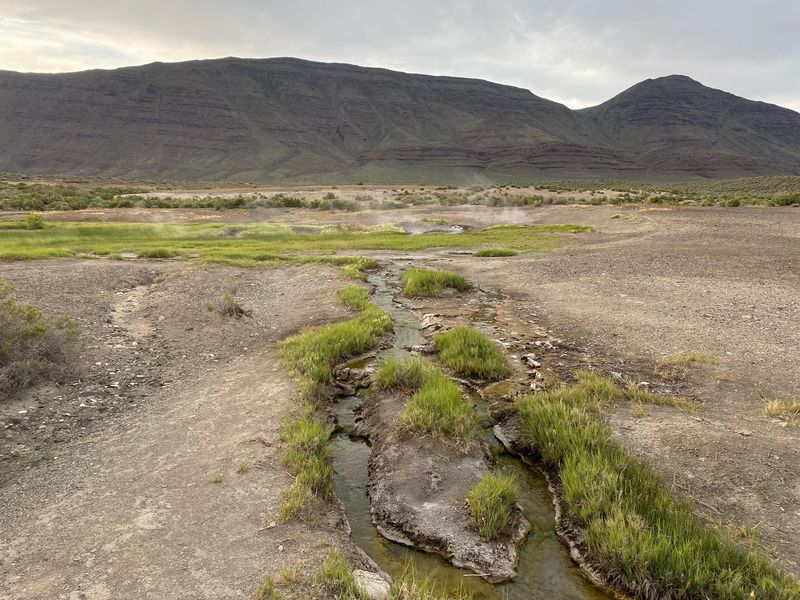
Roughly speaking, this spot is the front door to a bigger story. Visitors describe it as the first attraction on the way to the deeper Mickey Basin, a wide and empty stretch of Oregon desert.
It is an undeveloped, natural geothermal site. Nobody has poured concrete, built changing rooms, or installed a temperature dial, and that is part of the charm.
One regular noted that the overflow has shifted course over the years. The activity waxes and wanes with local water levels, so the pools you see may not match someone else’s photos.
Think of it as a landscape still making up its mind, which gives every visit a slightly different shape.
Bubbling Pools and Hissing Vents
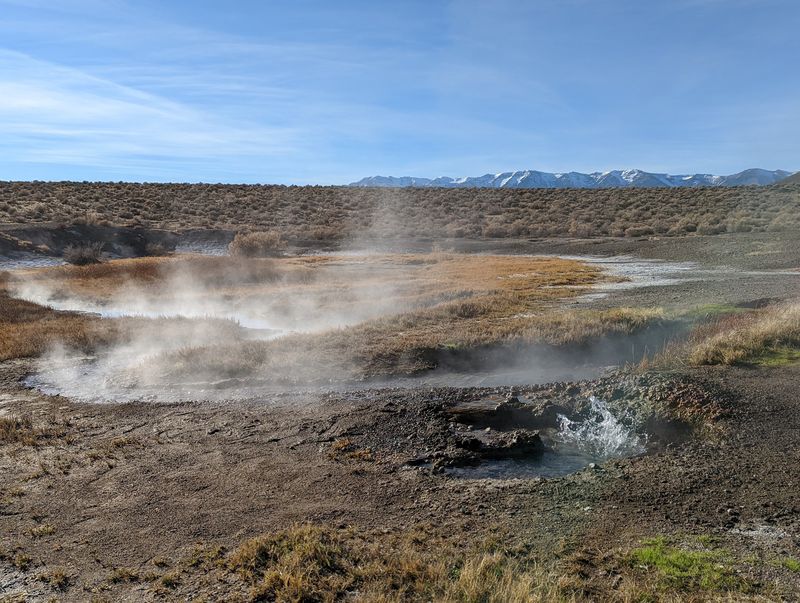
Listen first, then look. You can hear steam hissing from underground before you spot the vents, and the sound makes the whole place feel alive.
Visitors mention many kinds of geothermal activity within a short walk, including steam jets, bubbling mud pots, and boiling pools. Some vents reach up to 212 degrees Fahrenheit.
A tip from past explorers: walk beyond the first spring you see. Slightly downhill is a livelier zone where the water bubbles harder and you can hear it boiling under the surface.
That is the part people remember most, so give yourself time to wander without rushing.
The Tiny Geyser
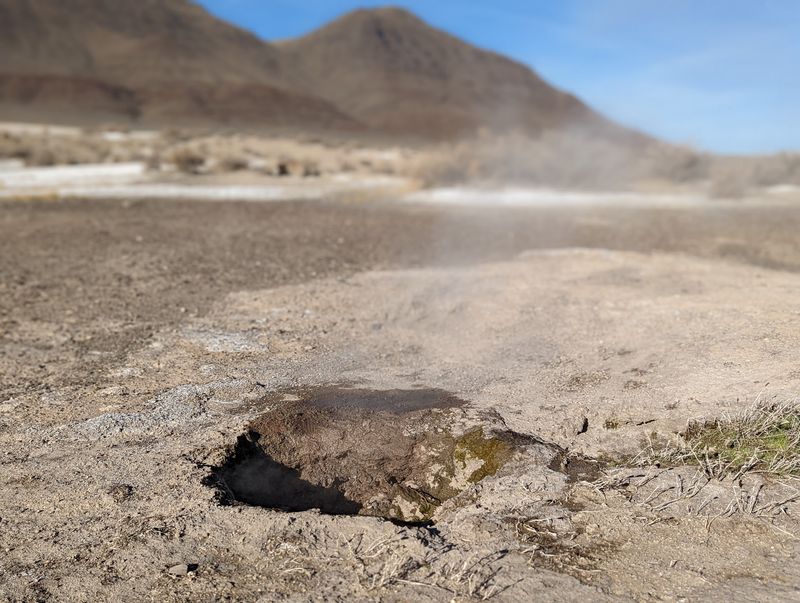
Forget Old Faithful. Here the star is a geyser only six to twelve inches high, according to one visitor, and it is delightfully modest.
Still, it earns plenty of mentions. People say small geysers bubble out of the ground, and the nearby pools hiss and steam right beside it.
Photographers like the contrast of the little spout against big mountain scenery. Kneel low for a better angle, but keep your distance.
The ground around any vent can be fragile, so zoom in with your lens instead of your feet.
Colors Painted by Algae
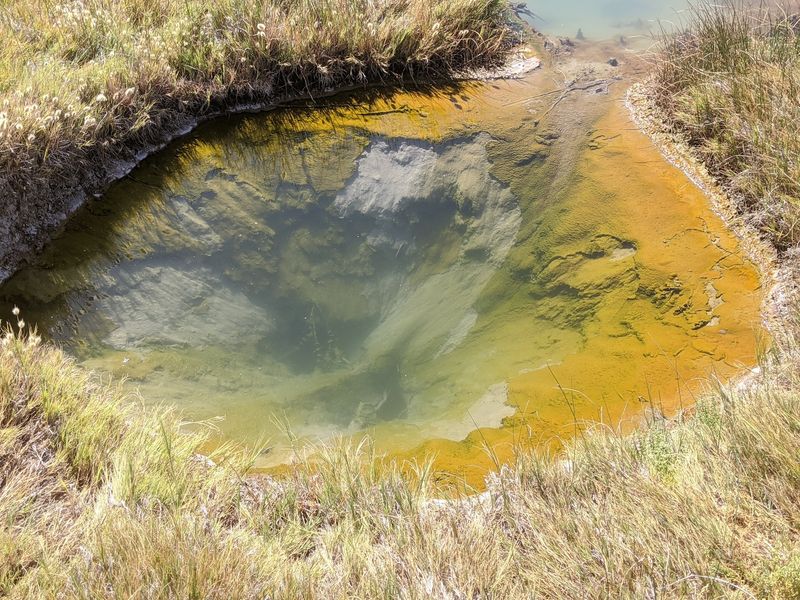
Bring a camera, because the palette is surprising. Visitors mention a deep blue pool in the middle of nowhere, along with pools rimmed in colorful algae.
One traveler compared the shades to those found at Yellowstone, just on a much smaller scale. Against dry desert tones, the bright water really pops.
The pools also change their size and shape depending on the time of year. A spring trip and a fall trip can look quite different, so repeat visits are rewarded.
Clear water can still hide algae growth, though, so look with your eyes and skip the touching.
The Soaking Question
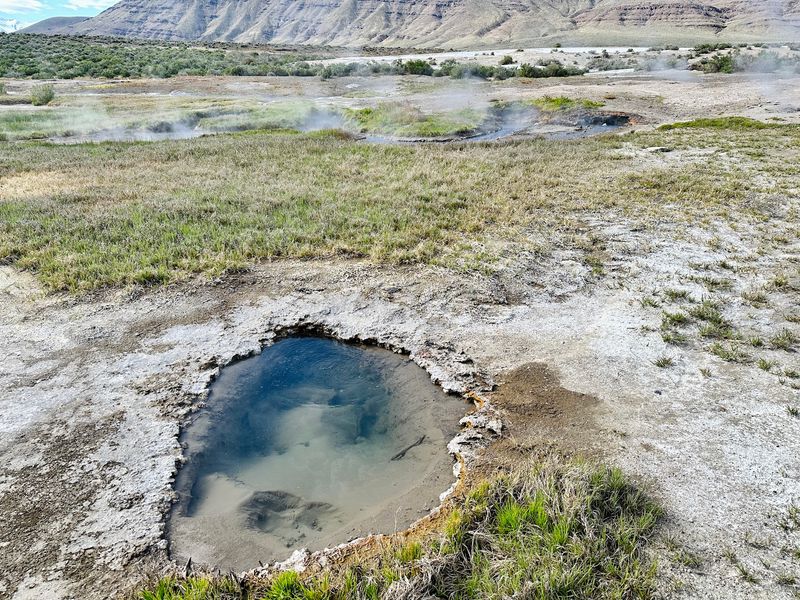
Let’s be honest about the soaking. Most pools here are far too hot, and many visitors say plainly that this is a sightseeing stop, not a bath.
There is one small dugout pool below the main spring, with a rock-blocked input and outflow. Reports describe it as room for about two people, and temperatures that can swing from comfortable to extremely hot.
Some visitors also report algae, mites, or high mineral content in that pool, and others chose not to get in at all. Conditions change, so treat any soak as a personal judgment call.
If a proper soak is your goal, developed springs elsewhere nearby offer managed temperatures.
Thin Ground and Smart Steps
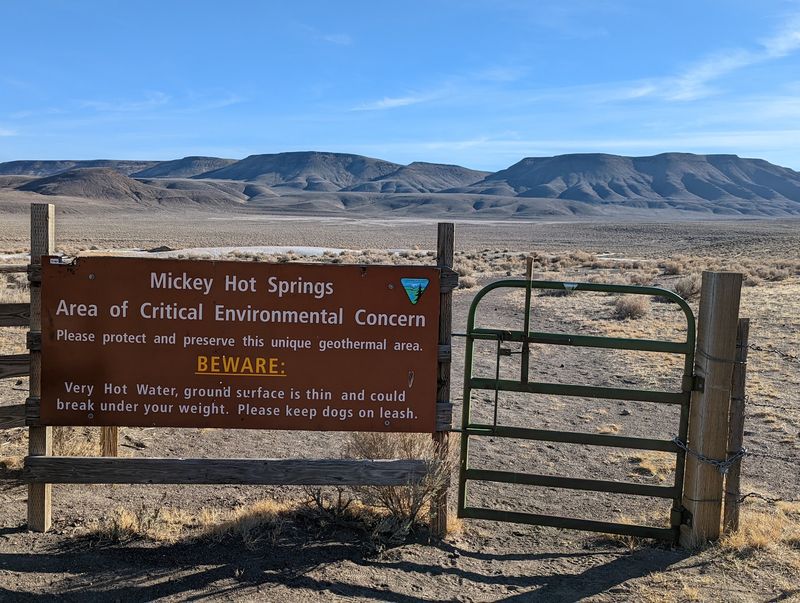
Safety comes first at a place like this. Signs at the site warn that the ground is thin, and visitors say some footsteps sound hollow.
There are no barriers between you and the pools, so stay well back from edges. One hiker wore boots in case of a soft spot, which is a sensible idea.
Keep children close and dogs on a leash. The water in many pools is boiling, and the crust around them can be fragile.
Walk slowly, stay on firm dirt, and let your eyes do the exploring.
Mountain Views and Open Desert
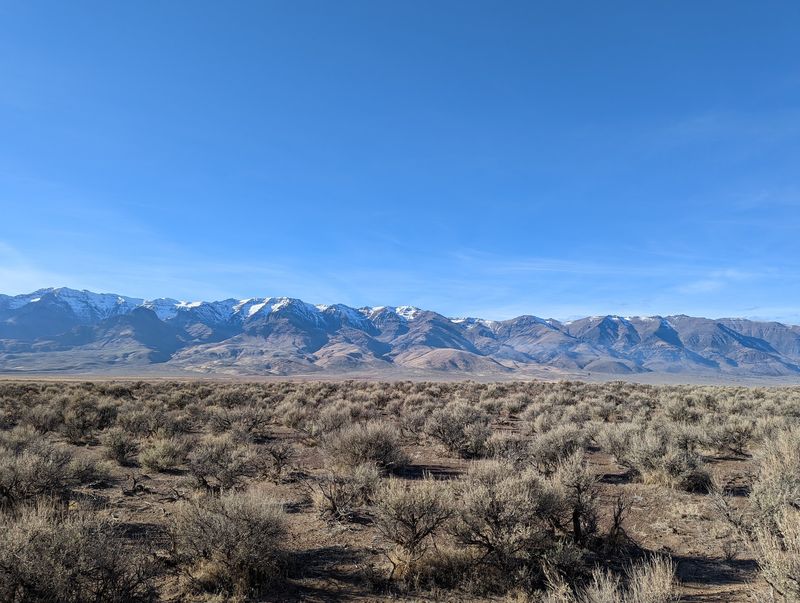
Look up once in a while, because the backdrop is a show of its own. Visitors praise the surrounding mountains as a great setting for photos.
The site sits near the Alvord Desert and east of Steens Mountain, in a part of Oregon that feels wonderfully different from the coast or the valley. Some travelers have even spotted a pronghorn nearby.
Open sky and long sightlines mean sunrise and late afternoon light can be striking. Pair the steam with the mountains in one frame, and you have a picture worth framing.
Quiet Enough to Hear the Earth
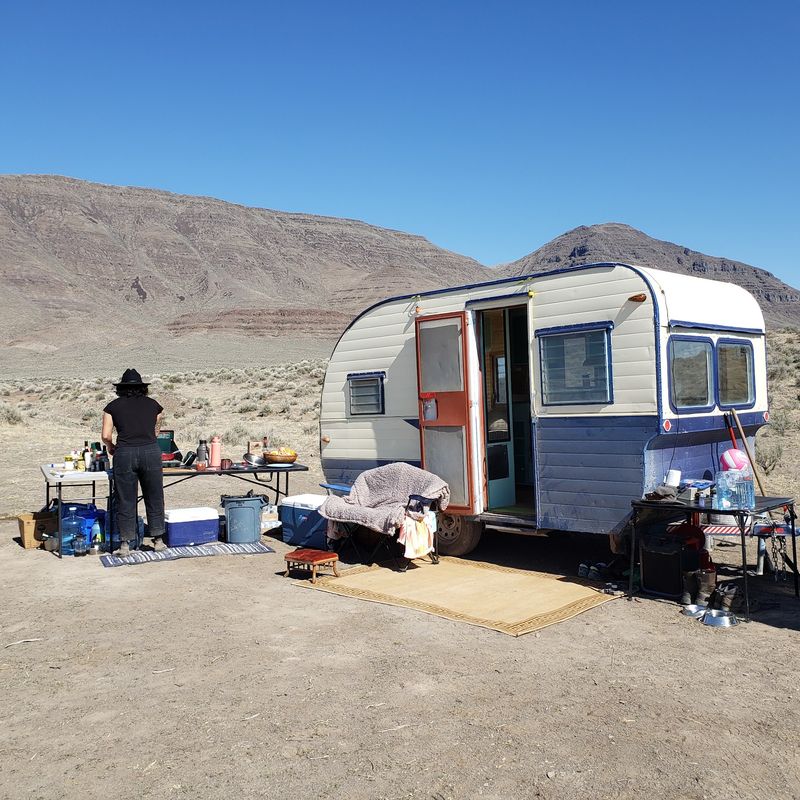
Crowds are not a problem here. Travelers repeatedly say nobody was around, likely because the place is hard to reach.
Visitors describe it as clean, with no trash, and very quiet, which suits anyone who likes geology and silence. It fits the Oregon secret that locals enjoy keeping close.
Camping near the parking area is possible, though one overnight guest said the wind came and went like a jet engine. If you stay, pack ear plugs and patience.
Off-peak days in spring or fall may feel even more peaceful.
Finding the Way on Dirt Roads
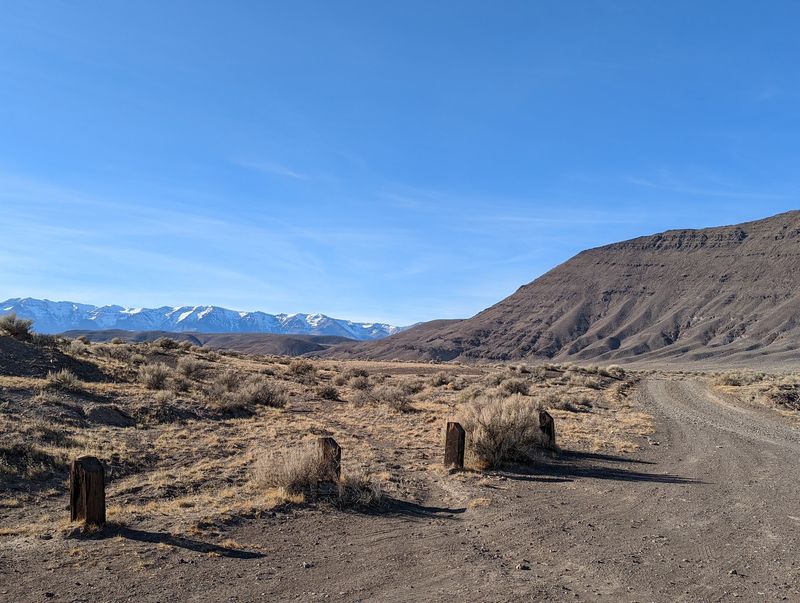
Navigation takes some care. Visitors say the route involves long stretches of unmarked dirt and gravel roads, with turns coming off the Fields-Denio Road.
Use the coordinates, 42.6786605, -118.3481681, rather than trusting a map app blindly. One recent traveler warned that a gated road shown by the app is private property and too rough to drive.
Many say a regular two-wheel-drive car does fine on the gravel. After wet weather, though, the dirt can turn muddy, and low cars may struggle.
Fill your tank and bring water, since help is far away.
What to Pack and When to Go
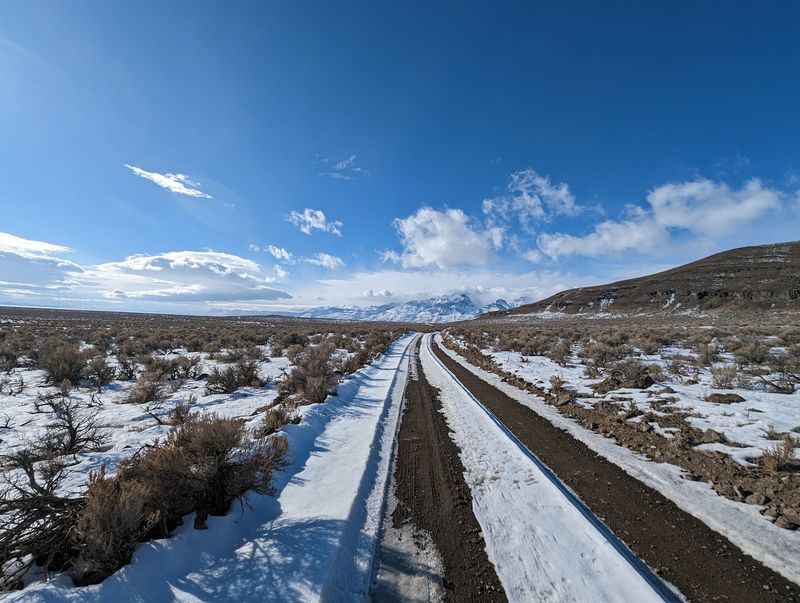
Pack like it is a desert outing, because it is. Bring water, sturdy boots, a camera, and a full tank of gas.
The site is open around the clock, and the BLM lists the number 541-573-4400 for questions. Check conditions first, since pools can be dry at some times and lively at others.
Visitors say the area is small, so an hour or two covers it. Spring and fall tend to bring milder desert weather, and weekdays should be quieter still.
Come ready for wind, sun, and a long drive.
A Soft Verdict on This Desert Oddity
So, is it worth the bumpy drive? Most visitors say yes, with a few honest caveats.
Some found a few pools dry and wished for more steam.
Others felt it cannot match Yellowstone, and they are right. Come for the quirky geology, the empty roads, and the mountain views rather than a relaxing bath.
If you enjoy the feeling of finding something that few people bother to visit, this is a satisfying stop. Go with modest expectations, careful feet, and a sense of adventure, and Oregon’s steamy little secret will likely win you over.
Share this story