For decades, a handful of powerful studios controlled almost every part of an actor’s life. They chose the roles, shaped the looks, and even managed private matters.
Some stars accepted the rules, while others fought back in court. Here are fifteen legends whose careers show how tough that system could be.
1. Judy Garland
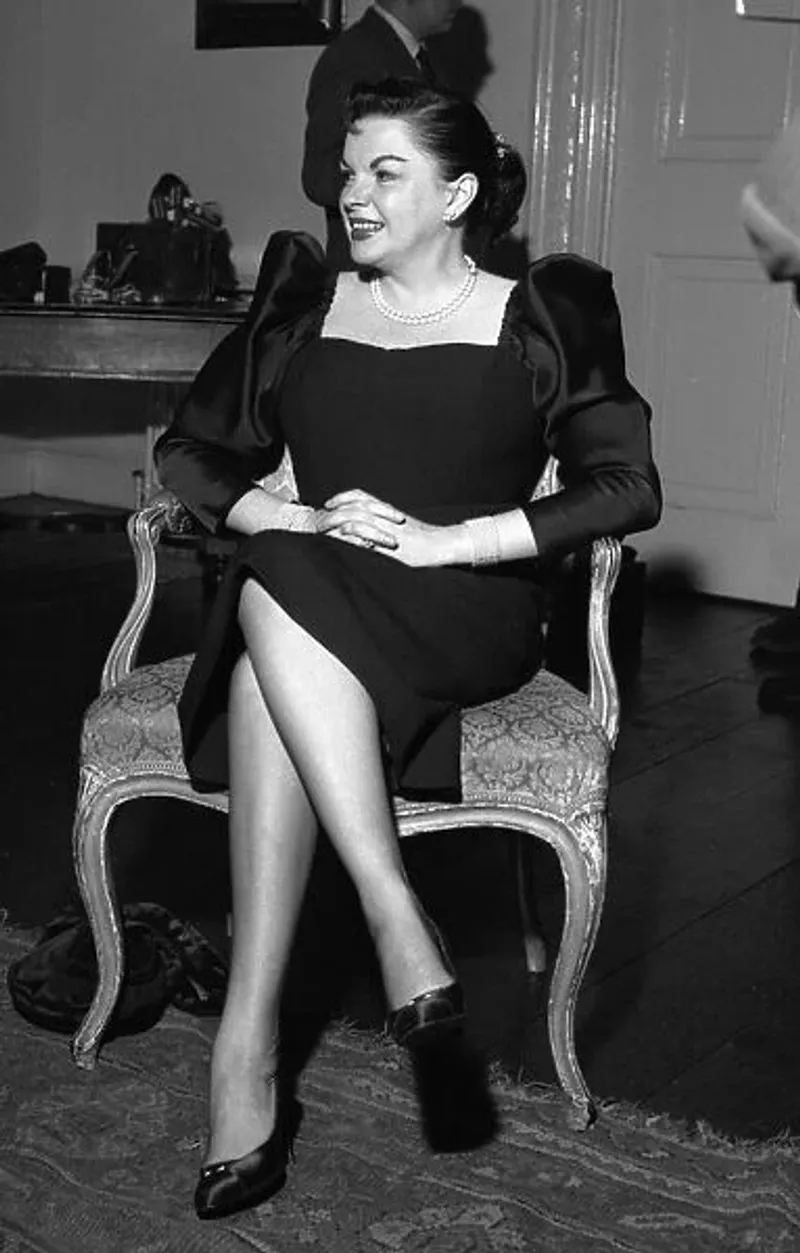
Long before she became a symbol of movie magic, Judy Garland was a teenager facing a punishing routine. MGM kept her on a tight schedule, with early mornings, long shoots, and little time to rest.
The studio also set strict rules about her weight. Garland later said she was given stimulants to keep going and sleeping pills to wind down at night.
Those habits followed her for many years.
Her story is often used to explain how young performers were treated as valuable property. Studio leaders saw a money-making talent, and her health sometimes came second.
Even so, her voice and screen presence made her unforgettable. Her honest memories of those years helped later audiences understand the pressure behind the polished musicals they loved.
2. Bette Davis
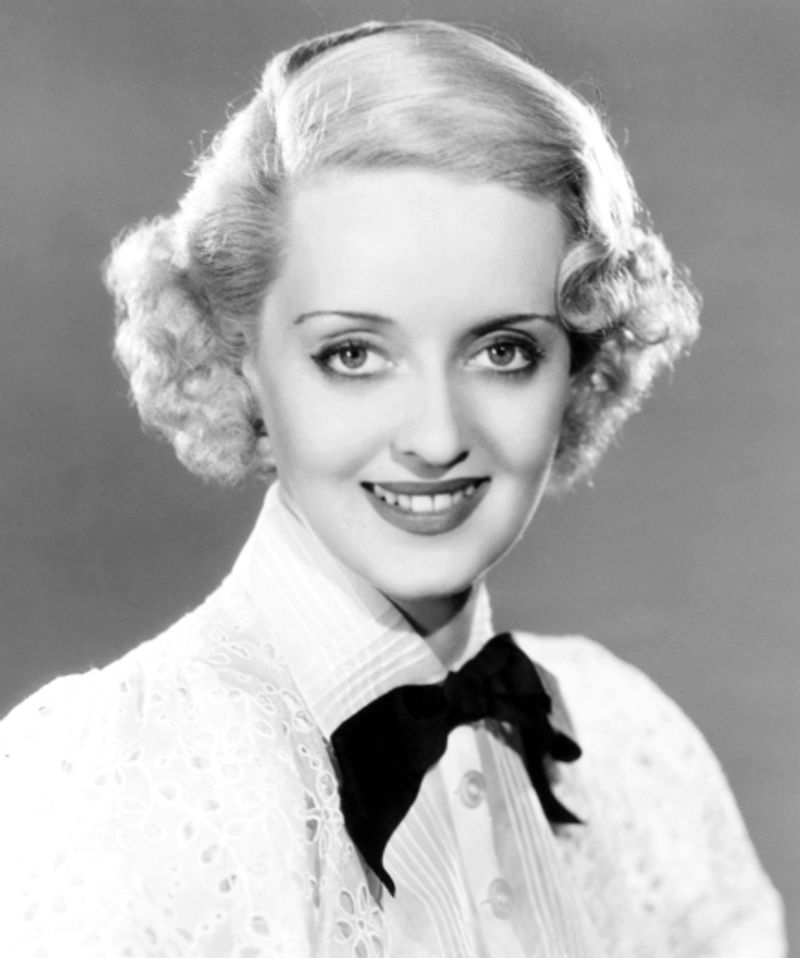
Few stars were as bold as Bette Davis. She was an Oscar winner who still felt trapped by the roles Warner Bros. handed her.
In 1936, she traveled to Britain and took the studio to court, hoping to break free from a contract she felt was unfair. She argued that she deserved better parts and more control over her work.
The court sided with Warner Bros., and Davis lost her case. She returned to Hollywood and kept working, but her stand became famous.
Her fight showed that even top actors had limited power in those days. It also inspired others to think harder about what their contracts really meant.
Davis went on to deliver some of her best performances in the years that followed.
3. Olivia de Havilland

Sometimes a single lawsuit changes an entire industry. Olivia de Havilland proved it when she challenged Warner Bros. in a case that ended in 1944.
At the time, studios often added suspension periods to a contract after an actor refused a role. That meant a seven-year deal could stretch far longer than promised.
De Havilland sued, and the court ruled that seven years meant seven years. The decision, often called the De Havilland Law, limited how long studios could hold actors.
The win was not easy. She faced pressure and a slowdown in her work while the case moved forward.
Still, her courage gave performers more freedom to choose projects and plan their futures. Many later actors have benefited from that ruling.
4. Rita Hayworth
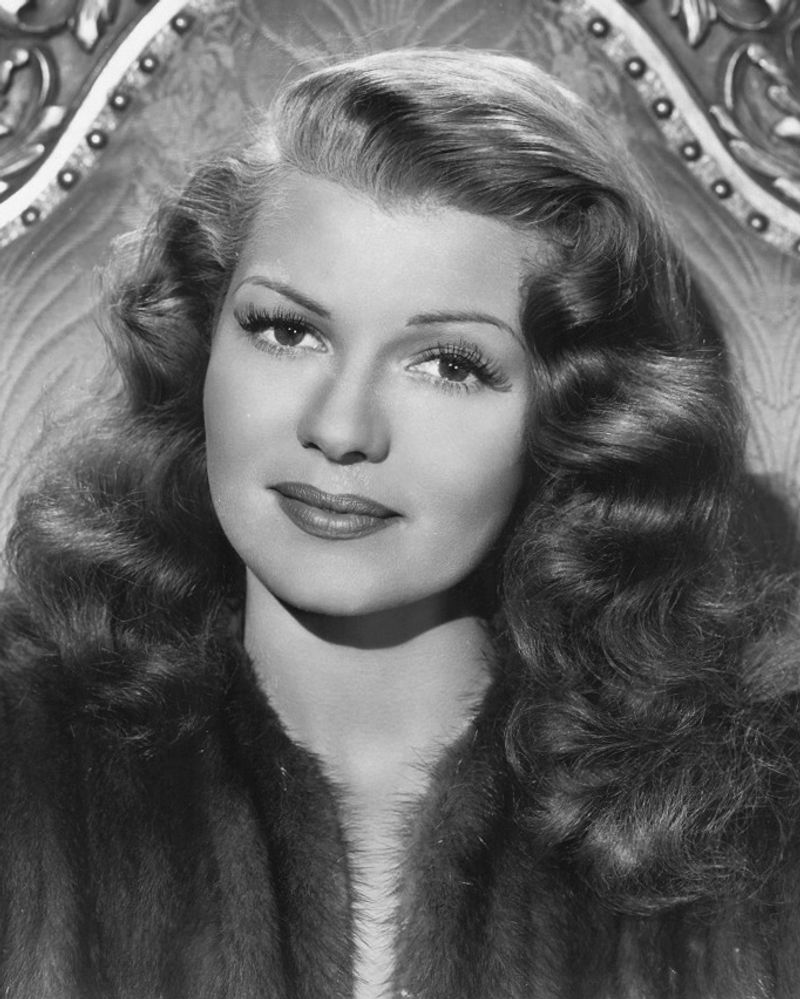
Born Margarita Cansino, Rita Hayworth entered Hollywood with a Spanish heritage that the studio chose to downplay. Columbia Pictures wanted a new image, and it set out to create one.
Her hairline was raised through electrolysis, and her hair was dyed a fiery red. The goal was a look that fit the studio’s idea of a leading lady.
Her name and background were also reshaped to suit that image. The change helped make her a top star, yet it asked her to hide part of who she was.
Hayworth became one of the most admired women on screen in the 1940s. Her career shows how much personal identity could be rewritten for the sake of marketing.
5. Shirley Temple
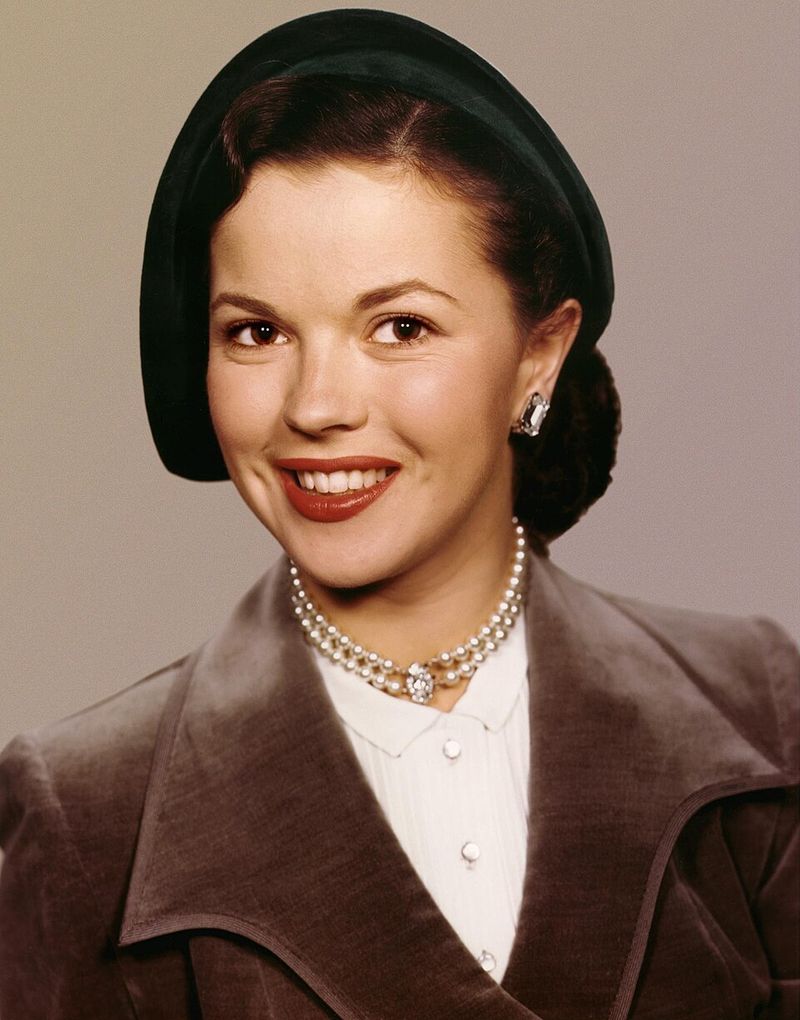
At an age when most kids are in kindergarten, Shirley Temple was already a working actor. Her days were packed with rehearsals, filming, and lessons.
She later described harsh discipline during her early work at Educational Pictures. One punishment was being placed in a dark box, a memory she shared as an adult.
Temple became the biggest box-office draw in the country in the 1930s. Her smile and curls lifted spirits during the Great Depression.
Behind the cheerful image, however, was a child who had very little say about her schedule. Her story is often cited in talks about how young performers should be treated.
Later in life, she built a second career in public service and diplomacy.
6. Mickey Rooney
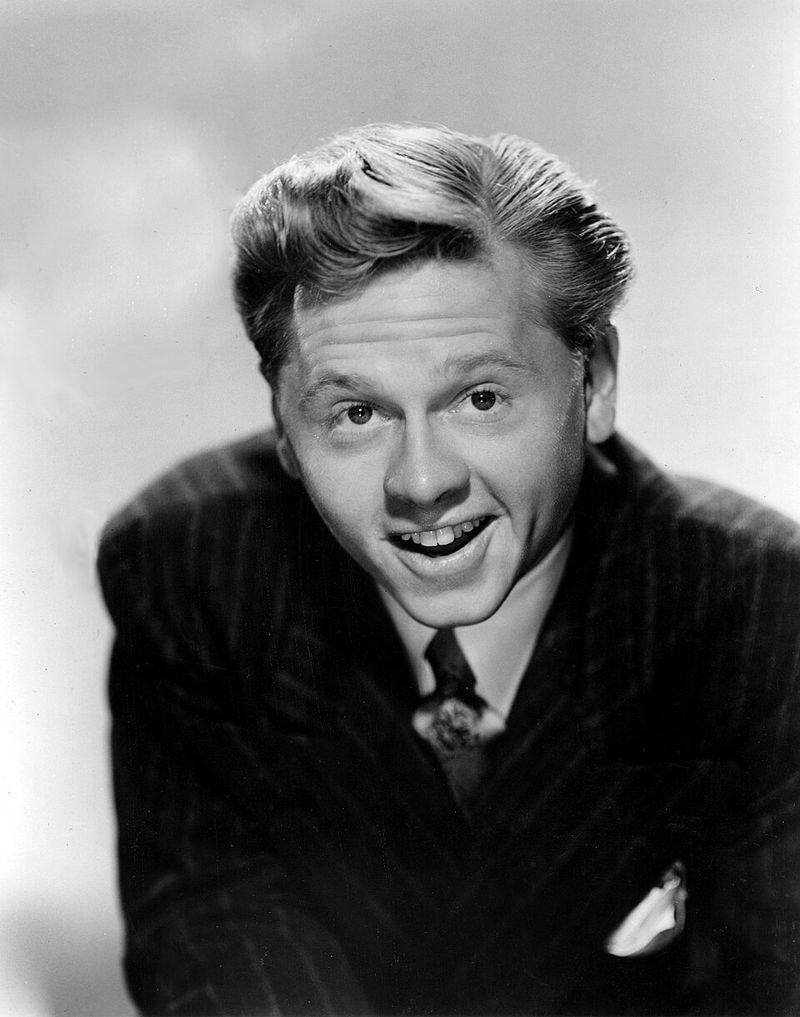
Mickey Rooney seemed to have energy for days, and MGM made good use of it. He started in show business as a small child and never really slowed down.
During the late 1930s and early 1940s, he starred in the popular Andy Hardy series. The films were hits, and the studio kept them coming at a quick pace.
Rooney often juggled several projects at once. The schedule left little room for a normal teenage life.
His talent was real, as he could act, sing, dance, and play instruments. Yet the studio treated that talent like a product that had to keep rolling off the line.
His long career, lasting well over eight decades, reflects both his skill and the demands of the system he grew up in.
7. Jean Harlow
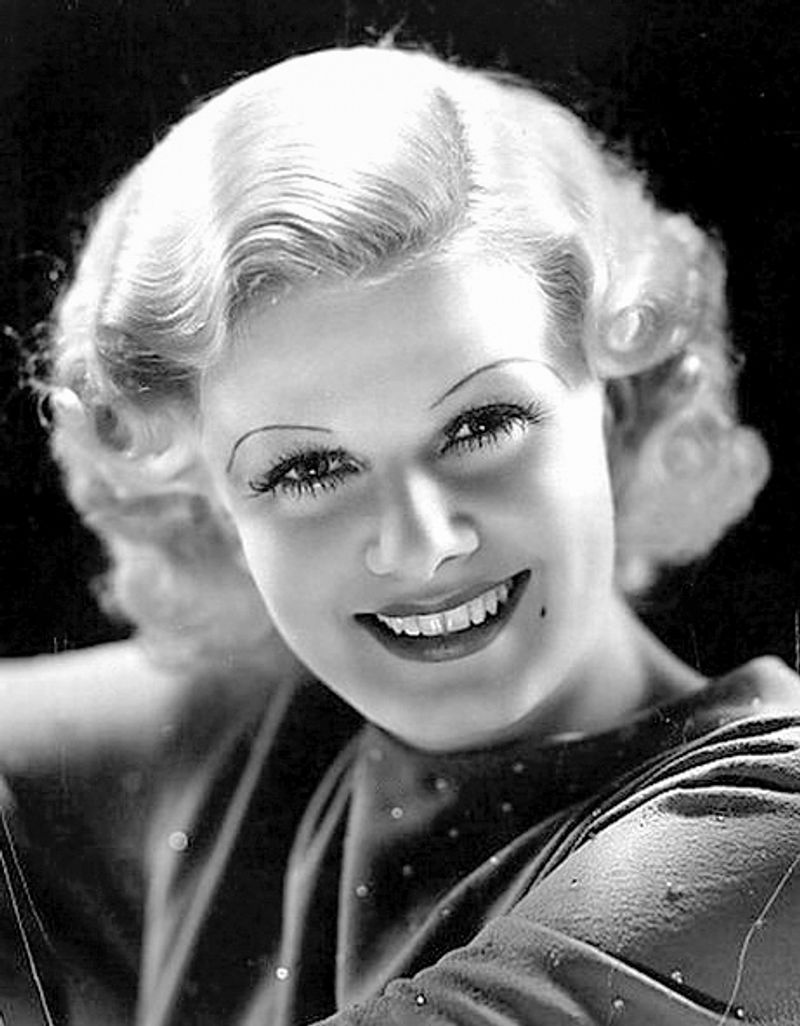
Platinum hair, sharp wit, and a magnetic screen presence made Jean Harlow a sensation in the early 1930s. MGM knew what it had and guarded her image closely.
In 1932, her husband, producer Paul Bern, died in a shocking event at their home. The studio worked quickly to manage the story and protect her career.
Her private life was treated as a business matter. Press coverage was shaped, and what the public learned was carefully controlled.
Harlow kept working and remained popular with audiences. Sadly, she died in 1937 at just 26 years old.
Her short life shows how studios tried to steer both the movies and the headlines around their biggest stars.
8. Anna May Wong
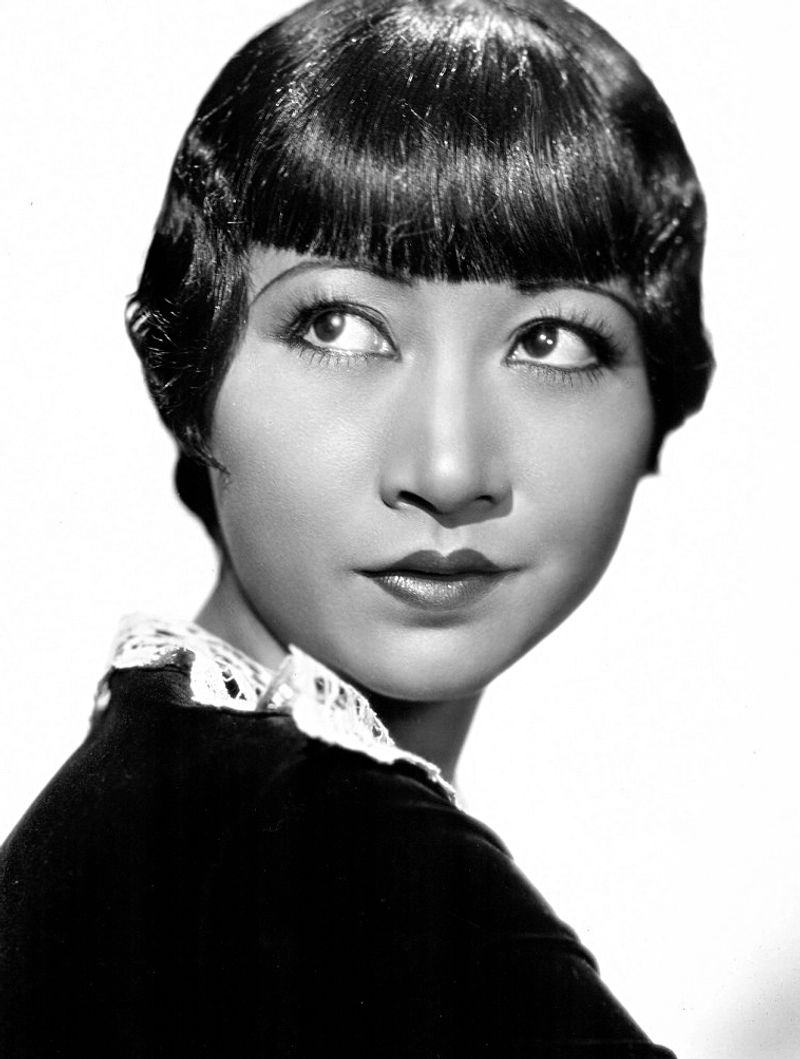
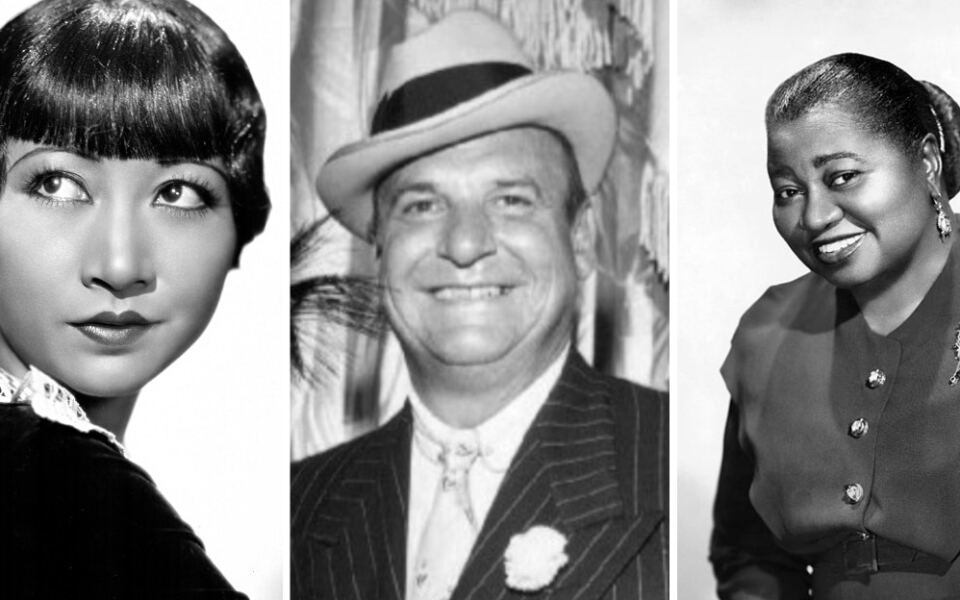
Anna May Wong was one of the first Chinese American stars in Hollywood, yet she spent much of her career fighting limits. Studios often offered her stereotyped parts instead of meaningful ones.
Her most painful disappointment came with The Good Earth. The lead Chinese female role went to Luise Rainer, a white actress, rather than to Wong.
Rules and attitudes of the time made it hard for Asian actors to play romantic leads or major characters. Wong grew tired of it and traveled to Europe to find better work.
Today she is honored as a pioneer. Her determination opened a door that many performers have walked through since.
9. Hattie McDaniel
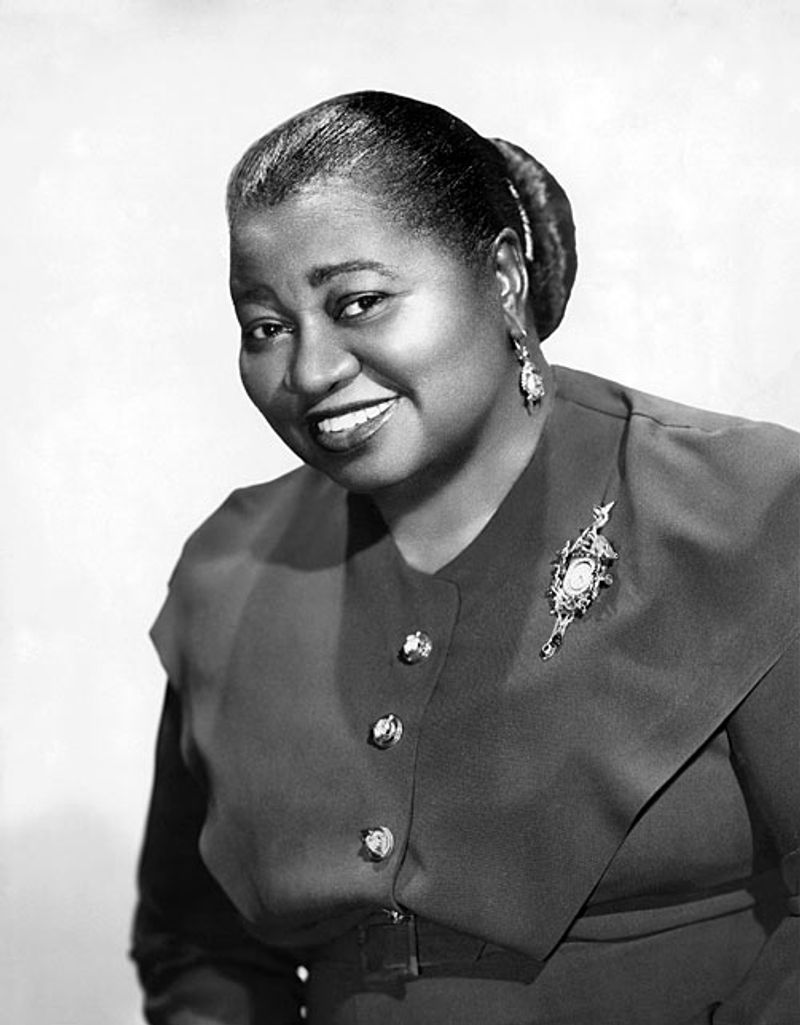
History was made in 1940 when Hattie McDaniel won an Academy Award for Gone with the Wind. She became the first Black performer to win an Oscar.
Yet the night also showed the divide of the era. She faced segregated seating at the ceremony venue, apart from many of her colleagues.
Her career was shaped by a narrow set of choices. Most studios offered her roles as maids and servants, and she often defended taking them by pointing out the pay and the work they provided.
McDaniel brought wit, warmth, and skill to every part. Her achievement still stands as a landmark, and her story reminds us how much talent was held back by prejudice.
10. Kim Novak
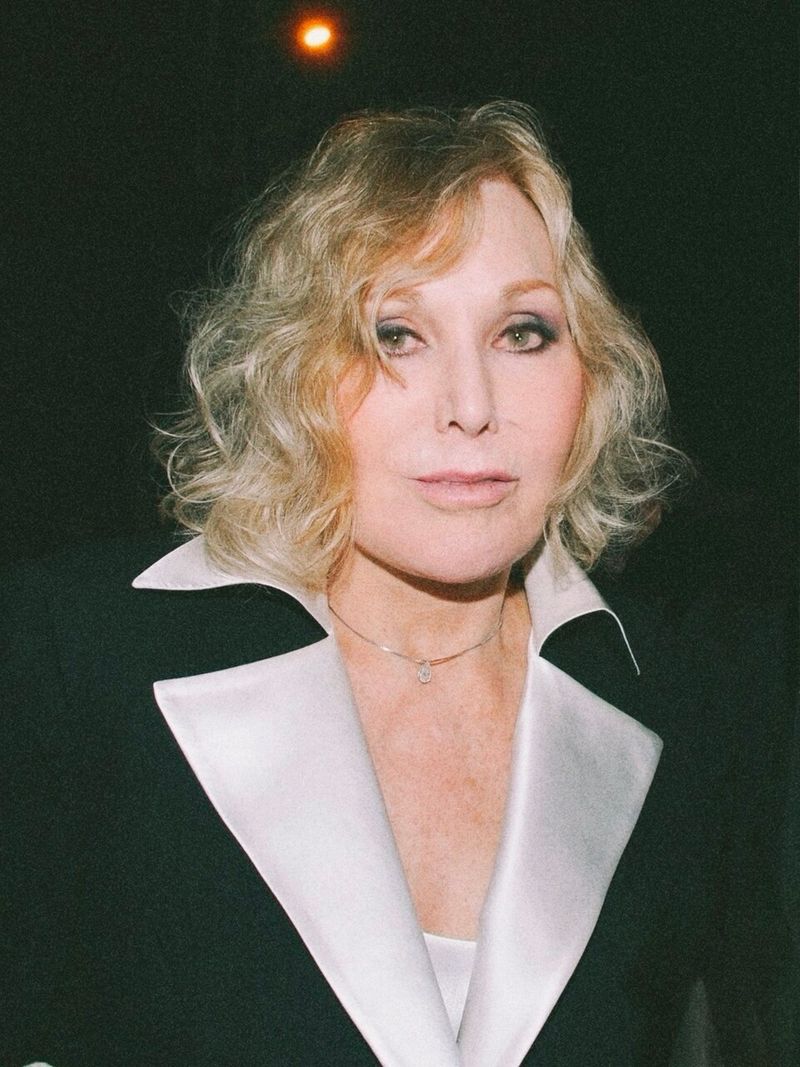
When Columbia Pictures needed a new star in the 1950s, it turned to Kim Novak. She quickly rose to fame, but her rise came with strings attached.
Studio chief Harry Cohn kept a firm grip on her career and public image. He had strong opinions about how she should look and behave.
That control reached into her personal life. Cohn pressured her over her romantic relationships, since he worried about how they might affect her image.
Novak still delivered memorable work, including her role in Vertigo. She later spoke about the struggle to be seen as more than a studio creation.
Her experience shows that the old system lingered well into the 1950s.
11. Joan Crawford
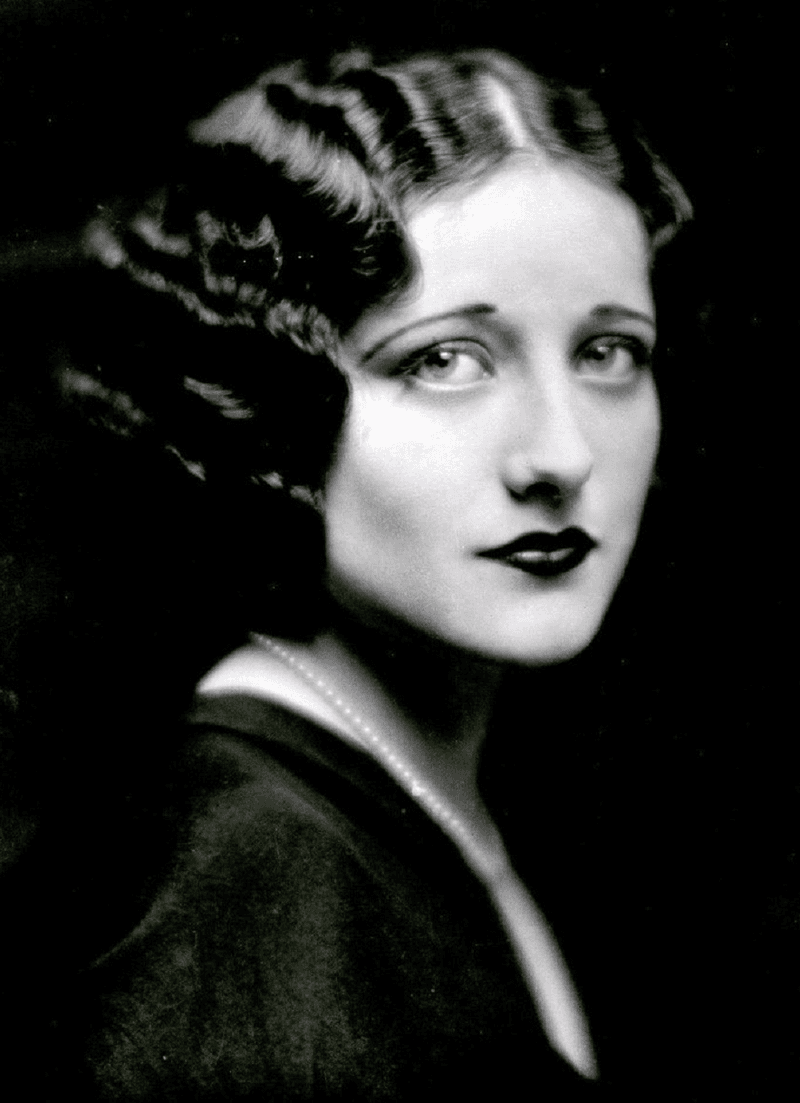
Joan Crawford understood that stardom was part talent and part careful design. MGM helped build her glamorous look and kept her in the spotlight for years.
By the early 1940s, though, her box-office pull had slipped. In 1943, the studio ended her contract, which was a heavy blow after nearly two decades there.
Many stars would have faded away. Crawford instead signed with Warner Bros. and set out to prove herself again.
Her role in Mildred Pierce brought her an Academy Award for Best Actress. The comeback became one of the most admired in film history.
Her path shows how fast fortunes could change under a studio contract, and how determination could change them back.
12. Marlene Dietrich
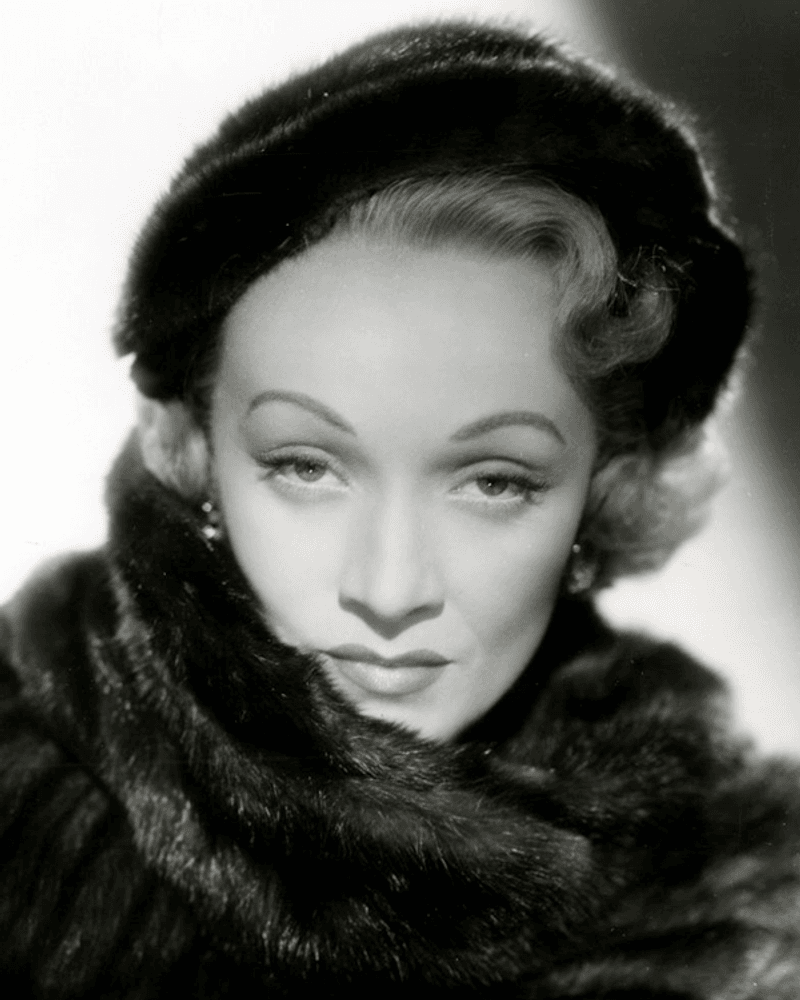
Smoky lighting, sharp cheekbones, and a mysterious stare defined the Marlene Dietrich image. Paramount worked hard to sell that look to the world.
She arrived in Hollywood from Germany and quickly became a star. The studio promoted her as an elegant, exotic figure, and audiences were fascinated.
The downside was typecasting. Once a studio found a formula that sold tickets, it tended to repeat it, which narrowed the parts available to her.
Contracts of the time also gave studios a lot of say over which films she made.
Dietrich eventually turned to concerts and other ventures that gave her more control. Her career is a good example of how a famous image can be both a gift and a cage.
13. Lena Horne
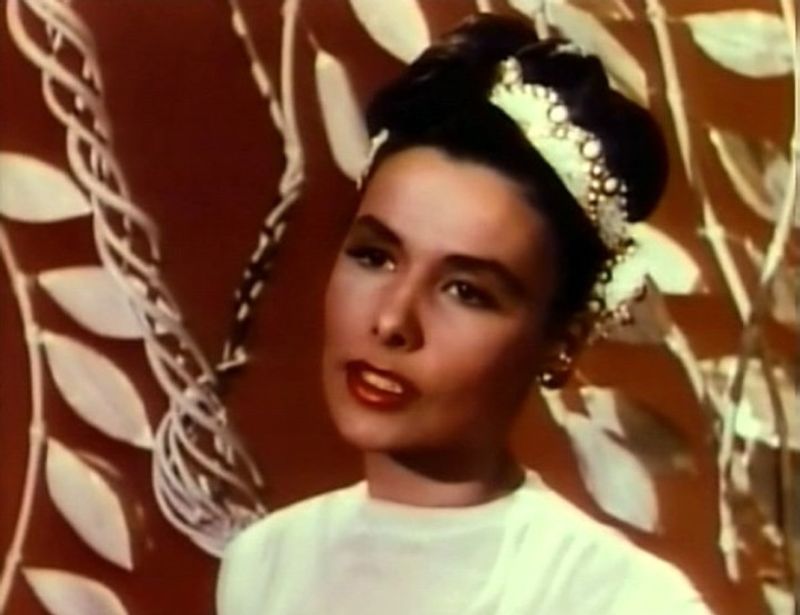
When Lena Horne signed with MGM in 1942, it looked like a big step forward. Few Black performers had landed such a deal.
Even so, racial discrimination limited what she could do. Studio leaders rarely gave her full dramatic roles that placed her inside the main story.
Instead, her musical numbers were often filmed as separate scenes. That made them easy to cut for theaters in the segregated South.
Horne had a dazzling voice and real acting ability, but the system did not use them fully. She later became a strong voice for civil rights.
Her nightclub and concert career brought her great success, and she became an admired icon on her own terms.
14. Lupe Vélez
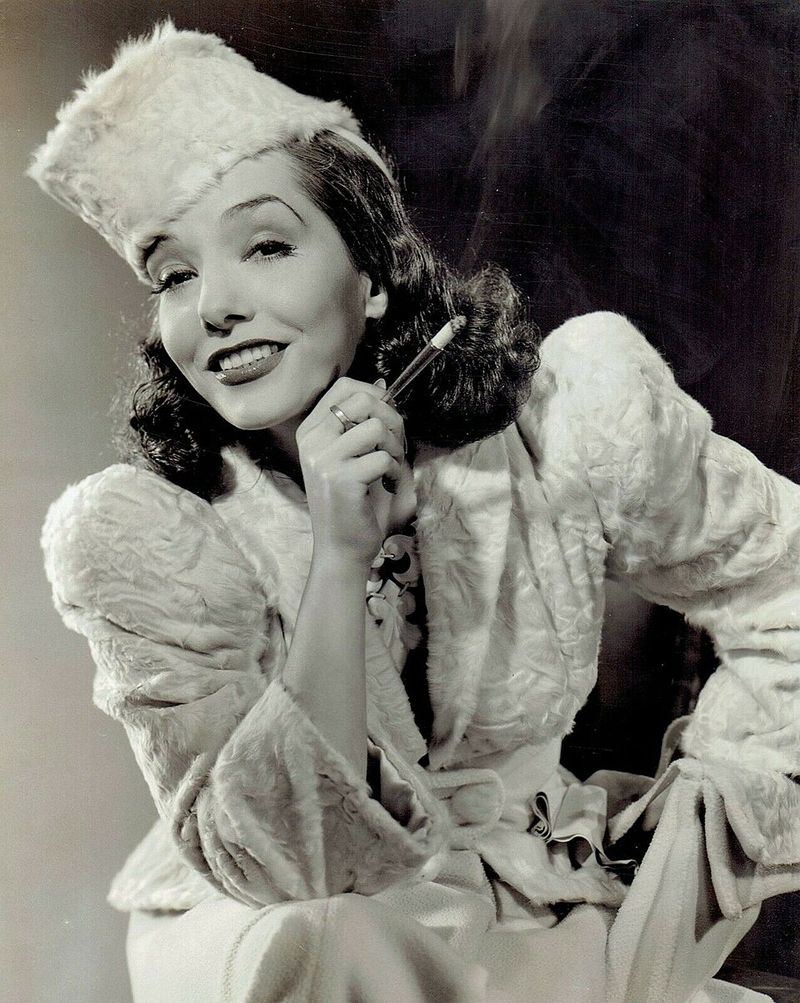
Lupe Vélez had comic timing, a bright personality, and plenty of range. Hollywood, however, kept putting her in one box.
The Mexican actress was repeatedly cast in loud, exaggerated Latina roles. Many of those parts relied on stereotypes rather than real characters.
She became famous in the Mexican Spitfire film series, which made her a household name. At the same time, the popularity of those comedies made it harder to move into other kinds of parts.
Her dramatic talent rarely got a fair showcase, and that held back her career.
Her story is often used to discuss how Latina performers were limited by stereotypes, a challenge that the film industry has worked on for decades.
15. Jackie Coogan
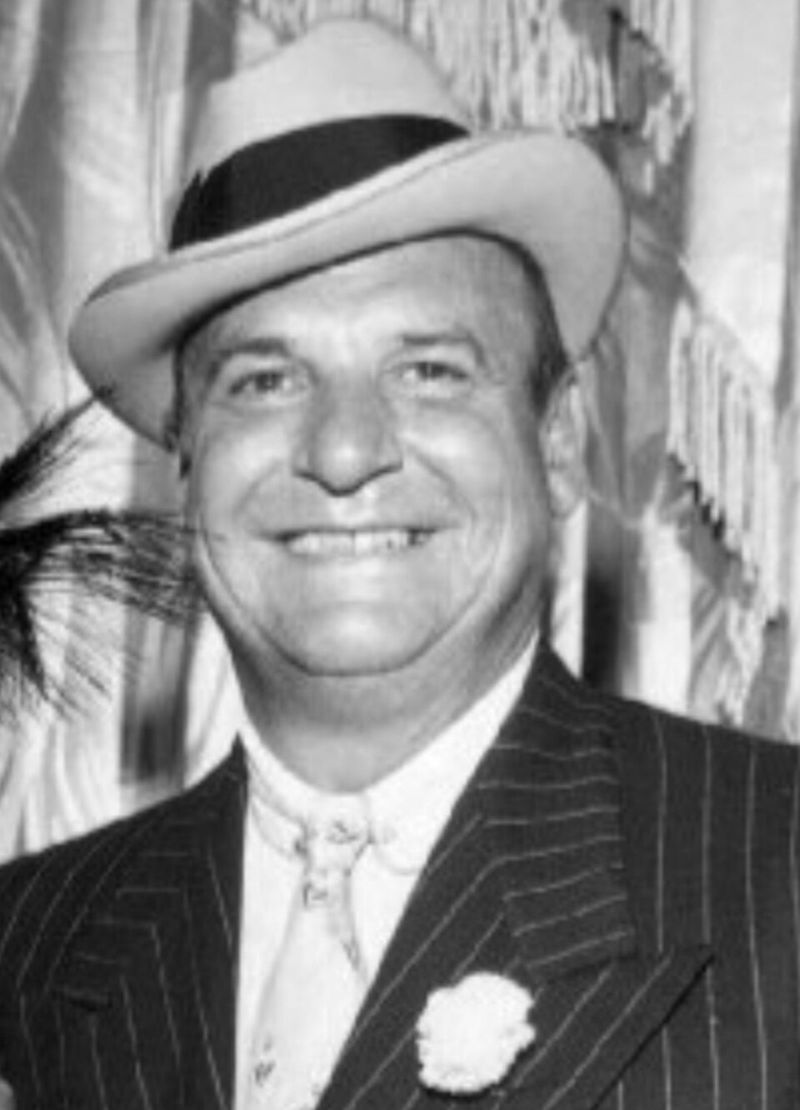
Few child stars were as famous as Jackie Coogan after he appeared in Charlie Chaplin’s The Kid in 1921. He went on to earn enormous sums as a young performer.
When he grew up, he expected to find that money waiting for him. Instead, he learned that much of it had been spent by his mother and stepfather.
Coogan took them to court, but there was little left to recover. The case drew national attention and showed how few protections young actors had.
That public concern helped inspire California’s Coogan Act in 1939. The law requires that part of a child performer’s earnings be set aside in a protected account.
His difficult experience ended up helping generations of young actors.
Share this story