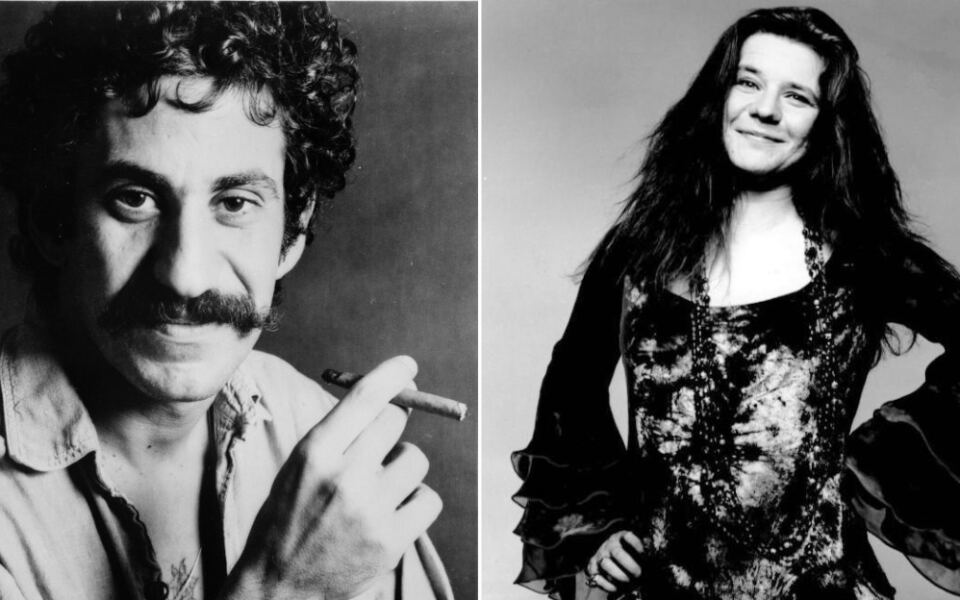
Some artists finish their careers with modest crowds and small record sales, then watch the world catch up years later. Others were already stars, yet their legends kept growing long after the last show.
This list gathers 17 musicians whose songs found bigger audiences over time, through reissues, new generations of fans, films, and word of mouth. You will find blues pioneers, folk dreamers, rock icons, and hip-hop producers here.
Each story shows how a song can outlast the person who made it. Grab your headphones, because a few of these names might send you straight to a streaming app.
Robert Johnson
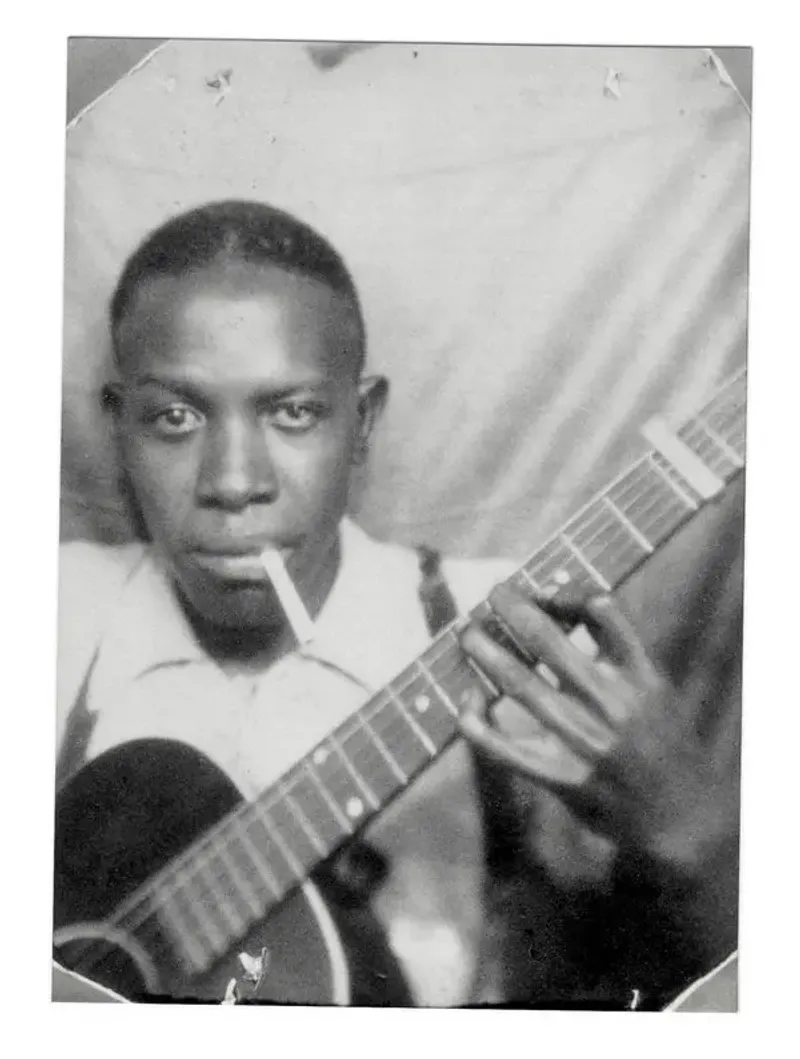
Only two known photographs of Robert Johnson are widely recognized, yet his name is spoken with awe in blues circles everywhere. He recorded just 29 songs in sessions held in 1936 and 1937, and those tracks became the backbone of a legend.
During his lifetime, his records reached a small audience. That changed in 1961, when Columbia released the album King of the Delta Blues Singers.
Young British players such as Eric Clapton and Keith Richards heard it and were hooked.
Songs like Cross Road Blues, Sweet Home Chicago, and Hellhound on My Trail turned into standards that bands still play today. The 1990 box set The Complete Recordings sold strongly and won a Grammy Award, bringing his music to a whole new crowd.
He was inducted into the Rock and Roll Hall of Fame in 1986. Today he is often called one of the most influential guitarists in American music, and it all rests on a few dozen recordings.
Nick Drake
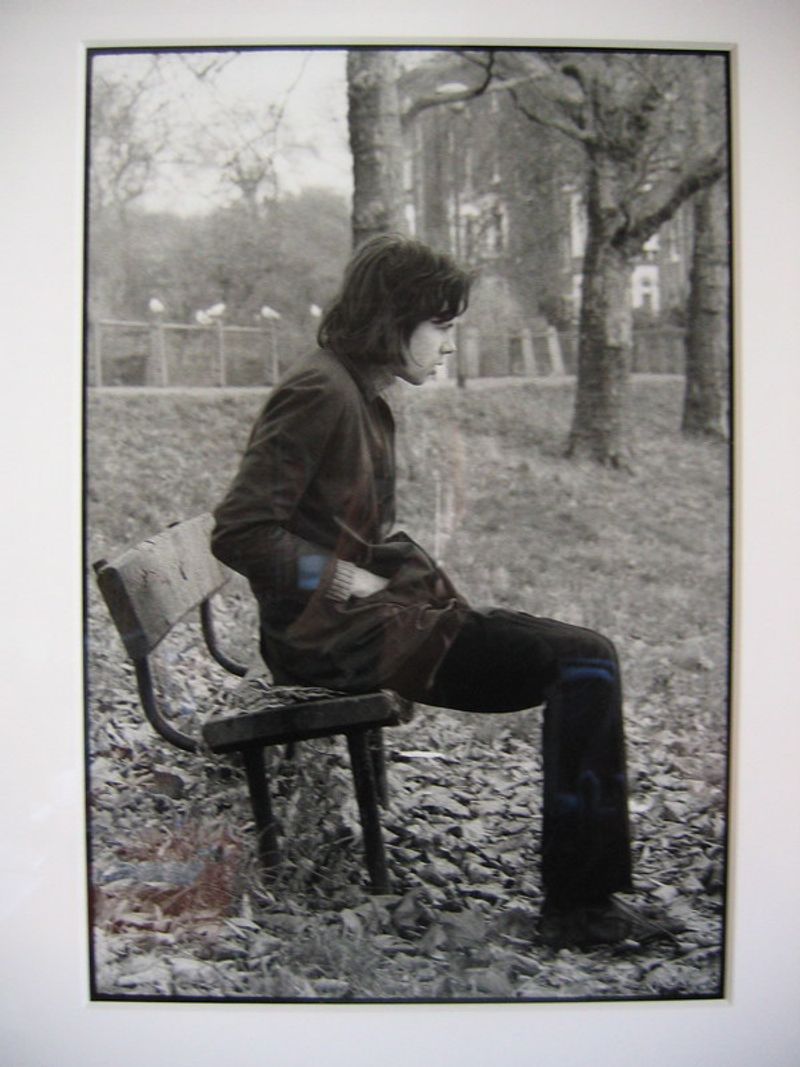
Few albums have been rescued from obscurity as sweetly as the three records Nick Drake made between 1969 and 1972. Five Leaves Left, Bryter Layter, and Pink Moon sold only a few thousand copies at first.
Drake was a shy performer who rarely played live, so there was little buzz to carry the music forward. Slowly, other musicians began naming him as an inspiration, and reissues kept the songs in circulation.
The big jump came in 1999, when Pink Moon was used in a Volkswagen commercial. Sales soared, and a new generation of listeners went searching for more.
His quiet guitar patterns and gentle vocals suited film soundtracks too, including the movie Garden State era of indie playlists.
Songs such as River Man and Northern Sky now appear on lists of the best British folk music. His small catalog has become a favorite among songwriters who admire how much he said with so little.
Jeff Buckley
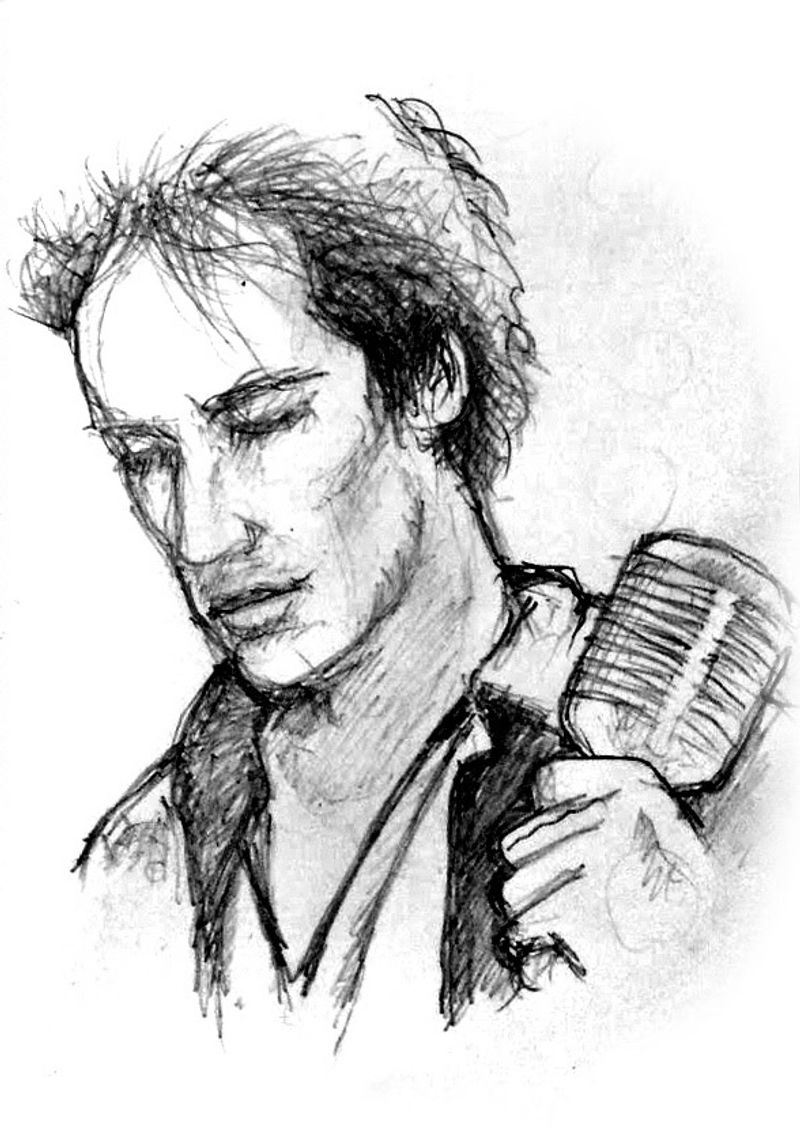
Jeff Buckley released one finished studio album, Grace, in 1994, and it earned praise more than big sales at first. His voice could soar across several octaves, which made critics and fellow singers sit up.
The song that changed everything was his version of Hallelujah, written by Leonard Cohen. Over the years, it spread through films, television shows, and playlists, and it climbed to wide popularity long after the album came out.
In the 2000s, Grace gained major certifications and was named among the best albums of its decade by many publications. A collection of unfinished work, Sketches for My Sweetheart the Drunk, arrived in 1998 and gave fans a look at where he was headed.
His Hallelujah is now one of the most streamed songs of its era, and musicians still cite his live shows as a standard to chase.
Otis Redding
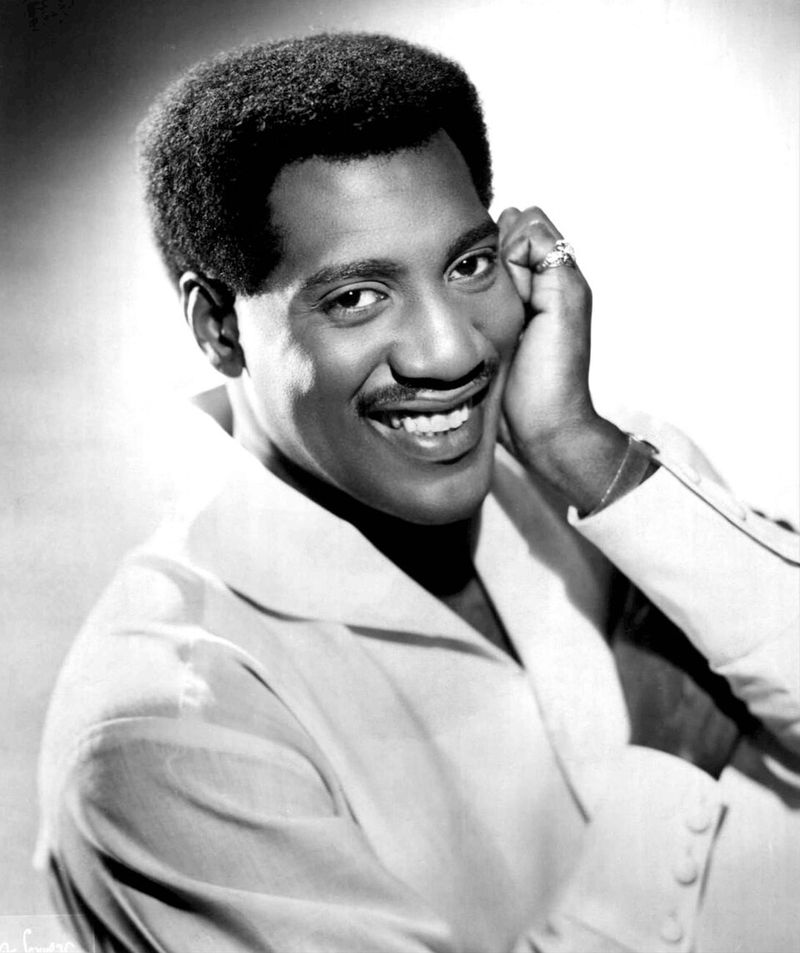
Otis Redding was already a soul powerhouse by 1967, but his biggest chart moment came afterward. He recorded (Sittin’ On) The Dock of the Bay in late 1967, and it was released in early 1968.
The song hit number one on the Billboard Hot 100, a first for a posthumous release in the United States. It also won two Grammy Awards, helping cement his place in music history.
Born in Georgia, Redding recorded for Stax Records in Memphis. Songs like Respect, Try a Little Tenderness, and I’ve Been Loving You Too Long showed off a raspy, urgent style that other singers copied for decades.
Aretha Franklin turned his song Respect into a worldwide anthem, which only added to his reach. He was inducted into the Rock and Roll Hall of Fame in 1989, and his legacy continues through the Otis Redding Foundation in Macon.
Jim Croce
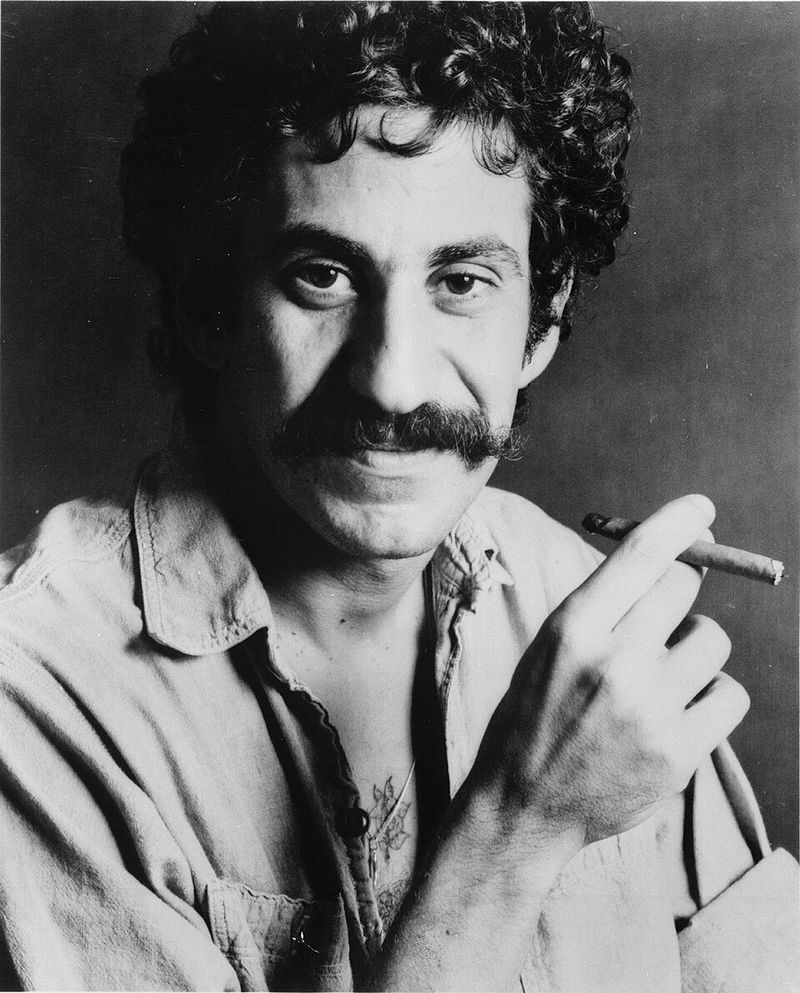
A storyteller with a guitar and a thick mustache, Jim Croce wrote songs that felt like short films. He had a run of hits in the early 1970s, including You Don’t Mess Around with Jim and Operator.
His biggest successes came in 1973, with Time in a Bottle and I Got a Name arriving soon after. Time in a Bottle reached number one on the Billboard Hot 100 in early 1974, after it was featured in a television movie.
Croce’s album Life and Times also climbed the charts, and his catalog has stayed popular through radio and compilation releases. Bad, Bad Leroy Brown, a tale of a tough guy from Chicago, topped the charts in 1973.
He was inducted into the Songwriters Hall of Fame in 1990. His son, A.J.
Croce, became a musician too, keeping the family name in music.
Ian Curtis
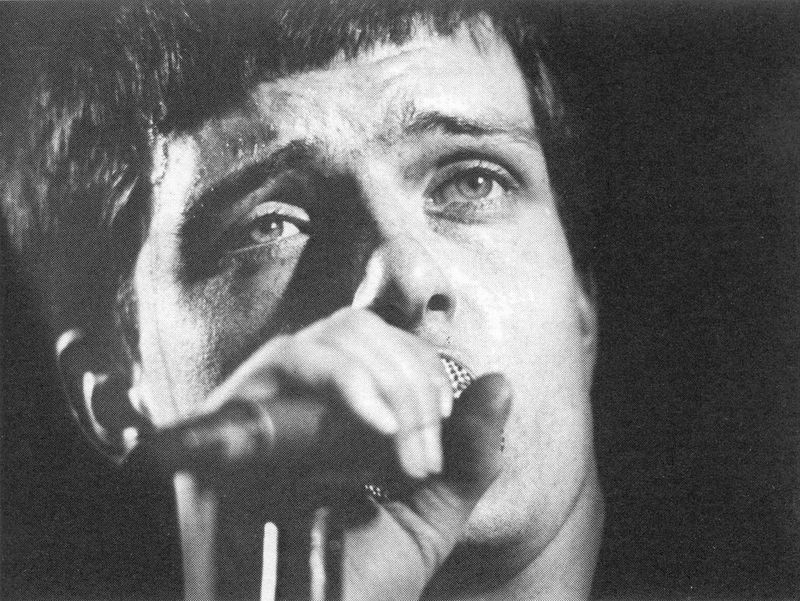
Joy Division from Manchester, England, released just two studio albums with Ian Curtis as lead singer. Unknown Pleasures arrived in 1979, and Closer followed in 1980.
Curtis wrote deep, thoughtful lyrics and performed with a striking, unique stage style. The band was on the verge of a first American tour when its story took a turn, and the remaining members went on to form New Order.
Love Will Tear Us Apart, released in 1980, became one of the most beloved songs of its era and has appeared on many best-of lists. The Unknown Pleasures cover, with its pulsar wave design, turned up on T-shirts around the world.
Films like Control in 2007 and the documentary Joy Division in 2007 introduced the band to even more listeners. Today the group is often cited as a key force in post-punk and alternative music.
Johann Sebastian Bach
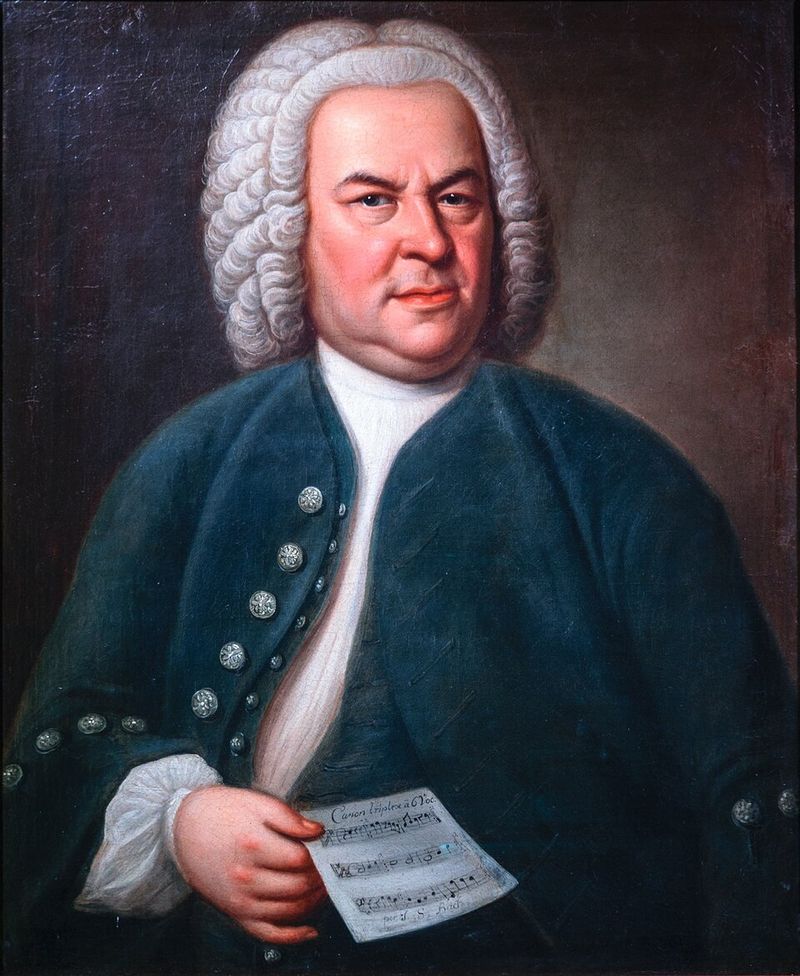
For a long stretch after the 1750s, Bach’s music was seen as old-fashioned. Tastes had moved toward lighter styles, and many of his works sat unpublished or unplayed.
The revival began in 1829, when Felix Mendelssohn conducted the St. Matthew Passion in Berlin. That performance sparked new interest, and scholars began collecting and publishing his manuscripts.
The Bach Gesellschaft, founded in 1850, worked to release his complete works. Pieces like the Brandenburg Concertos, the Goldberg Variations, and the Well-Tempered Clavier became essential study for pianists and composers.
Today he is regarded as one of the greatest composers ever. His music has even traveled to space, since a Bach recording was included on the Voyager Golden Records launched in 1977.
Not bad for a church musician from Germany who spent much of his career in Leipzig.
Selena Quintanilla-Pérez
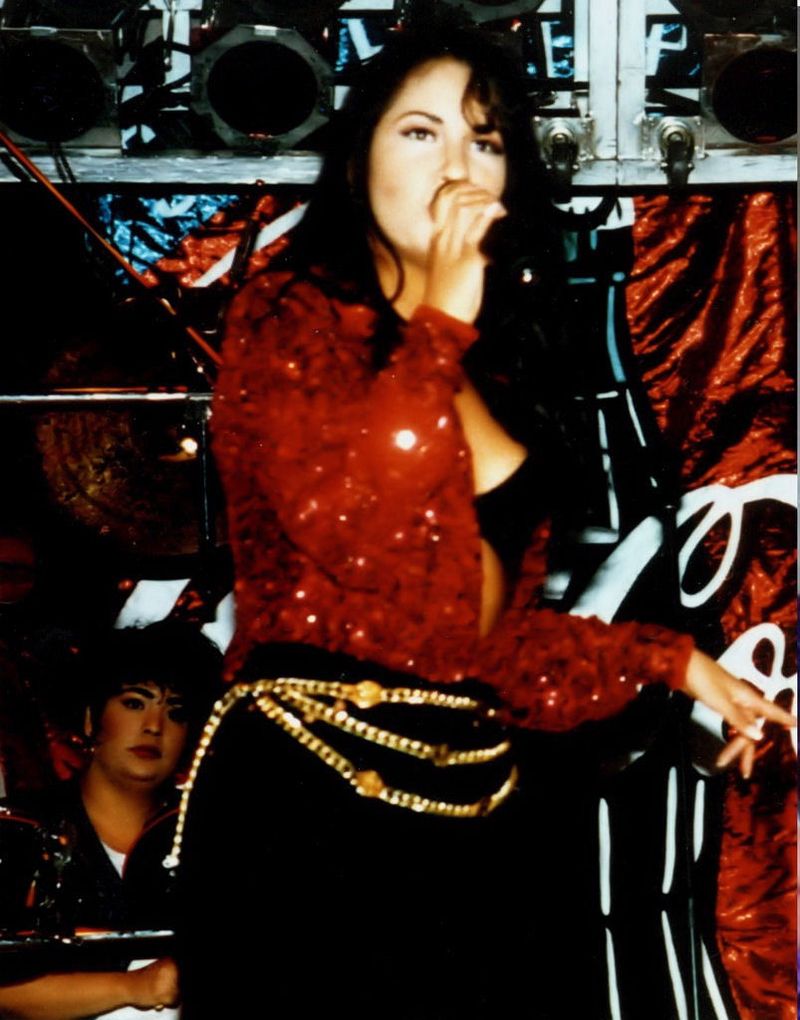
Selena was already the Queen of Tejano music, but 1995 brought a new level of attention. Her English-language album Dreaming of You debuted at number one on the Billboard 200, a rare feat for a mostly Latin artist at the time.
Born in Lake Jackson, Texas, she began performing as a child with her family band, Selena y Los Dinos. Hits like Como la Flor, Bidi Bidi Bom Bom, and Amor Prohibido made her a beloved star in the Latin music world.
The 1997 film Selena, starring Jennifer Lopez, introduced her story to a wider audience. A museum in Corpus Christi, Texas, honors her life, and her statue near the bayfront draws many fans.
She was awarded a posthumous star on the Hollywood Walk of Fame in 2017. A Netflix series and a makeup line have kept her name in headlines for a new generation.
Big L
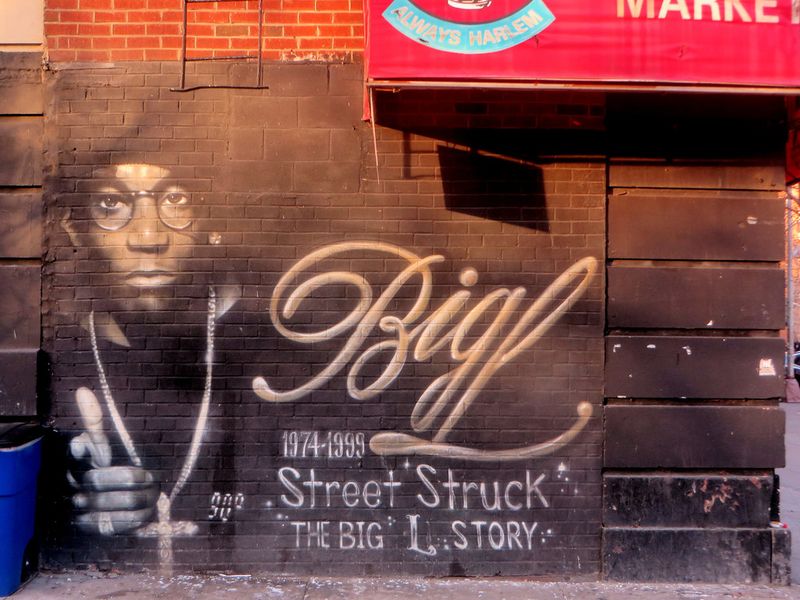
Big L, born Lamont Coleman, came out of Harlem with some of the sharpest rhymes of the 1990s. His debut album, Lifestylez ov da Poor and Dangerous, arrived in 1995 and earned respect from other rappers.
He was known for punchlines, clever wordplay, and fast flows. His group, Diggin’ in the Crates Crew, or D.I.T.C., included Fat Joe, Diamond D, and Lord Finesse.
His second album, The Big Picture, was released in 2000 and reached the Billboard 200. It included songs like Flamboyant and Ebonics, which broke down slang in a playful way and is still shared in hip-hop circles.
Over time, he became a legend among rap fans and writers, with many lists naming him among the best lyricists ever. Free-style recordings and old tapes have continued to surface, and younger artists often point to him as a model for sharp writing.
J Dilla
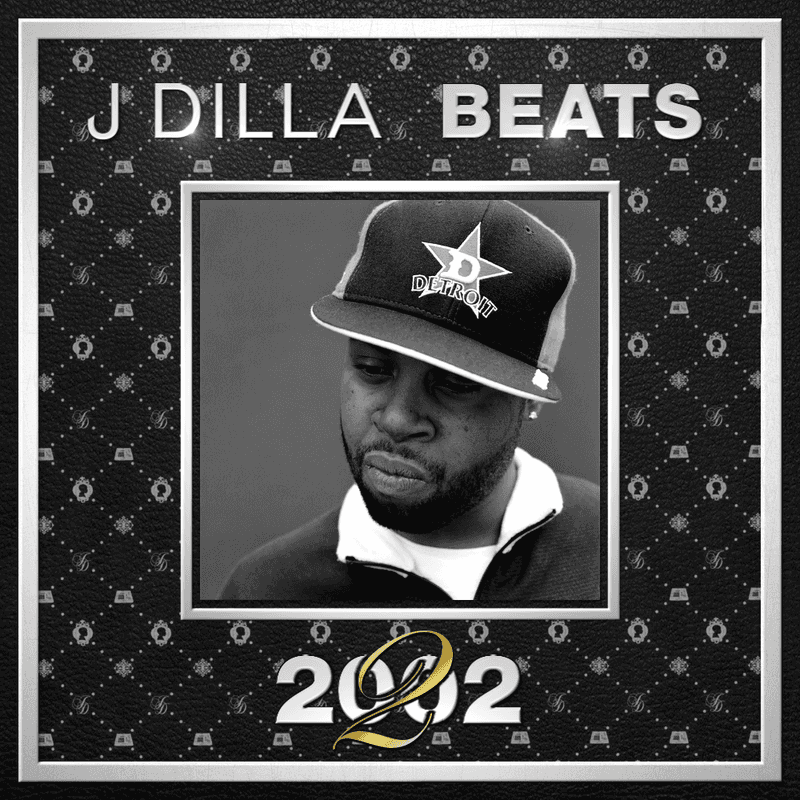
J Dilla, born James Yancey in Detroit, was a producer’s producer. He worked with A Tribe Called Quest, Common, Erykah Badu, and De La Soul, and was a member of the group Slum Village.
His studio album Donuts came out in 2006, just days before his passing. Built from soulful samples and chopped beats, it has become one of the most admired instrumental hip-hop albums ever made.
His style, with its loose, off-grid drum feel, changed how many producers think about rhythm. Beatmakers still study how he programmed his drum machine, particularly the MPC.
The Smithsonian National Museum of African American History and Culture received his MPC and Rhodes keyboard as donations. Detroit hosts an annual Dilla Day, and his catalog keeps growing through new releases drawn from his archive.
Elliott Smith
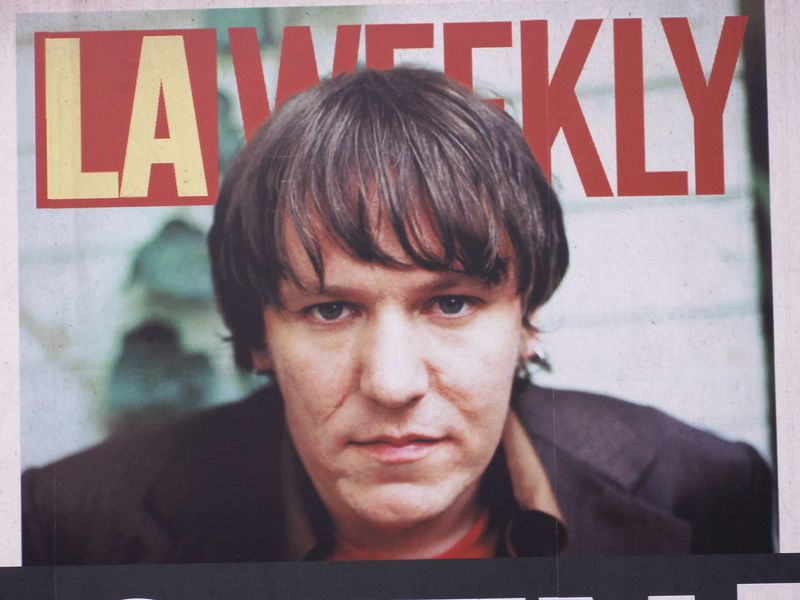
Elliott Smith made hushed, melodic songs that drew a devoted audience in the 1990s. He began in the band Heatmiser in Portland, Oregon, before launching a solo career.
His big public moment arrived in 1998, when the Good Will Hunting soundtrack featured his song Miss Misery. It earned an Academy Award nomination for Best Original Song, and he performed it at the ceremony in a white suit.
Albums like Either/Or, XO, and Figure 8 earned strong critical praise. His layered guitar work and double-tracked vocals shaped much of the indie folk sound to follow.
After 2003, collections such as From a Basement on the Hill and New Moon brought fresh attention to his catalog. Murals in Los Angeles near the Sunset Junction honor him, and his songs remain popular among fans of introspective songwriting.
Gram Parsons
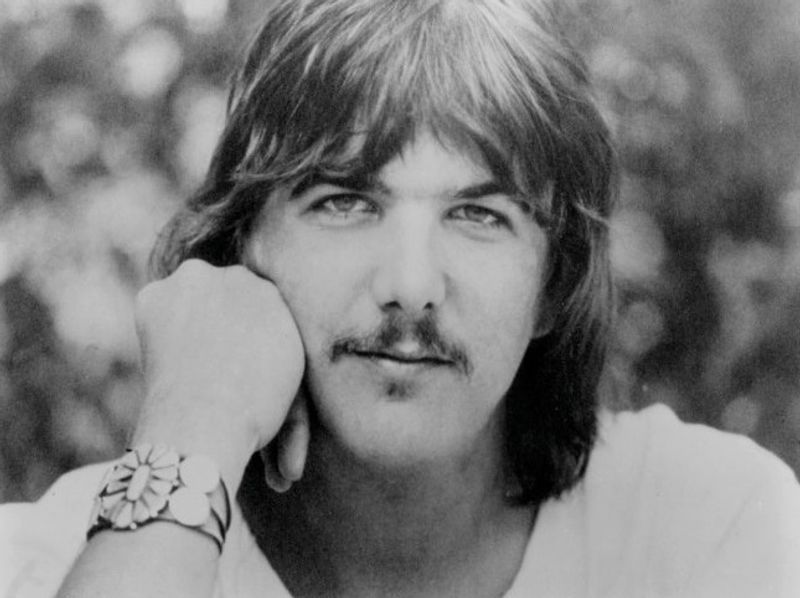
Gram Parsons liked to call his style Cosmic American Music, a mix of country, rock, soul, and folk. He played with The International Submarine Band, The Byrds, and The Flying Burrito Brothers.
The Byrds’ 1968 album Sweetheart of the Rodeo, which he joined, helped push country into rock circles. His solo albums GP and Grievous Angel, released in 1973 and 1974, featured Emmylou Harris, who became a lifelong champion of his songs.
He did not have big sales during his lifetime. Over time, though, artists from the Rolling Stones to Wilco praised his work, and his influence on alt-country is easy to hear.
Songs like Hickory Wind and Hot Burrito #1 are cited in many best-of lists. A tribute concert and compilations keep his story alive, and he was posthumously honored by the Americana Music Association.
Dimebag Darrell
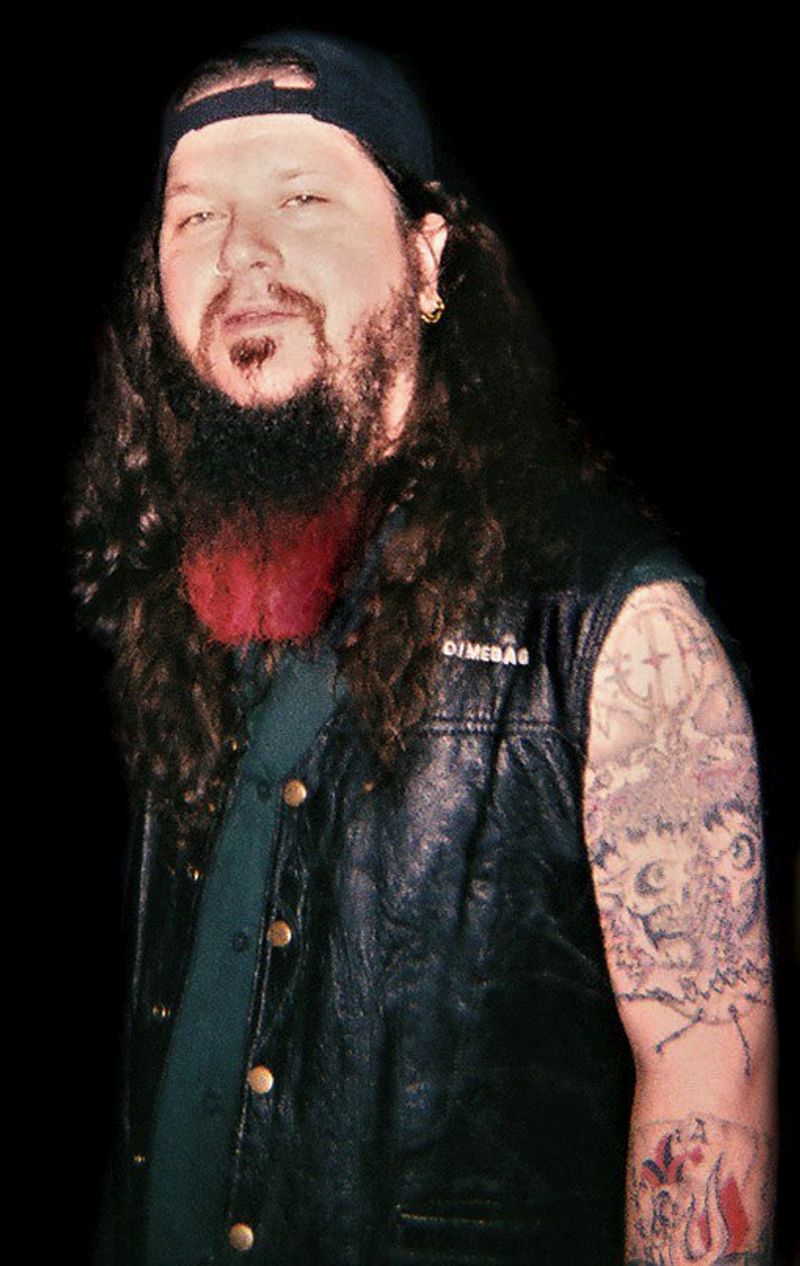
Dimebag Darrell, born Darrell Abbott in Texas, was the guitar force behind Pantera. His fast riffs and wild solos shaped the sound of groove metal in the 1990s.
Albums like Cowboys from Hell, Vulgar Display of Power, and Far Beyond Driven earned the band a huge following. Far Beyond Driven even debuted at number one on the Billboard 200 in 1994.
After Pantera, he formed Damageplan with his brother, drummer Vinnie Paul. Fans still gather to celebrate his playing, and guitar makers have released signature models in his honor.
Guitar World readers have regularly voted him among the greatest metal guitarists. A tribute tour has taken Pantera songs back to arenas, and his bright, painted guitars remain some of the most recognizable in rock.
Buddy Holly
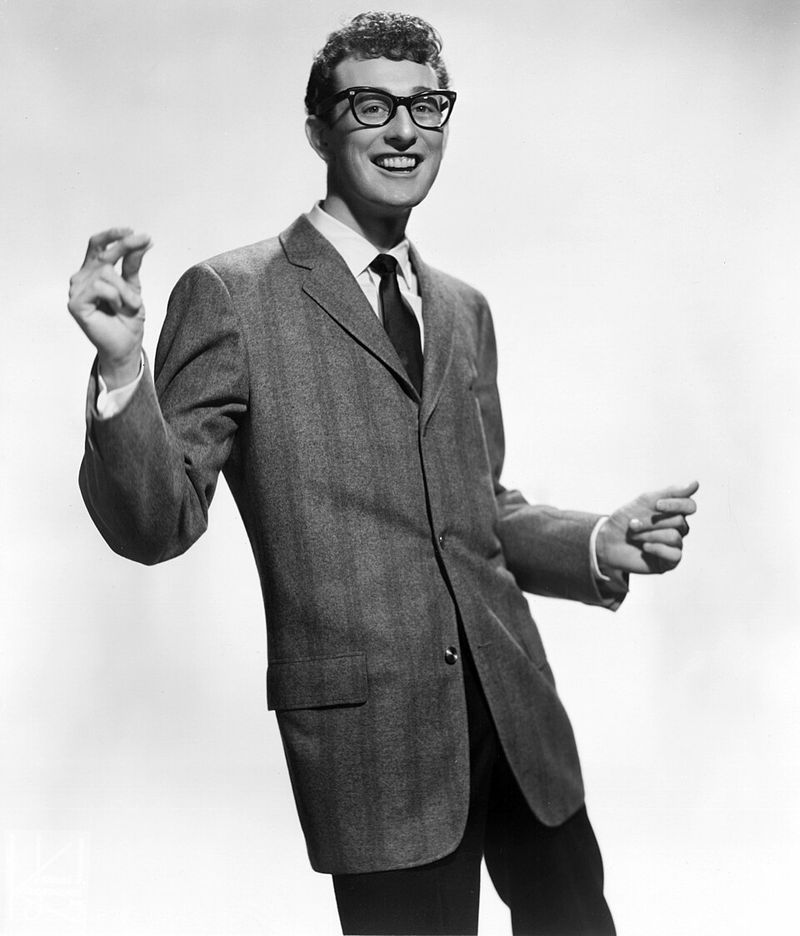
Buddy Holly put out his first hits in 1957 and 1958 with his band The Crickets. Songs such as That’ll Be the Day, Peggy Sue, and Everyday made him a star out of Lubbock, Texas.
His career lasted only about 18 months, yet his approach shaped rock and roll. He wrote his own songs, played lead guitar, and set up the lineup of two guitars, bass, and drums that bands copied for decades.
The Beatles and the Rolling Stones both pointed to him as an inspiration. The Beatles’ name itself was partly a nod to The Crickets.
The Rolling Stones recorded Not Fade Away, one of his songs.
He was in the first class of the Rock and Roll Hall of Fame in 1986. His thick glasses became a pop culture symbol, and Lubbock has a center and statue honoring him.
Janis Joplin
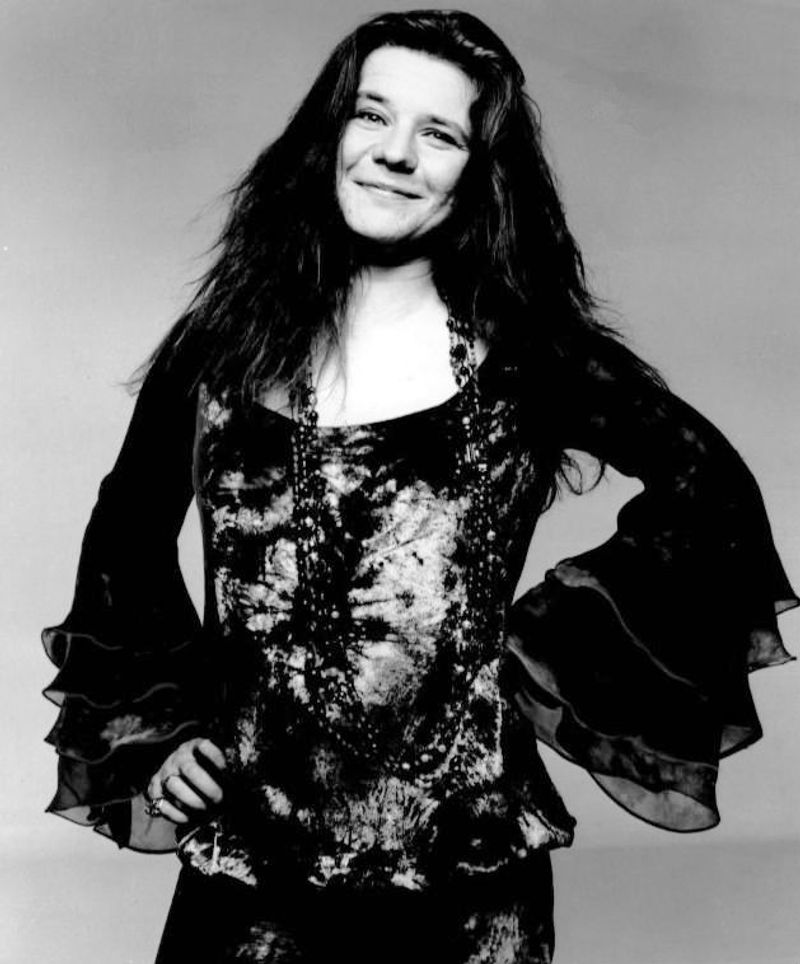
Janis Joplin had a raspy, full-throttle voice that stopped crowds in their tracks. She came from Port Arthur, Texas, and rose to fame in San Francisco with Big Brother and the Holding Company.
Her 1971 album Pearl arrived after her passing and became a number one hit on the Billboard 200. It included Me and Bobby McGee, which also reached number one on the Billboard Hot 100.
Her earlier album Cheap Thrills, released in 1968, had already put her on the map, with Piece of My Heart as a standout. Her Woodstock performance in 1969 added to her legend.
She was inducted into the Rock and Roll Hall of Fame in 1995 and received a Grammy Lifetime Achievement Award in 2005. Her music remains a go-to for fans of classic blues rock and powerful singing.
Jimi Hendrix
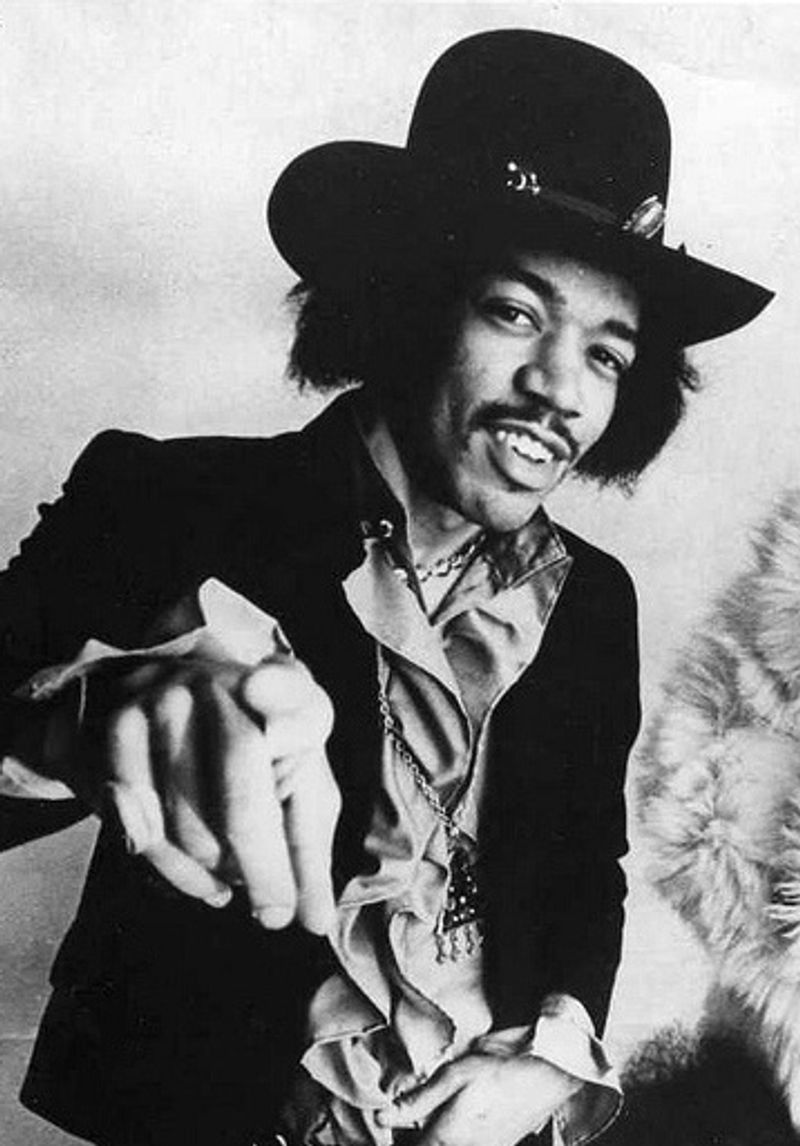
Jimi Hendrix released just three studio albums in his lifetime, yet they changed how the electric guitar could sound. Are You Experienced, Axis: Bold as Love, and Electric Ladyland came out between 1967 and 1968.
His set at Woodstock in 1969, including his version of The Star-Spangled Banner, became one of the most famous moments in rock history. Songs such as Purple Haze, Little Wing, and All Along the Watchtower are still staples of classic rock radio.
After 1970, his estate and family released many collections of unfinished studio and live recordings. The 1971 album The Cry of Love and later releases kept his name on the charts.
Rolling Stone has often ranked him as the greatest guitarist of all time. The Jimi Hendrix Experience was inducted into the Rock and Roll Hall of Fame in 1992, and Seattle’s Museum of Pop Culture displays items from his career.
Kurt Cobain
Nirvana’s 1991 album Nevermind turned Seattle’s grunge scene into a worldwide movement. Kurt Cobain wrote Smells Like Teen Spirit, Come as You Are, and Lithium, songs that still fill playlists today.
The band followed with In Utero in 1993 and a stripped-down MTV Unplugged in New York set that was released in 1994. That live album reached number one on the Billboard 200 and showed a quieter side of his songwriting.
His journals, released in 2002 as Journals, offered fans a close look at his sketches, lyrics, and thoughts. A documentary called Kurt Cobain: Montage of Heck arrived in 2015 and drew new attention.
Nirvana entered the Rock and Roll Hall of Fame in 2014, its first year of eligibility. Nevermind remains one of the best-selling albums of its era, and the band’s T-shirts still turn up everywhere.
Share this story