Shrimp in this town don’t come from a freezer case. They come off working boats tied up at the water’s edge, often hours from the ocean.
That alone made me sit up and pay attention.
This little island city sits at the very top of Florida’s Atlantic coast. Its people proudly call it the birthplace of the modern shrimping industry.
Every spring, a whole festival celebrates the pink and white crustaceans that built the local economy.
I like how the place never tries too hard. Brick storefronts line the main street, and the harbor still smells like salt and diesel and hard work.
It feels like Old Florida decided to stay put.
I can’t imagine a better excuse for a road trip than dinner that was swimming this morning. So where exactly is this shrimp-loving corner, and what else is hiding there?
Florida’s Top Right Corner, Where the Atlantic Begins
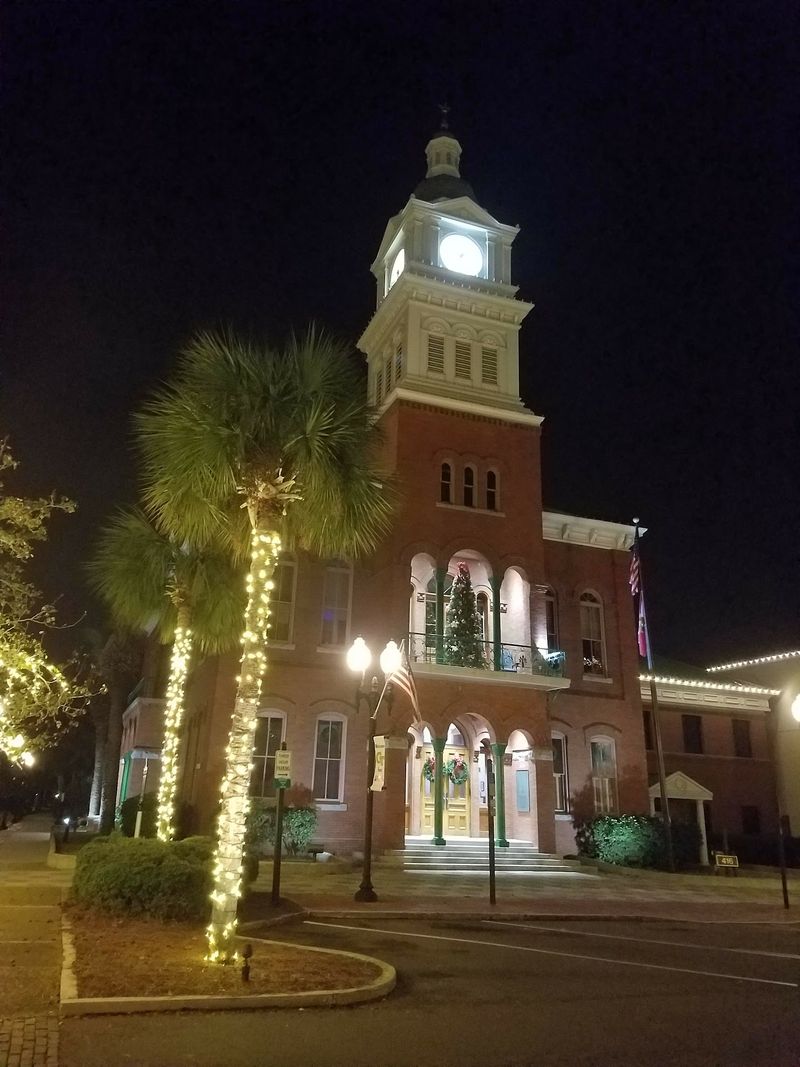
Grab a map and slide your finger as far north as Florida’s Atlantic coast allows. Right there, on Amelia Island, sits Fernandina Beach, the northernmost city on the state’s eastern shoreline.
Georgia is basically a neighbor across the water. That location gives the town a slightly different flavor than the beach cities farther south.
Fernandina Beach is the county seat of Nassau County, so it carries some official weight. It’s also part of Greater Jacksonville, which makes it easy to reach without feeling like a suburb.
Don’t expect high-rise condos crowding every inch of sand. The city leans small, walkable, and comfortable in its own skin.
That mix of harbor town and beach town is the real draw. On one side, shrimp boats work the river.
On the other, the Atlantic rolls in with wide, open sand.
Few Florida places pull off both personalities this naturally. For readers who love discovering corners of the state that feel genuinely local, this one deserves a spot on the list.
The official mailing area falls under Florida 32034, if you like your trip planning precise.
A Harbor That Claims the Birth of Modern Shrimping
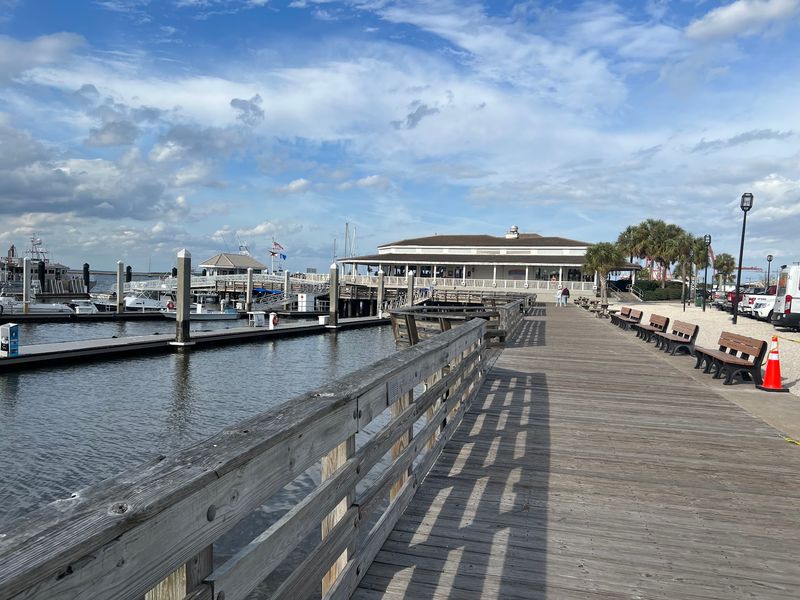
Bragging rights matter in small towns, and this one holds a big one. Fernandina Beach proudly calls itself the birthplace of the modern shrimping industry.
Early in the 1900s, local fishermen helped develop trawling methods that changed how shrimp were caught. Those techniques spread up and down the coast and beyond.
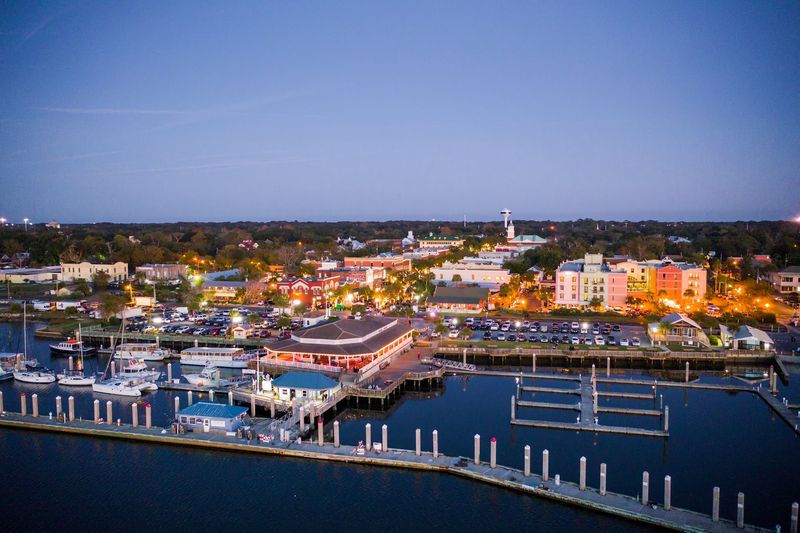
Walk the waterfront today and the connection still shows. Shrimp boats with tall outriggers remain part of the harbor scenery.
They aren’t museum props, either. These are working vessels, which gives the downtown riverfront an honest, workaday feel.
Shrimp didn’t just feed the town. The industry shaped its jobs, its traditions, and a good chunk of its identity.
You’ll notice shrimp imagery popping up around town in murals, signs, and decorations. Locals clearly don’t take the heritage lightly.
That history is the reason dock-side shrimp buying feels special here. It’s a direct line to more than a century of island life.
When you buy a pound off a local boat, you’re joining a very old Florida tradition. Pretty tasty way to learn some history, right?
Fresh Shrimp Straight Off the Boat
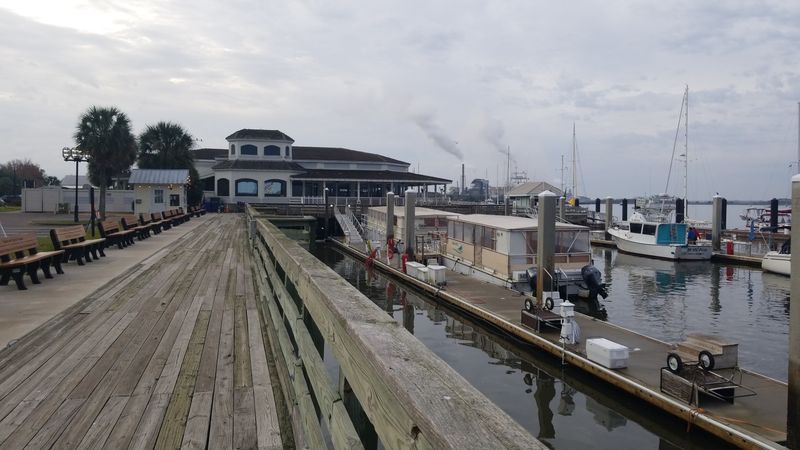
Wild-caught shrimp taste different, and seafood fans know it. In Fernandina Beach, buying them close to the boats is still a real option.
The town’s working waterfront keeps the supply chain refreshingly short. Shrimp come in from local waters and reach buyers without a long cross-country trip.
Availability depends on the boats, the weather, and the season. That’s part of the charm, since fresh seafood works on nature’s schedule, not yours.
Calling ahead or checking with local seafood sellers before you go is smart. Bring a cooler with ice if you’re driving home.
Florida waters produce several kinds of shrimp, and local boats harvest from the nearby Atlantic. Many shoppers love the sweet flavor of fresh wild shrimp.
Boil them, grill them, or toss them into a skillet with butter and garlic. Simple cooking lets the freshness do the talking.
For budget-minded families, going straight to the source can stretch a grocery dollar. You skip some of the middle steps and get a better story too.
Honestly, a cooler of island shrimp beats any souvenir T-shirt.
The Spring Party Built Around a Crustacean
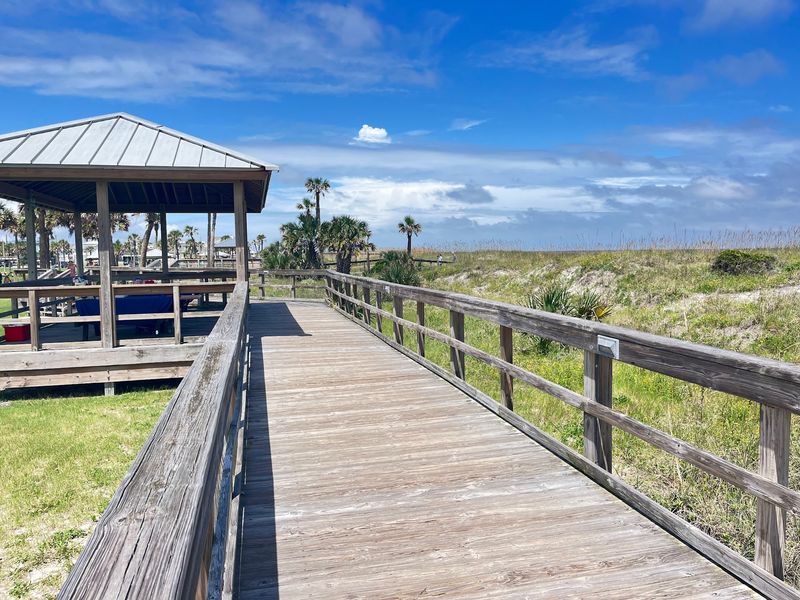
Some towns throw a parade for a holiday. Fernandina Beach throws a whole weekend for shrimp.
The Isle of Eight Flags Shrimp Festival takes over downtown each spring, typically in early May. It’s one of the island’s signature events.
Food naturally takes center stage. Expect plenty of shrimp prepared in many different ways by festival vendors.
Arts and crafts booths fill the streets as well. Live music and family activities round out the lineup.
The festival traditionally honors the fleet that made the town famous. Its name nods to the eight different flags that have flown over the island through history.
Big crowds come with big fun, so plan parking early. Booking a room ahead is also wise if you’re staying over.
For first-timers, the festival is an easy introduction to local culture. You get the food, the history, and the community spirit in one lively package.
Event dates and schedules shift a little each year. Check the official festival information before you lock in travel plans.
One thing’s clear. Few places in Florida celebrate a seafood this enthusiastically.
Eight Flags and a Very Crowded History Book
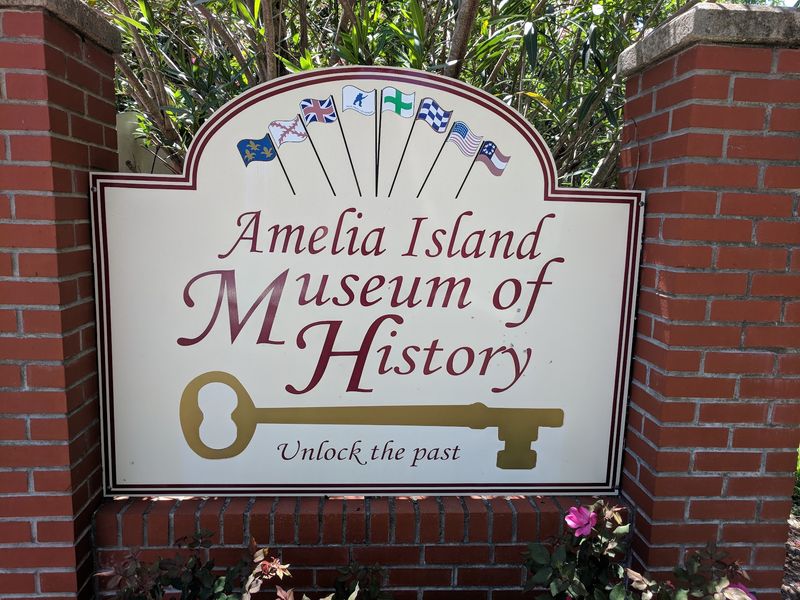
Most towns get one or two chapters in the history books. Amelia Island collected eight flags.
French, Spanish, British, and American flags are among those that flew over the island. A few short-lived independent banners joined the list too.
That is why locals call it the Isle of Eight Flags. The nickname shows up everywhere, from festival names to street banners.
All that back-and-forth came from the island’s strategic spot. A deep harbor near the Georgia line made it valuable to many powers.
Fernandina Beach grew out of that layered past. You can feel it in the old buildings and historic markers around town.
History buffs will find plenty to read and explore. The Amelia Island Museum of History is a natural first stop for the backstory.
Kids tend to love the flag story because it sounds like a board game. Who held the island this decade?
Learning the timeline makes a downtown stroll more rewarding. Suddenly those brick facades and harbor views carry a lot more meaning.
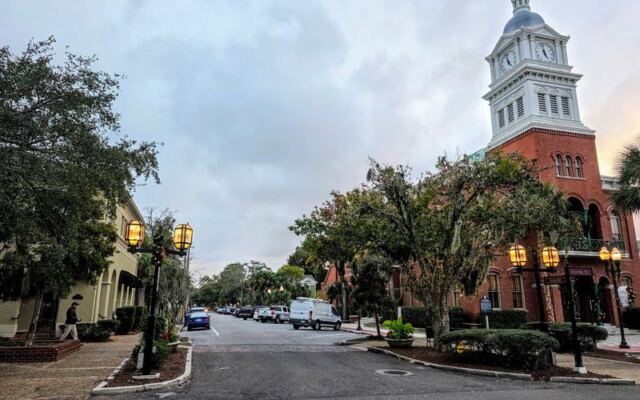
Brick Storefronts Along Centre Street
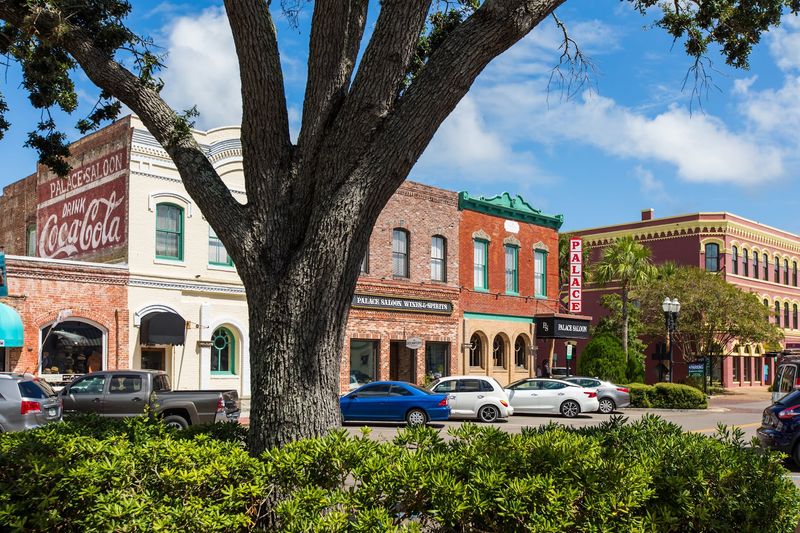
Centre Street runs right toward the harbor, and that’s no accident. The main drag grew up serving a busy port town.
Today, the historic downtown is packed with Victorian-era brick buildings. Many now house shops, cafes, galleries, and restaurants.
The district is easy to explore on foot. Park once and you can wander for hours.
Window shopping here feels relaxed rather than rushed. Small, independent businesses give the street plenty of personality.
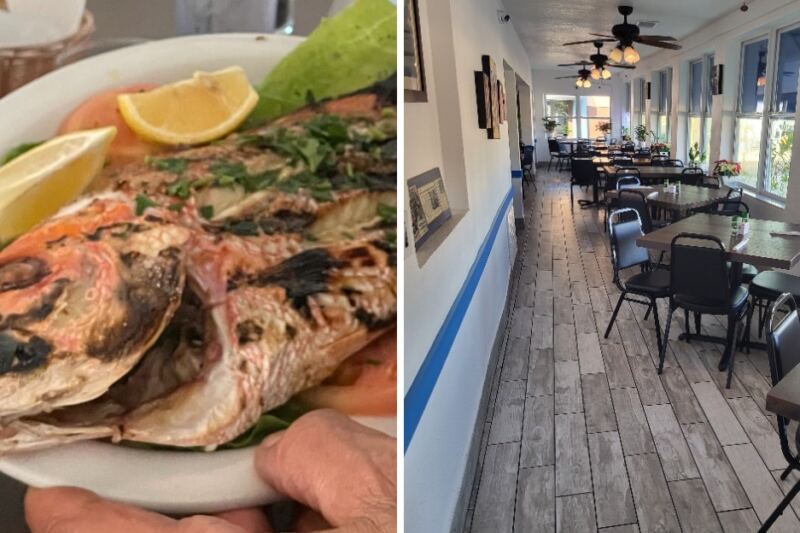
Seafood restaurants are easy to find near the waterfront. Shrimp, naturally, makes frequent appearances on local menus.
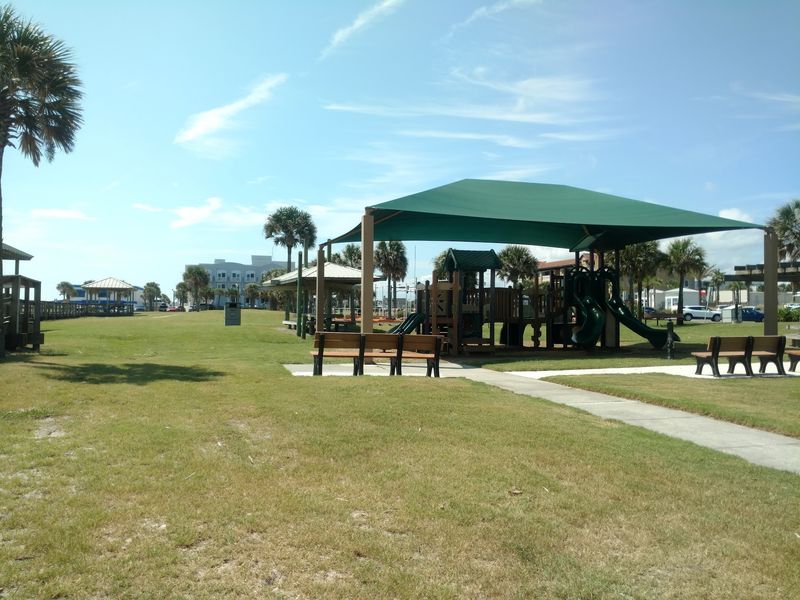
Families can grab ice cream or snacks between shop visits. Benches and shady spots offer breaks when the Florida sun turns up the heat.
The downtown area is part of a recognized historic district. Preservation efforts help keep its old-time look intact.
It all adds up to a main street that feels lived-in and real. You won’t mistake it for a theme park version of small-town Florida.
End your stroll at the riverfront. The shrimp boats make a fitting finale.
A Brick Fort Guarding the Island’s North End
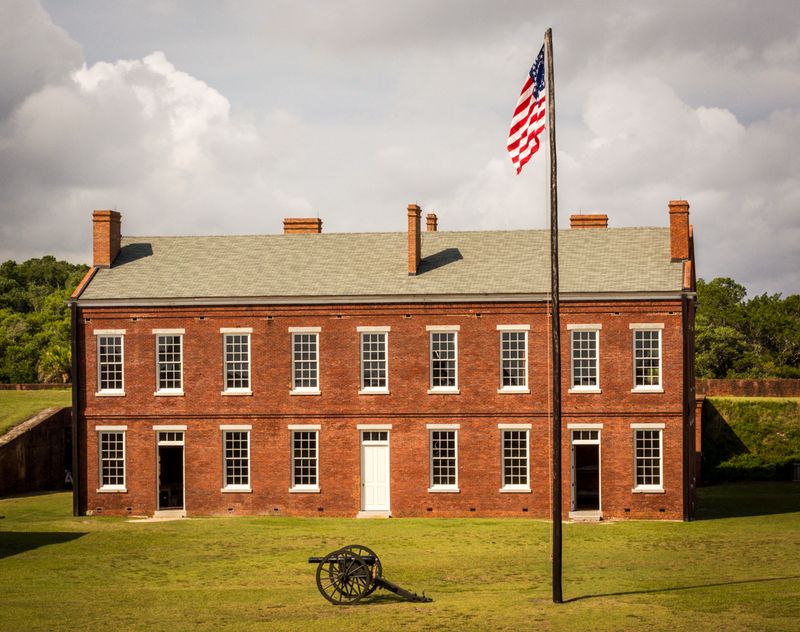
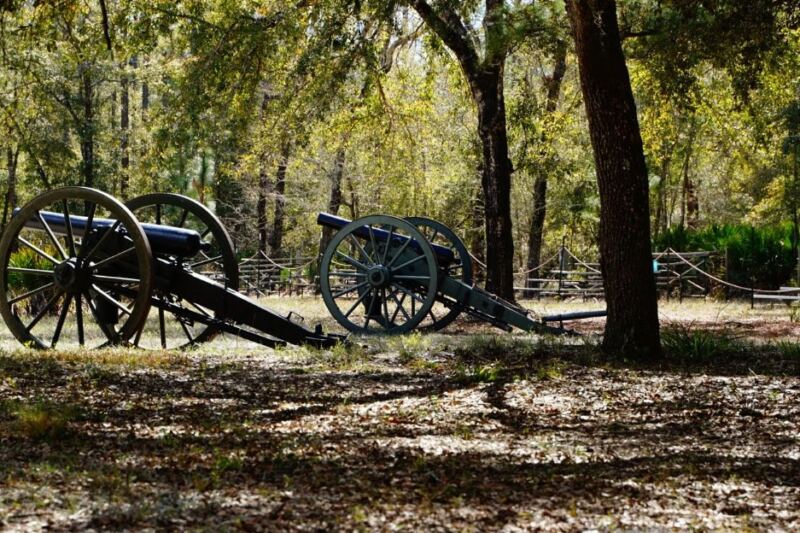
Brick walls, cannons, and ocean breezes make Fort Clinch State Park one of the island’s standout stops. The fort sits at the northern tip of Amelia Island near Fernandina Beach.
Construction began in the 1840s. The fort stands as one of the best-preserved 19th-century forts in the country.
Visitors can explore the fort grounds and interpretive displays. Living history programs are offered at times, bringing the past to life.
The park offers more than old masonry, though. Trails wind through maritime forest that feels far removed from busy highways.
Beach access, fishing, and camping round out the options. The fishing pier is a favorite spot for many anglers.
Wildlife sightings are part of the fun. Shorebirds and other coastal critters call the park home.
A modest park entrance fee applies, making it an affordable day out. That kind of value is hard to beat in Florida.
Plan at least a few hours here. Pair it with fresh shrimp afterward and you’ve got a very satisfying day.
Wide Atlantic Sand Without the Skyline
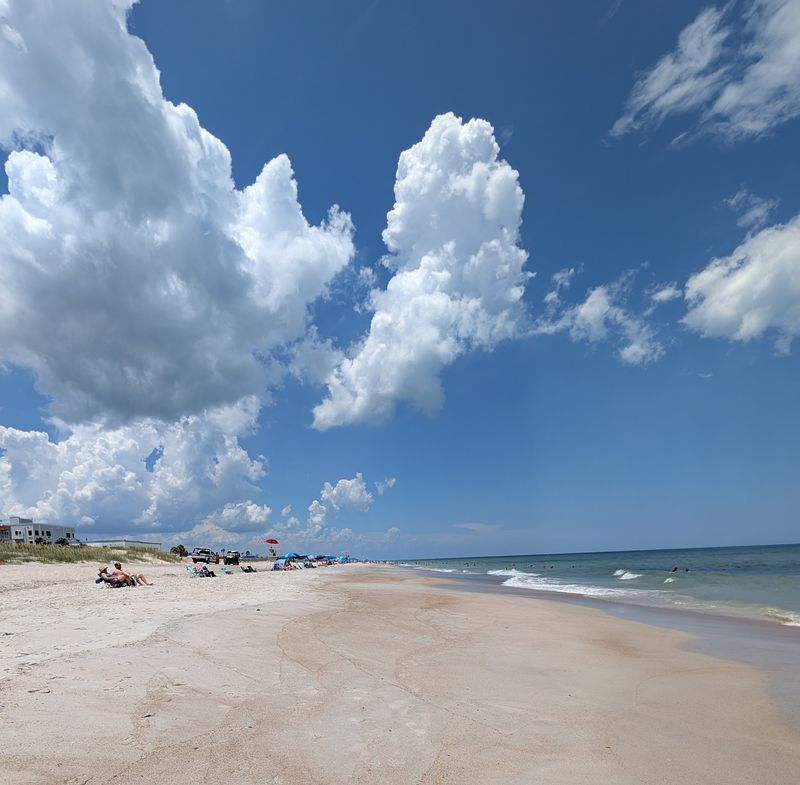
Yes, the town has “Beach” right in its name, and it earns it. The Atlantic side of the island offers broad stretches of sand.
Main Beach is a popular public spot with easy access. It’s a classic choice for families spending a day by the water.
Sea oats and dunes frame much of the shoreline. Those dunes help protect the coast, so stay on marked paths.
Shelling is a fun pastime on quieter mornings. Bring a small bag and see what the tide leaves behind.
Sunrise over the ocean is a big reason to set an early alarm. On the east coast, the sun shows up right on cue.
Fishing from the shore is popular as well. Check state rules and licensing before casting a line.
Compared with busier Florida beaches, the vibe often feels more laid-back. Fewer towers mean more sky.
Afternoons can bring summer storms, so keep an eye on the forecast. Lifeguard coverage varies, so swim near guarded areas when you can.
Who Will Fall Hardest for This Island Town
Seafood lovers are the obvious fans. If fresh shrimp makes your heart race, you’re already sold.
History buffs will be equally happy. Between the eight flags, the fort, and the old downtown, there’s plenty to explore.
Families get an easy, low-stress getaway. Beaches, ice cream, and a fort with cannons cover most kids’ wish lists.
Retirees and snowbirds often appreciate the slower pace. The walkable downtown makes casual days simple.
Budget travelers can find plenty of free or low-cost fun. Strolling Centre Street and watching sunsets over the river cost nothing.
Photographers have endless subjects to frame. Shrimp boats, Victorian buildings, and marsh views all look great on camera.
Nightlife seekers may find it quieter than larger beach cities. That’s part of the appeal for many visitors, though.
The overall mood is friendly and unhurried. It feels like a real community that welcomes guests rather than a resort built for them.
Basically, anyone who misses Old Florida should put this on the calendar.
Getting There and Planning Your Day
Jacksonville International Airport is the closest major airport. From there, the drive to Fernandina Beach runs roughly 30 to 40 minutes, depending on traffic.
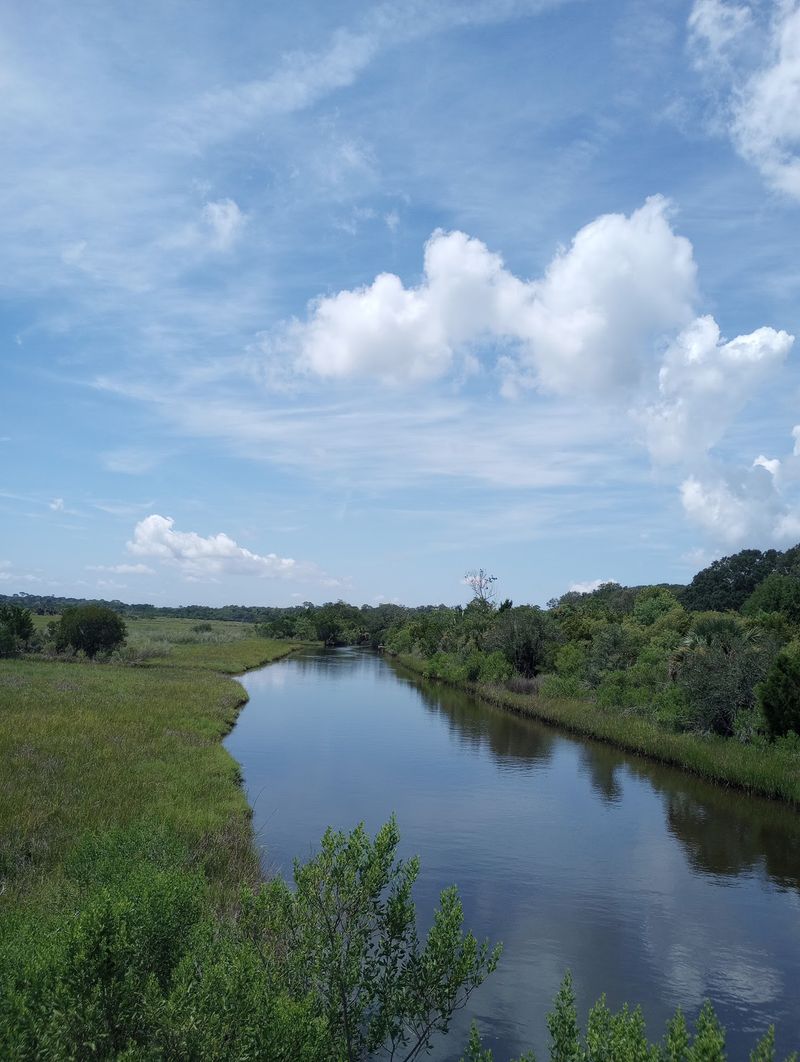
Most people arrive by car via State Road A1A. The route crosses marshland that looks lovely in the late-day light.
Parking is available around downtown and near the beaches. Busy weekends and festival days fill spaces fast.
The city’s official website is a handy planning resource. It lists events, parking details, and local updates.
Spring and fall bring comfortable temperatures for walking. Summer is hot and humid, so plan outdoor time for mornings and evenings.
Shrimp availability from local boats changes with the seasons. Asking seafood sellers about current catches is the best approach.
Lodging ranges from historic bed-and-breakfasts to beach hotels. Rates rise during peak periods and big events.
Pack sunscreen, bug spray, and a cooler for seafood. Comfortable shoes help on brick sidewalks.
A full weekend lets you see the highlights without rushing. Even a day trip from elsewhere in Florida can feel surprisingly complete.
A Shrimp Town Worth the Drive North
Florida has hundreds of beach towns, but few hold onto their working roots this proudly. Fernandina Beach still lets shrimp boats share the spotlight.
That authenticity is the real takeaway. The harbor, the history, and the seafood all connect in a way that feels genuine.
You can spend a morning at Fort Clinch and an afternoon on the beach. Then wrap things up with fresh shrimp near the docks.
Not many places pack so much character into one small island city. It rewards curiosity at every turn.
The town won’t overwhelm you with flashy attractions. Instead, it offers brick streets, sea breezes, and a strong sense of place.
For Floridians who think they’ve seen it all, this northern corner may surprise you. It feels like a different side of the state.
Go hungry, bring a cooler, and leave room in your schedule for wandering. A slow pace suits the island best.
Odds are good you’ll be planning a return trip before the drive home ends. Shrimp season comes back around, after all.
Share this story