A whole river slips underground here, then pops back up a short distance downstream. That quirk of geology turned a quiet patch of woods into one of the most important spots in 1865 Florida history.
The ground that once held soldiers and earthworks is now shaded, peaceful, and mostly empty. A tall stone monument stands near picnic tables.
Trails wander off toward dark water where bowfin cruise below the surface.
I like how easy it is to miss. Most folks heading toward the coast roll right past without a second glance.
I can’t imagine a better way to stretch your legs on a road trip than standing where a river plays hide-and-seek.
So how did a sleepy bend in the woods end up deciding the fate of a capital city? The answer sits closer to the road than you’d guess.
A River That Ducks Underground Outside the Capital
Natural Bridge Battlefield Historic State Park sits just southeast of Tallahassee, a short drive from the busy capital. Its name comes from a neat trick of nature along the St. Marks River.
The river sinks into the limestone here and flows underground for a stretch. Then it rises back to the surface, leaving a strip of dry land that acts like a bridge.
That strip of earth matters more than it looks. In 1865, it was one of the few practical places to cross the river in this swampy corner of Florida.
Today, the park is small and refreshingly simple. You’ll find a monument, picnic spots, shaded trails, and access to the water.
Nobody built a giant visitor complex or a gift shop maze. The park lets the land and its story do the talking, which feels very Old Florida.
It’s also part of the Florida State Parks system, so it shares the same care and spirit as bigger sister parks. Think of it as a quiet roadside chapter in the state’s story, waiting for anyone curious enough to pull over.
The March Morning That Saved Tallahassee
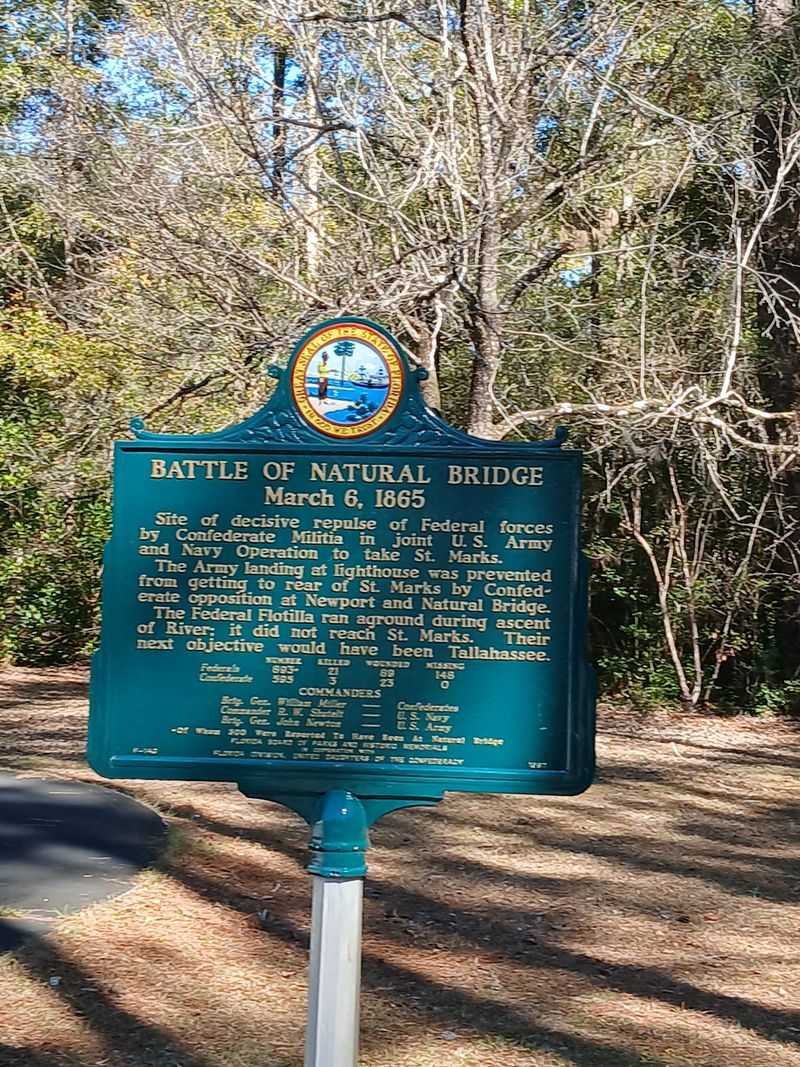
March 6, 1865, is the date that put this place on the map. Union troops landed near the coast and pushed inland, aiming for Tallahassee.
They needed a way across the St. Marks River. After other crossings didn’t work out, the natural bridge became their target.
Confederate defenders got there first and dug in. Their mix of soldiers, older home guard members, and young cadets held the crossing.
Those cadets came from the West Florida Seminary, the school that later grew into Florida State University. That’s a pretty wild bit of trivia for anyone wearing garnet and gold.
The Union force eventually pulled back toward the coast. Because of that outcome, Tallahassee stayed in Confederate hands through the end of the conflict.
It became the only Confederate capital east of the Mississippi River that wasn’t captured. Historians often point to this spot as the reason.
Big outcome, small field. The whole story played out in swampy woods that look calm and ordinary today, which makes standing here feel a little surreal.
Stone Monument Honoring Both Sides
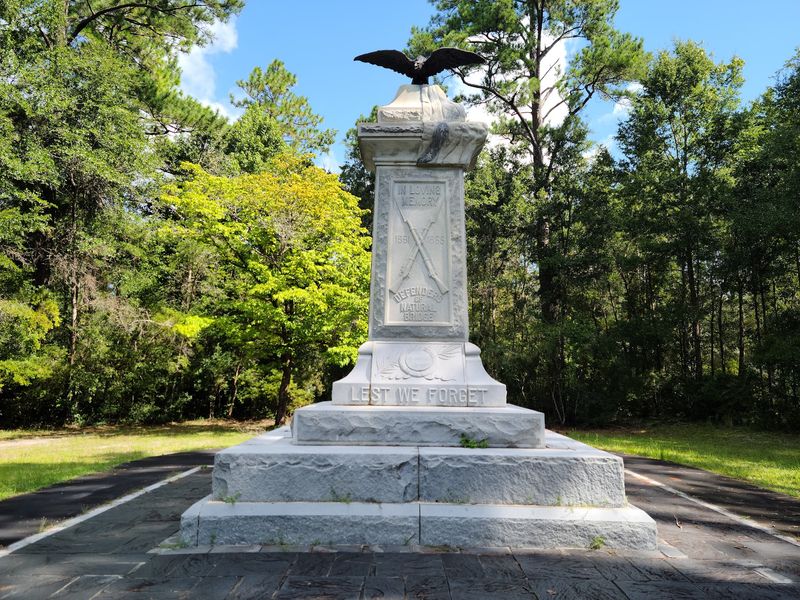
Front and center, a tall stone monument rises over the grass. It’s the landmark most people remember after a visit, and it’s easy to spot from the parking area.
The monument dates to 1922 and marks the importance of the 1865 clash. Nearby markers also recognize the Union soldiers who were part of the story.
That balance stands out. Plenty of historic sites tell one side, but this park nods to both North and South.
Take a few minutes to read the inscriptions slowly. The carved names and words connect the empty field to real people from both directions.
The setting helps, too. Tall trees frame the clearing, and the quiet makes it feel more like a garden than a busy roadside stop.
Photographers will appreciate how the stone catches the light against all that green. Early morning or late afternoon tends to give the softest look.
Just remember it’s a place of remembrance. Kids can explore freely, but climbing on the monument isn’t the move.
Earthworks Hiding in Plain Sight
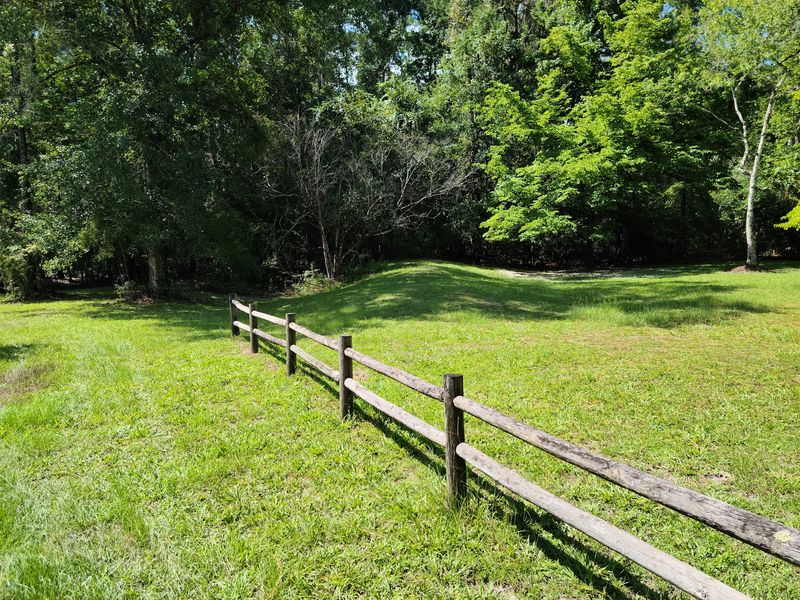
Look closely at the ground and you might notice gentle ridges and mounds. Those shapes hint at the defensive earthworks dug back in 1865.
Nature has softened them a lot over the years. Grass, leaves, and roots have blurred the lines, so they’re easy to walk right past.
The park also has some small recreated breastworks. They give a rough idea of how defenders shielded themselves near the crossing.
Here’s a fair heads-up, though. Interpretive signage is limited, so the site won’t walk you through every movement of the day.
A little homework before you go pays off. Reading a quick summary of the 1865 events makes those bumps in the earth suddenly make sense.
Some history buffs actually enjoy that challenge. Matching the landscape to old maps turns a simple stroll into a bit of detective work.
So bring curiosity instead of expecting a museum. The story is here, it just whispers instead of shouts.
Reenactment Weekend Brings the Past Roaring Back
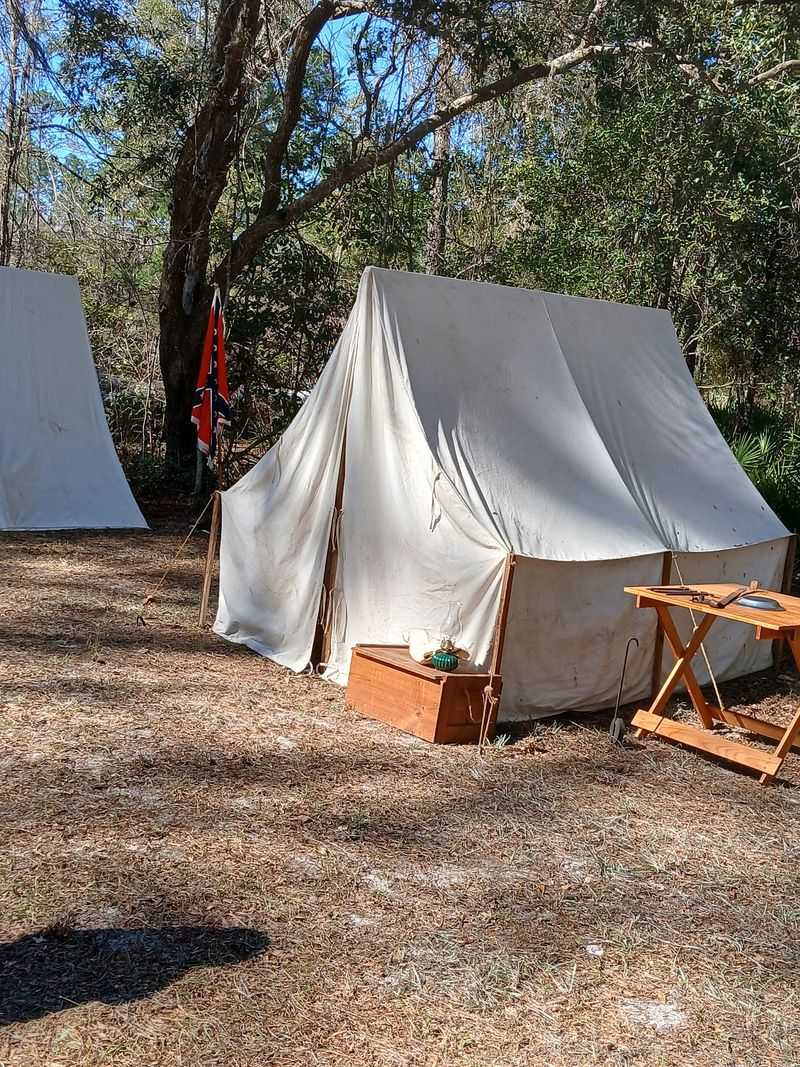
Once a year, the quiet field gets very loud. The Battle of Natural Bridge reenactment is the park’s signature event, held around the anniversary in early March.
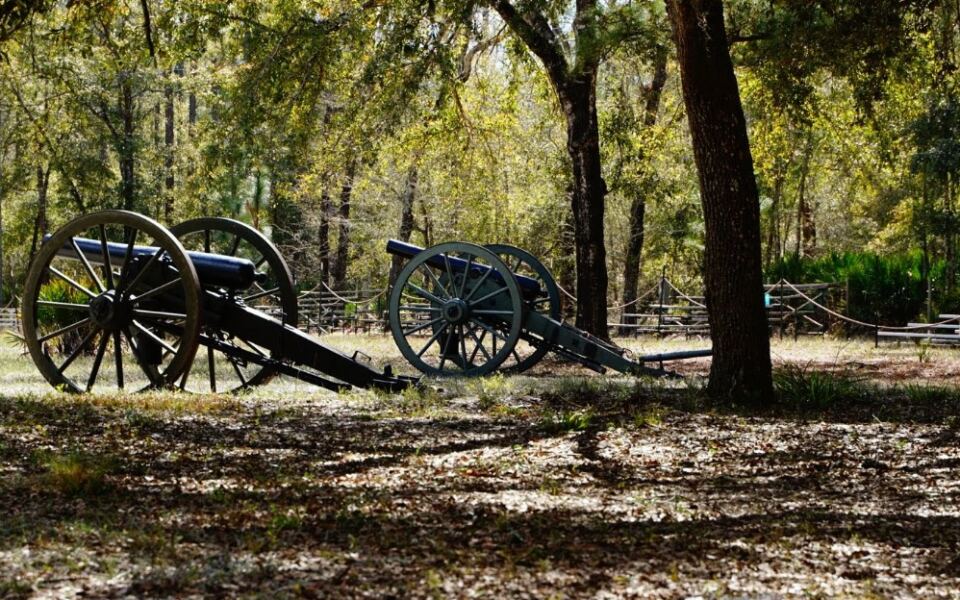
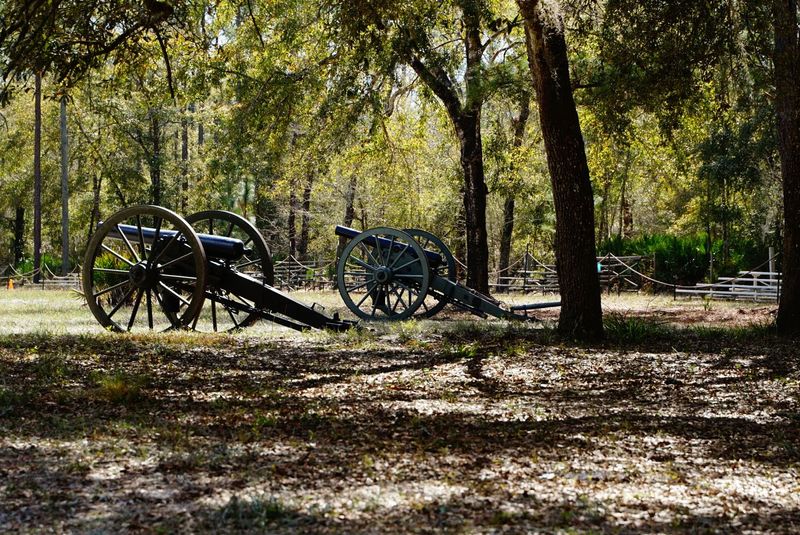
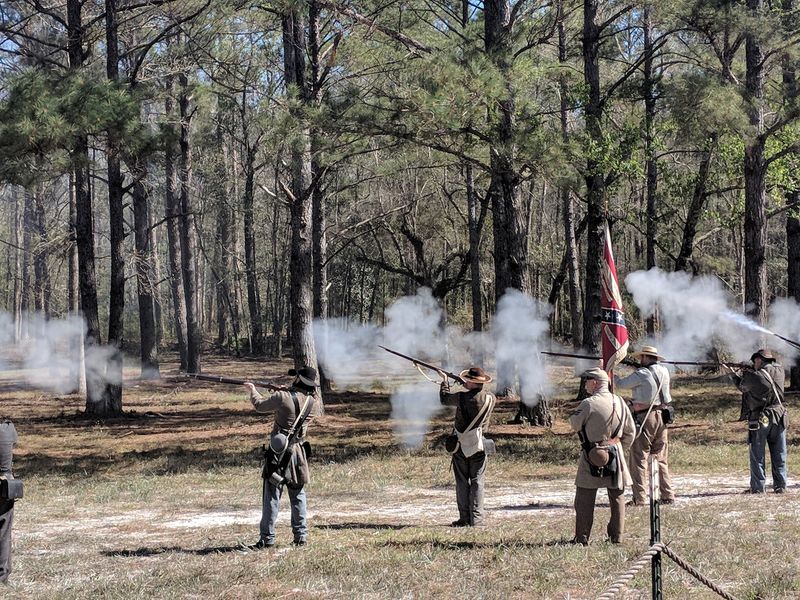
Reenactors in period uniforms recreate the clash between North and South. Cannons boom across the clearing, and the smell of smoke drifts through the pines.
Families tend to love the spectacle. Kids especially get a kick out of the cannon blasts and the marching lines.
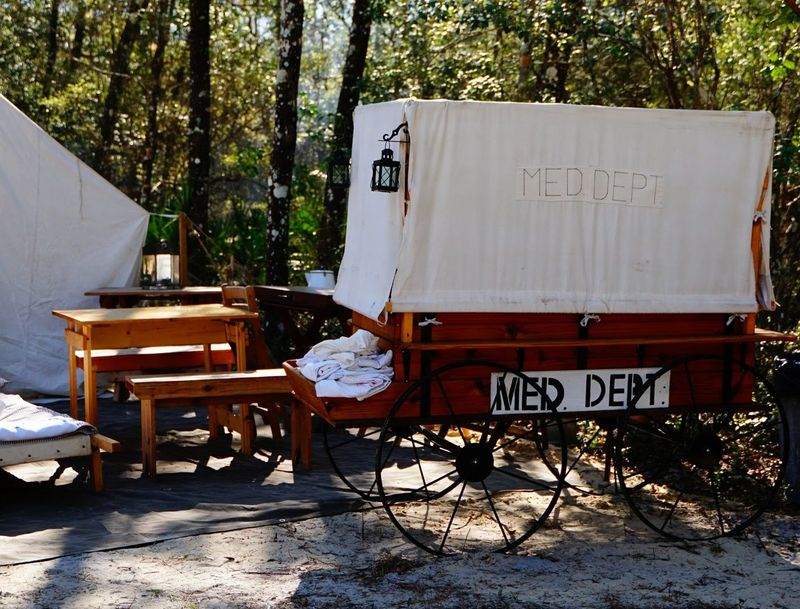
It’s also a living history lesson. Seeing the uniforms, camps, and drills up close explains far more than any textbook paragraph.
The event has a long tradition in the Tallahassee area. Some Floridians have attended across several decades, which says a lot about its staying power.
Safety gets taken seriously, with spectators kept at a proper distance. That makes it comfortable for younger visitors and grandparents alike.
Dates can shift slightly from year to year. Check with the park ahead of time so you don’t show up to an empty field on the wrong weekend.
Woodland Trails With a Wild Streak
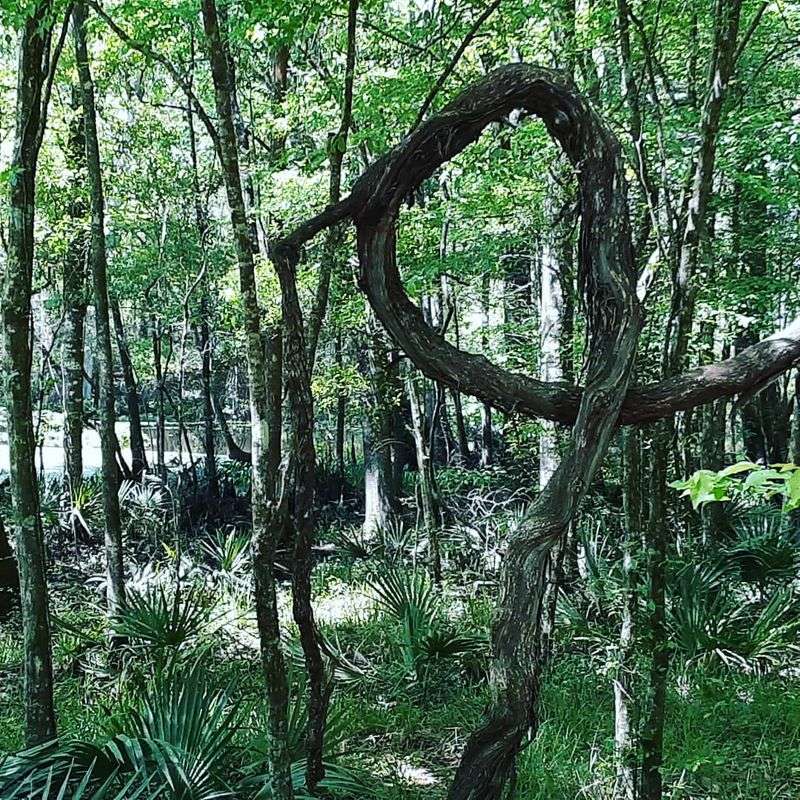
Beyond the monument, trails lead off into the woods. They wind through hardwoods and pines toward the river and surrounding wild land.
Short walks near the main area are easy and pleasant. A quick loop gives you shade, birdsong, and a break from the car.
Longer routes are a different story. Signage can thin out deeper in, and some stretches get overgrown between maintenance visits.
Spiderwebs and brushy foliage show up in warmer months, too. Long pants, bug spray, and a tick check afterward are smart moves.
The park borders other public lands, including areas used for hunting in season. Stick to marked paths, and wearing bright colors is a sensible idea.
Download a map before you head out, since cell service can be spotty in rural Leon County. A charged phone and plenty of water make the trip far more relaxing.
Treat the longer trails as a rugged adventure rather than a groomed boardwalk. Go in with that mindset, and the wildness becomes part of the charm.
Bowfin, Bobbers, and a Lazy River Bank
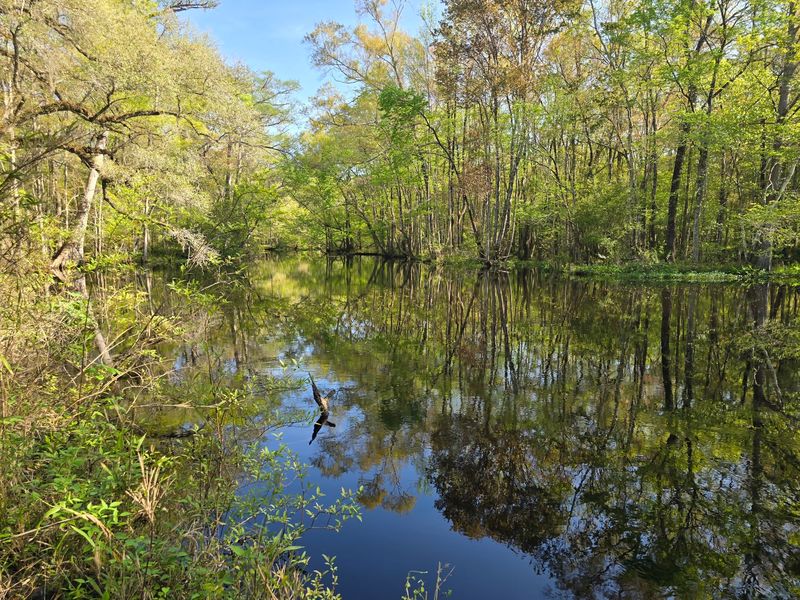
Anglers, take note. The St. Marks River runs right through the park, and fishing is one of its quieter pleasures.
Bowfin are a common catch here. These prehistoric-looking fish put up a lively fight, which makes them fun even for patient beginners.
The water is dark and calm, shaded by trees along the banks. It’s the kind of spot where time slows down while you wait for a tug.
Remember that Florida fishing rules still apply. Most adults need a valid freshwater license unless they qualify for an exemption.
Bring your own gear, since the park doesn’t rent equipment. A small tackle box, bait, and a folding chair cover the basics.
The banks can be muddy, especially after rain. Sturdy shoes you don’t mind getting messy are a better choice than sandals.
Mornings and late afternoons usually feel the most comfortable. The midday sun can be intense, even with all that shade nearby.
Paddling Upstream to a Secret Spring
Got a kayak? You’ll want to strap it to the roof for this one.
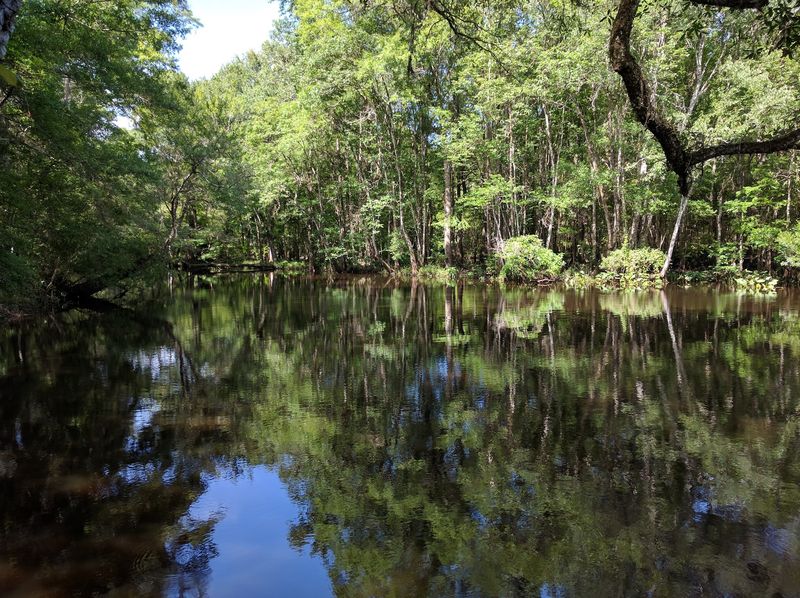
Paddling upstream on the St. Marks River leads toward the spring area. It’s a peaceful route lined with forest, and the water is the best way to see that stretch.
Much of the trip passes through wild land bordering the Plank Road State Forest. After a few houses near the start, it feels wonderfully secluded.
Plan for a long outing. Going upstream and coming back can easily take much of a day.
Launching isn’t fancy, either. There’s no proper beach, so expect deep mud at the water’s edge.
Pack water, snacks, sun protection, and a dry bag for your phone. Letting someone know your route is always a good habit on rural rivers.
The reward is real quiet. No traffic, no crowds, just paddle strokes and the occasional splash of a fish.
Shaded Picnic Tables and a Tiny Gnome Surprise
Sandwiches taste better under big oak trees. That alone is a good reason to pack a cooler before heading here.
Picnic tables and pavilions sit near the parking area and monument. They offer shade and a calm place to eat after exploring.
Road-trippers often use the park as a quick rest stop. It’s clean, quiet, and far more scenic than a gas station parking lot.
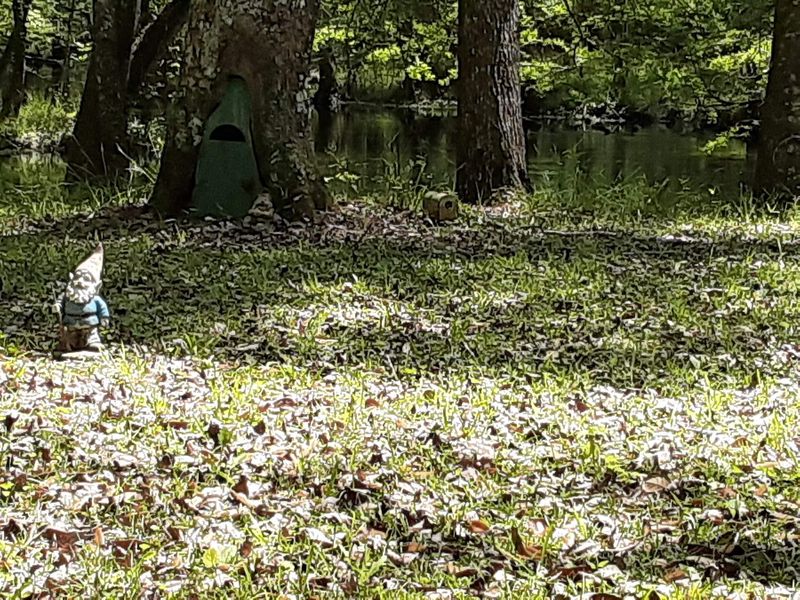
Kids have their own reason to wander. A little gnome home has been spotted along the trails near the water, and hunting for it adds some playful fun.
Small details like that make the park feel friendly. It’s history with a wink of whimsy tucked in the woods.
Pack out everything you bring in. Keeping the area tidy helps a small park with a small staff stay pleasant for everyone.
A blanket, a few snacks, and an hour of free time can turn a simple stop into a highlight of the day.
Who Will Love This Quiet Corner Most
History lovers come first on the list. Anyone fascinated by 1865 Florida will appreciate standing on ground tied to the capital’s survival.
Families with curious kids fit right in, too. Wide open grass, short trails, and a story about teenage cadets keep young minds engaged.
Retirees and snowbirds looking for low-cost outings will find a lot to like. Entry is small and paid on the honor system, so it won’t stretch a budget.
Anglers and paddlers get their own reasons to visit. The river offers quiet fishing and long, scenic kayak days.
On the other hand, travelers expecting a full museum may feel underwhelmed. Exhibits are minimal, so pairing the stop with other attractions works best.
Solitude seekers might enjoy it most of all. Outside reenactment weekend, the park usually stays peaceful.
It’s a place for people who like their adventures low-key. Come for an hour, leave with a story, and maybe a muddy pair of shoes.
Getting There, Paying Up, and Timing Your Trip
Directions are refreshingly simple. Set your GPS to 7502 Natural Bridge Rd, Tallahassee, FL 32305, about a short drive southeast of downtown.
The final stretch runs along quiet rural roads. Watch carefully, because the turnoff is easy to miss if you’re cruising along.
Admission is low and works on an honor system. Bring small bills or change for the payment box near the parking area.
Listings show the park open around the clock. Still, Florida state parks often follow daytime schedules, so confirming hours before you go is wise.
Restroom options are limited, so plan ahead. Stopping in town beforehand saves you some hassle.
Cooler months tend to be the most comfortable for walking. Winter and early spring also line up with the March reenactment.
Summer visits are possible with good planning. Go early, bring bug spray, and keep plenty of water in the car.
Worth the Detour on Your Next Coastal Run
Small parks can leave a big impression. Natural Bridge Battlefield Historic State Park proves that with one river trick and one remarkable morning in 1865.
It isn’t polished, and it doesn’t try to be. The trails can be rough, and signage could use some love.
Yet the story here is genuinely one of a kind. A disappearing river helped keep Tallahassee from being captured, and that’s hard to top.
The park also pairs nicely with other Big Bend stops. A trip to the St. Marks Lighthouse makes for an easy, history-filled day along the Florida coast.
Budget-minded explorers will appreciate the low cost. Families get space to roam, and paddlers get a secluded river to themselves.
So next time you’re heading south of the capital, ease off the gas. Pull in, read the monument, and stand where the river slips out of sight.
It might only take an hour. The story, though, tends to stick around much longer.
Share this story