Some of the best trips in Wisconsin start with a short wait in a parking lot and a simple ticket booth. You hand over a few dollars, follow a crew member’s wave, and suddenly the mainland is shrinking behind you on Lake Superior.
The ride lasts about twenty minutes, yet many travelers call it the highlight of their whole visit. Keep reading to learn how it works, what it costs, and why leaving the car behind might be the smartest move you make all summer.
A Dock on Washington Avenue
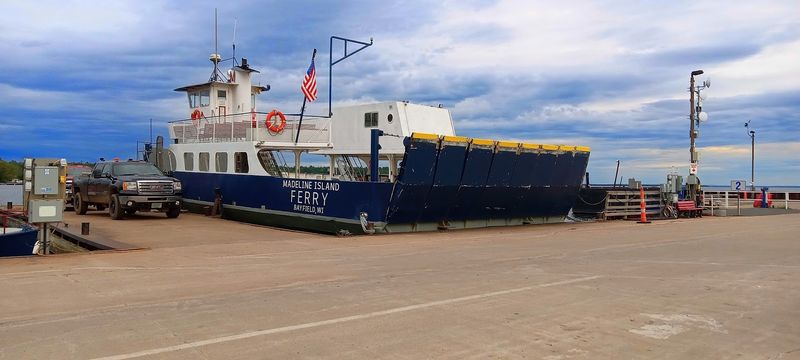
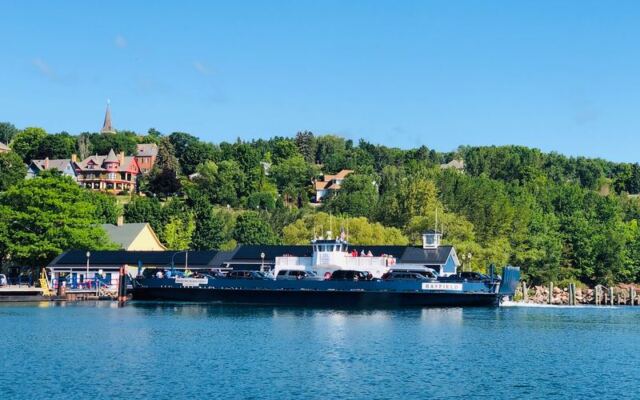
Every island adventure needs a starting line, and this one sits right in town. The Madeline Island Ferry departs from 20 Washington Ave, Bayfield, WI 54814, on the shore of Lake Superior in northern Wisconsin.
The service is exactly what the name suggests. Boats shuttle cars, trucks, campers, motorcycles, bikes, and people on foot between Bayfield and Madeline Island, the closest neighbor across the water.
There is no bridge to fall back on, which makes the ferry the main link for most travelers heading over. Some passengers joke that they would recommend it, if only there were other options to compare it with.
That lack of competition has not made the operation lazy. The service holds an outstanding reputation for being on time, organized, and friendly.
So the dock on Washington Avenue is more than a boarding point. It is the doorway to the largest chunk of the trip ahead.
Why a Ferry Becomes the Main Event
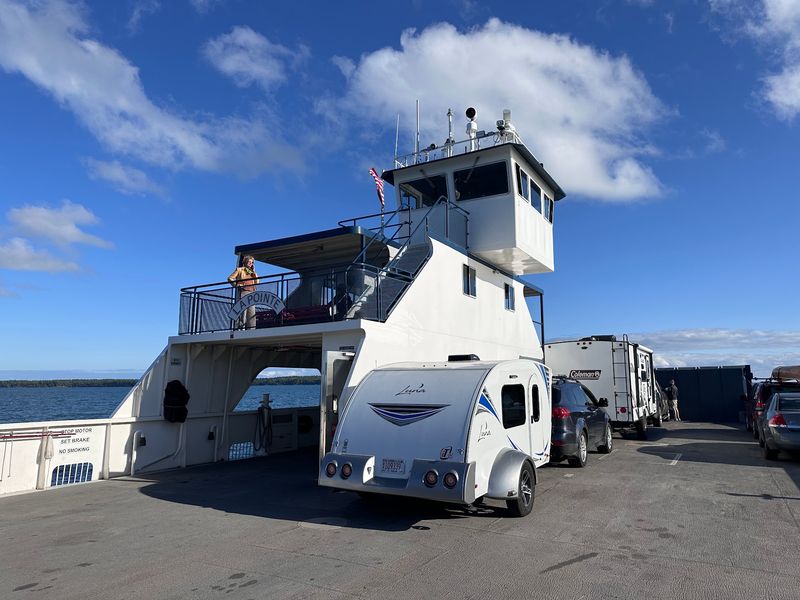
Most transportation is something to get through. Here, the ride itself tends to steal the show.
Plenty of travelers describe the crossing as the most calming part of their entire island day. Others call it the highlight of their Bayfield trip, rain or shine.
Part of the appeal is novelty. For anyone who has never been on a boat bigger than a rowboat, driving a car onto a vessel and floating across a Great Lake feels like a small thrill.
Families with kids often treat it like an attraction rather than a commute. A ten-year-old riding to the state park on the island can come away talking about the boat more than the beach.
The ferry has even earned a spot in one family’s naming traditions, with a child named Bay in honor of the area.
That kind of loyalty says plenty about how a short ride can become a lasting memory.
No Reservations, No Fuss
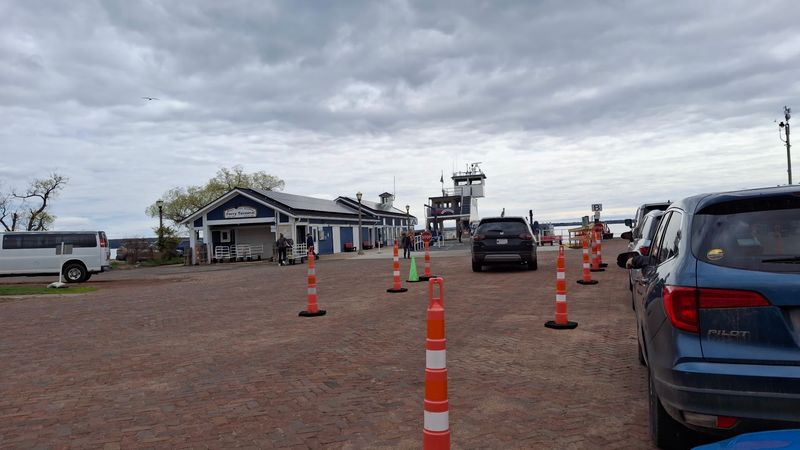
Good news for last-minute planners: advance booking is not required.
The system is refreshingly simple. Travelers show up, buy a ticket at the booth, and get in line for the next boat.
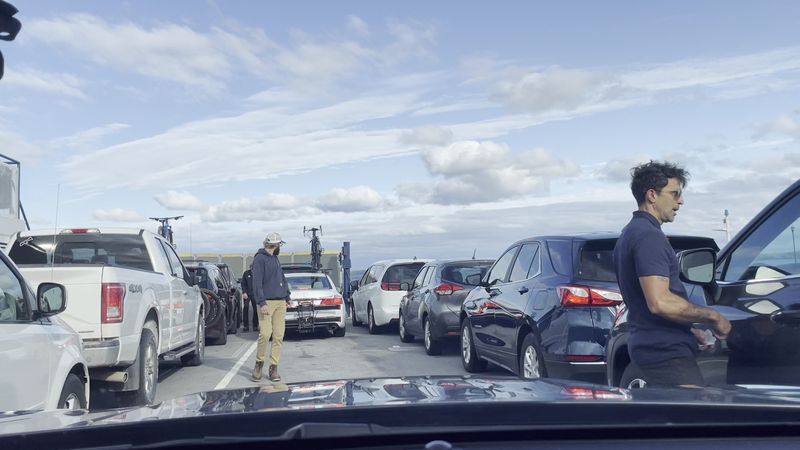
Some drivers even pay while waiting in their cars, which keeps the line moving. One morning traveler arrived a few minutes before 11 a.m., paid from the driver’s seat, and watched the boat pull away at 11:04.
For anyone who dislikes juggling confirmation emails, this approach removes a whole layer of stress. There is no need to lock in a time weeks ahead or worry about missing a reserved slot.
The process can be summed up in a few steps. Pay, line up, follow the attendant to a parking position, then relax and enjoy the view.
That ease is a big reason the ferry feels welcoming to first-timers and repeat islanders alike.
Parking on the Mainland Side
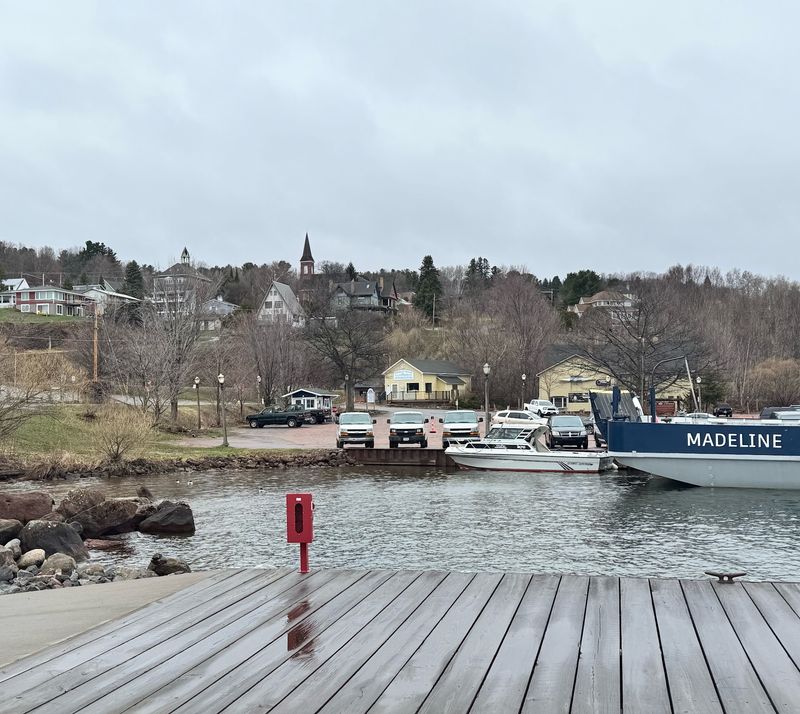
Here is the secret behind the title of this article. Leaving the car in Bayfield is easy, and often cheaper.
The mainland side offers a free parking lot that works on a first-come, first-served basis. For travelers planning to explore on foot or by bike, that lot is a real bonus.
Arrive later in the day and the free spaces might be taken. Fortunately, there are backup choices nearby.
Two-hour street parking is available around town, along with paid lots within walking distance of the dock. Those options suit short visits or travelers who arrive after the free lot fills.
Weekend visitors have used this setup successfully, heading out on a Thursday evening and coming back on a Sunday morning without trouble.
With the car safely parked, the crossing becomes lighter in every sense. Fewer things to manage, fewer fees to pay, and more freedom once the boat reaches the island.
The Math of Going Car-Free
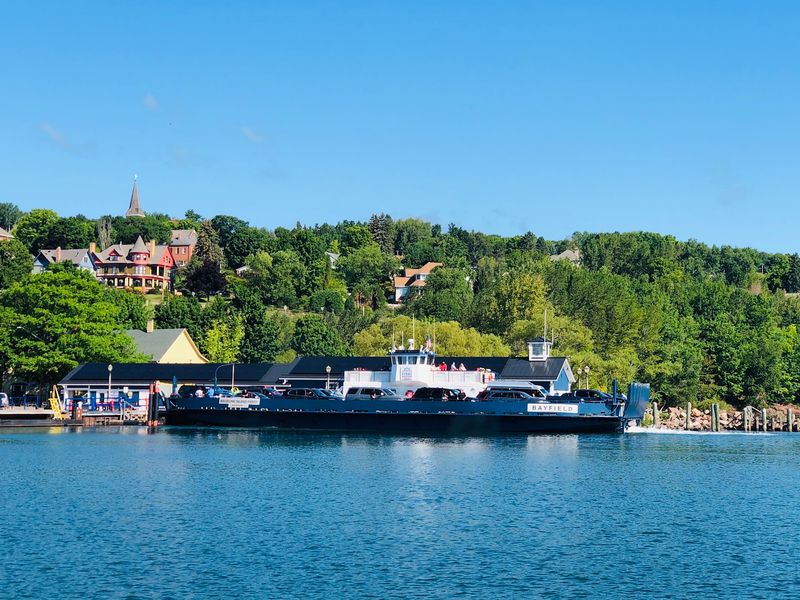
Numbers tell a persuasive story on this route.
Walk-on passengers have paid about $21 for a round trip when they skip the car and explore town on foot. That price makes the crossing an affordable outing for a couple of hours or a full day.
Bringing a vehicle changes the equation. The fare covers the car itself, plus a ticket for each person riding along.
Some groups only discover this at the booth. One party planned to drive aboard, then realized the car was unnecessary because their goal was renting mopeds on the island anyway.
Larger rigs naturally cost more. A family of three in a truck pulling a pop-up camper paid $122 round trip, which felt a bit steep to them, though not enough to stop a return visit.
Before heading to the dock, think through island plans. A quick decision about wheels can keep more money in your pocket for the day.
Departures That Run Like Clockwork
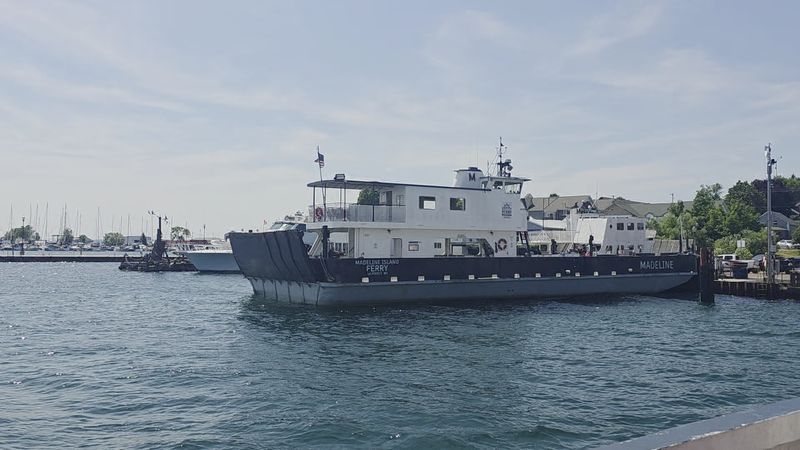
Punctuality is practically the house style on this line.
Boats have been noted leaving roughly every hour, with fast rotation during busy periods. Riders repeatedly describe the schedule as reliable, arriving and departing at the times promised.
Waits tend to be short. Travelers report standing in line around 15 to 20 minutes from arrival to boarding, and motorcyclists have waited 15 minutes at most.
That reliability matters on a weekend getaway. Both outbound and return crossings can go smoothly without long delays, letting travelers plan dinner reservations or hiking time without guesswork.
Because schedules can shift with the season, checking madferry.com before leaving home is a smart habit. The website is the best place for current departure times.
Still, the overall pattern is reassuring. Show up a bit early, and there is a strong chance a boat will be ready soon, with the crew steering everyone aboard.
Twenty Minutes on Lake Superior
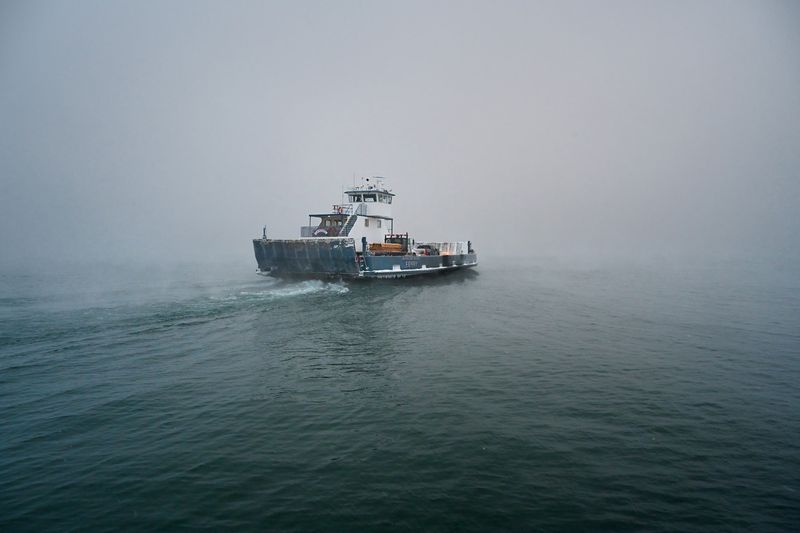
Short and memorable is the best way to describe the trip across.
The crossing takes about twenty minutes, sometimes just a little longer. That is enough time to settle in, step out of the car, and take in the scenery without the ride dragging on.
Conditions vary with the lake. Some mornings the water is glassy calm, while other days bring a bit of chop.
Even on rougher outings, passengers say everything feels safe and secure aboard. First-time vehicle ferry riders often find the motion very manageable.
Some crossings feel so steady that riders describe them as not bumpy or choppy at all.
For a quick escape from the mainland, it hits a sweet spot. The trip is long enough to feel like a voyage on a Great Lake, yet short enough that even restless kids stay entertained the whole way.
Views from the Upper Deck
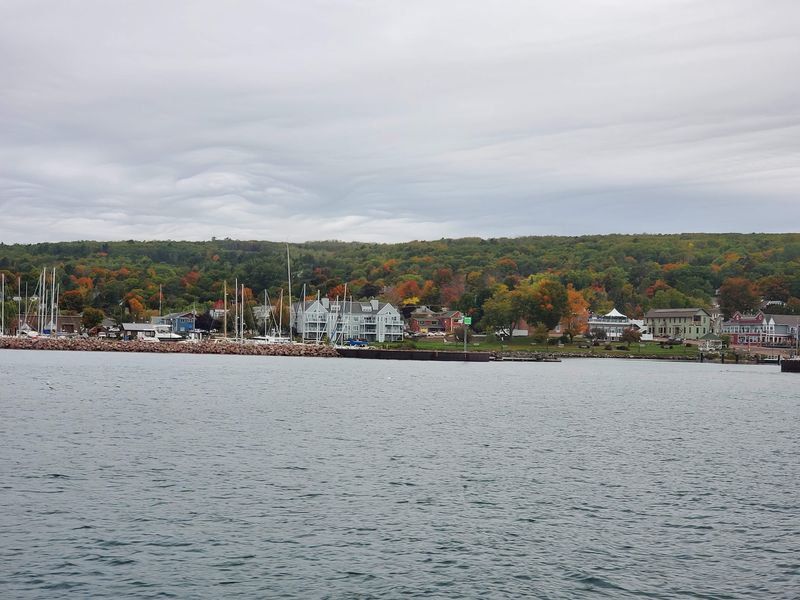
Scenery comes up more than any other topic among ferry riders, and for good reason.
The views stretch in all directions during the crossing. Behind lies Bayfield, ahead sits Madeline Island, and around the boat spreads the open expanse of Lake Superior.
The upper deck is the favorite spot for taking it all in. Passengers can leave their vehicles and head up for a wider look at the water and shoreline.
On cooler days, staying in the car is a comfortable choice. Riders can still watch the lake through the windshield without bundling up.
Some travelers say the sights of Lake Superior alone were worth the drive to northern Wisconsin. Others enjoy them so much they ride out and back purely for the experience.
Cameras tend to come out quickly. Just keep a steady grip, because breezes on the deck can be stronger than expected.
Campers, Trailers, and Big Rigs
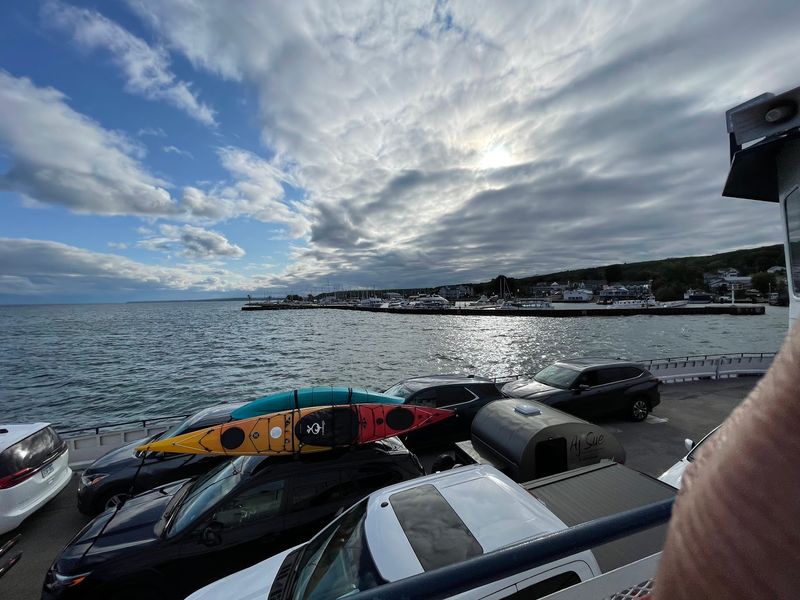
Towing something behind the car? The ferry has seen it all.
Pop-up campers and teardrop trailers are common sights on deck, especially during camping season. Many of those travelers are headed to Big Bay State Park on Madeline Island.
Loading a trailer onto a boat can feel intimidating the first time. Staff take extra care to explain how to load and unload safely, which eases the nerves of drivers new to the routine.
Oversized vehicles move on and off with the same efficiency as smaller cars. Crew members guide each driver to an assigned position.
Costs climb with size, so budget accordingly. A truck with a pop-up camper and three passengers ran $122 round trip for one family.
For campers, the payoff is clear. Hauling gear straight to an island campsite beats lugging it by hand, and the crew makes the process feel surprisingly simple.
Who Will Love the Island Most
Honest expectations make for happier trips.
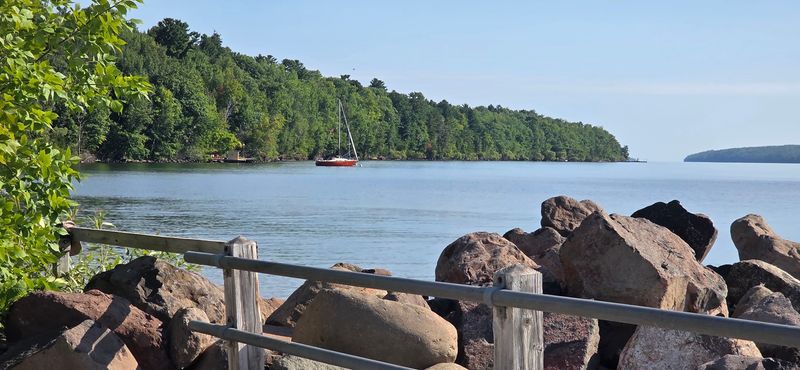
Madeline Island tends to reward nature lovers above all. Hikers, bikers, and campers often feel right at home, especially with Big Bay State Park waiting across the water.
Shoppers and travelers hoping for a busy town might feel differently. Some find there is not much to do unless you plan to hike or bike, and certain businesses close earlier than expected.
One traveler found a coffee shop already closed before 4 p.m. on a Friday afternoon. Checking hours ahead of time can prevent that kind of surprise.
Families with curious kids usually have a great time, since the boat ride counts as an outing on its own.
Matching the island to your interests is the key. Pack walking shoes, plan a few stops, and the ferry becomes the first chapter in a satisfying day outdoors.
Handy Tips Before You Board
A little prep goes a long way on this route.
Start with the basics. The ferry website, madferry.com, is the best source for current schedules and fares before you travel.
Arrive early if you want a free parking spot on the mainland. The first-come, first-served lot can fill, though two-hour street parking and paid lots are nearby.
Bring layers, even in summer. Riders who stay on the upper deck enjoy the views, while those who get chilly can retreat to their cars.
Decide whether you really need a vehicle on the island. Walk-on travel saves money, especially if bikes or mopeds fit your plans.
Motorcyclists should expect a few splashes. Pet owners can bring dogs along for the adventure.
Finally, check island business hours in advance. A smart plan keeps the day relaxed from the first wave of the crew to the final drive home.
A Short Ride Worth Remembering
Some travel moments are bigger than their minutes.
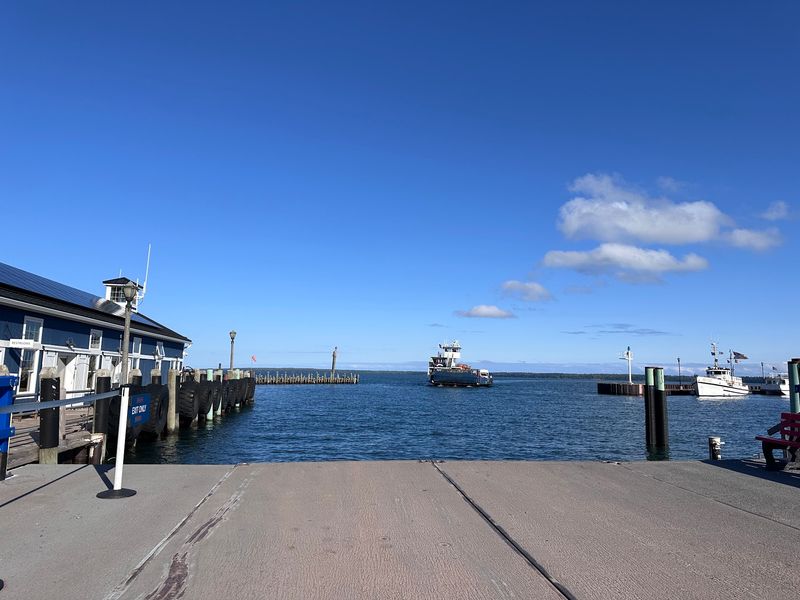
The Madeline Island Ferry proves that a twenty-minute crossing can carry real weight. Simple ticketing, short waits, reliable departures, and a safety-minded crew make the logistics almost effortless.
The lake handles the rest. Calm mornings and breezy afternoons both offer wide views that riders keep returning for, rain or shine.
Costs depend on how you travel. Walk-on fares stay friendly to the wallet, while vehicles and campers pay more for the convenience of bringing everything along.
So park in Bayfield, grab a ticket, and step aboard with an open schedule. Nature seekers will find plenty waiting on the island, and even those just along for the ride usually leave with a smile.
Out and back, the boat earns its loyal following. Few commutes anywhere in Wisconsin feel this much like a reward.
Share this story