Shark teeth wash up here so often that some beachcombers leave with more than a hundred in a single morning. And the hunt costs exactly nothing.
Wait, what?
The sand is dark and scattered with black stones. That sounds gloomy until you learn many of those dark specks are fossils.
Tiny, glossy, triangular fossils that once belonged to ancient sharks.
I like how this stretch of Florida coastline turns a regular beach day into a treasure hunt. You don’t need a boat, a guide, or fancy gear.
An old kitchen strainer works fine for plenty of folks.
I can’t imagine a better excuse to wake up early and wander a quiet shoreline. Families, retirees, and curious kids all hunt side by side.
So what might you carry home in your pocket?
A Free Fossil Playground on Florida’s Gulf Coast
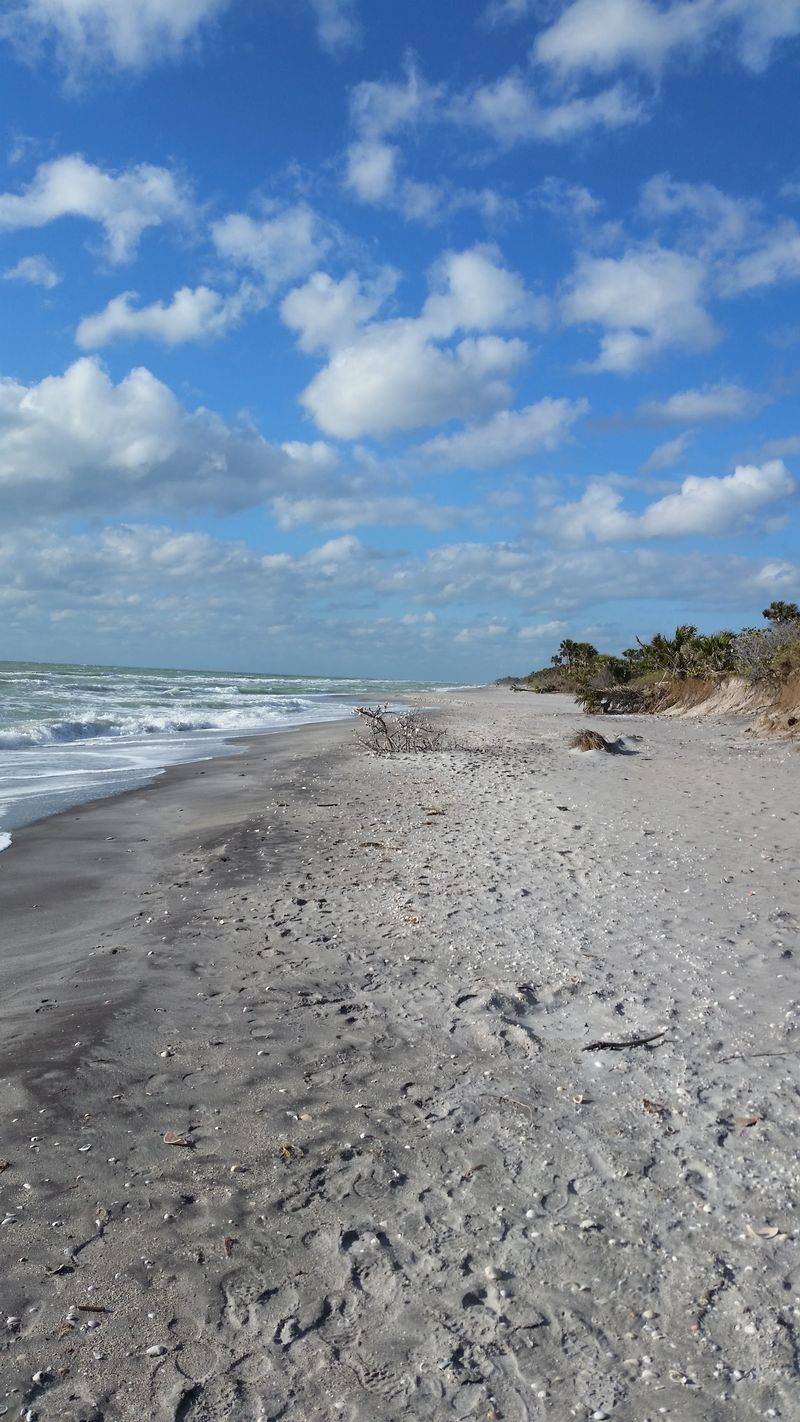
Sarasota County runs Caspersen Beach as a public park, and the best part of the deal is simple. Hunting for fossilized shark teeth here costs nothing at all.
The beach sits along the Gulf of Mexico in Venice, a laid-back town on Florida’s southwest coast. Its reputation as a shark tooth hotspot spreads far beyond the county line.
Fossils are the headline act, but they aren’t the whole show. Shells, rocky stretches, tide pools, and a boardwalk give the place a wilder look than most Gulf beaches.
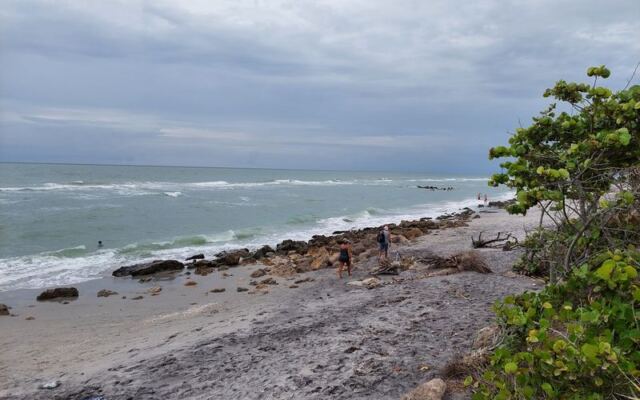
You’ll notice the sand right away. It’s darker than the sugar-white powder found elsewhere, and black stones pepper the shoreline.
That darker palette is a clue, not a flaw. Many of those little dark shapes turn out to be ancient teeth worn smooth by time and tide.
Plenty of people come for an ordinary beach day and stumble into collecting. Others drive hours with sifters packed and a mission in mind.
Either approach works perfectly well here. The Gulf keeps delivering new treasures, and nobody charges admission to look for them.
Why Venice Earned Its Shark Tooth Fame
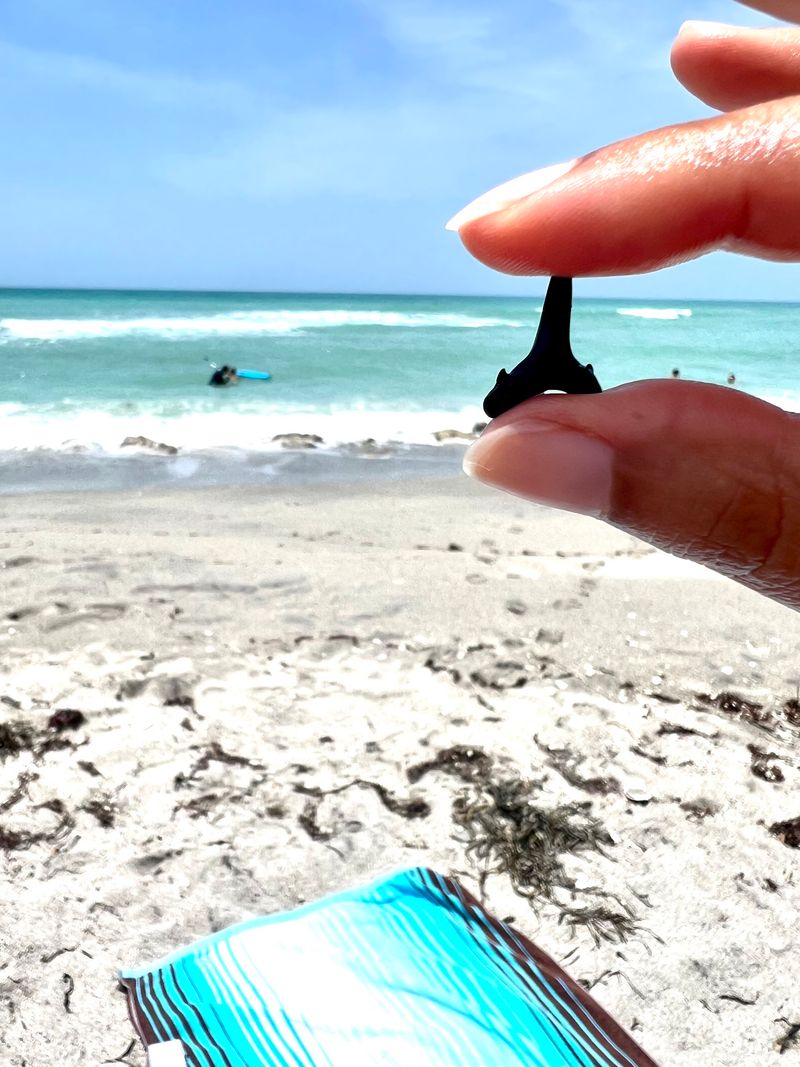
Millions of years ago, this part of Florida sat underwater. Sharks swam where condos and bike paths now stand, shedding teeth constantly over their lifetimes.
Those teeth settled into seafloor sediment and slowly fossilized. Over time, minerals replaced the original material, turning them shades of black, gray, and brown.
Today, waves churn those old deposits and toss the fossils back onto shore. Caspersen Beach happens to sit right where that natural conveyor belt runs strong.
The colors alone make collecting fun. Hunters regularly turn up teeth ranging from inky black to warm brown, with the occasional big prize mixed in.
Some folks also spot other fossils and even stingray tooth plates. Each handful of sand is a tiny time capsule from a much older Gulf.
Fun fact for the car ride home: sharks replace their teeth throughout their lives. One shark could lose thousands, which explains why the supply feels endless.
So when someone calls Venice a shark tooth capital, they aren’t exaggerating much. The geology backs up the bragging.
Your Ticket to the Hunt Is a Kitchen Strainer
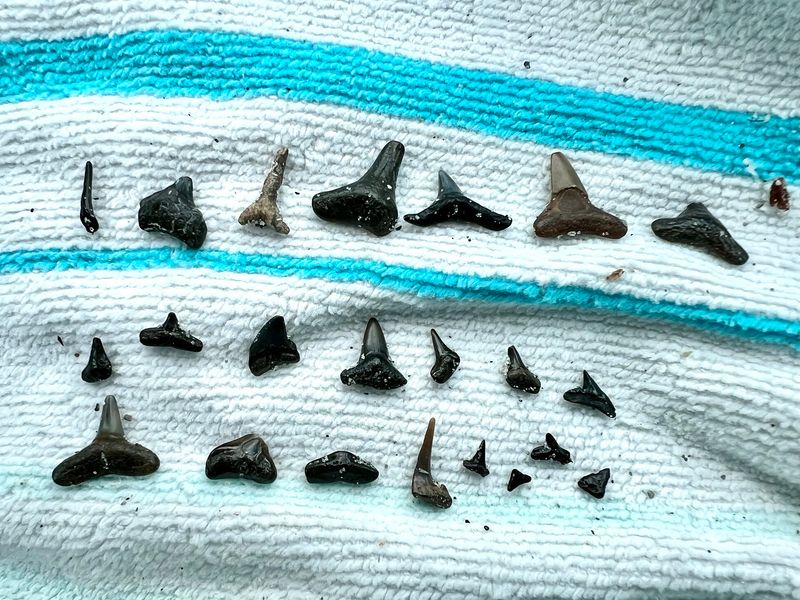
Bare hands can find a few teeth, but tools change everything. Experienced hunters show up with scoops, small shovels, and sand sifters ready to go.
Fancy gear isn’t required, though. An old kitchen strainer from the back of your cabinet does the job surprisingly well.
Shops around Venice sell purpose-built sifters if you’d like something sturdier. Just plan ahead, since holiday store closures have left some hunters empty-handed.
The technique is easy to learn. Scoop sand and shell bits, shake out the loose grains, and scan what stays behind.
Expect plenty of false alarms. Dark shell fragments and pebbles love to pose as teeth, so patience matters more than luck.
Comfort counts too. Hunting means lots of bending, so stretching between scoops can save your back from complaining later.
Bring water, wear sandals or shoes you don’t mind getting sandy, and pace yourself. A relaxed hunter usually finds more than a rushed one.
Total cost for all this fun? Whatever that strainer cost years ago.
Where the Shells Meet the Waves
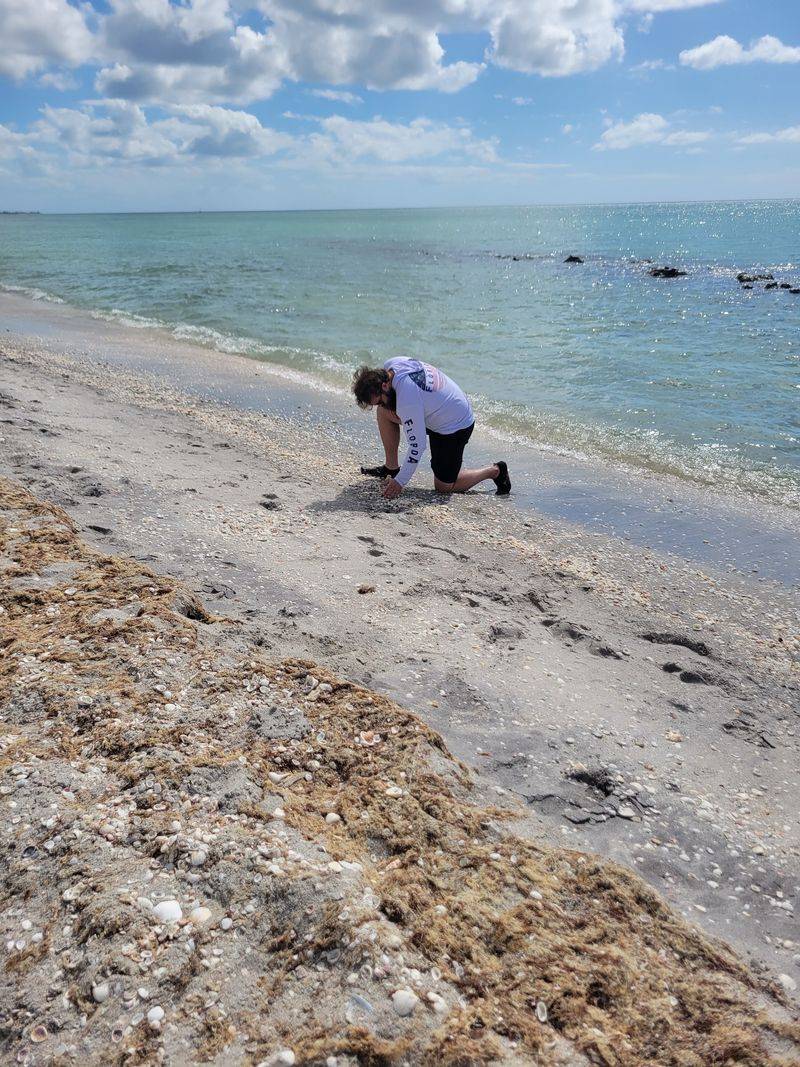
Location matters as much as gear. Shark teeth don’t spread evenly across the sand, and knowing where to look saves a lot of squinting.
Many successful hunters focus on the line where washed-up shells pile together. Overnight waves often deposit teeth in those debris bands higher on the beach.
Another favorite zone sits where heaps of shells meet the rushing water near the rocks. Teeth tumble around there and get caught in the shell mix.
The waterline itself can pay off too, especially as the tide recedes. Some hunters start once the rocky section begins and work their way along the shore.
Here’s a nice bonus: you don’t have to get wet at all. Plenty of teeth turn up on dry sand.
Timing helps stack the odds. Low tide uncovers more ground, while high tide shrinks the beach and makes searching tougher.
Mornings tend to reward the patient. Fresh deposits from the night haven’t been picked over yet, and the light makes glossy fossils easier to spot.
Shells Worth the Walk South
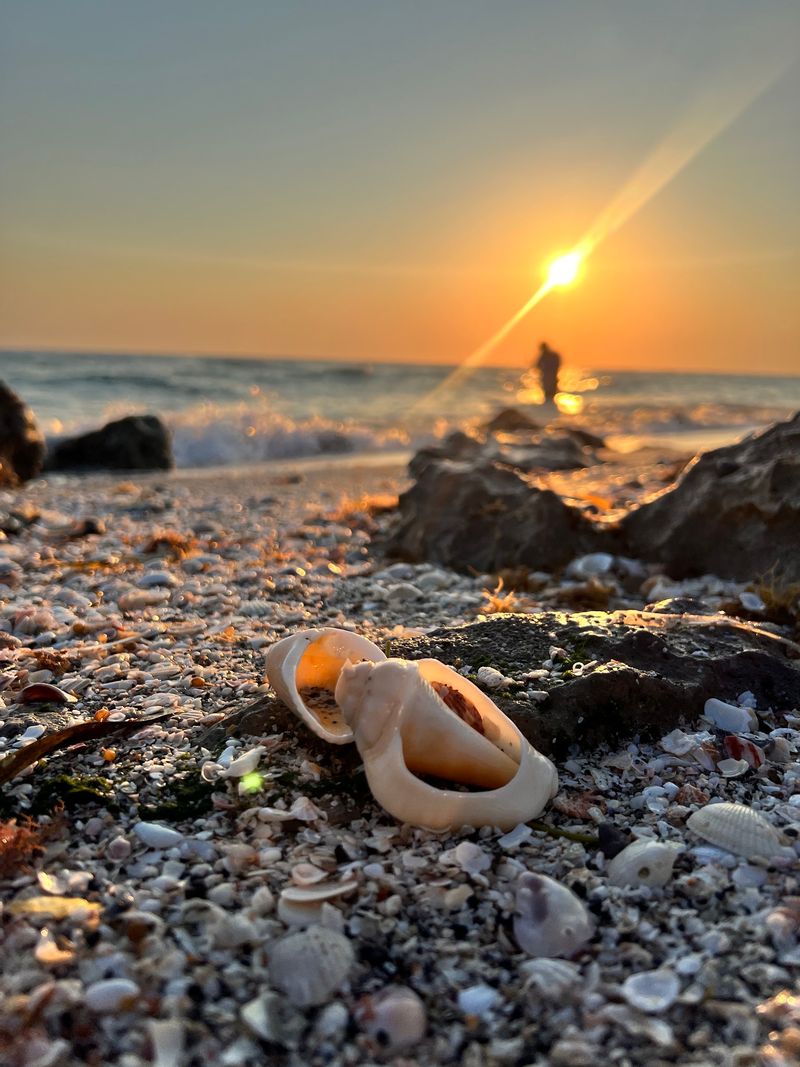
Teeth get the spotlight, yet shell collectors quietly have a fantastic time here. Shells and shell collecting rank among the most talked-about features of the beach.
The variety keeps buckets interesting. You’ll find everything from tiny fragments to larger whole shells scattered across the dark sand.
Walk far enough south and the scenery shifts. That stretch feels secluded and natural, with bigger shells waiting for anyone willing to trek.
It’s the kind of payoff that rewards sturdy legs. Crowds thin out as the distance grows, and the shoreline starts feeling like your own private find.
Shelling also makes a smart break from tooth hunting. Your eyes get a rest from scanning tiny triangles, and your collection gets more colorful.
Kids especially love mixing both hobbies. A bag holding shells, teeth, and a mystery fossil or two makes a very proud souvenir.
Just remember the rocks along the edge. Watch your footing, because some sections get uneven fast.
Snorkeling Among the Rocks and Fish
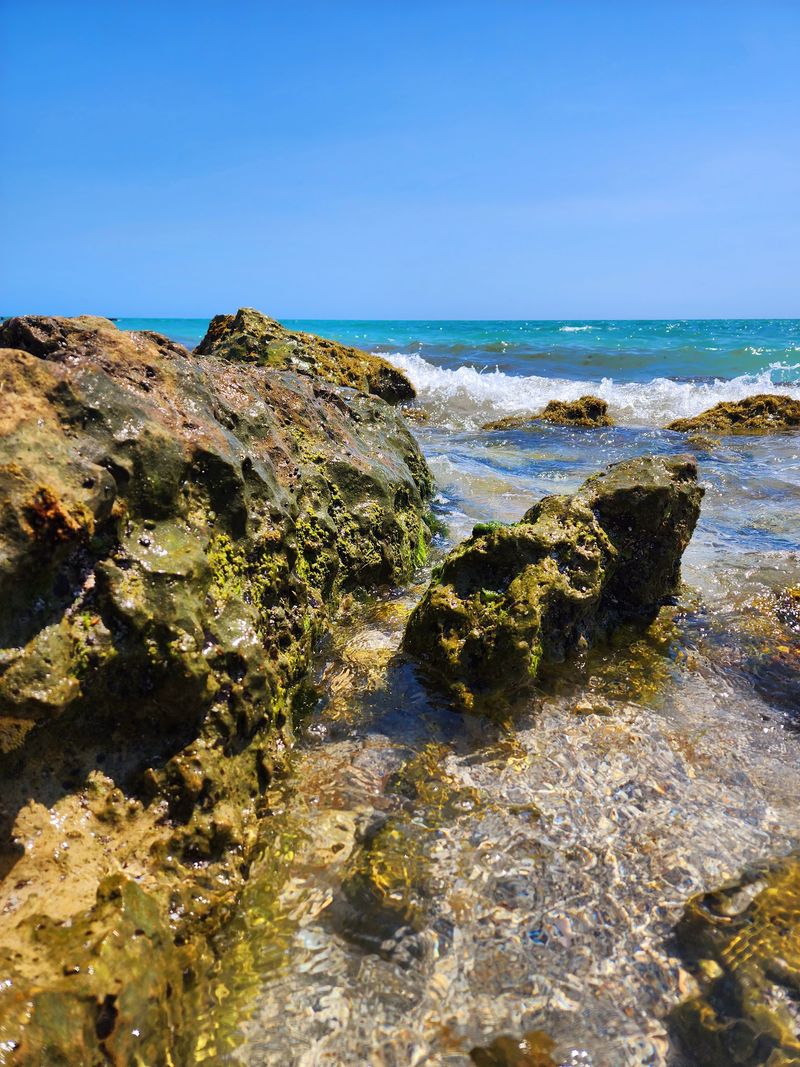
Fish love those rocky edges as much as hunters love the shell lines. Snorkelers often spot plenty of marine life darting around the stones.
Dolphins sometimes cruise past too. That’s a pretty generous extra for a beach that charges nothing to enjoy.
Conditions vary a lot, so flexibility helps. Water can be clear and warm one day, then chilly and murky the next.
Seaweed and vegetation also come and go with the seasons. Since this is a natural beach, the scene can change month by month.
Waves sometimes get rough, which matters for younger swimmers. During high tide, small pools form behind the rock walls and offer calmer splashing.
Those tide pools add another layer of exploring. Peeking into them feels like checking a natural aquarium that refills itself.
A mask and snorkel take up little room in the beach bag. On a calm, clear day, you’ll be glad you packed them.
Boardwalks, Tortoises, and a Wilder Kind of Beach
Gopher tortoises have been spotted near the beach, and meeting one feels like a small Florida privilege. Give them space and enjoy the moment.
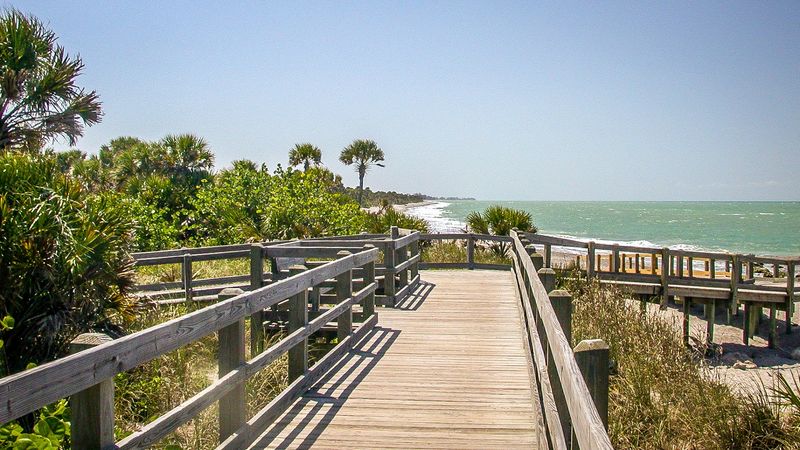
A boardwalk adds an easy way to soak in the coastal greenery. It’s a pleasant stroll whether you’re hunting fossils or simply stretching your legs.
The overall vibe leans natural rather than polished. No high-rises crowd the view, and the dark sand and rocks give it a rugged personality.
Hot sand can be an issue on sunny afternoons. Footwear helps, and so does a well-timed rinse.
Planes occasionally fly overhead since Venice Municipal Airport sits nearby. Aviation fans might count that as entertainment.
Hurricanes in 2024 changed the landscape noticeably. Some areas look different now, and the shoreline continues shifting as nature does its thing.
Sunsets here are a strong reason to linger. Plenty of beachgoers stay until the sky turns gold over the Gulf of Mexico.
Who Will Love a Day of Sifting Sand
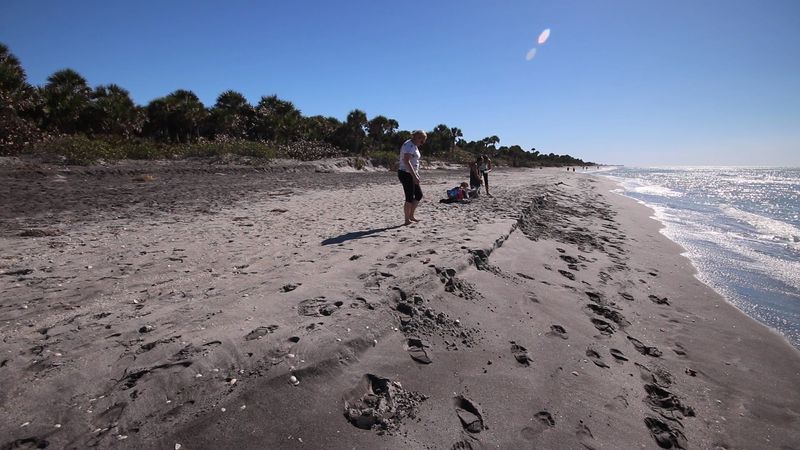
Families are a natural fit. The hunt turns into a friendly competition, and nobody needs to pay a cent for hours of fun.
Beginners do surprisingly well too. First-timers regularly leave with impressive handfuls after a few patient hours.
Retirees and snowbirds can enjoy the slow pace. Walking, scanning, and sifting suit anyone who likes a peaceful morning outdoors.
Treasure hunters craving bigger prizes may appreciate the quality here. Some collectors feel the teeth run larger than those found farther south.
Photographers, anglers, and walkers fit in easily. People also fish and simply hang out along the shore.
The community spirit adds charm. Fellow hunters often share tips, and some even hand extra teeth to newcomers.
Not everyone will click with it, of course. Anyone wanting powdery white sand and calm swimming every day might prefer another Florida beach.
Still, curiosity is the only real requirement. Bring some, and the beach handles the rest.
Parking, Restrooms, and Getting There Early
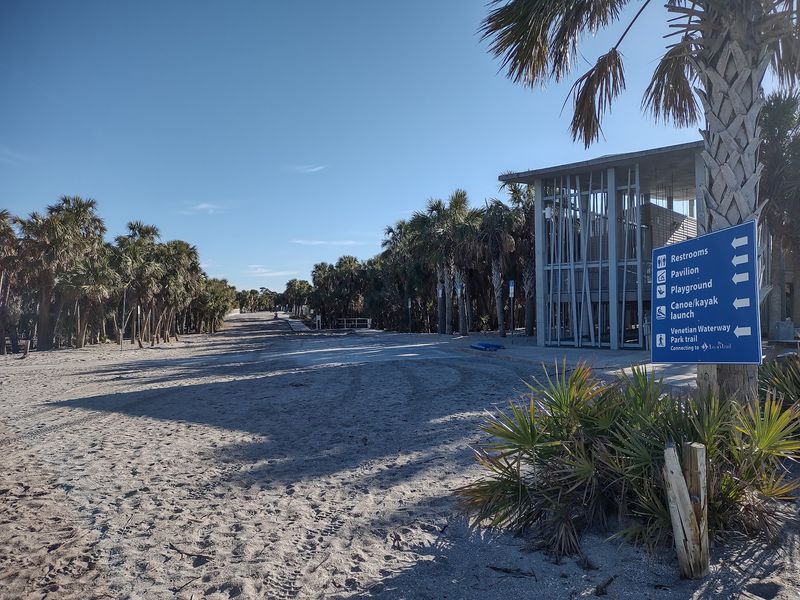
Early birds win the parking game at 4100 Harbor Dr, Venice, FL 34285. The lot can fill fast on busy mornings, with crowds building after 10 a.m.
Access has changed since the 2024 hurricanes. The road toward the far end has been closed, which limits parking and adds walking distance.
Some hunters walk up to about a mile to reach prime spots. Comfortable shoes and a light bag make that trek much easier.
Restrooms and a foot shower sit by the smaller parking area. The larger restroom building at the far end has been closed recently, so plan accordingly.
Cycling offers a clever alternative. Riding along the Intracoastal helps you skip parking stress and leave crowds behind.
Sarasota County maintains the park, so check county updates before heading out. Conditions like red tide can affect a visit.
Pack water, snacks, sunscreen, and your sifter. Then go early and give yourself time.
The Cheapest Treasure Hunt in Florida
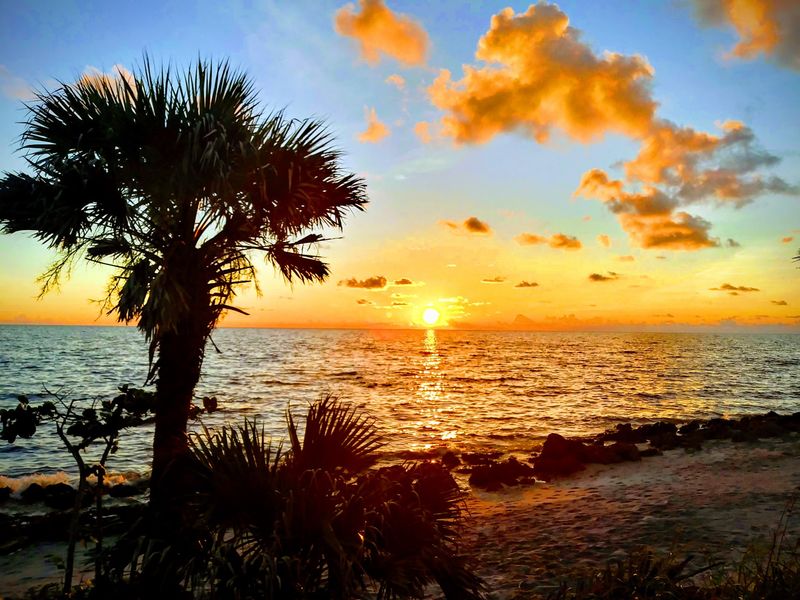
Few Florida outings deliver this much for zero dollars. Caspersen Beach offers fossils, shells, wildlife, and sunsets without asking for an entry fee.
It isn’t the fluffiest beach on the Gulf Coast. The sand is darker, the rocks demand attention, and conditions change often.
That rough edge is exactly the charm, though. Every visit feels a little different, and every scoop could hold something millions of years old.
Some days you’ll fill a jar. Other days, you might find a single tooth and still head home grinning.
Either way, the experience stays memorable. Few souvenirs beat one you pulled from the sand yourself.
Go early, bring a strainer, and walk farther than seems necessary. Patience tends to pay out here in small, glossy dividends.
Then stick around for the sunset over the water. Watching the sky glow with a pocket full of ancient teeth feels like a very good trade for nothing at all.
Share this story