The research building here started life as a warehouse for a grand mansion that never got built. Scientists moved in instead, and they never really left.
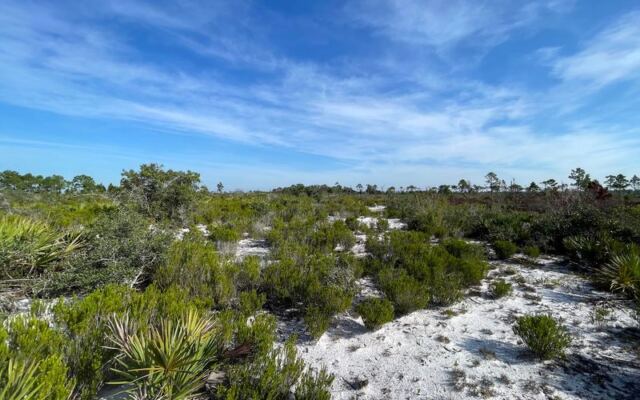
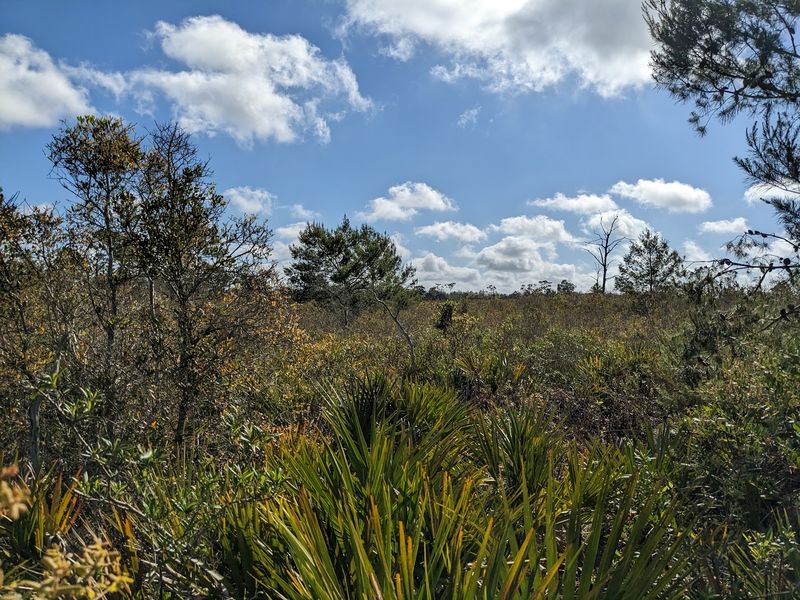
Out back, short sandy trails wind through some of the rarest habitat in Florida. Endangered scrub jays flit through the brush.
Gopher tortoises shuffle around like tiny bulldozers with somewhere important to be.
I like how unassuming the whole place feels. It doesn’t shout for attention from the highway.
Yet world-class research hums along quietly behind the trees, and curious walkers get to peek at it.
I can’t imagine a better weekday detour for anyone who loves wild places with a story attached. You get nature, history, and a little science, all wrapped in pine scrub.
So what exactly is hiding out there in the sand?
A World-Renowned Research Station Hiding in Highlands County Scrub
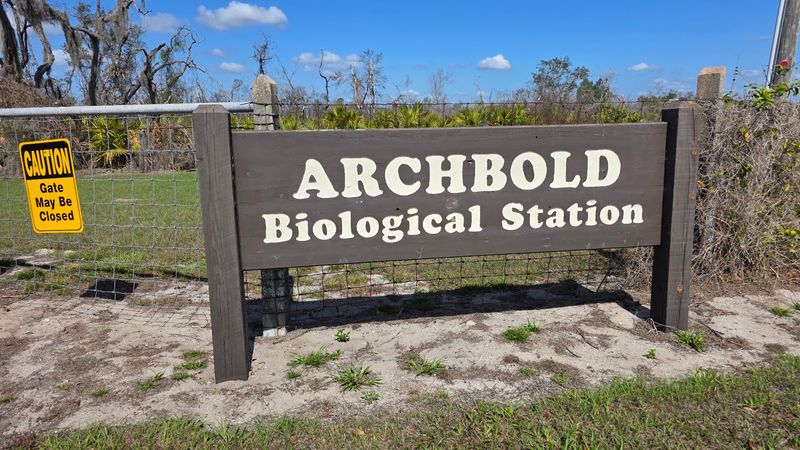
Archbold Biological Station sits at 123 Main Dr in Venus, Florida, in the heart of the state’s sandy interior. It’s classified as a nature preserve, but its real calling is scientific research.
Scientists, students, and interns work here year-round studying the land around them. Visitors get to share a small slice of that world through trails, exhibits, and guided programs.
That mix makes it unusual. Most preserves feel like parks with labs tacked on, while this one feels like a lab that kindly opened its doors.
The station is widely respected for serious scientific inquiry. Its focus on local ecology gives every trail sign and exhibit a little extra weight.
You won’t find roller coasters, gift-shop chaos, or crowded boardwalks. What you will find is a working landscape that people have studied carefully for a very long time.
Highlands County doesn’t always grab headlines like the coasts do. Spots like this prove the middle of Florida has plenty worth bragging about.
So think of it as a backstage pass to nature. Just remember the actors here have feathers, shells, and very strong opinions about sand.
The Mansion That Never Happened and the Warehouse That Did
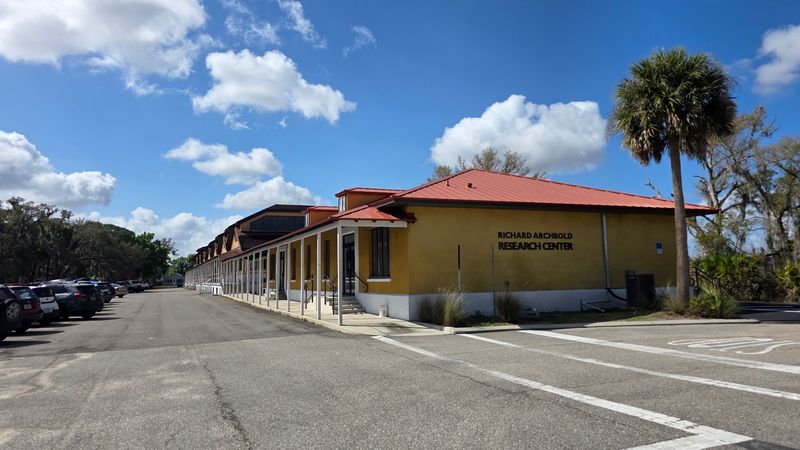
History took a funny detour here. The research building began as an old train depot warehouse built by Roebling for a mansion that was never completed.
That grand home stayed a dream on paper. The sturdy warehouse, meanwhile, found a second career housing science instead of building supplies.
Honestly, it’s a better ending than most mansion stories get. Plenty of fancy estates end up as museums, but few become hubs for studying tortoises and rare plants.
The visitor buildings tell more of this tale through exhibits and interpretive signage. They cover both the site’s past and the research happening today.
It gives the place a layered feel. You’re walking through wild scrub one minute and thinking about an unbuilt estate the next.
Old Florida lovers will appreciate that blend of ambition and practicality. Someone planned something lavish, and the land ended up with something far more useful.
So when you spot the research building, give it a nod. It’s been quietly earning its keep long after the original plan fizzled out.
Short Trails Starting Right Out the Back Door
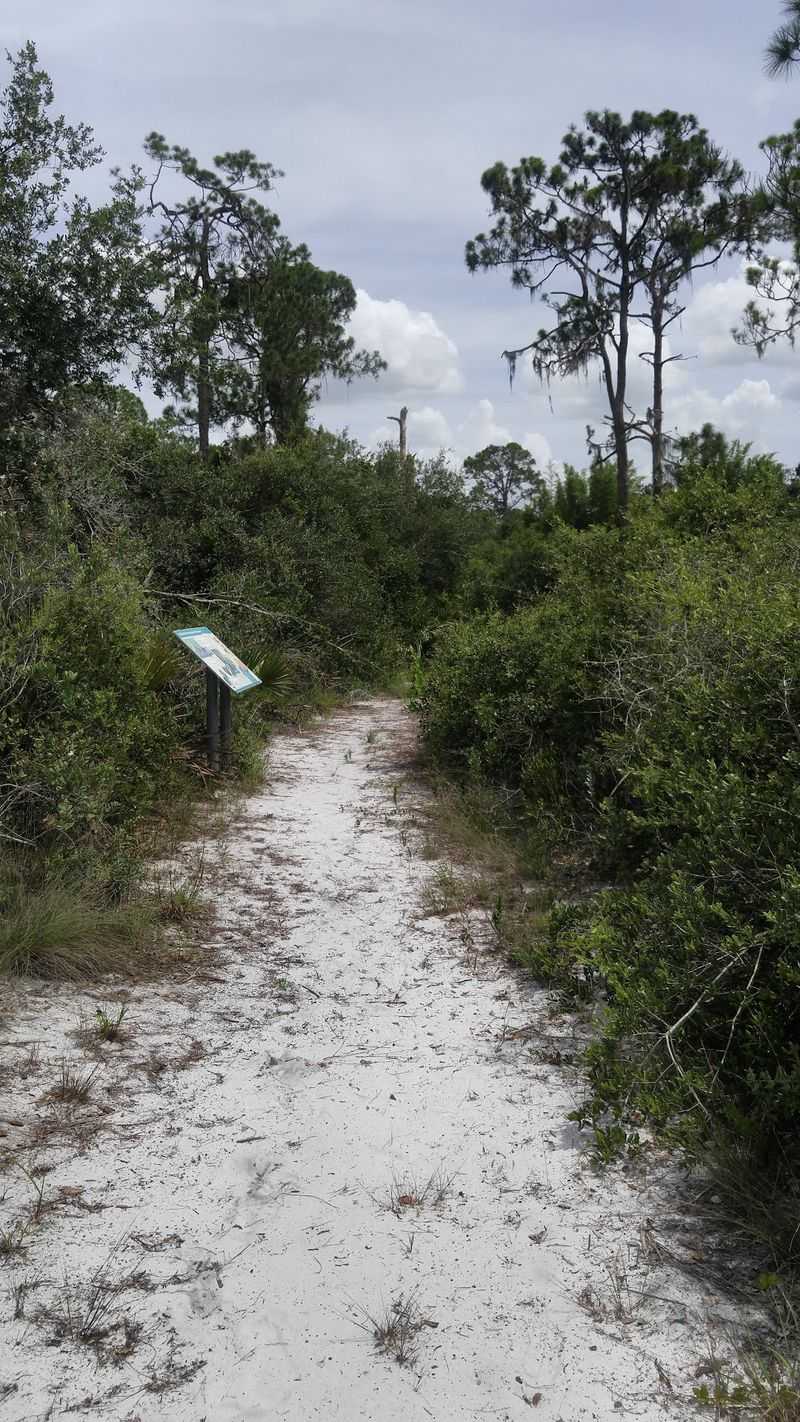
Convenience counts for something. The trailhead sits right out the back door of the visitor center, so there’s no hunting for a hidden path.
These are interpretive trails, which means signs help explain what you’re seeing. Think of them as a field guide you don’t have to carry.
Fair warning, the trails are short. Anyone hoping for an all-day trek should set expectations, since a half-hour walk covers plenty of ground here.
That brevity has perks, though. Kids, older walkers, and anyone dodging the Florida heat can enjoy the scrub without wearing themselves out.
Short doesn’t mean shallow. Every few steps reveals plants and creatures found in very few places on Earth.
Trail conditions can vary with the seasons and upkeep, so sturdy shoes are smart. Sandy paths have a way of sneaking into sneakers no matter what.
Go slowly and look closely. The real reward comes from noticing small details, like tracks in the sand or a bird watching you from a scrub oak.
Blue Feathers, Sandy Burrows, and Other Locals Worth Meeting
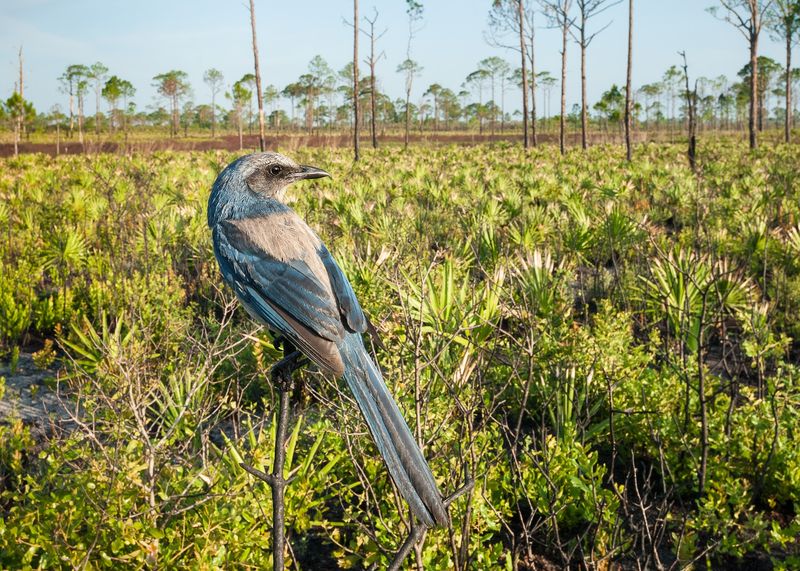
Blue-and-gray birds steal the spotlight here. Endangered Florida scrub jays live in this habitat, and birders have spotted plenty along the trails.
These jays depend on scrub landscapes that have mostly disappeared elsewhere. Seeing one feels like catching a glimpse of something truly rare.
Then come the gopher tortoises. These slow-moving diggers create burrows that many other animals use, which makes them a big deal for the ecosystem.
Staff members sometimes handle tortoises as part of their work. Returning them to their habitat is all in a day’s job at a research station.
Not every resident is quite so charming. Wild boars roam the area too, so stay alert and give any wildlife plenty of room.
Snakes also call the scrub home, including some friendly ones staff have shown to young visitors. Kids tend to remember that kind of encounter for years.
Bring binoculars if you have them. The animals won’t pose on command, but patience often pays off with a flash of blue or a shuffling shell.
Where the Everglades Story Begins
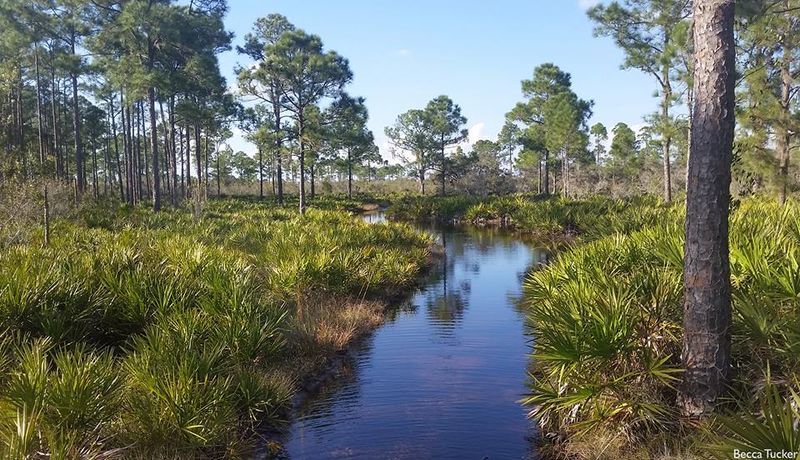
Most people think of the Everglades as a South Florida thing. The story actually starts farther north, and this station sits in the headwaters region.
That location gives the land outsized importance. Water and wildlife here connect to a much larger system flowing south.
The station has offered in-depth tours on this exact theme. One program covered Native Peoples and native plants of the Everglades headwaters over about three hours.
Topics like that turn a nature walk into a history lesson. You learn how people relied on these plants long before modern Florida took shape.
Conservation work weaves through it all. Scientists and interns study the land to protect what makes it special.
The habitats here are genuinely unique for the state. Scrub this old and intact is hard to find, which is why researchers treasure it.
Knowing this changes how the trails feel. A patch of sand and palmetto suddenly becomes part of a story stretching across half of Florida.
Bug Labs, Plant Samples, and Guided Walks With Real Scientists
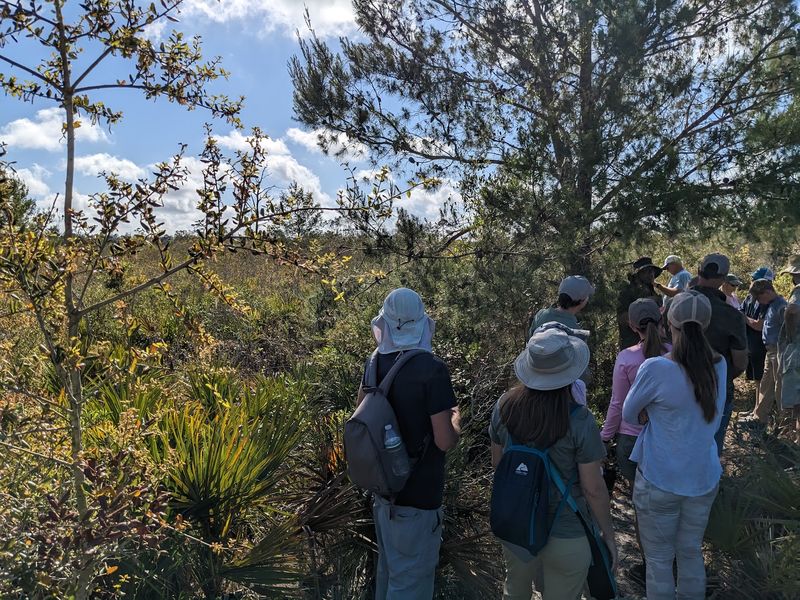
Curiosity gets rewarded fast on a guided program. Educational walks and talks give visitors a closer look at the research happening on site.
Some programs have included tours of the plant lab. Staff have shown guests how they collect field samples of plants for study.
The bug lab has appeared on walks too. Hearing about the different studies underway is a highlight for science fans of any age.
Hike-and-talk events pop up on the schedule from time to time. Plants-and-people talks led by the education team have been especially well received.
Many programs run on a small per-person donation. For a couple hours of expert knowledge, that’s a bargain most families can handle.
Staff are known for helping visitors spot flora and fauna. A trained eye can point out details you’d walk past a hundred times.
Program offerings change, so check ahead for what’s scheduled. Signing up early is wise, since these sessions are popular with folks who love to learn.
One of the Greenest Buildings You’ll Ever Visit
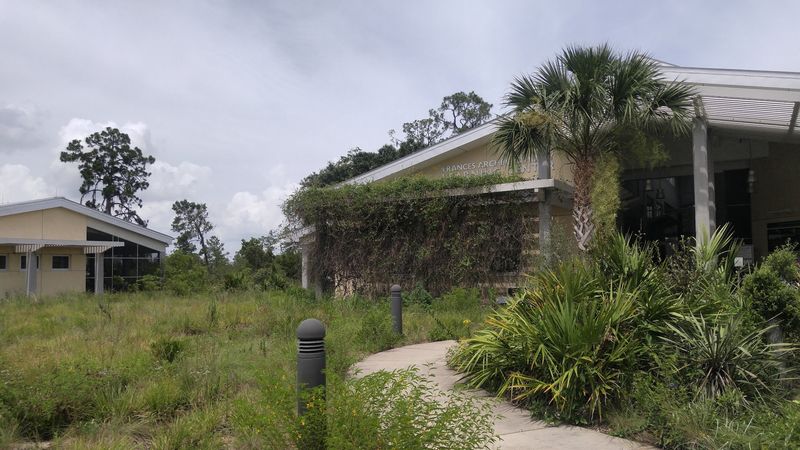
Platinum is the top tier. The meeting facility and lodge here earned Platinum LEED certification, the highest green building rating available.
It fits the mission perfectly. A place devoted to studying nature should tread lightly on it, and this building does exactly that.
The sustainable design is worth a look on its own. Even folks who never think about architecture tend to find it pretty neat.
Inside the visitor buildings, exhibits and interpretive signage share stories about the land. It’s a smart warm-up before heading out to the trails.
The learning center ties everything together. You can soak up background on local ecology before seeing it in person.
Conferences have been held in the visitor center too. The beautiful grounds make it a peaceful setting for meetings.
Green design can feel like a buzzword sometimes. Here, it actually matches what happens outside, where every plant and animal gets serious respect.
Fire Crews, Class Trips, and Kids Who Love Dirt
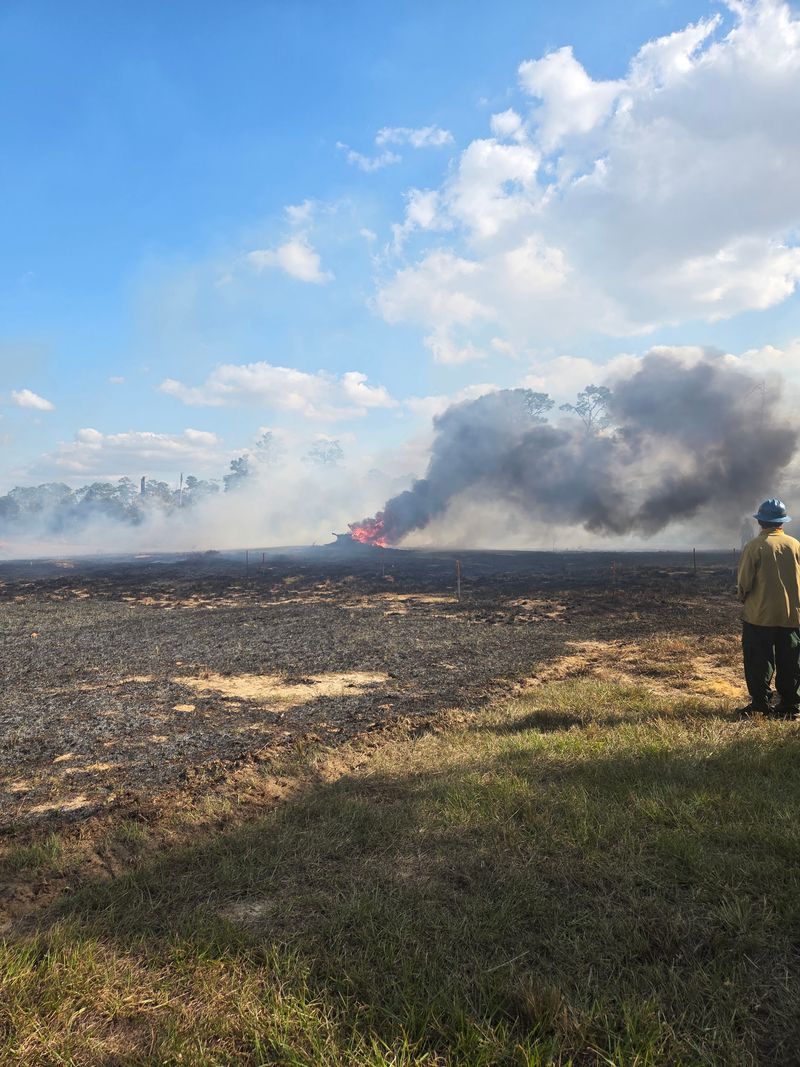
Firefighters train here, which surprises plenty of people. The station has hosted wildland and prescribed fire courses, including field days for the S130 class.
Fire plays a natural role in Florida scrub. Training on this landscape gives crews hands-on experience with the real thing.
Teachers have also brought classes for conservation biology. The station’s dorms and bathrooms have made overnight school visits practical.
Students of any age can benefit from that kind of trip. Few classrooms come with endangered birds and rare plants right outside.
Kids camps fit naturally into the setting too. Wide-open space and plenty to discover make it a strong spot for young explorers.
Families with curious children tend to do well here. Hands-on learning beats a textbook almost every time.
Of course, you don’t need a uniform or a lesson plan to enjoy it. Anyone who likes asking questions about the natural world will feel right at home.
Weekday Hours and Why a Quick Call Helps
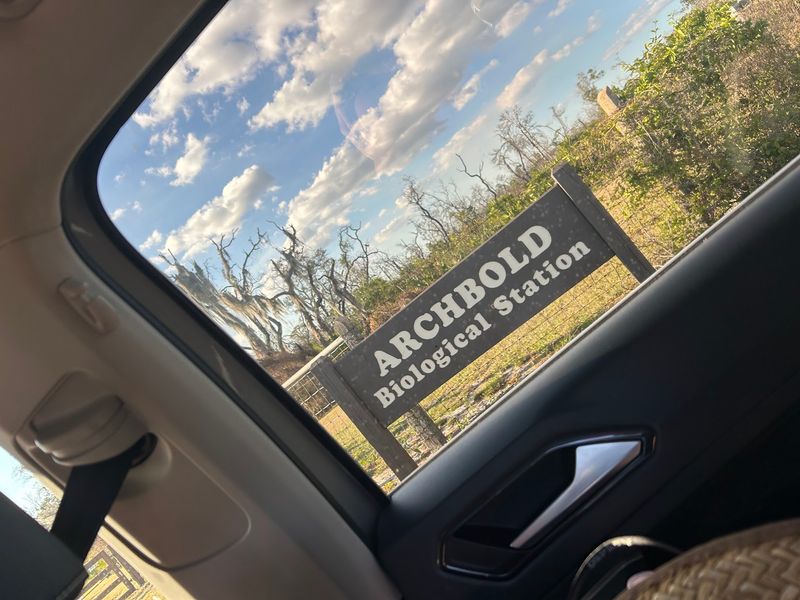
Timing matters more than usual with this one. Archbold Biological Station is open Monday through Friday from 9 am to 5 pm and closed on weekends.
Weekend visitors have found locked gates, so plan around a weekday. The station has also temporarily adjusted public hours during recent improvements.
Holidays can affect access too. A quick call before you head out can save a long drive to a closed gate.
Remember that this is a working research station first. Public access sits alongside scientific work, not the other way around.
Donations support the place and are warmly welcomed. Guided programs have typically run on a small per-person donation rather than a set ticket.
Arrive with water, sun protection, and comfy shoes. Florida sun doesn’t take weekdays off.
The address is 123 Main Dr, Venus, FL 33960. It’s in Highlands County, a straightforward drive for anyone exploring the middle of the state.
A Quiet Weekday Detour That Leaves You Smarter
Thrill seekers might shrug. Nature lovers, history buffs, and curious families will likely leave with a new favorite corner of Florida.
The trails are short and the vibe is low-key. That’s part of the charm for anyone craving calm over crowds.
What stands out most is the depth behind it all. Every scrub jay and tortoise burrow connects to decades of careful study.
Toss in a warehouse built for a phantom mansion. Add a Platinum LEED lodge, and you’ve got stories to share at dinner.
It works best as a weekday outing paired with a guided program. Those sessions turn a pleasant stroll into something memorable.
Go in knowing it’s a research station, not a theme park. With that mindset, the place really shines.
Florida keeps plenty of surprises tucked inland, away from the beaches. This one rewards anyone willing to slow down, look closely, and let the scrub tell its story.
Share this story