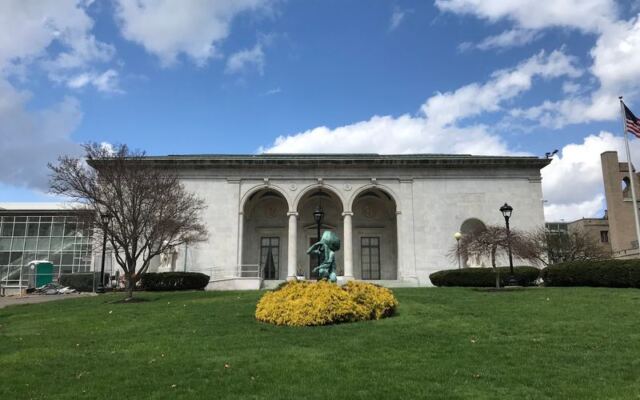
A museum that opened in 1919 became the first in the country devoted only to American art. Its motto is Pro Bono Publico, which means for the public good.
That motto shows up at the front door in a very practical way. Admission is free, and so is the parking.
I believe that is a rare combination in the art world.
Inside, Ohio has a collection of more than 22,000 works. Names like Winslow Homer, Edward Hopper, and Mary Cassatt are part of it.
So what does a free museum with that much art actually feel like once you step through the door?
A First-Of-Its-Kind Museum On Wick Avenue
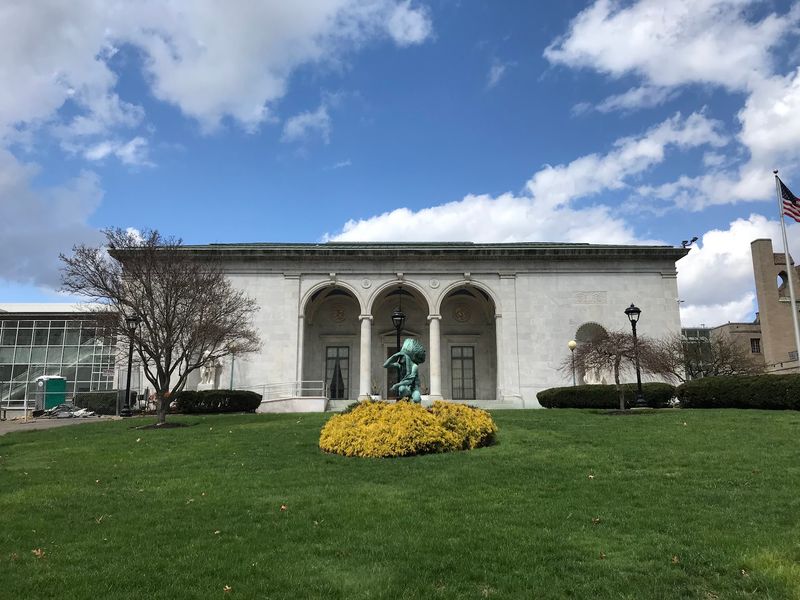
The Butler Institute of American Art holds a title that few museums can claim. It was the first museum in the United States devoted exclusively to American art.
Art fans in Ohio can find it in Youngstown.
It sits on the campus of Youngstown State University. Its home base is 524 Wick Ave, Youngstown, OH 44502.
The museum describes its focus as American art across four centuries. That span covers early colonial and Native American pieces, then moves all the way to contemporary work.
Guided tours, art classes, and event space round out the offerings. So the building is more than a quiet place for looking at frames.
The first-timer’s takeaway is simple. This is a serious institution with a friendly door policy.
It also carries a bit of bragging rights for the Mahoning Valley. A national first happened right here in northeast Ohio.
Not every town can say that about its art scene. Youngstown can, and it has done so for over a century.
How Joseph Butler Jr. Set The Whole Thing In Motion
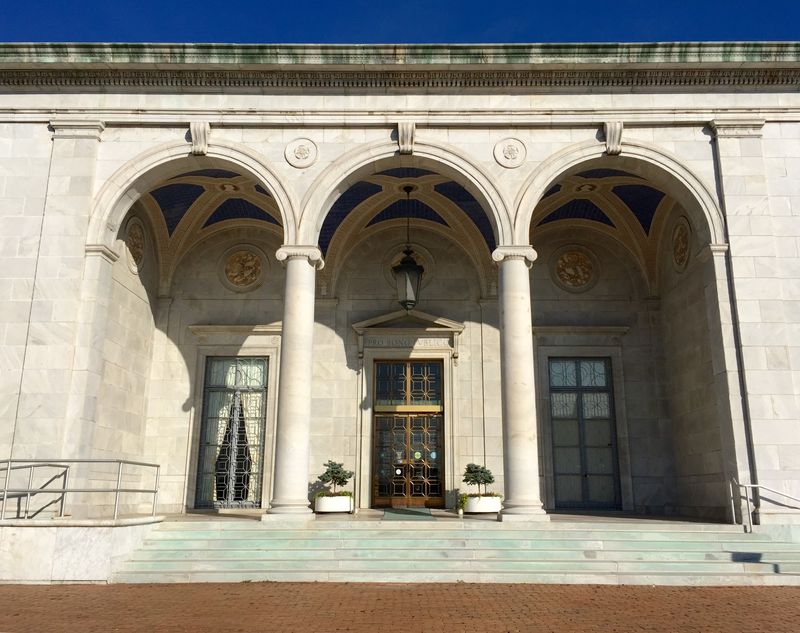
Local industrialist Joseph G. Butler, Jr. founded the museum in 1919.
He wanted a public place where the community could meet the best work of American artists.
That idea still drives the place today. The motto Pro Bono Publico, meaning for the public good, backs it up.
The original building is an Italian Renaissance Revival design. McKim, Mead and White created it, and it is listed on the National Register of Historic Places.
Think about that for a moment. A famous architecture firm designed a building for an art museum in Youngstown.
The museum has grown since then. Visitors mention expansions and additions to the permanent collection over the years.
Each addition builds on Butler’s original promise. The art belongs to everyone who walks in.
That is a neat bit of civic generosity to carry for more than one hundred years. It also explains why the free policy feels so natural here.
Homer, Hopper, And Other Big Names Under One Roof
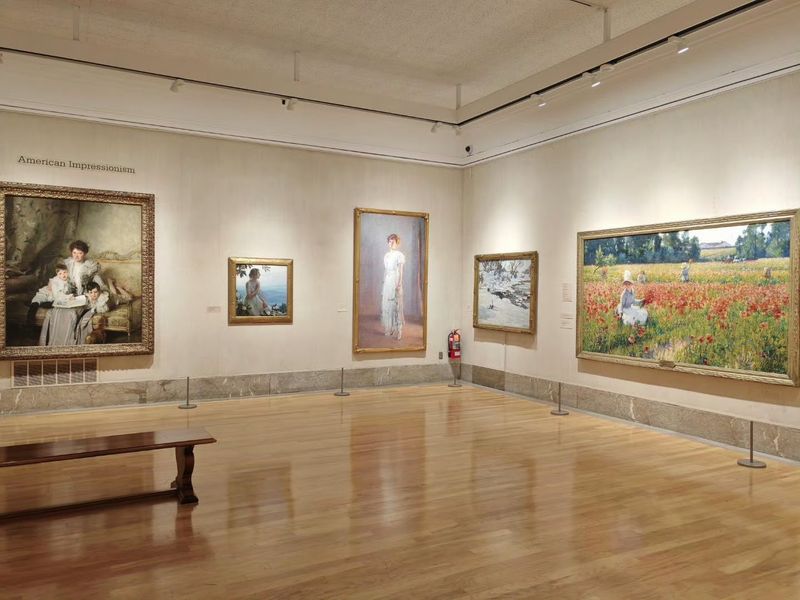
Painting fans will find plenty to chase here. The Butler Institute of American Art lists Winslow Homer’s Snap the Whip among its best-known works.
Mary Cassatt, John Singer Sargent, and Edward Hopper also appear in the collection. That is a strong lineup for any museum.
Visitors also point to artists such as Rockwell and O’Keeffe. One mentioned a poppy painting tied to In Flanders Fields.
The permanent collection counts more than 22,000 works. It covers American painting, sculpture, and new media.
Paintings are the most talked-about part of the visit. They come up far more than any other topic.
Information cards beside the works help with context. A visitor praised how much detail was given, especially for paintings.
That makes it easy to learn as you wander. You do not need an art degree to follow along.
Where Electricity Meets Art At The Beecher Center
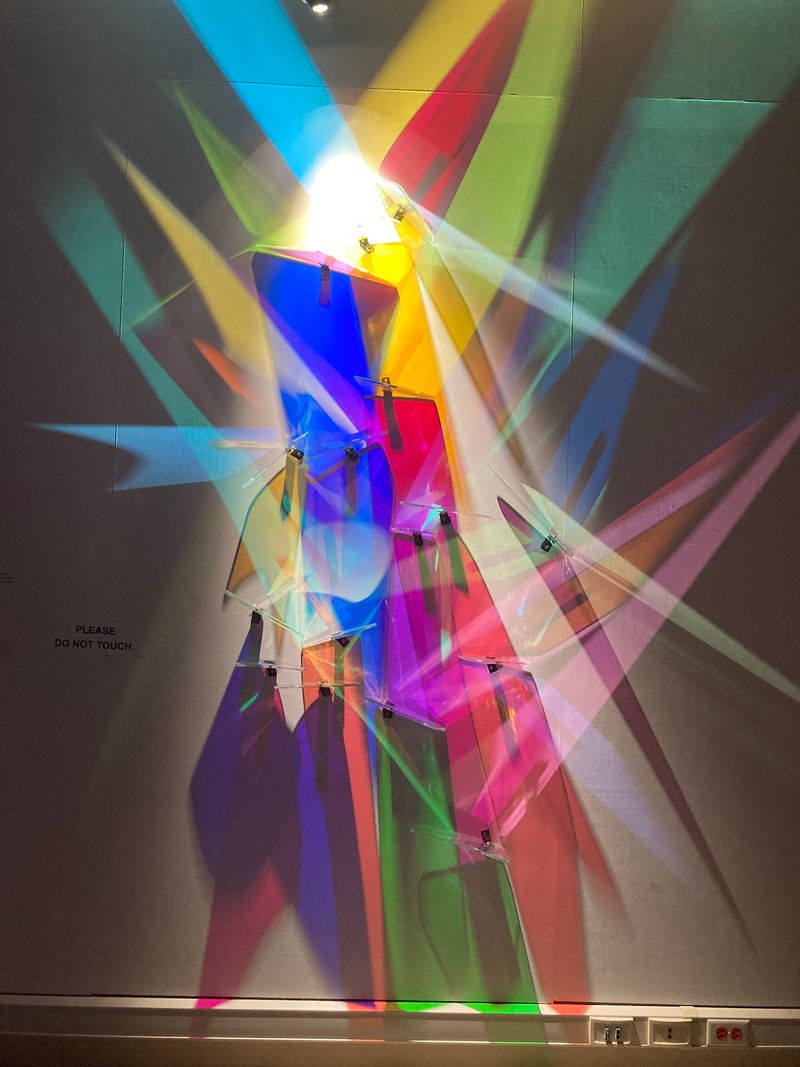
Old masters are only part of the story. The Beecher Center for Electronic and New Media Art shows the museum’s commitment to contemporary American expression.
It brings the digital age into a museum that also holds colonial-era work. That range is part of the charm.
Visitors mention interactive pieces and interactive displays. Kinetic art gets attention too, and it is a favorite for people who like moving parts.
That kind of work can win over a skeptic. One visitor said art usually is not interesting to them, yet the visit turned out to be an awesome experience.
There is also a sensory light room, according to a recent visitor. It has bean bags and sounds, which makes it a calm break.
One area was closed during that visit. It is smart to expect some changes in what is open.
Even so, the new media side adds real variety. It keeps the day from feeling like a straight line of portraits.
Folk Art, Carousel Carvings, And Other Surprises
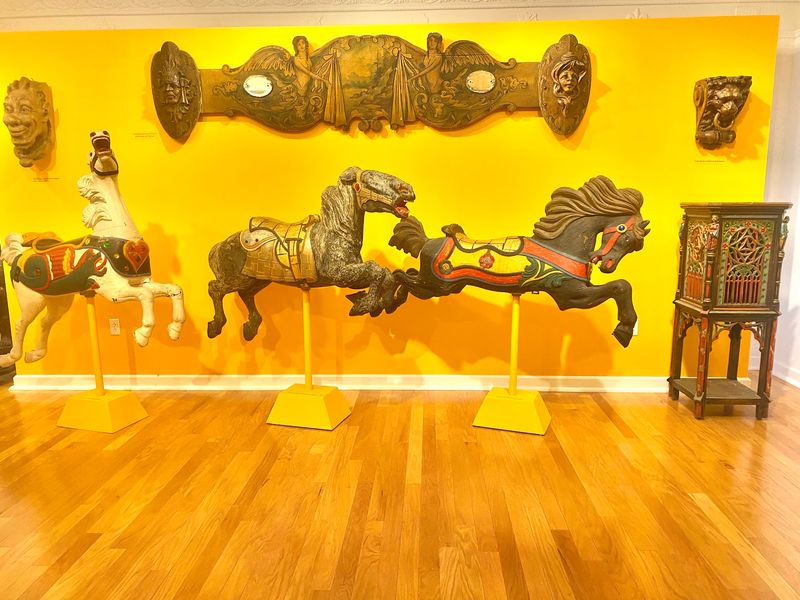
Not every treasure hangs in a gold frame. Folk art has its own wing, and visitors have called it very nice.
Carousel carvings are among the topics people bring up. They add color and craftsmanship to the mix.
The museum also includes a Native American area. A past visitor enjoyed it and noted the variety of the collection.
That variety is the point of an all-American museum. The story of the country is told through many hands and many materials.
A statue in the Brown Gallery even fooled a pair of visitors. It carried an Art name tag and looked like a real security guard.
That kind of surprise keeps a walk through the galleries lively. Look closely before you say hello to anyone standing still.
Signs also remind guests not to touch the artworks. Families with younger children will want to keep that in mind.
The Church Next Door And A Skywalk To Reach It
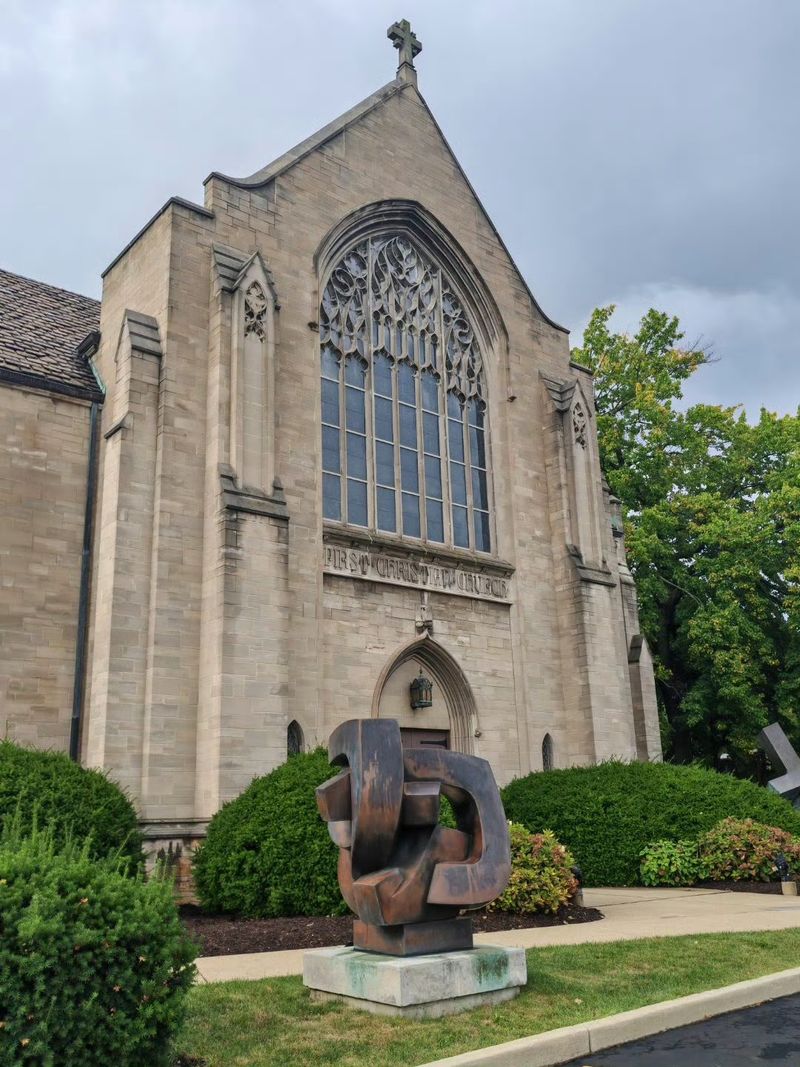
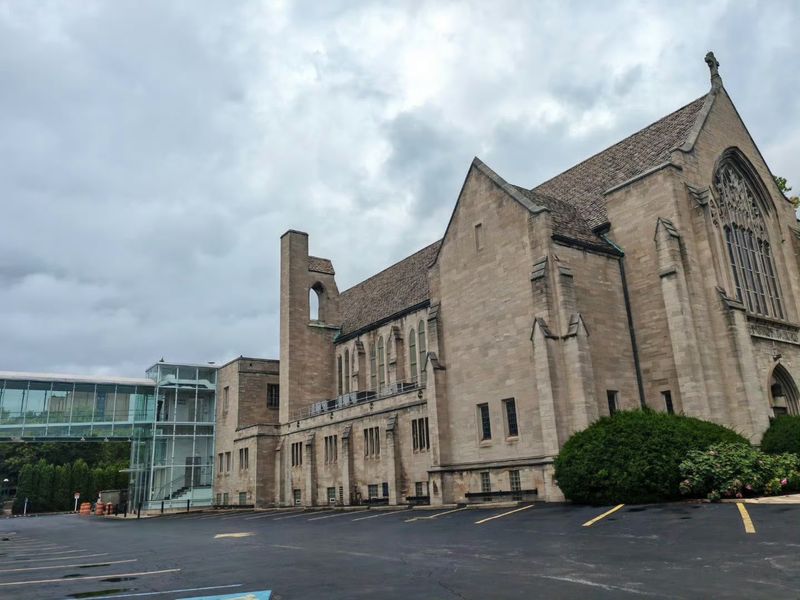
Next door sits a gothic church that the museum owns. A skywalk connects it to the main building.
That detail came from a past visitor. Another visitor praised the view over the inside of the church as a treat.
It is a fun architectural twist on a museum day. You cross between buildings without stepping outside.
The museum also has multiple levels to explore. One visitor described two full floors of paintings, sculpture, and kinetic pieces.
Elevators are available, which helps with navigation. The layout is described as easy to follow.
Pacing yourself matters in a place this big. Visitors say a couple of hours is a good start.
Some took nearly three hours and still missed parts. That tells you the museum rewards a slower stroll.
Exhibits That Rotate All Year Long
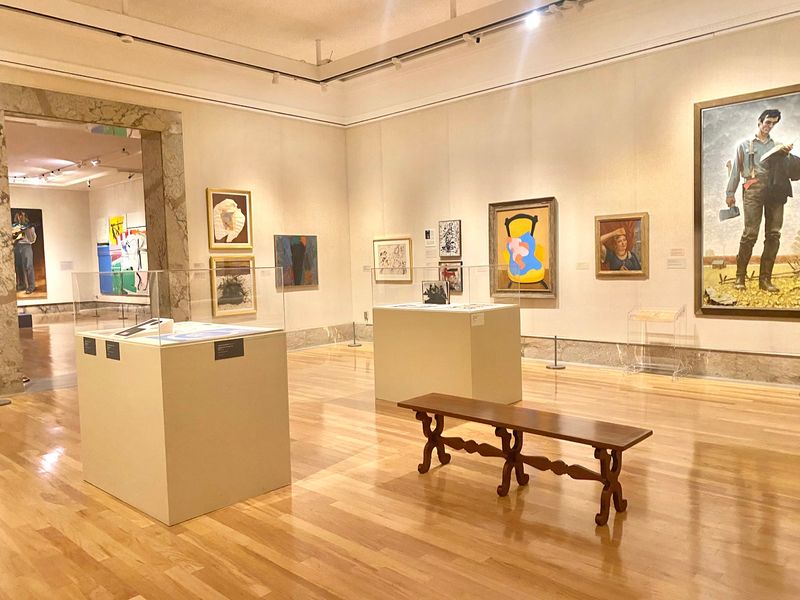
Come back in a few months and the walls may look different. The Butler Institute runs special exhibits steadily through the year.
Often two or three are on view at the same time. That keeps repeat visits interesting.
One recent visitor saw an African American art exhibit. A photography show of local historic religious buildings was on view too.
Those temporary shows sit beside the permanent collection. Together they give the museum a living, changing feel.
Exhibits shift, so check what is current before you go. Call ahead or look at the museum’s own site for details.
School groups also tour the galleries. A visitor noted children on tours during a recent stop.
That adds energy to the building. Learning is clearly part of the daily routine.
Coffee, Gifts, And A Break Between Galleries
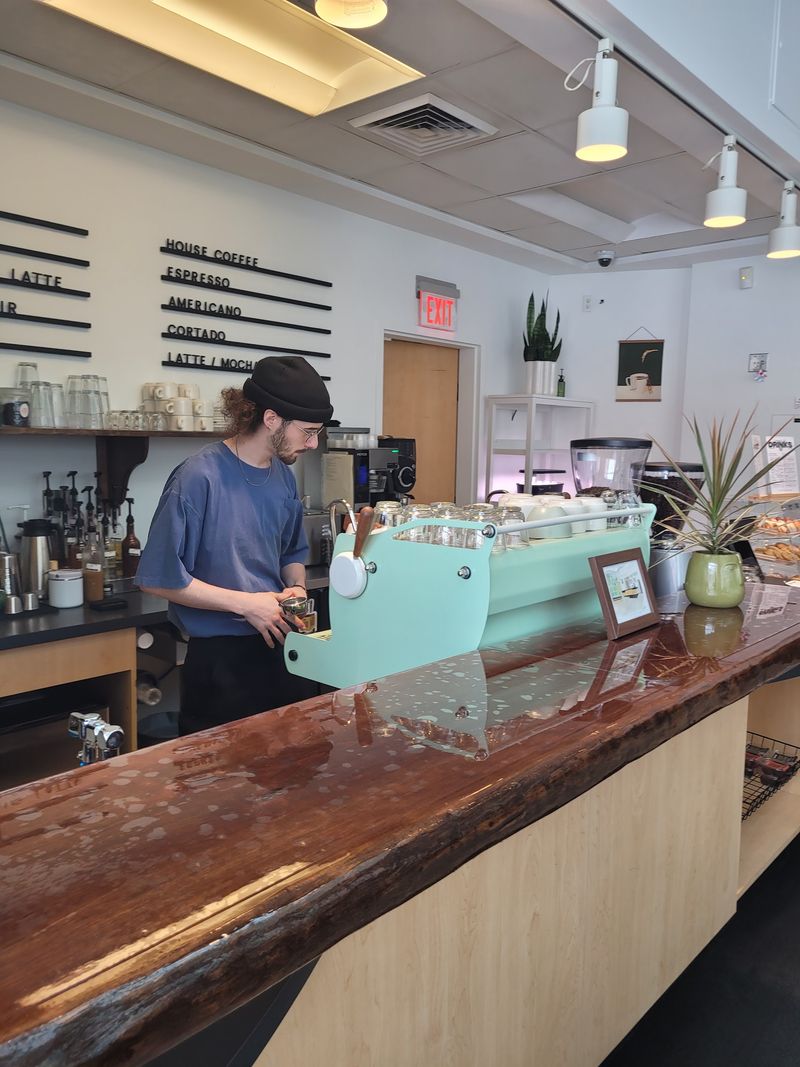
Art can make you hungry for a snack. Looma Cafe is the museum’s coffee stop, and visitors describe coffee and food they enjoyed.
It gives you a place to rest between floors. That is handy on a long gallery day.
Gift shopping is a bonus. One visitor called it the best museum shop and buys gifts there for every occasion.
Another visitor said there are two gift shops. That leaves room for prints, cards, and small keepsakes.
Shop and cafe hours may differ from gallery hours. Check ahead if either is a priority.
The Butler Institute of American Art does not charge to enter. Some visitors choose to donate, since the visit costs them nothing at the door.
Your purchases and gifts also support the place. That makes a souvenir feel a bit more meaningful.
A Museum For Kids, Skeptics, And Serious Art Lovers
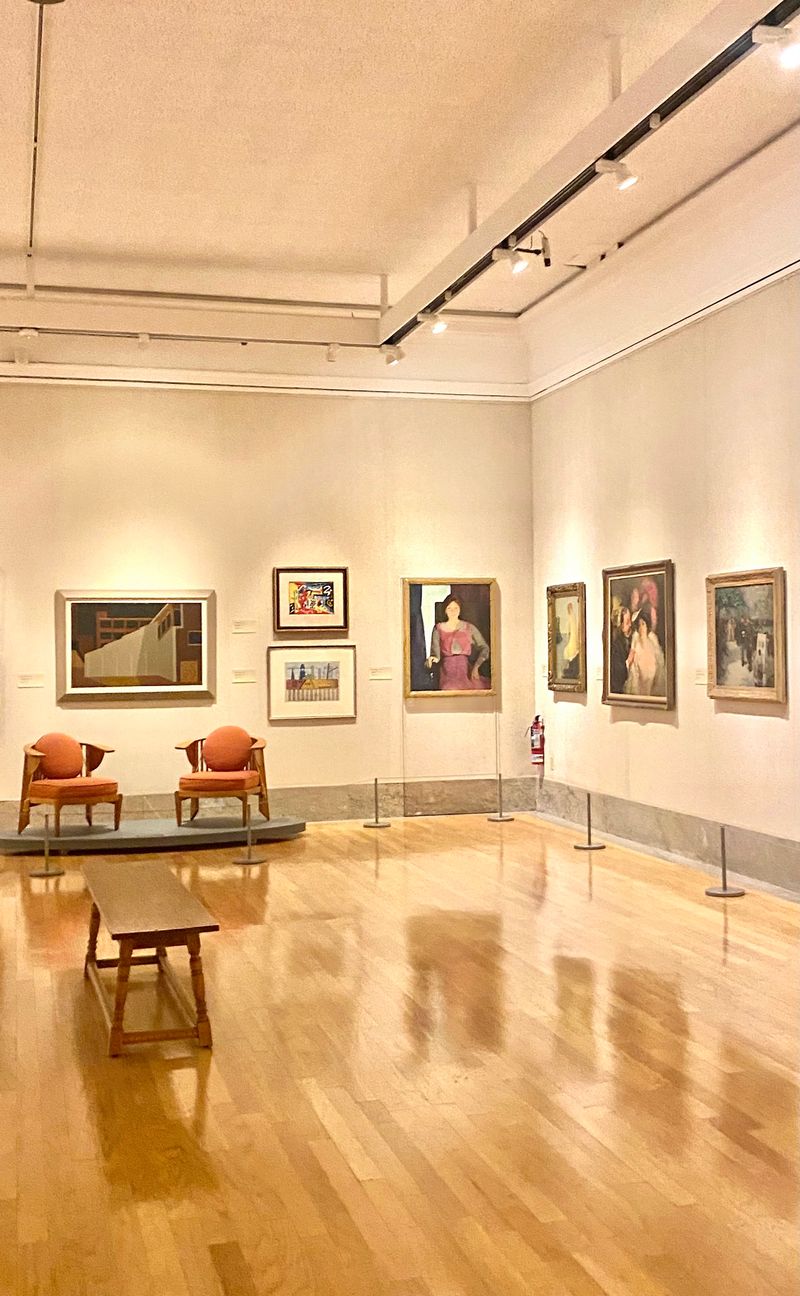
This is a museum that welcomes almost everyone. Visitors describe the space as spacious, inspiring, and easy to navigate.
Kids seem to enjoy several exhibits. A parent called it a welcoming place with friendly staff.
Docents are described as well-informed. A greeter at the front earned praise too.
Not every visit has to be long. One person said you could breeze through if you only need something quick.
Others spent hours. The museum fits both styles of visitor.
It also works as a cool indoor stop in summer. One visitor stopped in during an art fest to escape the heat.
Ohio day-trippers will find it works in any season. The galleries stay indoors, so the weather matters less.
Hours, Parking, And A Soft Verdict
Plan around the schedule. The museum is open Tuesday through Saturday from 11 AM to 4 PM, and Sunday from noon to 4 PM.
Mondays are closed. Hours can change, so confirm before you drive.
Free parking is available for museum patrons. It sits near the Youngstown State University campus, where other parking can be tricky.
Restaurants are close by, according to a past visitor. That makes it easy to turn the trip into a full day out.
The museum is also easy to reach from I-80. One traveler made it a planned stop on a road trip.
All told, The Butler Institute of American Art is a strong pick for an Ohio day trip. Free admission, big names, and surprises await.
Give it a couple of hours. Then decide whether you want to stay for more.
Share this story