A free museum in Ohio holds more than 175,000 artifacts and surgical instruments. It started in 1898, back when Cleveland doctors shared one medical library.
The collection now sits inside a university building. Four painted murals of Greek medicine myths greet you in the stairwell.
I love a place that packs this much into a small footprint. Old exam tools, antique books, and period doctor’s offices are all waiting.
The doors open on just two days a week, though. Can you guess which museum I mean?
A Free Medical Museum Waits Inside Case Western’s Library
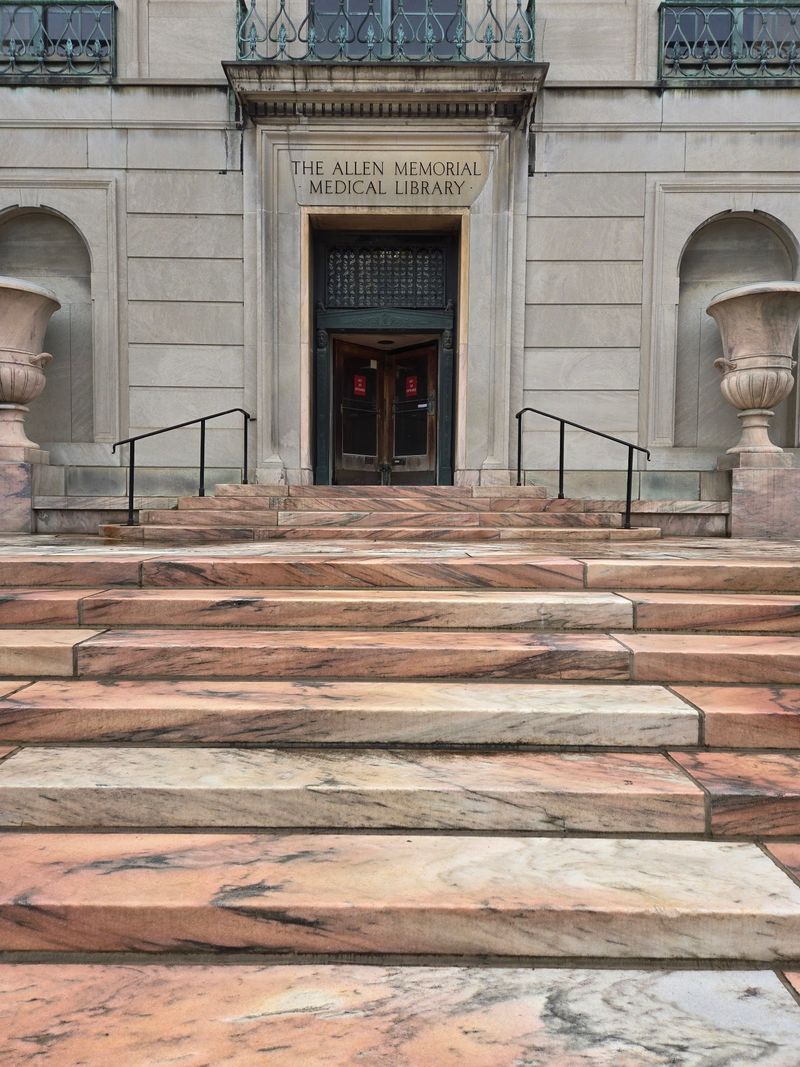
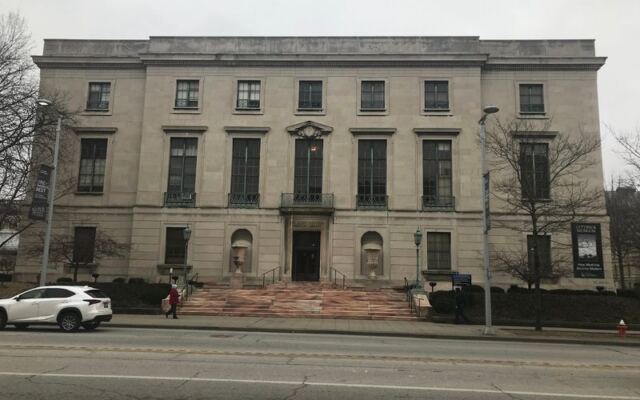
Dittrick Medical History Center sits inside the Allen Memorial Medical Library at Case Western Reserve University. It is a science museum with self-guided tours of medical artifacts, images, and rare books.
Admission is free, which makes the whole thing even easier to love. Ohio has plenty of quirky museums, but few cover this much ground without charging a ticket.
The address is 11000 Euclid Ave, Cleveland, OH 44106. That puts it right on a university campus in University Circle, a part of the city known for its cultural stops.
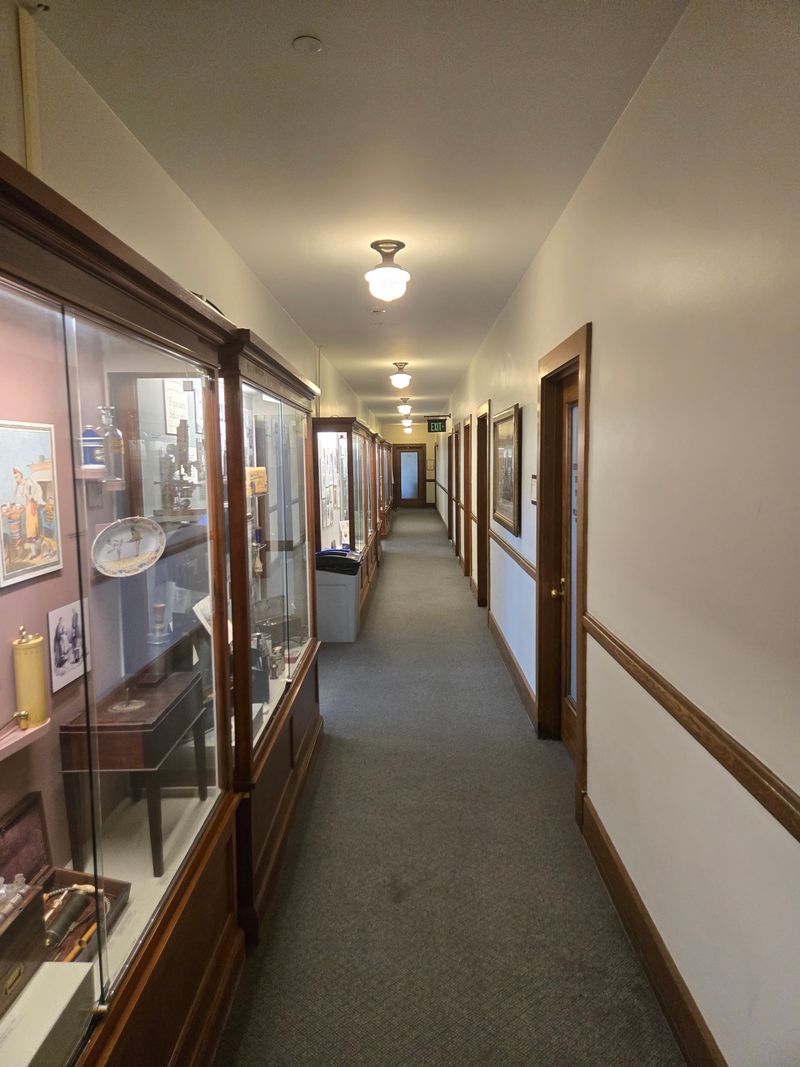
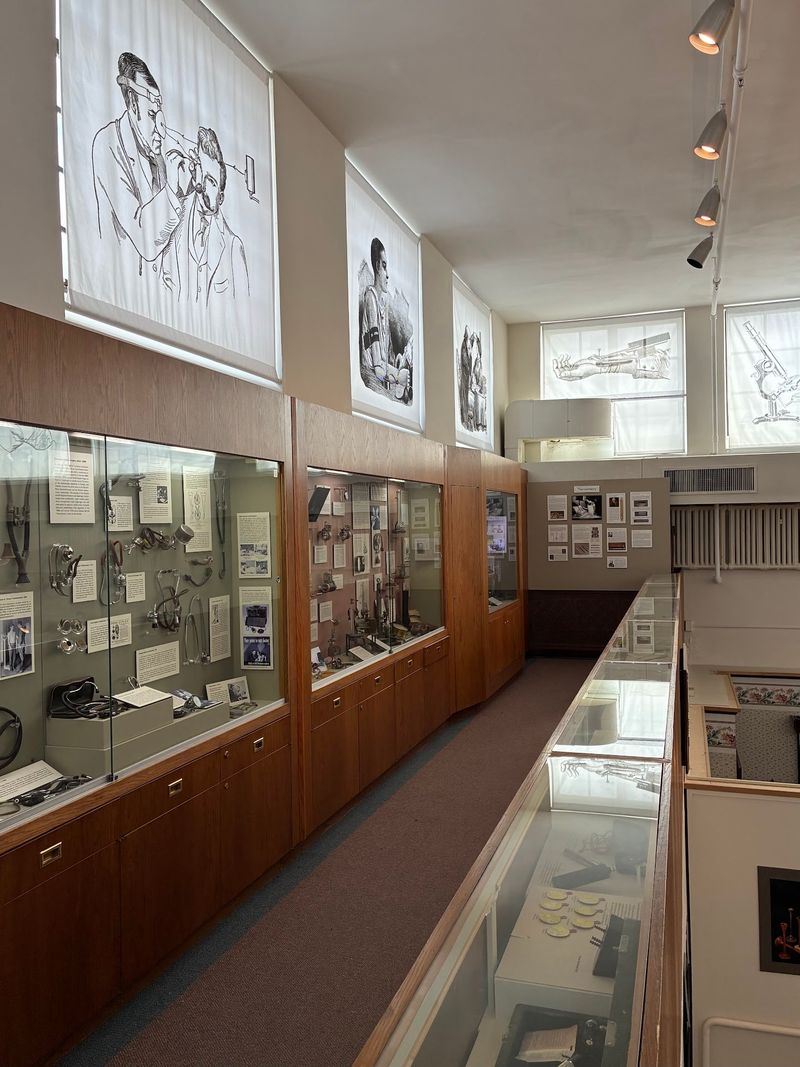
The building itself is part of the experience. Display cases line the hallways outside the main museum space, so the exploring starts before you even reach the front desk.
Plan on a relaxed visit rather than a marathon. The museum is compact, but the information inside is packed tightly.
Every case and placard gives you another reason to slow down and read.
For anyone in Ohio who enjoys unusual day trips, this one deserves a spot on the list. It is a short, curious, and wallet-friendly stop.
Since 1898, Cleveland Doctors Have Been Saving the Good Stuff
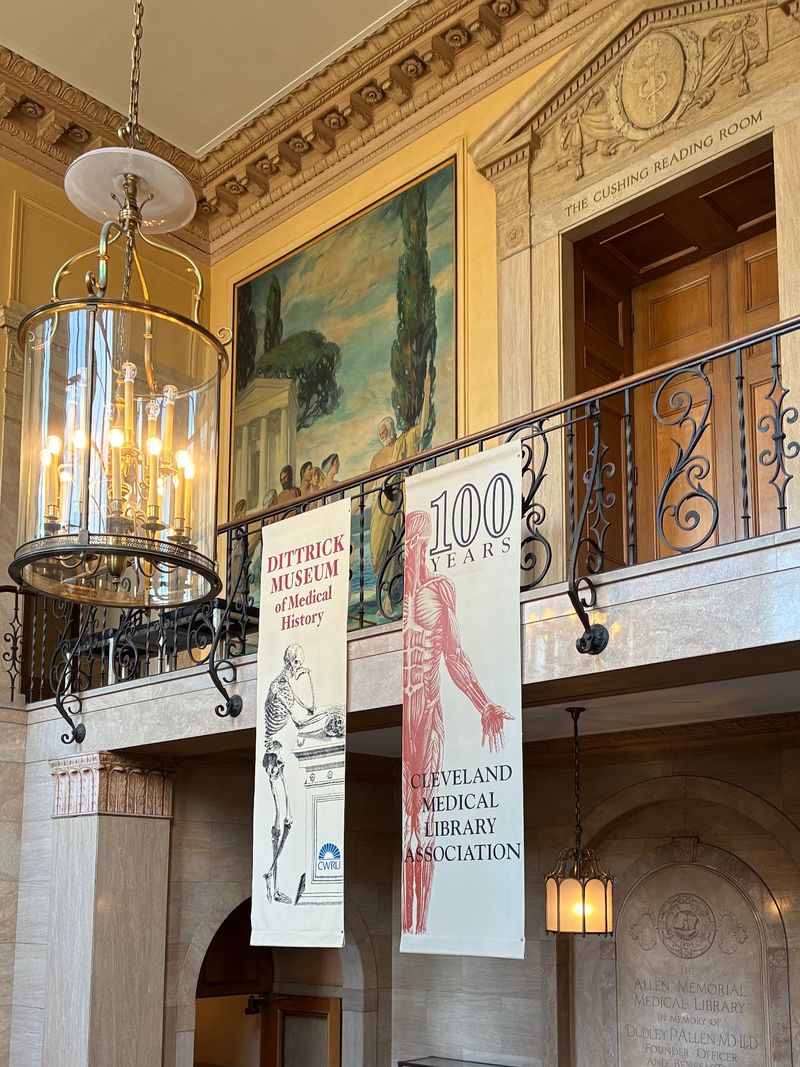
The museum’s roots go back to 1898. That is when the Cleveland Medical Library Association established it.
Think about that timeline for a moment. Doctors were already collecting the tools of their trade more than a century ago, knowing future generations would want to see them.
Today the collection is tied to Case Western Reserve University. It has grown to more than 175,000 artifacts and surgical instruments, which is a remarkable number for a museum this size.
The story also connects to Cleveland itself. Displays highlight local medical history, including the city’s role in the early days of radiology and the changing life of the physician over generations.
That local angle gives the museum a personal feel. You are not just reading about medicine in general.
You are reading about how medicine took shape in Northeast Ohio.
It also helps explain why the place feels so cared for. A collection kept this long and this well is the work of people who truly value the past.
Old Instruments Look Stranger Than You Expect
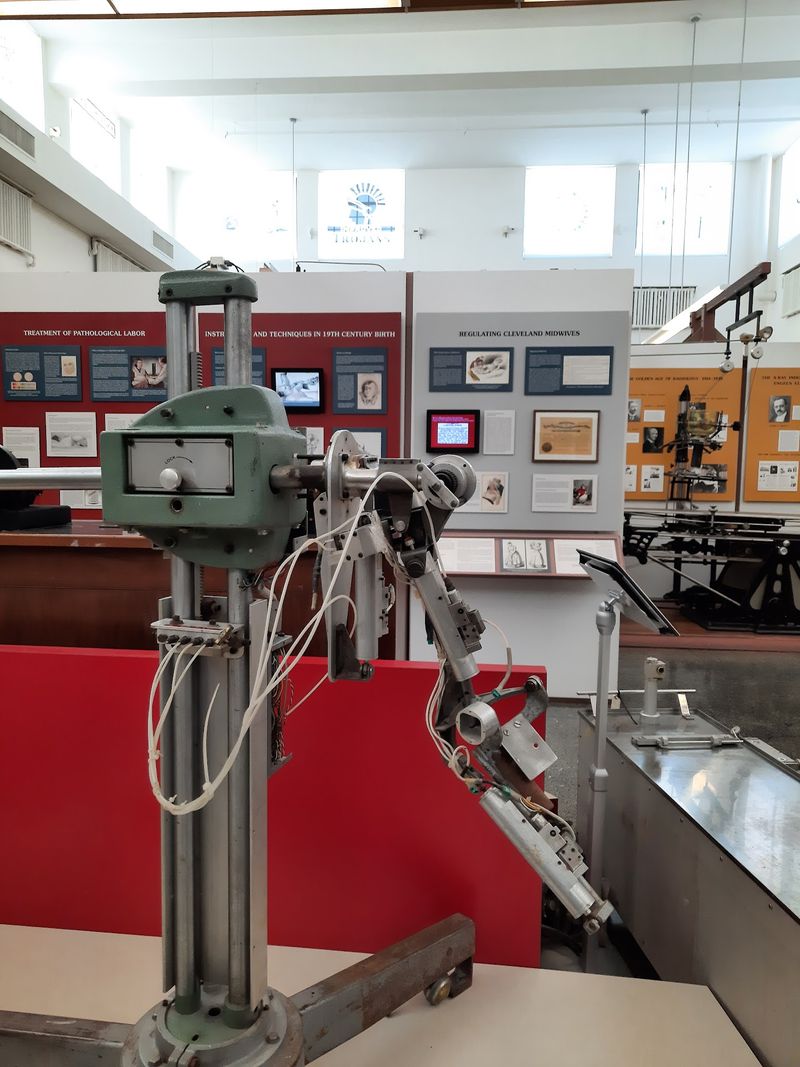
Antique exam tools have a funny way of making modern checkups feel luxurious. The museum shows old versions of equipment and instruments, and the contrast is the fun part.
Surgical instruments from past eras sit alongside devices that show how doctors once worked. Some look clever, some look puzzling, and a few look downright bizarre.
The collection includes an artificial limb and a wide range of unusual equipment. Each piece comes with a write-up that explains what it was and how it fit into the practice of medicine.
Take your time with the placards. They are the key to understanding why a strange object once counted as the best technology available.
Kids with a taste for oddities may enjoy this part most. Teens who like science will find plenty to chew on too.
It is a gentle reminder of how far medicine has traveled. And Dittrick Medical History Center keeps that journey on display, one carefully labeled object at a time.
Period Rooms Show How Doctors’ Offices Changed
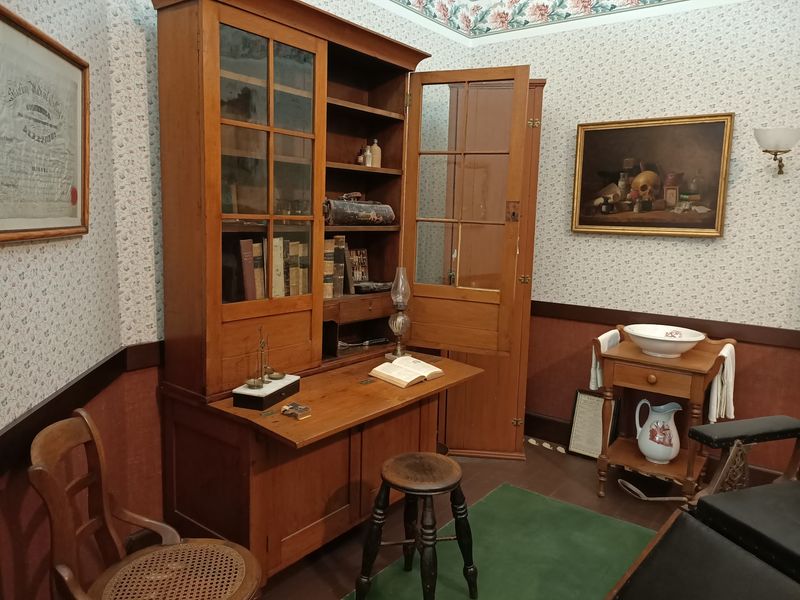
Step into a recreated doctor’s office and the decades start to shift around you. The museum sets up rooms that show how different eras of medical technology would have looked.
One example reaches all the way to a doctor’s room from the 1960s. Others take you further back, so you can compare how the setting and the tools evolved.
It is a smart way to tell the story. Instead of only reading about change, you can see the desks, instruments, and equipment that belonged to each period.
The detail in these spaces gets plenty of attention. They give context to the smaller objects in the cases and make the artifacts feel like part of real working life.
Photographers and history lovers will likely linger here. The rooms offer a nice change of pace from the glass cases.
Give yourself a few minutes in each one. Spotting the differences between eras becomes a quiet little game as you move through the museum.
A Deep Look at the History of Birth Control
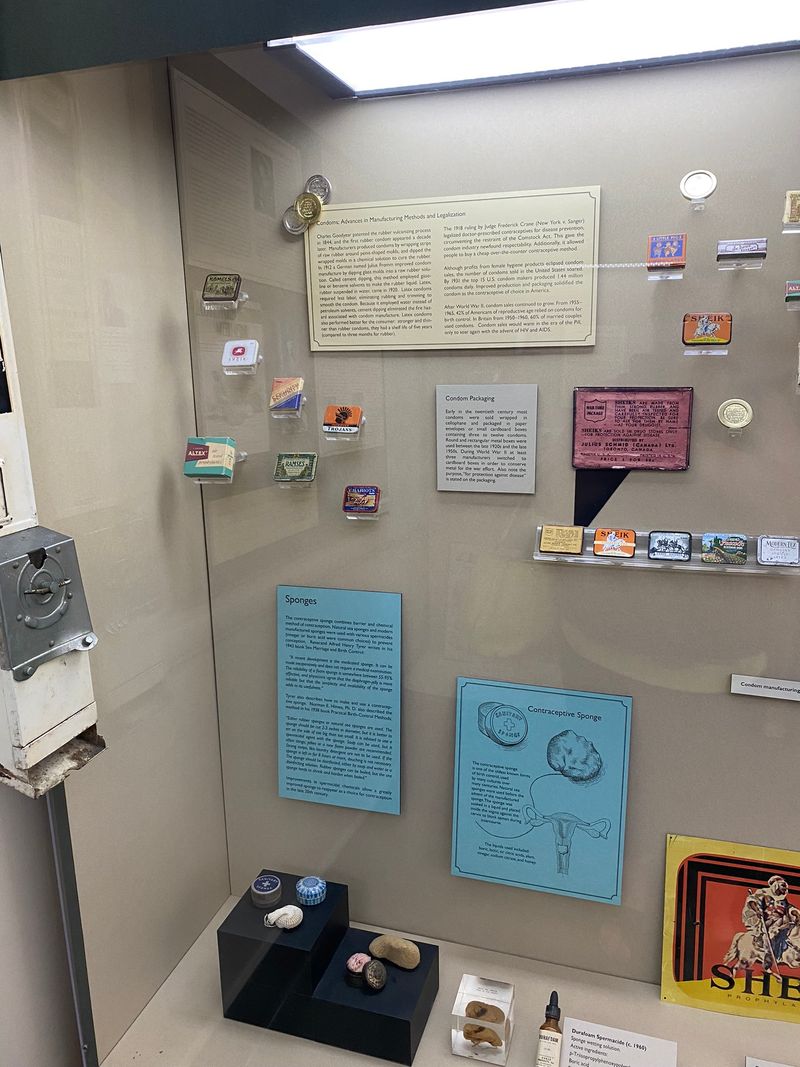
Among the standout exhibits is a thorough look at birth control through the ages. It covers a wide range of historical products and presents them in an engaging, informative way.
The topic ties into a larger theme of women’s health history. That focus gives the museum a distinct identity compared with other medical collections.
Artifacts and images work together here. You see the devices, then read how people understood health and family planning in different times.
The presentation stays factual and educational. Visitors who come for the history of women’s health often name this as a highlight.
It is also a good example of how the museum turns everyday history into something worth studying. Subjects that rarely show up in textbooks get their due.
Leave a little extra time for this section. The labels are detailed, and the objects reward a slow, curious look.
Few free museums in Ohio go this deep on the subject.
Rare Books and a Second-Floor Library Reward the Curious
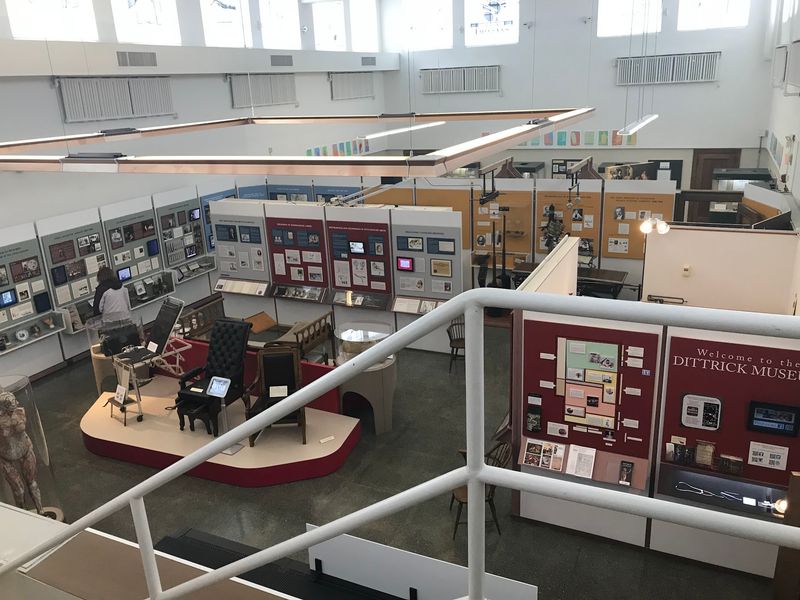
Books are a big part of this story. The museum holds rare volumes, and the library on the second floor adds even more to explore.
Original editions of old medical books are kept in good condition. Many are richly illustrated, which makes them fun to look at even if you are not a reader of medical texts.
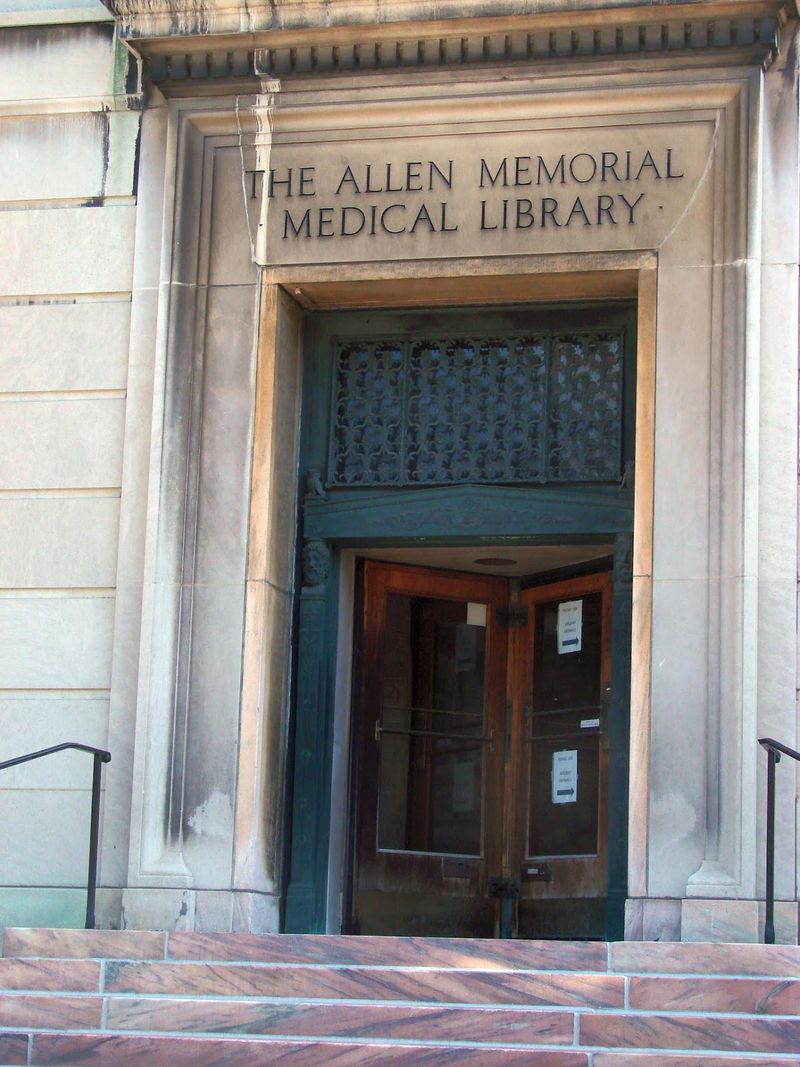
The Allen Memorial Medical Library houses the museum, so the connection is natural. Shelves and exhibits share the same roof.
A table with free books has also been part of the visit. It is a small perk, but a charming one.
Book lovers should plan a few extra minutes for the library. The mix of antique equipment and printed history creates a calm, studious atmosphere.
It is the sort of place where you start by glancing at one page and end up reading the whole display. That slow pull is exactly what makes it memorable.
Four Murals in the Stairwell Tell an Ancient Story
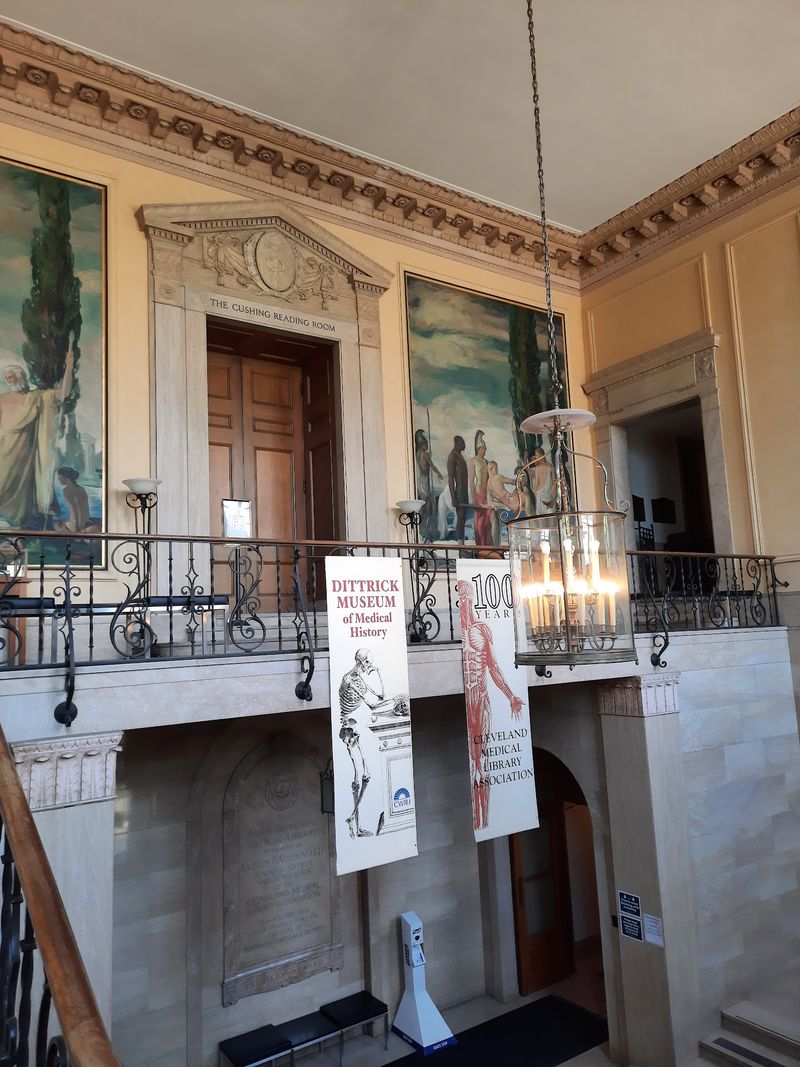
Before you reach the exhibits, the stairwell has its own art show. Four murals illustrate the mythological origins of medicine.
They feature Asklepios being taught by the centaur Chiron, Machaon the surgeon and son of Asklepios, and Asklepios as the beloved physician. Another shows Asklepios as the Greek god of medicine.
It is a fitting introduction. Before you see centuries of instruments, you get a glimpse of how ancient storytellers imagined healing.
The murals add color to a trip that might otherwise be all glass cases. They also hint at how long people have been trying to understand the human body.
Art fans can enjoy the climb as much as the museum itself. Take a moment on the way up rather than rushing past.
It is one of those details that makes the Allen Memorial Medical Library more than a plain university building. A little mythology sets the tone for everything ahead.
Radiology, Case Western, and Cleveland’s Place in Medical Firsts
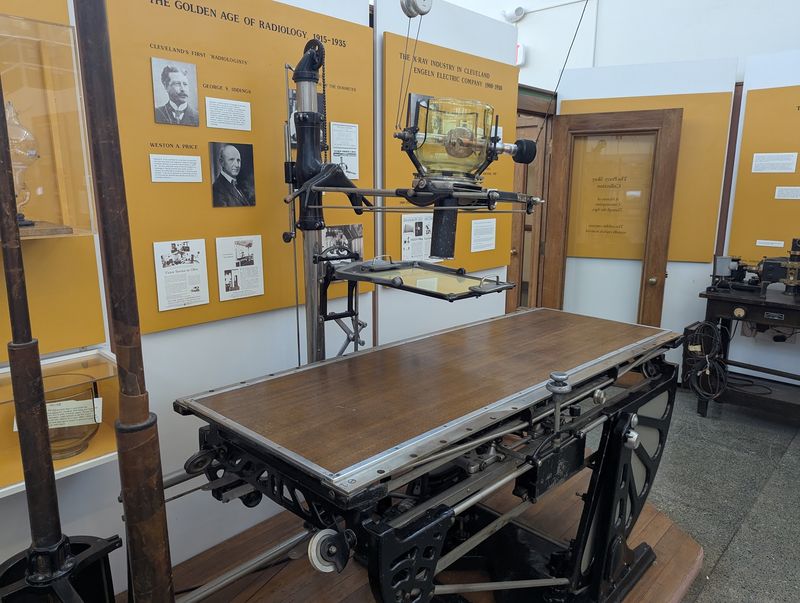
Cleveland played a role in the founding days of radiology, and the museum tells that story. Displays trace the progress of the field and the physicians who shaped it.
The collection also reflects the early days of Case Western Reserve University. You can see how the school and the city’s medical community grew together.
Photographs and images add texture to the history. They show how medicine looked in practice, not just in theory.
The local focus is a real strength. It lets Ohio visitors connect the displays with a place they may already know.
Dense information is the rule here. The museum is small, but the displays are crowded with facts and stories.
Budget some reading time, because the details are worth it. A quick walk-through will only scratch the surface of what Dittrick Medical History Center has gathered.
Medical students and curious visitors alike can find something new in each case.
A Historic Marker Outside Adds Another Chapter
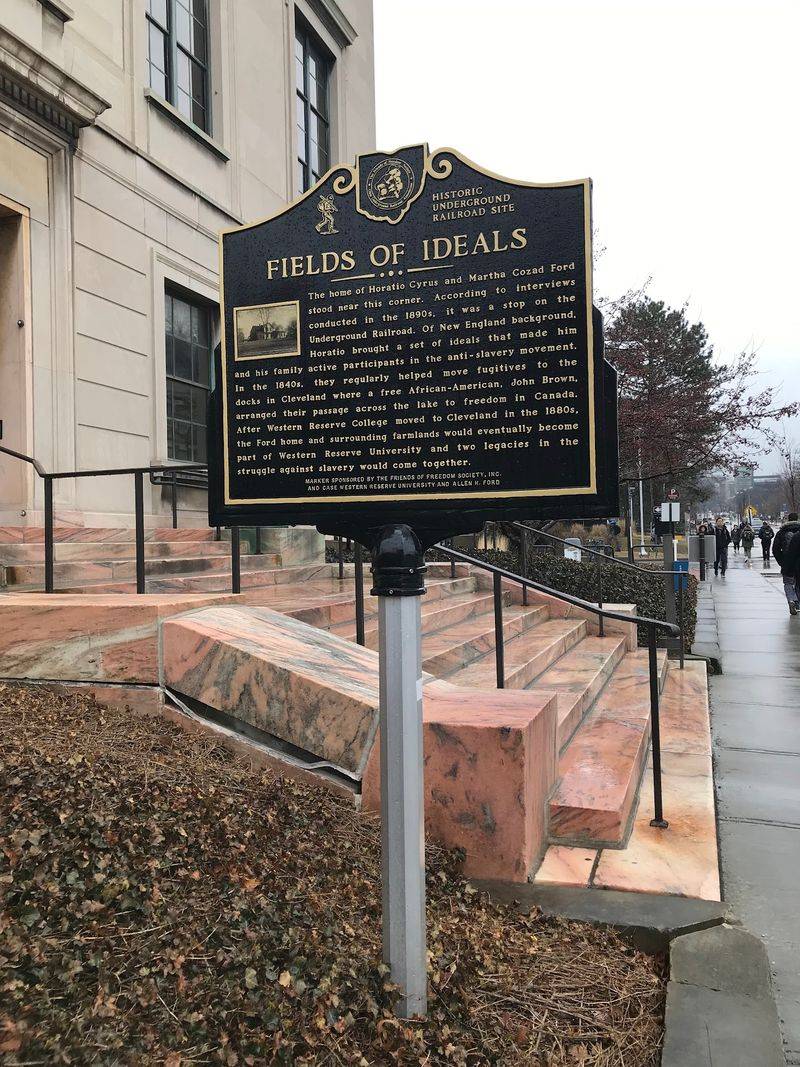
History does not stop at the museum doors. Outside the entrance on Adelbert, a historic marker honors the Horatio Cyrus and Martha Cozad Ford home.
That home was a refuge on the Underground Railroad. Freedom seekers were helped to the dock and on toward passage to Canada.
The opposite side of the marker covers David Hudson’s contribution to the Underground Railroad. It also touches on Western Reserve College, which began in Hudson and relocated to Cleveland in 1882.
The marker notes that Frederick Douglass gave the commencement address in 1854 in Hudson. It is a strong reminder of how much layered history surrounds the campus.
Take a moment to read both sides before heading in. It adds meaning to the area and shows how Ohio’s story reaches well beyond medicine.
Pairing the marker with the museum makes the visit feel richer. You leave with a broader sense of the people who shaped this corner of Cleveland.
Student Staff and Passionate Curators Keep Things Friendly
The people matter here. The museum has been described as run by students, and staff members show real enthusiasm for the collection.
When a question stumps the person at the desk, help is available. In one case, a curator was brought in to talk with a visitor directly.
That kind of care is rare. It tells you the team wants the history to be understood, not just displayed.
Staff have also offered to show visitors around. A friendly guide can turn a quiet walk-through into something livelier.
Ask questions if something catches your eye. The answers can add stories that the placards do not cover.
The self-guided format still lets you set your own pace. But knowing knowledgeable people are nearby makes the visit feel welcoming.
It is a small team keeping a big collection alive, and that dedication shows throughout the galleries.
Who Will Enjoy It Most, and How Long to Stay
Medical history fans will feel right at home. Still, curious visitors without a science background can enjoy it too.
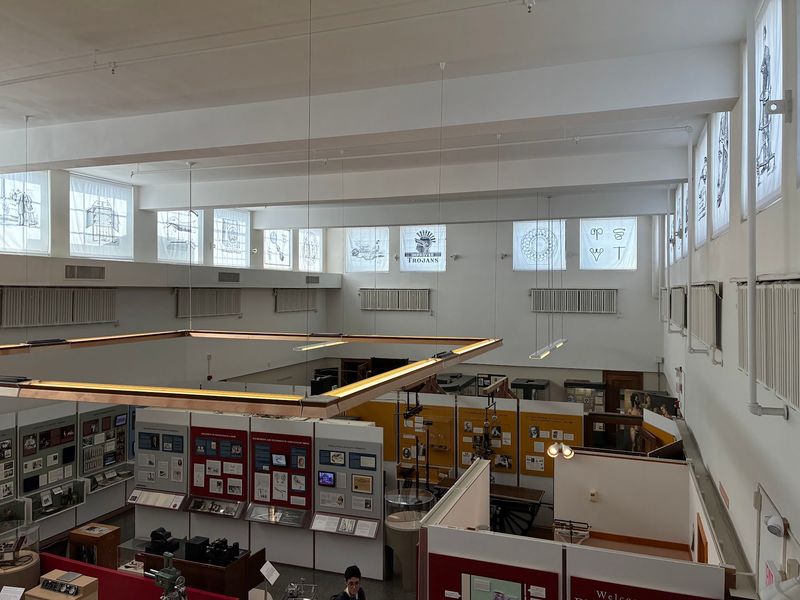
The museum is small but dense. Most visitors spend somewhere between forty-five minutes and two hours, depending on how much they read.
Plan on plenty of text. The displays pair visuals with detailed write-ups, so extra time pays off.
Readers who struggle with small or low-contrast type may find some cards challenging. Others praise the clear fonts and strong colors on many placards.
The mood is quiet and thoughtful. It is a calm break from busy city streets.
History buffs, students, and anyone who loves a good oddity will find something to hold their attention. Families with older kids might also enjoy the strange tools and period rooms.
If you like to wander, read, and wonder, Dittrick Medical History Center will suit you nicely.
Hours Are Short, So Check the Schedule First
Timing is the biggest catch. The museum is open only on Friday and Saturday.
On Friday, the doors are open from 10:30 am to 4 pm. Saturday hours run from noon to 4 pm.
It is closed Sunday through Thursday. Because limited hours come up often, checking the current schedule before you drive is smart.
Admission is free, and the tour is self-guided. That makes it an easy add-on to a day in University Circle.
Plan your arrival with a little cushion, since reading can take longer than expected. A Friday visit gives you more time on the clock.
The official website at Case Western Reserve University lists current details. A quick look can save you a wasted trip.
Short hours might sound inconvenient, but they also make a visit feel like a small event. Mark the day on your calendar and enjoy it.
Parking and Getting There Without the Stress
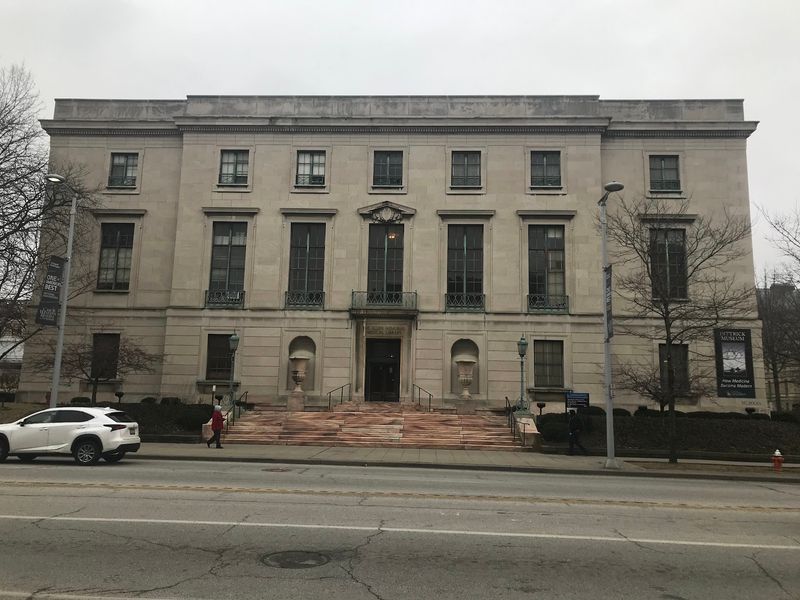
Finding a spot is the one hurdle some visitors mention. The campus sits in a busy part of Cleveland, so it helps to plan.
Pay parking is available on the street. Another visitor parked in the Severance Hall garage and walked over without much trouble.
The museum is at 11000 Euclid Ave, inside the Allen Memorial Medical Library. The operating entrance is on Adelbert.
Give yourself a few extra minutes to park and walk. The campus is attractive, so the stroll is a pleasant bonus.
Once inside, the effort feels worthwhile. Many say the parking search was easy to forgive after seeing the collection.
Ohioans can make a half-day of it by pairing the museum with other University Circle stops. A short walk across campus is a good way to stretch your legs afterward.
Bring a little patience and a bit of change, and you will be fine.
A Quiet, Free Stop Worth Planning Around
Some museums shout for attention. This one earns it with substance.
Dittrick Medical History Center offers a compact, free look at medicine’s winding past. Antique tools, rare books, period rooms, and local stories fill a space that rewards patience.
It is not the biggest museum in Ohio. It does not need to be.
Visitors consistently describe it as interesting, informative, and well cared for. Many call it a small treasure, and that fits.
Plan around the limited hours, bring a little curiosity, and leave room for reading. You will probably walk out with a few surprising facts to share.
For anyone who likes discovering offbeat places close to home, this is an easy recommendation. It proves that a small Cleveland museum can hold a very large story.
Go on a Friday or Saturday, and take your time with every case.
Share this story