The telegraph was first demonstrated in 1838 inside an old factory building that still stands today. Not in a big city lab.
In a quiet 19th-century complex in New Jersey.
I like how the story has a twist most of us never learned in school. Samuel Morse gets the fame, but a young man named Alfred Vail did serious work too.
His family’s ironworks gave the invention a place to come alive.
The buildings still hold that story. You can wander through rooms packed with exhibits, walk the grounds, and join a guided house tour.
I can’t imagine a better way to understand how a few clicks changed the way people talk. So where exactly did those first dots and dashes travel?
A Quiet Campus Where Long-Distance Talk Took Its First Steps
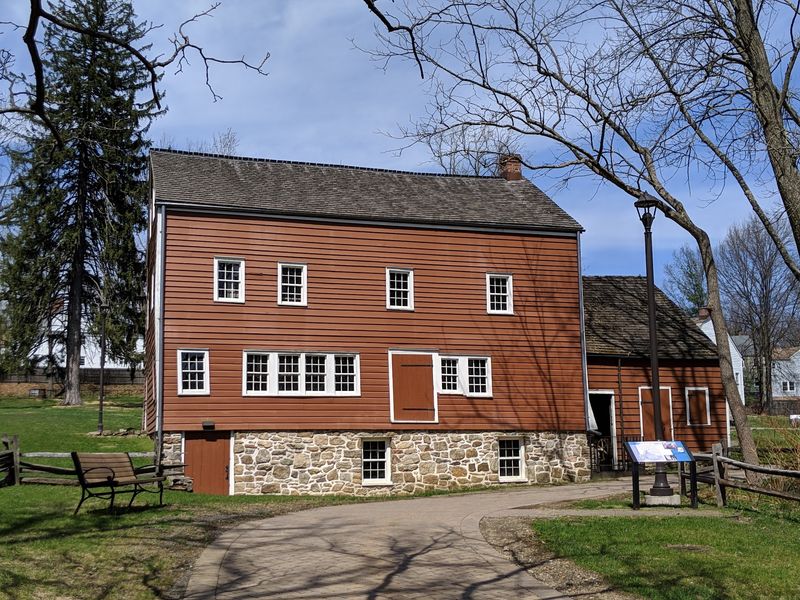
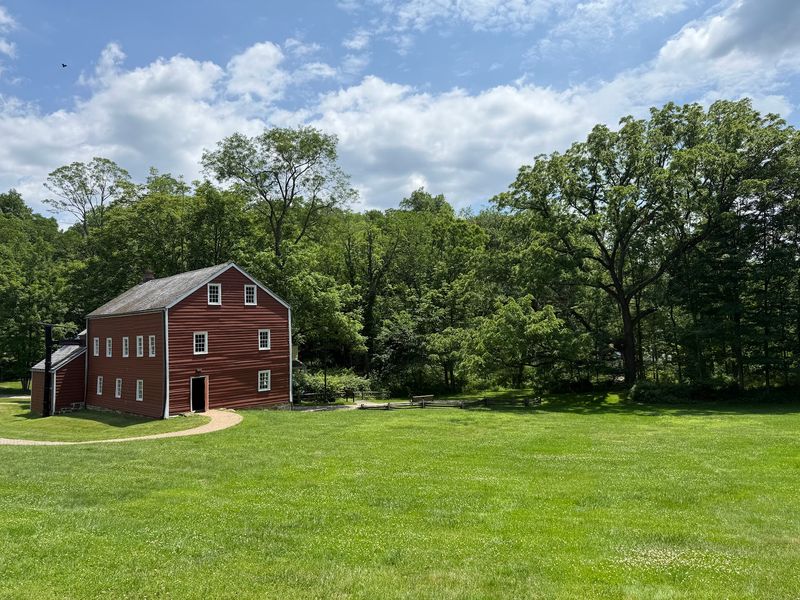
Historic Speedwell sits in Morris County, New Jersey, and it packs a surprising amount of history into one walkable campus. The site is a collection of 19th-century buildings with hands-on exhibits inside.
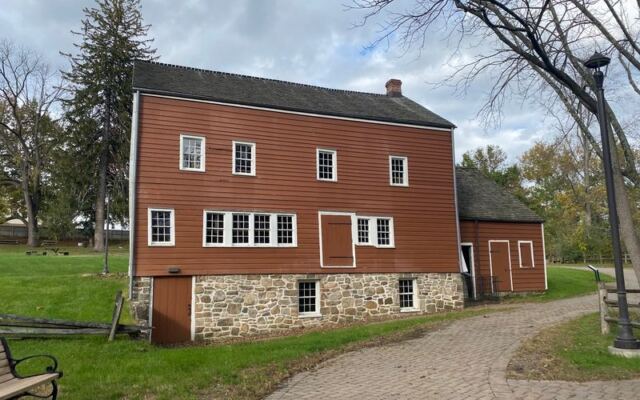
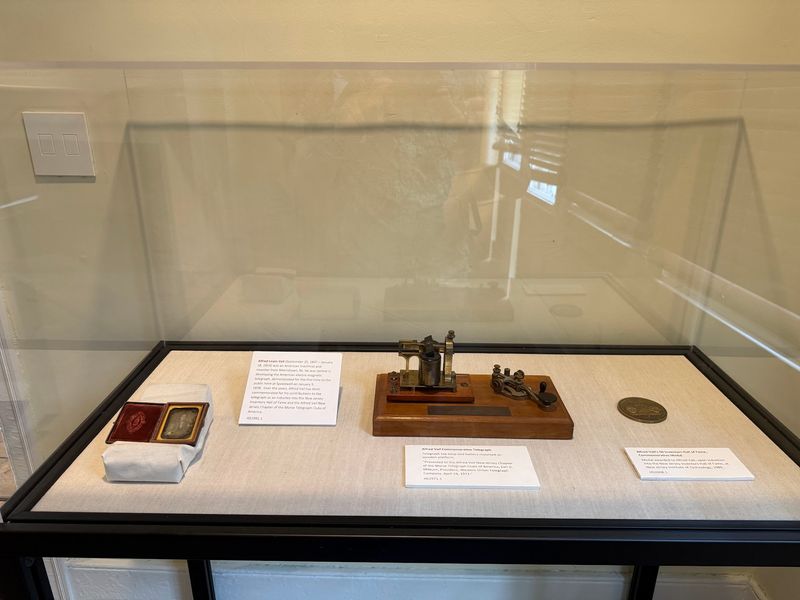
The star is the factory where the telegraph was first demonstrated in 1838. That single event helped launch the age of fast communication, long before phones buzzed in our pockets.
Historic Speedwell is recognized as a National Historic Landmark site. That label fits, since few places can claim they hosted the start of something so world-changing.
Run through the Morris County Park Commission, it feels more like a neighborhood treasure than a grand tourist attraction. The buildings are spread across the property, so exploring feels a bit like a scavenger hunt through time.
Some visitors arrive knowing only the Morse name. Most leave with a much bigger picture of the people, machines, and family business behind the invention.
Think of it as a museum you walk through rather than stand inside. Each building adds one more piece to the puzzle, and the payoff comes when the pieces finally click together.
The Ironworks Family Behind the Breakthrough
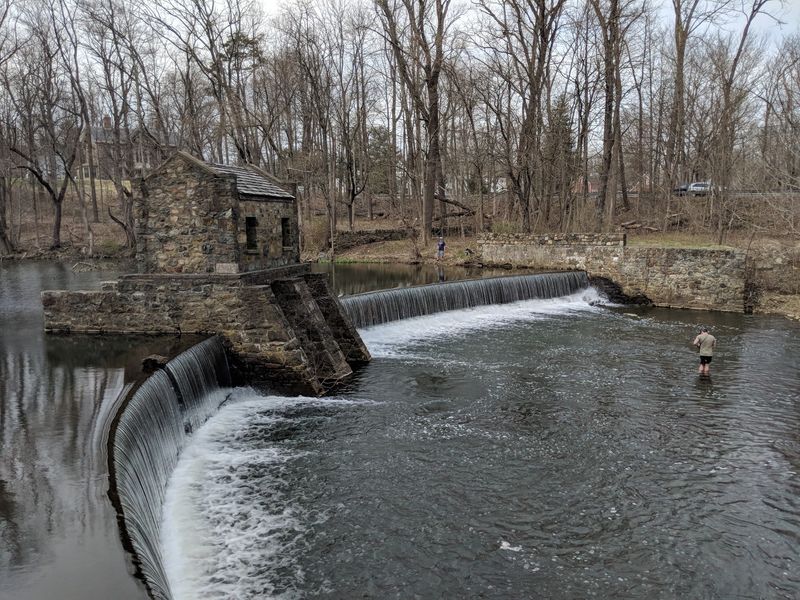
Long before anyone tapped out a coded message, Speedwell was the base of the Vail family business. Stephen Vail was an industrialist, and his ironworks gave the property its purpose.
His son Alfred Vail is the name worth remembering here. Alfred worked with Samuel Morse on the telegraph, and his contributions were significant.
Here’s a fun twist for trivia night. Plenty of people credit Morse alone, yet the museum makes a point of shining a light on Alfred’s role.
That family connection explains why the demonstration happened in this spot at all. The Vails had the workspace, tools, and resources an inventor needs to turn an idea into working equipment.
Visiting with this backstory in mind changes how the buildings feel. They stop being just old structures and start looking like the workshop of a bold family project.
It’s also a reminder that big inventions rarely come from one lone genius. Teamwork, funding, and a good workshop all mattered in 1838, just as they do today.
Keep the Vail name handy as you explore. It pops up again and again around the grounds.
Three Floors Inside the Birthplace of the Telegraph
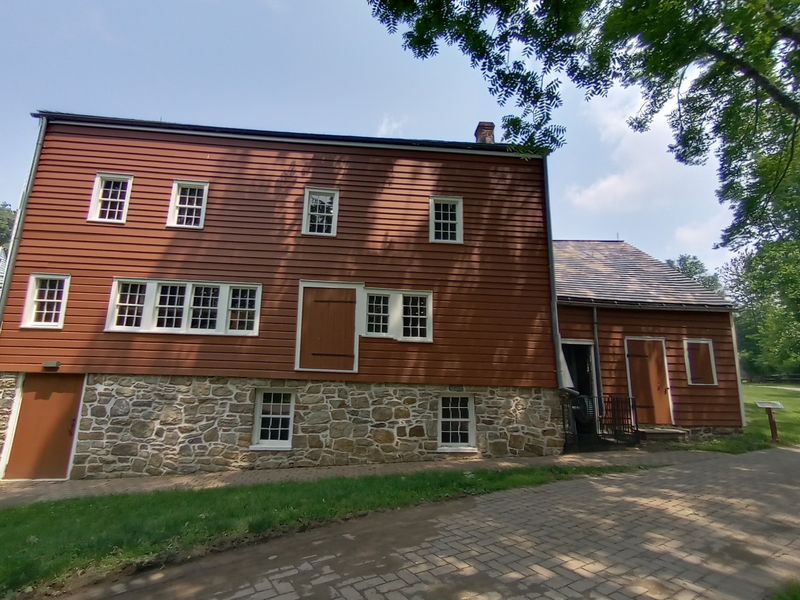
Call it the main event. The factory building known as the birthplace of the telegraph holds three floors of information and exhibits.
That’s a lot of story stacked into one structure. Visitors who rush through often wish they had saved more time for it.
The exhibits trace the evolution of communication technology since the telegraph arrived. You get the starting point and a sense of where it led over the next two centuries.
Hands-on displays make the history easier to grasp. Interactive pieces in the mill help explain how the technology actually worked, which beats reading a long plaque any day.
Science fans will appreciate how practical it all feels. The factory shows invention as real work, with real machines and real problem solving.
For kids, the interactive parts can make dots and dashes feel less like a school worksheet. For adults, the scale of the change becomes clearer with every floor.
Plan to linger here if you can. A short video is also part of the experience, and watching it adds helpful context before exploring the rest of the site.
Stephen Vail’s House and Its Guided Stories
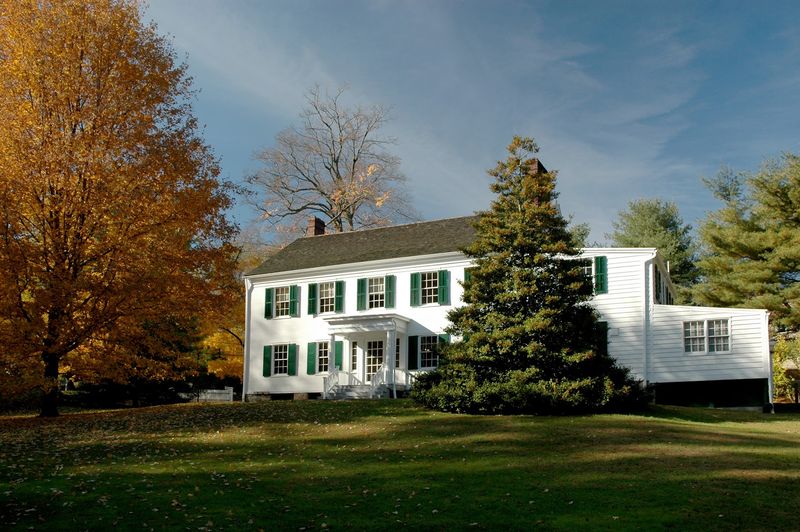
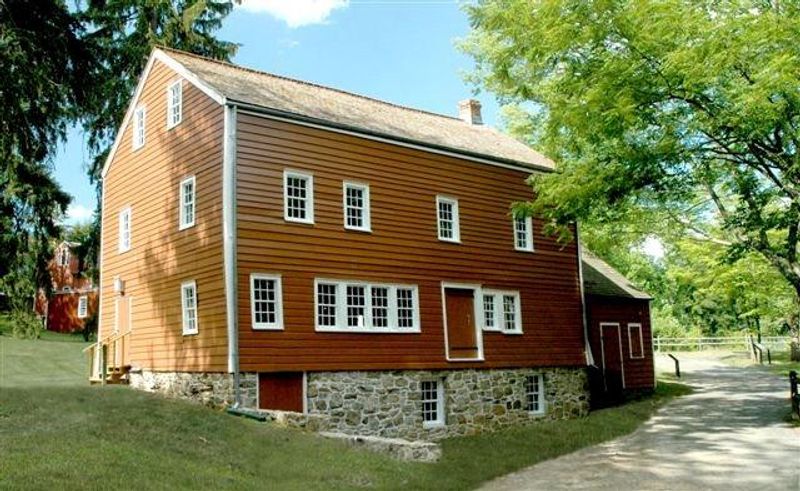
Homes tell stories that factories can’t. At Historic Speedwell, the home of Stephen Vail opens a window into the family life behind the business.
The house is shown on docent-led tours. That’s a big plus, because a knowledgeable guide can connect the rooms to the people who lived and worked there.
Guides at Speedwell earn plenty of praise for being friendly, personable, and full of answers. Questions are welcome, and that makes the tour feel more like a conversation.
The property’s history is fascinating on its own. Hearing it inside the actual house gives the telegraph story a human face.
Most of the museum buildings are self-guided. The house tour is the part where having a guide really pays off.
Ask about the family, the ironworks, and how Alfred got involved with Morse. Those details tie the whole campus together.
If you only have time for one guided experience, make it this one. It turns the factory exhibits from facts into a family saga worth retelling on the drive home.
Your First Stop Is the Visitor Center
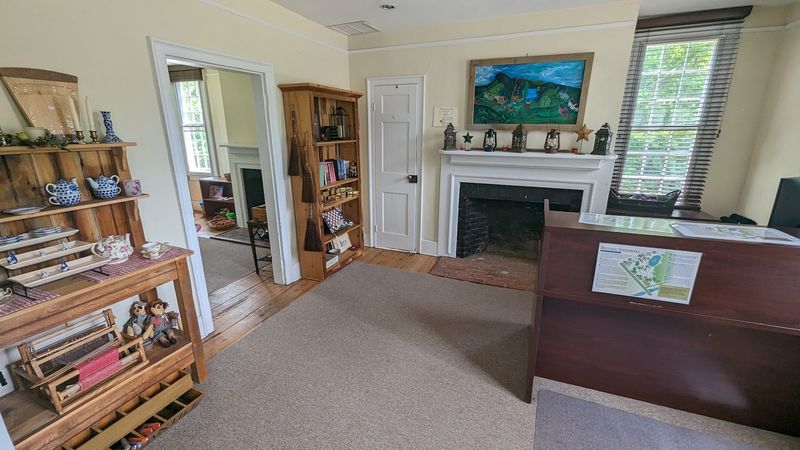
Wandering around first is tempting. At Speedwell, though, the smart move is heading straight to the Visitor Center.
That’s where you book the guided house tour. Past visitors have noted that the gift shop area is where tours begin, which isn’t where most people think to start.
Skipping this step can mean circling the grounds and wondering how to get inside the house. Save yourself the confusion and check in right away.
Staff there can point you toward the exhibit buildings and the short video. A quick chat can help you plan the best order for your visit.
It also helps with timing. Knowing when the next tour starts lets you explore the factory or grounds without missing your slot.
Staff have been known to be accommodating, even when official guides aren’t all available. A friendly ask goes a long way here.
Treat the Visitor Center as the launchpad. Once you have your bearings, the rest of the site unfolds in a much smoother, more satisfying way.
Picture-Worthy Buildings Around Every Corner
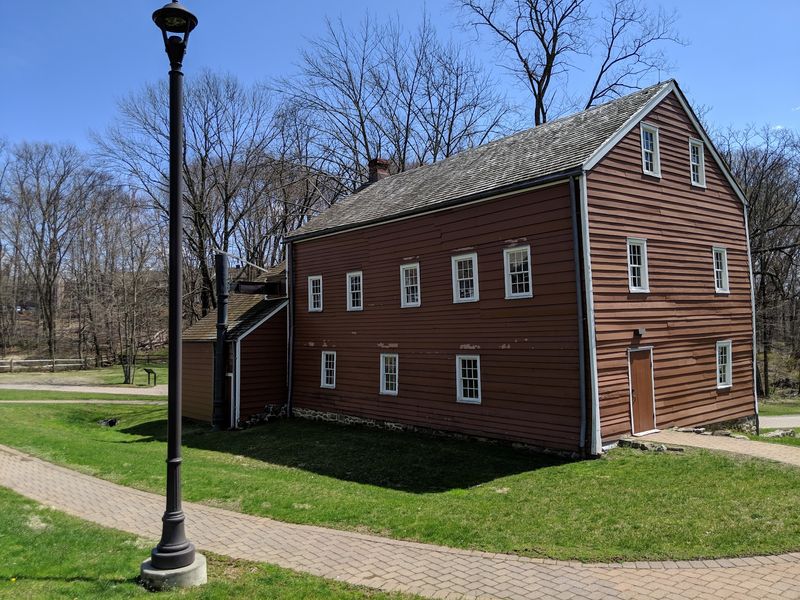
Cameras love this place. The historic complex is made up of picture-worthy buildings, and the setting invites a slow walk.
Speedwell has been called a photographer’s playground and a great spot for a photowalk. Old architecture and open grounds create plenty of framing opportunities.
Even without a camera, the walk is part of the fun. Strolling between buildings makes the visit feel relaxed rather than rushed.
The buildings are old but kept in good condition. That balance gives photos real character without looking neglected.
A nice day makes the experience even better, since so much happens outdoors between exhibits. Families can stretch their legs while still soaking up history.
Look for details as you go, like rooflines, doors, and the layout of the factory complex. Each angle hints at how the property once worked.
It’s easy to see why the site appeals to parents and kids exploring together. History feels lighter when it comes with fresh air and a good stroll.
Spooky Fun at the Strangest Things Event
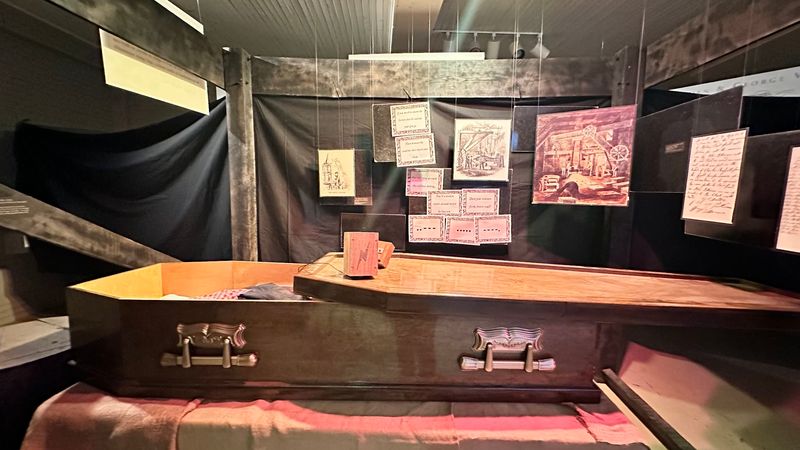
Halloween season brings a different side of Speedwell. The Strangest Things event turns the historic site into an evening of fall-themed activities.
Past programs have included an escape room and a séance. Pumpkin painting and apple cider added cozy seasonal touches too.
Actors and volunteers put real effort into these nights. Bits of history get woven in, so the fun still connects to the site’s past.
The grounds can be fairly dark after sunset. Bringing a flashlight or battery lantern is a smart idea and adds to the spooky mood.
Special events usually carry their own pricing. Check details ahead of time so the cost doesn’t catch you off guard.
This kind of program suits families, friend groups, and anyone who likes a little mystery with their history. It’s a playful way to meet the site for the first time.
Fall is also a great time for historic-town outings in New Jersey. Pairing a Speedwell event with a Morristown day trip makes for a seasonal adventure that feels both cozy and clever.
Retro-Future Festivals and Living History Days
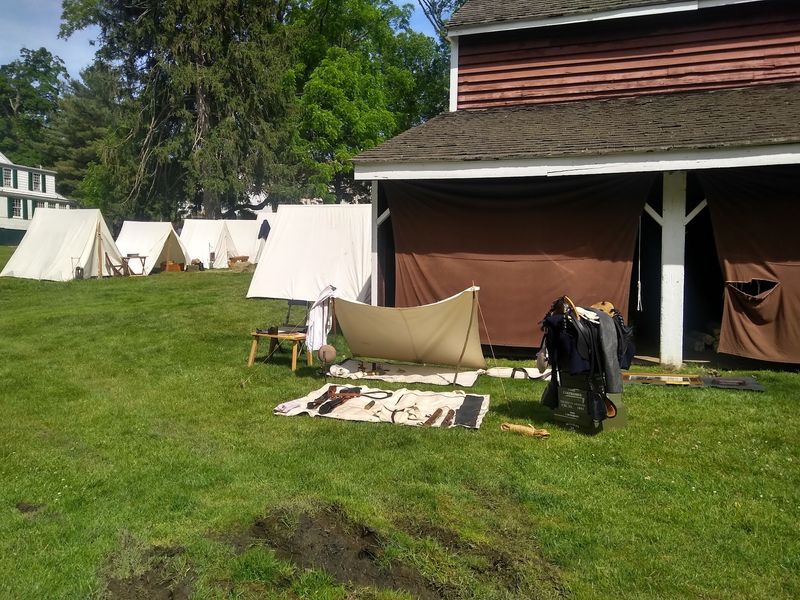
Special programs give repeat visitors a reason to come back. Speedwell has hosted a Retro-Future fest celebrating 19th-century science fiction.
Leaflets with short plot descriptions sparked curiosity about classic authors. It’s a fun match for a place that once hosted cutting-edge technology.
Living history has made appearances too. A Civil War reenactment brought volunteers who explained how soldiers handled cannons.
Those volunteers showed impressive knowledge. Hearing procedures explained in detail made the past feel surprisingly hands-on.
Programs like these change over time, so the lineup won’t always match past years. Checking the Morris County Parks calendar before you go is the best plan.
Themed days work well for people who prefer stories and demonstrations over quiet reading. They also bring fresh energy to familiar buildings.
Speedwell does a good job with its programs, and that track record makes the calendar worth watching. A regular Saturday visit is great, but an event day adds an extra layer of excitement.
Who Gets the Most Out of a Visit
History buffs are the obvious fans. Still, Historic Speedwell fits a wider crowd than you might guess.
Families do well here thanks to interactive exhibits and outdoor space. Kids and adults can both find something to enjoy.
Tech lovers get a front-row look at communication’s early days. Seeing where it began makes modern gadgets feel even more remarkable.
Students working on inventions or New Jersey history have a real place to connect with. The site feels educational without turning stiff.
Photographers and walkers can enjoy the grounds at their own pace. A guided tour adds depth, while self-guided buildings allow freedom.
Curious first-timers often leave impressed. Many describe it as worth the trip, especially when paired with a helpful guide.
It may not suit someone wanting a fast, flashy attraction. Speedwell rewards patience, questions, and a willingness to read and explore.
Bring that curious mindset, and the site delivers far more than its quiet setting suggests.
Saturday Hours and Timing Your Trip
Timing matters more here than at most museums. Historic Speedwell is currently listed as open Saturday from 10 AM to 4 PM.
The rest of the week shows as closed. Showing up on a weekday could mean staring at locked doors.
Some visitors have learned this the hard way after long drives. Confirm hours on the Morris County Parks site before heading out.
Allow at least two hours if you plan to take the tour and watch the short video. The three-floor factory exhibits alone can fill a good chunk of time.
Arriving near opening gives you the most breathing room. That way you can catch a tour and still explore without rushing.
Special events may follow different schedules and pricing. Those details usually appear on the official calendar.
A Saturday trip also pairs nicely with other Morristown stops. Planning around the single open day turns a quick visit into a full, satisfying outing.
Getting There and Parking Without the Guesswork
Finding the site is easy. Historic Speedwell sits at 333 Speedwell Ave, Morristown, NJ 07960.
The location is convenient for North Jersey residents. Day-trippers from around New Jersey can reach it for an easy weekend outing.
Visitors have mentioned an ample parking lot on site. That makes arriving with a family or group much simpler.
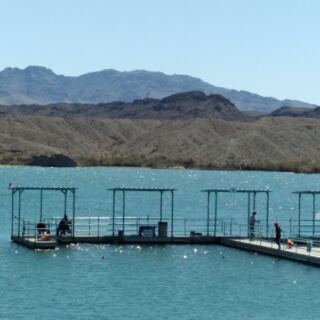
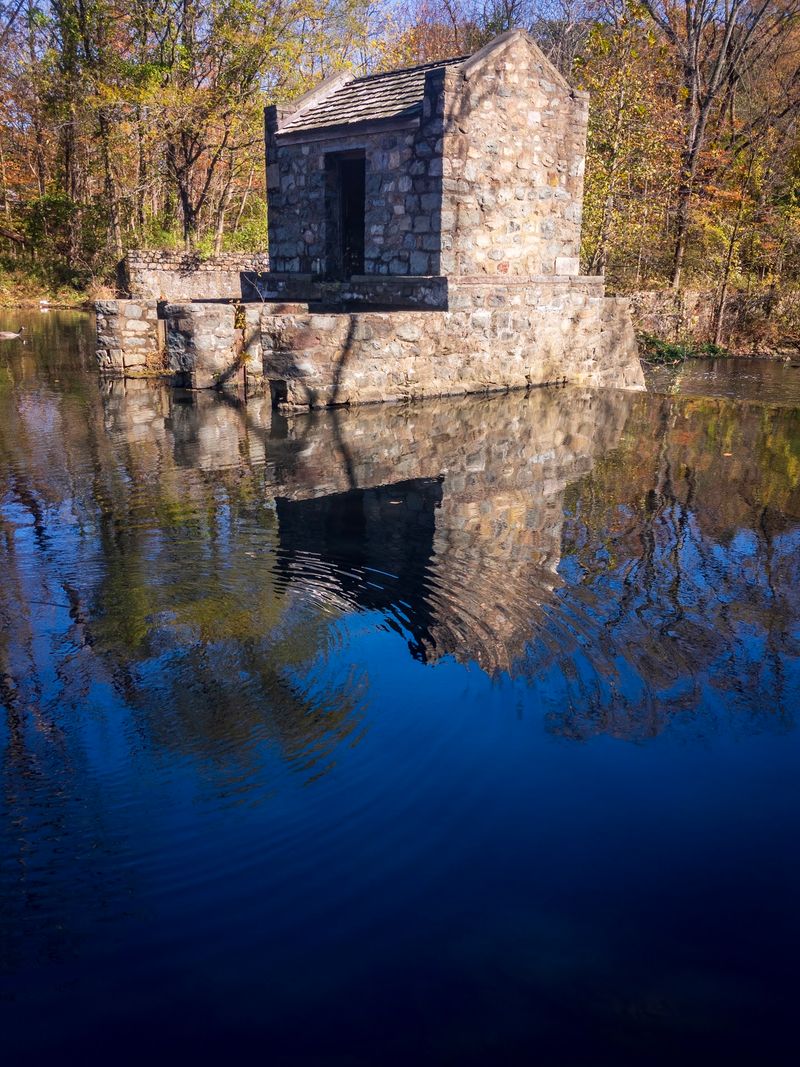
Speedwell Lake sits just across the street. Parking near the lake has been described as tricky, so stick to the museum lot.
Morristown offers plenty of other history too. Washington’s Headquarters is nearby, making it easy to build a themed day.
Combining stops works especially well since Speedwell keeps Saturday-only hours. Morning at the telegraph site and afternoon elsewhere makes an efficient plan.
Bring comfortable shoes, since you’ll walk between buildings. A flashlight helps for evening events.
With a little planning, getting there is the easy part. The real challenge is deciding how long to linger once you arrive.
Why the Dots and Dashes Still Deserve Your Saturday
Few places let you stand where communication history pivoted. Historic Speedwell offers exactly that, right here in New Jersey.
The factory, the Vail house, and the grounds work together to tell one clear story. It’s about teamwork, family business, and an idea that sped up the world.
Guides and staff help make that story feel personal. Interactive exhibits keep things engaging for every age.
The Saturday-only schedule asks for a bit of planning. In return, you get a focused, uncrowded-feeling dive into a pivotal 1838 moment.
Seasonal programs add bonus reasons to return. Spooky fall nights and themed festivals show the site’s playful side.
New Jersey residents can feel proud of this one. The telegraph story belongs to the state, and Alfred Vail deserves more credit.
Next time someone mentions Morse code, you’ll know the rest of the tale. Better yet, you’ll know exactly where it began, and maybe you’ll bring a friend to see it.
Share this story