Some of the best afternoons in Illinois start with a door you almost walk right past. You step inside expecting a quick look around, and suddenly hours slip by among stained glass, old letters, and stories you never heard in school.
That is the kind of surprise waiting at one quiet museum that costs about the same as a lunch out. If you love finding places that feel like a local secret, this one deserves a spot on your weekend list.
A Milwaukee Avenue Treasure Chest
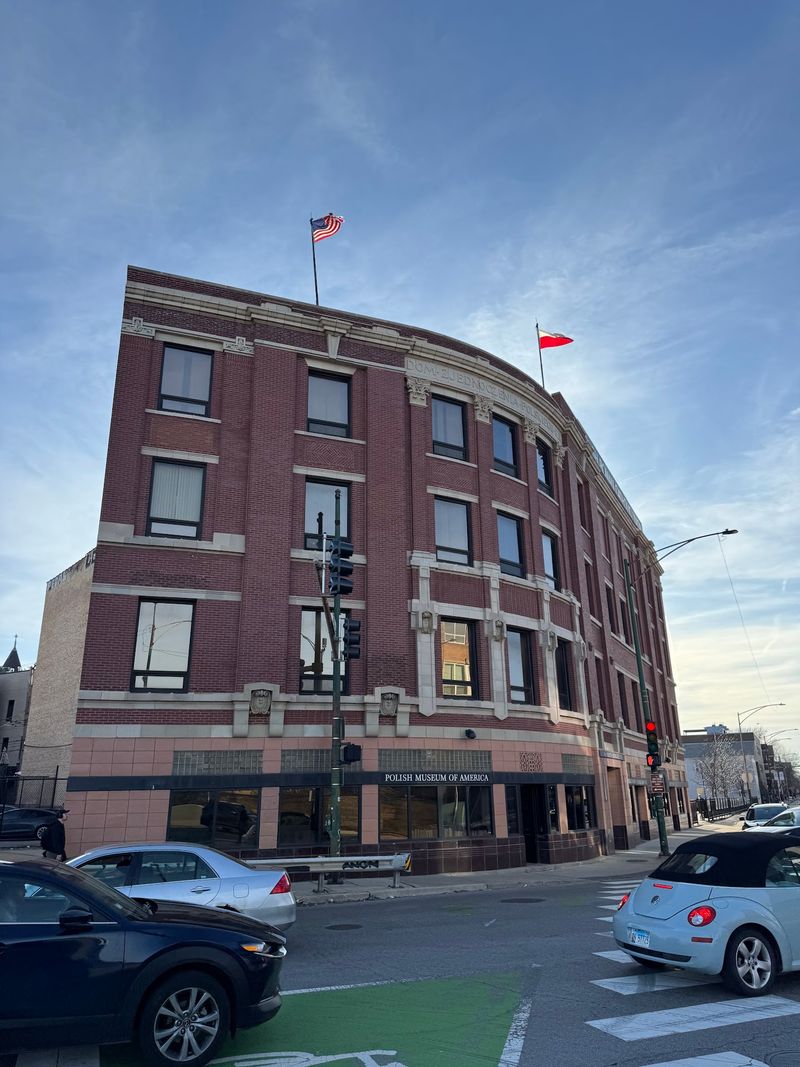
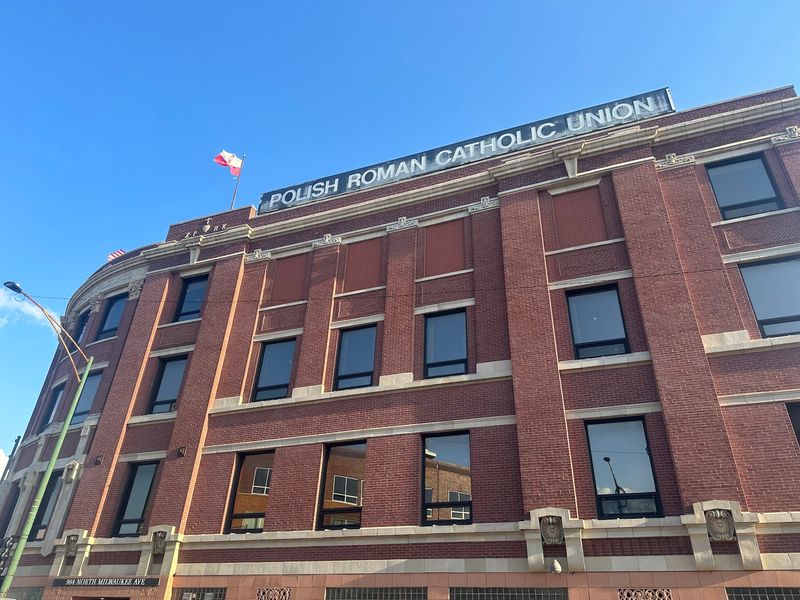
Tucked along Milwaukee Avenue on Chicago’s Near Northwest Side, at 984 N Milwaukee Ave, sits a building that holds far more than its modest front suggests. The Polish Museum of America calls itself a hidden gem, and visitors tend to agree the minute they get past the entrance.
Here’s the big claim that surprises people: it is described as the largest museum in the United States devoted to a single ethnic group. Inside, you will find Polish art, historic materials, and a library packed with books and documents.
Polish Americans often come to connect with family roots, yet plenty of guests with no Polish background leave just as delighted. Art lovers, history buffs, and curious wanderers all find something to stop and study.
For an Illinois day trip that feels personal and unhurried, few spots in the city offer this much heart behind such an unassuming door.
Roots in Chicago’s Polish Neighborhood
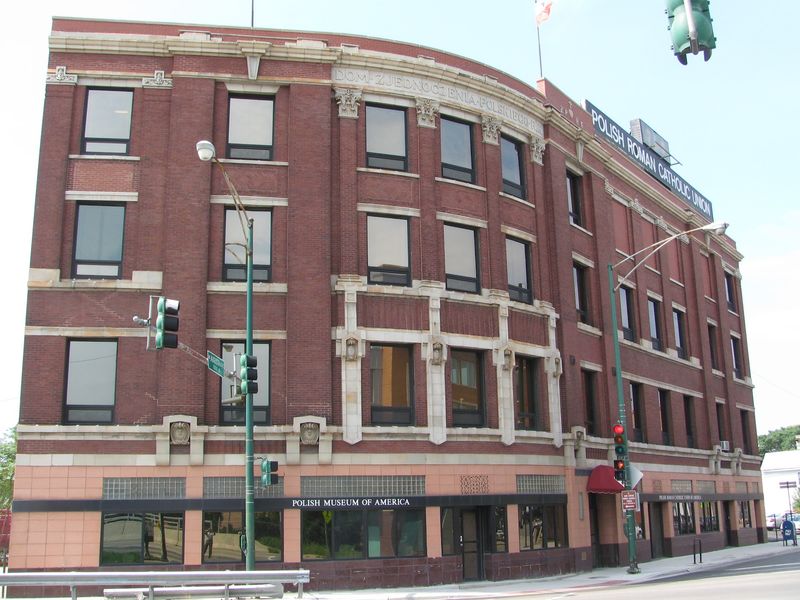
Chicago has long been one of the great Polish American cities, and the museum’s location feels fitting for that story. Exhibits trace how Polish people came to Chicago and how their lives wove into the wider American story.
Staff members love filling in the neighborhood background too. One visitor recalled a friendly employee who not only guided them to the entrance but also explained the local Polish town history and pointed out two nearby churches worth seeing afterward.
That guest called Holy Trinity Church the most beautiful stop of their entire Chicago trip.
So think of the museum as a doorway rather than a single destination. Walk out with fresh eyes and the surrounding streets start to make more sense.
The old churches, the avenue itself, and the community history all connect back to what you just learned upstairs, turning a museum visit into a small neighborhood adventure.
The Paderewski Room and Its Famous Piano
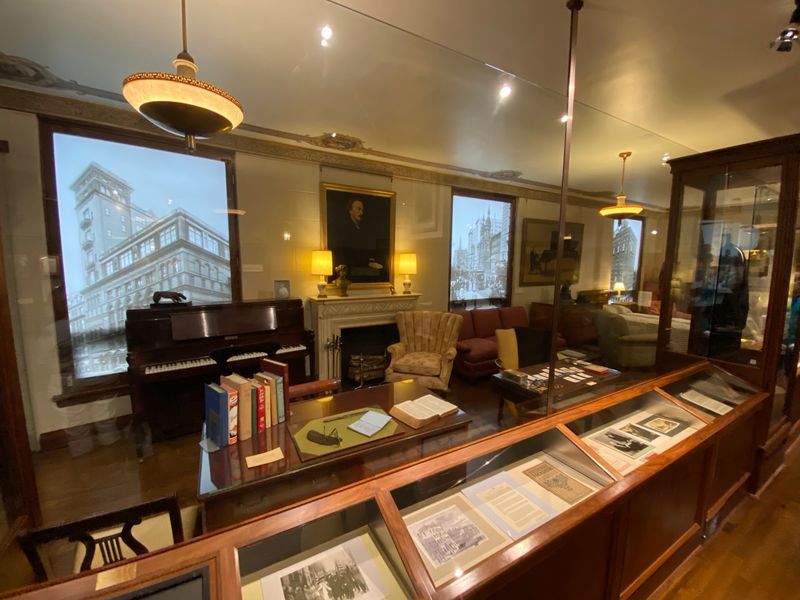
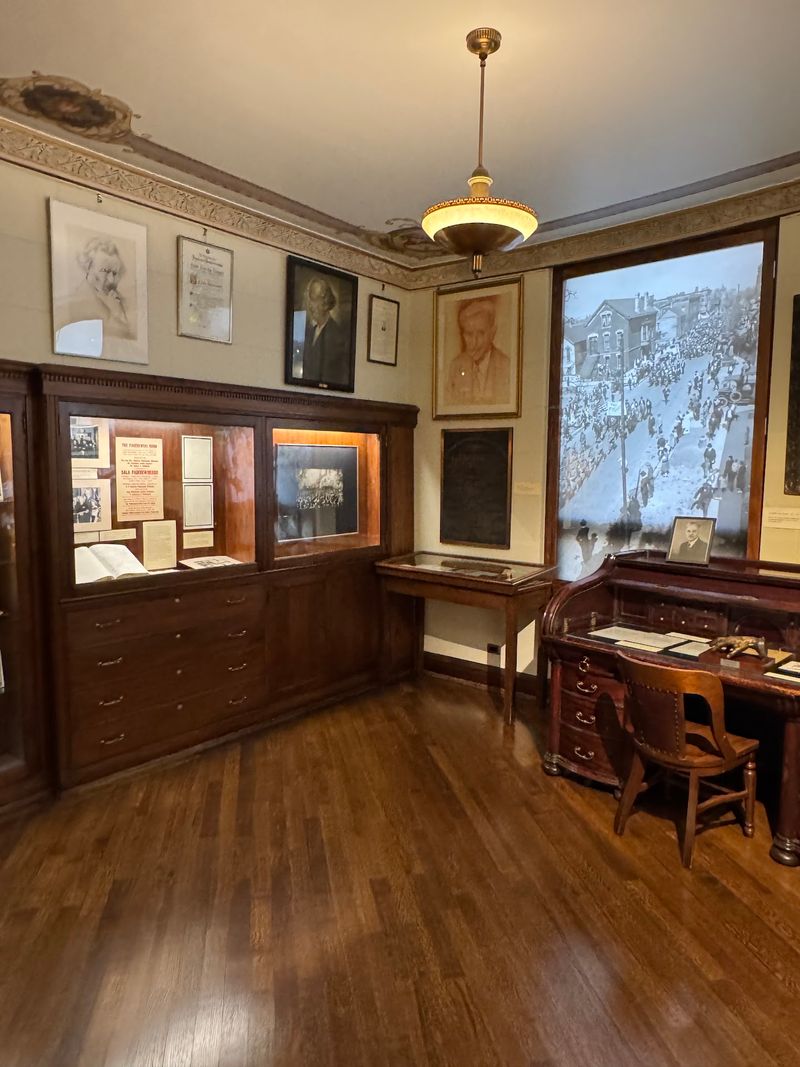
Imagine one man who was a world-famous pianist, a composer, and the first Prime Minister of Poland. That was Ignacy Jan Paderewski, and an entire level of the museum honors him.
Guests single out the Paderewski room as a favorite, and it is easy to see why. His story blends music and politics in a way that feels almost like a movie.
The room gathers pieces of his life, including the piano that draws so many people upstairs, alongside personal items that bring his remarkable career into focus.
History fans should also keep an eye out for a small but mighty object nearby: the quill used by the Polish prime minister to sign the Treaty of Versailles. Standing next to something tied to such a huge moment in world history gives you a little shiver.
Music lovers and history nerds alike tend to linger here longer than planned.
Stained Glass That Steals the Show
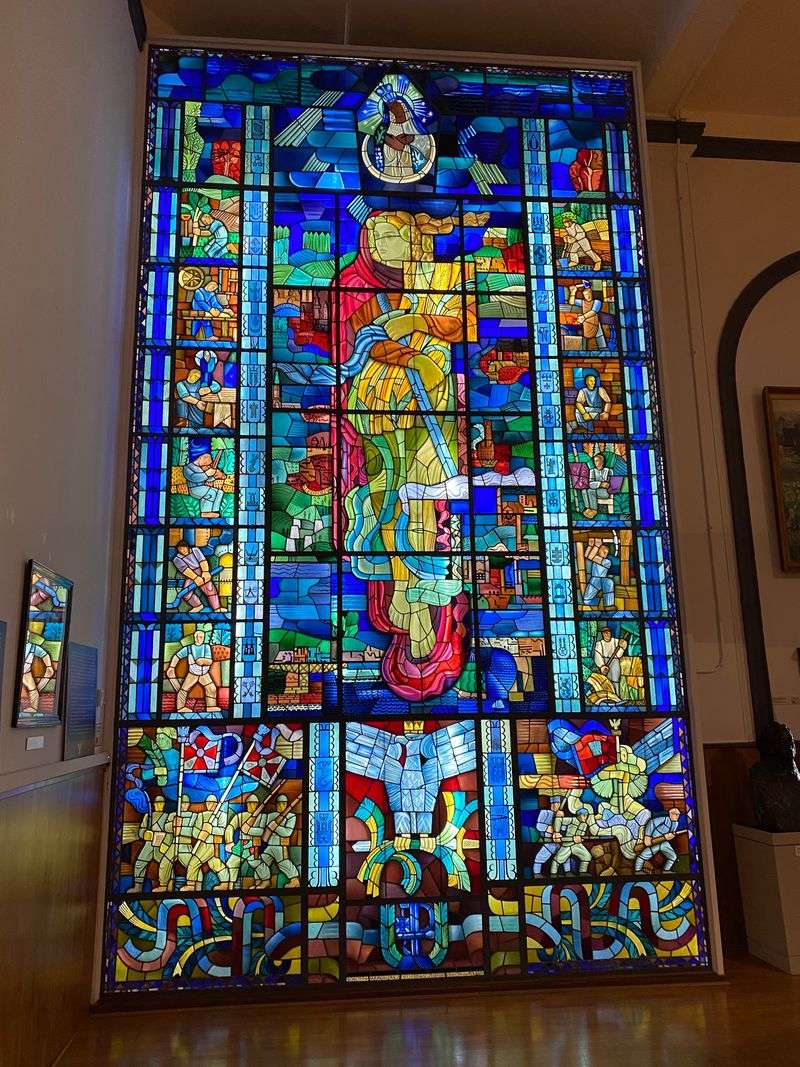
Fun fact for your next trivia night: the museum holds what is described as the nation’s largest secular piece of stained glass artwork. One visitor called it a true masterpiece, and that word fits.
Stained glass usually makes people think of church windows. Seeing a massive, non-religious work glowing in a museum setting feels fresh and unexpected.
The colors, the detail, and the sheer size can stop you mid-stride.
Several visitors mention the stained glass as a highlight of their whole trip, often naming it right alongside the Paderewski room. Give yourself a few quiet minutes in front of it.
The longer you look, the more tiny details appear in the glass, from shapes to shading you might miss at first glance. It is the kind of piece that rewards patience and makes the modest admission price feel like a steal.
Echoes of the 1939 World’s Fair
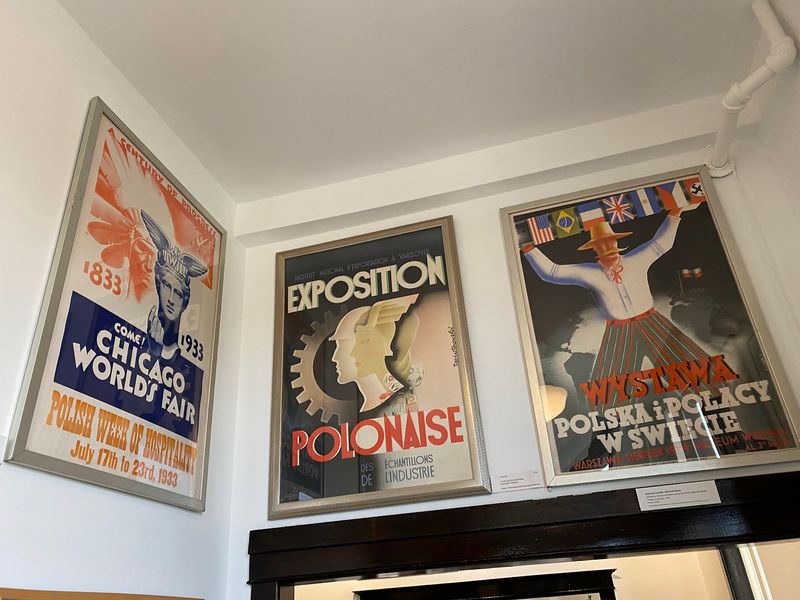
Back in 1939, Poland sent a pavilion to the World’s Fair, and many of its original items ended up in this museum. Visitors repeatedly praise the collection as one of the most memorable parts of the building.
What makes these pieces special is their timing. They capture a proud nation showing itself to the world at a turning point in history.
Walking among them feels like stepping into a time capsule that somehow landed in Chicago.
Look closely and you may notice the stylish Art Deco touches that run through that era. A few guests specifically mention striking Art Deco posters that stuck with them long after they left.
If you enjoy design, vintage graphics, or the drama of world fairs, plan to slow down in this section. It blends art and history in a way that feels both elegant and surprisingly moving.
Winged Hussar Armor and Military History
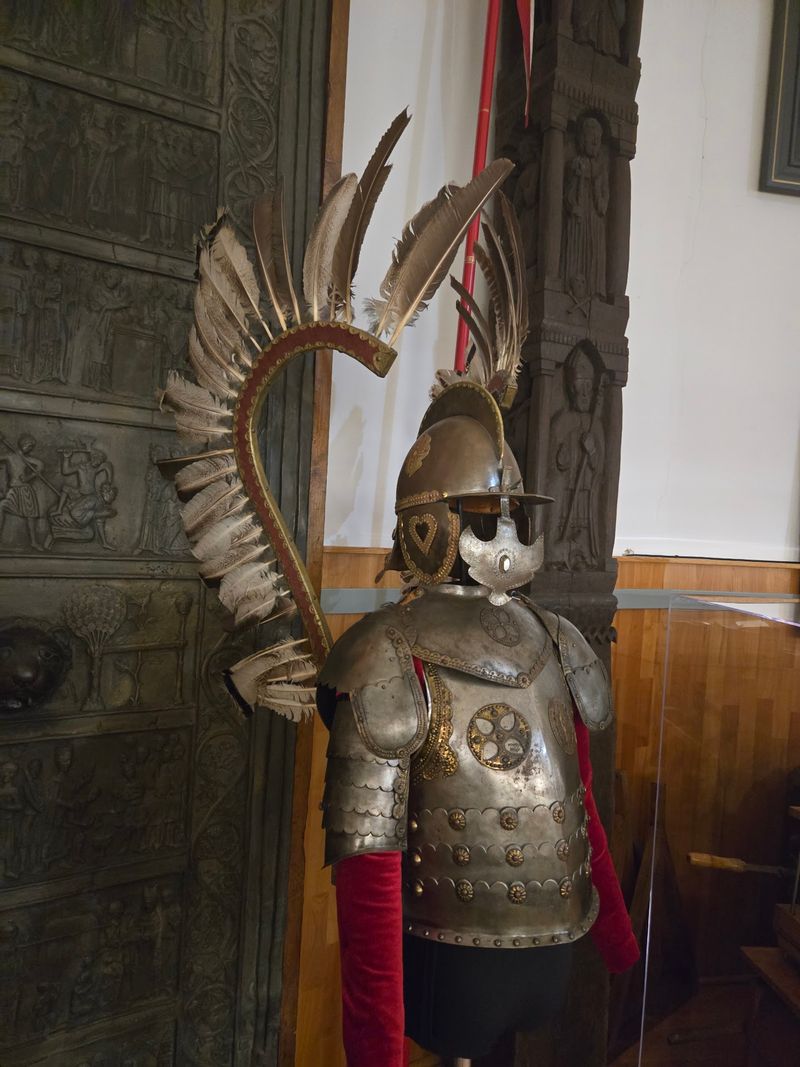
Yes, they really do have winged hussar armor. For anyone who grew up hearing about Poland’s legendary cavalry with feathered wings rising off their backs, seeing it up close is a thrill.
The armor is just one part of a broader look at Polish military history. Exhibits cover different periods of the Republic of Poland, and knowledgeable staff can add plenty of context, especially about World War II and the Polish army.
One family chatted with a docent for around 40 minutes on that topic alone.
Kids who love knights and adventure stories tend to light up here. Adults often find themselves asking question after question.
Keep in mind that photos are not allowed in the gallery, so take mental snapshots and enjoy the moment rather than your phone screen. Honestly, that makes the armor feel even more impressive.
Galleries of Painting, Tapestry, and Folk Craft
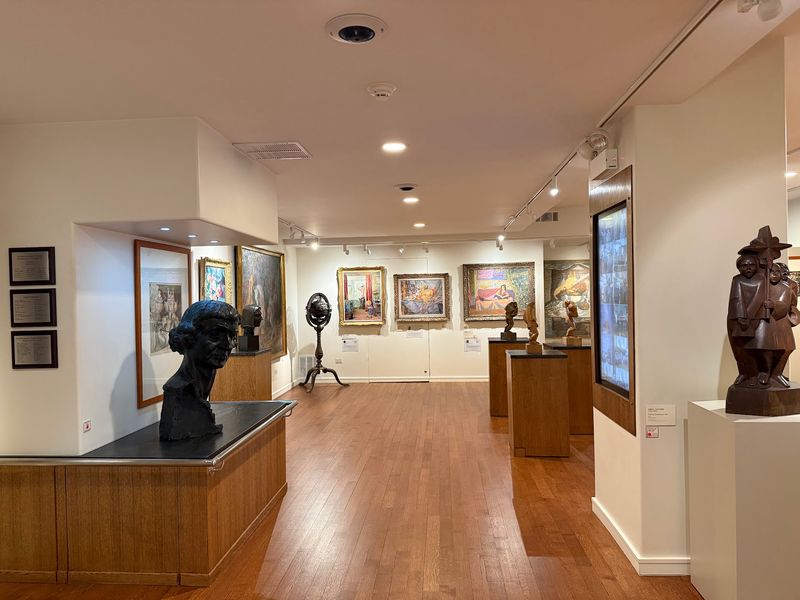
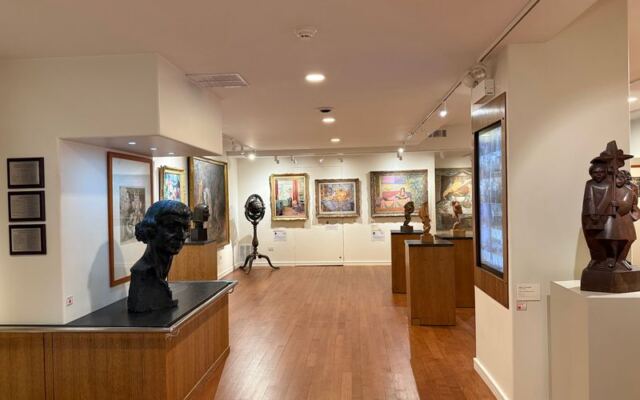
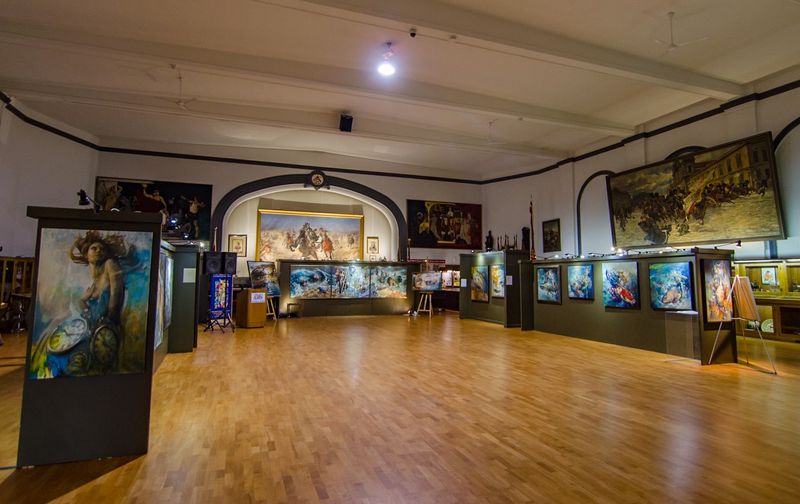
Painting, sculpture, tapestry, ceramics, woodwork, clothing, instruments, letters, photos. Visitors rattle off that list when describing what fills these floors, and it barely scratches the surface.
The art gallery on the 4th floor earns special praise for how carefully it is curated and arranged, with many impressive works by Polish artists. Down on the 3rd floor, the main hall gathers a huge range of artifacts and stories about Polish people arriving in Chicago.
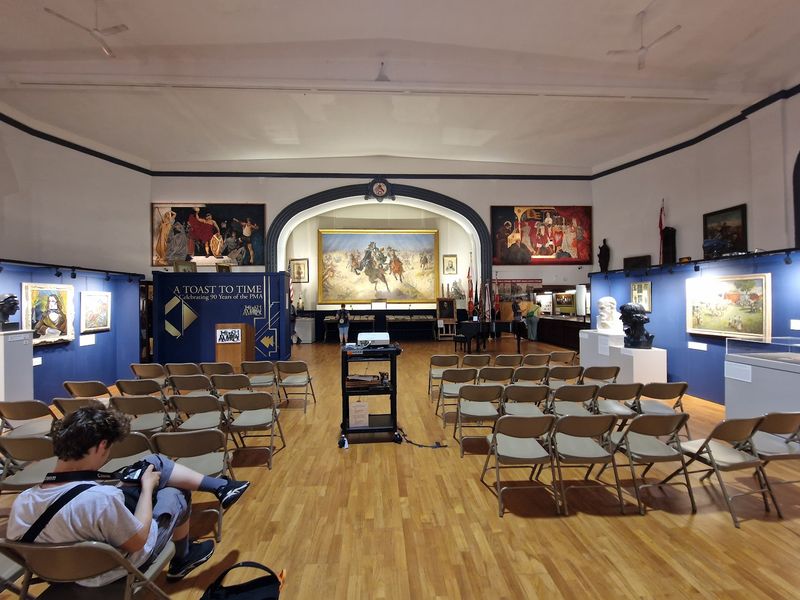
Some guests even got to explore the corridors from the 90th anniversary displays.
Words like astonishing and sublime pop up when people talk about the pieces. Because there is so much variety, nobody leaves seeing exactly the same museum.
A painter might fixate on brushwork while a seamstress studies embroidered costumes. Wander at your own pace and let your interests lead.
Docents Who Turn Visits Into Conversations
Ask anyone who has been, and the staff comes up almost immediately. Knowledgeable docents are mentioned again and again, and several guides have earned fans by name, including Beatrix, Branka, and Krzyś.
Visitors describe Beatrix as a warm, passionate historian who sometimes leads impromptu tours explaining how Polish and American history intertwine. Another group raved about a guide with a great sense of humor who squeezed a whole-museum tour into about half an hour before closing.
A young docent even quizzed some guests on Polish American history, which made the visit playful and interactive.
Even the person selling tickets gets compliments for being an absolute delight. That human touch is what turns a nice museum into a memorable one.
Don’t be shy. Ask a question, and you may walk away with stories no placard could ever hold.
A Peaceful Hideaway for Curious Minds
Crowds? Not usually.
Several visitors say they practically had the entire place to themselves, which feels like a small miracle in a big city.
That calm atmosphere makes it a lovely choice for people who like to read every label and soak things in. Families with Polish roots find it deeply meaningful, while history and art fans of any background enjoy learning how Polish Americans shaped their adopted country.
One guest summed it up simply: come whether you are Polish or not.
There is also a library rich in history, supported by generous community members. One couple even donated over 1,000 Polish books to it.
That kind of local care gives the museum a warm, homegrown feel. It suits solo explorers, couples on a slow weekend, and curious kids who enjoy a good story.
Just leave the rush behind at the door.
Hours, Tickets, Parking, and the Gift Shop
Planning matters because the schedule is short. The museum opens Tuesday, Thursday, Saturday, and Sunday from 11 am to 4 pm, and stays closed Monday, Wednesday, and Friday.
Admission runs around $10 according to visitors, with a student discount available. Free parking in a private lot makes the trip easy for drivers coming in from the suburbs or downstate Illinois.
One tip: the entrance is a bit tucked away, so give yourself a minute to find it.
Budget more time than you think. Some guests spent about 2.5 hours, and guided tours can stretch close to two hours.
Those who arrived an hour before closing wished they had come earlier. Save a few minutes for the affordable gift shop, stocked with authentic items.
You can even grab an $8 ceramic plaque declaring that happiness is being married to someone Polish. Call +1 773-384-3352 with questions.
Why This Little Museum Earns the Drive
Plenty of museums impress you. Fewer make you feel welcomed like family, and that is where this place quietly wins.
For roughly the price of a sandwich and fries, you get Paderewski’s world, record-setting stained glass, winged hussar armor, World’s Fair treasures, and docents who genuinely love sharing what they know. Many guests leave promising to return, and it is easy to understand why.
There is simply too much to absorb in one afternoon.
If you are an Illinois local hunting for an underrated corner of your own state, put this on your list and maybe keep it a little bit to yourself. Pair it with a stroll to the nearby churches for a full day.
Arrive at 11 am on a weekend, ask for a tour, and let the stories carry you. Chances are you will be planning your next visit before you reach the parking lot.
Share this story