Picture a plain metal building tucked off an Oklahoma back road, with a glowing forge inside and the ring of a hammer on steel. Pounding a hot piece of metal into something you can hold is a feeling many people never get to try.
Oklahoma has a couple of shops that advertise this kind of class, but the details matter before you book. Here is what the listings really say, and what to ask before you hand over your money.
What Oklahoma’s knife-forging listings do—and do not—confirm
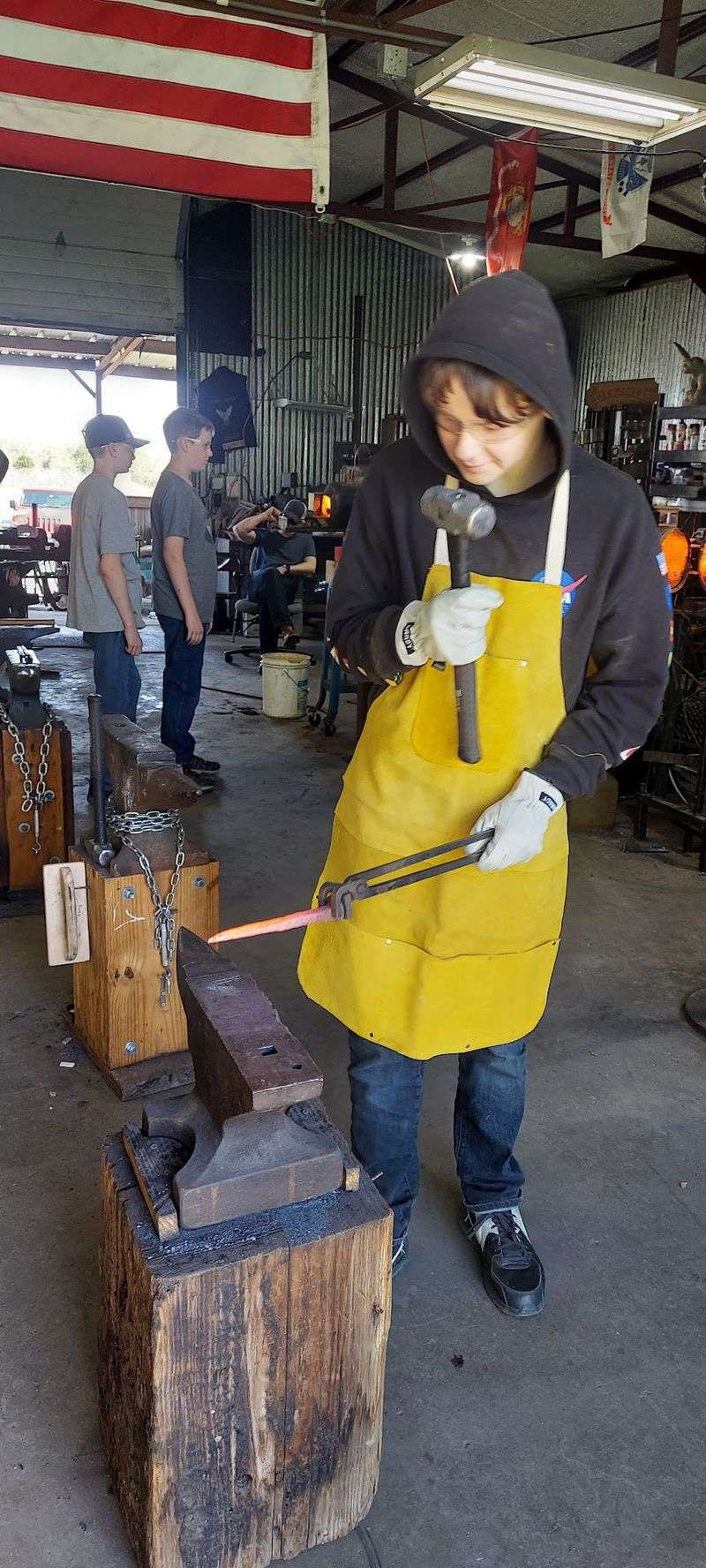
Two Oklahoma businesses turned up in the research, and both advertise knife-making with a forge. Dust Bowl Knives in Boatman lists a knife-forging class.
Tree of Liberty Bladecraft in Quapaw lists a one-day blacksmith-style knife class.
Here is the catch. Neither listing says students make a knife from a railroad spike.
That idea is popular with hobbyists, and you may have seen it in a class somewhere, but no Oklahoma page we found confirms it. If a railroad-spike project is what you want, you will need to ask an Oklahoma instructor directly and get a clear yes.
That is why this guide sticks to what is documented. Think of it as a map of the real listings, plus a list of questions to bring along.
It is not proof that a matching Oklahoma spike class exists.
The two classes also should not be treated as twins. They are in different towns, run by different people, and described in different words.
Each one deserves its own look, which the next sections give them.
What Dust Bowl Knives advertises in Boatman
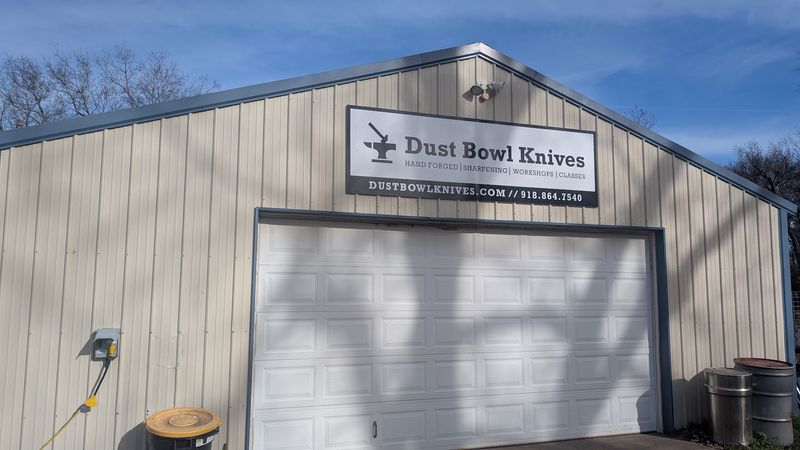
Start with the numbers on the page. The Dust Bowl Knives listing says the class is for ages 14 and up, and an adult must come along with minors.
It describes a day that includes safety guidance, hands-on forging, shaping, grinding, sharpening, and a knife you take home.
That is a solid outline, but it is still an outline. The listing does not name railroad spikes as the material, so do not book expecting one.
It also shows class dates and, when we looked, appeared sold out, so availability may have changed by the time you read this.
Before you commit, send a short message with a few questions. What steel will you be working with?
Which steps will you do yourself, and which will the instructor handle? What exactly leaves the shop with you at the end of the day?
Also double-check the price, the dates, and the age rules. Listings change, and a quick confirmation saves a long drive to Boatman for the wrong day.
What to expect from the Quapaw listing
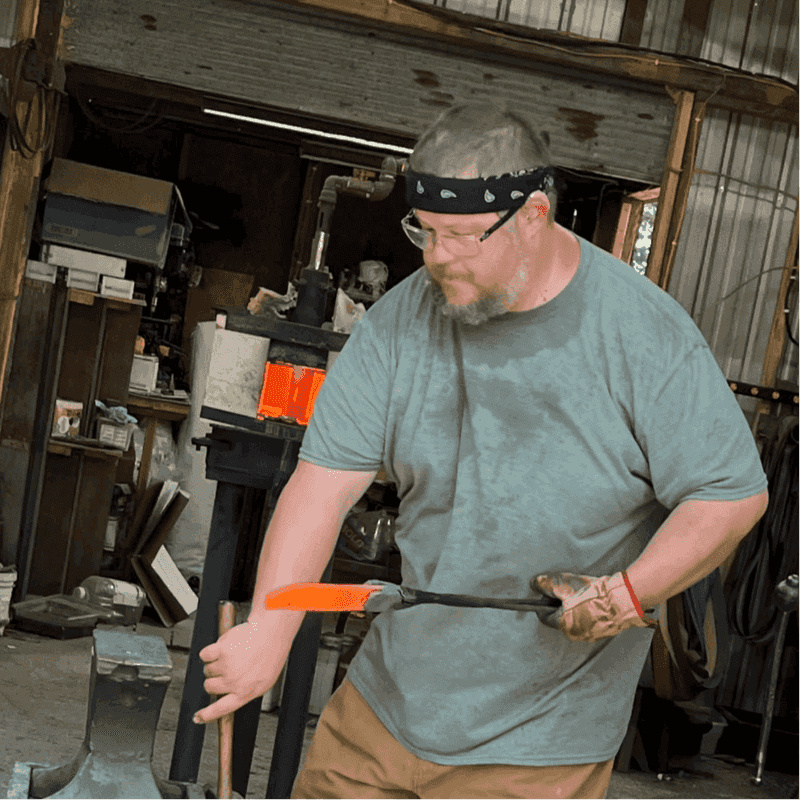
Tree of Liberty Bladecraft takes a slightly different tone. Its Quapaw listing describes a one-day blacksmith-style knife class and says participants must be comfortable around an open-flame forge and power tools.
Read that line carefully. It does not call the class beginner-friendly, and it does not say what material the project uses.
A railroad spike is not mentioned anywhere on the page.
So if you have never stood near a forge, ask how the shop handles first-timers. Does the instructor stay beside you the whole time?
Is there a quick tour of the tools before anything heats up?
Then ask about the project itself. What steel is used, and which steps will you personally perform?
Knowing that up front tells you whether this is the hands-on day you picture or more of a watch-and-assist experience.
The documented railroad-spike workshop is in Ohio
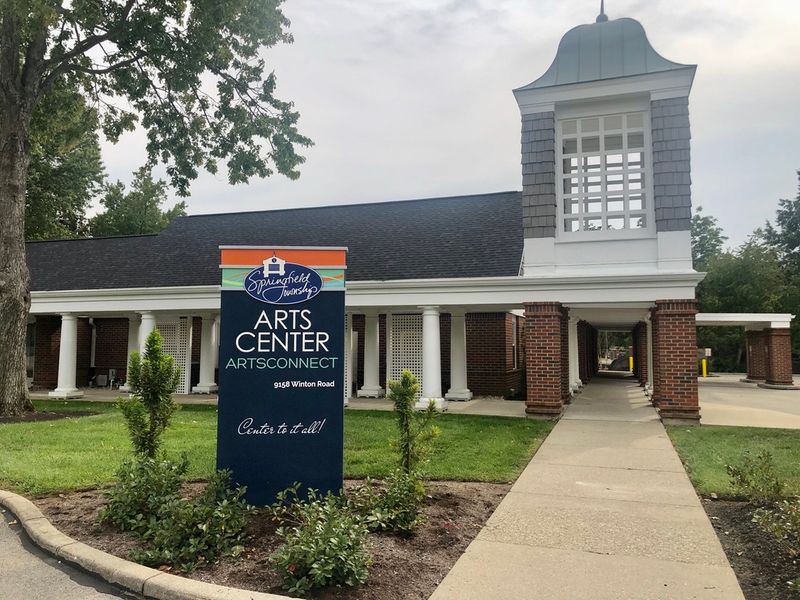
The railroad-spike idea does have a documented home, just not in Oklahoma. ArtsConnect lists a two-day workshop where students hammer and forge a spike, then grind and file it into a small knife.
ArtsConnect is in Cincinnati, Ohio, as its About page shows. That makes it a handy comparison, but it cannot count as an Oklahoma option.
It also tells us nothing about how the Boatman or Quapaw classes work. Their listings never describe spikes, a two-day format, or those same steps.
Do not carry the Ohio details across state lines in your head.
If a spike knife is your dream project, the Ohio listing shows what such a workshop can look like. Use it as a list of questions to ask Oklahoma shops, and then let their answers decide.
A spike’s steel grade does not guarantee knife performance
You may hear that a spike marked HC is made of higher carbon steel, and therefore makes a great knife. That jump is too big.
A spike with an unknown makeup is a mystery piece of steel, no matter what stamp is on the head.
The ASTM track-spike specification shows that spikes come in different grades, including lower and higher carbon steel. The label alone does not tell you which one a given spike is, or whether it suits a blade.
Carbon matters, but it is only part of the story. A USGS heat treatment reference explains that the hardest a steel can get depends on its carbon content.
Hardness and hardenability are also separate properties.
So without a known composition and a verified heat treatment, no one can promise edge retention, durability, or fitness for demanding cutting. A class knife can be a wonderful keepsake, but treat it as a souvenir of your day, not a proven tool.
Ask about the shop’s current safety requirements
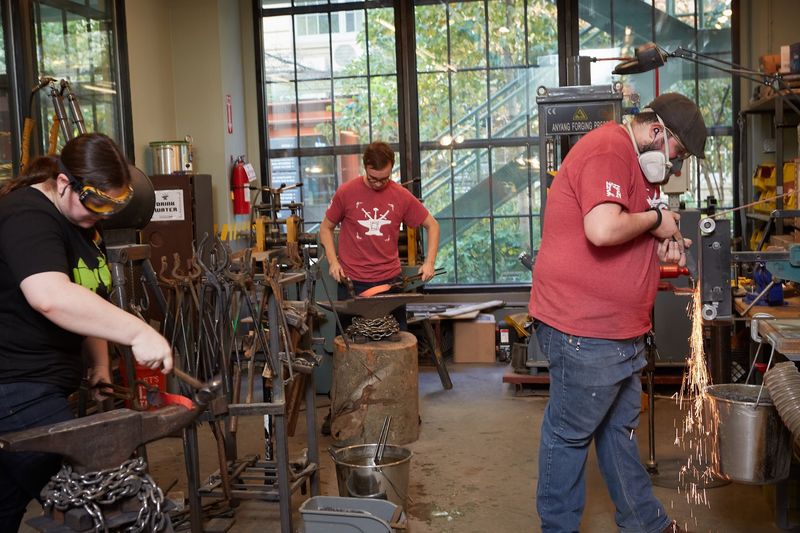
Forges and grinders are exciting, and they deserve respect. A University of Arizona Extension guide to blacksmithing talks about risks to eyes, skin, hearing, and lungs.
It also points to sparks and dust from forging and grinding, and recommends planning for ventilation and protective equipment.
For grinding in particular, OSHA’s forging machine standard sets out protective equipment rules. These are background reading, not a gear list for any Oklahoma shop.
Your instructor sets the rules on the day. Ask each provider what its safety briefing covers, what protective gear it supplies and what you should bring, how the space is ventilated, and how closely students are supervised.
Then follow those instructions to the letter, even when they seem fussy. This is also not a place to try heat-treating tricks at home.
Leave that to people with training and the right setup.
Confirm the project and booking details before you go
A five-minute email can save you a wasted trip. Keep this checklist handy and send it to whichever shop you like best.
First, the material. Does the class use a railroad spike, or some other steel?
Next, the work itself: which steps will you perform, and which will the instructor complete? Then the keepsake: what project will you take home, and in what condition?
Then the practical details. Ask about prior experience, current dates, price, age rules, and safety requirements.
The Boatman listing states an age range and a minor rule, while the Quapaw listing focuses on comfort around fire and power tools.
Those differences are the point. Compare the classes on what each actually states, not on what you assume.
Finally, ask about clothing and gear using the same logic as the Arizona safety guide: the instructor, not a general list, has the final word.
Judge the experience by what the class actually teaches
There is real magic in leaving a shop with steel you helped shape. Working beside an instructor, with a hot forge and a hammer in your hand, is a memorable way to spend a day.
Both the Boatman and Quapaw listings promise a taste of that.
Keep the day and the object separate, though. A guided project does not prove you can forge alone, and it does not prove how the knife will perform.
An Oklahoma railroad-spike class remains unconfirmed.
Choose the class that explains its scope plainly. A clear answer beats a bold promise every time.
Share this story