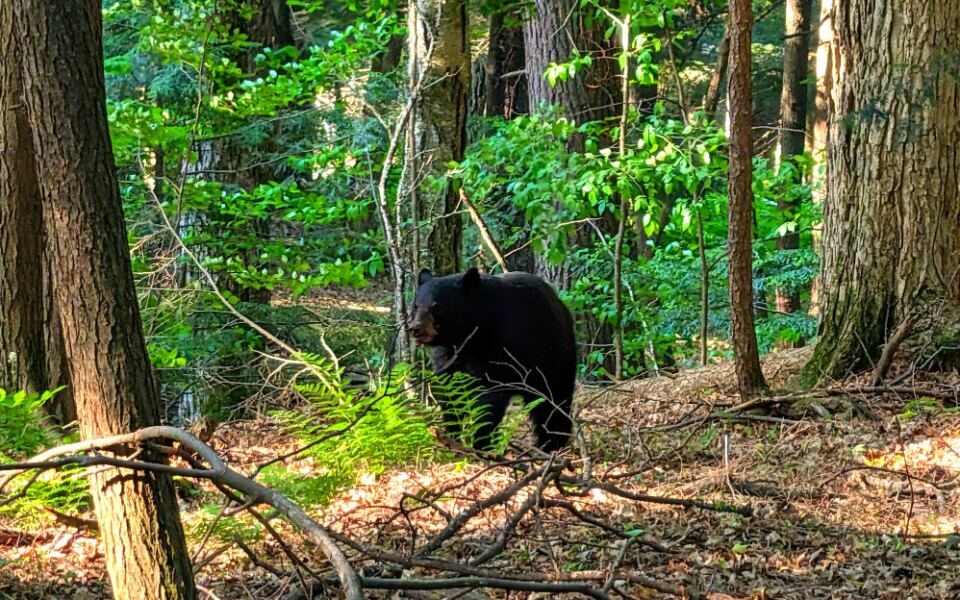
Michigan’s black bears are busy preparing for winter, and their search for food can bring them surprisingly close to campgrounds, orchards, and residential neighborhoods. One western Michigan township even issued a bear alert on October 30, 2026.
Michigan is home to thousands of black bears, with most living in the Upper Peninsula. But the northern Lower Peninsula has a growing population too.
Grand Traverse County alone recorded 178 bear complaints over six years, according to the Michigan DNR.
Fall is an important feeding season for bears as they build fat reserves before entering their winter dens. That means unsecured garbage, bird feeders, and unattended food can attract unwanted visitors.
From remote Upper Peninsula forests to communities near Traverse City and Ludington, these 11 Michigan locations are established bear habitats or areas with documented bear activity. Here’s where residents and visitors should stay alert this fall.
1. Tahquamenon Falls State Park, Paradise, Michigan
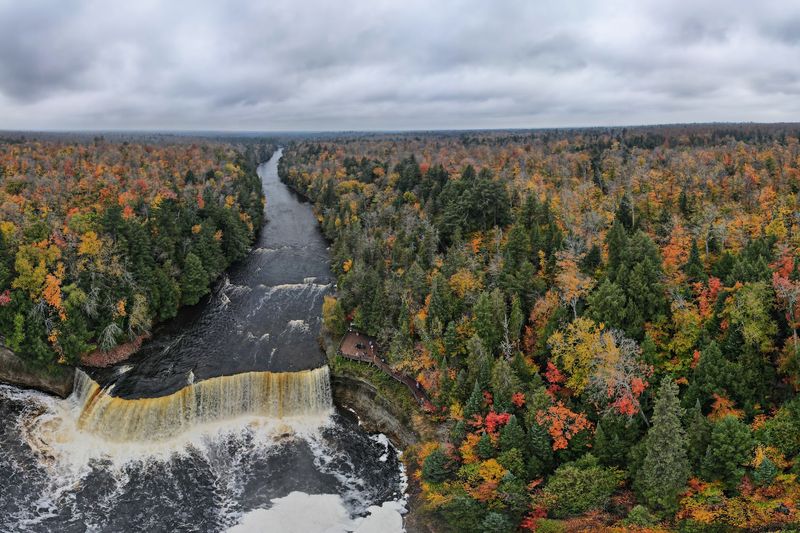
Why is the water at Tahquamenon Falls the color of root beer? Tannins from cedar swamps upstream tint the river amber, giving these waterfalls their famous look.
The park stretches across a large chunk of the eastern Upper Peninsula. Beyond the busy viewing platforms, you’ll find thick forests and undeveloped land that form part of established black bear territory.
Fall is feeding season for bears. They eat far more than usual to build fat reserves before winter, so they’re on the move and searching for food.
The trail linking the Upper and Lower Falls is a good example of where you’ll want to stay alert. It winds through wooded areas along the river, and wildlife doesn’t check a park map before wandering through.
Popular parks can make people relax a little too much. A crowded parking lot doesn’t mean bears stay away from the surrounding forest.
Keep snacks packed away, toss trash only in proper containers, and keep dogs leashed. Those small habits protect both you and the bears, which stay wild when they don’t learn to link people with food.
Address: 41382 W M-123, Paradise, MI 49768
2. Pictured Rocks National Lakeshore, Munising, Michigan
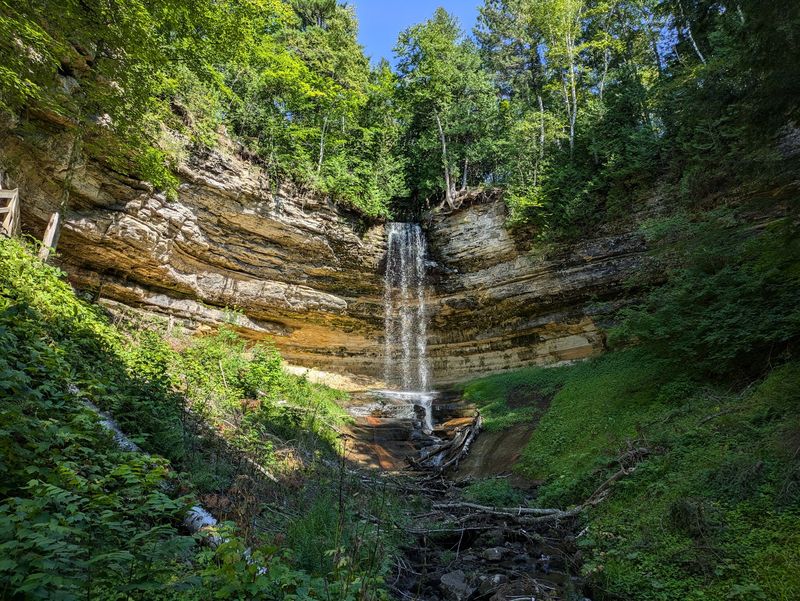
Streaks of orange, green, and blue run down the sandstone cliffs at Pictured Rocks, thanks to minerals seeping through the rock. Those cliffs grab the headlines, but there’s plenty of forest behind them too.
Black bears naturally live in the woods of this national lakeshore. The same trees that frame those Lake Superior views provide food and cover for wildlife.
Autumn brings cooler weather and quieter paths, especially once you leave the busiest overlooks. That calm is lovely for hikers, and it also means fewer people around to make noise that alerts bears.
Backpackers have a few extra rules to follow. Food storage requirements apply in backcountry camping areas, including sections near the Chapel area, and you’ll want to check them before heading out.
Never leave food unattended, even for a quick swim or photo break. A bear that grabs a free lunch may come back looking for more, which creates trouble for future campers.
Bring a bear-resistant container or use provided storage where available. It’s a small effort that helps keep this stretch of shoreline safe and wild.
Address: N8391 Sand Point Rd, Munising, MI 49862
3. Seney National Wildlife Refuge, Germfask, Michigan
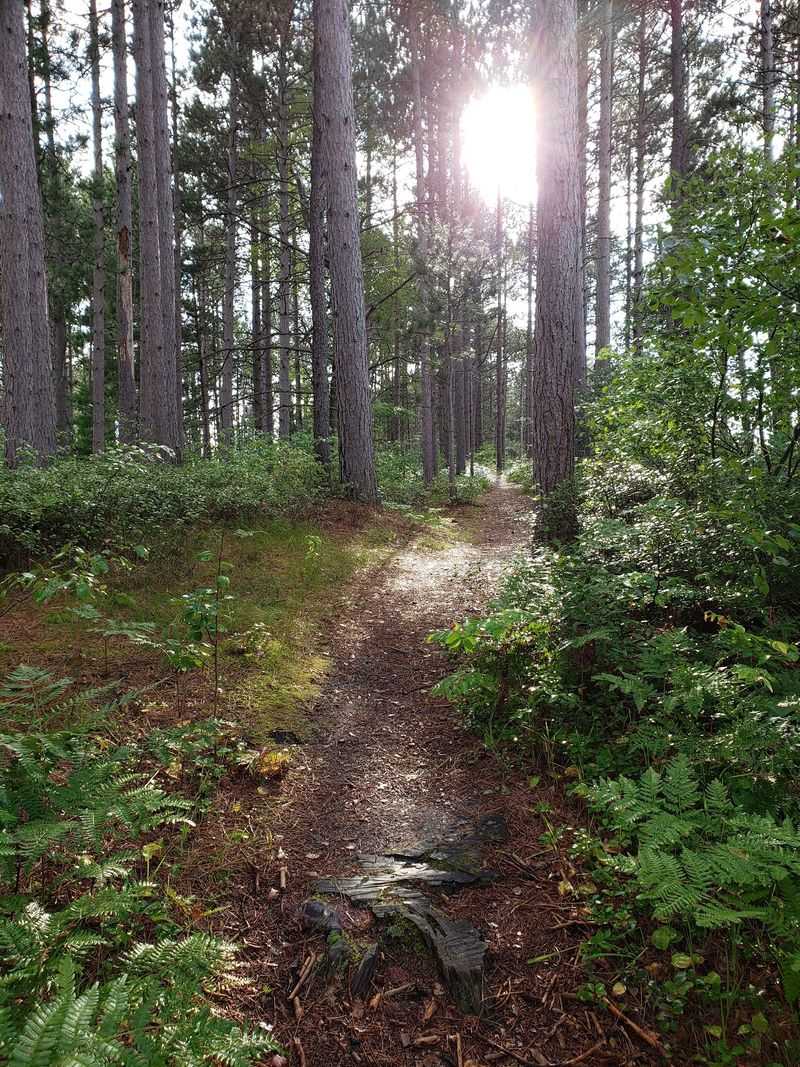
More than 95,000 acres of wetlands, forests, and bogs make up Seney National Wildlife Refuge. That’s a lot of space for animals, and black bears are among the mammals living here.
Bird lovers know Seney well. Trumpeter swans, loons, and other birds draw much of the attention, but the refuge supports a long list of other wildlife.
The landscape feels nothing like Michigan’s mountain parks. Flat marshes, open pools, and patches of woods mix together, creating edges where many animals search for food.
Bears may wander through these areas while hunting for berries and other fall foods. Still, sightings are never guaranteed, so think of any glimpse as a bonus rather than the goal.
Binoculars are your best friend here. They let you watch wildlife from far away without disturbing anything or getting too close.
Remember that a refuge is a home for animals first. Stay on marked routes, keep food packed away, and give any bear plenty of room to pass by peacefully.
Address: 1674 Refuge Entrance Rd, Seney, MI 49883
4. Wilderness State Park, Carp Lake, Michigan
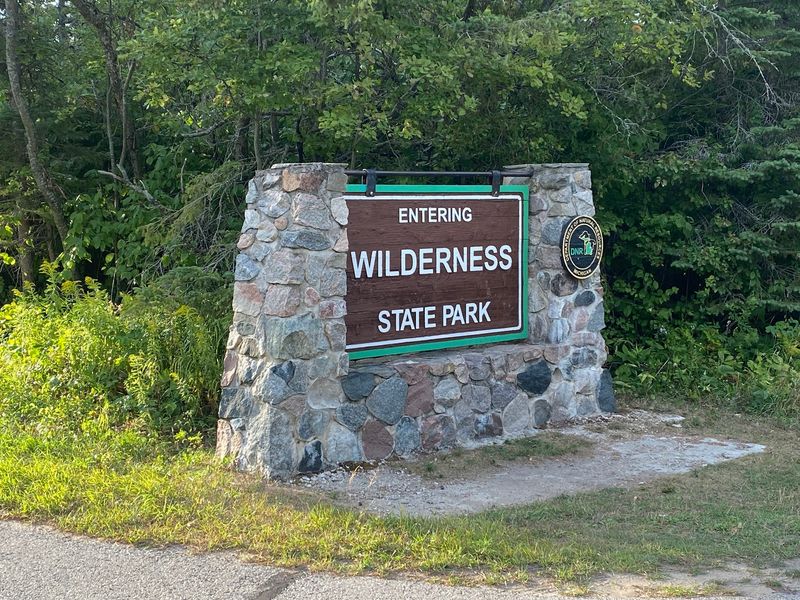
Beaches, dunes, wetlands, and thousands of acres of forest all fit inside one park near the northern tip of the Lower Peninsula. Wilderness State Park lives up to its name better than you might expect.
Much of the interior remains fairly undeveloped. That makes it part of the broader northern Michigan landscape where black bears occur.
Fall is a great time for a visit. Leaves change color along the trails, and the Lake Michigan shoreline offers wide views without the summer crowds.
Campers should treat food like treasure. Keep coolers, snacks, and scented supplies locked in a vehicle or secured properly, especially at sites near the woods.
Grease and food scraps around a campfire ring can attract curious visitors. Clean up after every meal, and don’t toss leftovers into the fire hoping they’ll vanish.
Hiking in groups and chatting along the way helps too. Bears usually move off when they hear people, which is exactly what you want to happen on a peaceful autumn walk.
Address: 903 Wilderness Park Dr, Carp Lake, MI 49718
5. Grand Traverse County, Traverse City, Michigan
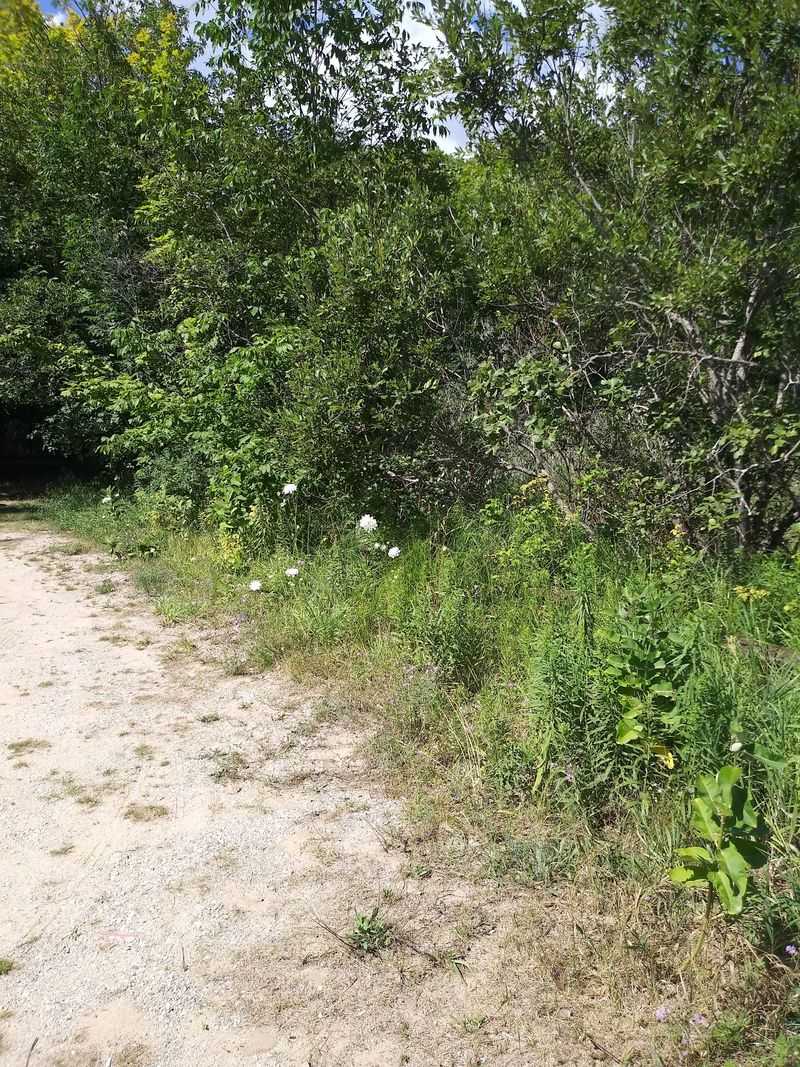
A total of 178 bear complaint reports over six years puts Grand Traverse County at the top of the northern Lower Peninsula. That figure comes from an August 2026 Michigan DNR report.
Why so many? The county mixes forests, orchards, neighborhoods, and recreation areas, which gives people and bears lots of chances to cross paths.
Orchards and backyards can offer easy calories. Fallen fruit, bird feeders, pet food, and garbage cans all look like dinner to a bear getting ready for winter.
Here’s an honest note: the report doesn’t prove sightings rose specifically in fall 2026. What it does show is that bear encounters are an ongoing local concern.
Residents can make a big difference with simple steps. Bring bird feeders inside during active seasons, store trash in a garage until pickup, and feed pets indoors.
Grills deserve attention too. Scrape off grease after cooking, because leftover drippings can draw a bear right onto your patio.
Address: Grand Traverse County Governmental Center, 400 Boardman Ave, Traverse City, MI 49684
6. Porcupine Mountains Wilderness State Park, Ontonagon, Michigan
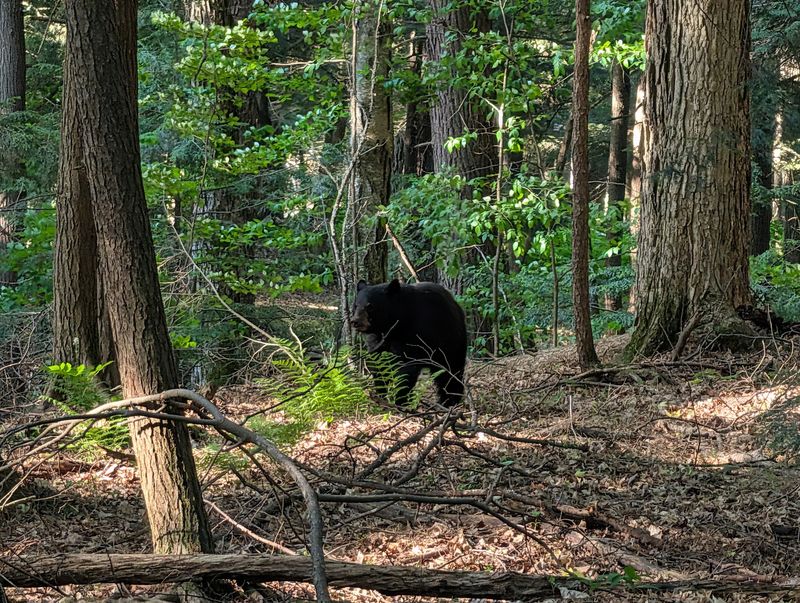
Old-growth trees, deep valleys, and miles of remote backcountry make the Porcupine Mountains one of the wildest corners of Michigan. Black bears call this western Upper Peninsula forest home, and autumn is when they get serious about snacking.
Most people show up for the Lake of the Clouds overlook. That view is famous for good reason, especially when the hills turn red and gold in fall.
Head farther down the trails, though, and you’re in bear country. The park is huge, and many routes lead into quiet woods where wildlife has plenty of room to roam.
Overnight campers carry the biggest responsibility here. Store food, toothpaste, and other scented items securely, and never leave snacks sitting at a campsite while you wander off to explore.
Talking or making noise on remote trails helps a bear know you’re coming. Most bears would rather avoid people, so giving them a heads-up keeps surprises to a minimum.
If you spot one, enjoy the moment from a safe distance. Back away slowly and let the bear go about its business, which is mostly finding its next meal.
Address: 33303 Headquarters Rd, Ontonagon, MI 49953
7. Manistee National Forest, Wellston, Michigan
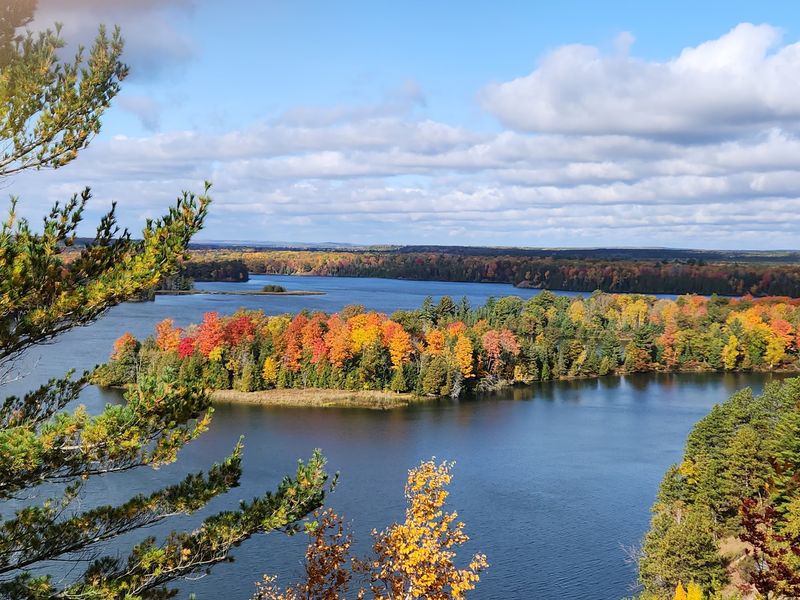
Rivers, campgrounds, and long stretches of woods spread across western Michigan in the Manistee National Forest. It covers a huge area of the Lower Peninsula.
Black bears are established in this region, especially in the northern portions of the forest. Plenty of trees and water give them room to roam and forage.
Autumn is prime time for hiking and camping here. The hardwoods change color, and cooler temperatures make long walks more comfortable.
Bears are busy at the same time. Before entering their winter dens, they may check out any food source they can reach, including unattended campsites.
Remote sections call for extra care. Pack garbage tightly, hang food or use bear-resistant storage when possible, and never leave coolers sitting outside overnight.
Paddlers on the forest’s rivers should think ahead too. Riverside campsites can attract wildlife, so keep cooking areas away from your tent and clean up thoroughly afterward.
Address: Manistee Ranger Station, 412 Red Apple Rd, Manistee, MI 49660
8. Ottawa National Forest, Ironwood, Michigan
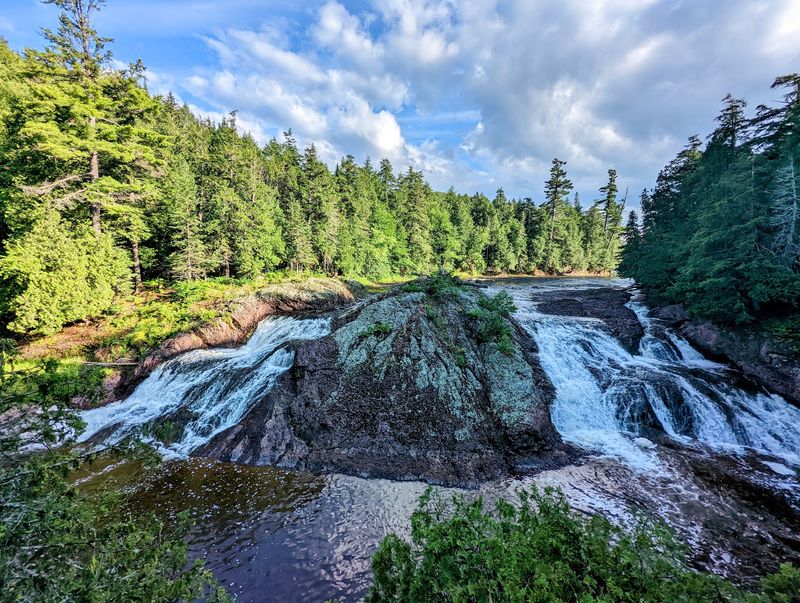
Waterfalls tumble one after another along the Black River in Ottawa National Forest. Fall color around those falls draws scenic drivers and hikers each autumn.
The forest covers a large part of the western Upper Peninsula. Wooded hills, lakes, and rivers stretch far from busy towns, giving wildlife plenty of space.
That makes it one of Michigan’s important black bear habitats. Bears here search for natural foods like nuts and berries as winter approaches.
Good natural food crops can keep bears in the woods. In years when berries or nuts run short, though, bears may wander more widely looking for something to eat.
Picnickers should pack out everything they bring. Wrappers and food scraps left at trailheads can teach bears to hang around places where people gather.
A scenic drive is a fine way to enjoy the forest safely. If a bear crosses the road, stay inside your car, slow down, and let it move along.
Address: Ottawa National Forest Supervisor’s Office, E6248 US-2, Ironwood, MI 49938
9. Sleeping Bear Dunes National Lakeshore, Empire, Michigan
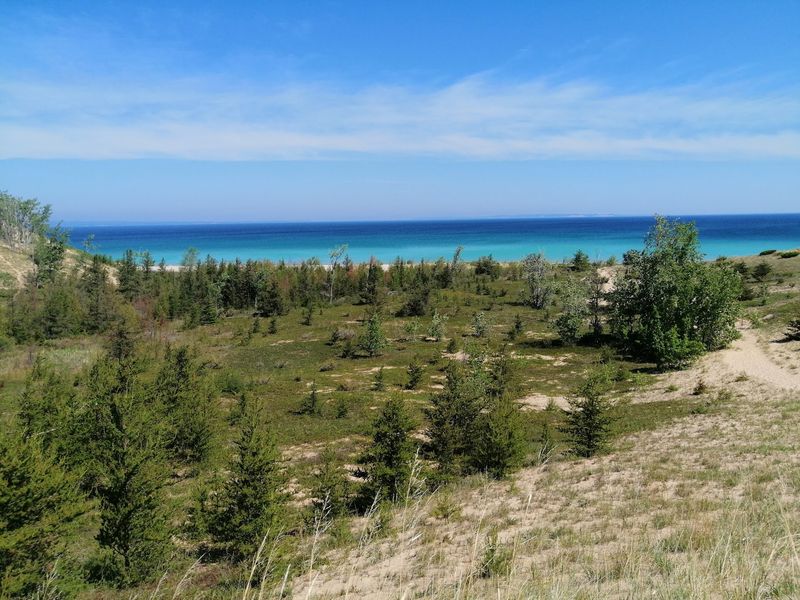
A park named after a bear legend really does have bears. Black bears are known to live within Sleeping Bear Dunes and the surrounding Leelanau and Benzie counties.
The dunes themselves are enormous. Some tower hundreds of feet above Lake Michigan, and climbing them is a classic northern Michigan challenge.
Behind the sand, the scene changes fast. Hardwood forests and inland lakes fill much of the protected landscape, offering cover and food for wildlife.
That mix of open dunes and shady woods gives hikers two very different experiences in one park. The wooded interior trails tend to be quieter, especially after summer ends.
Fall campers should be careful with food storage. Use proper containers, keep a tidy site, and never cook or eat inside your tent.
Spending time in calmer forested areas is part of the fun. Just keep your eyes open and your snacks sealed, and the only bear story you bring home will be the legend.
Address: Philip A. Hart Visitor Center, 9922 W Front St, Empire, MI 49630
10. Hiawatha National Forest, Munising, Michigan
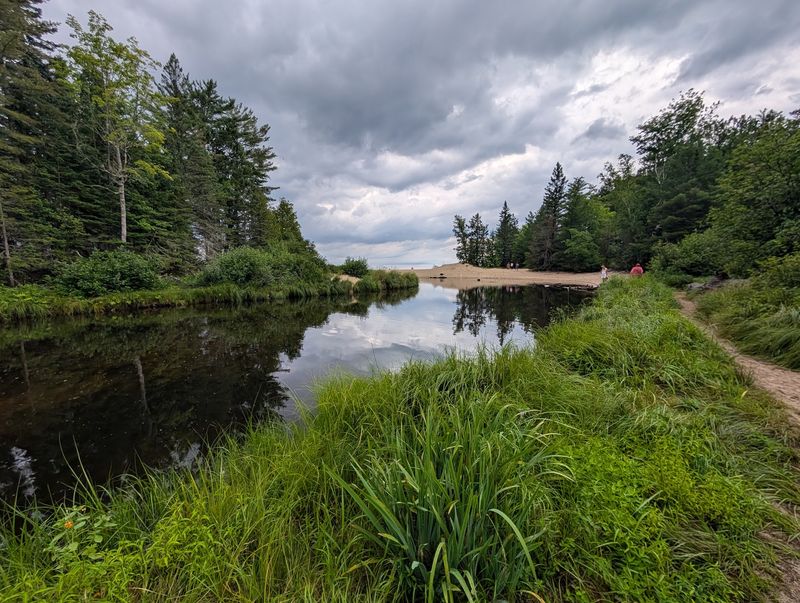
Shoreline on three Great Lakes sets Hiawatha National Forest apart. Its lands touch Lake Superior, Lake Michigan, and Lake Huron across the Upper Peninsula.
Inland, the forest holds lakes, wetlands, and miles of trees. These natural areas provide suitable habitat for black bears, which are well established across the region.
Some sections are popular with campers and hikers. Others feel remote, with few people around and long stretches of quiet woods.
Both kinds of places need the same care in fall. As bears prepare for winter, a messy campsite can become an easy target.
Keeping campsites clean helps stop bears from getting used to human food. Once they learn that habit, they may keep returning, which creates problems for people and bears alike.
Wash dishes away from your sleeping area and dispose of gray water properly. Store toiletries with your food, since a bear’s nose doesn’t know the difference between toothpaste and a granola bar.
Address: Hiawatha National Forest, 400 E Munising Ave, Munising, MI 49862
11. Hamlin Township, Ludington, Michigan
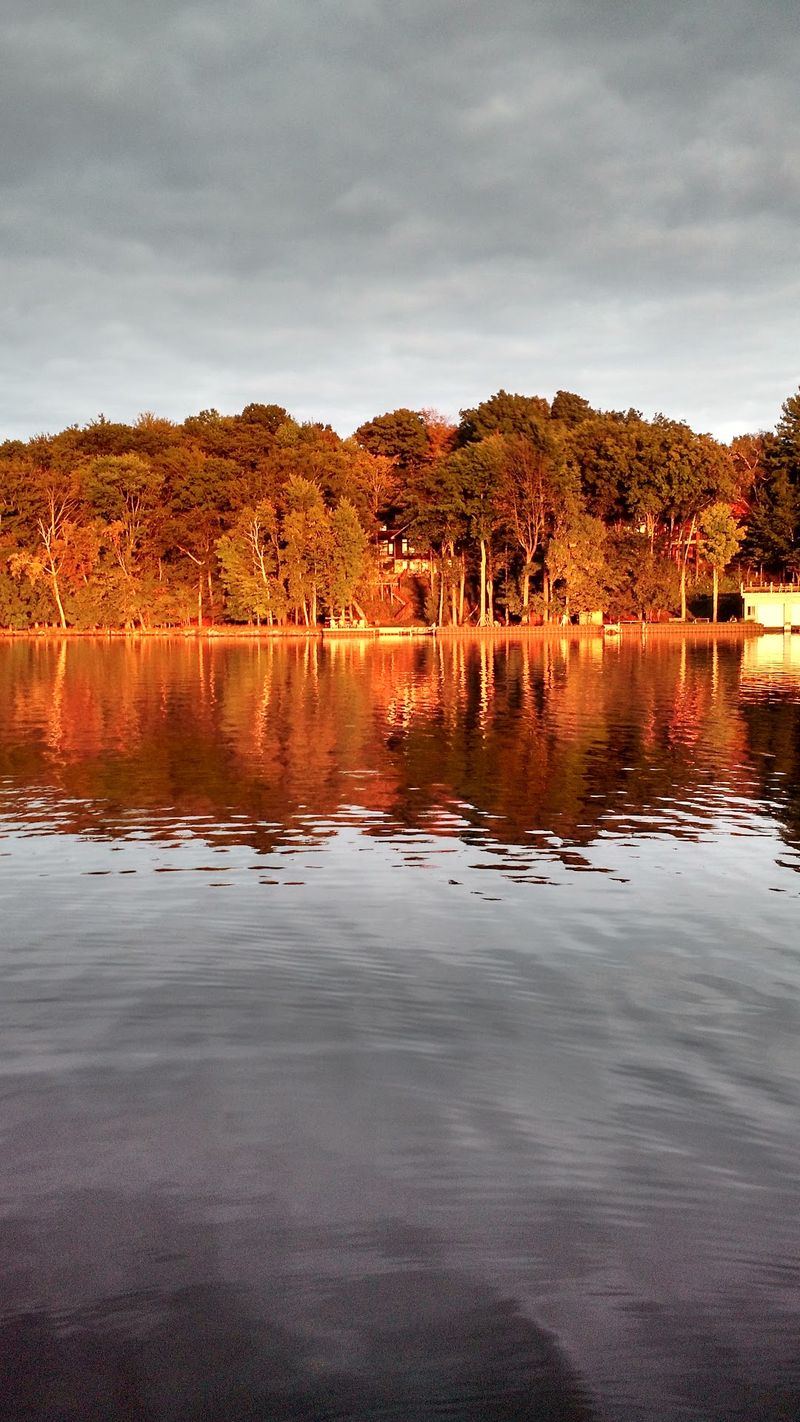
On October 30, 2026, Hamlin Township officials sent out a community alert about a bear. Reports placed it near Beaune and Angling roads, extending west toward Jebavy Drive and Fountain Road.
That alert offers one of the clearest recent examples of bear activity in western Lower Michigan. It shows that bears can turn up outside the big northern forests.
A homeowner also reported livestock losses. Officials noted that those circumstances had not been independently confirmed, which is a fair and careful way to share early information.
The township gave practical advice to residents. Secure garbage, protect pets and livestock, and avoid approaching the bear.
Those tips work anywhere a bear might roam. Bringing animals into barns or pens at night and keeping feed stored tightly can reduce temptation.
Curiosity is natural when a bear shows up nearby. Still, chasing it for photos puts people and the animal at risk, so watch from a distance and report sightings to local officials or the DNR.
Address: Hamlin Township Hall, 3775 N Jebavy Dr, Ludington, MI 49431
Share this story