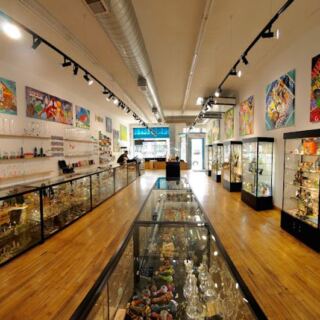
A historic train station that doubles as a railroad museum is just one of the surprises along Amtrak’s Blue Water route. Other stops put travelers within reach of Michigan’s oldest surviving lighthouse, a zoo where visitors can feed giraffes, and a free art museum designed by a world-famous architect.
The route connects Port Huron with Chicago, stopping in 10 Michigan communities along the way. In Kalamazoo, a free museum sits within walking distance of the station.
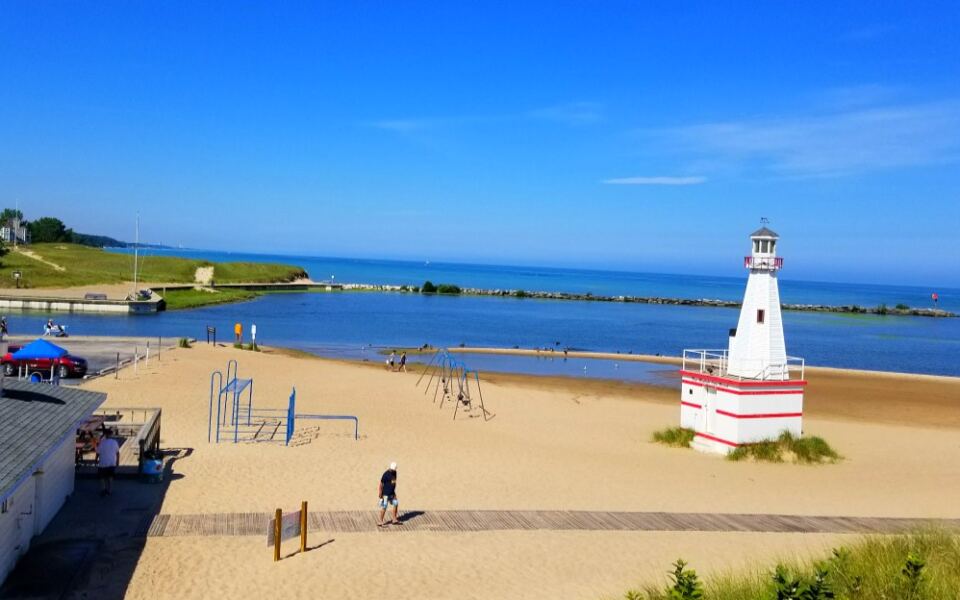
In New Buffalo, Lake Michigan’s public beach offers another reason to explore beyond the tracks.
Some attractions are an easy walk from the station, while others require a short drive. The Blue Water operates just once daily in each direction, so certain visits work better as overnight trips.
Here are 10 stops that show how much there is to explore along this Michigan train route.
1. Fort Gratiot Lighthouse, Port Huron, Michigan
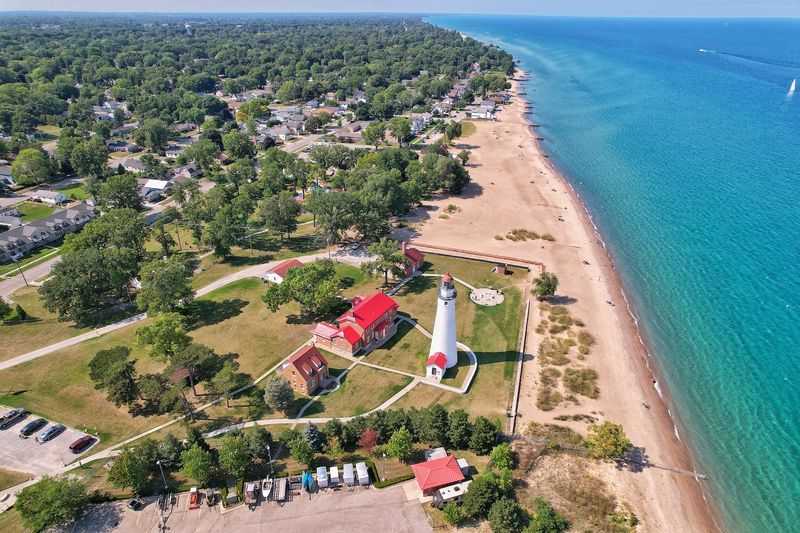
Michigan’s oldest surviving lighthouse has guided ships since 1829, and it still stands watch where Lake Huron pours into the St. Clair River. That makes it a fitting first stop, since Port Huron is where the Blue Water line begins.
The tall white tower is the obvious draw, but the grounds hold more. Restored buildings, including keepers’ quarters and a fog signal building, help explain how families once lived and worked at a busy light station.
Seasonal tours and tower climbs give you a chance to look out over the water from above. Height-wise, the climb takes some effort, so wear comfortable shoes and check age and height rules before you go.
Keep an eye on the river while you’re there. Huge Great Lakes freighters move through this channel, and watching one slide past the lighthouse is a classic Port Huron moment.
Tour days and hours change with the seasons, so check ahead before building your schedule around a climb. The site is operated by the Port Huron Museums, which also run other historic spots around town.
Address: 2802 Omar Street, Port Huron, MI 48060
2. Gallery 194, Lapeer, Michigan
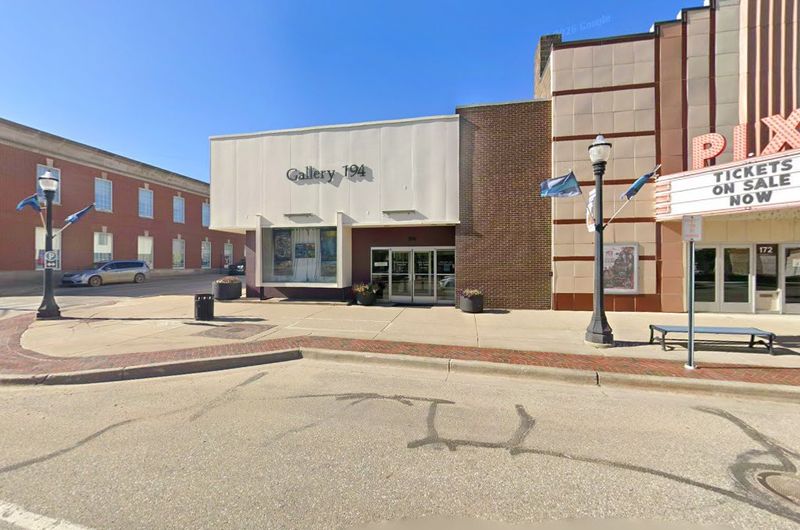
Local art gets a proper spotlight on Nepessing Street, where Gallery 194 fills a downtown storefront in Lapeer. It’s a community gallery, so the focus stays on artists from the surrounding region rather than big-name traveling shows.
Exhibits rotate, which means the walls can look quite different from one visit to the next. Paintings, photography, and other media may all appear, depending on what’s on display when you stop by.
The gallery shop is a smart place to look for a souvenir with a story. Buying a locally made piece supports working artists, and it beats grabbing a generic keychain at a rest stop.
Give yourself time to walk the block afterward. Downtown Lapeer still has older storefronts lining the street, plus the historic Pix Theatre, a restored movie palace with a bright marquee.
Lapeer sits along the Blue Water corridor, though stop schedules can shift, so confirm train times before you plan. Gallery hours are limited on some days, so a quick check of the schedule saves you from staring at a locked door.
Address: 194 West Nepessing Street, Lapeer, MI 48446
3. Longway Planetarium, Flint, Michigan
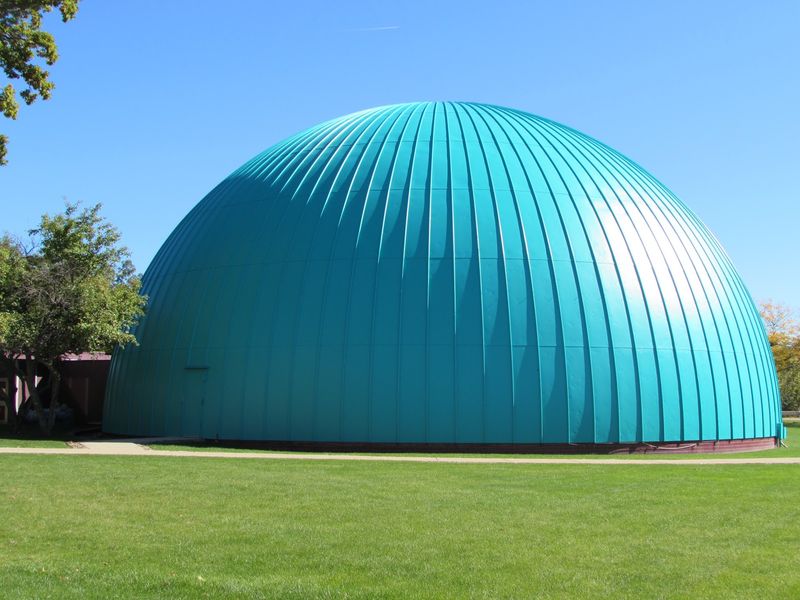
How often does a train trip include a detour into outer space? At Longway Planetarium in Flint, the dome overhead becomes a screen for stars, planets, and distant galaxies.
The planetarium belongs to the Flint Cultural Center, a campus that groups several museums and arts venues together. That layout makes it easy to pair a show with another stop nearby, such as the Sloan Museum of Discovery or the Flint Institute of Arts.
Shows cover astronomy, space missions, and other science topics. Some programs lean toward younger kids, while others work well for teens and adults who want a deeper look at the night sky.
Families tend to find it an easy win, because the shows have set start times and a clear length. That helps a lot when you’re trying to line things up with a train schedule.
Check the show calendar before you arrive, since offerings change through the year. Arriving a bit early also gives you time to find the right building on the cultural center campus, which spreads across several blocks.
Address: 1310 East Kearsley Street, Flint, MI 48503
4. Durand Union Station, Durand, Michigan
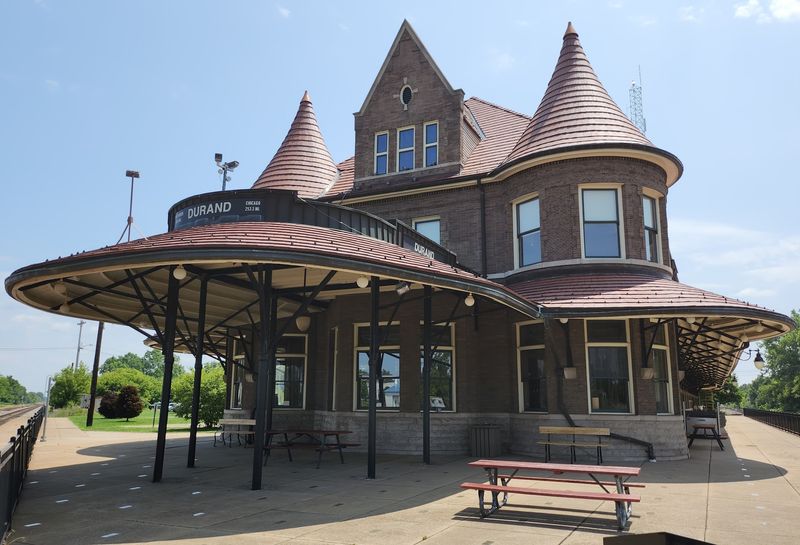
Built in 1903, Durand Union Station once handled dozens of trains a day in a town that was a major rail crossroads. Today it still serves Amtrak passengers, which means your train literally pulls up to a museum.
Inside, the Michigan Railroad History Museum fills the depot with photographs, artifacts, and exhibits about rail travel across the state. You’ll learn how lines like the Grand Trunk shaped small towns and helped move people and goods.
The building itself deserves a slow walk around the outside. Its long brick and stone design and curved roofline make it one of the more eye-catching depots you’ll see in Michigan.
Train fans should linger by the tracks for a while. Freight traffic still moves through Durand, so there’s a decent chance of seeing more than just your own Amtrak ride.
Museum hours are limited and vary by season, so check before you go. A gift shop with railroad books and souvenirs makes a fitting stop for the train lover in your life.
Address: 200 Railroad Street, Durand, MI 48429
5. Eli and Edythe Broad Art Museum, East Lansing, Michigan
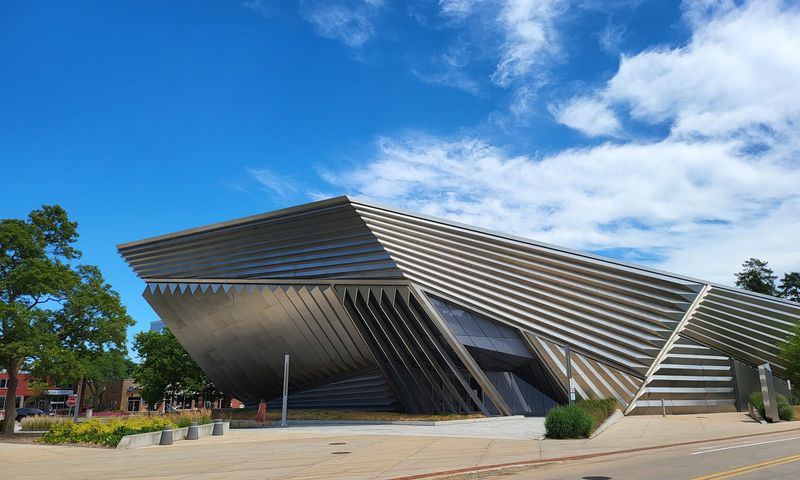
Pleated stainless steel and glass give this museum a sharp, slanted shape that seems to lean in several directions at once. Architect Zaha Hadid designed it, and it opened on the Michigan State University campus in 2012.
The contrast is part of the fun. Older brick campus buildings sit nearby, so the museum looks a bit like a visitor from the future who wandered onto Grand River Avenue.
Inside, exhibitions focus on contemporary art and change regularly. The museum also holds a collection with works that span many centuries, so you may see older pieces alongside newer ones.
Admission is free, which makes it an easy add-on during an East Lansing layover. The Amtrak station sits a short ride from campus, so plan for a bus, rideshare, or a longer walk.
Even if modern art isn’t usually your thing, the building alone makes the stop worth your time. Walk around the exterior and notice how the angles shift as you move, then grab a snack along Grand River Avenue before heading back.
Address: 547 East Circle Drive, East Lansing, MI 48824
6. Binder Park Zoo, Battle Creek, Michigan
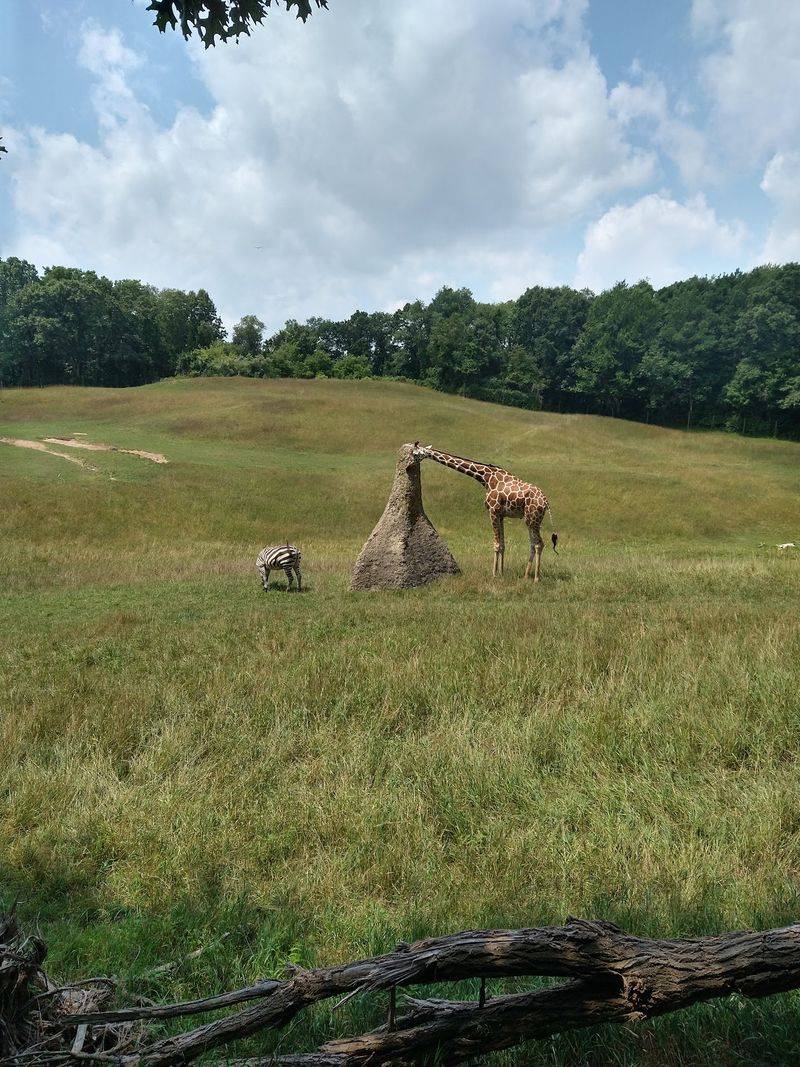
Feeding a giraffe from an elevated platform is not a typical part of train travel. At Binder Park Zoo in Battle Creek, the Twiga Overlook makes that possible when the feeding experience is offered.
The giraffes live in Wild Africa, a large section of the zoo with wide habitats. Zebras, antelope, and other species share the space, and a tram helps carry visitors into that part of the grounds.
Beyond Wild Africa, wooded walking paths connect the rest of the zoo. Plan on a good amount of walking, so sturdy shoes and a water bottle help.
The zoo runs seasonally, generally from spring into fall, with closures during the colder months. Check the calendar before you travel, since a closed gate is a rough surprise after a train ride.
Getting there takes some planning, because the zoo sits south of downtown and away from the station. A rideshare or taxi is the simplest option.
Families can easily spend half a day here, so give yourself enough time rather than squeezing it in between trains.
Address: 7400 Division Drive, Battle Creek, MI 49014
7. Kalamazoo Valley Museum, Kalamazoo, Michigan
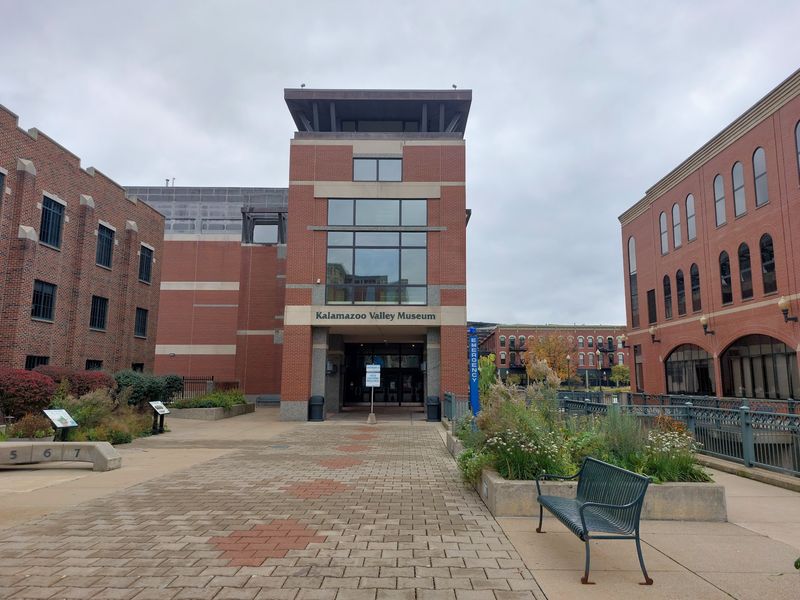
Free general admission is a rare treat for a museum this full. The Kalamazoo Valley Museum, run by Kalamazoo Valley Community College, sits in the heart of downtown, a short walk from the Amtrak station.
Exhibits dig into the city’s long history of making things. Kalamazoo has ties to Checker taxicabs and Gibson guitars, and the museum shows how local inventors and businesses shaped the region.
Hands-on displays keep younger visitors busy, and science exhibits mix in with the local history. Kids can tinker and explore, while adults get a dose of nostalgia from familiar brands.
The museum also has a planetarium with scheduled shows. Unlike general admission, planetarium tickets usually cost a small fee, so check the schedule if you want to catch one.
That station location is the big practical win. You can step off the train, spend a couple of hours inside, and grab lunch downtown without needing a car.
Kalamazoo’s walkable Kalamazoo Mall area sits nearby too, which gives you extra options if your train runs late.
Address: 230 North Rose Street, Kalamazoo, MI 49007
8. Dowagiac Area History Museum, Dowagiac, Michigan
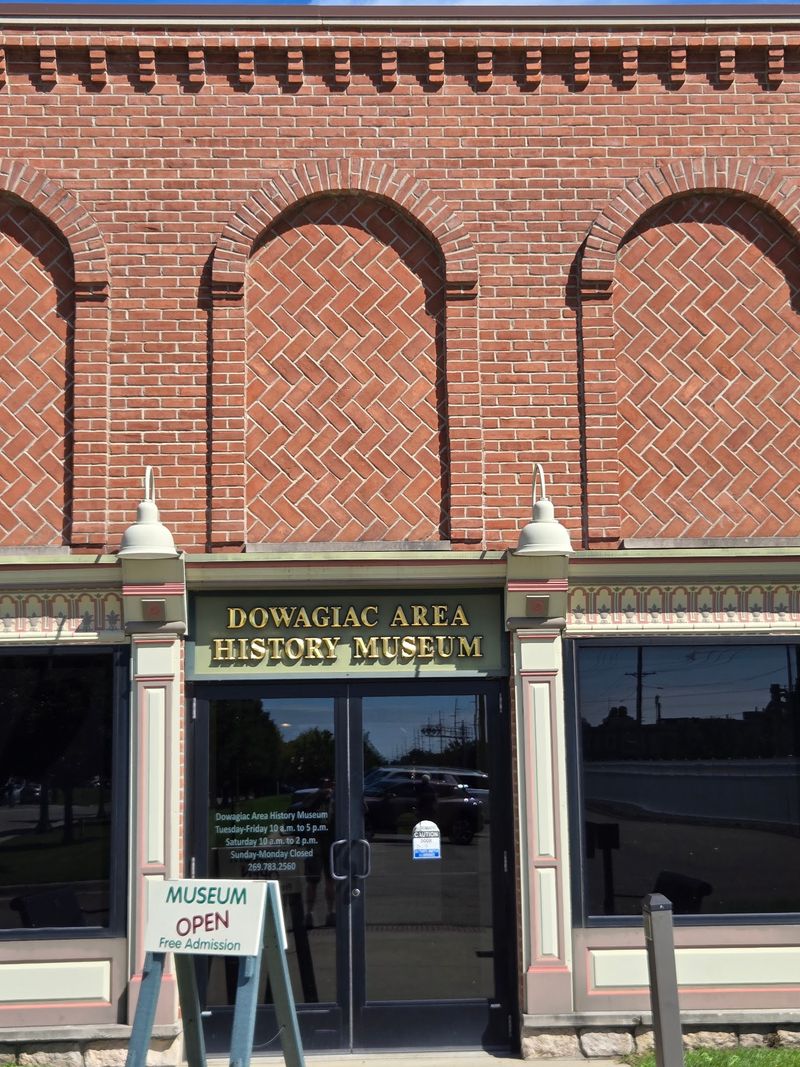
Round Oak stoves once heated homes across the country, and they were made right here in Dowagiac. The company grew into a major employer, and its story sits at the center of the Dowagiac Area History Museum.
Ornate cast iron stoves and company items help show why the brand mattered so much. You’ll also learn how the railroad helped local factories ship products far beyond southwest Michigan.
Other exhibits cover regional industries and everyday life in the community. Small museums like this often surprise people, because the stories feel personal and close to home.
The museum also explores Orphan Train history. From the 1850s into the early 1900s, trains carried children from crowded East Coast cities to new homes in the Midwest, and some settled in this area.
Dowagiac’s Amtrak stop sits near downtown, so the museum makes a handy walking stop. Hours are limited, often just a few days a week, so call ahead or check online before planning around it.
A quick stroll through downtown afterward rounds out the visit nicely.
Address: 201 East Division Street, Dowagiac, MI 49047
9. Riverfront Park, Niles, Michigan
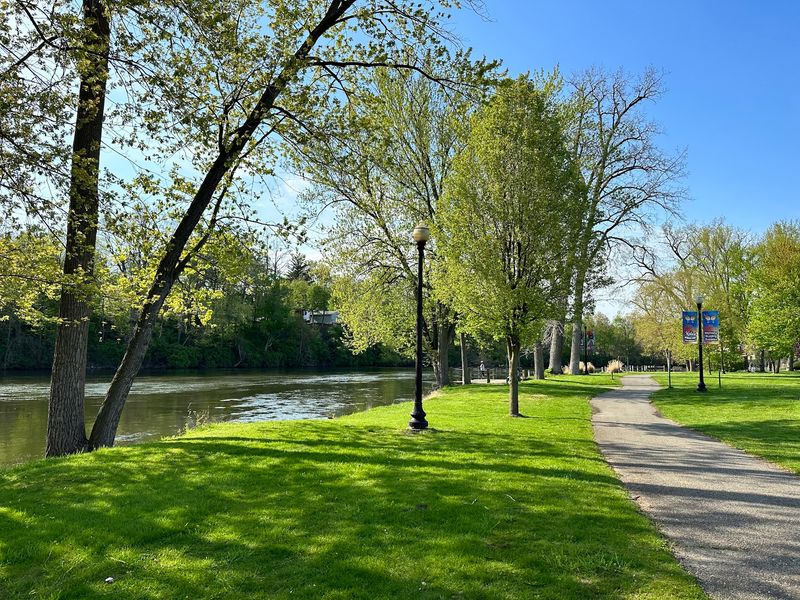
Sometimes the best stop is the one that asks nothing of you. Riverfront Park in Niles follows the St. Joseph River, giving you paths, benches, and open grass right near downtown.
The walking path makes an easy loop for stretching your legs after hours in a train seat. Shade trees and riverside spots work well for a picnic lunch or just a quiet break.
Niles has deep history, too. The city’s nickname, City of Four Flags, comes from the four nations that have claimed the area over time: France, Britain, Spain, and the United States.
After your stroll, wander a few blocks into downtown. Older brick commercial buildings line the main streets, and local shops and restaurants make it easy to fill an hour or two.
Niles also has a handsome historic train station, built in 1892 for the Michigan Central Railroad. It still serves Amtrak riders, so take a moment to admire the stonework before or after your riverside walk.
The park hosts community events at times, so check the city calendar for anything happening during your visit.
Address: 1 Riverfront Drive, Niles, MI 49120
10. New Buffalo Public Beach, New Buffalo, Michigan
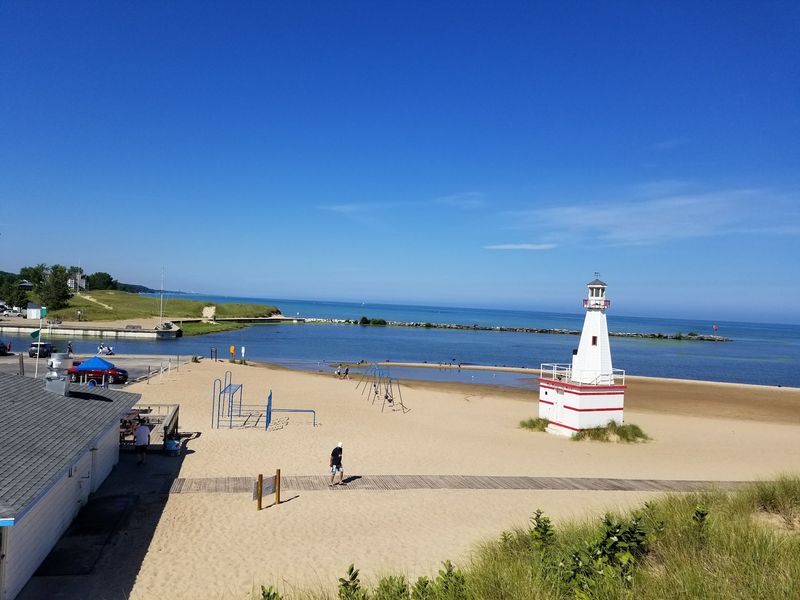
Sand between your toes makes a fine way to say goodbye to Michigan. New Buffalo sits near the Indiana line, the last Michigan stop before the Blue Water heads on to Chicago.
The public beach stretches along Lake Michigan with a wide strip of sand. You can watch boats move through the harbor entrance nearby, and the west-facing shore sets you up nicely for sunset.
Summer brings swimming weather, while spring and fall work well for long walks along the water. Lake Michigan can have strong currents, so pay attention to posted flags and warnings.
Parking fees apply during the busy season for drivers, but train riders can skip that worry. Downtown shops, ice cream stands, and restaurants sit a short walk from the beach.
Planning is key here, since the Amtrak stop is a bit inland and schedules are limited. Many travelers turn this into an overnight stay, which gives you an evening sunset and a relaxed morning before boarding again.
It’s an easy way to end the Michigan leg on a high note.
Address: 101 North Whittaker Street, New Buffalo, MI 49117
Share this story